
Historical Background of Morocco Blue City
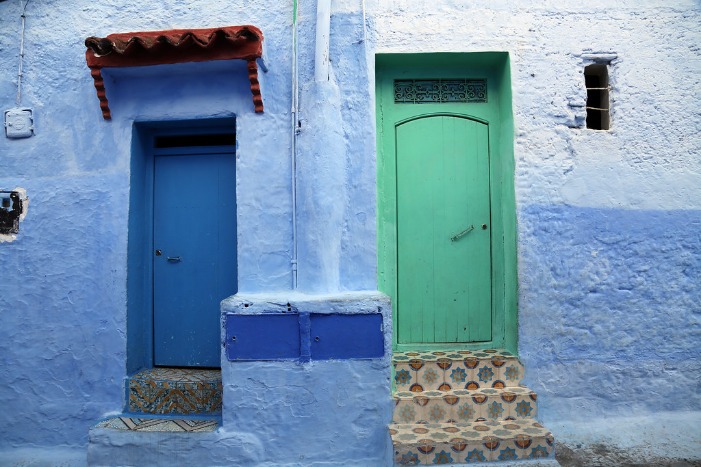
Morocco’s Blue City, also known as Chefchaouen, boasts a rich historical background rooted in its founding in 1471 by Moorish tribes. Nestled in the Rif Mountains, this charming town became a significant pilgrimage site for Jewish refugees fleeing the Spanish Inquisition, which influenced its distinctive blue-painted streets and buildings. Over centuries, Chefchaouen developed as a vibrant cultural hub, blending Amazigh, Arab, and Andalusian influences, making it a unique reflection of Morocco’s diverse heritage.
Origins and Foundation
The Blue City of Morocco, known locally as Chefchaouen, has a rich historical background rooted in its origins and cultural significance. Founded in the 15th century, Chefchaouen was established as a fortress and refuge for those fleeing the Reconquista and various invasions. Its strategic location in the Rif Mountains allowed it to serve as a defensive stronghold and a center of trade and religious activity over centuries.
The city’s distinctive blue walls and buildings are believed to have been introduced by Jewish refugees in the 15th and 16th centuries, symbolizing the sky and heaven, and emphasizing spiritual reflection. Over time, the city became a melting pot of Berber, Arab, and Jewish influences, shaping its unique architecture and cultural identity.
- Founded in 1471 by Moulay Ru بد Al-Hassan and the Sharifian tribes.
- Initially established as a fortress to defend against Portuguese invasions and later expanded as a religious and cultural center.
- The blue color was adopted by Jewish refugees, and it has since become a defining characteristic of the city’s appearance and identity.
- Throughout history, Chefchaouen served as a hub for Islamic scholarship and a safe haven for persecuted communities.
- Today, the city is renowned for its well-preserved medina, scenic mountain setting, and vibrant cultural heritage rooted in its diverse historical influences.
Historical Significance and Evolution
The Morocco Blue City, known as Chefchaouen, has a rich historical background rooted in its founding in 1471 by Moorish refugees fleeing the Reconquista in Spain. This city was established as a fortress to protect against Portuguese invasions and quickly became a vital center for trade, religion, and culture in the region. Over centuries, Chefchaouen’s strategic location helped it develop a unique identity shaped by Andalusian, Berber, and Arab influences, which is reflected in its architecture and traditions.
Historically, Chefchaouen gained prominence during the Moorish period as a hub for Islamic learning and craftsmanship. The city’s prominent blue-washed streets, which symbolize tranquility and spiritual significance, originated in the 15th century and have since become a defining characteristic. The blue hue was believed to symbolize the sky and heaven, and later, it also became a way to keep mosquitoes away. During its evolution, the city maintained its importance through various periods, including the era of French protectorate, although it largely preserved its cultural heritage.
Throughout the 20th and 21st centuries, Chefchaouen’s historical significance has shifted from a military and religious stronghold to a popular tourist destination renowned for its charming aesthetic and cultural authenticity. The city’s evolution reflects a blend of ancient traditions and modern influences, making it a distinctive example of Morocco’s diverse historical tapestry. Today, the Blue City continues to attract visitors worldwide, eager to explore its historical streets, learn about its past, and enjoy its vibrant cultural scene.
Architectural Influences Over the Centuries
The Morocco Blue City, known as Chefchaouen, has a rich historical background shaped by various cultural influences over the centuries. Founded in 1471, it originally served as a fortress to resist Portuguese invasions and as a retreat for Moorish refugees fleeing the Reconquista in Spain. The city’s strategic location along trade routes contributed to its diverse cultural development, blending Arab, Berber, and Andalusian influences. Its distinctive blue-painted streets and buildings are believed to symbolize the sky and heaven, providing a sense of spiritual tranquility. Over time, the city’s architecture reflects a mix of Islamic, Moorish, and Spanish colonial styles, with narrow winding alleys, plateau-style houses, and decorative tile work. This unique fusion of architectural elements illustrates the city’s historical role as a melting pot of different civilizations. Today, Chefchaouen remains a vivid testament to its complex past, attracting visitors eager to explore its storied streets and architectural beauty.
Architectural Characteristics
The architectural characteristics of Morocco’s Blue City, Chefchaouen, reflect a unique blend of historic Andalusian, Moroccan, and Islamic influences. The city is renowned for its narrow winding streets, vibrant blue-painted walls, and distinctive traditional structures. These elements create a charming and harmonious environment that showcases the region’s rich cultural heritage and architectural artistry. Exploring Chefchaouen offers a glimpse into a landscape where everyday buildings and public spaces are transformed into artistic expressions through color, design, and craftsmanship.
Distinctive Blue Walls and Structures
The Blue City of Morocco, also known as Chefchaouen, is renowned for its striking architectural characteristics centered around its vivid blue walls and structures. These features create a mesmerizing visual experience, highlighting the city’s unique cultural identity. The buildings are typically constructed with traditional Moroccan materials, such as stucco and tile work, which complement the blue hue and enhance the city’s charm. The distinctive blue walls serve both aesthetic and practical purposes, helping to keep interiors cool during hot summers and symbolizing spirituality and tranquility. Narrow winding streets and courtyards adorned with blue accents further emphasize the city’s enchanting ambiance. Overall, the architectural style of Chefchaouen seamlessly blends functional design with artistic expression, making it a captivating destination for visitors and a vivid example of Morocco’s diverse heritage.
Design Elements and Materials Used
The architecture of the Blue City, renowned for its striking blue-painted buildings, reflects a harmonious blend of traditional Moroccan design and urban aesthetics. Characterized by narrow winding streets, vibrant courtyards, and intricate tilework, this city embodies a unique cultural identity. The use of natural materials such as clay, stone, and wood forms the foundation of its structures, ensuring harmony with the surrounding environment. Design elements often include arched doorways, decorative wooden lattice windows, and colorful ceramic tiles arranged in geometric patterns, which add visual interest and cultural depth. The prominent use of blue paint on walls and facades symbolizes both spiritual tranquility and protection from pests, creating an instantly recognizable skyline. Overall, the city’s architectural characteristics highlight a commitment to craftsmanship, vibrant color schemes, and functional yet beautiful design elements rooted in Moroccan tradition.
Urban Layout and City Planning
The Blue City of Morocco, notably Chefchaouen, is renowned for its distinctive architectural characteristics, which emphasize the use of vibrant blue hues that adorn building walls, doorways, and streets. This color scheme creates a unique visual harmony that reflects both cultural influences and local traditions. Architecturally, structures tend to feature geometric shapes, arched doorways, and intricate tile work that highlight the city’s rich heritage and artisanal craftsmanship.
The urban layout of Chefchaouen is characterized by its compact, maze-like streets and narrow alleyways that meander through the mountainous terrain. This organic arrangement fosters a sense of intimacy and community within the city while providing natural shade and ventilation. The city’s layout results in a charming, labyrinthine atmosphere that encourages exploration and discovery, with many hidden courtyards and piazzas scattered throughout.
City planning in Chefchaouen emphasizes harmony with its natural environment, prioritizing pedestrian pathways over vehicular traffic to preserve its aesthetic and cultural integrity. The urban development is designed to maintain the historical character of the city while accommodating modern needs through careful preservation efforts. This thoughtful planning ensures the city’s picturesque scenery and traditional architecture remain intact, making it a captivating destination that seamlessly blends heritage, beauty, and functionality.
Top Attractions and Key Sites
Morocco’s Blue City, also known as Chefchaouen, is renowned for its stunning panoramic views, vibrant blue-washed streets, and rich cultural heritage. Visitors can explore a variety of top attractions and key sites that showcase the city’s unique charm and history. From ancient medinas to breathtaking viewpoints, Chefchaouen offers an unforgettable experience for travelers seeking both beauty and authenticity.
Blue Medina and Its Streets
Blue Medina, also known as Chefchaouen, is renowned for its stunning scenery, vibrant streets, and unique architecture that attracts travelers from around the world. The city’s top attractions and key sites offer a glimpse into its rich history and culture, making it a must-visit destination in Morocco.
Top Attractions and Key Sites in Blue Medina
- Kasbah Museum: A historic fortress that houses a variety of exhibits on local history, craftwork, and Moroccan archaeology, offering panoramic views of the medina.
- Salta River: A picturesque river that flows through the city, providing scenic spots for relaxation and photography amidst the blue-washed streets.
- Spanish Mosque: An ancient hilltop mosque offering breathtaking sunsets and panoramic views of the medina and surrounding mountains.
- Outa El Hammam Square: The lively main square bustling with markets, cafes, and street performers, capturing the vibrant spirit of Chefchaouen.
- Ras El-Ma Spring: A historic water source and natural spring located at the city’s entrance, which has served as a communal gathering spot for centuries.
Exploring the Streets of Blue Medina
The streets of Chefchaouen are famed for their striking blue walls, narrow alleyways, and charming steps. Wandering through these labyrinthine paths offers a sensory experience filled with colorful handicraft shops, aromatic cafes, and friendly locals. Each street showcases traditional Moroccan architecture with whitewashed buildings, decorative tilework, and vibrant textiles, creating an enchanting atmosphere that remains memorable for visitors.
Significant Landmarks and Monuments
The Blue City of Morocco, known as Chefchaouen, is renowned for its stunning attractions and iconic landmarks that capture the essence of Moroccan culture and history. Visitors can explore its charming medina, characterized by narrow winding streets painted in shades of blue and white, creating a magical ambiance. The Kasbah Museum within the medina offers insight into the city’s past, showcasing restored fortifications and exhibits on local history. The impressive Grand Mosque stands as a spiritual landmark, while the lush waterfalls of Ras El Maa provide a scenic retreat just outside the town. Notable sites also include the scenic viewpoint of Outa El Hammam, offering panoramic views over the city and the surrounding Rif Mountains, making it a must-visit for photography enthusiasts and travelers seeking picturesque landscapes. These landmarks collectively highlight the unique charm and historical significance of Chefchaouen, making it an unforgettable destination in Morocco.
Museums and Cultural Centers
The Morocco Blue City, also known as Chefchaouen, is renowned for its stunning blend of natural beauty, historic sites, and vibrant culture. Visitors are drawn to its picturesque streets painted in shades of blue, creating a mesmerizing atmosphere that invites exploration. The city offers a variety of top attractions and cultural experiences that highlight its rich heritage.
One of the most iconic sites is the Kasbah Museum, housed within a fortress that dates back to the 15th century. It provides insights into the history and culture of the region, featuring a beautiful courtyard and traditional Moroccan architecture. The Plaza Uta el-Hammam is a lively central square filled with cafes, shops, and local artisans, offering a perfect place to soak in the city’s vibrant ambiance.
The medina of Chefchaouen is a living cultural center, with narrow winding streets, bustling markets, and colorful souks where visitors can purchase textiles, ceramics, and handicrafts. The Ras El Maa waterfall offers a peaceful retreat just outside the city, where waters cascade down rocky ledges, creating a scenic spot for relaxation and photography. Additionally, the Parque National de Talassemtane nearby provides opportunities for hiking and enjoying the stunning flora and fauna of the Rif Mountains.
Cultural and Artistic Heritage
The blue city of Morocco, Chefchaouen, is a remarkable example of a cultural and artistic heritage that captivates visitors with its stunning blue-washed streets and rich history. This vibrant town showcases a unique blend of Andalusian, Berber, and Arab influences, reflected in its architecture, crafts, and traditions. Exploring Chefchaouen offers a glimpse into Morocco’s diverse cultural tapestry and the enduring artistic expressions that have been passed down through generations.
Local Arts and Crafts
The Moroccan Blue City, often referred to as Chefchaouen, is renowned for its rich cultural and artistic heritage that draws visitors from around the world. This charming town is characterized by its vibrant blue-painted streets and historical medinas, which serve as a living museum of Morocco’s diverse traditions. Local arts and crafts flourish here, reflecting a deep-rooted history of craftsmanship passed down through generations.
Handwoven textiles, intricate leatherwork, and colorful pottery are among the most iconic artisanal products crafted by local artisans. The vibrant blue backdrop enhances the artistry of handmade jewelry, textiles, and decorative items, creating a unique aesthetic that celebrates Moroccan cultural identity. Artisans often sell their creations in bustling markets, called souks, where visitors can witness the meticulous craftsmanship firsthand and even participate in workshops.
Additionally, the city plays a vital role in preserving traditional Moroccan music, dance, and storytelling, which are integral to its cultural fabric. The blend of historical influences, including Andalusian, Berber, and Arab cultures, is vividly expressed through local performances, festivals, and everyday life, making the Blue City a living showcase of Morocco’s rich artistic heritage.
Festivals and Cultural Events
The Blue City of Morocco, also known as Chefchaouen, is renowned not only for its stunning azure streets but also for its rich cultural and artistic heritage. The city has preserved a vibrant tradition of crafts, music, and festivals that reflect its unique history and diverse influences. Visitors can immerse themselves in local customs through various cultural events and artistic expressions that showcase the city’s soul.
- Traditional Crafts: Chefchaouen is famous for its handwoven textiles, intricate leatherwork, and vibrant pottery, often featuring shades of blue that echo the city’s iconic color.
- Music and Dance: The city hosts lively performances of Moroccan folk music, including Andalusian styles and Gnawa rhythms, especially during local festivals and celebrations.
- Festivals and Cultural Events: Key events like the annual Festival of the Blue City celebrate music, dance, and art, bringing together local artisans and performers from across Morocco and beyond.
- Historical Sites: The medina’s ancient kasbah, mosques, and colorful markets serve as living museums of the city’s cultural evolution and artistic heritage.
- Arts Exhibitions: Throughout the year, galleries and public spaces showcase traditional Moroccan art, including calligraphy, painting, and sculpture, highlighting the city’s dedication to preserving its creative legacy.
Traditional Music and Dance
The Blue City of Morocco, Chefchaouen, is renowned for its rich cultural and artistic heritage, which is vividly reflected in its traditional music and dance. This vibrant city preserves centuries-old customs that have been passed down through generations, showcasing a unique blend of Berber, Arab, and Spanish influences. The melodies of local musicians often feature traditional instruments such as the oud, bendir, and darbuka, creating soulful tunes that tell stories of history, love, and daily life.
Dance forms in Chefchaouen are an integral part of celebrations and social gatherings, embodying the city’s lively spirit and cultural identity. Visitors often experience performances of authentic Berber dances, characterized by lively movements, rhythmic clapping, and colorful attire. These artistic expressions serve not only as entertainment but also as a means of preserving the community’s cultural identity and passing on historical traditions.
Visitor Information and Tourism
Discover the enchanting allure of Morocco’s Blue City, a must-visit destination that captivates travelers with its vibrant streets and rich cultural heritage. Visitors are welcomed with a wealth of information about the best times to visit, local customs, and essential travel tips. Whether exploring historic sites or immersing in the lively atmosphere, tourists will find all the necessary visitor information to make their journey memorable and seamless.
Best Time to Visit
Visiting the Blue City of Morocco, known as Chefchaouen, offers a unique cultural experience nestled in the Rif Mountains. The city is famous for its stunning blue-washed streets and vibrant markets, attracting travelers from around the world. When planning your trip, consider the local events and seasons to make the most of your visit.
The best time to visit Chefchaouen is during the spring (March to May) and fall (September to November) months when the weather is mild and pleasant. These seasons provide perfect conditions for exploring the city’s charming alleys, enjoying outdoor activities, and capturing beautiful photographs without the extreme heat of summer. Summers can be warm, especially in July and August, making daytime activities somewhat uncomfortable, while winters are cooler but still manageable for sightseeing. Visiting in spring or fall ensures a more comfortable and enjoyable experience in this picturesque city.
Guided Tours and Experiences
The Blue City of Morocco, also known as Chefchaouen, is a captivating destination renowned for its vibrant blue-washed streets and stunning mountain scenery. Visitors can explore the charming medina, filled with local markets, traditional crafts, and historic architecture that reflect the rich cultural heritage of the area. Guided tours provide in-depth insights into the city’s history, architecture, and hidden gems, ensuring a memorable experience for travelers. Additionally, many tour operators offer unique experiences such as cooking classes, hikes in the surrounding Rif Mountains, and visits to nearby waterfalls, allowing visitors to immerse themselves fully in the beauty and traditions of this enchanting Moroccan town.
Accommodation and Local Cuisine
Morocco’s Blue City, Chefchaouen, is renowned for its stunning architecture and vibrant atmosphere, making it a must-visit destination for travelers interested in culture and history. Visitors can explore the charming streets, bustling markets, and historic sites that showcase the city’s unique blend of Andalusian and Moroccan influences. The city also offers a warm and welcoming environment, with friendly locals eager to share their traditions and stories.
Accommodations in Chefchaouen range from traditional riads to boutique hotels, providing a variety of options for all budgets. Staying in a riad offers an authentic experience, often featuring beautifully decorated courtyards, stunning terraces, and personalized service. Many establishments also offer spectacular views of the surrounding mountains and the iconic blue streets, enhancing the overall visit.
The local cuisine in Chefchaouen is a delicious reflection of Moroccan flavors, with specialties such astagine, couscous, and fresh mountain herbs. Visitors can enjoy traditional meals in cozy cafes or bustling restaurants, often accompanied by mint tea and local sweets. The city’s culinary offerings provide an excellent opportunity to indulge in authentic Moroccan gastronomy while appreciating the scenic beauty of the Blue City.
Preservation and Challenges
The preservation of cultural heritage sites is essential for maintaining the identity and history of a region. In Morocco’s Blue City, efforts to conserve its unique architecture and vibrant traditions face various challenges, including urban development pressures and environmental factors. Exploring these preservation efforts highlights the importance of safeguarding this remarkable urban gem for future generations while addressing the obstacles that threaten its authenticity and charm.
Conservation Efforts
The historic city of Chefchaouen in Morocco, often referred to as the “Blue City,” is renowned for its stunning azure-painted streets and buildings, making it a unique cultural and architectural treasure. Preservation of this distinctive aesthetic and the city’s overall heritage is essential to maintain its charm and attract tourism. However, several challenges arise in safeguarding Chefchaouen’s authenticity, including urban development pressures, environmental degradation, and the impact of mass tourism. Overcrowding can lead to the deterioration of the city’s surfaces and infrastructure, while pollution threatens its clean, vibrant appearance.
Conservation efforts in Chefchaouen focus on restoring and maintaining its iconic blue walls, preserving traditional craftsmanship, and regulating new construction to ensure harmony with historical styles. Local authorities and preservation organizations work together to implement sustainable tourism practices and educate the community about the importance of protecting their cultural heritage. Additionally, initiatives aimed at promoting eco-friendly practices help mitigate environmental challenges, ensuring that the “Blue City” retains its magical allure for future generations to enjoy.
Urban Development and Modernization
The Blue City of Morocco, known as Chefchaouen, is renowned for its striking blue-painted streets and buildings that attract visitors from around the world. Preserving the city’s unique architectural heritage and vibrant cultural identity is vital to maintaining its charm amid ongoing urban development. However, this preservation faces numerous challenges, including increasing tourism, which can lead to overdevelopment and strain on local infrastructure. Urban expansion often conflicts with conservation efforts, threatening the authenticity of the historic districts. Modernization brings improvements in amenities and connectivity but risks eroding the traditional aesthetic and cultural significance of Chefchaouen. Balancing the need for economic growth through tourism with sustainable preservation practices remains a complex issue for stakeholders committed to safeguarding the city’s distinctive character for future generations.
Environmental Considerations
The Blue City of Morocco, Chefchaouen, is renowned for its stunning blue-washed streets and vibrant culture, making it a significant site for both cultural preservation and environmental considerations. Protecting its unique architecture and traditional practices requires careful planning to prevent over-tourism and urban degradation. Environmental challenges arise from increased visitor footfall, which can lead to pollution, waste management issues, and strain on local resources. Efforts must focus on sustainable tourism practices, ensuring that development projects do not harm the city’s historic charm or natural surroundings. Additionally, preserving the region’s natural environment involves maintaining the surrounding mountains and water sources, implementing eco-friendly policies, and raising awareness among both locals and visitors about the importance of conserving this iconic Moroccan destination. Balancing preservation with environmental sustainability is crucial to maintain the beauty and integrity of Chefchaouen for future generations.



0 Comments