
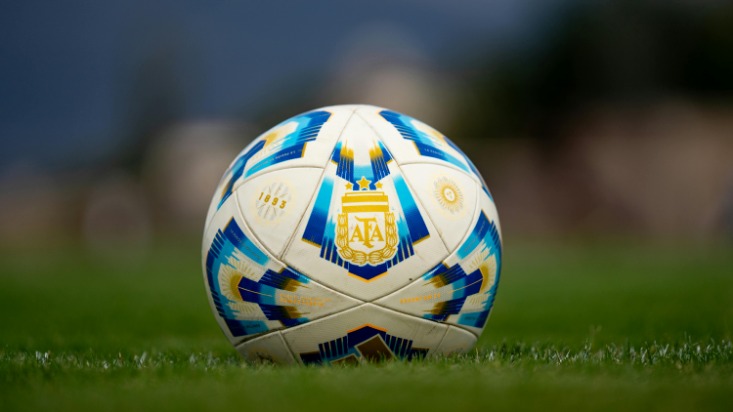
Historical Background of Ghana Football Association
The Ghana Football Association (GFA) has a rich history rooted in the development of football in Ghana. Established in 1957, shortly after the country’s independence, the GFA has played a crucial role in nurturing local talent and promoting the sport across the nation. Over the decades, it has overseen the growth of Ghanaian football from grassroots levels to competitive international strategies, establishing the country as a formidable force in African and world football.
Formation and Early Years
The Ghana Football Association (GFA) was established to organize and oversee football activities in Ghana, reflecting the country’s deep-rooted passion for the sport. Its formation marked a significant milestone in uniting various local football initiatives under a single governing body. The GFA was officially founded in 1957, shortly after Ghana gained independence, with the aim of developing the sport nationally and representing Ghana in international competitions. During the early years, the association worked to promote football at the grassroots level, organize domestic leagues, and improve the standard of play. With dedicated leadership and support from the government and local stakeholders, the GFA played a vital role in laying the foundation for Ghana’s future success in African and world football, including establishing a strong national team and fostering local talent.
Key Milestones in Development
The Ghana Football Association (GFA) has a rich history rooted in the development of football in Ghana, dating back to the early 20th century. It was officially founded in 1957, the same year Ghana gained independence, marking a significant step in organizing and promoting the sport nationwide. The GFA became a member of FIFA in 1960, which helped boost the country’s presence in international football. Over the years, the association has overseen the growth of domestic leagues, youth development programs, and national teams at all levels.
Key milestones in its development include the successful hosting of the Africa Cup of Nations in 1963 and 1978, as well as Ghana’s impressive performances in the tournament, including winning the title four times (1963, 1965, 1978, and 1982). The GFA was instrumental in the rise of legendary players like Abedi Pele and Asamoah Gyan who have made significant impacts internationally. The association faced challenges such as administrative reforms and corruption allegations, but it continuously strives to strengthen its structures. Notably, Ghana’s national team, the Black Stars, have become a symbol of national pride and sporting achievement, reflecting the GFA’s ongoing commitment to excellence in football development.
Major Achievements and Honors
The Ghana Football Association (GFA) is the governing body responsible for overseeing football activities in Ghana. Established in 1957, it aims to develop and promote the sport across all levels within the country. Over the decades, the GFA has played a vital role in structuring Ghanaian football and fostering national talent to compete internationally.
Throughout its history, the GFA has achieved numerous milestones, including qualifying for the FIFA World Cup multiple times since their debut in 2006. Ghana’s national teams, especially the Black Stars for men and the Black Queens for women, have won several regional and international tournaments. The Black Stars, in particular, have earned recognition for their impressive performances in Africa, securing the Africa Cup of Nations title multiple times and becoming one of the most prominent teams on the continent.
The association has also been honored with various accolades for developing football infrastructure, youth development programs, and hosting major tournaments. Ghana’s rich football heritage is reflected in the numerous domestic leagues and successful club teams like Asante Kotoko and Hearts of Oak, which have contributed to the country’s reputation as a formidable football nation in Africa. These achievements underscore the GFA’s dedication to nurturing talent and elevating Ghanaian football on the global stage.
Organizational Structure
The organizational structure of the Ghana Football Association (GFA) plays a crucial role in the effective management and development of football in Ghana. It outlines the hierarchy, responsibilities, and coordination among various departments and stakeholders involved in promoting the sport. A well-defined structure helps ensure transparency, efficiency, and strategic growth within the association, supporting Ghana’s national teams and domestic leagues.
GFA Leadership and Administration
The Ghana Football Association (GFA) operates with a well-defined organizational structure that ensures the effective management of football activities across Ghana. The leadership of the GFA is composed of a President, Vice Presidents, and various committees that oversee different aspects of the sport, including competitions, development, and disciplinary matters. These leaders are elected through democratic processes, ensuring representation from various stakeholders in Ghanaian football.
The GFA’s administration is responsible for the day-to-day operations, strategic planning, and implementation of policies to promote and develop football at all levels. It includes executive staff, technical departments, and support personnel working collaboratively to organize leagues, tournaments, and youth development programs. The administrative structure emphasizes transparency, accountability, and inclusiveness to foster growth and professionalism within Ghanaian football, aligning with international standards and the aspirations of its stakeholders.
Affiliated Clubs and Associations

The Ghana Football Association (GFA) has a well-defined organizational structure that oversees the development and regulation of football within the country. It operates through various committees and departments, including technical, administrative, and disciplinary units, ensuring the smooth functioning of football activities at all levels. The GFA’s leadership comprises a President, executive council, and other key officials who coordinate national and international football affairs.
The GFA also has a range of affiliated clubs and associations that play vital roles in the football ecosystem. These include professional clubs competing in domestic leagues, regional football associations representing different areas of Ghana, and specialized bodies such as women’s football associations. These affiliated organizations collaborate with the GFA to promote talent development, organize competitions, and uphold the standards of the sport across the country.
GFA Committees and Departments
The Ghana Football Association (GFA) has a well-defined organizational structure that facilitates effective governance and administration of football activities in Ghana. This structure includes various committees and departments that oversee different aspects of the sport to ensure smooth operation and development.
- Top Management – The GFA is led by the President, who presides over the entire organization, supported by the General Secretary and the Executive Council.
- GFA Committees
- Disciplinary Committee
- Finance Committee
- Competitions Committee
- Technical Committee
- Women’s Football Committee
- Referees Committee
- Departments
- Administration Department
- Marketing and Communications Department
- Player and Technical Development Department
- Legal Department
- Finance Department
- Media and Public Relations Department
This organizational framework enables the GFA to effectively manage Ghana’s football leagues, national teams, development programs, and regulatory functions while promoting transparency and growth within the sport.
Domestic Football League System
The Ghana Football Association oversees the domestic football league system in Ghana, organizing various tiers of competition for clubs across the country. This structured hierarchy promotes both amateur and professional growth, offering opportunities for teams to compete and progress through promotion and relegation. The league system plays a crucial role in developing local talent and maintaining the country’s rich football tradition.
Ghana Premier League
The Ghana Football Association oversees the domestic football league system in Ghana, prominently managing the Ghana Premier League. The Ghana Premier League is the top tier of professional football in the country, featuring the most competitive clubs and attracting a large fan base. Below the Premier League, there are various lower divisions such as Division One and regional leagues, which serve as feeders to promote talented teams to the top level. The league system plays a crucial role in developing local talent, fostering competitive spirit, and contributing to national team success. The Ghana Football Association ensures proper organization, adherence to rules, and the overall growth of football across all levels in Ghana.
Lower Division Leagues
The Ghana Football Association oversees the domestic football league system in Ghana, which is organized into multiple tiers with promotion and relegation mechanisms. The top division is the Ghana Premier League, featuring the country’s most prominent clubs. Below it are several lower division leagues, such as the Division One League, which is divided into regional zones to accommodate clubs from various parts of the country. These lower leagues serve as vital platforms for talent development and provide opportunities for smaller clubs to compete and progress to higher levels of competition. The structure aims to promote competitive balance and ensure the growth of football throughout Ghana.
Regional and Youth Leagues
The Ghana Football Association oversees the domestic football league system, which includes various tiers of regional and youth leagues designed to develop local talent and promote competitive play across the country.
- The Ghana Premier League is the top-tier professional league, featuring the best clubs from across the country.
- Below the Premier League are the Division One Leagues, which are regional competitions providing a pathway for clubs to ascend to the top division.
- Regional leagues serve as foundational competitions within specific geographic areas, fostering local rivalries and talent development.
- Youth leagues are organized to nurture young players, often affiliated with professional clubs or regional associations, ensuring a steady pipeline of talent for higher levels of competition.
The Ghana Football Association plays a vital role in organizing, regulating, and developing these leagues to enhance the national football infrastructure and achieve success on the continental and international stages.
National Teams Managed by GFA
The Ghana Football Association (GFA) oversees the development and management of the nation’s national teams. Under its guidance, Ghana has built a strong reputation in international football, nurturing talented players and achieving significant successes on the global stage. The GFA’s efforts ensure that the country’s national teams remain competitive and continue to inspire fans across Ghana and beyond.
Ghana Senior National Team (Black Stars)
The Ghana Football Association (GFA) has overseen the management of the Ghana Senior National Team, popularly known as the Black Stars. This national team is the flagship football team representing Ghana in international competitions and is a source of immense pride for the country.
- GFA appoints the head coach and support staff for the Black Stars to ensure optimal team performance.
- The association is responsible for organizing training camps, friendly matches, and major tournaments such as the Africa Cup of Nations and the FIFA World Cup qualifiers.
- GFA implements development programs to nurture young talent and improve the overall standard of Ghanaian football.
- It also manages logistics, player selection, and coordination with other football bodies both locally and internationally.
- The association works to promote Ghana’s football brand globally through international competitions and collaborations.
The Ghana Football Association plays a pivotal role in the success and development of the Black Stars, maintaining Ghana’s status as a prominent football nation in Africa and on the world stage.
Junior and Youth National Teams
The Ghana Football Association (GFA) oversees the management and development of national teams in Ghana, including the senior, junior, and youth levels. The association is responsible for selecting coaching staff, organizing training camps, and ensuring the teams are well-prepared for regional, continental, and international competitions. Ghana’s national teams have a rich history of success, notably the Black Stars at the senior level and the various youth teams that serve as a pipeline for future stars. The GFA’s commitment to nurturing young talent is reflected in the dedicated junior and youth national teams, such as the U-20 and U-17 squads, which compete in FIFA and CAF tournaments. Overall, the GFA plays a crucial role in fostering Ghanaian football talent and representing the nation on the global stage.
Women’s National Teams
The Ghana Football Association (GFA) is responsible for managing the national football teams of Ghana, including both men’s and women’s teams. The GFA oversees the development, organization, and administration of these teams to ensure competitive performance at international levels. The Women’s National Teams, under the GFA, have been making significant strides in recent years, gaining recognition and achieving notable accomplishments. These teams serve as a vital part of Ghana’s football landscape, promoting gender equality and providing opportunities for female athletes to showcase their talents on the world stage. The GFA continues to focus on strengthening the infrastructure, training, and support systems for Ghana’s national teams, aiming for sustained success and growth in African and global football competitions.
Development Programs and Youth Initiatives
The Ghana Football Association (GFA) has been actively involved in Development Programs and Youth Initiatives aimed at nurturing young talent and enhancing the overall growth of football in Ghana. These programs focus on providing youth with training, mentorship, and opportunities to excel both on and off the pitch. By investing in grassroots development, the GFA aims to build a strong foundation for future generations of Ghanaian footballers and promote the sport’s popularity across the country.
Grassroots Football Development
The Ghana Football Association (GFA) is dedicated to fostering the growth of football at the grassroots level through comprehensive development programs and youth initiatives. These efforts aim to identify and nurture young talent, providing them with proper training, mentorship, and competitive opportunities to excel in the sport. By investing in grassroots football development, the GFA seeks to create a strong foundation for future national teams and enhance the overall quality of football across Ghana. These programs also promote community engagement and encourage young people to pursue their passion for football in a structured and supportive environment.
Talent Identification and Nurturing
The Ghana Football Association places a significant emphasis on Development Programs and Youth Initiatives to foster the growth of young talent across the country. Through various grassroots and academy-based projects, the association aims to identify promising young players and provide them with quality training, resources, and exposure to competitive environments. Talent Identification and Nurturing are integral components of these initiatives, involving scouts and coaches who work tirelessly to discover raw talent and support their progression into professional football. By investing in youth development, the Ghana Football Association strives to ensure a sustainable pipeline of skilled players, ultimately strengthening the national teams and enhancing the country’s status in international football.
Football Academies and Training Centers
The Ghana Football Association is dedicated to fostering the growth and development of football across the country through a variety of development programs and youth initiatives. These programs aim to identify and nurture young talent, providing them with the necessary skills, education, and exposure to excel in the sport. Football academies and training centers play a crucial role in this developmental framework, offering structured coaching, modern facilities, and competitive opportunities for aspiring players. By investing in these initiatives, the Ghana Football Association seeks to build a strong foundation for future generations of footballers, promote grassroots participation, and elevate Ghana’s status in international football competitions.
GFA’s International Engagement
The Ghana Football Association (GFA) plays a vital role in representing Ghana in the global football community through its international engagement initiatives. By collaborating with international football organizations, participating in global tournaments, and fostering development programs, the GFA aims to elevate the standards of Ghanaian football on the world stage. These efforts not only enhance the skills and exposure of local players and officials but also strengthen Ghana’s presence and influence within the international football landscape.
Affiliations with CAF and FIFA
The Ghana Football Association (GFA) actively promotes international engagement through partnerships and collaborations with global football organizations. It maintains affiliations with major bodies such as the Confederation of African Football (CAF) and the Fédération Internationale de Football Association (FIFA), which facilitate the development and regulation of football activities within Ghana. Through these affiliations, the GFA benefits from technical support, development programs, and participation in international tournaments. These relationships also ensure Ghana’s adherence to global standards in the sport, fostering growth and competitiveness at all levels of football nationally and internationally.
Participation in International Competitions
The Ghana Football Association (GFA) actively promotes Ghana’s presence on the international stage through its robust international engagement initiatives. It collaborates with various FIFA and CAF programs to enhance the development of football in Ghana and to strengthen relations with global football communities. The GFA consistently participates in international competitions, including the FIFA World Cup qualifiers, Africa Cup of Nations, and other regional tournaments, showcasing Ghanaian talent and competitiveness. These engagements not only elevate the profile of Ghanaian football but also provide valuable experience for local players, coaches, and officials, fostering growth and excellence within the sport across the nation.
Exchange Programs and Collaborations
The Ghana Football Association (GFA) actively pursues international engagement, exchange programs, and collaborations to enhance the development of football in Ghana and foster global partnerships. These initiatives facilitate knowledge sharing, capacity building, and the promotion of Ghanaian football on the international stage.
- Participation in FIFA and CAF programs to improve coaching standards, refereeing, and technical skills across the country.
- Exchange programs with football associations from Europe, Africa, and other continents to facilitate training camps, workshops, and knowledge transfer.
- Collaborations with international clubs and organizations to develop youth academies and talent scouting networks in Ghana.
- Hosting international fixtures and tournaments to bolster Ghana’s presence in the African and world football community.
- Implementation of development projects in partnership with FIFA and CAF aimed at infrastructure improvement and grassroots football programs.
Challenges Facing Ghana Football Association
The Ghana Football Association (GFA) plays a vital role in the development of football in the country, but it faces numerous challenges that hinder its progress. Issues such as poor infrastructure, financial difficulties, and governance concerns have impacted the organization’s ability to nurture talent and compete effectively on the international stage. Addressing these challenges is crucial for the future success of Ghanaian football.
Corruption and Governance Issues
The Ghana Football Association (GFA) faces significant challenges related to corruption and governance issues that have impacted the development and reputation of football in the country. Corruption scandals, including allegations of match-fixing, financial misappropriation, and biased decisions, have undermined public trust and the integrity of the sport. Governance problems are evident in the lack of transparency, inadequate accountability mechanisms, and interference from political figures, which hinder effective management and decision-making within the federation. These issues have also led to sanctions from international football bodies, affecting Ghana’s participation in global tournaments. Addressing these challenges requires comprehensive reforms, strengthened governance structures, and a firm commitment to transparency to restore credibility and foster sustainable development in Ghana football.
Financial Stability and Sponsorship
The Ghana Football Association (GFA) faces several challenges that impact the development and growth of football in the country. Financial stability remains one of the most pressing issues, as insufficient funds hinder the organization’s ability to improve infrastructure, support grassroots programs, and maintain competitive national teams. Limited sponsorship and commercial partnerships also pose significant obstacles, reducing revenue streams vital for sustainable operations. Additionally, dependence on government funding often leads to unpredictability and bureaucratic delays, affecting the strategic planning and execution of football development initiatives. Addressing these financial and sponsorship challenges is crucial for the GFA to foster a thriving football culture and achieve international success.
Player Development and Retention
The Ghana Football Association (GFA) faces several challenges in the areas of player development and retention, which impact the overall growth of football in the country. One significant issue is the lack of adequate youth training facilities and structured development programs, leading to a talent drain as young players seek opportunities abroad. Additionally, insufficient investment in grassroots initiatives hampers the nurturing of young talent from an early age. The competitive environment within local leagues and limited exposure to international competitions also hinder players from gaining valuable experience, making it difficult to retain promising talents. Moreover, financial constraints and inadequate contractual agreements often push players to leave Ghana in search of better opportunities, resulting in a continuous loss of skilled athletes. Addressing these challenges requires strategic planning, increased investment, and a focus on building a sustainable pipeline of talented players to strengthen Ghana’s football future.
Future Initiatives and Strategic Goals
The Ghana Football Association (GFA) is dedicated to shaping the future of football in Ghana through innovative initiatives and clear strategic goals. By focusing on sustainable development, youth empowerment, and infrastructural enhancement, the GFA aims to elevate the national sport to new heights. These future initiatives reflect the association’s commitment to fostering talent, increasing competitiveness, and promoting football across all levels of society.
Digital Transformation and UEFA-like Innovations
The Ghana Football Association is committed to fostering future initiatives and strategic goals that will elevate the country’s football landscape. Emphasizing digital transformation, the association aims to integrate innovative technologies to enhance management, fan engagement, and player development. By adopting UEFA-like innovations, such as advanced scouting systems, data analytics, and virtual fan experiences, Ghana seeks to modernize its football infrastructure. These initiatives are designed to promote transparency, increase competitiveness, and establish Ghana as a leading force in African and global football markets.
Promoting Women’s Football
The Ghana Football Association is dedicated to advancing the development of women’s football through strategic initiatives and future goals. Our primary objective is to increase participation and visibility of women’s teams at local, national, and international levels. We aim to establish sustainable programs that nurture young female talent and provide them with the necessary training and resources to excel. Additionally, the GFA plans to enhance women’s league infrastructure and attract sponsorship to elevate the sport’s profile across Ghana. Promoting gender equality and empowering women within the football community remains central to our vision. We are committed to creating a more inclusive environment that celebrates women’s achievements and encourages greater community support for women’s football.
Infrastructure Development Projects
The Ghana Football Association (GFA) is committed to enhancing the nation’s football infrastructure and strategic development to achieve long-term success. Future initiatives focus on increasing investment in youth development programs, promoting grassroots football, and expanding coaching education to nurture local talent. The GFA aims to build state-of-the-art stadiums and training facilities across the country to support high-performance teams and improve the fan experience. Infrastructure development projects include upgrading existing venues, establishing new sports complexes, and implementing technological innovations for efficient management and broadcasting. These efforts are aligned with the strategic goal of positioning Ghana as a competitive force in African and world football, while also fostering national pride and community engagement through the sport.




0 Comments