

Geographical Overview of Sinai Peninsula
The Sinai Peninsula is a significant geographic region in Egypt, renowned for its unique blend of desert landscapes, mountains, and coastal areas. Situated between the Mediterranean Sea to the north and the Red Sea to the south, it serves as a land bridge connecting Africa and Asia. The peninsula’s strategic location has historically made it a vital area for trade, military, and cultural exchanges. Its diverse terrain and cultural significance make it an important feature on the Egypt map, especially in the context of Sinai’s natural beauty and geopolitical importance.
Location and Boundaries
The Sinai Peninsula is a triangular piece of land situated in northeastern Egypt, serving as a land bridge between Africa and Asia. It is geographically characterized by its rugged mountains, expansive deserts, and diverse ecosystems. The peninsula is strategically located between the Mediterranean Sea to the north and the Red Sea to the south, providing it with significant geographical importance.
Boundaries of the Sinai Peninsula are defined by several notable borders. To the north, it is bordered by the Mediterranean Sea, forming its coastline along the Gulf of Suez. To the east, it shares a border with Israel, including the Gaza Strip, marking a key geopolitical boundary. To the south and southwest, the region connects with the rest of Egypt, with the eastern boundary adjacent to the Negev Desert. The western boundary is demarcated by the Suez Canal and the Suez Gulf, which separate Sinai from the Egyptian mainland and Africa.
The geographical position of Sinai has historically made it a crossroads of civilizations and a strategic military and trade route, emphasizing its importance on the map of Egypt and the broader Middle East region.
Topography and Landforms
The Sinai Peninsula is a distinctive geographical region located in northeastern Egypt, acting as a land bridge between Africa and Asia. It is characterized by diverse topography and unique landforms that contribute to its strategic significance and natural beauty. The area is predominantly mountainous, with rugged terrains that influence climate and vegetation patterns across the peninsula.
- The highest elevation in Sinai is Mount Catherine, which reaches approximately 2,629 meters (8,625 feet) and is a prominent feature of the mountainous landscape.
- The peninsula features several mountain ranges, including the Saint Catherine Mountains and the Jebels (hills) that stretch across its northern and southern regions.
- Numerous plateaus, such as the Central Sinai Plateau, provide flatter terrains amidst the rugged topography and are vital for agriculture and settlement.
- A network of valleys and wadis (dry riverbeds) dissect the land, providing pathways through the mountains and access to water sources.
- The coastal areas along the Red Sea and Gulf of Aqaba are relatively flat, characterized by sandy beaches, coral reefs, and mangrove habitats, contrasting sharply with the inland mountainous regions.
Climate and Ecosystems
The Sinai Peninsula is a triangular landmass located in northeastern Egypt, serving as a bridge between Africa and Asia. It is bordered by the Mediterranean Sea to the north, the Red Sea to the south, and the Suez Canal to the west, making it a strategic crossroads of continents. The region features a diverse landscape that includes rugged mountains, expansive deserts, and fertile valleys, reflecting its varied geological history.
The climate of the Sinai Peninsula is predominantly characterized by a desert climate, with hot summers and mild winters. Temperatures during summer can soar above 40°C (104°F), while winter temperatures are generally mild, averaging around 15°C to 20°C (59°F to 68°F). The area receives minimal rainfall, mostly during the winter months, contributing to its arid environment. Coastal areas and mountainous regions may experience slightly more moderate conditions due to their proximity to bodies of water and elevation.
Several ecosystems exist within Sinai, each supporting distinct flora and fauna. The deserts are home to hardy plants like acacia, and various cacti, adapted to the harsh conditions. Mountainous areas, including Mount Sinai, host more diverse ecosystems with shrubs, grasses, and some tree species. Wildlife includes desert foxes, hyenas, reptiles such as lizards and snakes, and numerous bird species that migrate across the region. The combination of climate and varied topography fosters a unique ecological tapestry within the Sinai Peninsula.
Political and Administrative Divisions
The political and administrative divisions of Egypt play a crucial role in governing the diverse regions of the country. Understanding these divisions helps in comprehending Egypt’s administrative structure, especially in areas like Sinai where unique geographical and cultural features are present. The Sinai Peninsula, as a vital part of Egypt, is divided into various administrative units that facilitate local governance and development. Exploring these divisions provides insight into the region’s organization and strategic importance within the nation.
Governing Districts
Egypt’s Sinai Peninsula is divided into several administrative and political districts that facilitate governance and regional management. These districts include North Sinai, South Sinai, and the administrative centers within them, each playing a crucial role in local administration. North Sinai, with its capital at Arish, is known for its strategic importance due to its proximity to the borders of Israel and Gaza. South Sinai encompasses popular tourist destinations such as Sharm El Sheikh, Dahab, and Saint Catherine, and is governed through local councils and districts that support tourism and development initiatives. These districts are further subdivided into smaller administrative units, such as villages and towns, enabling effective governance in this geographically diverse region. The political structure ensures coordination between local authorities and the national government, fostering regional stability, security, and economic growth within the Sinai map context.
Major Cities and Towns
Egypt’s Sinai Peninsula is a geographically distinct region known for its strategic importance and unique political and administrative divisions. It is divided into several governorates, each encompassing various cities and towns that serve as centers of trade, culture, and governance. These divisions facilitate local administration and ensure effective management of resources across the rugged and diverse landscape of Sinai.
The major cities in Sinai include El-Arish, which is the capital of North Sinai and serves as the main economic and administrative hub. Sharm El-Sheikh is renowned worldwide for its tourism industry, attracting visitors with its beaches and resorts. Dahab and Nuweiba are notable towns known for their vibrant diving scenes and relaxed lifestyles. In South Sinai, towns such as Saint Catherine and its famous monastery are significant religious and cultural sites.
Each city and town in Sinai plays a vital role in the region’s development, balancing tourism, agriculture, and military presence. The political structure maintains regional stability and promotes economic growth through various development projects aimed at improving infrastructure and connectivity within Sinai and with other parts of Egypt.
Border Crossings and Territorial Claims
The Sinai Peninsula, a significant region in Egypt, is characterized by its unique political and administrative divisions, border crossings, and territorial claims. Administratively, Sinai is divided into three governorates: North Sinai, South Sinai, and the Suez Canal Authority zone, each managing local governance and development projects. Border crossings such as the Taba and Rafah crossings serve as vital points of entry and exit, facilitating trade, tourism, and security operations between Egypt and neighboring countries like Israel and the Gaza Strip. Territorial claims in Sinai have historically been complex, involving issues related to boundary delineations, sovereignty, and peace treaties, notably the Egypt-Israel Peace Treaty of 1979, which officially defined the borders and contributed to stability in the region. The geopolitical significance of Sinai, coupled with its strategic location and diverse administrative structure, continues to influence Egypt’s national security and regional diplomacy.
Historical Significance of Sinai
The Sinai Peninsula holds a strategic and historical significance as a land bridge connecting Africa and Asia. Throughout history, it has been a vital crossroads for trade, military campaigns, and cultural exchanges, shaping the development of the region. Its unique geographical location has contributed to its importance in both ancient and modern times, making it a key area in understanding Egypt’s history and geopolitical landscape.
Ancient Egyptian Era
The Sinai Peninsula holds a profound historical significance in the context of the Ancient Egyptian era, serving as a crucial geographic and strategic region. Located at the crossroads of Africa and Asia, Sinai was a vital link for trade routes, military expeditions, and cultural exchanges between Egypt and surrounding civilizations. During ancient times, Sinai was known for its mineral resources, including turquoise and copper, which were highly valued by the Egyptians for tools, jewelry, and ceremonial objects. The area also featured prominently in Egyptian mythology and religious beliefs, symbolizing a gateway to the divine and spiritual realm, particularly through sites like Mount Sinai, which is linked to biblical stories and Moses’ Revelation. Moreover, Sinai’s strategic location helped Egypt maintain regional dominance and control over vital trade routes, contributing to its prosperity and stability during the ancient Egyptian era.
Religious and Cultural Heritage
The Sinai Peninsula holds profound historical significance as a crossroads of ancient civilizations and a strategic land bridge connecting Africa and Asia. Throughout history, it has been a vital route for trade, migration, and military conquest, shaping the cultural and political landscapes of the region. Its strategic location made it a coveted territory for various empires, including the Egyptians, Romans, Byzantines, and Ottomans, each leaving their mark on its heritage.
Religious and cultural heritage are deeply embedded in Sinai’s identity. The area is renowned for its ancient monasteries, such as Saint Catherine’s Monastery, one of the world’s oldest working Christian monasteries, which houses priceless biblical manuscripts and icons. Sinai is also sacred to multiple faiths; it is considered the site where Moses received the Ten Commandments, making it a pivotal location in Jewish, Christian, and Islamic traditions. This religious significance has fostered a diverse cultural tapestry, reflected in the region’s traditions, religious festivals, and archaeological sites.
Today, Sinai continues to be a symbol of spiritual pilgrimage, historical remembrance, and cultural diversity. Its historical and religious sites attract pilgrims, tourists, and scholars from around the world, emphasizing its enduring importance as a nexus of faith, history, and cultural heritage on the map of Egypt and beyond.
Strategic Military Importance
The Sinai Peninsula holds a profound historical significance due to its strategic location at the crossroads of Africa and Asia, serving as a vital link between Egypt and the Levant. Throughout history, it has been a crucial passage for trade, migration, and military campaigns, contributing to its enduring importance in regional geopolitics. Its control has often determined the influence of various empires, including the Egyptians, Persians, Romans, Byzantines, and successive Islamic caliphates.
Strategically, Sinai has immense military importance because it provides a natural buffer zone and a defensive barrier for Egypt against potential invasions. Its rugged terrain and narrow passes have historically served as natural chokepoints, giving defenders an advantage over invading armies. Modern military significance is amplified by its proximity to the Suez Canal, one of the world’s most critical maritime trade routes, making control of Sinai vital for safeguarding Egypt’s and global commercial interests.
Furthermore, the region has been the focus of military conflicts, including the Arab-Israeli wars, highlighting its role as a contested area that influences regional security dynamics. Control over Sinai determines military strategy and defense positioning, impacting the stability of the broader Middle East. Consequently, Sinai’s strategic military importance continues to shape Egypt’s national security policies and regional diplomacy.
Natural Resources and Land Use
Natural resources and land use are vital components that shape the geography and development of regions around the world. In the context of Egypt, particularly in the Sinai Peninsula, the distribution and utilization of natural resources play a significant role in the area’s economic and environmental landscape. Understanding how land is used and the natural resources available in Sinai provides insight into the region’s unique characteristics and strategic importance.
Mineral and Energy Resources
Egypt’s Sinai Peninsula is a region rich in natural resources that play a vital role in the country’s economy. The area is known for its mineral resources, including phosphate, zinc, and limestone, which are essential for various industries such as agriculture, construction, and manufacturing. The land in Sinai also offers significant potential for energy resources, particularly natural gas and oil, which are increasingly being exploited to meet Egypt’s growing energy demands. The development of these resources requires careful land use planning to balance economic growth with environmental preservation and the well-being of local communities.
Agricultural Practices
The Sinai Peninsula of Egypt is a region characterized by diverse land use and natural resources that significantly impact its agricultural practices. The area features a mix of arid desert landscapes, mountainous terrains, and limited fertile land, making resource management crucial for sustainable development.
Natural resources in Sinai include minerals such as phosphates and limestone, which are essential for construction and industrial purposes. The scarcity of water resources poses a challenge for agriculture, leading to reliance on irrigation techniques and drought-resistant crops. Traditional farming methods are often supplemented with modern technologies to optimize water use and improve crop yields.
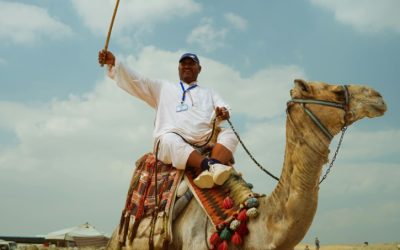
Land use in Sinai is predominantly geared towards pastoralism, with many communities engaging in herding camels, goats, and sheep due to the region’s arid conditions. Agriculture is concentrated mainly along the coastal areas and valleys where water and soil quality are sufficient for crop cultivation. Efforts to harness underground water sources and develop sustainable land management practices are vital for enhancing agricultural productivity.
Despite environmental challenges, Sinai’s unique landscape offers opportunities for alternative agri-tourism and renewable energy projects, such as solar farms, which can contribute to the local economy and promote sustainable land use practices. Preserving natural resources while expanding agricultural activities remains a key focus for stakeholders aiming to balance development and conservation in Sinai.
Tourism and Protected Areas
The Sinai Peninsula in Egypt is a region rich in natural resources and diverse land use practices. Its unique geography includes deserts, mountains, and coastal areas, which support various economic activities such as mining, agriculture, and tourism. The area plays a significant role in Egypt’s overall resource management and development strategies.
- Natural resources in Sinai include minerals like phosphates, limestone, and significant deposits of gold andOther precious stones.
- Land use varies from protected natural reserves to urban settlements and agricultural zones, especially along the coastal areas and river valleys.
- Tourism is a vital sector, with attractions such as Mount Sinai, St. Catherine’s Monastery, and the Red Sea coast drawing visitors worldwide.
- Protected areas, including national parks and wildlife sanctuaries, aim to preserve Sinai’s unique biodiversity and natural landscape.
Efforts to balance resource exploitation with conservation are ongoing, ensuring that Sinai remains both a key economic asset and a preserved natural environment for future generations.
Transportation and Infrastructure
Transportation and infrastructure are vital components that support the development and connectivity of regions around the world. In Egypt, particularly in the Sinai Peninsula, these elements play a crucial role in facilitating movement, economic growth, and access to essential services. The Sinai map highlights various transportation networks that link communities, enable trade, and promote tourism across this strategically significant area.
Main Roads and Routes
Egypt’s Sinai Peninsula is an important region with a well-developed transportation and infrastructure network that facilitates movement across its rugged terrains and connects it to the rest of Egypt and neighboring countries. Main roads and routes in Sinai are designed to support both local and transit traffic, ensuring access to key cities and strategic locations. The main highways include the coastal road along the Mediterranean Sea, known as the Coastal Route, which links cities such as El Arish and Port Said. Inland, there are vital roads like the Road 98, which traverses the northern part of Sinai, connecting El Arish to Rafah and extending southward. These routes are crucial for tourism, trade, and security operations. Infrastructure developments are ongoing to improve connectivity within Sinai, especially to promote tourism in iconic sites such as Saint Catherine’s Monastery and Mount Sinai. Overall, the transportation network in Sinai plays a significant role in supporting the region’s economic activities and ensuring safe and efficient mobility for residents and visitors alike.
Ports and Accessibility
Transportation and Infrastructure in the Sinai region of Egypt are vital for connecting remote areas to major urban centers and supporting economic development. Ports and accessibility play a crucial role in facilitating trade, tourism, and movement within the peninsula and beyond.
- The Suez Canal and the Red Sea ports, such as Port Said and the Suez Port, are key maritime gateways that enhance Egypt’s global trade connectivity.
- Developments in road infrastructure include the construction of paved roads and highways that link Sinai to mainland Egypt, improving accessibility for travelers and goods.
- Transport options within Sinai consist of bus services, private taxis, and limited rail links, though internal connectivity remains a challenge in more remote areas.
- Recent projects aim to upgrade ports and expand airport facilities, such as those in Sharm El Sheikh and NEOM Airport, to support tourism and commercial activity.
- Enhanced infrastructure is critical for promoting sustainable tourism, especially around iconic sites like Mount Sinai, St. Catherine’s Monastery, and the Ras Mohamed National Park.
Development Projects and Future Plans
Egypt’s Sinai Peninsula is a strategic region that has seen significant development in transportation and infrastructure initiatives. Efforts are underway to improve connectivity within Sinai and between Egypt’s mainland and this vital area, including expanding road networks, upgrading ports, and enhancing railway systems to facilitate movement of people and goods.
Development projects in Sinai focus on boosting economic growth and enabling better access to tourism hotspots, archaeological sites, and natural reserves. These include the construction of new roads, bridges, and tunnels designed to shorten travel times and improve safety across rugged terrains.
Future plans for Sinai aim to strengthen infrastructure further, with investments in smart transportation systems, renewable energy integration, and sustainable development initiatives. These projects are intended to promote regional stability, economic prosperity, and environmental preservation, positioning Sinai as a key hub in Egypt’s broader development strategy.
Environmental Challenges and Conservation Efforts
The Sinai Peninsula in Egypt faces numerous environmental challenges, including desertification, water scarcity, and habitat loss. Efforts to conserve its unique ecosystems are crucial for maintaining biodiversity and supporting local communities. Understanding the region’s geography and ongoing conservation initiatives can help promote sustainable development and protect this vital area for future generations.
Desertification and Climate Change
Egypt’s Sinai Peninsula faces significant environmental challenges, particularly desertification and the impacts of climate change. These issues threaten the region’s biodiversity, agriculture, and local communities, making sustainable management crucial. Desertification, caused by overgrazing, deforestation, and inefficient water use, reduces arable land and increases vulnerability to erosion and drought. Climate change exacerbates these problems by leading to rising temperatures, unpredictable rainfall patterns, and sea level rise, which can affect coastal areas along the Red Sea and Mediterranean.
In response, various conservation efforts are underway to mitigate these environmental challenges. Initiatives include reforestation projects, promoting sustainable land use practices, and improving water resource management. Efforts also focus on raising awareness among local communities about environmental protection. Additionally, Egypt is investing in renewable energy, such as solar power, to reduce reliance on fossil fuels and lower greenhouse gas emissions, contributing to global climate change mitigation.
Protecting Egypt’s Sinai region requires integrated strategies that balance ecological preservation, economic development, and community well-being. Conservation programs aim to restore degraded lands, safeguard unique ecosystems, and adapt to the ongoing impacts of climate change, ensuring the sustainability of this vital area for future generations.
Wildlife Preservation
The Sinai Peninsula in Egypt is a region of remarkable geographical and ecological significance, yet it faces numerous environmental challenges that threaten its unique wildlife. Deforestation, illegal hunting, and habitat destruction due to urbanization and tourism are critical issues impacting local fauna and flora. Climate change amplifies these threats by altering weather patterns, leading to droughts and desertification in the area.
Conservation efforts in Sinai focus on protecting endangered species and restoring natural habitats. Initiatives include establishing protected areas and wildlife reserves, promoting sustainable tourism, and enforcing anti-poaching laws. Organizations are also working to raise awareness among local communities about the importance of preserving Sinai’s rich biodiversity. These combined efforts aim to ensure that the region’s wildlife heritage endures for future generations, emphasizing the need for ongoing vigilance and collaborative conservation strategies.
Environmental Policies and Initiatives
Egypt’s Sinai Peninsula, a vital region with diverse ecosystems, faces numerous environmental challenges such as desertification, habitat loss, and water scarcity. Rapid urbanization and tourism development exert pressure on natural resources and fragile habitats, threatening the area’s unique flora and fauna. Conservation efforts in Sinai focus on protecting biodiversity, reforestation programs, and sustainable tourism practices to balance development with environmental preservation. The government has implemented various policies and initiatives, including the establishment of protected areas and national parks, to safeguard Sinai’s natural heritage. International organizations and local communities are also actively involved in raising awareness and promoting sustainable environmental management to ensure the region’s ecological health for future generations.


0 Comments