
Historical Significance of Memphis
Memphis holds a vital place in ancient Egyptian history as a prominent cultural, political, and religious center. Founded around 3100 BCE, it served as the capital of ancient Egypt during the Old Kingdom and played a key role in shaping the civilization’s development. The city’s strategic location near the Nile River facilitated trade and influence, making it a hub of innovation and tradition. Its archaeological remains, including monumental statues and temples, continue to provide valuable insights into Egypt’s illustrious past.
Ancient Capital of Egypt
Memphis, the ancient capital of Egypt, holds a profound historical significance as a major cultural, political, and religious hub for thousands of years. Established around 3100 BCE by the first Pharaoh Narmer, it served as the seat of power during the Early Dynastic Period and remained a vital center throughout the Old Kingdom, Middle Kingdom, and New Kingdom eras.
The city’s strategic location at the apex of the Nile River Delta facilitated trade, commerce, and communication, making it a crucial nexus for Egypt’s economic prosperity. Memphis was also renowned for its grand temples, including the colossal limestone statue of Ramses II and the famed temple complex of Ptah, the god of craftsmen and creation.
Moreover, Memphis played a key role in religious and cultural life, being home to numerous deities and religious institutions that influenced the development of Egyptian spirituality and practices. Archeological sites and artifacts from Memphis offer invaluable insights into ancient Egyptian civilization, art, and technology, underscoring its lasting legacy and importance in world history.
Role in the Old Kingdom
Memphis was a major cultural and political center in ancient Egypt, serving as the capital during much of the Old Kingdom period. Its strategic location near the Nile Delta allowed it to flourish as a hub for trade, administration, and religious activities. Historically, Memphis was renowned for its impressive architecture, including temples dedicated to Ptah, the god of craftsmen and builders, which underscored its religious significance.
During the Old Kingdom, Memphis played a pivotal role in the development of pharaonic power and the centralization of government. It was the site of the royal court and the residence of the pharaohs, facilitating the consolidation of authority that contributed to the stability and unity of Egypt during this era. Additionally, Memphis was vital for the production of limestone used in constructing pyramids and temples, cementing its importance in Egypt’s architectural and engineering achievements.
As a center of culture and religion, Memphis also influenced artistic styles and innovations that persisted throughout Egyptian history. Its prominence in the Old Kingdom set the foundation for its continued significance in subsequent periods, marking it as a key city that shaped Egypt’s historical and cultural legacy.
Religious and Cultural Importance
Memphis was one of the most significant cities in ancient Egypt, serving as a major political, religious, and cultural center for centuries. Located at the entrance of the Nile River delta, it played a pivotal role in the development of Egyptian civilization and was often regarded as the capital during various periods, especially in the Old Kingdom.
- Religious Significance: Memphis was home to the great temple of Ptah, the creator god and patron deity of craftsmen and architects. This made it a major religious hub, attracting pilgrims and worshippers from across Egypt.
- Cultural Importance: The city was a center of art, craftsmanship, and learning, fostering developments in sculpture, architecture, and religious practices that influenced Egyptian culture for generations.
- Political Power: As a political capital, Memphis was the seat of the Pharaohs’ power, hosting royal palaces, administrative buildings, and functioning as an important center for governance and military organization.
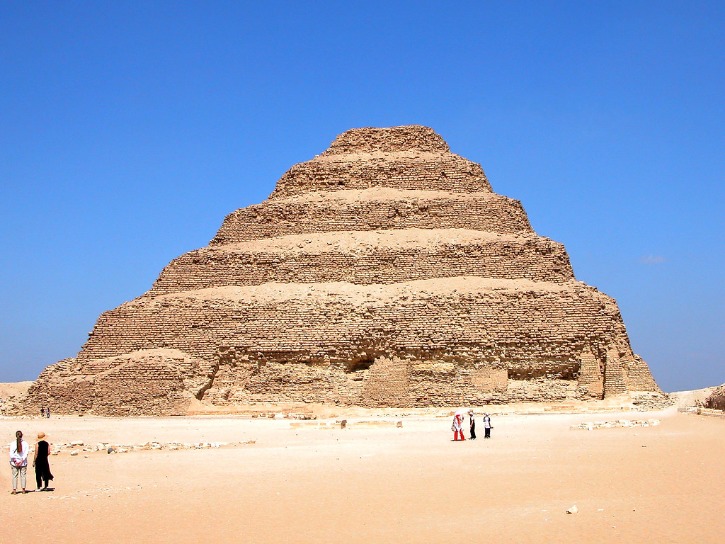
- Architectural Achievements: The city’s proximity to the step pyramid of Djoser and other monumental structures showcases its role in Egypt’s architectural evolution and the development of monumental stone construction.
- Legacy and Archaeology: Though much of Memphis has been lost to time, the ruins and artifacts discovered there continue to provide insight into Egypt’s religious beliefs, craftsmanship, and societal organization.
Geographical Location and Layout
Memphis, an ancient city in Egypt, is strategically located along the Nile River, serving as a crucial cultural and political hub in antiquity. Its geographical position provided access to vital trade routes and fertile land, making it an influential center of civilization. The layout of Memphis features a blend of monumental architecture and residential areas, reflecting its historical significance and urban development over the centuries.
Position Along the Nile River
Memphis is an ancient city located in Egypt, situated near the Nile River, which has historically played a crucial role in its development. Its strategic position along the western bank of the Nile allowed it to flourish as a center of administration, trade, and culture. The city is positioned south of Cairo and north of Luxor, serving as a vital link between Upper and Lower Egypt. The layout of Memphis reflects its importance as a hub, with nearby archaeological sites, temples, and monuments that highlight its prominence in ancient Egyptian civilization. Its proximity to the Nile provided fertile land for agriculture, contributing to its growth and significance throughout history.
Urban Layout and Key Sites
Memphis, an ancient city in Egypt, is strategically situated near the Nile River, serving as a vital geographical hub in Lower Egypt. Its location near the river provided essential access for transportation, trade, and agriculture, making it a prominent center in ancient times. The city’s layout reflects its historical importance, with key sites and archaeological remains scattered throughout the region, highlighting its role in Egypt’s political and religious history.
The urban layout of Memphis was organized around a series of structured zones, including administrative, religious, and residential areas. The city was designed with a grid-like pattern that facilitated movement and communication within its boundaries. Key sites within Memphis include the famous Step Pyramid of Djoser, numerous temples dedicated to gods such as Ptah, and grand statues that exemplify ancient Egyptian craftsmanship.
- The Great Pyramid of Djoser served as a monumental funerary complex, acting as a religious and cultural focal point.
- The Temple of Ptah was a major religious site, reflecting the city’s status as an important religious center.
- Necropolises and cemeteries adjacent to the city contain tombs of pharaohs and high officials, geolocated on the outskirts of the main urban area.
- Remaining structures and stone quarries outline the ingenuity of ancient Egyptian construction techniques.
Main Archaeological Sites and Monuments
Memphis, an ancient capital of Egypt, is renowned for its rich archaeological heritage and historically significant monuments. As one of the most important cultural centers of ancient Egypt, Memphis boasts a wealth of archaeological sites that reveal the grandeur of its past. Exploring these monuments offers a fascinating glimpse into Egypt’s architectural innovation, religious practices, and societal structure during various dynastic periods.
Ptah Temple and Serapeum
Memphis, an ancient city in Egypt, is renowned for its rich archaeological heritage and significant historical sites that showcase Egypt’s grandeur. Among the most notable monuments are the Ptah Temple and the Serapeum, which highlight the religious and cultural significance of the area.
The Ptah Temple in Memphis was dedicated to Ptah, the chief deity of craftsmen and architects. Although much of the original structure is lost, its remains reveal the impressive architectural style and religious devotion of ancient Egyptians. The site once served as a major religious center, attracting worshippers and visitors from across Egypt.
The Serapeum in Memphis is an ancient temple complex that was dedicated to the Greco-Egyptian deity Serapis. It is renowned for housing the famous Serapeum Sarcophagus and the colossal statue of the deity. The complex reflects the syncretism of Egyptian and Hellenistic religious practices and provides valuable insights into the spiritual life of ancient Egypt during the Ptolemaic period.
Both sites are key to understanding the religious, cultural, and architectural developments of ancient Memphis and continue to attract archaeologists and tourists interested in Egypt’s fascinating history.
Memphis Necropolis and Sutton Hoo
Egypt’s Memphis is an ancient city that holds a wealth of archaeological significance, featuring numerous sites and monuments that reveal its historical importance. The Memphis Necropolis is one of the most prominent sites, serving as an extensive burial complex that includes mastabas, pyramids, and funerary temples dedicated to pharaohs and high officials. This necropolis reflects the grandeur of Egypt’s Old Kingdom and offers invaluable insights into ancient burial practices and beliefs about the afterlife. Additionally, Memphis is renowned for its monuments such as the Colossus of Ramses II and the Statue of Ramses II, which exemplify the artistry and political power of ancient Egypt. While not located within Egypt, Sutton Hoo in England is an equally significant archaeological site, best known for its Anglo-Saxon burial mound containing a wealth of artifacts like a ceremonial helmet, weapons, and jewelry. These sites collectively showcase the diverse range of ancient civilizations and their cultural and historical achievements, emphasizing Memphis’s role as a center of ancient Egyptian civilization and Sutton Hoo’s importance in early medieval British history.
Colossal Statues of Ramses II
The main archaeological sites and monuments in Memphis, Egypt, highlight its historical significance as an ancient capital and cultural hub. Among these, the colossal statues of Ramses II stand out as some of the most iconic and impressive monuments. These massive statues depict the formidable pharaoh Ramses II, showcasing his strength and divine status. Situated at the entrance of the Ramesses II Temple at Abu Simbel, these statues exemplify the grandeur of Egyptian sculpture and royal power. Memphis is also home to the famous Step Pyramid of Djoser and numerous other temples and relics that reflect its importance throughout Egyptian history. Together, these sites and monuments provide invaluable insights into Egypt’s rich archaeological legacy and the grandeur of its ancient civilization.
Historical Discoveries and Excavations
The ancient city of Memphis in Egypt is a treasure trove of historical discoveries and archaeological excavations. Over centuries, explorers and archaeologists have uncovered remnants of this once-thriving metropolis, revealing insights into Egypt’s rich cultural and architectural heritage. These excavations have shed light on the civilization’s origins, its significance as a religious and political center, and its influence on subsequent cultures. Each discovery continues to deepen our understanding of Egypt’s glorious past and its enduring legacy in world history.
Major Archaeological Finds
Memphis, an ancient capital of Egypt, has been a focal point for numerous archaeological discoveries that shed light on Egypt’s rich history. Excavations in Memphis have revealed impressive temples, tombs, and artifacts that date back to the Old Kingdom period, illustrating the grandeur of ancient Egyptian civilization. Among the significant finds are the remnants of the Step Pyramid of Djoser, located nearby, which is considered one of the earliest large-scale stone constructions.
Archaeologists have uncovered well-preserved statuettes, hieroglyphic inscriptions, and daily life artifacts that provide insight into the cultural and religious practices of ancient Egyptians. The Memphis necropolis, with its expansive cemeteries and underground tombs, continues to be a source of valuable discoveries, including that of the tomb of Maya, a vizier of Tutankhamun, which yielded numerous artifacts.
Major excavations have also exposed commercial and administrative structures, revealing the wealth and complexity of Memphis as a bustling metropolis. These archaeological finds are crucial in understanding Egypt’s development and its influence in the ancient world, making Memphis one of the most significant archaeological sites in Egypt.
Recent Excavation Projects

Recent excavation projects in Memphis, Egypt have yielded remarkable insights into one of the most significant ancient cities of Egypt, serving as the capital during the Old Kingdom and a major cultural and religious hub. These excavations aim to uncover the city’s vast architectural and archaeological remains, shedding light on Egypt’s history, religion, and daily life during different dynastic periods.
- The discovery of a large mud-brick gateway believed to be part of the ancient city’s fortifications has provided new understanding of Memphis’s strategic importance and urban development.
- Excavators uncovered statues, artifacts, and inscriptions that date back to the 3rd millennium BCE, illustrating the rich artistic and cultural heritage of Memphis.
- Recent digs have revealed a complex network of underground tunnels and tombs believed to belong to high-ranking officials and priests, offering clues about religious practices and social hierarchy.
- Serendipitous discovery of a temple dedicated to Ptah, the chief deity of Memphis, suggests the extent of religious devotion and architectural innovation in the city.
- Ongoing excavations are also focusing on uncovering inscriptions and papyri that might provide detailed records of Memphis’s political and economic history during Egypt’s Dynastic periods.
Museums and Preservation Efforts
Egypt’s ancient city of Memphis has played a pivotal role in the civilization’s history, serving as a major cultural, religious, and administrative center. Ongoing discoveries and excavations have revealed invaluable insights into its past, showcasing the grandeur and sophistication of ancient Egyptian society. Museums dedicated to Memphis hold and display artifacts that highlight its significance, ensuring that the legacy of this ancient metropolis is preserved for future generations.
Recent archaeological excavations in Memphis have unearthed remarkable artifacts, including statues, tombs, and ancient inscriptions that shed light on the city’s history and its rulers. These discoveries continue to enhance our understanding of ancient Egyptian art, religion, and governance.
Museums in Egypt and around the world exhibit relics from Memphis, aiming to educate the public about its historical importance. Preservation efforts focus on protecting these artifacts and the archaeological sites from environmental and human threats, ensuring the longevity of Egypt’s rich heritage.
- Uncovering ancient tombs and statues that reveal the religious practices and artistic achievements of Memphis’s rulers.
- Restoration projects to stabilize and conserve archaeological remains against natural degradation.
- Expanding and improving museum displays to promote awareness and appreciation of Memphis’s historical significance.
- Collaborative international efforts to document and protect Memphis’s archaeological sites for future research and tourism.
Memphis’ Role in Modern Egypt
Memphis, often regarded as the ancient capital of Egypt, continues to play a significant role in the modern history and cultural identity of Egypt. This city, rich in archaeological heritage and historical importance, bridges Egypt’s illustrious past with its contemporary developments. Today, Memphis stands as a symbol of Egypt’s enduring legacy and ongoing efforts to preserve its ancient civilization amidst the rapidly changing modern landscape.
Cultural Heritage and Tourism
Memphis, an ancient city located near modern Cairo, holds a significant place in Egypt’s modern cultural and historical landscape. Today, Memphis serves as a vital archaeological site that offers insight into Egypt’s grandeur during the Pharaonic era, attracting numerous visitors interested in its rich heritage. The city’s ruins and artifacts preserve the legacy of Egypt’s Old Kingdom, showcasing colossal statues, pyramids, and artifacts that symbolize the civilization’s achievements.
As a key cultural heritage site, Memphis plays an essential role in promoting Egypt’s historical identity and national pride. It provides a tangible connection to Egypt’s ancient past and helps educate both locals and tourists about the country’s historical evolution. Efforts to conserve and showcase Memphis’s archaeological treasures enhance its importance as a symbol of Egypt’s enduring heritage.
Tourism around Memphis is thriving due to its proximity to Cairo and its inclusions in many historical tours of Egypt. Visitors are drawn to its impressive open-air museum, which features monumental statues such as the colossal Ramses II statue and the Alabaster Sphinx. The site’s integration into Egypt’s broader tourism strategy underscores its role in attracting cultural travelers and history enthusiasts, contributing significantly to the local economy and global understanding of Egypt’s ancient civilization.
Continued Archaeological Research
Memphis remains a vital focus for ongoing archaeological research, offering crucial insights into Egypt’s ancient civilization and its influence on later periods. Modern excavations continue to uncover artifacts, structures, and inscriptions that shed light on Memphis’s role as a political, religious, and economic center during the Old Kingdom and subsequent eras. These discoveries contribute to a deeper understanding of Egypt’s urban development, technological advancements, and cultural practices.
Recent archaeological efforts have emphasized identifying the original boundaries of Memphis, uncovering lost temples, necropolises, and residential quarters that reveal daily life in ancient times. Advanced technologies like ground-penetrating radar and remote sensing have facilitated non-invasive exploration, allowing researchers to locate and document sites with minimal disturbance. These efforts have also helped preserve fragile monuments and artifacts, ensuring their study for future generations.
Continued research at Memphis not only expands knowledge of its historical significance but also provides comparative data to understand the decline and transformation of Egyptian urban centers over millennia. Ongoing excavation projects and interdisciplinary collaborations are central to reconstructing Memphis’s complex history and its enduring legacy as a cradle of ancient Egyptian civilization.
UNESCO World Heritage Status
Memphis plays a vital role in modern Egypt as a symbol of the rich historical and cultural heritage of the nation. Once the ancient capital of Egypt during the Old Kingdom, Memphis is renowned for its historical significance and archaeological treasures that continue to attract scholars and tourists alike. Today, the city is recognized as a crucial site for understanding Egypt’s ancient civilization and its ongoing cultural legacy.
In recognition of its exceptional cultural value, Memphis has been designated as a UNESCO World Heritage Site. This status helps to protect and preserve its archaeological remains, including the famous Memphis Necropolis, the Colossus of Ramses II, and the ancient temples that surround the area. The UNESCO designation emphasizes the importance of Memphis as a link between Egypt’s ancient past and its contemporary identity, ensuring that future generations can appreciate its historical significance, while fostering sustainable tourism and cultural preservation efforts.




0 Comments