
Early Life and Ascension to the Throne
Ramses II, also known as Ramses the Great, was born into the royal family of ancient Egypt during the 13th century BCE. From a young age, he was prepared for leadership, receiving an education in governance, military strategy, and Egyptian religion. His early life was marked by exposure to the political and spiritual traditions of Egypt, setting the stage for his eventual rise to power. Through a combination of strong lineage and dedication, Ramses II ascended to the throne, becoming one of Egypt’s most renowned and influential pharaohs.
Birth and Family Background
Ramses II, also known as Ramses the Great, was born around 1303 BC in the ancient city of Pi-Ramesses in Egypt. He belonged to the 19th Dynasty of Egypt and was the third pharaoh of this dynasty. His birth family was of noble standing, and his father, Seti I, was a powerful and influential ruler who played a significant role in shaping Ramses’ early life.
Ramses II was the son of Seti I and Queen Tuya. His family background was rooted in the royal lineage, which provided him with a privileged childhood surrounded by the political and cultural grandeur of Egypt. His upbringing included extensive education in military strategy, administration, and religious practices, preparing him for his eventual rise to power.
Upon the death of his father, Ramses II ascended to the throne around 1279 BC. His coronation marked the beginning of a lengthy and prosperous reign, during which he would become one of Egypt’s most renowned and celebrated pharaohs. His early life and noble lineage set the stage for his ambitious rule, characterized by monumental construction projects, military campaigns, and efforts to solidify Egypt’s dominance in the region.
Rise to Power and Coronation
Ramses II, also known as Ramses the Great, was born around 1303 BC in the ancient city of Pi-Ramesses in Egypt. He was a member of the Nineteenth Dynasty and was the third pharaoh to come from the royal family. As the son of Seti I, Ramses was trained from a young age in the arts of leadership, warfare, and administration, preparing him for future responsibilities.
Upon the death of his father, Seti I, Ramses was designated as the heir to the throne and gradually assumed key administrative and military roles to solidify his position. His early experiences included leading military campaigns and governing parts of Egypt, which helped him build a reputation as a capable leader and warrior. These formative years set the stage for his eventual rise to power and helped him gain invaluable experience.
Ramses II officially ascended to the throne around 1279 BC, after the death of his father. His coronation was a grand event, marked by elaborate ceremonies that underscored his divine right to rule. As king, Ramses II proclaimed himself the mighty ruler of Egypt, embodying strength, wisdom, and divine authority. His coronation was designed to establish his legitimacy and showcase his immense power to his subjects and rivals alike.
Reign and Achievements
Ramses II, also known as Ramses the Great, was one of ancient Egypt’s most illustrious and powerful pharaohs. His reign, marked by significant military campaigns, extensive construction projects, and a flourishing of arts and culture, left a lasting legacy that defined Egypt’s history for centuries. His achievements include monumental architectural feats, the signing of one of the earliest known peace treaties, and the expansion of Egypt’s influence across the region.
Military Campaigns and Conquests
Ramses II, also known as Ramses the Great, reigned as one of Egypt’s most powerful and influential pharaohs during the 19th Dynasty. His reign, lasting approximately 66 years from 1279 to 1213 BCE, was marked by significant achievements in architecture, diplomacy, and military conquests.
During his rule, Ramses II focused on strengthening Egypt’s borders and expanding its influence through military campaigns. He led numerous campaigns into the Levant and Nubia, securing Egypt’s control over regional trade routes and territories. Notably, the Battle of Kadesh against the Hittites around 1274 BCE was a major confrontation, which, despite ending in a stalemate, led to one of the earliest known peace treaties in history, demonstrating his diplomatic skill.
Ramses II’s military achievements also included campaigns into Nubia to protect Egyptian interests and resources. His efforts to quell revolts and establish dominance are documented through extensive inscriptions and monumental reliefs. Beyond his military pursuits, Ramses II was a prolific builder, commissioning numerous temples, statues, and monuments, most famously the Ramesseum and the temples at Abu Simbel, celebrating his victories and divine status.
The legacy of Ramses II’s campaigns and achievements cemented his reputation as a formidable military leader and a visionary ruler whose contributions significantly shaped ancient Egypt’s history and architecture.
Major Construction Projects
Ramses II, also known as Ramses the Great, reigned during the 19th Dynasty of ancient Egypt and is considered one of the most powerful and influential pharaohs in Egyptian history. His reign, which lasted for approximately 66 years, marked a period of prosperity, military strength, and extensive cultural development.
Among Ramses II’s notable achievements are his efforts to restore Egypt’s territories and influence through military campaigns, particularly against the Hittites and various Nubian tribes. His leadership helped secure Egypt’s borders and extended its influence in the region. Ramses II was also a prolific builder, commissioning numerous monumental structures that have lasted for millennia.
Major construction projects attributed to Ramses II include the completion of the Ramesseum, his mortuary temple in Thebes, which served as a center for religious activities and showcased his divine status. He also undertook the construction of the giant temples at Abu Simbel, carved out of solid rock, designed to impress and assert his divine kingship. Additionally, Ramses II built or restored many other temples, statues, and fortresses across Egypt, emphasizing his commitment to religious and political power.
Religious and Cultural Contributions
Ramses II, also known as Ramses the Great, was one of the most illustrious pharaohs of Egypt’s New Kingdom. His reign, which lasted for approximately 66 years, was marked by extensive military campaigns, monumental building projects, and significant cultural developments. Ramses II expanded Egypt’s borders through successful campaigns in the Levant and Nubia, securing Egypt’s dominance in the region and earning a reputation as a formidable warrior and diplomat.
His achievements include the construction of numerous iconic structures, including the majestic Abu Simbel temples and the Ramesseum, which showcased Egypt’s architectural prowess. He also signed the first known peace treaty with the Hittites, demonstrating diplomatic skill. Under his rule, Egypt experienced stability, prosperity, and artistic flourishing, with many statues, reliefs, and inscriptions created in his honor.
Religiously, Ramses II was dedicated to the worship of numerous gods, particularly Amun, Ra, and Ptah. He reinforced the divine status of the pharaoh by sponsoring temple reliefs and inscriptions that emphasized his connection to the gods, portraying himself as a divine ruler responsible for maintaining Ma’at, or cosmic order. His reign saw the propagation of temple religion and the continued development of priesthood institutions.
Culturally, Ramses II fostered a vibrant artistic environment that left a lasting legacy. His reign was characterized by detailed and grandiose art and architecture, which served both religious and political purposes. The cultural contributions of his time reflected the importance of religion and the divine authority of the pharaoh, shaping Egyptian identity and heritage for centuries to come.
Significant Events During Ramses II’s Reign
Ramses II, also known as Ramses the Great, was one of ancient Egypt’s most remarkable pharaohs whose reign was marked by numerous significant events. His leadership saw the expansion of Egypt’s empire, impressive architectural achievements, and vital military victories. These pivotal moments laid a lasting legacy that shaped Egypt’s history and culture for centuries to come.
The Battle of Kadesh
Ramses II, also known as Ramses the Great, reigned as one of Egypt’s most powerful and influential pharaohs during the 19th Dynasty. His period of rule, which lasted approximately 66 years from 1279 to 1213 BCE, was marked by numerous significant events that shaped Egyptian history. Among these, the Battle of Kadesh stands out as a pivotal moment that exemplified his military prowess and diplomatic skills.
The Battle of Kadesh took place around 1274 BCE between the Egyptian forces led by Ramses II and the Hittite Empire under King Muwatalli II. This confrontation is often considered one of the earliest well-documented battles in history and signifies Egypt’s attempt to expand its influence into the region of modern-day Syria. Despite initial setbacks, Ramses II managed to rally his troops and ultimately claim a tactical victory, though the battle was indecisive overall.
This event was notable not only for its scale and intensity but also for the subsequent peace treaty signed between Egypt and the Hittites, which is one of the earliest known international peace agreements. The Treaty of Kadesh established a period of relative stability and peaceful relations between the two powers for many years. Ramses II’s inscriptions celebrating his victory at Kadesh and the subsequent alliance with the Hittites helped to reinforce his image as a mighty and diplomatic leader.
Throughout his reign, Ramses II also undertook extensive building projects, including the construction of temples, statues, and monuments such as the famous Abu Simbel temples. His efforts aimed to glorify Egypt and ensure his legacy endured through the ages. The period of Ramses II’s rule is often regarded as the pinnacle of Egypt’s imperial power, with militaristic achievements, diplomatic successes, and monumental architecture marking his legacy as one of Egypt’s most celebrated pharaohs.
Treaty of Kadesh
During Ramses II’s reign, one of the most significant events was the signing of the Treaty of Kadesh around 1259 BCE, which marked a pivotal moment in ancient diplomacy. This treaty was concluded between Ramses II of Egypt and Hittite King Hattusili III, ending a long-standing conflict over control of the region of Kadesh. The treaty is considered one of the earliest surviving peace agreements in history and demonstrated Ramses II’s efforts to secure stability and peace for Egypt. Additionally, Ramses II is known for his extensive building projects, including the construction of magnificent temples such as Abu Simbel, which celebrated his military victories and divine status. His reign also saw numerous military campaigns, notably the Battle of Kadesh, which, despite being inconclusive, highlighted his leadership and military prowess. Overall, Ramses II’s rule was characterized by military diplomacy, monumental architecture, and efforts to solidify Egypt’s power and influence in the ancient world.
Inscriptions and Record Keeping
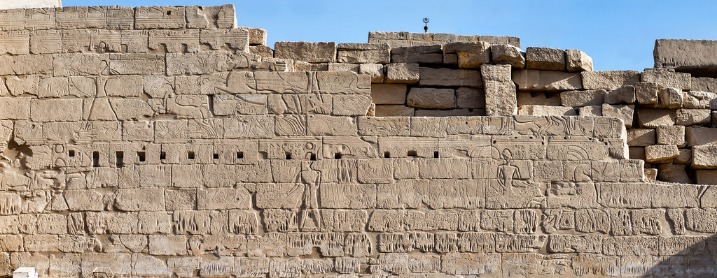
During Ramses II’s reign, a series of significant events shaped ancient Egypt’s history, showcasing his military prowess, diplomatic skills, and dedication to monumental building projects. Among these, the Battle of Kadesh against the Hittites stands out as a major military engagement, which was later commemorated through detailed inscriptions and treaties that underscored Egypt’s diplomatic achievements. Ramses II also undertook extensive construction efforts, including the rise of iconic monuments like the Ramesseum and the temples at Abu Simbel, which were inscribed with hieroglyphic records celebrating his reign and divine status. Inscriptions were meticulously carved on walls, stelae, and statues, serving both as records of his achievements and as propaganda to assert his divine authority and eternal legacy. Record keeping was essential for documenting his conquests, religious activities, and public works, ensuring that his legacy was preserved for future generations and highlighting the importance of inscriptions as a means of communication and historical record in ancient Egyptian culture.
Legacy and Historical Significance
Ramses II, also known as Ramses the Great, stands as one of the most illustrious pharaohs of ancient Egypt, leaving a profound legacy that has captivated historians and archaeologists alike. His reign marked a period of stability, military prowess, and remarkable architectural achievements that continue to influence our understanding of Egypt’s grandeur. The historical significance of Ramses II is evident in the lasting monuments, treaties, and cultural advancements that have secured his place as a pivotal figure in Egypt’s history.
Architectural Legacy: Temples and Monuments
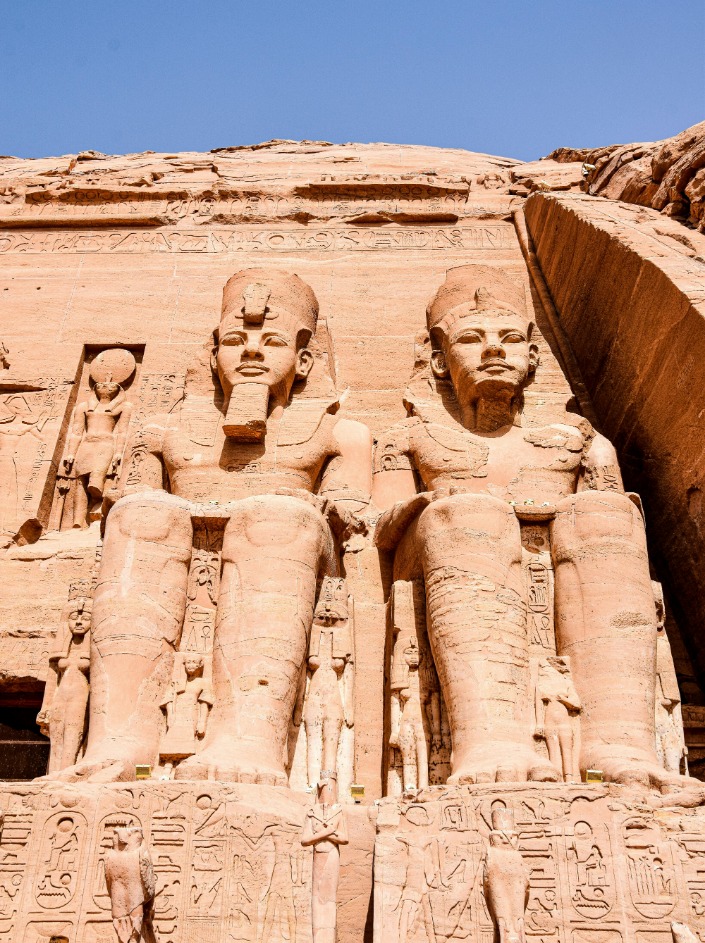
Ramses II, often regarded as one of Egypt’s greatest pharaohs, left a profound legacy through his remarkable temples and monuments that have stood the test of time. His architectural achievements not only showcased Egypt’s artistic and engineering prowess but also served as enduring symbols of his divine right to rule and his military might. Among the most famous structures attributed to Ramses II are the massive temples at Abu Simbel, carved directly into the mountainside and designed to intimidate enemies and honor the gods.
The architectural legacy of Ramses II is evident in the grandeur and intricacy of his constructions, which blend religious symbolism with political propaganda. The monumental statues, elaborate pillared halls, and intricate carvings inside these temples depict his accomplishments, divine association, and connection to the gods. These monuments have provided invaluable insight into ancient Egyptian art, religious practices, and society, influencing subsequent generations of builders and artists.
The temples and monuments of Ramses II continue to inspire awe and attract scholars and tourists alike, serving as a testament to the enduring power and sophistication of ancient Egyptian architecture. Their preservation not only highlights Ramses II’s historical significance but also underscores Egypt’s rich cultural heritage, making them some of the most important architectural legacies in world history.
Impact on Ancient Egyptian History
Ramses II, also known as Ramses the Great, holds a prominent place in ancient Egyptian history due to his extensive reign and numerous accomplishments. His legacy is deeply woven into the fabric of Egypt’s cultural, political, and military history, making him one of the most celebrated pharaohs of the New Kingdom era.
Throughout his life, Ramses II undertook large-scale construction projects, including the famous temples at Abu Simbel and the Ramesseum, which served to demonstrate Egypt’s wealth and power. His military campaigns expanded Egypt’s borders, notably against the Hittites, culminating in the signing of one of the earliest known peace treaties. These actions solidified Egypt’s influence and stability during his rule.
His impact on ancient Egyptian history is also evident in his legacy of monumental architecture and art, which influenced subsequent generations and set a standard for grandeur. Ramses II’s long reign and achievements helped to shape Egypt’s identity as a powerful and enduring civilization that would be remembered for millennia.
- Established one of the longest reigns in Egyptian history, approximately 66 years.
- Commissioned iconic monuments that have survived to modern times, notably Abu Simbel.
- Produced a wealth of inscriptions and statues, preserving his legacy for posterity.
Ramses II in Popular Culture and Modern Discovery
Ramses II, also known as Ramses the Great, is regarded as one of the most influential and celebrated pharaohs of ancient Egypt. His legacy endures through the grandeur of his constructions, such as the Abu Simbel temples, and his numerous inscriptions that highlight his military achievements and devotion to the gods. These monuments serve as a testament to his leadership and have cemented his place in Egyptian history as a symbol of power and vitality.
In popular culture, Ramses II has been immortalized through various movies, literature, and art, often depicted as an epitome of regal strength and divine authority. His image appears in historical novels, documentaries, and even modern media portrayals that explore ancient Egyptian civilization, making him a recognizable figure worldwide. These representations help keep his legacy alive, connecting contemporary audiences with Egypt’s glorious past.
Modern discovery has further elevated Ramses II’s prominence, with ongoing archaeological excavations revealing new insights into his reign. The unearthing of statues, inscriptions, and tombs continues to provide valuable information about his reign and Egypt’s history during the 13th century BCE. Technological advancements, such as imaging techniques and conservation methods, allow researchers to better understand his legacy and appreciate the grandeur of ancient Egypt through a modern lens.



0 Comments