
Overview of Arusha National Park
Arusha National Park, located in Tanzania, is a stunning wilderness area renowned for its diverse landscapes and rich wildlife. Nestled at the foot of Mount Meru, this park offers visitors a unique blend of lush rainforests, acacia-dominated savannas, and mountain terrain. It serves as an ideal destination for nature enthusiasts seeking to experience Tanzania’s vibrant ecosystems and incredible biodiversity in a relatively accessible location. With its breathtaking scenery and abundant wildlife, Arusha National Park is a must-visit spot for travelers exploring Tanzania.
Location and Accessibility
Arusha National Park is a stunning protected area located in northern Tanzania, renowned for its diverse landscapes and rich wildlife. It encompasses lush forests, volcanic craters, and open savannahs, offering a variety of habitats for numerous species. Visitors can enjoy breathtaking views of Mount Meru, the second-highest peak in Tanzania, along with a range of endemic birds and animals.
Situated near the city of Arusha, the park is easily accessible for travelers. It is approximately a 1 to 2-hour drive from Arusha town center, making it a convenient destination for tourists. The park is well-connected by paved roads and can be reached via shuttle services, private vehicles, or guided tours, ensuring travelers have a smooth journey to experience its natural beauty.
History and Establishment
Arusha National Park is a stunning protected area located in northern Tanzania, known for its diverse landscapes and rich biodiversity. Established in 1960, the park covers approximately 137 square kilometers and is part of the renowned Northern Circuit, attracting tourists from around the world. Its scenic beauty includes lush montane forests, grasslands, lakes, and volcanic features such as Mount Meru and the Momella Lakes.
The history of Arusha National Park dates back to the colonial era when the region was recognized for its ecological significance. Originally designated as a game reserve, it was officially established as a national park in 1960 to conserve its unique flora and fauna while promoting tourism and ecological research. Over the years, the park has played an important role in Tanzania’s conservation efforts, serving as a habitat for various wildlife species including elephants, leopards, buffalo, and numerous bird species.
Geographical Features
Arusha National Park is a stunning conservation area located in northern Tanzania, renowned for its diverse geographical features and rich biodiversity. It is situated near the city of Arusha, making it accessible to visitors seeking a unique safari experience. The park encompasses a variety of landscapes, including dense forests, volcanic mountains, savannahs, and lakes, which contribute to its ecological significance and scenic beauty.
- Mount Meru: The second highest peak in Tanzania, standing at 4,562 meters, offering challenging hikes and panoramic views.
- Ngurdoto Crater: A volcanic caldera with lush vegetation, often called the “Little Ngorongoro” due to its crater lake and abundant wildlife.
- Momella Lakes: A series of alkaline lakes home to flamingos, herons, and other migratory birds, adding to the park’s birdwatching appeal.
- Dense Forests: Covering parts of the park, these forests support diverse flora and fauna, including elephants, leopards, and numerous primate species.
- Volcanic Features: The park’s landscape is shaped by volcanic activity, featuring craters, lava fields, and fumaroles that highlight its geological history.
Flora and Fauna
Arusha National Park in Tanzania is a stunning sanctuary teeming with diverse flora and fauna. It offers a unique blend of lush landscapes, expansive savannahs, and dense forests, providing a habitat for a wide variety of wildlife. Visitors can experience the beauty of nature through the vibrant plant life and the numerous animals that call this park home, making it a must-visit destination for nature enthusiasts.
Vegetation Types
Arusha National Park in Tanzania boasts a rich diversity of flora and fauna, making it a vibrant ecological area. The park’s vegetation types range from lush montane forests and grasslands to dense bushlands, providing habitats for numerous species. The montane forests are characterized by tall, evergreen trees and are home to various bird species and primates. The grasslands are expansive and support herbivores such as giraffes, buffalo, and zebras, which in turn attract predators like lions and leopards. Additionally, the park’s flora includes popular trees like mahogany, cedar, and acacia, contributing to the area’s lush greenery. Overall, the combination of diverse vegetation types sustains a wide array of animal species, making Arusha National Park a crucial conservation area.
Wildlife Species
Arusha National Park in Tanzania is a rich haven for diverse flora and fauna, offering visitors a unique opportunity to experience the region’s natural beauty and wildlife. The park’s varied landscapes include lush forests, open plains, and rugged volcanic craters, providing habitats for numerous species of plants and animals.
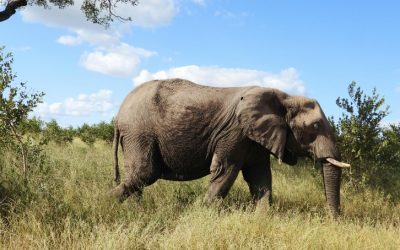
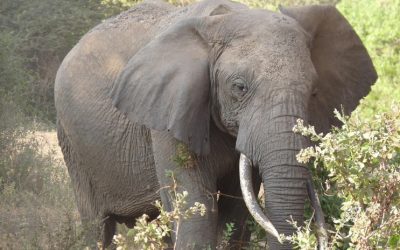
- Elephants: Iconic residents of the park, they roam freely across the savannahs.
- Leopards: Skilled predators that often remain hidden within the dense forest areas.
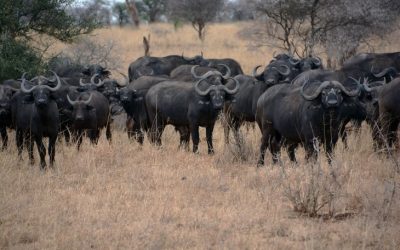
- Buffalo: Commonly seen in herds, contributing to the park’s dynamic ecosystem.
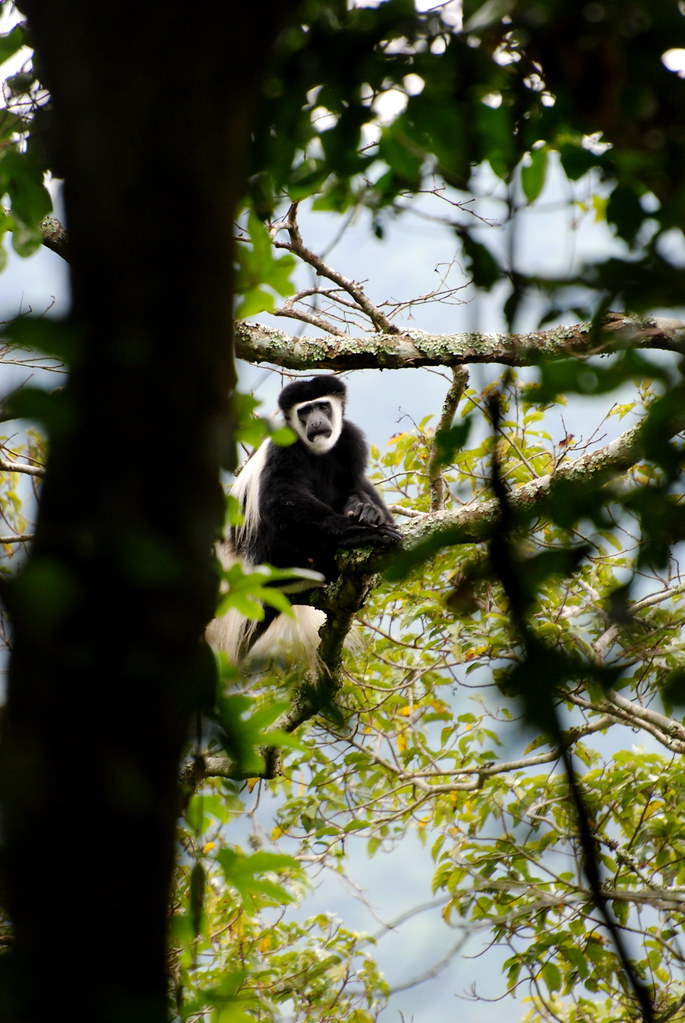
- Colobus Monkeys: Notable for their striking black-and-white fur, inhabiting the wooded regions.
- Flora: The park is home to giant acacia trees, lush ferns, and colorful wildflowers that support the diverse wildlife.
- Bird Species: Over 400 bird species, including the endemic blue monkey and various kingfishers, thrive here, making it a paradise for ornithologists.
Birdlife
Arusha National Park in Tanzania is a vibrant sanctuary rich in diverse flora and fauna. The park boasts lush forests, open savannahs, and volcanic landscapes that support a wide variety of plant species, including giant mahogany, camphor trees, and colorful orchids. These plants provide essential habitats and food sources for numerous animal species.
Birdlife in Arusha National Park is particularly notable, with over 400 bird species recorded. Visitors can observe colorful lilac-breasted rollers, vibrant sunbirds, and majestic fish eagles. The park’s diverse habitats—from wetlands to mountains—offer ideal nesting and feeding grounds for a multitude of bird species, making it a haven for birdwatchers and nature enthusiasts alike.
Major Attractions and Activities
Arusha National Park in Tanzania offers a diverse range of attractions and activities that captivate every visitor. From breathtaking landscapes to abundant wildlife, the park provides an unforgettable safari experience. Whether exploring scenic hiking trails, observing the vibrant flora and fauna, or experiencing thrilling game drives, visitors can immerse themselves in the natural beauty and adventure that define this stunning destination.
Mount Meru Climbing
Mount Meru Climbing is one of the major attractions and activities in Arusha National Park, Tanzania. This challenging yet rewarding trek offers stunning panoramic views of Mount Kilimanjaro and the surrounding plains. Climbers have the opportunity to explore diverse ecosystems, including lush forests, moorlands, and alpine zones. The ascent provides encounters with unique wildlife such as buffalo, giraffes, and various primates along the trails. Summit success offers unforgettable moments and a sense of accomplishment, making it a must-do activity for adventure enthusiasts visiting Arusha National Park.
Safari Tours
Arusha National Park in Tanzania offers a diverse range of attractions and activities, making it an ideal destination for wildlife enthusiasts and adventure seekers alike. Visitors can enjoy spectacular scenery, abundant wildlife, and unique safari experiences within a relatively compact park.
- Game Drives: Explore the park’s diverse habitats, including Ngurdoto Crater, Momella Lakes, and Mount Meru, to spot elephants, giraffes, buffalo, and various antelope species.
- Walking Safaris: Experience an immersive adventure on guided walking safaris, where you can get up close to nature and observe smaller wildlife, birds, and flora.
- Bird Watching: The park is a birdwatcher’s paradise with over 400 species, including kingfishers, herons, and flamingos around the lakes.
- Climbing Mount Meru: For the adventurous, climbing Mount Meru presents a challenging trek with breathtaking views and encounters with wildlife along the trail.
- Scenic Viewing: Enjoy spectacular vistas of the lush landscapes, crater forests, and the stunning backdrop of Mount Kilimanjaro on clear days.
Safari tours in Arusha National Park offer a unique opportunity to witness Tanzania’s incredible biodiversity and scenic beauty, making it a must-visit destination for any wildlife and nature enthusiast.
Walking Safaris
Arusha National Park offers a variety of major attractions and activities for visitors seeking an authentic safari experience. One of the highlights is the opportunity to explore the diverse landscapes, including lush rainforests, open savannahs, and the stunning Momella Lakes, which are home to many bird species and other wildlife. Visitors can enjoy guided walking safaris, allowing them to experience the park’s rich flora and fauna up close while learning about the ecosystem from experienced guides. These walking safaris provide a unique, intimate perspective of the natural environment, making it an ideal activity for nature enthusiasts. In addition to walking safaris, visitors can partake in game drives, visit the Ngurdoto Crater, and enjoy bird watching, making Arusha National Park a perfect destination for adventure and nature lovers alike.
Dagoreti Lake and Ngurdoto Crater
Arusha National Park in Tanzania offers visitors a diverse range of attractions and activities, including visiting the stunning Dagoreti Lake and exploring the Ngurdoto Crater. Dagoreti Lake is a serene and picturesque spot ideal for birdwatching, boat rides, and photography, with its calm waters attracting various bird species and wildlife. Visitors can enjoy peaceful moments by the lake while taking in the beautiful surroundings. Ngurdoto Crater, known as the “Little Serengeti,” is famous for its lush forests, marshlands, and rich wildlife, making it perfect for game drives, nature walks, and birdwatching. Exploring the crater provides a unique opportunity to see diverse flora and fauna in their natural habitat, offering a memorable adventure for nature enthusiasts. Overall, these attractions enhance the experience of visiting Arusha National Park, providing visitors with unforgettable outdoor activities amidst Tanzania’s breathtaking landscapes.
Wildlife Photography
Arusha National Park in Tanzania offers a stunning array of attractions and activities, making it a must-visit destination for wildlife enthusiasts and adventure seekers alike. The park is renowned for its diverse landscapes, from lush grasslands and striking mountain formations to dense forests and soda lakes. Visitors can enjoy a variety of outdoor experiences that showcase the rich natural beauty of the region.
- Game drives to see elephants, giraffes, buffalos, zebras, and antelopes roaming their natural habitat.
- Climbing Mount Meru, Tanzania’s second-highest peak, for breathtaking views and trekking adventures.
- Bird watching opportunities to observe species such as flamingos, Kingfishers, and Hornbills.
- Walking safaris that offer an up-close experience with wildlife and the park’s unique flora.
- Visit to the Momella Lakes, famous for their vibrant birdlife and scenic beauty.
Wildlife Photography
Wildlife photography in Arusha National Park is a remarkable experience, offering opportunities to capture the essence of African wildlife in their natural environment. The park’s diverse habitats provide great backgrounds for stunning photographs of animals and landscapes. Whether shooting during game drives or walking safaris, photographers can expect to find a wealth of subjects to document, from graceful giraffes against Mount Meru to colorful bird species and elusive predators. The best times for photography are early mornings and late afternoons when the lighting highlights the beauty of the surroundings while animals are most active.
Tourism and Conservation
Tourism and conservation are interconnected efforts that aim to promote responsible travel while preserving the natural environment. In Arusha National Park, Tanzania, this balance is especially important as the region boasts diverse wildlife and stunning landscapes. By focusing on sustainable tourism, Arusha National Park not only offers unforgettable experiences for visitors but also safeguards its rich biodiversity for future generations.
Visitor Facilities
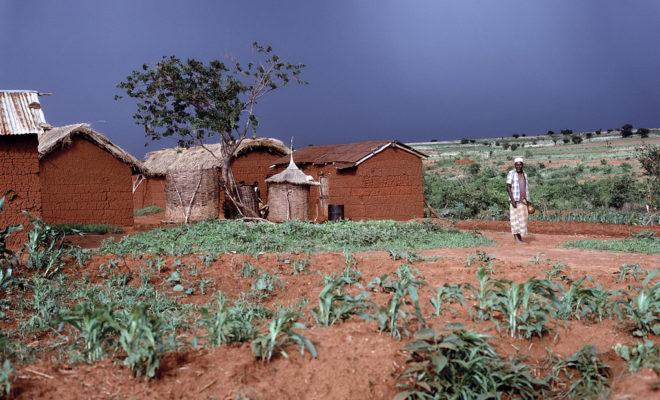
Arusha National Park in Tanzania offers a unique blend of tourism and conservation efforts, showcasing the region’s rich biodiversity while promoting sustainable visitor experiences. The park’s diverse landscapes, including lush forests, savannahs, and Mount Meru, attract many eco-tourists eager to explore its natural beauty responsibly. To support these visitors, the park provides well-maintained facilities such as guided tour services, designated picnic areas, and interpretative centers that educate guests about local flora and fauna. These facilities enhance visitor safety and comfort while simultaneously emphasizing the importance of conserving the park’s delicate ecosystems. Overall, Arusha National Park balances tourism with conservation goals, fostering a deeper appreciation for Tanzania’s natural heritage among travelers.
Conservation Efforts
Arusha National Park in Tanzania serves as a prime example of the delicate balance between tourism and conservation efforts. This park, renowned for its diverse landscapes and rich wildlife, attracts numerous visitors each year, providing vital revenue that supports conservation initiatives. However, increased tourism also poses challenges such as habitat disturbance and resource depletion. To address these issues, conservation efforts focus on sustainable tourism practices, strict regulation of visitor activities, and community engagement. Local communities are involved in conservation programs, which help ensure that tourism benefits both the environment and local populations. Overall, preserving Arusha National Park requires continuous collaboration between park authorities, tourists, and local stakeholders to maintain its ecological integrity while allowing people to experience its natural beauty.
Community Involvement
Tourism and conservation in Arusha National Park play a vital role in preserving Tanzania’s rich biodiversity while supporting local communities. The park attracts visitors from around the world who come to experience its stunning landscapes, including lush forests, savannahs, and volcanic craters. Responsible tourism encourages the protection of wildlife such as giraffes, buffaloes, and elephants, ensuring these species survive for future generations. Community involvement is essential, as local residents participate in conservation efforts and benefit economically from tourism activities. Initiatives like community-run lodges and cultural tours empower locals, foster sustainable practices, and promote awareness about the importance of preserving natural habitats. Overall, balancing tourism with conservation efforts and community engagement helps sustain Arusha National Park’s unique environment and benefits the surrounding communities.
Travel Tips and Guidelines
Traveling to Arusha National Park in Tanzania offers a unique opportunity to experience breathtaking landscapes and diverse wildlife. To make the most of your adventure, it’s important to be well-prepared with essential travel tips and guidelines. From planning your accommodations to understanding local customs, these recommendations can help ensure a smooth and memorable visit to this stunning destination.
Best Visiting Seasons
When planning a visit to Tanzania’s Arusha National Park, it’s essential to consider travel tips and the best visiting seasons to make the most of your experience. The park offers stunning landscapes, diverse wildlife, and scenic views that are best enjoyed during specific times of the year.
The ideal visiting seasons for Arusha National Park are from June to October and from December to February. These months typically feature dry weather, making game viewing easier and roads more accessible. During this period, animals gather around water sources, providing excellent opportunities for wildlife spotting. The wet seasons, from March to May and November, can bring lush greenery and fewer visitors, but travel may be more challenging due to muddy roads and limited wildlife visibility.
Travel tips for visiting Arusha National Park include arriving early in the morning for optimal wildlife viewing, bringing appropriate clothing for varying weather conditions, and respecting park regulations and wildlife. It’s also advisable to carry sufficient water, sunscreen, and insect repellent. Hiring a knowledgeable guide can enhance your experience by providing valuable insights into the flora and fauna of the park. Be sure to plan your trip in advance, especially during peak seasons, to ensure accommodations and permits are secured. Enjoy your visit and explore the stunning beauty of Arusha National Park responsibly.
Entry Fees and Permits
When planning a visit to Arusha National Park in Tanzania, it’s essential to familiarize yourself with travel tips and guidelines to ensure a smooth and enjoyable experience. Always carry valid identification and copies of your permits, and respect local customs and wildlife regulations. Be prepared for varying weather conditions and dress appropriately to stay comfortable during your safari adventures.
Entry fees and permits are required for all visitors to Arusha National Park. The entrance fee for international tourists is higher than for residents, with prices typically ranging from $50 to $100 per person per day. Residents and Tanzanian citizens benefit from discounted rates. Additionally, permits for specific activities such as guided safaris or special excursions may incur extra costs. It’s advisable to purchase your permits and pay entrance fees at the park entrance or through authorized tour operators beforehand to avoid delays and ensure a seamless visit.
Health and Safety Tips
When visiting Arusha National Park in Tanzania, it is essential to follow travel tips and guidelines to ensure a memorable and safe experience. Proper planning, including booking guided tours and understanding park regulations, enhances your visit and helps preserve the natural environment.
Maintain good health by staying hydrated, using insect repellent to prevent mosquito bites, and applying sunscreen to protect against the sun. Carry a basic first aid kit and be aware of any necessary vaccinations before traveling to Tanzania.
For safety, always follow the instructions of your guide, stay within designated areas, and avoid wandering off the designated trails. Keep your valuables secure and be cautious of wildlife from a safe distance. It’s also advisable to have travel insurance that covers health and emergency evacuation services.
Guided Tours and Local Guides
Traveling to Arusha National Park in Tanzania offers an incredible adventure, and following some essential tips can enhance your experience. Guided tours and local guides are invaluable for exploring the park safely and thoroughly, providing insights into the diverse wildlife and stunning landscapes.
Travel Tips and Guidelines for Arusha National Park
- Make sure to carry sufficient water, sun protection, and appropriate clothing for varying weather conditions.
- Respect park regulations by staying within designated areas and avoiding disturbing the wildlife.
- Be mindful of the park’s ecosystem by disposing of waste properly and not taking souvenirs from the area.
- Book your park permits and tours in advance, especially during peak seasons, to ensure availability.
- Engage with local guides who are familiar with the terrain, animal behavior, and cultural practices.
Guided Tours and Local Guides
- Opt for guided safaris to maximize wildlife sightings and receive expert commentary on flora and fauna.
- Choose reputable tour operators that employ certified and experienced guides.
- Encourage your guides to share cultural and ecological knowledge, enriching your understanding of the region.
- Use guides as a resource for photography tips and navigation advice within the park.
- Respect the guides’ instructions to ensure safety and preserve the natural environment.

0 Comments