
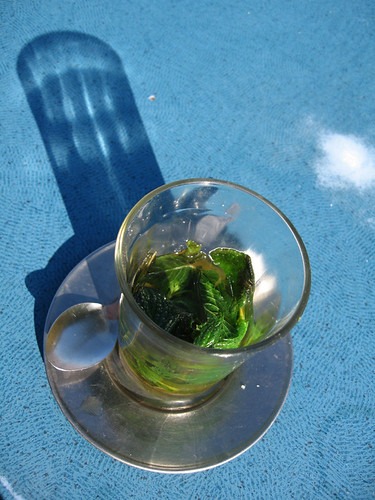
Historical Background of Mint Tea in Morocco
Mint tea holds a cherished place in Moroccan culture, dating back centuries as a symbol of hospitality and social tradition. Originating from the Arab world, it was introduced to Morocco through trade and cultural exchanges, eventually becoming an essential aspect of daily life and special gatherings. Over time, the preparation and serving of mint tea have evolved into an art form, highlighting the country’s rich history and warm hospitality. This iconic beverage reflects Morocco’s diverse influences and enduring cultural heritage.
Origins and Cultural Significance
Mint tea in Morocco has a rich historical background that dates back several centuries, reflecting the country’s cultural and social evolution. Its origins are believed to trace back to Persia and China, where tea was initially introduced along ancient trade routes such as the Silk Road. From these regions, tea spread to North Africa through Arab traders, gradually becoming an integral part of Moroccan hospitality and daily life.
In Moroccan culture, mint tea holds a symbolic significance that extends beyond its refreshing taste. It is often regarded as a gesture of hospitality, friendship, and community, serving as a central element in social gatherings, family meetings, and special occasions. The ritual of preparing and serving mint tea—known as “Atay”—is considered a refined art, involving specific customs such as pouring the tea from a height to create a frothy top and adding fresh mint leaves and generous amounts of sugar to enhance its flavor.
The tradition of mint tea in Morocco embodies a blend of history, social values, and cultural identity. It represents hospitality, warmth, and the importance of maintaining social bonds. Over time, this beverage has transcended its origins, becoming a symbol of Moroccan identity and a cherished aspect of daily life across the country.
Evolution Through the Ages
Mint tea holds a significant place in Moroccan culture, dating back centuries to when it was introduced through trade routes connecting the Arab world and beyond. Traditionally, it was a symbol of hospitality and social bonding, often served to guests as a sign of warmth and generosity.
Originally, mint tea in Morocco was influenced by ancient Arab and Andalusian traditions, where tea drinking was both a recreational activity and a ritual of greeting. Over time, the preparation and serving of mint tea evolved into a cherished cultural practice, with specific ceremonies and customs associated with its presentation.
During the Moroccan dynasties, particularly in the 19th and early 20th centuries, the popularity of mint tea grew, becoming deeply embedded in daily life and social gatherings. The addition of fresh mint leaves and a generous dose of sugar distinguished Moroccan mint tea from other regional varieties, creating a uniquely sweet and aromatic beverage.
In modern times, mint tea remains a staple in Moroccan households and social settings, symbolizing hospitality, friendship, and tradition. Its preparation has preserved its traditional methods, while also adapting to contemporary tastes and influences, ensuring its enduring cultural significance through the ages.
Preparation and Serving Rituals
Preparation and serving rituals play a vital role in Moroccan culture, especially when it comes to traditional beverages like mint tea. This ceremonial process reflects hospitality, respect, and social bonding, transforming a simple drink into an experience of cultural significance. Understanding these rituals provides insight into Moroccan customs and the art of hospitality that is cherished across the country.
Traditional Ingredients and Equipment
Mint tea in Morocco is more than just a beverage; it is a significant cultural ritual that symbolizes hospitality and friendship. The preparation and serving of Moroccan mint tea follow specific traditions that highlight respect and social bonding within the community. The process begins with carefully selecting fresh green tea leaves, usually Chinese gunpowder tea, which are brewed in a teapot over boiling water. Fresh spearmint leaves are added generously to the pouring teapot to infuse the tea with a refreshing aroma. The ritual involves repeatedly pouring and pouring back the tea to aerate it and achieve the perfect balance of strength and flavor. The tea is served in small, tulip-shaped glasses, often accompanied by a plate of sugar cubes, allowing guests to sweeten their tea according to preference. The ritual also includes a specific pouring technique, where the tea is poured from a height to create a frothy top, symbolizing hospitality. Traditional equipment used in preparing Moroccan mint tea includes a brass or silver teapot, a small tea table, and a samovar or similar stove to keep the water hot. The preparation and serving of mint tea are integral to Moroccan social customs, emphasizing generosity, respect, and communal harmony through each carefully executed step.
Step-by-Step Preparation Process
Preparing mint tea in Morocco is a cherished ritual that embodies hospitality and tradition. The process involves careful steps to ensure the tea is perfectly brewed and beautifully presented, reflecting Moroccan culture and hospitality.
Begin by boiling fresh water in a samovara or teapot. Once boiling, add a generous handful of green tea leaves, typically gunpowder green tea, to the teapot. Let the tea steep for a few minutes, allowing it to develop a rich flavor. After steeping, pour a small amount of the brewed tea into a glass to rinse the leaves, then pour this rinse back into the teapot to wash away any bitterness and strengthen the flavor.
Next, add fresh sprigs of Moroccan mint and sugar according to taste—often a generous amount of sugar is preferred, as it balances the bitterness of the tea. Refill the teapot with boiling water and allow the tea to steep for several more minutes, ensuring the mint infuses properly. While the tea brews, traditionally, the tea is poured from a height into small glasses, creating a slight foam on top and aerating the tea.
Serving mint tea involves a ceremonial pouring, where the host pours the tea from a height to create foam and balance flavors. The tea is served in small glasses, often accompanied by additional mint for garnish. This ritual highlights Moroccan hospitality and is often performed multiple times, with guests enjoying the warmth, aroma, and social significance of the tea ceremony. The entire process emphasizes patience, respect, and the communal experience of sharing tea in Moroccan culture.
Serving Customs and Etiquette
In Morocco, mint tea holds a special place in cultural traditions, serving as both a refreshing beverage and a symbol of hospitality. Preparation and serving rituals are integral to its cultural significance, reflecting warmth and respect for guests. The process of making Moroccan mint tea involves specific steps that highlight its ceremonial importance and social value.
Preparation of Moroccan mint tea typically follows these steps:
- Use fresh green tea leaves, often gunpowder tea, brewed strongly in boiling water.
- Add a generous handful of fresh mint sprigs to the teapot.
- Pour hot water over the tea and mint, allowing the flavors to infuse.
- Rinse the tea leaves by pouring some of the brewed tea back into the teapot and then discarding it, ensuring a less bitter taste.
- Refill the teapot with boiling water and let it steep for several minutes.
- Sweeten the tea generously with sugar, often adding multiple teaspoons to balance the strong flavors.
- Finally, serve the tea by pouring it from a height into small glasses to aerate and create a frothy top, which is highly valued.
Serving customs and etiquette are also significant in Moroccan tea culture:
- It is customary for hosts to serve guests with great warmth and courtesy, often insisting multiple times that they accept the tea.
- The serving is often done with a silver or brass teapot, emphasizing tradition and elegance.
- Pouring the tea from a height creates foam and shows skill, symbolizing respect and hospitality.
- Guests are expected to accept the first few servings as a sign of politeness and appreciation.
- The ritual of sharing mint tea fosters social bonds, making it customary to engage in friendly conversations during the process.
- Refilling the teacup signifies ongoing hospitality and the host’s generosity.
Types and Variations of Mint Tea
Mint tea holds a special place in Moroccan culture, celebrated for its refreshing taste and social significance. There are various types and variations of mint tea enjoyed across the country, each with unique preparations and flavors. From the traditional green mint tea served in teapots to regional twists that incorporate different herbs and sweeteners, Moroccan mint tea offers a rich diversity of experiences for enthusiasts and visitors alike.
Common Varieties in Morocco
Mint tea is a cherished beverage in Morocco, renowned for its refreshing flavor and cultural significance. It is traditionally prepared with a generous amount of fresh mint leaves and sweetened generously with sugar, creating a soothing yet invigorating drink. There are various types and variations of mint tea enjoyed across different regions and households, reflecting local tastes and customs.
One of the most common varieties is the classic Moroccan mint tea, known as “Atay Bil Na’na,” which features high-quality green tea, typically gunpowder tea, infused with fresh mint sprigs and sweetened with sugar. This version is served hot and is a symbol of hospitality.
In some regions, variations include adding additional herbs or infusions such as chamomile or verbena to create a unique twist on the traditional recipe. Other variations might include the use of dried mint or mixing mint with other aromatic herbs to enhance flavor complexity.
Moroccan households often have their own preferred methods and proportions for preparing mint tea, making each cup a personalized gesture of welcoming. The presentation of mint tea also varies, with some families serving it in ornate glasses, while others prefer simpler cups, all emphasizing the importance of hospitality and social bonding in Moroccan culture.
Regional Differences in Preparation
Mint tea in Morocco is a cherished cultural tradition known for its refreshing and aromatic qualities. It is typically prepared using fresh spearmint leaves and green tea, creating a beautifully balanced beverage enjoyed throughout the day. The preparation process often reflects regional and familial variations, adding to its rich diversity.
Types of mint used in Moroccan tea mainly include spearmint, which is preferred for its pleasant aroma and flavor. Sometimes, other mint varieties like pennyroyal are incorporated, although spearmint remains the classic choice. Variations also exist in the sweetness level; some prefer a very sweet tea with generous amounts of sugar, while others opt for a more subtle sweetness, adjusting the amount according to personal or regional preferences.
Regional differences significantly influence the preparation method. In urban Marrakech, the traditional method involves pouring the brewed tea from a height to aerate it, resulting in a frothy top. In the plains surrounding the Atlas Mountains, tea might be prepared with stronger tea leaves and more mint, emphasizing bold flavors. Coastal regions often adapt the recipe with locally available herbs and sometimes add hints of spices like cinnamon or cloves, creating unique regional twists.
Overall, Moroccan mint tea showcases a variety of preparations that reflect local tastes, customs, and ingredients, making it a versatile and integral element of Moroccan hospitality and social life.
Health Benefits and Nutritional Aspects
Mint tea in Morocco is celebrated not only for its refreshing taste but also for its numerous health benefits and nutritional qualities. Rich in antioxidants and vitamins, this traditional beverage offers a natural way to boost immunity, improve digestion, and promote overall well-being. Its calming properties and hydrating effects make it a popular choice for supporting a healthy lifestyle in Moroccan culture and beyond.
Digestive Properties
Mint tea in Morocco is renowned not only for its refreshing taste but also for its numerous health benefits and nutritional properties. Rich in antioxidants, it helps combat oxidative stress and supports overall immune health. The natural compounds present in mint can aid in relieving indigestion, stomach cramps, and bloating, making it a popular choice for digestive wellness. Additionally, mint tea is often consumed to soothe headaches, improve respiration, and promote relaxation. Its mild diuretic effect may also assist in flushing out toxins from the body, contributing to better hydration and kidney health. Overall, Moroccan mint tea offers a blend of delightful flavor and valuable health-boosting properties, making it a beneficial addition to a healthy lifestyle.
Antioxidant Effects
Mint tea in Morocco is renowned not only for its refreshing taste but also for its numerous health benefits and nutritional advantages. Rich in antioxidants, it helps combat oxidative stress by neutralizing harmful free radicals in the body, thereby supporting overall cellular health. The natural compounds found in mint, such as rosmarinic acid and flavonoids, contribute to its antioxidant effects.
Additionally, mint tea can aid digestion, soothe stomach discomfort, and promote respiratory health due to its anti-inflammatory and antimicrobial properties. It is typically low in calories and contains small amounts of vitamins and minerals, making it a nourishing, hydrating beverage. The consumption of mint tea as part of Moroccan culture emphasizes its role in promoting wellness and improving vitality through natural means.
Mint Tea in Moroccan Social and Cultural Life
Mint tea holds a special place in Moroccan social and cultural life, symbolizing hospitality, tradition, and community bonding. It is a vital part of everyday interactions and celebrations, reflecting the warmth and generosity of Moroccan hospitality. Serving and drinking mint tea is more than just a routine; it is a cherished ritual that brings people together and signifies friendship and respect across all generations.
Tea as a Symbol of Hospitality
Mint tea holds a special place in Moroccan social and cultural life, serving as a symbol of hospitality and warmth. It is more than just a beverage; it embodies a tradition passed down through generations, representing friendship, respect, and community. Preparing and serving mint tea is an art form in Morocco, often accompanied by a specific ritual that emphasizes politeness and generosity.
In Moroccan society, offering tea to guests is considered a vital gesture that reflects the host’s hospitality and welcoming nature. The act of presenting tea is usually done with great care, often involving a ceremonial pouring from a teapot held high above the glasses to create a frothy top. Sharing mint tea provides an opportunity for social interaction, conversations, and strengthening bonds among friends, family, and visitors.
Beyond its role as a social ritual, mint tea also symbolizes unity and national identity. Its aromatic flavor, combined with the sweetness and freshness of mint leaves, represents the richness of Moroccan culture. Whether in busy markets, family homes, or formal gatherings, mint tea is an enduring emblem of Moroccans’ warmth and hospitality, embodying a centuries-old tradition that continues to flourish today.
Role in Festivals and Celebrations
Mint tea holds a special place in Moroccan social and cultural life, serving as a symbol of hospitality, friendship, and tradition. It is more than just a beverage; it embodies the warmth and generosity that characterize Moroccan society. Serving mint tea is a cherished ritual that often marks important moments and gatherings, bringing people together to share stories, celebrate, and strengthen social bonds.
In Moroccan festivals and celebrations, mint tea plays a vital role. It is typically prepared with fresh mint leaves, green tea, and sugar, and is poured from a height to create a frothy top, reflecting the artistry and care involved in its preparation. During religious festivals such as Ramadan, mint tea is served to break the fast, providing refreshment and a sense of community. Additionally, during weddings and family celebrations, offering mint tea is a gesture of goodwill and an integral part of the festivities.
- Mint tea acts as a sign of welcome and hospitality, often served to guests upon their arrival.
- It is an essential element in traditional Moroccan ceremonies and social gatherings.
- During major festivals, mint tea is shared as a symbol of unity and good fortune.
- The ritual of preparing and serving mint tea is often a communal activity that enhances social cohesion.
Economic and Commercial Aspects
Mint tea holds a significant place in Moroccan culture, serving not only as a popular beverage but also as a symbol of hospitality and social connection. The economic and commercial aspects surrounding mint tea involve vibrant local production, regional trade, and export activities that contribute to Morocco’s economy. Understanding these elements reveals how traditional practices intertwine with modern market dynamics, shaping both the livelihood of producers and the country’s reputation in the global tea industry.
Tea Cultivation and Import
Mint tea holds a significant place in Moroccan culture, blending economic, commercial, and agricultural aspects. The cultivation of mint, primarily spearmint, is a vital component of Morocco’s agricultural sector, supporting local farmers and contributing to regional income. The country dedicates considerable land to mint cultivation, especially in regions with favorable climates such as the Rif Mountains and Souss-Massa, where the aromatic herb thrives. Economically, mint tea has become an important commodity, facilitating trade both domestically and through exports to neighboring countries and international markets. Morocco’s reputation for producing high-quality mint tea increases its competitiveness globally, encouraging investments in cultivation and processing facilities.
Importation also plays a crucial role in maintaining the quality and availability of mint for tea preparation in Morocco. While local production supplies a substantial portion of the demand, certain varieties and processed mint products are imported to meet specific quality standards or seasonal shortages. The commercial aspect encompasses the integration of mint into the broader tea culture, with Moroccan men and women preparing and serving mint tea as a social staple. This cultural tradition sustains ongoing demand and inflates the commercial value of mint tea, which, combined with local cultivation and import policies, shapes the overall economic landscape surrounding mint tea in Morocco.
Local Markets and Export
Mint tea holds a significant place in Morocco’s cultural and economic landscape, serving as both a traditional beverage and a key contributor to local markets and exports. The production of Moroccan mint tea involves cultivating high-quality mint leaves, which are in high demand domestically for social and daily consumption. The local markets thrive on the popularity of mint tea, with numerous street vendors and teahouses offering freshly brewed varieties, creating a vibrant and competitive marketplace.
Economically, the cultivation of mint and the production of tea contribute to rural livelihoods, particularly in regions known for herbage farming. Small-scale farmers grow mint specifically for local sale and sometimes for export, benefiting from the growing interest in Moroccan tea culture globally. Export markets are expanding, with Moroccan mint tea gaining recognition in European and North American markets due to its authentic flavor and cultural appeal. The export process involves quality standardization and packaging, which helps Moroccan producers meet international requirements and compete effectively.
Overall, mint tea serves as a vital economic asset by bolstering local markets and opening avenues for international trade, reinforcing Morocco’s reputation as a center of tea culture and a producer of high-quality herbal products. Its popularity continues to grow, fostering economic development and cultural exchange through trade and local consumption.
Modern Trends and Innovations
Modern trends and innovations continue to shape the way we experience traditional cultural practices around the world. In Morocco, a country renowned for its rich history and vibrant culture, the timeless tradition of mint tea is experiencing new transformations. These innovations blend age-old customs with contemporary preferences, creating unique ways to enjoy this beloved beverage while preserving its cultural significance.
Contemporary Variations
Modern trends and innovations in Moroccan mint tea reflect a blend of tradition and contemporary influences, enhancing both its preparation and presentation. While the classic method remains cherished, new variations and innovations are gaining popularity among tea enthusiasts worldwide.
- Fusion Flavors: Incorporation of herbs such as rosemary, geranium, or lemongrass alongside mint to create unique taste profiles that appeal to diverse palates.
- Creative Presentation: Serving mint tea in modern, aesthetically pleasing tea sets with intricate designs or in innovative glassware to enhance visual appeal.
- Health-Conscious Variations: Introducing organic and natural sweeteners, as well as herbal infusions that promote wellness, catering to health-conscious consumers.
- Cold Mint Tea: Adapting traditional hot tea into refreshing iced versions, especially popular in summer months and trendy cafes around Morocco and beyond.
- Tech-Integrated Preparation: Using modern appliances such as electric teapots with precise temperature controls and digital timers to perfect the brewing process.
- Global Influence: Moroccan mint tea is increasingly being infused with international flavors, reflecting the country’s evolving culinary scene and openness to innovation.
- Artisan and Craftsmanship: Embracing artisanal preparation methods, including handcrafted tea sets and personalized serving styles, to elevate the traditional experience.
- Sustainable Practices: Incorporating eco-friendly ingredients and packaging to align with global sustainability trends, appealing to environmentally conscious consumers.
Influence of Tourism
Modern trends and innovations have significantly influenced the way mint tea is experienced and appreciated in Morocco. Traditionally a symbol of hospitality and cultural identity, mint tea has seen creative adaptations through the integration of new brewing techniques, presentation styles, and marketing strategies. Innovations such as eco-friendly packaging and digital marketing have expanded its reach to international markets, promoting Moroccan mint tea as a global delicacy. The influence of tourism further amplifies this impact, as visitors seek authentic experiences and high-quality products, encouraging local producers to adopt sustainable practices and modernize their methods. Overall, these trends ensure that mint tea remains a vital part of Morocco’s cultural heritage while evolving to meet contemporary consumer demands and global popularity.



0 Comments