
Geography and Environment of Gambella
Gambella is a distinctive region in Ethiopia known for its rich geographical features and diverse environment. Located in western Ethiopia, it borders South Sudan and is characterized by expansive floodplains, lakes, and savannahs. The region’s unique landscape plays a significant role in shaping its climate, flora, and fauna, making it an important area for ecological and environmental studies. Gambella’s environment supports a variety of wildlife and local communities that depend on sustainable natural resources for their livelihood.
Location and Size
The Gambella region of Ethiopia is located in the western part of the country, sharing borders with South Sudan to the west and Sudan to the northwest. It is known for its expansive and diverse landscape, which includes wetlands, floodplains, and savannahs. Covering an area of approximately 29,500 square kilometers, Gambella is one of the largest regions in Ethiopia. Its strategic location and rich natural resources make it an important area for environmental conservation and regional development.
Physical Features and Landscape
The Gambella region of Ethiopia is characterized by its diverse geography and rich natural environment. It is situated in the western part of Ethiopia, bordering South Sudan, and features a landscape marked by expansive plains, river valleys, and low-lying foothills. The region’s topography is primarily characterized by the Gambella Plain, which is part of the larger East African Rift Valley system. The landscape is relatively flat with some gentle undulations, providing ideal conditions for agriculture and wildlife habitats. Major rivers, including the Baro River and its tributaries, flow through the region, creating fertile floodplains and supporting diverse ecosystems. The area is also notable for its wetlands and lagoons, which serve as crucial sites for local biodiversity. The physical features and landscape of Gambella contribute significantly to its ecological diversity, supporting numerous species of flora and fauna, and playing a vital role in the livelihoods of its inhabitants.
Climate and Weather Patterns
The Gambella region of Ethiopia, located in the southwestern part of the country, is known for its diverse geography and rich environmental features. The region is characterized by vast plains, river valleys, and a network of lakes, with the Baro River and other tributaries forming a crucial part of its landscape. These water bodies support local agriculture and biodiversity, making Gambella a vital ecological zone. The terrain gradually transitions from lowlands to higher grounds in the surrounding areas, contributing to its varied ecosystem.
Climate and weather patterns in Gambella are generally classified as tropical, with distinct dry and rainy seasons. The region experiences high temperatures throughout the year, often exceeding 30°C (86°F), especially during the dry season. Rainfall is seasonal, occurring mainly from March to October, with peak precipitation in June and July due to the West African monsoon influences. This seasonal rain supports agriculture but also poses challenges such as flooding in some areas. The warm climate and seasonal rains create a lush environment that sustains diverse flora and fauna, while also impacting human activities and settlement patterns in the region.
Natural Resources and Biodiversity
The Gambella region of Ethiopia is located in the western part of the country, characterized by its vast plains, rivers, and rich natural landscapes. It shares borders with South Sudan and is known for its diverse geography that includes wetlands, savannahs, and forested areas, making it a unique ecological zone within Ethiopia. The region’s climate is generally tropical, with a wet season that supports abundant vegetation and water resources.
Gambella’s natural resources are vital for both the local communities and the national economy. The region is rich in water resources, including the Baro, Gilo, and Akobo rivers, which sustain agriculture and fisheries. The fertile floodplains of these rivers support the cultivation of crops such as maize, sorghum, and millet. Additionally, Gambella possesses significant areas of forests that provide timber, non-timber forest products, and serve as habitats for diverse wildlife.
Biodiversity in Gambella is remarkably high, with various species of flora and fauna thriving in its unique ecosystems. The region is home to several national parks and protected areas, such as the Gambella National Park, which harbors species like the greater kudu, elephants, and crocodiles. The wetlands and river systems are crucial breeding grounds for numerous aquatic and bird species, including migratory birds that visit seasonally.
- Fertile floodplains supporting agriculture
- Extensive river networks including Baro, Gilo, and Akobo
- Forests providing timber and medicinal plants
- Rich biodiversity with species like elephants, crocodiles, and various bird species
- Protected areas like Gambella National Park for conservation
History of Gambella
The Gambella region in Ethiopia boasts a rich and complex history that has shaped its diverse cultural landscape. Located in the western part of the country, Gambella has been a crossroads of different civilizations and peoples for centuries. Its strategic position and fertile lands have made it a significant area for trade and settlement. Over the years, the region has experienced various influences, from indigenous traditions to external interactions, contributing to its unique historical identity within Ethiopia.
Ancient and Historical Background
The Gambella region of Ethiopia possesses a rich ancient and historical background that reflects its significance as a center of early human civilization and diverse cultural heritage. Located in the southwestern part of the country, Gambella has been inhabited by various indigenous groups for thousands of years, contributing to its vibrant history.
Historically, Gambella is believed to have been part of the territory inhabited by early Nilotic and Nilo-Saharan speaking peoples, with archaeological evidence indicating human settlements dating back to prehistoric times. These communities traditionally relied on fishing, hunting, and agriculture, shaping the region’s early economic activities.
During ancient times, Gambella was influenced by neighboring civilizations and traded with regions across the Nile and Horn of Africa. The region’s proximity to the Horn of Africa made it a pivotal area for trade routes connecting Africa with the Arabian Peninsula and the Indian Ocean, fostering cultural exchanges and economic development.
In the more recent historical era, Gambella was often considered a remote frontier region, but it gained increased attention during the 20th century due to Ethiopia’s internal development and political changes. It became a focal point for both local and national histories, especially because of its diverse ethnic groups and strategic location, which have played significant roles in shaping the region’s identity up to the present day.
Colonial Era and Post-Independence Developments
The Gambella region of Ethiopia has a rich and complex history that reflects its strategic location and diverse cultural heritage. Historically, it has been inhabited by various ethnic groups, including the Anuak, Nuer, and Other indigenous communities who have lived there for centuries, engaging in agriculture and fishing along the Nile and Baro Rivers. During the colonial era, Gambella was influenced by European powers, with Italy establishing control over parts of Ethiopia’s western territories in the 1930s, integrating Gambella into the Italian East Africa colony. Italian colonization introduced infrastructure development, including roads and administrative structures, although it also caused displacement and disruptions to local communities. Following Ethiopia’s independence in 1941, Gambella remained relatively isolated but experienced gradual developments in administration and infrastructure. In recent decades, the region has been a focus of development efforts and political attention, driven by its strategic importance and the need to address issues related to ethnic diversity, resource management, and socio-economic development in the post-independence period.
Historical Conflicts and Resolutions
The Gambella region of Ethiopia has a rich and complex history characterized by diverse indigenous communities and significant historical events. Located in western Ethiopia, Gambella has been an important crossroads for various ethnic groups and has experienced various phases of cultural development and social change over centuries.
Historically, Gambella has been inhabited by the Nuer, Anuak, and other Nilotic ethnic groups, who have maintained their distinct traditions and social structures. The region’s strategic location has made it a site of interaction between different communities and external influences, including colonial and modern Ethiopian state dynamics.
Throughout its history, Gambella has faced several conflicts, primarily stemming from ethnic tensions, land disputes, and political marginalization. The competition over resources, ethnic identity, and political representation has often triggered violence and unrest in the region.
Efforts to resolve these conflicts have included government initiatives aimed at promoting ethnic equality, development projects to improve living standards, and peace treaties between conflicting groups. Additionally, local leadership and community dialogue have played vital roles in fostering reconciliation and stability.
Despite these efforts, challenges remain, and continuous dialogue, equitable resource distribution, and respectful recognition of ethnic identities are essential for sustainable peace in Gambella. Understanding its history is crucial for fostering unity and development in this diverse and historically significant region of Ethiopia.
Demographics and Ethnic Composition
The Gambella region of Ethiopia is a diverse and vibrant area characterized by a rich tapestry of demographics and ethnic groups. As one of the country’s most ethnically varied regions, it is home to a mix of indigenous communities and smaller populations, each contributing to the cultural mosaic of the area. Understanding the demographic composition of Gambella provides valuable insights into the social dynamics and unique heritage of this significant part of Ethiopia.
Population Size and Growth
The Gambella region of Ethiopia is characterized by a diverse demographic and ethnic composition, contributing to its unique cultural landscape. The population size of Gambella has been steadily growing, driven by natural population growth and regional migration. The region is home to various ethnic groups, including the Nuer, Anuak, and other smaller communities, each with distinct languages, traditions, and social structures. Over the years, the population has increased significantly, reflecting broader demographic trends in Ethiopia, such as high birth rates and improved healthcare. This growth has implications for regional development, resource management, and ethnic relations within Gambella, making it a vital area for understanding Ethiopia’s demographic dynamics.
Major Ethnic Groups and Cultures
The Gambella region of Ethiopia is characterized by a diverse array of demographics and ethnic groups, reflecting the country’s rich cultural mosaic. This region is home to several major ethnic communities, each contributing unique traditions, languages, and cultural practices. The principal ethnic groups in Gambella include the Nuer, Anuak, and Omo, among others. The Nuer are traditionally pastoralists, known for their cattle-herding practices and social structures centered around kinship and age-sets. The Anuak, on the other hand, are primarily fishermen and farmers, with distinct linguistic and cultural identities. These groups coexist in a relatively small geographic area, resulting in a vibrant and diverse cultural landscape. The ethnic composition of Gambella plays a significant role in shaping the social, political, and cultural fabric of the region, making it a fascinating example of Ethiopia’s broader ethnic diversity.
Languages Spoken
The Gambela region of Ethiopia is known for its diverse demographics and rich ethnic composition. Many ethnic groups contribute to the unique cultural landscape of the area, creating a vibrant mosaic of traditions and identities.
- It is predominantly inhabited by the Nuer and Anuak ethnic groups, along with smaller communities such as the Agaw and Oromo.
- The region has a varied ethnic makeup, with these groups often coexisting peacefully despite differences in customs and language.
Languages spoken in Gambela reflect its ethnic diversity. Many residents speak their native languages, and there is also use of official languages for administrative and educational purposes.
- The main languages include Nuer and Anuak, which are widely spoken within their respective communities.
- Amharic, as the official language of Ethiopia, is also used, particularly in government and educational settings.
- English is increasingly being adopted in schools and higher education institutions, facilitating broader communication and integration.
Religious Practices and Beliefs
The Gambella region of Ethiopia is characterized by a diverse demographic and ethnic composition. It is home to several indigenous groups, including the Anuak, Nuer, and Narem, among others. These communities contribute to the region’s rich cultural mosaic, each maintaining distinct languages, traditions, and social structures. The ethnic diversity is complemented by varying population densities across different areas of Gambella, making it a unique nexus of cultural exchange within Ethiopia.
Religious practices and beliefs in Gambella are equally diverse. Many of the indigenous groups traditionally practice traditional animist beliefs, worshipping spirits associated with nature and ancestors. Christianity, particularly Ethiopian Orthodox and Protestant denominations, is also prevalent among some communities, reflecting historical influences and missionary activities. There are also smaller Muslim communities in the region. The coexistence of multiple religious practices fosters a landscape of vibrant cultural and spiritual life, with various festivals, rituals, and ceremonies playing a significant role in community cohesion.
Economy and Infrastructure
The Economy and Infrastructure of Ethiopia’s Gambella region play a vital role in the development and growth of this unique area. As a vital gateway for trade and resources, Gambella is characterized by its diverse economic activities including agriculture, livestock, and emerging industry sectors. The region’s infrastructure, such as roads, transportation, and basic services, is gradually improving to support local communities and facilitate economic progress, making Gambella a key focus area for national development efforts.
Agriculture and Livestock
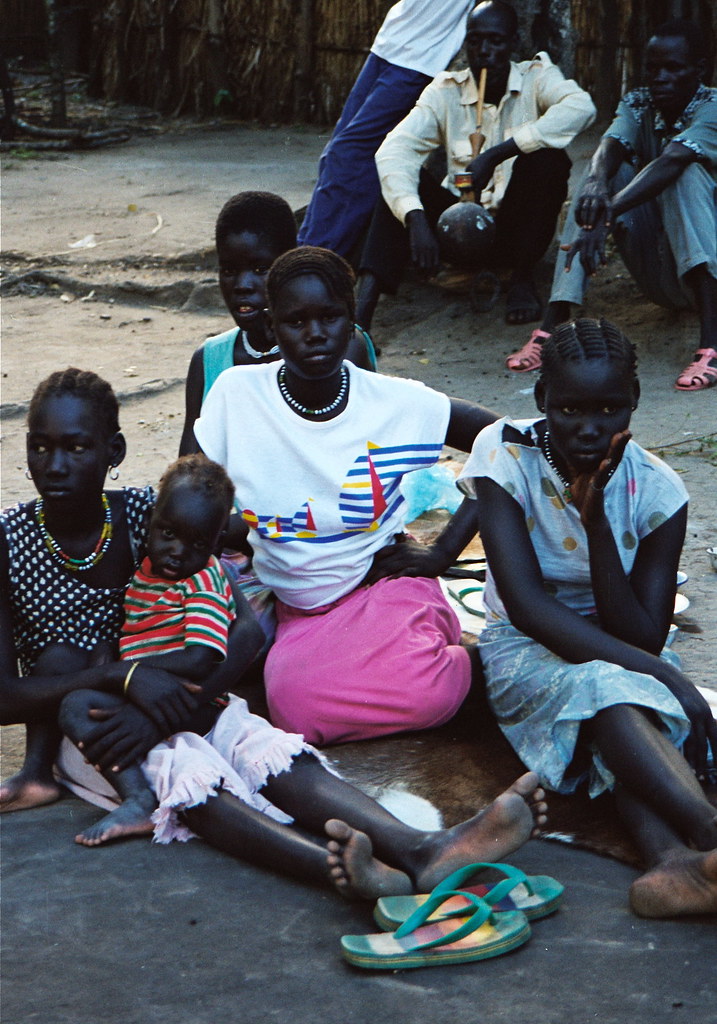
The Gambella region of Ethiopia is strategically important for its economy and infrastructure development, with agriculture and livestock playing vital roles in the local livelihood. The region’s economy largely depends on agriculture, which is characterized by subsistence farming and small-scale crop production, including the cultivation of cereals, vegetables, and fruits. Livestock farming is also prominent, supporting both rural communities’ sustenance and local markets. Infrastructure development in Gambella has been focused on improving transportation, such as roads and bridges, to facilitate the movement of goods and people. Efforts are ongoing to expand access to clean water, electricity, and healthcare, aiming to boost economic growth and improve living standards. Despite these advancements, Gambella still faces challenges such as limited infrastructure coverage and vulnerability to climate variability, which impact agricultural productivity and regional development.
Trade and Markets
The Gambella region of Ethiopia plays a vital role in the country’s economy and infrastructure development, driven largely by its rich natural resources and strategic location. Agriculture is a cornerstone of the local economy, with vast arable lands supporting the cultivation of crops such as maize, sorghum, and beans, which contribute to both local consumption and regional trade. Infrastructure in Gambella has been expanding to facilitate better connectivity and support economic growth, including improvements in roads, transportation networks, and access to electricity. The region also serves as an important hub for cross-border trade with neighboring South Sudan and Sudan, fostering regional integration and economic collaboration. Market systems in Gambella are evolving, with local markets becoming more organized and linked to national and international markets, offering opportunities for traders and entrepreneurs. Overall, Gambella’s economic potential is increasingly being harnessed through infrastructural reforms and expanded trade networks, promising a brighter economic future for the region.
Transportation and Connectivity
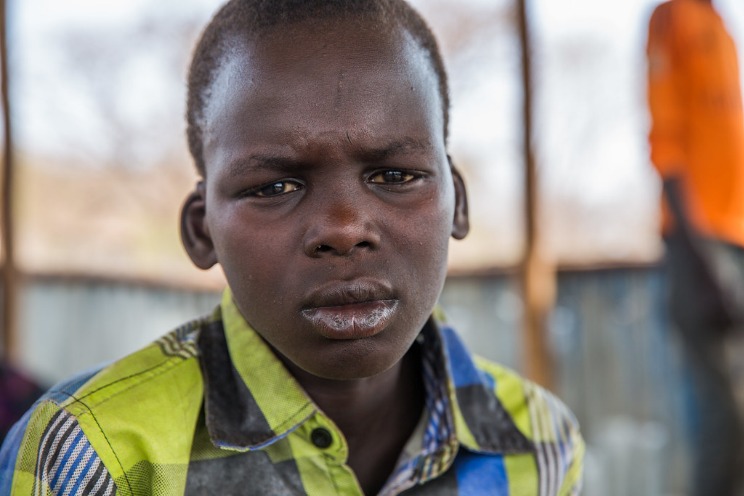
The Gambella region of Ethiopia plays a vital role in the country’s economy and infrastructure development, primarily due to its strategic location and natural resources. The region has potential in agriculture, with fertile lands supporting various crops and livestock, contributing to local and national food security. Infrastructure development has seen efforts to improve connectivity, including road networks and transportation facilities, to facilitate trade and movement within the region and beyond. Transportation options are expanding, with initiatives aimed at linking Gambella to major commercial centers, thereby boosting economic activities. Despite these advancements, continuous investment and infrastructure upgrades are essential to fully harness the region’s economic potential and enhance transportation and connectivity for its residents and businesses.
Development Projects and Investment
The Gambella region of Ethiopia is a vital area for the country’s economic growth and infrastructure development. Recent development projects have focused on improving transportation networks, including roads and bridges, to enhance connectivity within the region and with neighboring countries. Investment in agriculture and industry has been prioritized to leverage Gambella’s rich natural resources and support local livelihoods. Key infrastructure initiatives aim to provide better access to education, healthcare, and essential services, fostering sustainable development. As Ethiopia continues to attract both domestic and foreign investments, Gambella stands out as a promising zone for economic expansion and infrastructure modernization.
Governance and Political Context
The governance and political context of Ethiopia’s Gambella region are vital to understanding the area’s stability and development. Gambella, located in western Ethiopia, is a region marked by diverse ethnic groups, historical challenges, and ongoing efforts to promote peace and good governance. The political landscape has been shaped by issues related to ethnic identity, resource management, and regional autonomy, which continue to influence the region’s trajectory within the broader Ethiopian federal system.
Administrative Structure
The governance and political context of the Gambella region in Ethiopia are shaped by its unique ethnic composition and historical experiences. The region is home to diverse ethnic groups, primarily the Nuer and Anuak, which influence local political dynamics and administrative arrangements. The Ethiopian federal system grants regions a significant degree of autonomy, allowing them to manage their internal affairs while aligning with national policies. However, political stability in Gambella has faced challenges due to ethnic tensions, land disputes, and issues related to resource management. The administrative structure of Gambella includes a regional government with a regional president, a regional council, and various administrative zones and woredas, all aimed at decentralizing governance and improving service delivery. Despite this framework, governance remains complex, with ongoing efforts to enhance local participation and address conflicts to promote sustainable development and stability in the region.
Local and Regional Leadership
The governance and political context in Ethiopia’s Gambella region are complex, shaped by historical, ethnic, and regional dynamics. As a frontier region with diverse ethnic groups, Gambella faces unique challenges related to governance, resource management, and political representation. Local and regional leadership play a crucial role in balancing development aspirations with population needs, often navigating tensions between federal authorities and local communities. The regional government works to promote stability, economic development, and social cohesion, although underlying issues such as land rights and political inclusion continue to influence governance effectiveness. Effective leadership at the local level is vital for fostering sustainable growth, managing conflicts, and integrating marginalized groups into the political framework of Ethiopia.
Political Challenges and Stability
The Gambella region of Ethiopia faces a complex governance and political landscape characterized by ethnic diversity and historical tensions. The regional government seeks to promote development and stability, but challenges persist due to ethnic conflicts, displacement, and competition over resources. Political challenges are compounded by the marginalization of certain groups and disputes over land rights, which often lead to violence and unrest.
Maintaining stability in Gambella remains a significant concern for the Ethiopian federal government. Local conflicts, driven by issues such as land encroachment and ethnic identity, threaten peace and development efforts. The regional authorities work closely with federal institutions to manage conflicts, but underlying issues of inequality and lack of inclusive governance continue to pose risks to long-term stability.
Social Services and Education
Social services and education play a vital role in the development of Ethiopia’s Gambella region, an area marked by diverse cultures and ongoing efforts to improve living standards. These services aim to support vulnerable populations, promote inclusive education, and foster community well-being. As the region faces unique challenges such as refugee influxes and resource constraints, strengthening social and educational initiatives is essential for sustainable growth and stability.
Healthcare Facilities and Services
The Gambella region of Ethiopia is characterized by a developing infrastructure for social services, including education, healthcare facilities, and services aimed at improving the well-being of its diverse population. Efforts are underway to expand access to quality education, with many schools established to serve both urban and rural communities, although challenges such as resource limitations and teacher shortages persist. Healthcare facilities in Gambella are progressively being improved, with clinics and health centers distributed across the region to provide essential services, maternal health care, and disease prevention programs. Despite these advancements, issues such as inadequate healthcare infrastructure and limited access in remote areas remain significant hurdles. The regional government, alongside aid organizations, continues to focus on strengthening social services and healthcare delivery to promote sustainable development and enhance the quality of life for all residents in Gambella.
Educational Institutions and Literacy Rates
The Gambella region of Ethiopia faces unique challenges and opportunities in the areas of social services, education, and literacy. Efforts to improve access to quality education and social infrastructure are crucial for the region’s development and the well-being of its diverse communities.
- Social Services: The Gambella region has been striving to enhance healthcare, infrastructure, and social support systems to meet the needs of its populations, many of whom belong to indigenous groups. Access to clean water, sanitation, and healthcare facilities remains a priority.
- Educational Institutions: Education in Gambella has expanded over recent years, with the establishment of more primary and secondary schools. However, the quality of education and teacher availability continue to pose challenges, particularly in rural areas.
- Literacy Rates: Literacy levels in Gambella are lower than the national average, especially among women and rural populations. Initiatives aimed at promoting adult literacy and early childhood education are ongoing to address these gaps.
Humanitarian Efforts and NGOs
The Gambella region of Ethiopia is a focal point for various social services, educational initiatives, and humanitarian efforts driven by both the government and non-governmental organizations. Due to its diverse ethnic makeup and historical challenges, there is a significant emphasis on improving access to quality education and healthcare for its inhabitants. Humanitarian organizations work tirelessly to address issues related to displacement, food insecurity, and health services, often collaborating with local communities to ensure sustainable development. NGOs in Gambella play a vital role by providing essential support such as school supplies, medical aid, and infrastructure development, helping to foster resilience and stability in this vulnerable region. Overall, continued efforts aim to enhance living standards, promote inclusive education, and support social cohesion among the diverse populations of Gambella.
Cultural Heritage and Traditions
The Gambella region of Ethiopia is rich in cultural heritage and vibrant traditions that reflect its diverse communities and history. The unique customs, festivals, and rituals practiced by the local ethnic groups offer a glimpse into their way of life and cultural identity. Preserving these traditions is essential to maintaining the region’s distinct cultural landscape and fostering a sense of pride among its inhabitants.
Traditional Arts and Crafts
The Gambella region of Ethiopia is rich in cultural heritage and traditions that showcase the diverse history of its ethnic groups. The communities in Gambella have preserved unique customs, rituals, and social practices that are passed down through generations, reflecting their deep connection to land and ancestry. Traditional arts and crafts play a vital role in their cultural identity, with intricate beadwork, weaving, and pottery representing their artistic expressions. These crafts are often used in ceremonies and daily life, signifying social status and cultural values. Music and dance are also integral to Gambella’s cultural heritage, serving as mediums for storytelling and communal celebration. Preserving these traditions and crafts is essential for maintaining the region’s cultural diversity amid modernization and external influences. Overall, the cultural heritage of Gambella embodies the resilience and richness of its diverse ethnic communities, offering a vibrant glimpse into Ethiopia’s ancient history and cultural fabric.
Festivals and Celebrations
The Gambella region of Ethiopia is rich in cultural heritage and vibrant traditions that reflect its diverse ethnic communities. The region is known for celebrating unique festivals and events that showcase its history, beliefs, and customs. Traditional dances, music, and art play an integral role in these festivities, bringing communities together and preserving their cultural identity. Festivals such as the Nuer and Anuak celebrations feature elaborate rituals, colorful attire, and communal feasts, highlighting the importance of unity and cultural pride. These cultural practices not only serve as a reminder of the region’s historical roots but also foster a sense of belonging among its inhabitants. Overall, the Gambella region’s cultural heritage and lively celebrations offer a captivating glimpse into Ethiopia’s diverse cultural landscape.
Music, Dance, and Oral Traditions
The Gambella region of Ethiopia is rich in cultural heritage and traditional practices that have been passed down through generations. Its unique customs, music, dance, and oral traditions reflect the diverse ethnic groups inhabiting the area, such as the Anuak and Nuer peoples. These cultural expressions play a vital role in maintaining community identity and conveying history and values.
- Music: The musical traditions of Gambella incorporate percussion instruments like drums, as well as singing that often accompanies communal events and ceremonies. Songs typically tell stories of ancestors, historical events, and daily life.
- Dance: Traditional dances are lively and rhythmic, performed during festivals, rites of passage, and celebrations. These dances involve coordinated movements and are often accompanied by singing and instrument playing, fostering social cohesion.
- Oral Traditions: Oral storytelling is a fundamental aspect of Gambella’s cultural heritage, passing down legends, moral lessons, and historical accounts. Elders serve as custodians of these stories, ensuring the preservation of cultural knowledge for future generations.
Challenges and Opportunities
The Gambella region of Ethiopia presents a unique landscape of challenges and opportunities in the realm of language and communication. As a multilingual area with diverse ethnic groups, it faces the difficulty of fostering effective communication while preserving linguistic identities. However, this diversity also offers the chance to develop inclusive language policies and educational programs that promote unity and cultural understanding. Exploring these dynamics reveals both the hurdles to overcome and the potential for linguistic growth in the region.
Conflict and Security Issues
The Gambella region of Ethiopia faces a complex landscape of challenges and opportunities related to conflict and security issues. Historically, ethnic tensions among the diverse communities, including the Nuer and Anuak, have led to episodes of violence and displacement. These conflicts threaten regional stability and hinder development efforts. However, the region also presents numerous opportunities for peacebuilding and economic growth through initiatives that promote ethnic harmony and sustainable development. Addressing security concerns requires concerted efforts to improve governance, ensure equitable resource distribution, and foster dialogue among communities. Strengthening security institutions and promoting reconciliation can pave the way for lasting peace and unlock the region’s potential for growth and prosperity.
Environmental Concerns and Conservation
The Gambella region of Ethiopia faces a range of challenges and opportunities related to its environment and conservation efforts. Rapid population growth and agricultural expansion have led to deforestation, habitat loss, and pressure on the region’s rich biodiversity. These environmental concerns threaten the livelihoods of local communities that depend on natural resources. However, there are significant opportunities for sustainable development through conservation initiatives, eco-tourism, and community-led resource management programs. Protecting wetlands, forests, and wildlife can also bolster eco-friendly economies and promote ecological balance. Addressing these issues requires integrated strategies that balance development needs with environmental preservation, ensuring that Gambella’s unique ecosystems are maintained for future generations.
Development Opportunities and Future Prospects
The Gambella region of Ethiopia presents a unique landscape of challenges and opportunities that shape its development trajectory. As one of the country’s most diverse regions, it faces issues such as limited infrastructure, access to quality education and healthcare, and concerns related to ethnic tensions. However, these challenges are complemented by significant opportunities for growth through agricultural development, natural resource utilization, and investment in renewable energy sources like hydroelectric power. The region’s strategic position and abundant natural assets open doors for economic expansion, potentially transforming Gambella into a key contributor to Ethiopia’s overall development.
Development opportunities in Gambella include enhancing agricultural productivity by adopting modern farming techniques, expanding infrastructure networks to improve connectivity, and fostering sustainable tourism that highlights its rich cultural diversity and natural beauty. Investments in education and healthcare can also elevate the quality of life for local communities, encouraging social stability and economic participation. Additionally, harnessing the region’s water resources for hydroelectric projects offers a promising future, contributing to national energy needs and regional development.
Looking ahead, the future prospects of Gambella hinge on effective governance, peace-building efforts, and inclusive development strategies. Strengthening regional stability will enable investment and infrastructure projects to flourish, ultimately leading to improved living standards. With committed efforts in sustainable development and regional integration, Gambella has the potential to become a vital economic hub within Ethiopia, leveraging its natural and human resources to foster long-term prosperity and stability.

0 Comments