
Historical Overview of Ethiopian Monarchs
The history of Ethiopian monarchs is a rich and storied journey that reflects the nation’s deep-rooted traditions and heritage. From ancient times, Ethiopia has been governed by a series of emperors and kings who played vital roles in shaping the country’s culture, religion, and political landscape. The lineage of Ethiopian monarchs, often linked to the Solomonic dynasty, symbolizes resilience and continuity amid changing eras. Exploring this historical overview offers insight into the enduring legacy of Ethiopia’s kings and their influence on the nation’s identity.
Ancient Kingdoms and Early Kings
The history of Ethiopian monarchs is rich and deeply rooted in ancient civilizations that have shaped the nation’s identity over millennia. Ethiopia is one of the world’s oldest countries, with a legendary and documented history of kings and kingdoms that date back thousands of years. These early rulers and kingdoms laid the foundation for modern Ethiopia’s cultural and political landscape.
Ancient Kingdoms and Early Kings of Ethiopia
The earliest known kingdom in Ethiopia was the Kingdom of D’mt, which flourished around 8th century BCE in the northern regions. Following D’mt, the Aksumite Empire emerged around the 1st century CE, becoming one of the most powerful ancient African civilizations. The Aksumite kings, such as King Ezana, expanded the empire, established trade networks, and embraced Christianity in the 4th century CE.
- King Ezana – Recognized for declaring Christianity the official religion of Aksum and contributing to the empire’s prosperity.
- King Kaleb – Known for military campaigns and strengthening the kingdom’s influence across the Red Sea and Arabian Peninsula.
- King Gebre Masqal – An early Christian monarch who played a vital role in consolidating Christianity within the kingdom.
Following the decline of the Aksumite Empire around the 7th century, Ethiopia saw the rise of smaller regional kingdoms and the introduction of Christianity as a central element of statehood. The lineage of monarchs continued through various dynasties, contributing to Ethiopia’s enduring royal heritage and the legendary Solomonic dynasty, which claims descent from the biblical King Solomon and Queen Sheba.
Medieval Emperors and Their Legacies
The history of Ethiopian monarchs spans over millennia, dating back to ancient times when the Kingdom of D’mt and the Aksumite Empire laid the foundations for the nation’s regal tradition. Medieval emperors such as Zeräs Yaʿəqob and Lebnə D air Mäsqäl played pivotal roles in shaping Ethiopia’s religious, political, and cultural identity, often emphasizing the divine right of kings and their connection to Christian faith. These monarchs left enduring legacies, including the establishment of the Ethiopian Orthodox Tewahedo Church and efforts to unify various clans and regions under a centralized authority. The medieval period also saw notable emperors like Amda Ṣaʿid and ʿAzäzä Yohannes IV, whose reigns were marked by military campaigns, territorial expansion, and consolidation of imperial power. Their achievements contributed to Ethiopia’s reputation as an ancient Christian kingdom, resilient through centuries of external invasions and internal challenges. Today, the legacy of these monarchs continues to influence Ethiopia’s national identity, cultural heritage, and historical consciousness. The monarchy was formally abolished in the 20th century, but the historical figures of Ethiopia’s emperors remain central to the country’s historical narrative and cultural pride.
The Solomonic Dynasty: Origins and Significance
The Solomonic Dynasty is a pivotal chapter in Ethiopian history, renowned for its legendary origins and lasting influence on the nation’s identity. This dynasty is believed to trace its lineage back to King Solomon of Israel and the Queen of Sheba, establishing a divine right to rule that has shaped Ethiopia’s monarchy for centuries.
- The origins of the Solomonic Dynasty date back to the 10th century BCE, with the legendary arrival of the Solomonic descent through the biblical lineage.
- The dynasty was officially established in the 13th century when Yekuno Amlak reclaimed the Ethiopian throne, claiming direct descent from Emperor Solomon.
- The Solomonic rulers played a crucial role in consolidating Christianity as the state religion and fostering cultural and religious identity.
- Many emperors from this lineage, such as Lalibela and Tewodros II, are remembered for their efforts to strengthen the empire and promote Ethiopian sovereignty.
- The dynasty endured till the fall of Emperor Haile Selassie in 1974, marking the end of monarchy in Ethiopia, but its legacy remains central to Ethiopian history and nationalism.
The Solomonic Dynasty’s significance lies not only in its legendary origins but also in its role in shaping Ethiopia’s national identity, fostering Christianity, and maintaining independence against various external threats over centuries.
Notable Ethiopian Kings
Ethiopia boasts a rich and ancient history, crowned by a series of notable kings who have shaped its culture and identity. These rulers, from legendary emperors to historic monarchs, have played pivotal roles in maintaining Ethiopia’s independence, promoting its traditions, and establishing a legacy of leadership. Exploring the lives of Ethiopia’s kings offers a fascinating glimpse into the country’s storied past and enduring heritage.
()Emperor Tewodros II
Emperor Tewodros II is a prominent figure in Ethiopian history, known for his efforts to unify the nation and modernize its military and administrative structures in the 19th century. Born as Kassa Mercha, he ascended to the throne in 1855 and took the name Tewodros II, symbolizing a new era of Ethiopian leadership. His reign was marked by attempts to centralize power and resist foreign influence, which made him a hero for many Ethiopians seeking independence. Despite facing numerous challenges, including internal rebellions and conflicts with neighboring states, Tewodros II remains a celebrated and influential figure in Ethiopia’s history as a notable king who aimed to restore Ethiopia’s sovereignty and strength.
()Emperor Yohannes IV
Emperor Yohannes IV was one of the most notable Ethiopian kings, reigning from 1872 until his death in 1889. He was known for his efforts to unify and strengthen Ethiopia during a tumultuous period marked by external threats and internal conflicts. Yohannes IV played a crucial role in defending the country against invading forces, including Egyptian and Sudanese armies, and sought to restore stability to the empire. His leadership was characterized by a blend of military prowess, diplomatic skills, and a strong commitment to Ethiopian Orthodox Christianity. Yohannes IV is remembered as a symbol of Ethiopian resilience and sovereignty, leaving a lasting legacy as one of the nation’s notable emperors.
()Emperor Menelik II
Emperor Menelik II is one of the most notable kings in Ethiopian history, known for his leadership and dedication to modernizing and defending Ethiopia. His reign marked a significant period of expansion and resistance, especially during conflicts with colonial powers.
- Menelik II was born as Sahle Maryam in 1844 and became emperor in 1889.
- He is best known for leading Ethiopian forces to victory against the Italians at the Battle of Adwa in 1896, securing Ethiopia’s independence.
- Under his rule, Ethiopia undertook important reforms, including modernization of the army and infrastructure development.
- Menelik II expanded the Ethiopian empire by incorporating several neighboring territories.
- His leadership established Ethiopia as one of the few African nations to successfully resist colonization during the Scramble for Africa.
()Emperor Haile Selassie I
Emperor Haile Selassie I is one of the most renowned and influential kings in Ethiopian history. He reigned as the Emperor of Ethiopia from 1930 to 1974 and played a pivotal role in modernizing the country and advocating for African unity.
- Born as Tafari Makonnen in 1892, he was crowned Emperor in 1930, taking the throne as Haile Selassie I.
- He was instrumental in the formation of the Organization of African Unity, now the African Union.
- Haile Selassie is remembered for his efforts to modernize Ethiopia’s institutions, infrastructure, and education system.
- During his rule, Ethiopia faced challenges including Italian invasion, which he famously resisted and symbolized Ethiopian sovereignty.
- He was revered as a messianic figure by followers of Rastafarianism, who called him “King of Kings”.
- Fade from power occurred in 1974 amid political unrest and economic difficulties, leading to his exile and eventual death in 1975.
Role of the King in Ethiopian Society
The role of the King in Ethiopian society has historically been a symbol of national unity, cultural heritage, and spiritual authority. As a central figure, the King was responsible for maintaining stability, enacting leadership, and representing Ethiopia both domestically and internationally. The position carried significant influence over social, political, and religious aspects of life, shaping the country’s identity for centuries.
Political Authority and Governance
The role of the King in Ethiopian society has historically been a central and unifying figure, symbolizing national identity, cultural heritage, and spiritual leadership. As the chief authority, the King held significant influence over political, social, and religious affairs, guiding the nation’s development and stability. In governance, the Ethiopian monarchy was characterized by a hierarchical structure where the King exercised supreme political authority, often supported by advisory councils and religious institutions. The King’s decisions shaped laws, policies, and diplomatic relations, reflecting his pivotal role in maintaining order and sovereignty. Although modern political changes have diminished the monarchy’s official power, the King remains a revered symbol of Ethiopia’s rich history and cultural continuity, embodying the nation’s traditions and aspirations. The institutional and cultural legacy of the Ethiopian King continues to influence contemporary society, reinforcing national unity and identity despite the transition to a different governance system.
Religious Influence and the Orthodox Church
The king of Ethiopia traditionally held a central role in Ethiopian society, serving not only as a political ruler but also as a spiritual figurehead. His authority was deeply intertwined with the country’s history, culture, and religious heritage, symbolizing unity and national identity. The monarchy was viewed as a divine institution, with the king often regarded as chosen by God to govern.
Religious influence in Ethiopia, particularly through the Ethiopian Orthodox Tewahedo Church, played a significant role in shaping societal values and norms. The church was a powerful institution that influenced education, laws, and daily life, and it often supported the authority of the monarchy. The king was seen as a protector of the faith, and his legitimacy was reinforced by his close association with religious leaders.
The Ethiopian Orthodox Church has historically been a cornerstone of Ethiopian identity, promoting religious traditions and preserving historical artifacts, doctrines, and cultural practices. The relationship between the monarchy and the church was mutually reinforcing, fortifying the king’s authority through religious endorsement and spiritual legitimacy, which has left a lasting impact on Ethiopian society and its governance structure.
Cultural and National Identity
The role of the King in Ethiopian society has historically been a cornerstone of cultural and national identity. The monarchy symbolized unity, stability, and continuity, serving as a unifying figure for the diverse ethnic groups within Ethiopia. The King was regarded not only as a political leader but also as a spiritual and cultural icon, embodying the values and traditions of the Ethiopian people. Throughout history, the monarchy has played a pivotal role in shaping the nation’s identity, promoting cultural heritage, and fostering a sense of pride among Ethiopians. Even after the abolition of the monarchy, the legacy of the King remains a significant aspect of Ethiopia’s cultural consciousness and historical narrative.
The Abolition of the Monarchy
The abolition of the monarchy in Ethiopia marked a significant turning point in the country’s history, ending centuries of royal rule and establishing a republic. This transformative event was driven by internal political shifts, social changes, and the desire for a modern, democratic governance system. Understanding the context of Ethiopia’s former kings provides insight into the nation’s journey toward sovereignty and national identity.
Events Leading to the End of the Monarchy
The abolition of the Ethiopian monarchy was a significant event marked by a series of political and social upheavals. Leading up to the end of the monarchy, Ethiopia experienced mounting discontent with the imperial rule of Emperor Haile Selassie, who ruled for over 40 years. Economic challenges, political repression, and increasing calls for democratic reforms fueled unrest among various factions of society.
In the early 1970s, widespread protests and strikes, driven by economic hardship and dissatisfaction with the imperial governance, intensified. The military, political activists, and ordinary citizens demanded change and an end to the monarchy’s longstanding rule. The situation escalated when Emperor Haile Selassie was seen as unable to address the pressing issues facing the nation, leading to a loss of support among the military and political leaders.
In 1974, the Ethiopian Revolution culminated in the abdication of Emperor Haile Selassie, ending more than a century of monarchical rule. The monarchy was officially abolished, and Ethiopia was declared a republic. These events marked a decisive shift toward a new political era, characterized by the rise of the Derg, a military junta that would govern Ethiopia in the subsequent years.
Transition to a Republic
The abolition of the monarchy in Ethiopia marked a significant transformation in the country’s political landscape, transitioning from centuries of royal rule to a republic. This shift was driven by widespread dissatisfaction with the monarchy’s governance, social inequalities, and demands for modernization. The abdication of Emperor Haile Selassie in 1974 led to the establishment of a provisional government and eventually the proclamation of a republic, ending the monarchy’s centuries-long reign. This transition aimed to promote equality, reforms, and national unity, reflecting the aspirations of many Ethiopians for a new political order free from imperial rule.
Current and Sacred Monarchic Symbols
The symbols of monarchy in Ethiopia reflect a rich heritage of tradition, spirituality, and sovereignty. Throughout history, the king of Ethiopia has been regarded not only as a political leader but also as a divine representative on earth, embodying sacred values and ancient customs. These sacred and emblematic symbols serve to reinforce the authority and divine right of the monarch, fostering a sense of unity and continuity within the Ethiopian royal legacy.
Royal Regalia and Ceremonial Practices
The monarchy of Ethiopia has long been distinguished by its rich array of sacred symbols, regal regalia, and elaborate ceremonial practices that underscore the divine authority and historical significance of the monarch. These symbols often reflect the deep-rooted connection between the Ethiopian throne and religious traditions, particularly the Ethiopian Orthodox Church.
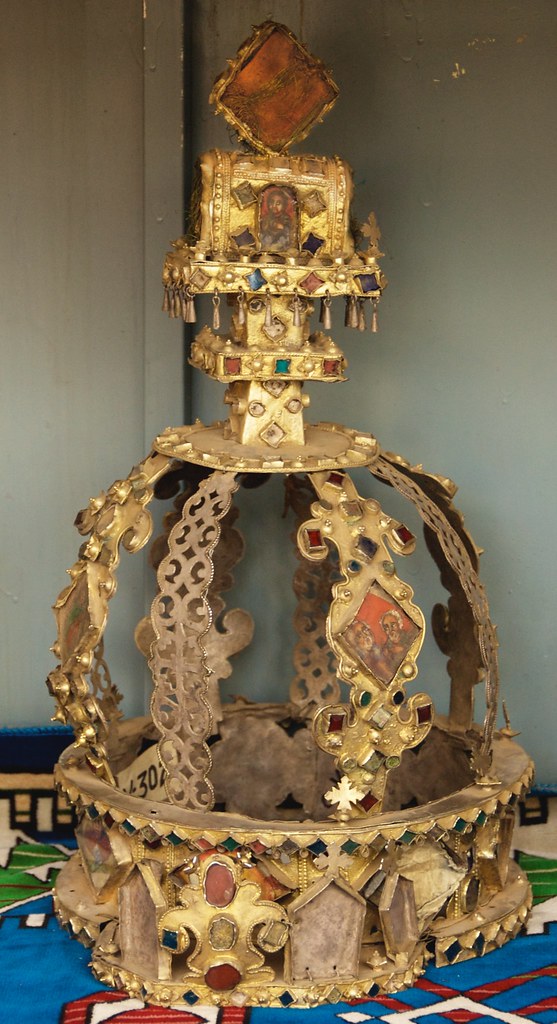
Current monarchic symbols include the crown, often decorated with traditional motifs and religious icons, symbolizing sovereignty and divine right. The scepter and orb are also prominent, representing authority and the ruler’s spiritual duty to serve as a spiritual leader. Royal garments, such as the ceremonial robes, are adorned with intricate embroidery and religious insignia, emphasizing the sanctity of the monarchy.
Royal regalia play a crucial role during official ceremonies, notably coronations and state events. The crown, or “Kebre Negest,” is particularly sacred, often blessed by church officials and considered a divine gift. The use of a religious cross and other sacred objects in regalia highlights the monarch’s role as a protector of faith and tradition.
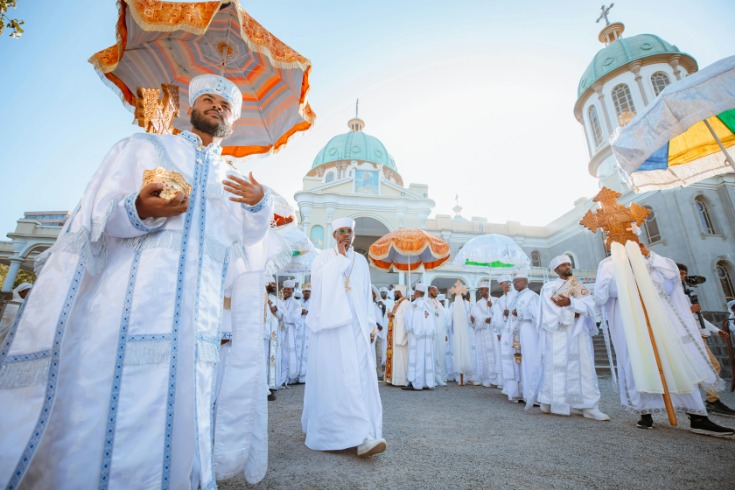
Ceremonial practices in Ethiopia’s monarchy are characterized by grand rituals, including prayers, religious songs, and processions that reinforce the spiritual legitimacy of the king. Coronations involve a series of sacred rites performed by high-ranking church authorities, symbolizing the ruler’s divine endorsement. These ceremonies often take place in historic churches or cathedrals, underscoring the intertwining of church and state in Ethiopian monarchy.
Although Ethiopia no longer has an active monarchy, the symbols and ceremonial practices of the former royal tradition remain an important part of national identity and cultural heritage, serving as a testament to the country’s historical monarchy and its spiritual connection to faith.
Legacy and Cultural Memory
The monarchy of Ethiopia has long been a symbol of national identity, tradition, and sovereignty, with the legacy of its kings deeply embedded in the country’s cultural memory. Sacred monarchic symbols, such as the crown, scepter, and royal regalia, represent the divine right and authority bestowed upon the ruler, reinforcing the king’s role not only as a political leader but also as a spiritual figure. These symbols are often preserved in historical sites and national museums, serving as tangible connections to Ethiopia’s rich monarchical history. The legacy of Ethiopian kings, especially the revered Emperor Haile Selassie, continues to influence contemporary cultural narratives and national pride, embodying Ethiopia’s resilience, independence, and continuity. Through ceremonies, thrones, and ancient manuscripts, these symbols and memories foster a sense of unity and cultural identity, reminding future generations of Ethiopia’s noble monarchical heritage.



0 Comments