
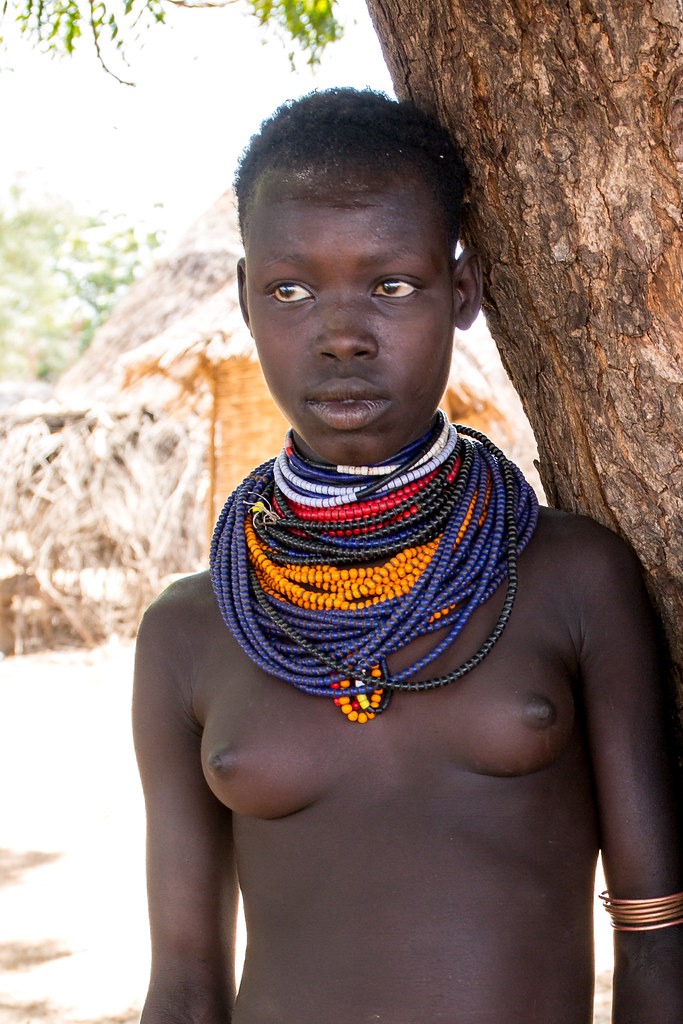
Overview of Ethiopia’s Ethnic Diversity
Ethiopia is renowned for its extraordinary ethnic diversity, with over 80 distinct ethnic groups contributing to the rich cultural mosaic of the nation. These groups vary widely in language, traditions, and customs, reflecting the country’s complex history and geographical diversity. The major ethnic groups include the Oromo, Amhara, Tigray, Somali, Afar, and Gurage, each with their unique languages and cultural identities. This diversity has played a significant role in shaping Ethiopia’s social fabric and national identity, fostering a sense of shared history while also highlighting regional differences. Despite the diversity, Ethiopia has managed to maintain a relatively unified state, though ethnic identities continue to influence politics and social relations. Overall, Ethiopia’s ethnic mosaic is a testament to its vibrant, multifaceted heritage and ongoing cultural evolution.
Major Ethnic Groups in Ethiopia
Ethiopia is a diverse country known for its rich mosaic of ethnic groups, each with unique languages, cultures, and traditions. The major ethnic groups in Ethiopia include the Oromo, Amhara, Tigray, Somali, and Afar, among others. These groups contribute to the country’s vibrant cultural heritage and social fabric, making Ethiopia a fascinating tapestry of identities and histories.
Oromo
Ethiopia is a country renowned for its incredible ethnic diversity, with numerous groups contributing to its rich cultural tapestry. Among the major ethnic groups, the Oromo stand out as the largest, representing a significant portion of the population. The Oromo people have a distinct language called Afaan Oromo and a unique cultural heritage that influences many aspects of Ethiopian society. Historically, they have played a vital role in the country’s development, and their traditions, music, and social structures continue to shape Ethiopia’s national identity.
Amhara
The Amhara are one of the major ethnic groups in Ethiopia, known for their rich history and cultural heritage. They primarily reside in the northern and central parts of the country, including regions such as Amhara, Begemidir, and parts of Oromia. The Amhara people speak Amharic, which is also the official language of Ethiopia, and they largely adhere to Ethiopian Orthodox Christianity, which plays a significant role in their cultural identity. Historically, the Amhara have been influential in Ethiopian politics, religion, and culture, with many prominent historical figures originating from this group. Their traditional customs, music, dance, and cuisine contribute significantly to Ethiopia’s diverse cultural landscape.
Sidama
Ethiopia is a country known for its rich cultural diversity, with numerous ethnic groups that contribute to its vibrant society. Among these, the Sidama are one of the prominent ethnic groups primarily residing in the southern regions of Ethiopia. They have their own unique language, customs, and traditions that distinguish them from other groups in the country.
- Language: The Sidama people speak the Sidamigna language, which is part of the Cushitic language family.
- Location: They mainly inhabit the Sidama Zone in the Southern Nations, Nationalities, and Peoples’ Region (SNNPR).
- Culture: The Sidama have rich cultural practices, including traditional dances, music, and festivals like the Hidar Tsion festival.
- Economy: Agriculture is the backbone of their economy, with coffee, enset (false banana), and maize being major crops.
- Society: The Sidama community is organized into clans and has a strong sense of social cohesion and identity rooted in their customs and history.
Tigray
Ethiopia is a diverse country with numerous ethnic groups, each with its unique cultural practices and languages. Among these, the Tigray people are one of the prominent ethnic groups residing mainly in the northern region of Ethiopia called Tigray. They speak Tigrinya, which is part of the Semitic language family, and have a rich history that dates back thousands of years. The Tigrayans are known for their ancient Christian traditions, historical churches, and significant contributions to Ethiopian culture and history. Their society is traditionally organized around clan and kinship systems, and they play an important role in the political and cultural landscape of Ethiopia.
Somali
Ethnicity plays a significant role in the cultural and social fabric of Ethiopia. One of the major ethnic groups in Ethiopia is the Somali, who primarily inhabit the Somali Region in the eastern part of the country. The Somali people are part of the larger Cushitic-speaking communities and have a rich cultural heritage rooted in pastoralism, poetry, and oral traditions. They are known for their vibrant traditional attire, elaborate ceremonies, and deep connection to their land. The Somali community in Ethiopia shares close ties with Somali populations across the border in Somalia, fostering strong cultural and social bonds. Their language, Somali, is widely spoken within the community and is an essential aspect of their identity. Overall, the Somali ethnic group is an integral part of Ethiopia’s diverse mosaic, contributing greatly to the nation’s cultural diversity and social dynamics.
Gurage
Ethiopia is a diverse country with numerous ethnic groups, each contributing to the nation’s rich cultural mosaic. One of the prominent groups is the Gurage, who are known for their unique language, traditions, and social structure.
- The Gurage primarily reside in the central and southwestern parts of Ethiopia.
- They speak various languages that belong to the Semitic branch of the Afroasiatic language family, collectively known as Gurage languages.
- The Gurage people are renowned for their agricultural skills, especially in cultivating enset (false banana), coffee, and cereals.
- Their social organization is largely based on extended family and clan systems, with a strong emphasis on community cooperation.
- Gurage culture features unique music, dance, and traditional attire, reflecting their rich heritage.
- They have historically been known as vibrant traders and merchants within Ethiopia, contributing significantly to the local economy.
- Religious practices among the Gurage include both Christianity and Islam, with traditions blending indigenous beliefs and major religions.
Welaita
Ethiopia is home to a diverse range of ethnic groups, each with unique languages, cultures, and traditions. Among these groups, the Welaita are a prominent community residing mainly in the Southern Nations, Nationalities, and Peoples’ Region of Ethiopia. The Welaita people have a rich history and are known for their vibrant cultural practices and social structure.
- Language: The Welaita speak the Welaita language, which is part of the Omotic language family.
- Location: They predominantly live in the Silt’ie Zone of the Southern Nations, Nationalities, and Peoples’ Region.
- Cultural practices: The Welaita are known for their traditional dances, music, and clothing, which reflect their unique cultural identity.
- Religion: The majority of Welaita people practice Ethiopian Orthodox Christianity, although some also follow Islam and traditional beliefs.
- Economy: They primarily engage in agriculture, cultivating crops such as enset, maize, teff, and coffee.
- Social structure: The Welaita society emphasizes community cohesion, family bonds, and respect for elders.
Afar
The Afar are one of the major ethnic groups in Ethiopia, primarily residing in the northeastern part of the country, known as the Afar Triangle. They are a Cushitic-speaking people with a rich cultural heritage rooted in pastoralism and desert adaptation. The Afar community is renowned for their resilience in harsh environments and their unique traditions, including their distinctive language, music, and dance. They play a significant role in Ethiopia’s diverse cultural landscape and societal structure.
Other Significant Ethnic Groups
Ethiopia is a country renowned for its rich cultural diversity, hosting numerous ethnic groups that each contribute to the nation’s unique heritage. While the Oromo, Amhara, and Tigray are the largest, several other significant ethnic communities also play vital roles in shaping Ethiopia’s identity. These groups add to the vibrant mosaic of traditions, languages, and histories that make Ethiopia a fascinating and culturally pluralistic nation.
Harari
The Harari are a small but historically significant ethnic group in Ethiopia, primarily residing in the city of Harar and its surrounding areas. They are known for their unique language, culture, and religion, which distinguish them from other ethnic groups in the country. The Harari people have a rich history as traders and merchants, contributing to the vibrant cultural mosaic of Ethiopia. Despite their relatively small population, they play an important role in maintaining the cultural diversity and historical heritage of the region.
Agaw
The Agaw are a prominent ethnic group in Ethiopia, known for their rich cultural heritage and significant historical influence within the country. They primarily inhabit the northern and central regions of Ethiopia, including areas such as Amhara, parts of Tigray, and some zones of the Oromia region. The Agaw have their own distinct languages, customs, and traditions that set them apart from other Ethiopian ethnic groups.
- The Agaw are renowned for their ancient history, with some of their subgroups tracing back to the early Axumite civilizations.
- Their languages belong to the Cushitic language family, with several varieties spoken across different Agaw communities.
- The Agaw play an influential role in Ethiopia’s cultural and religious landscapes, particularly in the promotion of Orthodox Christianity.
- They are also known for their traditional music, dance, and crafts, which reflect their unique cultural identity.
- The Agaw communities have contributed significantly to Ethiopia’s agricultural practices and local economies.
Wallaga
Wallaga is a prominent ethnic group within Ethiopia, known for their rich cultural heritage and diverse traditions. They primarily reside in the western part of Ethiopia, particularly in the Oromia Region, and are recognized for their unique language, customs, and social structures.
- The Wallaga people speak a dialect of the Oromo language, which is part of the Cushitic language family.
- They are predominantly engaged in agriculture, cultivating crops such as maize, Teff, and barley.
- Their social organization often includes clan systems and customary leadership roles.
- Wallaga culture features distinctive music, dance, and traditional attire that reflect their historical influences.
- Religion among the Wallaga varies, with a significant number practicing Islam, alongside Orthodox Christianity and traditional beliefs.
Nuer and Anuak
The Nuer and Anuak are two significant ethnic groups in Ethiopia, each with distinct cultural identities and histories. The Nuer, primarily residing in the South Sudan-Ethiopia border region, are known for their pastoralist lifestyle, cattle herding, and elaborate social structures. They speak the Nuer language, which belongs to the Nilotic language family. The Anuak, also called Anyuak or Ajuuk, predominantly inhabit southwestern Ethiopia along the border with South Sudan. They are recognized for their fishing, agriculture, and rich cultural traditions, including unique dance and musical practices. Both groups contribute to the diverse ethnic mosaic of Ethiopia, embodying distinct ways of life and cultural heritage that enrich the nation’s diversity. Despite facing various social and economic challenges, they continue to maintain their traditions and identities within Ethiopia’s broader ethnic landscape.
Bale and Darod Groups
The Bale and Darod groups are important ethnic communities within Ethiopia, each with distinct cultural and social identities. The Bale people primarily inhabit the Bale Zone of the Oromia Regional State and are known for their rich oral traditions, unique language, and traditional practices such as pastoralism and agro-pastoralism. They have a deep connection to their land and maintain vibrant cultural ceremonies that reflect their history and beliefs.
The Darod, on the other hand, are part of the larger Somali ethnic group that extends into Ethiopia, mainly residing in the Somali Regional State. Traditionally, the Darod are known for their pastoral lifestyle, with social structures centered around clans and kinship. They have a strong oral history, and their influence is significant within the broader Somali-speaking communities of Ethiopia. Both groups contribute to the diverse mosaic of Ethiopia’s ethnic composition, each maintaining their unique cultural heritage and societal roles.
Ethnic Group Languages
Ethiopia is a country rich in cultural diversity, home to numerous ethnic groups each with their own unique languages. These languages play a vital role in preserving the identity and heritage of Ethiopia’s diverse communities. Understanding the variety of ethnic group languages provides insight into the country’s vibrant cultural tapestry and social structure.
Oromo Language (Afaan Oromo)
The Oromo language, also known as Afaan Oromo, is a widely spoken Cushitic language primarily used by the Oromo ethnic group, the largest ethnic community in Ethiopia. It serves as a vital means of communication within the Oromo people and is recognized as an official language of Ethiopia. Afaan Oromo has a rich oral tradition and a growing body of written literature, reflecting the culture and history of the Oromo nation. The language plays a significant role in fostering cultural identity and unity among the Oromo people amid Ethiopia’s diverse ethnic landscape.
Amharic
Amharic is a prominent language spoken by the Amhara ethnic group in Ethiopia. It is part of the Semitic language family and serves as the official working language of the federal government of Ethiopia. The Amhara people are one of the largest ethnic groups in the country, and their language plays a vital role in cultural identity and communication within the region.
Somali Language
The Somali language is a prominent part of Ethiopia’s diverse mosaic of ethnic groups. It is primarily spoken by the Somali people, who are one of the largest ethnic communities in Ethiopia. The language belongs to the Cushitic branch of the Afro-Asiatic language family and serves as a vital cultural and communicative tool for the Somali population in Ethiopia. Somali is used in everyday conversation, education, media, and cultural expressions, reflecting the rich history and identity of the Somali ethnic group within Ethiopia. This linguistic diversity contributes significantly to the country’s cultural landscape and social fabric.
Tigrinya
Tigrinya is a prominent language spoken by the Tigrinya people, an ethnic group primarily residing in Ethiopia and Eritrea. In Ethiopia, Tigrinya is mainly spoken in the Tigray region, which is in the northern part of the country. The language plays a significant role in the cultural identity of the Tigrinya community and is used in daily communication, education, and media. Tigrinya belongs to the Semitic language family and shares many common features with other languages in the same family, such as Amharic and Ge’ez. It has its own unique script and is written from left to right. The Tigrinya-speaking population is an integral part of Ethiopia’s diverse mosaic of ethnic groups, contributing to the country’s rich cultural heritage.
Sidamo Language
The Sidamo language is an important part of Ethiopia’s rich cultural diversity and is primarily spoken by the Sidama people, one of the country’s many ethnic groups. As a Cushitic language, it plays a significant role in the identity and daily communication of the Sidama community. Ethnic groups in Ethiopia are remarkably diverse, with numerous languages and traditions that contribute to the nation’s unique cultural mosaic. The Sidamo language not only facilitates communication within the community but also helps preserve their customs, history, and social practices across generations.
Afar Language
The Afar language is an important linguistic component of Ethiopia’s diverse ethnic landscape. It is spoken primarily by the Afar people, an ethnic group residing mainly in the Afar Region of Ethiopia, as well as in parts of Djibouti and Eritrea. Afar belongs to the Cushitic branch of the Afroasiatic language family, highlighting its deep historical roots in the Horn of Africa. The language plays a vital role in the cultural identity and daily communication of the Afar people, preserving traditional practices and oral histories. As one of Ethiopia’s many indigenous languages, Afar continues to thrive amidst increasing efforts to promote multilingualism and linguistic preservation in the country.
Cultural Practices and Traditions
Ethiopia is a nation rich in diversity, home to numerous ethnic groups, each with its own unique cultural practices and traditions. These cultural expressions play a vital role in shaping the identity and social life of the communities, reflecting their history, beliefs, and values. Exploring these practices offers a fascinating glimpse into Ethiopia’s vibrant and multifaceted cultural landscape.
Oromo Cultural Practices
The Oromo people, one of the largest ethnic groups in Ethiopia, have rich cultural practices and traditions that play a vital role in their community life. They are known for their unique social organization, including the Gadaa system, a traditional governance structure that governs political, social, and economic activities in a cyclical manner. The Oromo celebrate various festivals, such as Irreecha, a thanksgiving ceremony that marks the end of the rainy season and the beginning of the new agricultural cycle. During Irreecha, people gather at sacred lakes and perform rituals to thank Waaqa (God) for his blessings. Traditional dress consisting of the woolen shawls called “Saccu” and beads are commonly worn during ceremonies and celebrations. Music and dance, involving drums and other traditional instruments, are essential elements of Oromo cultural expressions. Additionally, oral poetry and storytelling are important means of preserving history, morals, and social values within the Oromo community. These practices vividly reflect their deep connection to nature, spirituality, and community cohesion, making Oromo cultural identity distinct within Ethiopia’s diverse ethnic landscape.
Amhara Traditions
The Amhara people are one of the major ethnic groups in Ethiopia, with rich cultural practices and traditions that have been preserved over centuries. They are known for their strong sense of community, respect for elders, and deep connection to their religious and cultural heritage. Traditional dress, such as the white cotton garments called “Shamma,” is commonly worn during ceremonies and festivals, symbolizing purity and pride. The Amhara celebrate various cultural festivals, including the Epiphany (Timket), which involves elaborate processions, baptisms, and colorful displays of faith. Music, dance, and storytelling play a vital role in preserving their history, often involving the use of traditional instruments like the “Masenko” and “Getna.” Additionally, they traditionally engage in agricultural practices that are intertwined with their cultural identity, with farming and livestock rearing serving as essential aspects of their livelihood. Their customs surrounding marriage, initiation rites, and community gatherings reflect a deep respect for tradition and social cohesion, shaping the vibrant cultural landscape of Ethiopia.
Tigray Cultural Heritage
The Tigray people, one of Ethiopia’s prominent ethnic groups, have a rich cultural heritage deeply rooted in history and tradition. Their cultural practices reflect centuries-old customs that are unique to their community, contributing significantly to Ethiopia’s diverse cultural landscape. Traditional music, dance, and oral poetry play a vital role in their social and spiritual life, often performed during festivals and important ceremonies.
Religious traditions are central to Tigray culture, with Christianity, particularly the Ethiopian Orthodox Tewahedo Church, holding a special significance. Pilgrimages to historic churches and monasteries, such as the Debre Damos Monastery, are common, emphasizing their spiritual devotion. The celebration of religious festivals like Timket (Epiphany) involves elaborate rituals and processions that showcase their faith and cultural identity.
The Tigray also have distinctive culinary traditions, with foods like injera (a sourdough flatbread) and a variety of spicy stews, reflecting their agricultural lifestyle and local ingredients. Their traditional attire includes linen garments and accessories that symbolize their cultural pride and history.
Architecture in Tigray features distinctive rock-hewn churches and monasteries carved into mountainsides, illustrating their rich religious and cultural history. Preserving these sites and practices is vital for maintaining their cultural identity amidst modern influences, making the culture of the Tigray a vital part of Ethiopia’s diverse ethnic tapestry.
Sidiama Customs
Sidiama Customs are an integral part of Ethiopia’s diverse cultural landscape, reflecting the rich heritage of the Sidiama ethnic group. These traditions encompass various aspects of daily life, including rituals, celebrations, and social interactions, which are passed down through generations. The Sidiama people place great emphasis on community cohesion and respect for elders, often showcasing their customs through vibrant ceremonies and traditional attire. Music, dance, and storytelling are vital components that preserve their history and social values. Additionally, their unique ceremonies often align with agricultural cycles and important life events, highlighting the close connection between their culture and the natural environment. Overall, the Sidiama customs contribute significantly to Ethiopia’s ethnolinguistic diversity, showcasing the vibrant tapestry of cultural identities within the country.
Gurage Cultural Identity
The Gurage people, one of Ethiopia’s ethnic groups, have a rich cultural heritage characterized by unique practices and traditions that strengthen their cultural identity. Their customs reflect their history, social structure, and values, making them a vital part of Ethiopia’s diverse tapestry.
- Language and Communication: The Gurage speak various languages within the Gurage subgroup, such as Guragigna, which play a crucial role in maintaining their cultural identity and transmitting oral traditions.
- Traditional Festivals: They celebrate festivals like Enkutatash (Ethiopian New Year) with distinctive ceremonies, music, dance, and communal feasts that emphasize unity and cultural pride.
- Music and Dance: Gurage music features unique rhythms and instruments, and their dances often depict stories and social values, fostering community bonds.
- Marriage Customs: Gurage marriage rituals involve elaborate ceremonies that include traditional writings, exchanges of gifts, and communal participation, emphasizing social cohesion.
- Clothing and Ornaments: Traditional attire, such as embroidered shawls and beaded jewelry, highlight their craftsmanship and cultural identity during ceremonies and daily life.
- Respect for Ancestry: Gurage cultural practices honor ancestors through rituals, storytelling, and preserving historical sites, reinforcing their connection to their lineage.
- Culinary Traditions: They have distinctive culinary recipes, including injera and spicy stews, which are central to communal meals and cultural identity.
- Social Structure: The Gurage emphasize clan and family ties, with specific customs governing social interactions and roles within their communities.
- Art and Craft: Traditional crafts such as weaving and pottery serve both practical and ceremonial purposes, preserving artistic expressions unique to Gurage culture.
- Religion and Beliefs: While many Gurage are Ethiopian Orthodox Christians, traditional beliefs and practices coexist, contributing to their spiritual identity.
Ethnic Conflicts and Peace Efforts
Ethnic conflicts have long been a significant challenge in Ethiopia, a country known for its diverse tapestry of ethnic groups and cultures. These conflicts often arise from historical grievances, territorial disputes, and competition for resources, threatening social stability and development. Despite these challenges, numerous peace efforts have been undertaken by government authorities, community leaders, and international organizations to foster dialogue, promote mutual understanding, and work towards lasting unity among Ethiopia’s various ethnic communities.
Historical Context of Ethnic Conflicts
Ethnic conflicts have been a significant challenge in Ethiopia’s history, shaped by its diverse range of ethnic groups such as the Oromo, Tigray, Amhara, Somali, and others. Historically, these conflicts often stem from competition over resources, political power, and cultural recognition, exacerbated by colonial borders and policies that failed to accommodate Ethiopia’s complex social landscape. Throughout history, ethnic tensions have periodically erupted into violence, undermining national stability and development.
Efforts to promote peace in Ethiopia have included federal arrangements that recognize local autonomy, dialogue initiatives, and international mediation. Nonetheless, unresolved grievances, disparities among groups, and political marginalization continue to fuel tensions. Understanding the historical roots of these conflicts is crucial for fostering sustainable peace, as it sheds light on the need for inclusive governance, equitable resource distribution, and acknowledgment of diverse ethnic identities.
Current Peace Initiatives
Ethnic conflicts in Ethiopia have long been a significant challenge, rooted in the country’s diverse array of ethnic groups such as the Oromo, Tigray, Amhara, and Somali. These tensions often stem from disputes over resources, political power, and cultural recognition, leading to violence and instability. In response, various peace efforts have been initiated by the Ethiopian government, local communities, and international organizations to foster dialogue and reconciliation among these groups.
Current peace initiatives focus on inclusive political dialogue, decentralization of power, and development projects aimed at addressing underlying economic inequalities. The Ethiopian government has also engaged in peace talks with different ethnic groups, particularly in regions affected by conflict, in an effort to restore stability. Additionally, international actors like the African Union and United Nations continue to support peacebuilding programs and mediation efforts to promote unity and prevent further escalation of ethnic tensions across Ethiopia.
Role of Federal Structure in Ethnic Relations
Ethiopia, a nation characterized by its diverse ethnic composition, has experienced numerous ethnic conflicts that have sometimes threatened its national stability. These conflicts often stem from historical grievances, competition over resources, political power, and cultural recognition. To address these challenges, peace efforts have focused on dialogue, reconciliation, and development programs aimed at fostering mutual understanding among different ethnic groups.
The federal structure of Ethiopia plays a crucial role in managing ethnic relations. Ethiopia’s federal system is ethnic-based, granting autonomy to various ethnic regions or states, which allows groups to govern themselves in accordance with their cultural and linguistic identities. This structure aims to empower local communities, reduce tensions, and promote peaceful coexistence by giving minority groups control over their political and social affairs. However, it also presents challenges, as boundaries can sometimes reinforce ethnic divisions or lead to disputes over territory. Overall, the federal system in Ethiopia is a key framework for balancing ethnic diversity with national unity, seeking to create a peaceful and inclusive society.
Influence on Ethiopian Politics and Society
Ethnicity has played a profound role in shaping Ethiopian politics and society, influencing social structures, governance, and regional relationships. With a diverse tapestry of ethnic groups, each with its unique traditions and histories, Ethiopia’s political landscape is deeply intertwined with ethnic identity. Understanding the influence of these groups is essential to comprehending the country’s complex social dynamics and ongoing aspirations for unity and stability.
Ethnicity and Political Representation
The diverse ethnic composition of Ethiopia plays a significant role in shaping its political landscape and societal dynamics. Ethnicity influences political representation, often dictating the distribution of power and resources among various groups. Ethnic identity can serve as a unifying force for some communities while fueling divisions and conflicts for others. Political parties frequently align along ethnic lines, which impacts policymaking and governance structures. Society is deeply interconnected with ethnicity, affecting social cohesion, cultural preservation, and regional stability. Efforts to foster unity and inclusive representation are critical to ensuring peace and progress in Ethiopia’s ethnically diverse nation.
Impact on National Identity
The diverse ethnic groups within Ethiopia have significantly influenced the country’s political landscape and societal structure, shaping a complex mosaic of identities that underpin national unity and governance. This diversity has fostered a rich cultural heritage but also posed challenges related to representation, resource distribution, and political stability.
- The various ethnic groups have contributed distinct cultural practices, languages, and traditions, which are central to Ethiopia’s national identity and social fabric.
- Ethnic dynamics have played a crucial role in shaping political movements, regional autonomy demands, and national policies aimed at balancing unity with diversity.
- Historical rivalries and alliances among different ethnic communities have impacted policymaking, often leading to conflicts or cooperation vital to Ethiopia’s stability.
- Recognizing the importance of ethnic identities, the federal political system with ethnic-based regions was established, deeply influencing governance and societal interactions.
- Migration patterns and inter-ethnic relations continue to evolve, affecting social cohesion and the national narrative of Ethiopia as a multi-ethnic nation.
Future of Ethnic Relations in Ethiopia
The diverse ethnic groups in Ethiopia have profoundly shaped the country’s political landscape and societal dynamics. Historically, ethnic identities have been central to governance, often influencing political allegiances and regional allegiances. As Ethiopia continues to evolve, the influence of ethnic groups remains a critical factor in shaping policies and national unity. The recognition and rights of various ethnic communities are vital for fostering stability and peace throughout the nation.
Looking ahead, the future of ethnic relations in Ethiopia will likely depend on the country’s ability to promote inclusive governance, dialogue, and equitable development. Efforts to address historical grievances and ensure fair representation could lead to more harmonious coexistence among various groups. Sustained commitment to ethnic federalism and community-led initiatives may help mitigate tensions and promote a shared national identity while respecting ethnic diversity.


0 Comments