
Geographical Location of Ethiopia
Ethiopia is a landlocked country situated in the northeastern part of Africa. It is bordered by Eritrea to the north, Djibouti and Somalia to the east, Kenya to the south, South Sudan to the west, and Sudan to the northwest. Its geographical location places it at the heart of the Horn of Africa, making it a region of historical and strategic significance.
Continent and Region
Ethiopia is a country situated in the Horn of Africa, a region located in the eastern part of the African continent.
- Continent: Africa
- Region: Horn of Africa
Borders and Neighboring Countries
Ethiopia is located in the Horn of Africa in Eastern Africa, making it a landlocked country with a diverse geographical landscape. It is known for its highland plateaus, mountains, and valleys that contribute to its varied climate and habitats.
- To the north, Ethiopia shares a border with Eritrea.
- To the northeast, it borders Djibouti.
- To the east, it is adjacent to Somalia.
- To the south, Ethiopia borders Kenya.
- To the west, it shares borders with South Sudan and Sudan.
Coordinates and Latitude/Longitude
Coordinates are a set of values that define the precise location of a point on the Earth’s surface. Latitude and longitude are the most common coordinate system used to specify geographical positions. Latitude measures how far north or south a point is from the Equator, while longitude indicates how far east or west a point is from the Prime Meridian. Understanding these coordinates helps in accurately pinpointing locations worldwide, including countries like Ethiopia.
Approximate Geographical Coordinates
Ethiopia is situated in the Horn of Africa, a region in the eastern part of the continent. Its geographical coordinates are approximately 9 degrees north latitude and 39 degrees east longitude. These coordinates help locate Ethiopia precisely on global maps, indicating its position relative to other African countries. The country’s varied terrain includes mountains, highlands, and lowlands, which are all reflected in its diverse geographical features. Understanding the approximate latitude and longitude of Ethiopia provides a helpful reference for geographic orientation and coordinate-based navigation.
Physical Geography
Physical geography refers to the natural features and landscapes of a region, including mountains, rivers, climate, and soil types. It shapes the environment and influences the way people live and interact with their surroundings. Understanding the physical geography of Ethiopia helps us appreciate its diverse terrain and natural resources. Ethiopia, located in the Horn of Africa, boasts a varied landscape that includes highlands, lowlands, and expansive plateaus, making it a unique and important geographic region.
Mountain Ranges and Highlands
Ethiopia is located in the Horn of Africa, a region known for its diverse physical geography, including mountain ranges and highlands. The country’s terrain is dominated by rugged mountains and elevated plateaus, which significantly influence its climate, biodiversity, and human settlement patterns.
- The Ethiopian Highlands, also known as the Roof of Africa, cover a large portion of the country and are characterized by steep escarpments and rugged terrain.
- The Simien Mountains are a prominent part of the Ethiopian Highlands, featuring some of the highest peaks in Africa.
- The Bale Mountains in southeastern Ethiopia are known for their unique ecosystems and high-altitude landscapes.
- The Great Rift Valley runs through Ethiopia from the northeast to the southwest, creating a series of highlands and volcanic mountains along its edges.
These mountain ranges and highlands create a complex topography that supports diverse flora and fauna and influence the climate zones across Ethiopia, making it a land of notable physical geographical features.
Lowland Areas and Valleys
Ethiopia is located in the eastern part of Africa, a region characterized by diverse physical geography including highlands, lowland areas, and valleys. The country is largely known for its rugged terrain, with significant portions occupied by the Ethiopian Highlands, which are among the highest in Africa. In contrast, the lowland areas are situated mostly in the eastern and southern regions, featuring arid plains and semi-desert landscapes. Valleys such as the Great Rift Valley run through Ethiopia, creating fertile lands and influencing local climate and settlement patterns. These lowland areas and valleys play a crucial role in the country’s agriculture and biodiversity, contributing to Ethiopia’s rich geographical diversity.
Major Bodies of Water
Ethiopia is a landlocked country located in the Horn of Africa, characterized by diverse physical geography including highlands, mountains, valleys, and deserts. The country is renowned for its rugged terrain, with the Ethiopian Plateau dominating much of the landscape. Major bodies of water in Ethiopia include several significant lakes such as Lake Tana, the largest in the country and a source of the Blue Nile, and Lake Abaya, known for its reddish hue. Additionally, Ethiopia has numerous rivers, including the Blue Nile River, which plays a crucial role in regional water systems and agriculture. The varied geography and abundant water bodies contribute to Ethiopia’s rich biodiversity and vital ecosystems.
Proximity to Other Countries
Ethiopia is a landlocked country situated in the Horn of Africa, known for its rich history and diverse landscapes. Its proximity to neighboring countries such as Eritrea, Djibouti, Somalia, Sudan, and South Sudan plays a significant role in its regional interactions and cultural exchanges. Understanding Ethiopia’s geographic position helps to grasp its strategic importance and the influences it experiences from its neighbors.
Northern Borders
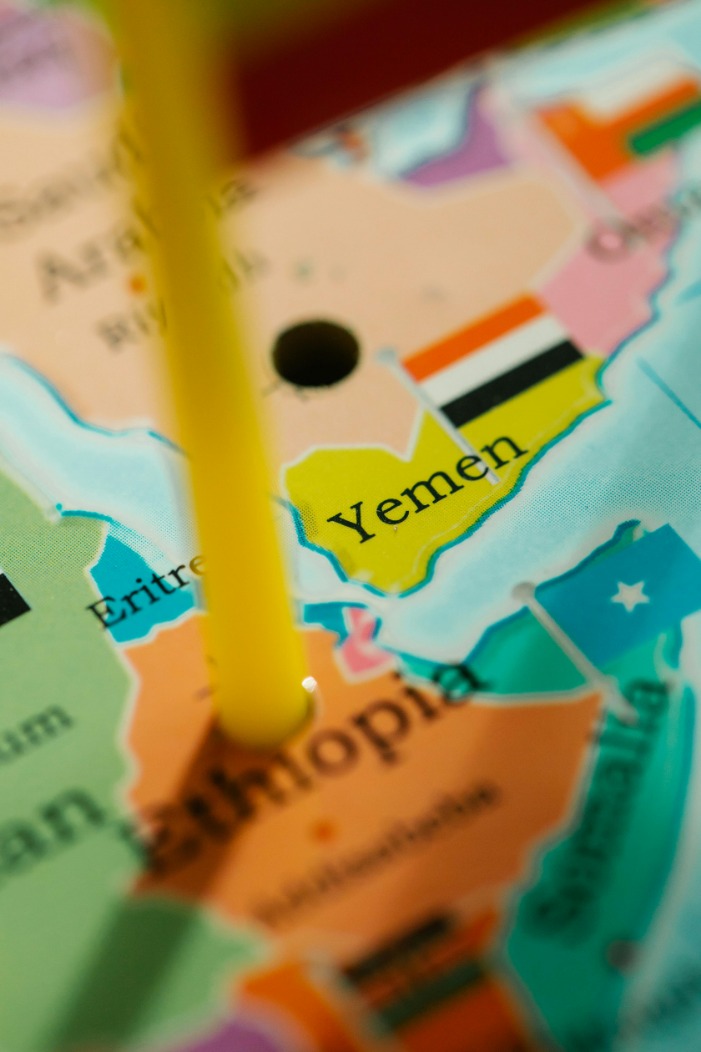
Ethiopia is situated in the Horn of Africa, sharing its northern borders with several neighboring countries. Its geographic position influences its political, cultural, and economic interactions within the region.
- To the north, Ethiopia borders Eritrea, a country with which it shares historical and cultural ties.
- South of Ethiopia lies Kenya, known for its vibrant wildlife and diverse landscapes.
- Southwest, Ethiopia borders South Sudan, a nation that has experienced ongoing conflict and instability.
- To the west, Ethiopia shares a border with Sudan, a country with significant historical significance and recent conflicts.
Eastern, Southern, and Western Borders
Ethiopia is centrally situated in the Horn of Africa, sharing its borders with several neighboring countries. To the east, it is bordered by Eritrea, with which it shares a long boundary. The southern border abuts Kenya, renowned for its wildlife and national parks. In the west, Ethiopia is bordered by Sudan, a country with a rich history and diverse cultures. To the southwest, it shares a boundary with South Sudan. These close proximity to diverse nations influences Ethiopia’s culture, trade, and regional relations, making it a vital country in eastern Africa.
Geopolitical Context
Ethiopia is situated in the Horn of Africa, a strategically significant region that bridges Eastern Africa, the Middle East, and the Indian Ocean. Its location has historically made it a crossroads for trade, culture, and geopolitics, influencing its relationships with neighboring countries and global powers. Understanding Ethiopia’s placement within this complex geopolitical landscape is essential to grasp the country’s regional importance and its role in broader international affairs.
Location in Africa’s Rift Valley
Ethiopia is situated in the eastern part of Africa’s Rift Valley, a major geological and geographical feature that stretches from the Red Sea down through eastern Africa. This location places Ethiopia at the heart of a region historically known for its rich cultural heritage and strategic importance. The country’s position within the Rift Valley has significantly influenced its climate, topography, and biological diversity. Geopolitically, Ethiopia’s location has made it a key player in regional politics, trade routes, and cultural exchanges within the Horn of Africa and beyond. Its proximity to borders with countries like Eritrea, Djibouti, Somalia, Kenya, South Sudan, and Sudan further amplifies its significance in regional stability and development.
Access to the Red Sea
Ethiopia is a landlocked country located in the Horn of Africa, surrounded by Eritrea to the north, Djibouti and Somalia to the east, Kenya to the south, South Sudan to the west, and Sudan to the northwest. Despite its lack of a coastline, Ethiopia’s strategic position near the Red Sea region significantly influences its geopolitical relations and access considerations. The country relies on neighboring nations with coastal access, such as Djibouti, to facilitate maritime trade and maintain regional connectivity. Control and access to the Red Sea remain vital for Ethiopia’s economic development, regional security, and diplomatic negotiations, especially given its ambitions for infrastructure projects and trade routes that connect to global markets.



0 Comments