
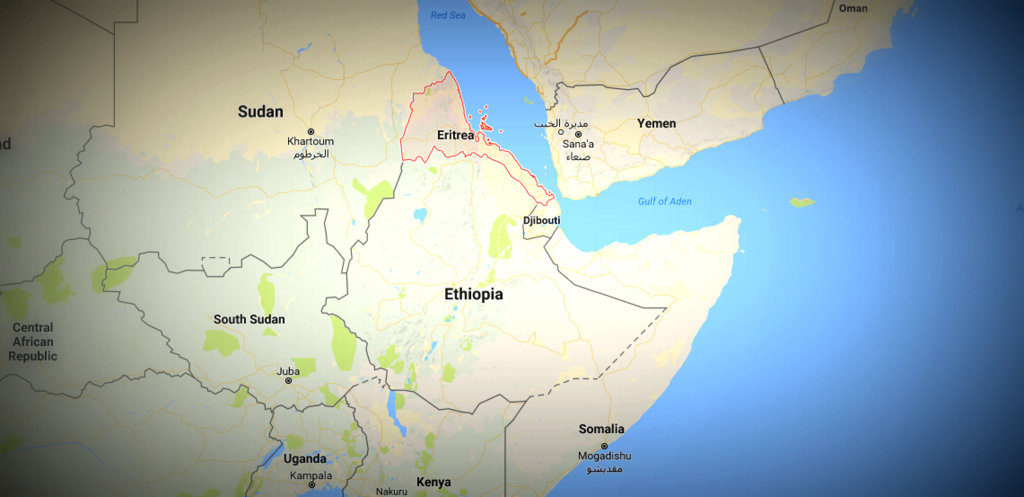
Historical Relations between Ethiopia and Israel
The historical relations between Ethiopia and Israel are rooted in ancient connections, mutual interests, and shared experiences. Over centuries, these nations have maintained a relationship shaped by religious, political, and cultural ties, reflecting a long-standing bond that continues to influence their modern diplomatic interactions. This enduring relationship has been marked by cooperation in various sectors, including agriculture, technology, and security, fostering a unique partnership between the two countries.
Ancient Connections and Biblical Significance
The historical relations between Ethiopia and Israel are deeply rooted in ancient connections and biblical significance that have shaped the cultural and religious ties between the two nations. Ethiopia, historically known as Abyssinia, is believed to have biblical links through the story of the Queen of Sheba, who visited King Solomon in Jerusalem. This encounter is said to have established a lineage and cultural bond that endured for centuries, fostering mutual respect and shared heritage.
Ancient connections between Ethiopia and Israel are also reflected in religious and archaeological evidence. The Ethiopian Orthodox Church, one of the oldest Christian denominations, preserves traditions that trace back to early Christianity, which was influenced by biblical teachings. The Ark of the Covenant is believed by some Ethiopian traditions to be housed in the Church of Our Lady Mary of Zion in Axum, further emphasizing the spiritual ties and shared sacred history.
In terms of biblical significance, Ethiopia is frequently referenced in biblical texts, highlighting its importance in the biblical narrative. Notable figures such as the Ethiopian eunuch in the Book of Acts symbolize the longstanding religious connection and the spread of Christianity from Jerusalem to Ethiopia. These biblical associations have reinforced Ethiopia’s role as a key guardian of ancient Jewish and Christian traditions, fostering a unique relationship with Israel that continues to influence diplomatic and cultural exchanges today.
Medieval Interactions and Cultural Exchanges
The historical relations between Ethiopia and Israel are rooted in a long-standing connection that dates back centuries, characterized by religious, cultural, and political interactions. Ethiopia, known as Abyssinia in ancient times, holds a special place in Jewish history due to the legend of the Queen of Sheba, who is said to have visited King Solomon in Jerusalem. This story is intertwined with the belief that the Beta Israel community, also known as Ethiopian Jews, originated from ancient Jewish settlers who migrated to Ethiopia seeking refuge and maintaining their religious traditions.
During the medieval period, interactions between Ethiopia and neighboring regions facilitated exchanges that influenced both societies. Ethiopian Christian civilization, with its unique form of Christianity, occasionally engaged with Jewish communities and other neighboring cultures, fostering shared religious practices and knowledge exchanges. The Ethiopian Orthodox Church preserved many ancient scriptures and traditions that reflect biblical influences, contributing to a rich cultural heritage shaped through centuries of contact with various civilizations.
Cultural exchanges in the medieval era were largely informal but influential, involving the sharing of religious ideas, art, and symbols. Ethiopian monasteries and churches sometimes incorporated Byzantine and Coptic Christian elements, which may have been influenced by broader Eastern Christian interactions, including with Jewish communities. Over time, these interactions fostered a sense of shared religious heritage and contributed to the distinct cultural identity of Ethiopia, which remains intertwined with its historical relationship with the Jewish communities and the broader Middle Eastern region.
20th Century Diplomatic Developments
The historical relations between Ethiopia and Israel in the 20th century were characterized by a complex mix of diplomatic, religious, and strategic interests. Diplomatic ties were officially established in 1956, marking the beginning of formal engagement between the two nations. Ethiopia, with its ancient Christian heritage, shared religious connections with Israel, particularly through the Ethiopian Orthodox Church, which fostered a sense of cultural and spiritual kinship. During the 1960s and 1970s, Israel provided Ethiopia with military training, technical assistance, and agricultural expertise, driven by mutual strategic interests, especially as Ethiopia faced internal conflicts and regional instability. The 1970s brought political upheaval in Ethiopia with the overthrow of Emperor Haile Selassie, leading to shifts in diplomatic priorities; however, clandestine relations persisted. The Ethiopia-Eritrea conflict and the communist revolution in Ethiopia during the late 1970s introduced new dynamics, with Israel maintaining a cautious presence and providing covert support where possible. Overall, 20th-century diplomatic developments reflected a relationship rooted in mutual strategic interests, religious ties, and evolving geopolitical considerations, setting the stage for continued cooperation and complex interactions in later years.
Modern Diplomatic Relations
Modern diplomatic relations are characterized by increased cooperation, dialogue, and mutual interests among nations. In recent years, Ethiopia and Israel have developed their relationship through various diplomatic, economic, and cultural exchanges. Despite historical complexities, both countries have sought to strengthen their ties, focusing on areas such as technology, agriculture, and security to benefit their respective populations and foster regional stability.
Establishment of Official Diplomatic Ties
Modern diplomatic relations between Ethiopia and Israel have been shaped by historical, political, and strategic considerations. The establishment of official diplomatic ties marked a significant milestone, fostering cooperation in areas such as trade, technology, agriculture, and security. Ethiopia was among the first African countries to recognize Israel after its independence, and since then, both nations have cultivated a relationship grounded in mutual interests. The diplomatic engagement has facilitated the exchange of ambassadors, official visits, and the signing of treaties that promote regional stability and development. Today, Ethiopia and Israel continue to strengthen their partnership through various diplomatic channels, reflecting their shared commitment to advancing peace, economic growth, and technological innovation in the region.
Current Diplomatic Missions and Representation
Modern diplomatic relations between Ethiopia and Israel are characterized by growing cooperation in various fields, including agriculture, technology, and security. Both countries maintain active diplomatic missions to facilitate bilateral communication and support their strategic partnership. Ethiopia hosts an Embassy of Israel in its capital, Addis Ababa, which serves as the primary representation for Israeli interests in Ethiopia. Conversely, Ethiopia has an embassy in Tel Aviv, ensuring diplomatic presence and engagement with the Israeli government. These missions play a vital role in fostering ties, promoting mutual understanding, and advancing collaboration on regional and international issues.
High-Level State Visits and Agreements
Modern diplomatic relations between Ethiopia and Israel have been characterized by both cooperation and strategic partnership, particularly in areas such as technology, agriculture, and security. High-level state visits have served as key moments to strengthen bilateral ties, fostering greater understanding and collaboration on regional stability and development initiatives. Numerous agreements have been signed over the years, covering areas such as agriculture, water management, education, and counter-terrorism, enhancing mutual interests and promoting economic growth. These diplomatic engagements reflect a shared history and a shared commitment to regional progress and stability.
Economic and Developmental Cooperation
Economic and developmental cooperation play a vital role in fostering growth and stability between nations. In the context of Ethiopia and Israel, this partnership is marked by mutual efforts to enhance economic development, share technological advancements, and promote sustainable progress. Such cooperation not only benefits both countries but also contributes to the broader regional stability and prosperity.
Agricultural Technology and Water Resource Management
Ethiopia and Israel have been engaging in economic and developmental cooperation aimed at enhancing agricultural technology and water resource management. These partnerships focus on leveraging Israel’s expertise in water conservation, irrigation techniques, and sustainable agriculture to address Ethiopia’s growing food security challenges. Initiatives include the transfer of advanced irrigation systems, rainwater harvesting, and drought-resistant crop cultivation methods. Such collaborations are vital for Ethiopia’s development, helping to improve productivity in agriculture, which is a key sector of the country’s economy. Additionally, joint projects aim to develop innovative solutions for efficient water utilization, vital for Ethiopia’s arid regions and expanding urban centers. Overall, Ethiopia-Israel cooperation fosters sustainable development and resilience in the face of climate variability, contributing significantly to Ethiopia’s economic growth and food security objectives.
Health and Medical Collaboration
Economic and developmental cooperation between Ethiopia and Israel has been a vital component of their bilateral relationship, fostering advancements in various sectors including agriculture, technology, and infrastructure. Additionally, health and medical collaboration play a significant role in improving healthcare systems, disease control, and medical research, benefiting both nations.
- Economic cooperation includes joint ventures in agriculture, water management, and technological innovation aimed at sustainable development in Ethiopia, leveraging Israeli expertise and investment.
- Israel provides technical assistance and training to Ethiopian professionals, enhancing local capacities in areas such as irrigation, aquaculture, and renewable energy.
- Health collaboration focuses on combating endemic diseases like HIV/AIDS, malaria, and tuberculosis through knowledge sharing, medical supplies, and capacity development.
- Medical partnerships include establishing training programs for Ethiopian health workers and improving healthcare infrastructure with Israeli aid and medical technology transfer.
- Both countries have also cooperated on research initiatives aimed at improving healthcare outcomes and developing new treatment approaches suited to Ethiopia’s needs.
Trade Relations and Investment Opportunities
Ethiopia and Israel have been enhancing their economic and developmental cooperation through various initiatives aimed at fostering sustainable growth and mutual benefit. Both countries engage in partnership programs focusing on technology transfer, agricultural development, and healthcare innovation to address shared challenges and promote economic resilience.
Trade relations between Ethiopia and Israel continue to grow, with Ethiopia primarily exporting agricultural products, coffee, and textiles to Israel. In return, Israel supplies advanced technological solutions, medical equipment, and agricultural technology to Ethiopia, strengthening economic ties and encouraging trade diversification.
Investment opportunities between the two nations are expanding, particularly in sectors such as agriculture, water management, renewable energy, and information technology. Israeli companies are increasingly investing in Ethiopian infrastructure projects, agribusiness, and innovation hubs, driven by Ethiopia’s rapid economic growth and strategic location in the Horn of Africa.
Overall, the evolving economic and developmental cooperation, combined with expanding trade and investment opportunities, positions Ethiopia and Israel as valuable partners committed to fostering sustainable development and economic prosperity in the region.
Military and Security Cooperation
Military and security cooperation between Ethiopia and Israel has played a significant role in strengthening bilateral relations and enhancing regional stability. Both nations have engaged in various initiatives, including training, intelligence sharing, and technological collaboration, to address common security challenges. This partnership reflects a shared interest in counter-terrorism, border security, and strengthening their military capabilities while fostering diplomatic and strategic interests in the region.
Counter-terrorism Strategies
Military and security cooperation between Ethiopia and Israel has played a significant role in enhancing counter-terrorism strategies in the region. Both countries have shared intelligence, conducted joint training exercises, and exchanged technological advancements to combat various security threats, including terrorism and insurgency. Ethiopia, facing its own internal security challenges, has benefited from Israel’s expertise in counter-terrorism operations, border security, and air defense systems. This collaboration fosters regional stability and helps address common security concerns effectively. Additionally, mutual support in counter-terrorism efforts strengthens diplomatic ties and promotes a collaborative approach to tackling transnational security threats in East Africa and beyond.
Intelligence Sharing and Security Training
Military and security cooperation between Ethiopia and Israel has grown significantly over the years, emphasizing the importance of intelligence sharing and security training to address regional security challenges. Both countries have engaged in joint initiatives to enhance Ethiopia’s counter-terrorism capabilities, improve border security, and develop advanced military technologies. Israel’s expertise in intelligence gathering and surveillance has been instrumental in supporting Ethiopia’s efforts to combat insurgent groups and maintain stability within its borders. Additionally, security training programs have been implemented to equip Ethiopian security forces with modern tactics, cybersecurity skills, and situational awareness, fostering a stronger partnership aimed at ensuring regional peace and security.
Educational and Cultural Exchanges
Educational and cultural exchanges play a vital role in fostering understanding and strengthening relationships between countries. Between Ethiopia and Israel, these exchanges have opened pathways for students, scholars, and cultural ambassadors to share knowledge, traditions, and values. Such interactions not only enhance diplomatic ties but also promote mutual respect and cooperation rooted in shared learning experiences.
Academic Collaborations and Scholarships
Educational and cultural exchanges, academic collaborations, and scholarships play a vital role in strengthening the relationship between Ethiopia and Israel. These initiatives foster mutual understanding, promote technological and scientific development, and enhance diplomatic ties between the two nations.
- Educational exchanges include student and faculty visits that enable individuals from Ethiopia and Israel to learn from each other’s academic environments and cultural heritage.
- Academic collaborations often encompass joint research projects, faculty exchanges, and the sharing of university resources to address common challenges.
- Scholarship programs provide Ethiopian students opportunities to study in Israeli institutions, particularly in fields such as agriculture, medicine, and technology, which are crucial for Ethiopia’s development.
These efforts contribute to strengthening the historical bonds and foster future collaborations, benefiting both societies through enriched cultural understanding and advanced educational opportunities.
People-to-People Relations and Cultural Events
Educational and cultural exchanges between Ethiopia and Israel have fostered deeper understanding and strengthened diplomatic ties over the years. These initiatives include student exchange programs, joint research projects, and academic collaborations that promote mutual learning and development. People-to-people relations are vital in building trust and friendship, with both countries encouraging interactions through community visits, cultural festivals, and business dialogues. Cultural events such as Ethiopian-Israeli music festivals, art exhibitions, and traditional cuisine celebrations serve as platforms for sharing and preserving each other’s heritage. These efforts contribute significantly to enhancing mutual appreciation, fostering solidarity, and deepening the enduring bond between Ethiopia and Israel.
Challenges and Areas of Tension
The relationship between Ethiopia and Israel is shaped by complex challenges and areas of tension that stem from historical, political, and cultural differences. As two nations with rich histories and diverse populations, their interactions are influenced by regional dynamics, diplomatic considerations, and shared interests. Understanding these challenges is essential to fostering better cooperation and addressing conflicts that may arise in their bilateral relations.
Political and Diplomatic Disagreements
The relationship between Ethiopia and Israel is marked by several challenges and areas of tension rooted in political, diplomatic, and historical differences. These issues often influence their bilateral interactions and regional stability.
- Historical and Religious Disputes: Differing perspectives on religious heritage and historical narratives sometimes lead to disagreements regarding heritage sites and cultural recognition.
- Diplomatic Recognition and Alliances: Ethiopia’s relationships with other Middle Eastern countries and its stance on regional conflicts can create diplomatic tensions with Israel.
- Travel and Immigration Policies: Restrictions and open-door policies for Ethiopian Jews migrating to Israel have been sources of controversy, affecting diplomatic goodwill.
- Regional Security Concerns: Ethiopia’s internal conflicts and regional instability have implications for Israel, particularly regarding terrorism and security cooperation.
- Economic and Developmental Disparities: Competition for influence and aid in the region can create tension, especially as both countries seek support from international partners.
- Political Changes and Leadership Shifts: Transition in leadership within Ethiopia and Israel can lead to shifts in foreign policy, sometimes causing disagreements or reevaluation of alliances.
Impact of Regional Conflicts
The relationship between Ethiopia and Israel is influenced by various challenges and areas of tension, many of which are rooted in regional conflicts and political dynamics. One significant challenge is the geopolitical instability in the Horn of Africa, which affects both nations’ security interests and diplomatic relations. Ethiopia’s internal conflicts, such as the Tigray crisis, also impact regional cooperation and stability, complicating Ethiopia’s interactions with Israel. Additionally, issues surrounding resource access, such as water and agricultural development, create tensions as both countries seek to secure vital supplies in a resource-scarce region. Regional conflicts, including disputes involving neighboring countries like Sudan and Eritrea, further add complexity to Ethiopia-Israel relations, often influencing foreign policy priorities and humanitarian efforts. Overall, these tensions require careful diplomatic navigation to foster cooperation and address shared regional challenges effectively.
Balancing Relations with Other Regional Powers
Balancing relations with other regional powers presents significant challenges and areas of tension for Ethiopia and Israel. Both nations navigate complex geopolitical landscapes, where alliances and rivalries influence their strategic interests and diplomatic policies.
- One major challenge is managing relationships with neighboring countries such as Sudan, Eritrea, and Somalia, which can influence regional stability and security concerns for Ethiopia.
- Israel’s growing engagement in Africa, including Ethiopia, sometimes raises suspicion among other regional actors wary of Israeli influence and intentions.
- Competing interests in the Nile Basin, particularly regarding water resources like the Grand Ethiopian Renaissance Dam, create tensions with downstream nations and complicate regional cooperation.
- Diplomatic tensions can also arise from ideological differences, historical grievances, and security concerns, especially in relation to the Palestinian-Israeli conflict and Ethiopia’s internal political dynamics.
- Balancing economic and strategic partnerships with multiple powers, including China, the United States, and regional states, demands careful diplomatic maneuvering to maintain stability and national interests.
Future Prospects of Ethiopia-Israel Relations
The future prospects of Ethiopia-Israel relations hold significant potential for strengthening economic, technological, and diplomatic ties between the two nations. As both countries seek to address diverse challenges and opportunities, their collaboration could foster innovations in agriculture, security, and cultural exchanges. With shared interests and emerging regional dynamics, the relationship between Ethiopia and Israel is poised to grow into a strategic partnership that benefits both nations and promotes stability in the region.
Potential for Expanded Cooperation
The future prospects of Ethiopia-Israel relations hold significant potential for expanded cooperation across various sectors. As both countries continue to develop their economic and technological capabilities, there are ample opportunities for collaboration in agriculture, water management, technology transfer, and innovation. Ethiopia’s growing population and need for technological advancements align well with Israel’s expertise in agricultural technology and sustainable development. Moreover, strengthened diplomatic ties could facilitate joint efforts in education, healthcare, and security, fostering a mutually beneficial partnership. With ongoing commitments to diplomatic dialogue and shared interests, Ethiopia and Israel are poised to enhance their bilateral relations and explore new avenues for cooperation in the coming years.
Roles of Diaspora Communities
The future prospects of Ethiopia-Israel relations are promising, shaped by shared interests, historical ties, and opportunities for economic and technological collaboration. Both nations can strengthen their partnership through increased diplomatic engagement, trade, and innovation initiatives, particularly in agriculture, water management, and technology sectors. The expanding bilateral cooperation has the potential to foster regional stability and development, benefiting both countries in the long term.
Specifically, the roles of diaspora communities from Ethiopia and Israel are pivotal in enhancing bilateral ties. These communities serve as cultural ambassadors, facilitating mutual understanding and fostering people-to-people connections. The Ethiopian diaspora in Israel contributes to economic development through investment, entrepreneurship, and knowledge transfer, while the Israeli-Ethiopian community helps bridge gaps in diplomatic and social relations. Their active involvement can promote educational exchanges, joint ventures, and collaborative projects that align with both nations’ strategic goals.
Furthermore, leveraging diaspora networks can enhance diplomatic influence, promote tourism, and support humanitarian efforts. As both countries navigate regional challenges, diaspora communities will likely play an increasingly vital role in fostering peace, economic growth, and cultural exchange, ensuring a resilient and evolving relationship between Ethiopia and Israel in the future.
Strategic Importance in Regional Politics
The future prospects of Ethiopia-Israel relations appear promising, driven by mutual interests in technology, agriculture, and security cooperation. Both nations are likely to deepen their diplomatic ties, focusing on collaborative projects that enhance economic development and technological innovation. As Ethiopia continues to seek sustainable agricultural solutions, Israeli expertise in water management and farming techniques could play a pivotal role.
In regional politics, Ethiopia’s strategic location as a gateway to the Horn of Africa and the Red Sea elevates its importance in the geopolitics of the region. Strengthening Ethiopia-Israel relations can serve as a strategic alliance that benefits both countries in terms of security and stability. Israel’s interest in expanding its influence in Africa aligns with Ethiopia’s aspirations to become a regional economic hub, potentially leading to joint initiatives that promote regional integration.
Looking ahead, the evolving geopolitical landscape, including issues like regional conflicts and the importance of maritime trade routes, will likely shape Ethiopia-Israel cooperation. Both nations have opportunities to leverage their alliance in fostering peace, development, and security, cementing their partnership as a significant factor in regional politics.




0 Comments