
Overview of Kenya’s Ethnic Diversity
Kenya is a country renowned for its rich ethnic diversity, which is a reflection of its complex history and vibrant cultural mosaic. It is home to over 40 different ethnic groups, each with unique traditions, languages, and customs that contribute to the nation’s multicultural identity.
The largest ethnic groups include the Kikuyu, Luo, Kalenjin, Maasai, Luhya, and Kamba, among others. The Kikuyu are primarily found in the central region and are known for their agricultural skills and entrepreneurship. The Luo, residing mainly around Lake Victoria, have a strong tradition of music and fishing. The Kalenjin are famous for their long-distance runners and are mainly located in the Rift Valley. The Maasai, semi-nomadic pastoralists, are recognized for their distinct customs, attire, and cattle herds, mainly living in southern Kenya. The Luhya and Kamba groups, each with their own languages and cultural practices, are predominantly in western and eastern parts of the country respectively.
This ethnic diversity plays a crucial role in Kenya’s social, political, and cultural life, fostering a dynamic environment that promotes coexistence and mutual respect. Despite challenges, such as ethnic tensions in the past, Kenya continues to celebrate and preserve its diverse heritages, making it a unique nation in Africa.
Main Ethnic Groups in Kenya
Kenya is a diverse country home to numerous ethnic groups, each with unique cultures, languages, and traditions. These communities contribute to the rich tapestry of Kenyan society and reflect the nation’s multicultural identity. Understanding the main ethnic groups provides insight into the social fabric that shapes Kenya’s national development and cultural heritage.
The Kikuyu
Kenya is a diverse country with a rich tapestry of ethnic groups, each contributing to its cultural heritage. Among these groups, the Kikuyu are the largest and most prominent, playing a significant role in the nation’s history and development.
- The Kikuyu, also known as Agikuyu, are primarily based in the central region of Kenya.
- They speak the Kikuyu language, which is part of the Bantu language family.
- The Kikuyu community is known for its strong agricultural practices, especially in coffee and tea farming.
- Historically, the Kikuyu have been influential in Kenya’s independence movement and political landscape.
- Their cultural practices include traditional dances, music, and elaborate ceremonies that celebrate life and community.
- The Kikuyu also have a rich oral tradition, passing down stories, proverbs, and history through generations.
The Luo
The Luo are one of the main ethnic groups in Kenya, renowned for their rich cultural heritage and unique traditions. They primarily reside around Lake Victoria, particularly in Nyanza Province. The Luo speak the Luo language, which is part of the Nilotic language family. Traditionally, they are fishermen and farmers, with fishing being a significant livelihood due to their proximity to Lake Victoria. Luo society is organized into clans, and they have a strong oral tradition, preserving history and stories through songs, dances, and ceremonies. They are also known for their vibrant music and dance, including the famous benga music. The Luo have contributed significantly to Kenya’s political, social, and cultural landscape, with notable figures such as Jomo Kenyatta and Raila Odinga. Overall, the Luo are an integral part of Kenya’s diverse ethnic mosaic, celebrated for their resilience and cultural richness.
The Luhya
The Luhya are one of the major ethnic groups in Kenya, predominantly residing in the western region of the country. They have a rich cultural heritage and are known for their vibrant traditions, music, and dance. The Luhya people speak various dialects of the Luhya language, which is part of the Bantu language family. They are primarily agricultural, cultivating crops such as maize, millet, and sugarcane.
- They are the second-largest ethnic group in Kenya after the Kikuyu.
- The Luhya community is made up of several sub-tribes, including the Bukusu, Maragoli, and Samia.
- They traditionally practice a mix of Christianity and indigenous beliefs.
- The Luhya are known for their elaborate initiation ceremonies and colorful attire.
- They play a significant role in Kenya’s political and social landscape.
The Kalenjin
The Kalenjin are one of the main ethnic groups in Kenya, predominantly residing in the Rift Valley Province. They are known for their exceptional long-distance runners and have a rich cultural heritage that includes unique traditions, customs, and languages. The Kalenjin consist of several sub-groups, such as the Nandi, Kipsigis, Tugen, and Marakwet, each with its own distinct dialects and practices. Historically, they have been cattle herders and farmers, and their society is organized around clan systems and age-sets. The Kalenjin have played a significant role in Kenya’s political and social history and continue to influence the country’s athletic achievements and cultural landscape.
The Maasai
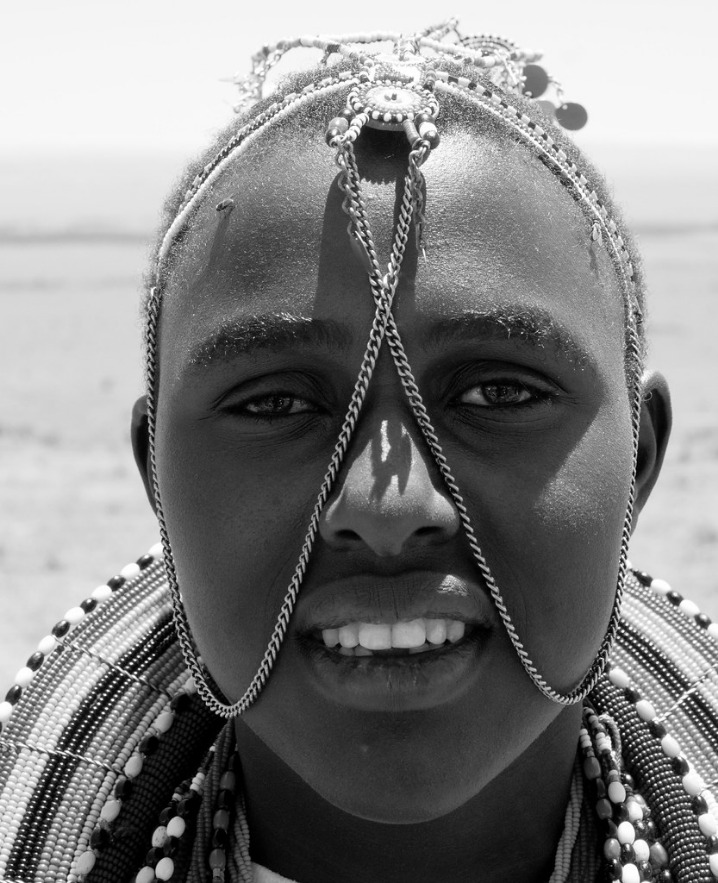
Kenya is a diverse country with numerous ethnic groups, each contributing to the rich cultural tapestry of the nation. Among these, the Maasai are one of the most well-known and iconic communities. The Maasai are a semi-nomadic people primarily residing in the southwestern regions of Kenya, near the Great Rift Valley. They are renowned for their distinctive customs, attire, and traditions that have been preserved over generations. The Maasai’s social structure is centered around age-sets and clans, and they traditionally rely on pastoralism, herding cattle, goats, and sheep. Their vibrant ceremonies, beadwork, and warrior culture attract many visitors and symbolize Kenya’s diverse heritage. The Maasai continue to maintain their cultural identity while adapting to modern influences, making them a significant part of Kenya’s main ethnic groups.
The Kisii (Kikuyu)
Kenya is a diverse country with numerous ethnic groups, each contributing to the rich cultural tapestry of the nation. Among these groups, the Kisii and Kikuyu are some of the most prominent and influential communities in Kenya.
- Kisii: The Kisii—also known as Abagusii—are an Bantu ethnic group primarily residing in the Kisii and Nyamira counties in southwestern Kenya. They are known for their vibrant cultural practices, traditional dances, and farming-based livelihoods. The Kisii are renowned for their skill in crafting and their rich oral traditions.
- Kikuyu: The Kikuyu are the largest ethnic group in Kenya, mainly found in central Kenya around Mount Kenya. They speak Kikuyu and are predominantly farmers, cultivating crops such as tea and coffee. The Kikuyu have played a significant role in Kenya’s history and politics, with many prominent leaders originating from this community. Their culture emphasizes community cooperation, traditional ceremonies, and respect for elders.
The Embu and Ameru
Kenya is a diverse country with numerous ethnic groups, each contributing to the rich cultural mosaic of the nation. Among these groups, the Embu and Ameru are prominent communities primarily inhabiting the central highlands of Kenya. These groups share several cultural similarities but also possess distinct traditions and languages.
The Embu people are part of the Bantu ethnic group and primarily speak the Embu language, which is a Kikuyu-based Bantu language. They are known for their vibrant cultural practices, including traditional dances such as the Gikoko dance, and their deep-rooted agricultural lifestyle, mainly cultivating crops like maize, beans, and peas. The Embu community values community cohesion and possesses rich oral traditions passed down through generations.
The Ameru, also known as the Meru, are another Bantu ethnic group living mainly on Mount Kenya’s slopes. Their language, called Kimeru, is closely related to Kikuyu and Embu. The Meru are renowned for their ancient rituals, traditional music, and dance forms that play a pivotal role in their cultural identity. Farming is their primary livelihood, with crops like coffee and tea being significant economic contributors. The Ameru community has a well-preserved social structure with age sets and clan systems that organize their social life.
Both the Embu and Ameru communities contribute significantly to Kenya’s cultural diversity, maintaining their unique traditions while also adopting modern influences. Their rich histories and practices continue to be an integral part of Kenya’s national identity.
Other Notable Ethnic Groups
Kenya is home to a rich tapestry of ethnic communities, each contributing to the nation’s vibrant cultural landscape. Beyond the major groups like the Kikuyu, Luo, and Maasai, there are several other notable ethnic communities that play an important role in shaping Kenya’s diverse identity. These groups bring unique traditions, languages, and histories, enriching the country’s social fabric and fostering a sense of unity in diversity.
The Turkana
The Turkana are one of the most prominent ethnic groups in Kenya, primarily residing in the northwestern region of Turkana County. They are part of the Nilotic peoples and are known for their semi-nomadic pastoral lifestyle, traditionally herding cattle, camels, and goats. The Turkana have a rich cultural heritage that includes unique customs, music, and traditional attire, which reflect their deep connection to their environment and their ancestors. Despite facing challenges such as drought and limited access to resources, the Turkana continue to preserve their cultural identity and adapt to changing circumstances, playing a vital role in Kenya’s diverse ethnographic landscape.
The Somali
The Somali are one of the notable ethnic groups in Kenya, primarily residing in the northeastern regions such as Mandera, Wajir, and parts of Garissa County. They are part of the larger Somali ethnic group that spans across Somalia, Djibouti, Ethiopia, and Kenya. The Somali community in Kenya is known for their rich cultural heritage, including traditional music, dance, and distinctive attire. They primarily speak the Somali language and practice Islam, which plays a significant role in their daily lives. The Somali in Kenya have contributed significantly to the country’s economy through livestock trading, business enterprises, and pastoralism. Despite facing various social and economic challenges, they maintain a strong sense of community and cultural identity. Their influence and presence are vital to the cultural mosaic of Kenya, enriching the nation’s diversity.
The Samburu
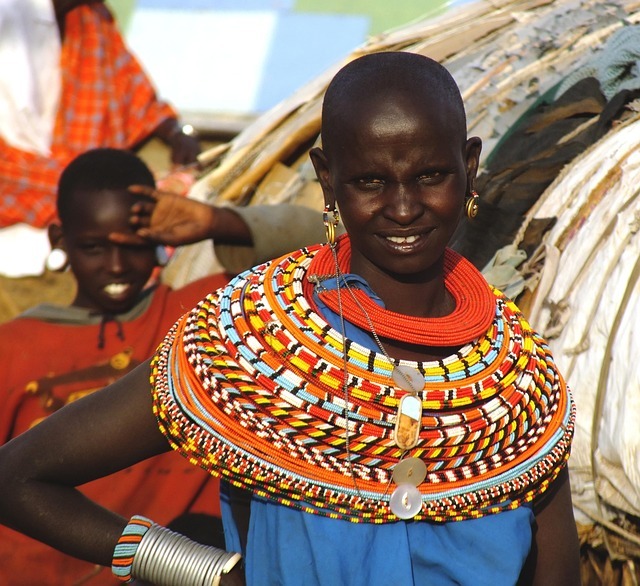
The Samburu are an ethnic group native to northern Kenya, closely related to the Maasai but distinct in their language and cultural practices. They are semi-nomadic pastoralists who primarily herd cattle, goats, and sheep, which are central to their way of life and social status. The Samburu society is organized into age-sets and clans, with a strong emphasis on community and tradition. They are known for their vibrant beadwork, elaborate jewelry, and colorful shukas that symbolize their identity. Their spiritual beliefs revolve around traditional animist practices, revering nature spirits and ancestors. Despite pressures from modernization, the Samburu maintain their customs, ensuring the preservation of their unique cultural heritage within Kenya’s diverse ethnic landscape.
The Borana
The Borana are a prominent ethnic group in Kenya, recognized for their rich cultural heritage and pastoralist lifestyle. They primarily reside in the southern parts of Kenya, particularly in the counties bordering Ethiopia, such as Mandera and Wajir. The Borana speak the Borana dialect, a variant of the Oromo language, and maintain their traditions through cattle herding, which is central to their economy and social structure. They are known for their elaborate rituals, age-set systems, and community-based decision-making processes. The Borana also play a significant role in regional politics and inter-ethnic relations, contributing to the diverse mosaic that characterizes Kenya’s ethnic landscape.
The Taita and Taveta
The Taita and Taveta are prominent ethnic groups in Kenya, primarily residing in the coastal region and the Taita Hills. They are known for their rich cultural heritage, distinct dialects, and traditional practices that have been preserved over generations. The Taita people are recognized for their agro-pastoral lifestyle, engaging in farming crops such as maize and beans, as well as raising livestock. The Taveta community, on the other hand, has a strong affinity for hunting and gathering, supplemented by farming and trade activities. Both groups have unique cultural rituals, dances, and ceremonies that highlight their history and social values. Despite modern influences, they continue to maintain their traditions, contributing to Kenya’s diverse ethnic mosaic.
The Mijikenda
The Mijikenda are a prominent ethnic group in Kenya, renowned for their rich cultural heritage and traditional practices. They primarily inhabit the coastal regions, particularly along the Indian Ocean, and consist of nine distinct sub-groups, each with its own unique customs and dialects. The Mijikenda are known for their elaborate rituals, vibrant music, and intricate wood carvings which serve as important symbols of their identity.
Historically, the Mijikenda have played a significant role in shaping the cultural landscape of coastal Kenya. They are also recognized for their fortified villages called “Kyanda,” which served as centers of social life and protection against invaders. Their traditional religion is centered around ancestor worship and reverence for nature spirits, although many now practice Christianity or Islam.
Today, the Mijikenda continue to maintain their cultural practices, although they face challenges from modernization and urbanization. Their resilience and commitment to preserving their heritage make them a vital part of Kenya’s diverse ethnic mosaic. The Mijikenda’s traditions, crafts, and social structures contribute profoundly to Kenya’s rich cultural diversity.
Cultural Practices and Traditions
Kenya is a diverse country rich in cultural practices and traditions that vary among its many ethnic groups. These cultural expressions reflect the history, beliefs, and social structures of communities such as the Kikuyu, Maasai, Luo, and Kikuyu, among others. Exploring these traditions provides insight into Kenya’s vibrant cultural mosaic and highlights the importance of preserving indigenous practices in a rapidly changing world.
Language and Communication
Kenya is a diverse country with a rich tapestry of ethnic groups, each possessing unique cultural practices and traditions that shape their identities. These communities celebrate their heritage through various rituals, ceremonies, and festivals that are deeply rooted in their history and beliefs. Language plays a vital role in preserving these traditions, with numerous indigenous languages spoken alongside Swahili and English, which serve as national and official languages, facilitating communication across different ethnic communities.
Communication styles vary among Kenya’s ethnic groups, often reflecting their social structures and cultural values. For instance, some communities emphasize oral storytelling, proverbs, and music as means of passing down customs and history. These linguistic practices reinforce community bonds and serve as a vital means of preserving their unique heritages for future generations. Understanding the diverse languages and communication styles highlights the importance of cultural identity and unity within Kenya’s multicultural society.
Music, Dance, and Art Forms
Kenya is home to a rich tapestry of ethnic groups, each with its unique cultural practices, traditions, and artistic expressions that reflect their histories and identities. These diverse communities celebrate their heritage through vibrant music, dance, and art forms that are often integral to ceremonies and social gatherings.
Music in Kenya varies across ethnic groups, with traditional instruments such as drums, thumb pianos, and stringed instruments playing prominent roles. Songs often serve to convey stories, history, and social messages, and are performed during festivals, weddings, and community rituals. Each group’s melodies and rhythms are distinctive, embodying their cultural essence.
Dance is a vital aspect of Kenyan cultures, used to mark important life events and communal celebrations. For instance, the Maasai are known for their energetic jumping dance called the Adumu, while the kikuyu have traditional dances that emphasize unity and storytelling. These dances often involve symbolic movements that narrate myths, history, or social values.
The art forms in Kenya include intricate beadwork, pottery, carvings, and textiles that reflect the beauty, spirituality, and craftsmanship of each community. Beadwork, in particular, is highly developed among groups such as the Maasai and Turkana, with colors and patterns symbolizing social status, age, and achievements. These artistic expressions are not only decorative but also serve to preserve cultural identity and knowledge across generations.
Rites of Passage and Ceremonies
Kenyan ethnic groups have rich cultural practices and traditions that play a vital role in their social identities. These practices often include unique rituals, ceremonies, and rites of passage that mark important life stages such as birth, initiation, marriage, and death. Each community has distinct ceremonies that preserve their history, values, and beliefs, fostering a sense of unity and continuity. Rites of passage are especially significant, serving as transitions from childhood to adulthood and integrating individuals into their cultural community.
Ethnic Relations and Integration
Kenya is a diverse nation home to numerous ethnic groups, each with its unique traditions, languages, and cultural practices. The complex fabric of ethnic relations plays a crucial role in shaping the social, political, and economic dynamics of the country. Understanding how these groups interact and integrate offers insight into Kenya’s path toward unity and national development.
Historical Interactions and Conflicts
Kenya is a nation characterized by a rich tapestry of ethnic groups, each with its own unique history, language, and cultural traditions. These diverse communities have coexisted for centuries, often engaging in both collaborative and conflictual interactions that have shaped the country’s social fabric. Historically, interactions among ethnic groups such as the Kikuyu, Luo, Maasai, Kalenjin, and others have ranged from trade and alliances to violent clashes, particularly during periods of political upheaval and competition for resources. Conflicts such as land disputes, political marginalization, and ethnic rivalry have occasionally led to violence, notably during the post-election crises of 2007-2008. Despite these challenges, efforts towards integration through national policies, inter-ethnic dialogue, and cultural exchanges have promoted a sense of unity and understanding. Today, Kenya continues to balance the preservation of distinct ethnic identities with the pursuit of national cohesion, working towards a more inclusive society where diversity is seen as a strength rather than a division.
Current Social and Political Dynamics
Kenya’s ethnic relations and integration are complex and shaped by a diverse array of ethnic groups, historical contexts, and contemporary socio-political factors. The country’s rich mosaic of over 40 ethnic communities contributes to both cultural vibrancy and occasional tensions, often influenced by historical marginalization and competition for resources. In recent years, efforts toward national unity and inclusive governance have sought to foster better social cohesion amid ongoing challenges.
- Historical Background: Kenya’s colonial history and the grouping of ethnic communities during British rule played a significant role in shaping current dynamics. The colonial administration favored certain groups, leading to disparities that fuel present-day tensions.
- Major Ethnic Groups: The largest and most influential groups include the Kikuyu, Luo, Luhya, Kalenjin, Maasai, and Kamba, each with distinct cultural identities and political significance.
- Recent Political Dynamics: Elections often exacerbate ethnic loyalties, with political parties sometimes mobilizing support along ethnic lines, which can deepen divisions but also serve as a basis for political organization.
- Efforts at Integration: National policies promoting ethnic inclusion, intermarriage, and community engagements aim to bridge gaps. Initiatives like national dialogues and peacebuilding programs have been implemented to mitigate ethnic conflicts.
- Current Challenges: Ethnic stereotypes, resource competition, and social inequalities continue to pose obstacles to full social integration, requiring ongoing dialogue, equitable development, and education efforts.
Efforts Towards Cultural Preservation and Unity
Kenya is a country rich in cultural diversity, home to numerous ethnic groups each with its unique traditions, languages, and customs. Efforts towards promoting ethnic relations and integration are vital in fostering national unity, ensuring peaceful coexistence among communities such as the Kikuyu, Luo, Maasai, Kalenjin, and others. These efforts include national policies that encourage dialogue, inter-ethnic cooperation, and shared cultural experiences, helping to bridge historical divides. Simultaneously, there is a strong focus on preserving cultural heritage through traditional festivals, language preservation initiatives, and the promotion of indigenous arts and crafts. Such endeavors aim to celebrate diversity while strengthening a sense of national identity and unity among all Kenyans, transcending ethnic differences and fostering mutual respect and understanding.


0 Comments