
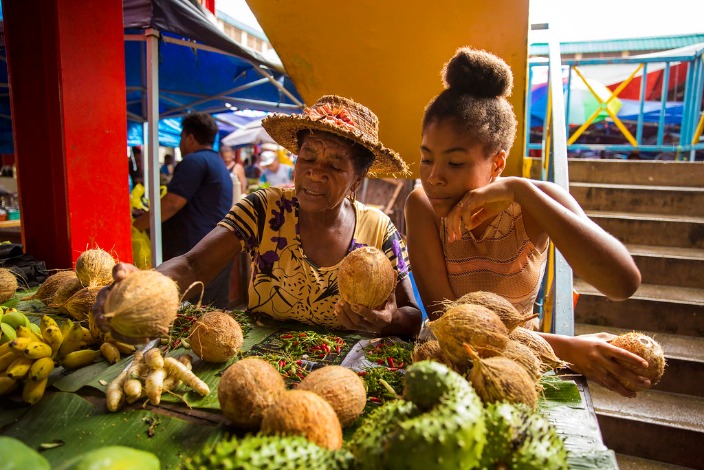
Geographical Overview of Seychelles Islands
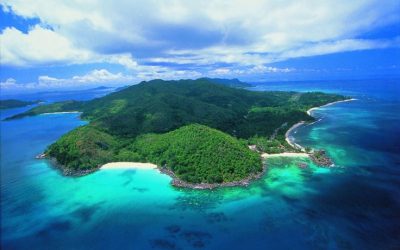
The Seychelles Islands are a stunning archipelago located in the Indian Ocean off the eastern coast of Africa. Comprising approximately 115 islands, the group is renowned for its pristine beaches, turquoise waters, and lush tropical landscapes. The main islands, including Mahé, Praslin, and La Digue, serve as the cultural and economic hubs, while smaller islands offer exclusive resorts and unique natural attractions. This island chain’s diverse geography and vibrant ecosystems make it a captivating destination in Africa.
Location and Size
The Seychelles Islands are an archipelago located in the Indian Ocean, off the eastern coast of Africa. Comprising approximately 115 islands, they are known for their stunning natural beauty, including pristine beaches, crystal-clear waters, and lush tropical forests. The total land area of the Seychelles stretches around 459 square kilometers, making it a relatively small yet diverse island nation. The islands are scattered across a vast area, with the majority of the population residing on the main islands of Mahé, Praslin, and La Digue. Situated approximately 1,600 kilometers east of mainland Africa, Seychelles occupies a strategic and picturesque position in the Indian Ocean, making it an important cultural and ecological hub in the region.
Archipelago Composition
The Seychelles Islands are an exquisite archipelago situated in the Indian Ocean, off the eastern coast of Africa. Comprising 115 islands, the majority of which are granite and coral islands, this archipelago is renowned for its stunning natural beauty, diverse ecosystems, and vibrant marine life. The islands are divided into two main groups: the Inner Islands and the Outer Islands. The Inner Islands mainly consist of granitic islands such as Mahé, Praslin, and La Digue, which are characterized by rugged hills, lush rainforests, and beautiful beaches. The Outer Islands are mostly low-lying coral atolls and reef islands, including Aldabra Atoll and Farquhar Atoll, known for their unique ecosystems and significance as marine biodiversity hotspots. The geography of Seychelles provides a range of habitats that support diverse flora and fauna, making it a significant region for conservation and ecotourism. Its strategic location and natural features have contributed to Seychelles becoming a prominent destination for travelers seeking pristine beaches, crystal-clear waters, and vibrant marine environments in Africa.
Topography and Landscape Features
The Seychelles Islands are an archipelago located in the Indian Ocean off the eastern coast of Africa, renowned for their stunning natural beauty and diverse landscapes. Comprising 115 islands, the majority of which are granite and coral islands, their geographical layout creates a unique blend of topographical features that attract travelers and nature enthusiasts alike.
- Granite Islands: The Inner Islands, including Mahé, Praslin, and La Digue, are characterized by rugged granite peaks, lush forests, and inland valleys. These islands feature dramatic hill formations and are home to some of the most iconic beaches and coves.
- Coral Islands: The Outer Islands primarily consist of low-lying coral atolls and reef islands such as Aldabra, Farquhar, and Amirantes. These are flat, sandy, and often surrounded by vibrant coral reefs that support rich marine biodiversity.
- Topography: The terrain varies from steep, mountainous regions on granite islands to gentle, flat landscapes on coral atolls. Morne Seychellois on Mahé is the highest point, reaching 905 meters above sea level, offering panoramic views of the islands.
- Landscape Features: The islands feature diverse geological formations, including granite mountains, serene beaches with powdery white sand, rocky coves, lush tropical forests, and extensive coral reefs that fringe many islands, contributing to their vibrant marine ecosystems.
Climate and Weather Patterns
The Seychelles Islands, located off the southeastern coast of Africa, experience diverse climate and weather patterns that influence their lush landscapes and vibrant ecosystems. The region generally enjoys a tropical climate characterized by warm temperatures and seasonal variations, with distinct wet and dry periods. Understanding these climate patterns is essential for appreciating the islands’ natural beauty and for planning sustainable tourism and conservation efforts in this stunning part of the world.
Tropical Climate Characteristics
The Seychelles Islands, located in the Indian Ocean off the eastern coast of Africa, experience a tropical climate characterized by warm temperatures and high humidity throughout the year. This climate type is marked by relatively stable weather patterns, influenced heavily by the surrounding ocean which moderates temperature fluctuations. Typically, temperatures range between 24°C and 31°C (75°F to 88°F), creating ideal conditions for lush vegetation and diverse marine life. The region experiences distinct wet and dry seasons, with the rainy season usually occurring from November to March, driven by the northeast trade winds, and the dry season from May to September. The tropical climate contributes to the islands’ vibrant ecosystems and attracts numerous tourists seeking warm weather and scenic natural beauty year-round.
Rainfall and Dry Seasons
The Seychelles Islands, located in the Indian Ocean off the coast of Africa, experience a unique climate characterized by distinct weather patterns, including seasonal variations in rainfall and dry periods. These climate features influence the natural environment and the daily life of inhabitants and visitors alike.
The climate of the Seychelles is generally tropical, with warm temperatures throughout the year. However, the islands have two main monsoon seasons that significantly affect rainfall and dry periods. The northeastern monsoon, occurring from December to March, tends to bring moist air and more rainfall. Conversely, the southwestern monsoon, from May to October, usually results in drier conditions, especially on the leeward sides of the islands.
- The rainy season, primarily during the northeastern monsoon, can see heavy, short bursts of rain, often accompanied by thunderstorms. This period is crucial for replenishing water sources and supporting lush vegetation.
- The dry season, mainly during the southwestern monsoon, features less rainfall and increased sunshine, making it the peak tourist season for beach activities and outdoor exploration.
- Inter-monsoon periods, typically in April and November, can bring unpredictable weather, with sporadic showers and variable wind conditions.
Understanding these rainfall and dry season patterns is essential for planning travel, agriculture, and conservation efforts in the Seychelles, ensuring the islands’ rich biodiversity and picturesque landscapes are preserved for future generations.
Impact of Climate on Local Ecosystems
The Seychelles Islands, located in the Indian Ocean off the coast of Africa, experience a tropical climate characterized by warm temperatures and high humidity throughout the year. These climate and weather patterns significantly influence the local ecosystems, shaping the diversity of plant and animal life in the region.
Climate variations, such as seasonal monsoons and the occurrence of cyclones, affect rainfall and temperature levels, which in turn impact local flora and fauna. The consistent warm temperatures support lush vegetation and vibrant coral reefs, while seasonal changes may cause fluctuations in water levels and food availability for wildlife.
- Coral reefs surrounding the islands are highly sensitive to changes in sea temperature and acidity, affecting marine biodiversity.
- Forests and terrestrial habitats depend on stable rainfall patterns; altered weather can lead to habitat loss and reduced biodiversity.
- Bird populations and other terrestrial animals are influenced by vegetation health, which is affected by climate-related droughts or heavy rains.
- Increased storm activity can lead to coastal erosion, damaging habitats and affecting both terrestrial and marine ecosystems.
Ecology and Biodiversity
The Seychelles Islands, located in the heart of the Indian Ocean, are renowned for their rich ecology and incredible biodiversity. These islands host a wide variety of unique plant and animal species, many of which are found nowhere else on Earth. The delicate ecosystems of Seychelles play a crucial role in maintaining environmental stability and offer valuable insights into conservation efforts. Exploring the diverse habitats and species of these islands highlights the importance of protecting biodiversity for future generations.
Marine Life and Coral Reefs
The Seychelles Islands, located off the east coast of Africa in the Indian Ocean, are renowned for their rich ecology and vibrant biodiversity. The archipelago features a stunning array of marine life, including numerous fish species, sea turtles, and majestic manta rays that thrive in its clear, warm waters. Coral reefs surrounding the islands are a vital part of this ecosystem, providing shelter and breeding grounds for countless marine organisms. These reefs are some of the most pristine and diverse in the world, supporting a delicate balance that sustains both marine species and local communities. Protecting the biodiversity of the Seychelles is crucial for maintaining the health of its marine environment and ensuring the continued beauty and productivity of its coral reefs.
Endemic Species of Flora and Fauna
The Seychelles Islands, located off the eastern coast of Africa, are renowned for their rich ecology and extraordinary biodiversity. These islands host a variety of unique ecosystems that support numerous endemic species of flora and fauna. The isolation of the Seychelles has led to the evolution of species found nowhere else on Earth, making them especially significant for conservation efforts.
Endemic flora of the Seychelles include the Coco de Mer palm, which produces the world’s heaviest seeds, and the rare Seychelles’ Madagascar periwinkle. These plants are vital for maintaining the ecological balance and supporting native wildlife. The islands also boast lush tropical forests and unique fern species that contribute to their rich plant diversity.
The fauna of the Seychelles is equally remarkable, with many species endemic to the islands. The Seychelles giant tortoise is one of the most iconic, once critically endangered but now recovering through conservation. The Seychelles blue pigeon, the Seychelles black parrot, and various endemic reptile and bird species also highlight the unique biodiversity of these islands. These species play crucial roles in their ecosystems, from seed dispersal to maintaining ecological stability.
Protecting the endemic species of the Seychelles is essential for preserving its ecological heritage. Conservation initiatives focus on safeguarding habitats, controlling invasive species, and promoting sustainable tourism. The unique biodiversity of the Seychelles not only enriches the natural world but also contributes significantly to the region’s ecological and economic well-being.
Conservation Efforts and Protected Areas
The Seychelles Islands, located off the east coast of Africa in the Indian Ocean, are renowned for their rich biodiversity and unique ecological systems. These islands host a variety of endemic species, including the famous Seychelles giant tortoise and numerous bird species that are found nowhere else in the world. Protecting this biodiversity is crucial for maintaining the ecological balance and ensuring the survival of these unique species.
Conservation efforts in the Seychelles involve multiple strategies, including habitat restoration, invasive species management, and community engagement. The government and various environmental organizations work tirelessly to preserve the natural habitats, especially in areas that are under threat from development or invasive species. Education programs aim to raise awareness among local communities and visitors about the importance of biodiversity conservation.
Protected areas play a vital role in the conservation strategies of the Seychelles. National parks, nature reserves, and marine protected areas are established to safeguard terrestrial and marine ecosystems. Notable examples include the Vallée de Mai on Praslin Island, a UNESCO World Heritage Site, known for its palm forest, and Aldabra Atoll, one of the world’s largest atolls, which is a UNESCO World Heritage Site due to its ecological significance. These protected areas help to conserve critically endangered species and serve as vital research sites for scientists studying ecological and conservation methods.
Culture and Society
The Seychelles Islands, located off the eastern coast of Africa, are a unique blend of vibrant cultures and diverse societies. This archipelago showcases a rich history shaped by African, Asian, European, and Middle Eastern influences, reflected in its customs, traditions, and social fabric. Understanding the interplay between culture and society in the Seychelles provides insight into how this island nation harmonizes different heritage elements to create a distinctive identity.
Historical Background and Influences
The Seychelles Islands, located in the Indian Ocean off the eastern coast of Africa, boast a rich and diverse cultural heritage shaped by a multitude of historical influences. The islands’ culture reflects a blend of African, French, British, and Asian traditions, resulting from centuries of colonization, trade, and migration. This diverse background is evident in the islands’ music, dance, cuisine, and language, which have evolved to create a unique cultural identity.
Historically, the Seychelles were uninhabited until the 18th century when European explorers and settlers arrived. The islands were initially colonized by the French in the late 18th century, which greatly influenced local language, customs, and social structures. British control followed in the early 19th century, further layering the islands’ cultural complexity. The abolition of slavery in the 19th century also played a significant role in shaping societal relationships and demographic composition, contributing to the multicultural atmosphere present today.
Throughout its history, the Seychelles have been influenced by trade routes connecting Africa, Asia, and Europe, fostering a society open to diverse cultural exchanges. These historical interactions have left a lasting imprint on local traditions, including the vibrant Creole language spoken widely among the population, which combines elements of African, French, and English. The blend of these historical influences continues to define the islands’ cultural landscape, making Seychelles a unique example of cultural diversity in Africa.
Languages and Ethnic Composition
The Seychelles Islands, an archipelago located in the Indian Ocean off the eastern coast of Africa, are renowned for their rich cultural diversity and vibrant society. This unique blend stems from a history of various influences, including African, European, and Asian cultures, which shape the social fabric of the islands today.
The society of Seychelles is characterized by its openness and hospitality, reflecting the multicultural background of its inhabitants. Local traditions, music, dance, and cuisine showcase this diversity, making Seychelles a fascinating destination for understanding different cultural interactions.
The languages spoken in Seychelles highlight its ethnic composition. The official languages are Seychellois Creole, English, and French, with Seychellois Creole being the most widely spoken language. This linguistic diversity is a testament to the islands’ historical ties and multicultural roots.
The ethnic makeup of Seychelles is a mixture of African descendants, Europeans, and Asians, creating a society that is harmonious and inclusive. The population primarily comprises people of mixed heritage, which is reflected in the cultural expressions, social norms, and daily life of Seychellois people.
- African heritage influences traditional music, dance, and storytelling.
- European colonial history is evident in architecture, legal systems, and languages.
- Asian influences can be seen in cuisine and certain cultural practices.
Traditions, Festivals, and Cuisine
The Seychelles Islands, located in the Indian Ocean off the eastern coast of Africa, boast a vibrant culture that reflects a blend of African, French, British, and Asian influences. This diverse cultural heritage is celebrated through various traditions, music, dance, and art forms that are unique to the islands. Local communities cherish their history and maintain customs passed down through generations, creating a rich tapestry of cultural expression.
Traditional celebrations and festivals play an important role in Seychelles society. The Seychelles Carnival, held annually, showcases colorful parades, elaborate costumes, and lively music, bringing communities together to celebrate their heritage. Other festivals like the Creole Festival highlight the islands’ Creole roots, emphasizing traditional music, dance, and cuisine, fostering a sense of identity and pride among residents.
Seychellois cuisine is a delightful fusion of flavors reflecting the islands’ multicultural makeup. The diet features fresh seafood, tropical fruits, and locally grown vegetables. Popular dishes include grilled fish, octopus salad, and coconut rice, often seasoned with local spices. Ingredients like vanilla, cinnamon, and cloves are commonly used, adding distinct aroma and flavor to the dishes. Food festivals and markets are lively hubs where locals and visitors enjoy authentic Seychellois culinary delights, emphasizing the islands’ rich cultural tapestry through their cuisine.
Economy and Tourism
The Seychelles Islands, located off the eastern coast of Africa, are renowned for their stunning natural beauty and vibrant culture. The island nation’s economy heavily relies on tourism, which is a vital sector contributing significantly to its growth and development. Visitors flock to Seychelles to explore its pristine beaches, clear turquoise waters, and diverse marine life, making tourism a key driver of economic prosperity for this archipelago.
Key Sectors and Economic Activities
The Seychelles Islands, located in the Indian Ocean off the coast of East Africa, boast a vibrant economy primarily driven by tourism and fisheries. The nation’s economy is heavily reliant on tourism, which accounts for a significant portion of GDP, attracting visitors with its pristine beaches, coral reefs, and luxury resorts. The fishing industry also plays a crucial role, with tuna and deep-sea fishing being vital sources of income and employment for local communities. Additionally, Seychelles engages in offshore banking and financial services, contributing further to its economic stability. Agriculture, although less dominant, includes the cultivation of coconut, vanilla, and spices, supporting both local consumption and export. The country continuously seeks to diversify its economic activities to sustain growth and promote sustainable development in the region.
Popular Tourist Destinations
The Seychelles Islands, located off the east coast of Africa in the Indian Ocean, are renowned for their stunning natural beauty and vibrant tourism industry. The islands contribute significantly to the local economy through tourism, which is a major source of revenue and employment. Visitors flock to Seychelles for its pristine beaches, crystal-clear waters, and diverse marine life, making it a popular destination for both relaxation and adventure. The economy benefits from activities such as hotel stays, water sports, and eco-tourism, which promote sustainable development while showcasing the islands’ unique ecosystems.
Among the most popular tourist destinations in Seychelles are Mahé, the largest island with the capital city Victoria, offering luxury resorts and cultural experiences; Praslin Island, famous for Vallée de Mai Nature Reserve and beautiful beaches like Anse Lazio; and La Digue, known for its laid-back atmosphere, traditional l ose boats, and stunning beaches such as Anse Source d’Argent. These destinations attract travelers seeking tropical paradise, exceptional scenery, and a peaceful escape, reinforcing Seychelles’ reputation as a premier tourist hub in Africa.
Activities and Attractions for Visitors
The Seychelles Islands in Africa offer a vibrant blend of economic opportunities and world-renowned tourism. Visitors are drawn to its pristine beaches, diverse marine life, and lush landscapes, making it a popular destination for nature lovers and adventure seekers alike.
Economy and Tourism
The Seychelles economy is primarily driven by tourism, which accounts for a significant portion of its GDP. The nation benefits from its luxury resorts, beautiful islands, and a commitment to environmental preservation, attracting high-end tourists from around the world. Additionally, fishing and agriculture contribute to the local economy, supporting sustainable livelihoods.
Activities and Attractions for Visitors
- Beach Relaxation: Visitors can enjoy the soft sands and crystal-clear waters of beaches like Anse Lazio and Beau Vallon.
- Snorkeling and Diving: The coral reefs surrounding the islands offer vibrant marine ecosystems teeming with colorful marine life.
- Island Hopping: Explore nearby islands such as Praslin and La Digue to discover unique flora, fauna, and cultural experiences.
- Wildlife Encounters: Visit nature reserves and national parks like Vallée de Mai, a UNESCO World Heritage Site, home to rare palm species and giant tortoises.
- Water Sports: Engage in kayaking, paddleboarding, and sailing to enjoy the serene waters and scenic landscapes.
- Local Culture and Cuisine: Experience Creole culture through traditional music, dance, and the flavorful local cuisine featuring fresh seafood and tropical fruits.
Transportation and Infrastructure
The Seychelles Islands, located in the heart of the Indian Ocean off the coast of Africa, are renowned for their stunning natural beauty and vibrant culture. Efficient transportation and infrastructure are essential for connecting these remote islands, supporting tourism, and fostering economic growth. With a blend of modern facilities and navigable ports, Seychelles aims to enhance accessibility both within the islands and with the rest of the world, ensuring a seamless experience for residents and visitors alike.
Air and Sea Connectivity
The Seychelles Islands, located off the eastern coast of Africa in the Indian Ocean, benefit from strategic transportation and infrastructure systems that enhance their connectivity. Air connectivity is primarily facilitated through Seychelles International Airport, which serves as a major hub for both regional and international flights, linking the islands to major global destinations. The government has invested in modernizing airport facilities to improve passenger experience and increase capacity.
Sea connectivity remains vital for the Seychelles, given its archipelagic nature. Regular ferry services and freight ships connect the different islands, supporting tourism, trade, and local transportation. The accessibility of ports such as Port Victoria ensures efficient movement of goods and people, playing a crucial role in the island nation’s economic development.
Efforts to upgrade transportation infrastructure aim to boost tourism, foster economic growth, and improve the quality of life for residents. The development of reliable air and sea routes continues to be a priority in maintaining Seychelles’ position as a sought-after international destination and a sustainable hub for regional cooperation in Africa and beyond.
Local Transportation Options
The Seychelles Islands in Africa offer a variety of local transportation options that make exploring this beautiful archipelago convenient and enjoyable. Visitors can choose from colorful bus services that connect major towns and tourist attractions, providing an affordable way to get around. Taxis are also readily available and offer a more private and flexible mode of transport for tourists. For those seeking a more scenic experience, boat services and ferries operate between islands, allowing travelers to enjoy the stunning ocean views. Additionally, some areas provide bicycle rentals for eco-friendly and leisurely travel, perfect for exploring within smaller communities. Overall, Seychelles provides a range of transportation options suited to different preferences, ensuring easy access to its pristine beaches, lush forests, and vibrant local culture.
Development Projects and Infrastructure Improvements
The Seychelles Islands, located in the Indian Ocean off the eastern coast of Africa, have made significant advancements in transportation and infrastructure development to support their growing tourism industry and local communities. A key focus has been on improving air and sea connectivity, ensuring seamless access for travelers and facilitating trade. The expansion of the Seychelles International Airport has enhanced capacity and facilities, allowing for more direct flights from major international hubs. Marine infrastructure has also seen upgrades, including port improvements and the development of marinas to accommodate increasing maritime traffic and support fishing and recreational boating activities.
In terms of development projects, Seychelles has invested in constructing modern roads and bridges to connect remote islands with the main islands, promoting regional integration and economic growth. Transportation projects often emphasize sustainability, incorporating eco-friendly designs and renewable energy sources to minimize environmental impact. Infrastructure development also extends to utilities, including the enhancement of water supply systems and the expansion of electrical grids, which are vital for both residents and tourism facilities. These initiatives aim to create resilient infrastructure that can withstand climate challenges and support the island nation’s sustainable development objectives.
Environmental Challenges and Sustainability
The Seychelles Islands, located off the coast of Africa, are renowned for their stunning natural beauty and vibrant ecosystems. However, these picturesque islands face numerous environmental challenges, including rising sea levels, pollution, and habitat destruction. Promoting sustainability has become essential to preserve their unique biodiversity and ensure that future generations can continue to enjoy this tropical paradise.
Impact of Climate Change
The Seychelles Islands, located in the Indian Ocean off the coast of Africa, face significant environmental challenges due to the impacts of climate change. Rising sea levels threaten their delicate coastal ecosystems and threaten the livelihoods of communities dependent on fishing and tourism. Additionally, increasing temperatures and unpredictable weather patterns lead to coral bleaching and the degradation of marine biodiversity, which are vital to the islands’ ecological balance and economy.
Efforts towards sustainability are essential for preserving the unique natural heritage of Seychelles. Initiatives include protecting marine reserves, promoting sustainable tourism, and investing in renewable energy sources. Addressing climate change impacts requires collaborative global and local strategies to reduce greenhouse gas emissions and enhance resilience. Recognizing and acting upon these challenges is critical for safeguarding the environment and ensuring the long-term well-being of Seychelles’ ecosystems and its people.
Marine and Land Pollution Issues
The Seychelles Islands, located off the east coast of Africa, face significant environmental challenges related to pollution and sustainability. As a pristine paradise renowned for its rich biodiversity and vibrant marine life, it is crucial to address the pressing issues threatening its ecosystems.
- Marine Pollution: The Seychelles Gulf and surrounding waters are increasingly affected by marine debris, including plastic waste, oil spills, and sewage discharge. These pollutants harm marine species such as fish, sea turtles, and coral reefs, which are vital to both ecological balance and local tourism economy.
- Land Pollution: Improper waste disposal, urban development, and illegal dumping lead to land degradation and habitat destruction on the islands. This pollution affects terrestrial flora and fauna and undermines efforts to preserve natural landscapes.
- Climate Change: Rising sea levels and increased storm frequency, driven by global climate change, threaten the sustainability of the Seychelles’ ecosystems. Coral bleaching events, in particular, jeopardize marine biodiversity and the islands’ tourism appeal.
- Efforts in Conservation: The Seychelles government, along with international organizations, has initiated marine protected areas and sustainable tourism practices to combat pollution and promote environmental awareness.
- Community Engagement: Local communities are increasingly involved in beach cleanups, waste reduction programs, and environmental education to foster sustainable living habits.
- Challenges Ahead: Despite these efforts, the Islands face ongoing threats from illegal fishing, coastal development, and climate change, requiring continuous and strengthened environmental policies.
Strategies for Sustainable Development
The Seychelles Islands, located off the east coast of Africa, face numerous environmental challenges that threaten their unique ecosystems and long-term sustainability. Issues such as climate change, rising sea levels, loss of biodiversity, and pollution pose significant risks to the islands’ natural heritage and the well-being of their inhabitants. Addressing these challenges requires the implementation of effective strategies for sustainable development that balance economic growth with environmental preservation.
Strategies for sustainable development in the Seychelles include promoting renewable energy sources like solar and wind power to reduce reliance on fossil fuels. Protecting marine and terrestrial biodiversity through the establishment of protected areas and conservation programs is essential for maintaining ecological balance. Sustainable tourism practices that minimize environmental impact and support local communities can also contribute to the islands’ resilience. Additionally, fostering community engagement and education initiatives raises awareness about environmental protection and encourages responsible resource use. By integrating these strategies, the Seychelles can work towards a sustainable future that preserves its natural beauty for generations to come.

0 Comments