

Geographical Overview of Ngorongoro Crater
The Ngorongoro Crater is a renowned volcanic caldera located in northern Tanzania, offering some of the most breathtaking landscapes in Africa. Formed approximately 2.5 million years ago, it is one of the largest intact calderas in the world, spanning about 20 kilometers in diameter. Surrounded by lush forests, open plains, and diverse ecosystems, the crater serves as a vital sanctuary for a wide variety of wildlife, making it a top destination for nature enthusiasts and safari travelers.
Location and Size
The Ngorongoro Crater is one of the most remarkable natural wonders in Tanzania, renowned for its stunning landscape and diverse ecosystems. It is situated within the Ngorongoro Conservation Area, a UNESCO World Heritage Site, and attracts numerous visitors each year due to its extraordinary wildlife and scenic beauty.
- Location: The Ngorongoro Crater is located in northern Tanzania, within the Arusha Region, approximately 180 kilometers west of Arusha city.
- Size: Covering an area of about 260 square kilometers (100 square miles), the crater is approximately 19.2 kilometers (12 miles) in diameter and 600 meters (2,000 feet) deep.
Formation and Geological Features
The Ngorongoro Crater, located in northern Tanzania, is one of the most remarkable geological features in Africa. This enormous volcanic caldera is renowned for its breathtaking landscape and rich biodiversity, making it a UNESCO World Heritage Site. The crater’s geographical location lies within the Serengeti ecosystem, approximately 180 kilometers west of Arusha. Its expansive basin covers about 260 square kilometers and rises to form a natural amphitheater with steep walls over 600 meters high, offering stunning panoramic views.
Formed approximately 2 to 3 million years ago, the Ngorongoro Crater originated from a massive volcanic eruption that caused the collapse of a large volcano, creating the caldera. Over the millennia, subsequent volcanic activity and erosion shaped its current form. The geological features of the crater include rugged volcanic rocks, rich volcanic soils, and numerous mineral deposits, which support a diverse array of flora and fauna. Its unique topography includes the crater floor, which varies from lush grasslands to salty lakes like the Magadi soda lakes, providing vital habitats for thousands of animals. The crater’s geological history and features continue to fascinate scientists and visitors alike, symbolizing the dynamic volcanic activity that has shaped the Tanzanian landscape over geological time scales.
Climate and Vegetation
The Ngorongoro Crater, located in Tanzania, is one of the most remarkable geographical features in East Africa. It is a large volcanic caldera formed by the collapse of a volcano, spanning approximately 20 kilometers across and covering an area of about 260 square kilometers. The crater’s unique geology provides a natural enclosure that sustains a diverse range of wildlife and ecosystems, making it a UNESCO World Heritage Site.
The climate of the Ngorongoro Crater varies with altitude and seasons. Generally, it experiences a temperate climate with mild temperatures throughout the year. The dry season occurs from June to October, characterized by clear skies and cooler temperatures, which is ideal for game viewing. The rainy season, from November to May, brings frequent showers that contribute to the lush green landscape and abundant water sources within the crater.
The vegetation within the crater is diverse and vibrant, supporting a wide array of animal species. The floor of the crater features grasslands, swamps, and forested areas, each providing habitat for different wildlife. The grassy plains are particularly important for herbivores like wildebeest, zebras, and gazelles, while the surrounding forests shelter predators such as lions, leopards, and hyenas. Water bodies, including lakes and marshes, add to the rich biodiversity of the region, making Ngorongoro Crater a vital ecological sanctuary.
Wildlife and Biodiversity
The Ngorongoro Crater in Tanzania is a remarkable sanctuary for wildlife and a haven for biodiversity. This UNESCO World Heritage Site hosts an incredible variety of animal species, from majestic elephants and lions to elusive leopards and vibrant flamingos. The unique ecosystem of the crater provides vital habitats that support diverse flora and fauna, making it one of the most important areas for conservation and ecological study in Africa.
Major Species and Sightings
The Ngorongoro Crater in Tanzania is renowned for its extraordinary biodiversity and diverse wildlife. It serves as a natural sanctuary where numerous species thrive amidst the stunning volcanic landscapes. Visitors to the crater have the opportunity to witness a variety of major species, including the elusive black rhinoceros, majestic elephants, lion prides, and graceful cheetahs. Additionally, the area hosts large herds of zebras, wildebeests, and buffalo, creating a dynamic ecosystem. Sightings of rare and endangered animals are common, making the crater a vital refuge for conservation. The vibrant ecosystem not only attracts tourists and wildlife enthusiasts but also plays a crucial role in maintaining biodiversity and ecological balance in the region.
Birdlife and Avian Species
The Ngorongoro Crater in Tanzania is a remarkable sanctuary for wildlife and biodiversity, renowned for its diverse birdlife and avian species. This volcanic caldera hosts an array of bird species, from large raptors to colorful migratory birds, making it a hotspot for birdwatchers and ornithologists alike. The rich ecosystem within the crater supports a variety of habitats, including open grasslands, dense woodlands, and freshwater lakes, which provide ideal nesting and feeding grounds for many bird species. Notable avian residents include flamingos, pelicans, vultures, and kingfishers, each contributing to the vibrant tapestry of life in this unique environment. Conservation efforts within the Ngorongoro Conservation Area help protect these species and promote sustainable coexistence between wildlife and local communities, ensuring that the crater remains a vital haven for biodiversity for generations to come.
Predators and Large Mammals
The Ngorongoro Crater in Tanzania is a remarkable ecosystem teeming with diverse wildlife and rich biodiversity. As one of the world’s largest unbroken calderas, it provides a unique habitat where predators and large mammals coexist in a delicate balance. The crater is home to the Big Five—lion, leopard, elephant, buffalo, and rhinoceros—making it a prime destination for wildlife enthusiasts. Predators such as lions and hyenas play crucial roles in maintaining healthy populations of herbivores like zebras, wildebeests, and gazelles, which in turn support the entire food chain within this enclosed environment. Large mammals like elephants and buffalo are often seen roaming across the grassy plains, contributing to the ecological dynamics of the area. The Ngorongoro Crater’s diverse habitats, ranging from dense forests to open savannahs, sustain a vibrant array of species, making it an essential sanctuary for wildlife conservation and an awe-inspiring destination for visitors seeking to witness the wonders of nature firsthand.
Tourism and Activities
Discover the Wonders of Tanzanian Tourism and Activities at the Ngorongoro Crater, an extraordinary destination renowned for its breathtaking landscapes and diverse wildlife. Visitors can immerse themselves in unforgettable safari experiences, explore vibrant local cultures, and enjoy a range of adventure activities within this UNESCO World Heritage Site. The crater offers a perfect blend of natural beauty and exciting pursuits for travelers seeking an authentic African adventure.
Safari Tours and Game Drives
The Ngorongoro Crater in Tanzania offers an unparalleled experience for tourists seeking adventure and wildlife exploration. Visitors can enjoy a variety of activities within this UNESCO World Heritage Site, making it a top destination for safari tours and game drives. The crater’s vast caldera is home to an abundance of wildlife, including lions, elephants, rhinoceroses, and zebras, providing excellent opportunities for game viewing. Guided safari tours allow travelers to explore the diverse ecosystem and observe animals in their natural habitat while learning about conservation efforts. Whether you’re an avid photographer or a nature enthusiast, a trip to the Ngorongoro Crater promises unforgettable moments and close encounters with Africa’s iconic species.
Guided Walking Safaris
Discover the breathtaking beauty of Tanzania’s Ngorongoro Crater through guided walking safaris that offer an intimate experience with nature. These safaris allow visitors to explore the diverse ecosystems of the crater while observing wildlife up close with expert guides leading the way. Walking safaris in Ngorongoro provide a unique opportunity to immerse yourself in the vibrant landscapes, spot rare animals, and learn about the area’s rich biodiversity and cultural heritage. It’s an unforgettable way to connect with the wild and witness the stunning scenery of this UNESCO World Heritage site firsthand.
Bird Watching Expeditions
The Ngorongoro Crater in Tanzania offers an unparalleled experience for bird watching enthusiasts, making it a must-visit destination for nature lovers. This UNESCO World Heritage Site is renowned for its rich biodiversity and diverse avian species, attracting bird watchers from around the world.
Visitors can enjoy guided bird watching expeditions that take them across the crater floor and surrounding highlands, providing opportunities to spot rare and endemic birds such as the flamingos, ostriches, and hornbills. The crater’s unique ecosystem supports over 500 bird species, making every expedition an exciting adventure.
Engaging in bird watching activities in Ngorongoro not only allows travelers to observe stunning bird behaviors and plumage but also offers a chance to learn about the ecological significance of these species in maintaining the balance of this remarkable environment.
Apart from bird watching, the region offers a variety of other activities including game drives, cultural visits to Maasai communities, and hikes along scenic trails, making Ngorongoro Crater a comprehensive destination for outdoor adventures and cultural exploration.
Cultural Significance and Human History
The Ngorongoro Crater in Tanzania holds profound cultural significance and is a vital part of human history. As a UNESCO World Heritage Site, it not only showcases extraordinary natural beauty but also reflects the rich traditions and ancient lifestyles of the local Maasai people. Over centuries, the crater has served as a symbol of coexistence between humans and the environment, embodying both historical heritage and cultural identity for communities in the region.
Maasai Communities and Cultural Interactions
The Ngorongoro Crater in Tanzania holds profound cultural significance for the Maasai communities, who have inhabited the region for centuries. This area is not only a rich haven of diverse wildlife but also a vital part of their spiritual and cultural identity. The Maasai regard the crater and its surrounding landscapes as sacred grounds, often incorporating its features into their oral histories, rituals, and traditional ceremonies.
Throughout human history, the Maasai have maintained a deep connection to their land, blending their pastoral lifestyle with cultural practices that emphasize respect for nature and ancestral heritage. This interaction fosters a unique cultural tapestry where the Ngorongoro Crater serves as both a source of livelihood and cultural preservation. Visitors to the crater can observe these traditions in daily Maasai activities, such as beadwork, dance, and cattle herding, which continue to embody their enduring cultural legacy amidst modern influences.
Archaeological Discoveries in the Area
The Ngorongoro Crater in Tanzania holds immense cultural significance and is a vital part of human history, serving as a sacred site for the Maasai people who consider it a spiritual homeland. Its unique ecosystem has supported human habitation for thousands of years, providing insights into early pastoralist communities. Archaeological discoveries within the crater and surrounding areas have uncovered ancient tools, bones, and artifacts that trace the region’s history of human activity, dating back to the Olduvai Gorge era. These findings offer valuable evidence of early human evolution and migration, making Ngorongoro a key location for understanding the development of human civilizations in East Africa.
Conservation Efforts and Community Engagement
The Ngorongoro Crater in Tanzania holds profound cultural significance for the Maasai people, who have coexisted with the wildlife and landscapes for centuries. It is considered a sacred site, symbolizing their spiritual connection to the land and serving as a place for traditional rites and ceremonies. Throughout human history, the crater has been a vital part of local life, offering sustenance, cultural identity, and a deep sense of heritage.
Conservation efforts in the Ngorongoro Conservation Area aim to protect its unique ecosystem, which hosts diverse species such as elephants, lions, and endangered black rhinoceroses. Initiatives include anti-poaching measures, sustainable tourism practices, and habitat restoration projects designed to balance human activity with wildlife preservation.
Community engagement plays a crucial role in the ongoing conservation of the crater. Local residents, especially the Maasai, participate in eco-tourism ventures, education programs, and conservation projects, fostering a sense of ownership and responsibility toward the natural environment. This collaborative approach helps ensure the sustainable management of the area while respecting the cultural traditions of the people who call it home.
Conservation and Environmental Challenges
The Ngorongoro Crater in Tanzania represents a vital ecosystem facing numerous conservation and environmental challenges. As one of the world’s most renowned wildlife conservation areas, it plays a crucial role in protecting diverse species and preserving natural habitats. However, increasing human activity, tourism, and climate change pose significant threats to its delicate balance, highlighting the urgent need for sustainable management and conservation efforts to ensure its future survival.
Protection of the Crater Ecosystem
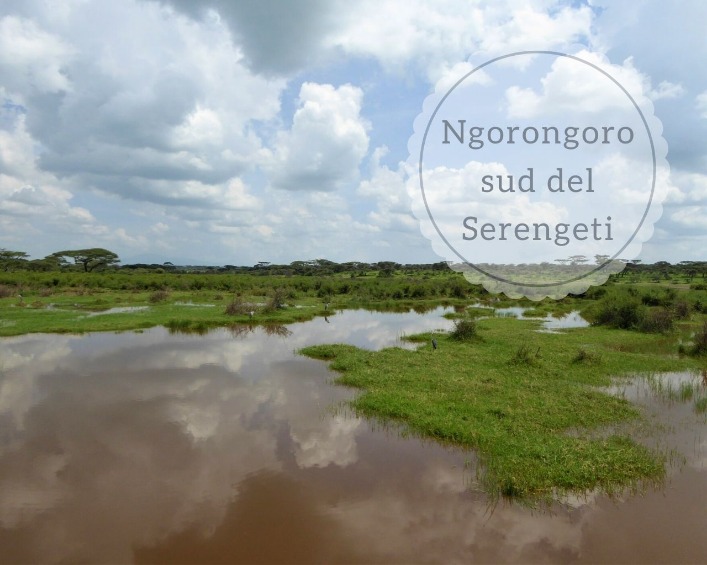
The Ngorongoro Crater in Tanzania is a unique and vital ecosystem that faces numerous conservation and environmental challenges. As one of the world’s most famous wildlife conservation areas, it plays a crucial role in preserving diverse flora and fauna. However, increasing human activities and environmental pressures threaten its delicate balance.
- Overtourism leads to habitat degradation and pollution, putting stress on wildlife and flora within the crater.
- Poaching and illegal wildlife trade threaten the survival of endangered species such as black rhinoceros and elephants.
- Expansion of agriculture and settlement within surrounding areas causes habitat fragmentation and loss.
- Climate change impacts, including altered rainfall patterns and increased temperatures, affect water availability and ecosystem stability.
- Water resource management becomes critical as the balance between supporting local communities and conserving ecosystems is challenged.
Protecting the Ngorongoro Crater ecosystem requires strict regulation of tourism, anti-poaching initiatives, sustainable land use practices, and climate change mitigation efforts. Community involvement and awareness are essential to ensure the long-term preservation of this UNESCO World Heritage Site for future generations.
Impact of Tourism and Human Activities
The Ngorongoro Crater in Tanzania is a captivating natural wonder that faces numerous conservation and environmental challenges. Increased human activities, such as agriculture, settlement, and tourism, have put pressure on the fragile ecosystem, risking its biodiversity and ecological balance. Overpopulation around the crater leads to habitat destruction and pollution, which threaten the wildlife that inhabits the area. Additionally, the influx of tourists, while vital for the local economy, can cause environmental degradation through waste generation, habitat disturbance, and resource depletion. Effective preservation of Ngorongoro requires sustainable tourism practices and stringent conservation efforts to ensure that this UNESCO World Heritage Site remains protected for future generations. Balancing human activities with ecological preservation is crucial to mitigate these threats and maintain the crater’s unique biodiversity and natural beauty.
Strategies for Sustainable Preservation
The Ngorongoro Crater in Tanzania is a UNESCO World Heritage Site renowned for its unique ecosystem and rich biodiversity, but it faces numerous conservation and environmental challenges. Overpopulation, illegal poaching, and the increasing demand for land for agriculture threaten the delicate balance of this natural habitat. Climate change also poses significant risks, affecting wildlife patterns and water availability in the area.
To address these challenges, strategies for sustainable preservation include implementing strict anti-poaching laws, promoting eco-friendly tourism, and engaging local communities in conservation efforts. Conservation programs that focus on habitat restoration and wildlife monitoring are essential to maintaining the crater’s ecological integrity. Additionally, environmental education campaigns can raise awareness among visitors and residents about the importance of preserving this unique environment for future generations.




0 Comments