
Geography and Climate of Tanzania
Tanzania, located in East Africa, is known for its diverse geography and varying climate. The country features expansive plains, dramatic mountains, and extensive coastlines along the Indian Ocean. Its climate ranges from tropical along the coast to temperate in the highland regions, creating a rich environment that supports a wide range of flora and fauna. This geographic diversity plays a vital role in shaping Tanzania’s natural beauty and agricultural practices.
Location and Topography
Tanzania is a country located in East Africa, bordered by Kenya and Uganda to the north, Rwanda, Burundi, and the Democratic Republic of the Congo to the west, Zambia, Malawi, and Mozambique to the south, and the Indian Ocean to the east. Its diverse geography includes savannahs, mountains, lakes, and coastal plains. The country’s topography features the Great Rift Valley running from the north to the south, creating many lakes such as Lake Victoria, Lake Tanganyika, and Lake Nyasa. Mount Kilimanjaro, Africa’s highest peak, is situated in northeastern Tanzania and is a prominent feature of the country’s mountainous landscape. The terrain varies from flat coastal plains to highland plateaus and rugged mountainous regions, contributing to a varied climate across different areas.
Major Landforms and Regions
Tanzania, located in East Africa, is a country characterized by diverse geography and a varied climate. It features a range of landforms, from expansive plains and highlands to numerous lakes and coastal areas. The climate varies depending on the region, with tropical weather in the coastal zones and more temperate conditions in the highlands.
The major landforms in Tanzania include the African Great Lakes, with Lake Victoria and Lake Tanganyika being the largest. The Great Rift Valley runs through the country, creating dramatic escarpments and fertile lowlands. The Serengeti Plains, part of the Serengeti National Park, are renowned for their vast savannahs, hosting remarkable wildlife migrations. Other important features are Mount Kilimanjaro, Africa’s highest peak, and the eastern highlands, which offer cooler temperatures and lush landscapes.
Tanzania is divided into several significant regions, including the coastal region along the Indian Ocean, the highland zones in the north and south, and the central plains. The northern region is home to iconic wildlife reserves like the Serengeti and Ngorongoro Crater, while the eastern coast boasts vibrant cities such as Dar es Salaam and historically significant sites. The southwestern part of the country includes forests and mountain ranges, contributing to the country’s rich biodiversity. Overall, Tanzania’s varied geography and climate significantly influence its ecosystems, agriculture, and tourism industry.
Climate Zones and Weather Patterns
Tanzania, located in East Africa, features a diverse geography that significantly influences its climate and weather patterns. The country is characterized by savannahs, mountains, lakes, and coastal regions, which create a variety of climate zones. The elevation variations, from the coastal plains to the highlands and volcanic mountains like Mount Kilimanjaro, contribute to the complex climate system of Tanzania.
Tanzania’s climate can be broadly classified into tropical and subtropical zones. The coastal area along the Indian Ocean experiences a hot, humid tropical climate with little variation in temperature throughout the year. The inland regions, including the central plains and the northern highlands, have more temperate conditions with distinct wet and dry seasons. Mount Kilimanjaro and the Eastern Arc Mountains create cooler, alpine climates at higher elevations.
The country experiences two primary rainy seasons: the long rains from March to May and the short rains from October to December. The weather patterns are influenced by the Indian Ocean monsoon system, causing seasonal changes in rainfall and temperature. Coastal regions tend to be warm and moist year-round, while the inland and highland areas are cooler and receive more consistent rainfall. Overall, Tanzania’s varied geography leads to a complex climate that supports its rich biodiversity and diverse ecosystems.
Historical Overview
Tanzania, located in East Africa, has a rich and diverse historical background that reflects a blend of indigenous cultures, ancient trade routes, and colonial influences. Throughout its history, the region has been a vibrant hub for key civilizations, including the Swahili city-states and the influential Arab traders. The arrival of European powers, particularly Germany and Britain, marked significant changes, ultimately shaping the modern nation. Understanding Tanzania’s historical evolution offers valuable insights into its cultural identity and contemporary development.
Pre-Colonial Period
The Pre-Colonial Period in Tanzania history refers to the era before European powers established control over the region. During this time, the area was inhabited by various ethnic groups such as the Sukuma, Chaga, Hehe, Ngoni, and the coastal Swahili city-states. These communities developed distinct cultures, social structures, and economies, with many engaging in farming, fishing, and trade. The coastal regions thrived as part of extensive Indian Ocean trade networks, facilitating the exchange of goods, ideas, and cultures between Africa, Arabia, India, and beyond. The interior kingdoms and chiefdoms often engaged in warfare, alliances, and migrations, shaping the diverse social landscape of present-day Tanzania. This period laid the foundation for the complex cultural and political fabric that would influence Tanzania’s subsequent history during colonial and post-colonial times.
Colonial Era and Independence
Tanzania, located in East Africa, has a rich historical background shaped by a variety of cultural influences and historical events. The region was originally inhabited by indigenous tribes with diverse cultures and traditions long before it became known to outsiders. Its strategic position along trade routes facilitated interactions with Arab traders and others from the Indian Ocean world, leading to the spread of Islam and more complex societal structures.
During the colonial era, Tanzania was divided among European powers, with the mainland, then known as Tanganyika, being a German colony in the late 19th century. After World War I, it came under British administration as a League of Nations mandate and later a United Nations trust territory. The coastal area, known as Zanzibar, was a separate sultanate with a long history of Arab influence, which eventually became a British protectorate. Colonial rule significantly impacted the region’s social and economic structures, bringing infrastructure development but also fostering resentment and resistance among the local population.
The struggle for independence in Tanzania primarily centered around the end of colonial rule during the 1950s and 1960s. Leaders like Julius Nyerere emerged as key figures in mobilizing anti-colonial sentiments and advocating for self-governance. Tanganyika achieved independence from Britain on December 9, 1961, followed by Zanzibar in 1963. After Zanzibar’s revolution in 1964, the islands united to form the United Republic of Tanzania. Nyerere became the nation’s first president, initiating policies aimed at social equality and unity, shaping the country’s path into the modern era.
Post-Independence Developments
Following independence in 1961, Tanzania embarked on a journey of nation-building and socio-economic development. The post-independence period was marked by efforts to unify the diverse ethnic groups and establish a cohesive national identity. The leadership, under Julius Nyerere, focused on socialist policies, including ujamaa (familyhood), which aimed at communal development and self-reliance. These efforts led to the nationalization of industries and the implementation of rural development programs designed to reduce poverty and improve living standards.
In the years after independence, Tanzania made significant strides in education and health sectors, expanding access and laying the groundwork for future growth. Politically, the country maintained a one-party system for several decades, emphasizing unity and stability. The economy faced challenges due to limited industrialization and reliance on agriculture and foreign aid. Despite these obstacles, Tanzania preserved its sovereignty and continued to advocate for Pan-Africanism and regional integration.
With the introduction of multi-party politics in the 1990s, Tanzania transitioned towards a more open political environment while maintaining stability. Economic reforms aimed at liberalization and diversification led to modest economic growth, attracting foreign investment and fostering development projects. Today, Tanzania continues to build on its post-independence foundations, striving for sustainable development and improved social services, while navigating regional and global challenges.
Government and Political Structure
Tanzania, located in East Africa, has a government system that combines both democratic and republican elements. Its political structure is centered around a presidential system where the President is the head of state and government. The country also features a multi-party political system, with elected representatives playing a vital role in governance. Tanzania’s government aims to promote stability, development, and democratic principles to serve its citizens effectively.
Political System and Leadership
Tanzania’s government operates as a unitary republic with a multi-party political system. The President of Tanzania is both the head of state and government, holding significant executive authority, and is elected through universal suffrage for a five-year term. The legislative branch consists of a bicameral Parliament, comprising the National Assembly and the Zanzibar House of Representatives, which oversee lawmaking and national policy decisions. The political landscape has been historically dominated by the Chama Cha Mapinduzi (CCM) party, though there is space for opposition parties to participate in the democratic process. Leadership in Tanzania emphasizes stability, development, and national unity, with efforts to strengthen democratic institutions and promote economic progress across the country.
Administrative Divisions
Tanzania is a country located in East Africa with a well-established government and political structure. It operates as a republic with a president serving as both the head of state and government. The Tanzanian government includes executive, legislative, and judicial branches, ensuring a system of checks and balances. The National Assembly, or Bunge, is the legislative body responsible for making laws and overseeing the executive branch. Tanzania’s judicial system is independent and comprised of various courts, including the Supreme Court as the highest judicial authority.
Administratively, Tanzania is divided into several levels of divisions to facilitate governance and local administration. The country is organized into 31 regions, each headed by a Regional Commissioner appointed by the central government. These regions are further subdivided into districts, which serve as the primary units for local administration. Districts are divided into smaller units such as wards and villages, allowing for localized governance and administrative services. This structure helps in managing development projects, resource distribution, and fostering participation at the community level.
Recent Political Developments
Tanzania’s government operates as a unitary republic with a strong presidential system, where the President serves as both head of state and government. The country’s political framework is characterized by a multi-party system, although the Chama Cha Mapinduzi (CCM) party has dominated politics for decades. Tanzania’s Parliament is a bicameral legislature consisting of the National Assembly and the Zanzibar House of Representatives, reflecting the union between Tanganyika and Zanzibar.
Recent political developments in Tanzania have focused on economic reforms, constitutional amendments, and efforts to strengthen government institutions. In the past few years, the government has emphasized initiatives to boost infrastructure, healthcare, and education sectors. Additionally, there have been notable efforts to improve transparency and combat corruption. Recent elections have reaffirmed the CCM’s influence, though opposition parties continue to advocate for reforms and greater political pluralism. The government is also navigating regional issues and fostering relations within the East African Community to promote stability and development.
Economy of Tanzania
Tanzania, located in East Africa, boasts a diverse and growing economy driven by agriculture, tourism, and natural resources. The country is renowned for its rich wildlife and vast national parks, which attract many tourists and contribute significantly to its revenue. With recent efforts to diversify industries and improve infrastructure, Tanzania is gradually enhancing its economic stability and development prospects.
Key Sectors: Agriculture, Industry, and Services
Tanzania’s economy is among the fastest-growing in Africa, driven by a diverse range of sectors including agriculture, industry, and services. These key sectors play a vital role in supporting the country’s development and improving the livelihoods of its population.
- Agriculture: Agriculture is the backbone of Tanzania’s economy, employing a large portion of the population. The sector mainly produces cash crops such as coffee, tea, tobacco, and cashews, as well as subsistence crops like maize, beans, and rice. Despite its significance, the sector faces challenges like low productivity, outdated technologies, and dependency on rain-fed agriculture.
- Industry: The industrial sector in Tanzania includes manufacturing, mining, construction, and processing industries. The country is rich in natural resources, with minerals like gold, diamonds, and industrial minerals playing an important role. Efforts are underway to expand the manufacturing base, particularly in textiles, beverages, and cement, to add value to raw materials and promote industrialization.
- Services: The services sector in Tanzania has experienced rapid growth, especially in tourism, trade, telecommunications, and financial services. Tourism is a major contributor, thanks to Tanzania’s renowned national parks and natural attractions such as Serengeti and Mount Kilimanjaro. The expansion of financial institutions and infrastructure development support economic diversification and attract foreign investment.
Natural Resources and Mining
The economy of Tanzania is primarily driven by agriculture, which employs a significant portion of the population, alongside sectors like tourism, manufacturing, and services. Over recent years, the country has experienced steady economic growth due to investments in infrastructure and development projects. Tanzania also benefits from a strategic location in East Africa, enhancing trade and regional integration.
Natural resources play a vital role in Tanzania’s economic landscape. The country is rich in mineral deposits, including gold, diamonds, and tanzanite, a gemstone unique to Tanzania. It also has substantial reserves of natural gas, coal, and iron ore. These resources contribute significantly to export revenues and attract foreign investment, although challenges remain in ensuring sustainable exploitation and environmental protection.
The mining sector in Tanzania is a major pillar of economic development. It has attracted international companies due to its abundance of valuable minerals. Gold mining is particularly prominent, with Tanzania ranking among the world’s top producers. The government has implemented policies to regulate mineral extraction, aiming to maximize benefits for the nation while supporting local communities. Despite the sector’s growth, issues like illegal mining, environmental concerns, and resource management continue to pose challenges that require ongoing attention.
Tourism Industry
The economy of Tanzania is primarily driven by agriculture, which employs a significant portion of the population and contributes to a substantial part of the country’s GDP. Over recent years, Tanzania has experienced steady economic growth fueled by sectors such as mining, manufacturing, and services. The country also benefits from its rich natural resources, including minerals and natural gas, which are vital to its economic development. Additionally, Tanzania has been making efforts to improve infrastructure and attract foreign investment to support sustainable growth.
The tourism industry in Tanzania is a vital sector that significantly contributes to the nation’s economy. Known for its stunning landscapes, iconic wildlife, and cultural heritage, Tanzania attracts millions of visitors annually. The Serengeti National Park, home to the Great Migration of wildebeest and other wildlife, along with Mount Kilimanjaro, the highest peak in Africa, are major tourist attractions. Conservation efforts and national park revenues have helped boost local communities and fund environmental preservation. The tourism industry not only generates foreign exchange but also provides employment opportunities for many Tanzanians across various sectors.
Description of Tanzanian Culture
Tanzania, located in the heart of East Africa, boasts a rich and diverse cultural heritage that reflects its numerous ethnic groups and historical influences. The nation’s culture is deeply rooted in traditional music, dance, art, and rituals, which are celebrated across different communities. From the vibrant Maasai tribes to the coastal Swahili culture, Tanzania offers a unique blend of customs and traditions that showcase its vibrant and dynamic society. This diversity not only defines the country’s cultural landscape but also fosters a strong sense of identity and pride among its people.
Languages and Ethnic Groups
Tanzania, located in East Africa, boasts a rich and diverse cultural landscape shaped by various ethnic groups, languages, and traditions. The country’s culture is a vibrant tapestry of music, dance, art, and customs that reflect the histories and identities of its people. Traditional practices and festivals are celebrated with enthusiasm, highlighting the deep-rooted heritage of Tanzanians.
Languages in Tanzania are equally diverse, with Swahili and English serving as the official languages. Swahili, a Bantu language with Arabic influences, is widely spoken and serves as a unifying medium across different ethnic communities. Numerous indigenous languages are also spoken throughout the country, representing the multitude of ethnic groups.
Tanzania is home to over 120 ethnic groups, each with its own unique traditions, dress, and social structures. Major ethnic communities include the Sukuma, Chaga, Haya, Maasai, and Nyamwezi, among others. These groups contribute to the nation’s cultural richness through their distinct practices, crafts, and languages, creating a diverse and dynamic cultural identity for Tanzania.
Traditional Customs and Celebrations
Tanzania is a vibrant country rich in cultural diversity, reflecting its numerous ethnic groups and traditions. The Tanzanian culture emphasizes community, respect, and harmony with nature, which are deeply rooted in its history and everyday life. Traditional customs such as storytelling, music, dance, and craft-making play a vital role in preserving the country’s heritage.
Many Tanzanians celebrate important customs through colorful festivals and ceremonies. For example, the Maasai people are renowned for their elaborate rites of passage, including ceremonies for young warriors and cattle herding festivities. The Swahili Coast hosts celebrations like the Mwaka Kogwa, a New Year festival featuring dancing, singing, and body paint. Religious events such as Eid, Christmas, and local tribal festivals are also widely observed, reflecting the country’s religious diversity.
Music and dance are integral to Tanzanian culture, with styles like Taarab, Bongo Flava, and traditional drumming showcasing the nation’s artistic spirit. Handicrafts such as cloth, jewelry, and carvings are made using traditional techniques, often symbolizing cultural beliefs and stories. Overall, Tanzania’s traditional customs and festivals display a lively tapestry of history, beliefs, and communal values that continue to thrive in contemporary society.
Music, Dance, and Arts
Tanzania, located in East Africa, boasts a rich and diverse cultural heritage that is reflected in its music, dance, and arts. The country’s many ethnic groups, including the Chaga, Maasai, Sukuma, and Hehe, contribute to a vibrant tapestry of traditions and customs. Tanzanian culture emphasizes community, storytelling, and spiritual beliefs, which are often expressed through various artistic forms.
Music plays a vital role in Tanzanian life, with traditional sounds shaped by local instruments such as drums, thumb pianos, and stringed instruments. Genres like Taarab and Bongo Flava have gained popularity locally and internationally, blending traditional rhythms with modern influences. Dance is integral to ceremonies, celebrations, and social gatherings, with vibrant and energetic movements that often tell stories or honor ancestors.
The arts in Tanzania are diverse, ranging from intricate wood carvings and beadwork to vibrant textiles and murals. The Makonde tribe is famous for their stunning wood carvings, often depicting spiritual and everyday themes. Tanzanian art also includes colorful paintings and sculptures that reflect the country’s rich cultural narratives, history, and connection to nature. Overall, Tanzanian culture is a dynamic fusion of tradition and innovation, celebrated through its music, dance, and artistic expressions.
Major Landmarks and Natural Attractions
Tanzania is renowned for its stunning landmarks and diverse natural attractions that draw travelers from around the world. From majestic mountains to expansive savannahs, the country offers a wealth of breathtaking sights that showcase the beauty of Africa’s wilderness. Whether exploring legendary national parks or visiting iconic natural landmarks, visitors are treated to unforgettable experiences in Tanzania’s remarkable landscape.
Serengeti National Park
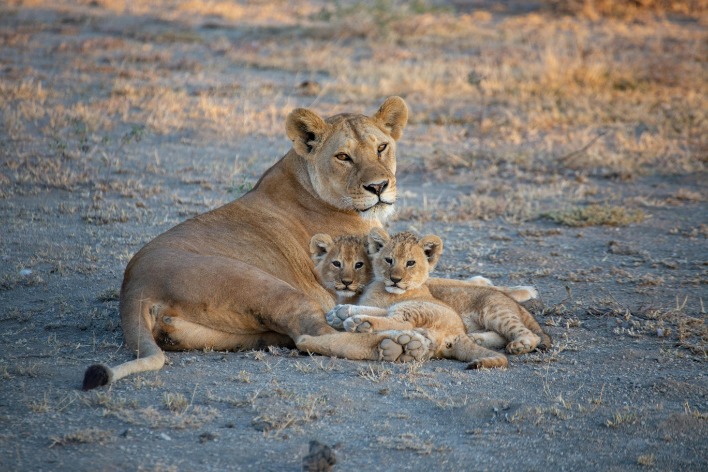
Serengeti National Park in Tanzania is one of the most renowned natural attractions in Africa, famous for its extraordinary wildlife and breathtaking landscapes. Covering over 14,750 square kilometers, the park is home to the world’s largest land animal migration, where millions of wildebeests, zebras, and other grazers move across the plains in search of fresh pasture. Visitors can witness incredible predator-prey interactions and observe a diverse range of wildlife, including lions, elephants, cheetahs, and giraffes.
The park’s expansive savannahs, grasslands, and riverine forests offer a stunning natural setting that attracts nature lovers and photographers from around the globe. Serengeti’s iconic landscapes, combined with its abundant wildlife, make it a major landmark of Tanzania and a UNESCO World Heritage Site. The park is also adjacent to the Ngorongoro Conservation Area, creating a remarkable region rich in biodiversity and natural beauty that epitomizes Tanzania’s natural heritage.
Kilimanjaro Mountain and Trekking
Tanzania in Africa is renowned for its breathtaking natural landmarks and stunning landscapes, with Kilimanjaro Mountain standing out as one of its most iconic features. As the tallest free-standing mountain in the world, Kilimanjaro offers a challenging yet rewarding trekking experience for adventurers from around the globe. The mountain’s diverse ecosystems, from lush rainforests at its base to icy summit glaciers, provide a unique opportunity to witness a variety of flora and fauna along the ascent. Besides Kilimanjaro, Tanzania boasts other remarkable natural attractions such as the Serengeti National Park, the Ngorongoro Crater, and the Selous Game Reserve, each offering incredible wildlife safaris and scenic vistas. These landmarks highlight Tanzania’s status as a premier destination for nature lovers and trekking enthusiasts seeking awe-inspiring outdoor adventures.
Ngorongoro Crater
The Ngorongoro Crater is one of Tanzania’s most famous natural landmarks and a UNESCO World Heritage Site, offering a stunning example of volcanic activity and wildlife conservation. Located in the Ngorongoro Conservation Area, this massive volcanic caldera spans approximately 20 kilometers across and is home to a diverse range of flora and fauna. Visitors can witness incredible wildlife sightings, including the Big Five—lion, elephant, buffalo, leopard, and rhinoceros—as well as numerous other species thriving in their natural habitat. The crater’s breathtaking scenery, with lush grasslands, forests, and freshwater lakes, makes it a popular destination for safaris and nature enthusiasts. Its unique ecosystem and stunning vistas make the Ngorongoro Crater a must-visit landmark for anyone exploring Tanzania in Africa.
Lake Victoria and Other Lakes
Tanzania is renowned for its diverse major landmarks and natural attractions, making it a captivating destination for travelers. Among these, Lake Victoria stands out as the largest African lake and the second-largest freshwater lake in the world, spanning Tanzania, Uganda, and Kenya. It plays a vital role in the region’s ecosystem, supporting numerous species of fish and birdlife. Besides Lake Victoria, Tanzania boasts other stunning lakes such as Lake Tanganyika, the second deepest freshwater lake globally, and Lake Nyasa (Malawi), famous for its clear waters and rich biodiversity. These lakes not only offer scenic beauty but also provide opportunities for fishing, boating, and exploring unique aquatic habitats, highlighting Tanzania’s rich natural heritage and stunning landscapes.
Flora and Fauna of Tanzania
Tanzania, located in East Africa, is renowned for its rich and diverse flora and fauna. The country is home to numerous national parks and wildlife reserves that showcase an incredible variety of plant and animal species. From lush forests and expansive savannas to the iconic Serengeti Plains and Mount Kilimanjaro, Tanzania offers a unique habitat for many endemic and migratory species. This vibrant natural environment makes Tanzania a top destination for nature lovers and wildlife enthusiasts.
Endemic and Iconic Species
Tanzania is renowned for its rich and diverse flora and fauna, making it one of Africa’s most celebrated biodiversity hotspots. The country boasts a variety of habitats, from savannahs and wetlands to mountainous forests, supporting an array of plant and animal species. Its national parks and protected areas provide sanctuary for many unique species, some of which are endemic and iconic to the region.
Among the endemic species, the Udzungwa douc langur is a notable primate found exclusively in the Udzungwa Mountains. The Taita falcon, another endemic bird, inhabits specific regions within Tanzania, highlighting its importance for avian conservation. The endemic plant species include various orchids and rare trees that thrive in Tanzania’s diverse ecosystems, emphasizing the country’s significance for botanical preservation.
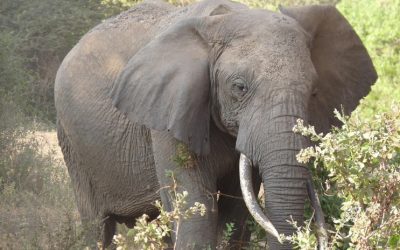
Iconic species that symbolize Tanzania’s wildlife include the majestic African elephant, the regal lion, and the elusive leopard, all of which are often seen in the Serengeti. The endangered black rhinoceros also represents the ongoing conservation challenges faced in the region. Additionally, the Serengeti’s annual migration of wildebeest and zebras is a globally celebrated phenomenon that underscores Tanzania’s critical role in global wildlife conservation.
Conservation Efforts and Protected Areas
Tanzania, located in East Africa, is renowned for its diverse flora and fauna, making it a prime destination for wildlife enthusiasts and conservationists alike. The country hosts a variety of ecosystems including savannas, forests, and wetlands, which support an abundance of plant and animal species. Unique flora such as baobab trees and acacia shrubs thrive in the arid regions, while lush tropical forests harbor countless bird species, orchids, and herbal plants. Fauna in Tanzania is equally diverse, featuring members of the Big Five—lion, elephant, buffalo, leopard, and rhinoceros—along with cheetahs, giraffes, zebras, wildebeests, and numerous primates and bird species.
Conservation efforts in Tanzania are crucial in protecting its rich biodiversity. The government, along with international organizations and local communities, has implemented various initiatives to combat poaching, habitat destruction, and illegal wildlife trade. Notably, anti-poaching patrols and the use of technology such as drones help monitor wildlife populations and prevent illegal activities. Conservation programs also focus on community involvement, promoting eco-friendly livelihoods and awareness campaigns to foster sustainable practices among local residents.
The country boasts numerous protected areas, including world-famous national parks and game reserves. Serengeti National Park is renowned for the annual migration of wildebeests and zebras, while the Ngorongoro Conservation Area provides a unique habitat featuring a massive volcanic crater teeming with wildlife. Other significant protected areas include Tarangire National Park, Lake Manyara, and Selous Game Reserve, each offering unique landscapes and species. These protected areas not only serve as vital habitats for wildlife but also contribute significantly to eco-tourism, supporting local economies and fostering ongoing conservation efforts.
Wildlife Migration and Ecosystems
Tanzania in Africa is renowned for its rich and diverse flora and fauna, making it a prominent destination for wildlife enthusiasts and nature lovers. The country boasts a wide range of ecosystems, including savannahs, forests, wetlands, and coastal areas, each supporting unique plant and animal species. Famous for its vast national parks such as Serengeti, Ngorongoro Crater, and Tarangire, Tanzania is home to iconic wildlife like lions, elephants, giraffes, and cheetahs. The flora includes acacia trees, baobabs, and lush grasses that sustain its abundant animal populations.
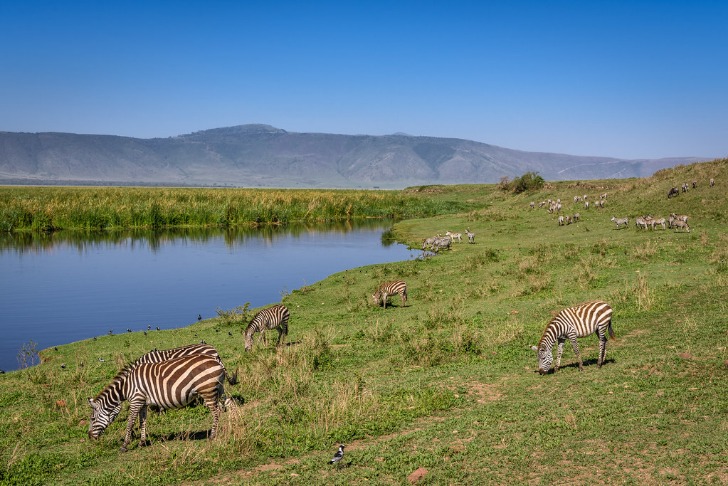
Wildlife migration is one of Tanzania’s most spectacular natural phenomena. The Great Migration involves millions of wildebeests, zebras, and gazelles moving annually between the Serengeti and Maasai Mara in Kenya, following seasonal rains and fresh grazing grounds. This awe-inspiring event attracts tourists from around the world, who witness the dramatic river crossings and predator-prey interactions. Migration patterns are vital for the ecological balance, ensuring the regeneration of grasses and the dispersal of seeds across vast terrains.
Tanzania’s ecosystems play a crucial role in maintaining biodiversity and supporting local communities through eco-tourism and conservation efforts. Protecting these natural habitats and migratory routes is essential for preserving the country’s ecological heritage and ensuring the survival of its diverse flora and fauna for future generations.
Challenges and Opportunities
Tanzania faces a range of challenges and opportunities in its language landscape, reflecting the country’s diverse cultural heritage and growing development. While Swahili and English serve as official languages, efforts to promote multilingual education and preserve indigenous languages present both barriers and potential for national unity and global engagement. Understanding these dynamics is essential for fostering inclusive growth and cultural preservation in Tanzania.
Developmental and Environmental Challenges
Tanzania faces a myriad of developmental and environmental challenges that impact its growth and sustainability. Rapid population growth and urbanization strain infrastructure, healthcare, and education systems, creating hurdles for equitable development. Environmental challenges such as deforestation, poaching, and climate change threaten biodiversity and natural resources vital to the economy. However, these challenges also present opportunities for innovation and sustainable practices. For instance, investing in renewable energy and eco-tourism can promote economic growth while preserving the environment. Additionally, strengthening education and governance structures can foster more inclusive development and resilience to environmental shocks.
Strategies for Sustainable Growth
Challenges and opportunities in Tanzania present a complex landscape for sustainable growth. The country faces issues such as infrastructure deficits, bureaucratic hurdles, and limited access to quality education, which can impede economic development. However, Tanzania also has significant opportunities, including abundant natural resources, a growing youthful population, and strategic geographic positioning in East Africa. Embracing renewable energy sources, investing in education, and improving governance can unlock these prospects. Strategies for sustainable growth should focus on diversifying the economy, fostering innovation, and promoting inclusive development to ensure long-term stability and prosperity for Tanzania.
International Partnerships and Aid
Tanzania faces a range of challenges and opportunities in its pursuit of economic growth and development. While the country benefits from rich natural resources, including minerals, agricultural products, and tourism attractions, it grapples with issues such as infrastructure shortcomings, poverty, and health concerns. These challenges present opportunities for investment in sectors like education, healthcare, and sustainable agriculture, which can foster long-term stability. International partnerships and aid play a crucial role in supporting Tanzania’s development goals by providing financial resources, technical expertise, and capacity-building initiatives. Strategic collaborations with global organizations and neighboring countries can enhance infrastructure projects, improve social services, and promote regional stability. By leveraging international support and fostering sustainable partnerships, Tanzania can accelerate its progress toward economic diversification and social well-being.

0 Comments