

Overview of Languages in Tanzania
Tanzania is a multilingual country with a rich linguistic heritage, reflecting its diverse cultural landscape. The nation officially recognizes Swahili and English, but numerous indigenous languages are spoken across different regions. These languages contribute to the unique identity and cultural expressions of Tanzania’s various communities. Understanding the linguistic diversity of Tanzania offers valuable insights into its history, social dynamics, and cultural fabric.
Official Languages
Tanzania is a country with a rich linguistic diversity, reflecting its complex cultural heritage. The nation is home to numerous indigenous languages spoken by various ethnic groups across its regions.
- English is one of the official languages of Tanzania and is widely used in government, education, and business sectors.
- Swahili (Kiswahili) is the national language and serves as the lingua franca for communication among Tanzanians from different ethnic backgrounds.
- There are over 120 indigenous languages spoken throughout Tanzania, including Sukuma, Chaga, Haya, and Nyamwezi, among others.
While Swahili and English are the primary official languages, the diversity of local languages emphasizes the country’s vibrant cultural landscape. Swahili, in particular, plays a crucial role in uniting the people and facilitating communication across different communities.
Swahili as National Language
Tanzania is a linguistically diverse country with numerous languages spoken across its regions. While it hosts a variety of ethnic languages, the nation has established a prominent national language to promote unity and communication.
- Swahili is the official national language of Tanzania and is widely spoken throughout the country.
- Swahili serves as a lingua franca, facilitating communication among different ethnic groups and regions.
- In addition to Swahili, there are over 120 local languages spoken, such as Sukuma, Chaga, and Haya, among others.
- English is also used, primarily in higher education, government, and business sectors.
- Efforts are ongoing to promote the use of Swahili in education and media to strengthen national identity.
English in Educational and Government Sectors
Tanzania is a multilingual country with a rich linguistic diversity, where over 120 languages are spoken throughout the regions. These languages belong to various language families, including Bantu, Nilotic, and Cushitic. The most widely spoken indigenous language is Swahili, which serves as the national language and is used in daily communication across the country. English also plays a significant role, especially in the educational and governmental sectors, acting as the official language for formal communication, higher education, and administrative purposes. The presence of English in these sectors reflects Tanzania’s colonial history and its continued importance in facilitating national and international relations.
Major Indigenous Languages
Tanzania is home to a rich diversity of indigenous languages, reflecting its vibrant cultural heritage. These languages are an integral part of the identity and traditions of various ethnic groups across the country. Among the major indigenous languages are Swahili, which serves as the national language and lingua franca, as well as several Bantu languages such as Sukuma, Chaga, and Haya. Preserving and promoting these languages is essential for maintaining Tanzania’s cultural diversity and heritage.
Chaga Language
The Chaga language, also known as Kichaga, is one of the major indigenous languages spoken in Tanzania. It is primarily spoken by the Chaga people who inhabit the Kilimanjaro Region and parts of neighboring areas. As a Bantu language, Chaga features complex tonal systems and a rich vocabulary that reflects the cultural heritage of its speakers. In Tanzania, it holds significant cultural importance and is used in everyday communication, traditional ceremonies, and local media. The prominence of the Chaga language highlights the diverse linguistic landscape of Tanzania, which is home to many indigenous languages that contribute to the country’s rich cultural mosaic.
Yao Language
The Yao language is one of the major indigenous languages spoken in Tanzania, primarily by the Yao people who inhabit the southern regions of the country. It plays a vital role in preserving the cultural identity and traditions of the Yao community. The language is part of the Bantu language family, which includes numerous languages spoken across East Africa.
- Yao language is widely used in daily communication, cultural ceremonies, and traditional storytelling.
- It has several dialects that vary across different Yao communities within Tanzania.
- In addition to Tanzania, Yao is also spoken in Mozambique and Malawi, reflecting the historic migration and settlement patterns of the Yao people.
- Efforts are being made to document and preserve the language amid concerns of declining usage among younger generations.
- The Yao language contributes significantly to the linguistic diversity of Tanzania, enriching its cultural landscape.
Datiga (Hadza Language)
Datiga, also known as Hadza, is one of the major indigenous languages spoken in Tanzania. This language is unique as it belongs to the Hadza people, an indigenous group primarily residing in the Lake Eyasi region of northern Tanzania. Hadza is considered a language isolate, meaning it has no known linguistic relatives, which makes it particularly significant for linguistic study and cultural preservation. The language is primarily oral, passed down through generations, and is an essential part of the Hadza community’s identity and cultural heritage. Efforts are being made to document and maintain the language amid increasing influences from more dominant languages such as Swahili and English in Tanzania.
Zanzibar Coastal Languages
Tanzania is a linguistically diverse country with a variety of indigenous languages spoken across its regions. Among these, several languages hold cultural and historical significance, especially in Zanzibar and the coastal areas.
- Swahili (Kiswahili): The national language widely spoken across Tanzania, serving as a lingua franca and used in education, media, and government.
- Maasai (Maa): Spoken by the Maasai people in northern Tanzania, this language is important for cultural identity.
- Chaga (Kangenu): A prominent language in the Kilimanjaro region, spoken by the Chaga people.
- Hadza: An ancient language spoken by the Hadza community in northern Tanzania, notable for its unique linguistic features.
Major Indigenous Languages in Zanzibar and Coastal Regions
- Kibajuni: Spoken by the Bajuni people along the coastal islands, it is part of the coastal Bantu language group.
- Zanzibar Coastal Languages: The coastal areas around Zanzibar feature a variety of Bantu languages, including Kiunguja, which is a dialect of Swahili and serves as the local dialect.
- Shirazi: The language of the Shirazi people in Zanzibar, blending Swahili with Persian influences.
Language Distribution and Demographics
Tanzania is a nation characterized by a rich tapestry of languages and diverse demographics. Its linguistic landscape reflects a blend of indigenous languages alongside official and widespread languages used across different regions. Understanding the distribution of languages in Tanzania provides valuable insights into the country’s cultural mosaic and social fabric. This overview explores the key languages spoken and the demographic factors that influence language use in Tanzania.
Regions Dominated by Specific Languages
Languages in Tanzania reflect a diverse linguistic landscape, shaped by its rich cultural history and ethnic composition. The country is home to over 120 languages, with Swahili and English being the most prominent. Swahili, also known as Kiswahili, functions as the national language and is widely spoken across the country, serving as a lingua franca for communication among different ethnic groups. English, inherited from colonial times, is used primarily in government, education, and formal settings. Besides Swahili and English, numerous indigenous languages such as Sukuma, Chagga, and Haya are spoken in various regions, each dominant within their respective communities. Geographically, Swahili is predominantly spoken along the coast and central regions, facilitating trade and communication, while English is more prevalent in urban centers and institutions. The linguistic distribution in Tanzania highlights the country’s cultural diversity and the importance of language in social and administrative interactions. Over time, the use of Swahili has expanded, uniting people from different backgrounds, whereas regional languages continue to thrive within localized contexts. Overall, Tanzania’s language demographics illustrate a blend of indigenous languages and colonial legacies, shaping its vibrant cultural identity.
Language Speakers by Population
Tanzania is a multilingual country with a rich tapestry of languages spoken across its regions. The demographic distribution of language speakers reflects the diverse ethnic groups and cultural heritage present in the nation. Swahili and English are the official languages, playing a significant role in education, government, and media. Swahili is widely spoken and understood by the majority of the population, serving as a lingua franca that unites various ethnic communities. English, introduced during colonial times, is predominantly used in formal settings such as education, business, and administration. Aside from the official languages, Tanzania recognizes over 120 indigenous languages, each spoken by different ethnic groups, with some languages spoken by only small communities. The distribution of language speakers by population highlights Swahili as the most widespread language, followed by English, which is primarily used by educated urban populations. Many indigenous languages are endangered due to their limited use outside specific regions or ethnic groups. Overall, Tanzania’s language demographics illustrate a blend of national languages that facilitate communication across diverse communities, alongside a spectrum of local languages that contribute to the country’s cultural diversity.
Language and Education
Language plays a crucial role in shaping education systems and fostering communication within a country. In Tanzania, language is a vital aspect of cultural identity and national development. The country’s diverse linguistic landscape influences educational practices, policies, and the way knowledge is transmitted across different communities. Understanding the relationship between language and education in Tanzania offers valuable insights into the nation’s efforts to promote inclusive and effective learning environments.
Medium of Instruction in Schools
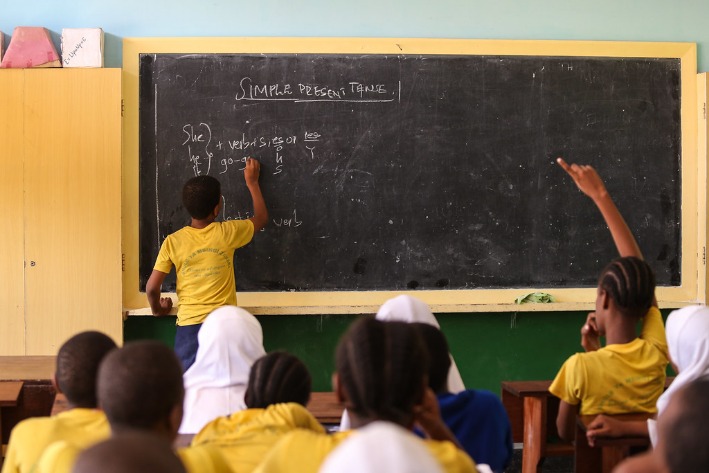
In Tanzania, language and education are closely intertwined, with the medium of instruction playing a crucial role in shaping educational outcomes and cultural identity. Kiswahili (Swahili) is the national language and serves as the primary medium of instruction in most primary schools, promoting unity and ease of communication among students from diverse ethnic backgrounds. English, on the other hand, is introduced in the later stages of education, especially in secondary and higher education, as it is considered an important language for global communication, business, and scientific advancement. The use of Kiswahili in early education helps to enhance comprehension and learning, while the gradual transition to English aims to prepare students for international opportunities. Balancing these linguistic elements is vital for fostering both national identity and global competitiveness in Tanzania’s educational system.
Language Preservation in Curriculum
Language and education play a crucial role in preserving Tanzania’s rich linguistic diversity. Incorporating indigenous languages into the curriculum helps to maintain cultural identity and promotes linguistic heritage among younger generations. By prioritizing local languages alongside Swahili and English, educational institutions can foster a sense of pride and belonging while ensuring that languages do not become endangered or extinct.
Language and Culture
Language and culture are deeply interconnected, shaping the identity and traditions of a community. In Tanzania, language plays a vital role in preserving cultural heritage and fostering communication among diverse ethnic groups. The rich linguistic landscape of Tanzania reflects its vibrant history and social dynamics, making it a fascinating subject to explore within the context of language and culture.
Traditional Practices and Language Use
Tanzania is a country rich in cultural diversity and linguistic heritage, with over 120 ethnic groups each contributing their own language and traditions. The official language of Tanzania is Swahili, which serves as a unifying means of communication across different communities and plays a vital role in education, government, and media. English is also widely used, especially in higher education, business, and international affairs, reflecting Tanzania’s historical ties to the British colonial era.
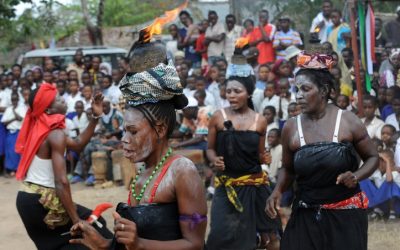
Traditional practices in Tanzania are deeply intertwined with the country’s various ethnic groups, with rituals, dances, and ceremonies often centered around agricultural cycles, rites of passage, and community celebrations. These practices are frequently conducted in native languages, thereby preserving the unique cultural identities of each group. Language use in Tanzania extends beyond mere communication; it functions as a vessel for transmitting cultural values, oral histories, and traditional knowledge from generation to generation.
In rural areas, indigenous languages remain dominant in daily life and local traditions, while urban centers tend to be more multilingual, blending Swahili, English, and other native languages. The continued use and preservation of these traditional languages are essential for maintaining Tanzania’s cultural diversity and identity. Efforts to promote linguistic diversity include language documentation and educational programs that support the continued vitality of native languages alongside national and international languages.
Language in Arts, Music, and Folklore
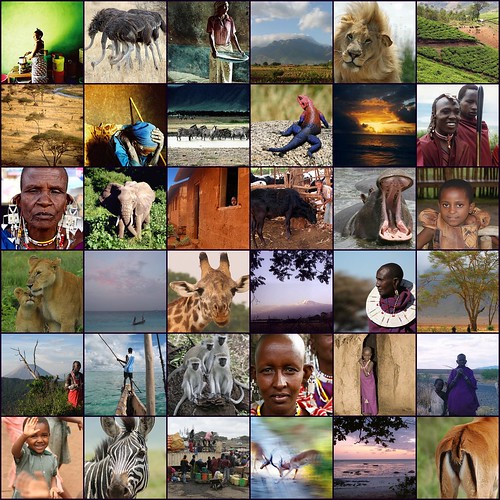
Language and culture are deeply intertwined, serving as vital expressions of a nation’s identity. In Tanzania, language plays a crucial role in preserving and promoting its diverse cultural heritage, reflecting the rich tapestry of ethnic groups and traditions. This linguistic diversity influences various aspects of arts, music, and folklore, fostering a unique cultural landscape.
- Language in Arts: In Tanzania, native languages such as Swahili and numerous indigenous dialects are used in storytelling, poetry, and theatrical performances. Art forms often incorporate local languages to preserve cultural narratives and pass down traditions through generations.
- Language in Music: Music in Tanzania heavily features Swahili lyrics, alongside traditional languages specific to different tribes. Songs serve as a medium for expressing social issues, celebrations, and historical events, with rhythm and language enriching the cultural expression.
- Language in Folklore: Folklore stories, proverbs, and oral histories are primarily transmitted in local languages, helping maintain the collective memory of communities. These stories often carry moral lessons and cultural values, emphasizing the importance of language in shaping societal identity.
Language Challenges and Preservation
Language challenges and preservation efforts play a vital role in maintaining the rich cultural heritage of Tanzania. With numerous indigenous languages alongside Swahili and English, the country faces pressures from modernization and globalization that threaten linguistic diversity. Preserving these languages is essential for safeguarding unique traditions, histories, and identities that are embedded within Tanzania’s diverse communities.
Endangered Languages and Threats
In Tanzania, the rich tapestry of languages spoken reflects the country’s diverse cultural heritage. However, many of these languages face significant challenges that threaten their survival. Endangered languages in Tanzania are at risk due to factors such as globalization, urbanization, and the dominance of Swahili and English, which are used in education, media, and government. As younger generations increasingly adopt these dominant languages, indigenous and local languages struggle to maintain their use and transmission. Preservation efforts are crucial to safeguarding Tanzania’s linguistic diversity, including documentation, community initiatives, and the inclusion of minority languages in educational settings. Without active measures, many of Tanzania’s unique linguistic identities may be lost, erasing vital parts of its cultural history and heritage.
Efforts to Promote and Preserve Languages
Language challenges in Tanzania primarily stem from the coexistence of numerous indigenous languages alongside Swahili, the national language. Many local languages face decline as younger generations increasingly adopt dominant languages, risking the loss of linguistic diversity. Efforts to promote and preserve these languages include government initiatives, educational programs, and community-led activities aimed at revitalizing local dialects. Organizations and cultural groups also work to document and teach endangered languages, encouraging their use in daily life, cultural events, and media. By fostering awareness and providing resources for language education, Tanzania strives to maintain its rich linguistic heritage for future generations.

0 Comments