

Historical Significance of Egyptian Pyramids
The Egyptian pyramids stand as timeless symbols of ancient engineering, culture, and spiritual beliefs. These monumental structures not only served as elaborate tombs for pharaohs but also reflected the sophistication of early Egyptian civilization. Their architectural grandeur highlights the importance of religion, immortality, and societal organization in ancient Egypt, making them one of the most significant cultural achievements in human history.
Origins and Development
The Egyptian pyramids are among the most iconic and enduring symbols of ancient Egypt, reflecting their advanced engineering, religious beliefs, and social organization. These monumental structures served as tombs for pharaohs, embodying the Egyptian’s spiritual vision of the afterlife and their desire for eternal remembrance. The construction of the pyramids demonstrated the sophisticated architectural and logistical skills of the ancient Egyptians, as well as their centralized authority and societal unity.
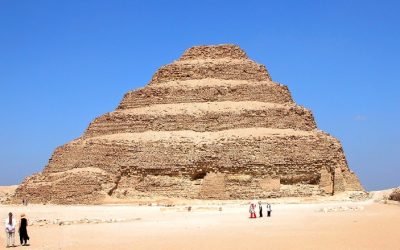
The origins of the pyramids trace back to the Early Dynastic period, with initial tomb structures like mastabas evolving into more complex pyramid designs. The transition culminated in the development of the step pyramid, exemplified by the Djoser pyramid at Saqqara, built during the Third Dynasty around 2630 BCE. This innovation laid the groundwork for the True Pyramid, showcasing smooth-sided, refined structures such as the Great Pyramid of Giza during the Fourth Dynasty under Pharaoh Khufu. Over time, pyramid construction techniques improved, and styles evolved, reflecting changing religious beliefs and technological advancements.
The development of the pyramids was driven by religious ideology, emphasizing the pharaoh’s divine status and journey to the afterlife. The pyramids’ precise alignment and grandeur were designed to facilitate this spiritual transition and ensure the pharaoh’s eternal life among the gods. As symbols of power, stability, and religious devotion, the pyramids played a crucial role in shaping Egyptian culture and identity, leaving a lasting legacy that continues to fascinate and influence the world today.
Role in Ancient Egyptian Religion and Society
The Egyptian pyramids are among the most iconic and enduring symbols of ancient Egypt, reflecting both their architectural genius and cultural values. These monumental structures served not only as tombs for pharaohs but also as vital components of their religious beliefs and societal organization.
- They were built to ensure the safe passage of the Pharaohs’ souls into the afterlife, demonstrating their importance in Egyptian religion and spiritual practice.
- The pyramids functioned as a demonstration of the pharaoh’s divine authority and connection to the gods, reinforcing the ruler’s legitimacy and power.
- Construction of the pyramids involved a highly organized society, showcasing advanced engineering skills and a complex social hierarchy to mobilize labor and resources.
- Additionally, the pyramids symbolized the idea of rebirth and the eternal nature of the Egyptian state, serving as a reminder of life’s cyclical nature and the importance of religious rites.
- Their alignment with celestial bodies, such as the stars and solstices, highlights their role in religious astronomy and ceremonies dedicated to the gods.
Construction Techniques and Architectural Features
The construction techniques and architectural features of the Egyptian pyramids showcase the remarkable ingenuity and engineering skills of ancient Egypt. These monumental structures were built using advanced methods of quarrying, transport, and precision assembly, reflecting a sophisticated understanding of both architecture and labor management. The pyramids’ distinctive shapes, intricate internal chambers, and symbolic designs highlight their significance as royal tombs and cultural symbols, leaving a lasting legacy of ancient Egyptian achievement.
Materials Used in Pyramid Construction
The construction techniques and architectural features of Egypt’s pyramids showcase an extraordinary level of ancient engineering and craftsmanship. These monumental structures were built using a combination of sophisticated methods and carefully selected materials, illustrating the civilization’s advanced knowledge and organizational skills.
Key construction techniques involved precise alignment with celestial bodies, large-scale quarrying of limestone, granite, and basalt, as well as ingenious methods for moving and positioning massive stones. Workers used ramps, levers, and sledges to transport the blocks, and skilled architects designed the pyramids with internal chambers and passageways to serve religious and funerary purposes.
Architectural features of the pyramids include their stepped or smooth-sided exteriors, complex internal layouts, and symbolic elements such as the pyramidion and corner shafts. These features were not only functional but also had spiritual significance, representing rays of the sun or the ascension to the divine realm.
- Large limestone blocks formed the main body of most pyramids, with higher-quality limestone used for outer casing and interior chambers.
- Granite was used for structural elements such as king’s chambers, due to its durability.
- Basalt was often employed for flooring and some interior surfaces, owing to its strength.
- Inner chambers, including the burial chamber and passageways, were precisely cut and fitted to ensure stability and precision.
- The outer casing was originally polished to create a smooth surface that reflected sunlight, making the pyramid shine brightly.
Advancements in Engineering and Design
The construction of the Egyptian pyramids showcases some of the most remarkable engineering techniques and architectural features of the ancient world. Ingenious methods were employed to quarry, transport, and precisely assemble massive limestone and granite blocks, demonstrating advanced planning and organization skills. The use of straight and corbelled corridors, as well as the alignment with celestial bodies, underscores their sophisticated understanding of astronomy and geometry. Architecturally, the pyramids feature a stepped core covered with smooth outer casing stones, creating a seamless surface that exemplifies precision craftsmanship. Advancements in engineering, such as the development of large ramps and lever systems, allowed workers to move enormous stones efficiently. These innovations reflect a remarkable progression in design and engineering, setting foundational principles that influenced subsequent architectural endeavors throughout history.
Major Architectural Elements (e.g., Entrances, Passages, Burial Chambers)
The construction techniques and architectural features of the Egyptian pyramids reflect advanced engineering skills and cultural significance. These structures were built using massive limestone and granite blocks, carefully quarried and transported to the construction site. Techniques such as winding ramps, straight ramps, and lever systems were employed to position the heavy stones with precision. The pyramids’ design evolved from stepped structures to the smooth-sided true pyramids, exemplifying architectural innovation over time.
Major architectural elements of the Egyptian pyramids include imposing entrances that often led to elaborate passageways and corridors. These passages connected to burial chambers, which housed the tombs of pharaohs and important figures. Burial chambers were typically located beneath or within the core of the pyramid, constructed as rectangular rooms reinforced with colossal stones. The pyramids also featured galleries, descending passages, and serdabs—small chambers for offerings or rituals.
Besides the burial chambers, pyramids often contained ascending and descending corridors, false passages designed to deter tomb robbers, and air shafts to facilitate spiritual ascent. Engraved hieroglyphic inscriptions and painted reliefs inside the passageways and chambers conveyed religious texts, emphasizing the spiritual journey of the soul. These symmetrically aligned elements and precise geometric ratios underscore the importance of harmony and order in Egyptian architecture, making the pyramids enduring symbols of ancient Egypt’s monumental engineering and religious beliefs.
Major Pyramids and Their Locations
The Egyptian pyramids are some of the most iconic and awe-inspiring structures in ancient history. These towering monuments served as tombs for pharaohs and reflect the grandeur of Egypt’s past civilization. Discovering their locations offers a fascinating glimpse into the rich cultural and architectural achievements of ancient Egypt.
Giza Pyramid Complex
The Major Pyramids and Their Locations are a testament to the grandeur of ancient Egypt and its architectural prowess. Among these, the Pyramids of Giza stand out as the most famous and are situated on the Giza Plateau near Cairo. The Giza Pyramid Complex includes three primary pyramids: the Great Pyramid of Khufu, the Pyramid of Khafre, and the Pyramid of Menkaure. The Great Pyramid of Khufu, also known as the Pyramid of Cheops, is the largest and was originally 146.6 meters tall. The Pyramid of Khafre is slightly smaller but appears taller due to its higher elevation and the remaining face of its original smooth casing stones. The Pyramid of Menkaure is the smallest of the three, showcasing the evolution of pyramid construction over time. These pyramids are complemented by several smaller subsidiary pyramids, temples, and the iconic Sphinx. Located in the western desert of Egypt, near the city of Giza, these structures are a UNESCO World Heritage site and continue to attract millions of visitors from around the world, reflecting the ancient Egyptians’ remarkable achievements in engineering and symbolism in their funerary practices.
Sakkara Step Pyramid
The major pyramids of Egypt are some of the most remarkable and iconic monuments in the world, showcasing the ancient Egyptians’ engineering prowess and religious beliefs. Among these, the Sakkara Step Pyramid holds a significant place as it represents one of the earliest large-scale stone structures. Located in the Saqqara necropolis, near Cairo, the Sakkara Step Pyramid was built during the 3rd Dynasty for Pharaoh Djoser. It features a distinctive step-like design, consisting of six mastaba-like levels stacked upon each other, marking a revolutionary development in pyramid construction. This pyramid served as the foundation for later, more refined pyramids such as the Great Pyramid of Giza. The site also includes tombs of other important officials and exemplifies the evolution of Egyptian funerary architecture, making it a vital part of Egypt’s archaeological heritage.
Meidum Pyramid
The Meidum Pyramid is one of the notable pyramids in Egypt, located near the village of Meidum, south of Cairo. It is believed to be the earliest large pyramid constructed during the 3rd Dynasty of the Old Kingdom. Originally built as a step pyramid, it was later partially covered with limestone casing to resemble a true pyramid, though much of the outer surface has since deteriorated. The Meidum Pyramid is renowned for its unique structure and historical significance, representing an important phase in the development of pyramid construction in ancient Egypt.
Historical Discoveries and Archaeological Excavations
The Egyptian pyramids are among the most remarkable and enduring symbols of ancient civilization, representing extraordinary architectural achievements and spiritual beliefs. Through numerous historical discoveries and archaeological excavations, researchers have uncovered invaluable insights into the construction, purpose, and society that built these awe-inspiring structures. These excavations continue to shed light on Egypt’s rich history and deepen our understanding of its ancient ancestors.
Notable Explorations and Findings
The Egyptian pyramids stand as some of the most remarkable achievements of ancient engineering and provide invaluable insights into the civilization of ancient Egypt. These monumental structures, particularly the Great Pyramid of Giza, have fascinated scholars and explorers for centuries, prompting extensive archaeological excavations and research. Historically, the discovery of these pyramids dates back to ancient times when travelers and historians documented their existence, sparking interest in uncovering their construction techniques and purpose.
Numerous archaeological excavations have been conducted around the pyramids, revealing intricate tomb chambers, artifacts, and hieroglyphic inscriptions that offer clues about the social, religious, and political life of the time. Notable discoveries include the uncovering of the Pharaoh Khufu’s bed and the extensive burial complexes associated with the pyramid of Khafre and Menkaure. These findings have deepened our understanding of ancient Egyptian beliefs in the afterlife and their advancements in architecture and engineering.
Explorations in the 19th and 20th centuries, such as those led by explorers like Flinders Petrie and Gustave Jéquier, uncovered previously hidden passages, statues, and treasure rooms, enriching the knowledge of Egypt’s royal necropolises. Modern technology, including ground-penetrating radar and drone surveys, continues to reveal new insights about these ancient wonders. The ongoing excavations and research into the pyramids not only shed light on the technical prowess of ancient Egyptian builders but also continue to amaze the world with their enduring grandeur and historical significance.
Insights Gained from Recent Excavations
Recent archaeological excavations around the Egyptian pyramids have yielded remarkable insights into ancient Egyptian civilization, uncovering new details about construction techniques, religious practices, and daily life. Excavations near the Giza Plateau, for instance, have revealed additional layers of the pyramid-building process, including the tools and labor organization involved in these monumental projects. Discoveries of nearby tombs and artifacts have provided a deeper understanding of the socio-economic context in which these structures were built, indicating that the pyramids were not only tombs but also symbols of divine authority and political stability.
Furthermore, recent findings include well-preserved artifacts such as jewelry, pottery, and inscriptions that shed light on the lives of workers and artisans who contributed to the pyramids’ construction. New techniques, such as ground-penetrating radar and 3D imaging, have allowed archaeologists to explore hidden chambers and structural features without damaging the sites, leading to the potential discovery of secret passages or chambers that may contain valuable historical information.
The insights gained from these excavations have helped refine chronological timelines, clarifying the evolution of pyramid design from the early step pyramids to the more sophisticated true pyramids. These discoveries continue to enhance our understanding of ancient Egypt’s technological advancements, religious beliefs, and socio-political organization, emphasizing the enduring significance of the pyramids as cultural and historical symbols.
Preservation and Modern Tourism
The Egypt pyramids stand as timeless symbols of ancient ingenuity and cultural heritage, attracting millions of tourists from around the world. Balancing preservation efforts with modern tourism has become essential to protect these iconic structures while allowing visitors to experience their grandeur. This delicate interplay ensures that future generations can continue to marvel at the wonders of Egypt’s remarkable history.
Conservation Challenges
The pyramids of Egypt stand as a testament to ancient ingenuity and cultural heritage, attracting millions of tourists annually. Balancing preservation efforts with modern tourism has become a significant challenge, as increased foot traffic and infrastructure development threaten these historic monuments. Conservation strategies focus on controlling visitor numbers, managing pollution, and employing advanced restoration techniques to ensure the pyramids’ structural integrity and aesthetic appeal are maintained for future generations. Additionally, there is an ongoing debate about modernization versus preservation, emphasizing the importance of sustainable tourism practices that protect Egypt’s priceless archaeological treasures while supporting local economies. Ultimately, careful planning and international cooperation are essential to preserve the pyramids’ majesty amidst the growing allure of modern tourism.
Impact of Tourism on the Pyramids
The preservation of Egypt’s pyramids is crucial to maintaining the country’s rich historical and cultural heritage, especially as modern tourism continues to attract millions of visitors worldwide. While tourism brings economic benefits and global recognition, it also poses significant challenges to the conservation of these ancient structures. Increased foot traffic, pollution, and the potential for physical wear and tear threaten the integrity of the pyramids, making it essential to implement sustainable tourism practices. Efforts such as controlled access, advanced conservation techniques, and educational programs can help balance tourism’s benefits with the need to protect these iconic monuments for future generations.
Efforts to Protect and Restore the Structures
The preservation and restoration of Egypt’s pyramids are vital efforts to maintain these ancient wonders for future generations and to support sustainable tourism. Restoration projects often involve careful cleaning, structural reinforcement, and the use of modern technology to prevent deterioration caused by natural elements and human activities. Preservation initiatives also include strict regulations to minimize damage from tourism, such as controlled access and visitor guidelines. These efforts aim to strike a balance between allowing public admiration and ensuring the longevity of the pyramids, securing their role as invaluable cultural and historical symbols of Egypt’s rich heritage.



0 Comments