
Geography of Tanzania
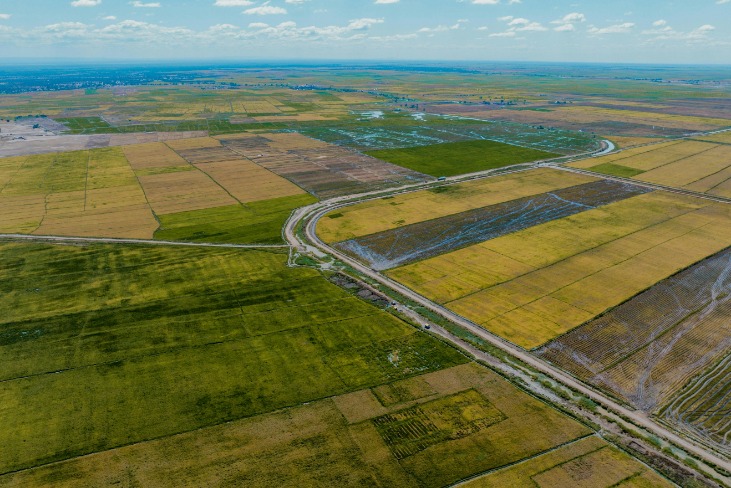
Tanzania, located in East Africa, is a country known for its diverse and stunning geography. It features vast plains, expansive savannas, and dramatic mountains, including the iconic Mount Kilimanjaro. The country is bordered by the Indian Ocean to the east, providing a lengthy coastline and rich coastal ecosystems. Tanzania’s landscape also includes numerous lakes, such as Lake Victoria and Lake Tanganyika, making it a region of significant natural beauty and ecological importance.
Location and Borders
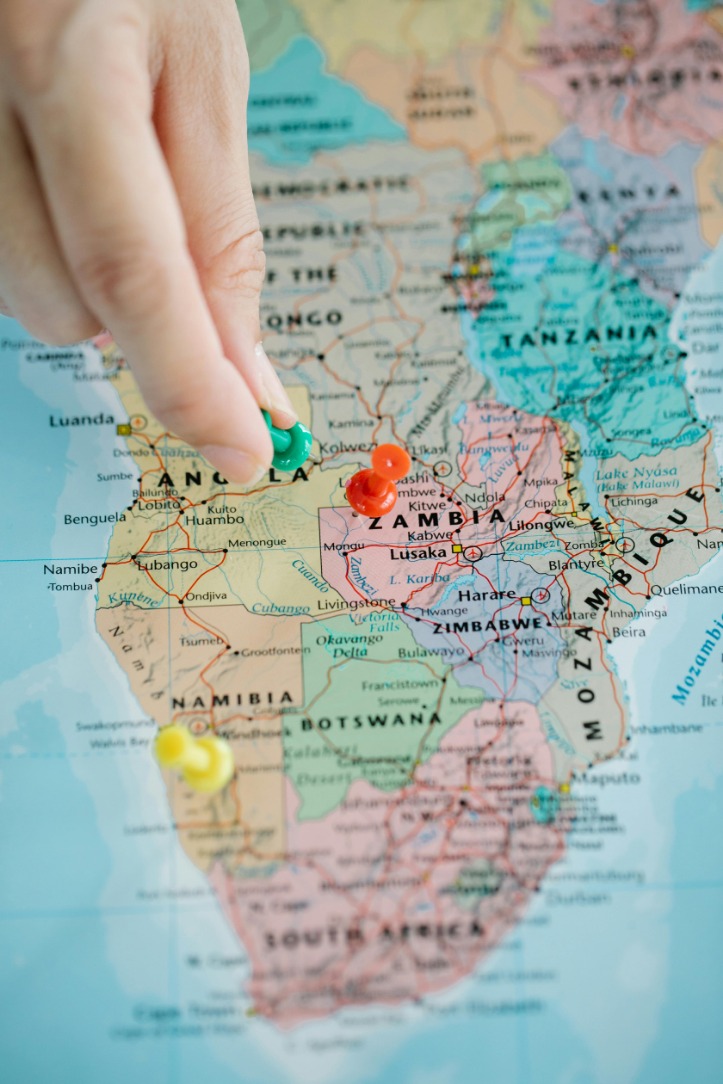
Tanzania is a country located in East Africa, known for its diverse geography and vibrant landscapes. It shares borders with several countries, including Kenya and Uganda to the north, Rwanda, Burundi, and the Democratic Republic of the Congo to the west, and Zambia, Malawi, and Mozambique to the south. To the east, Tanzania has a coastline along the Indian Ocean. The country is characterized by vast savannahs, mountain ranges such as the Kilimanjaro, the Serengeti plains, and large lakes including Lake Victoria, Lake Tanganyika, and Lake Nyasa. Its strategic location and varied terrain make Tanzania an important part of the East African region.
Major Landforms and Topography
Tanzania is a country located in East Africa known for its diverse geography and scenic landscapes. Its major landforms include the Great Rift Valley, which extends from the north to the south of the country, creating a series of basins and highlands. The country is also home to several mountain ranges, most notably the Eastern Arc Mountains and the Ngorongoro Highlands. Mount Kilimanjaro, Africa’s highest peak, is located in northeastern Tanzania and stands as a prominent feature of its topography. Tanzania’s landscape is characterized by expansive savannas, dry plains, lush forests, and numerous lakes, including Lake Victoria, Lake Tanganyika, and Lake Victoria. The topography varies from flat coastal plains to rugged highlands and volcanic massifs, contributing to a rich and diverse environment that supports a wide range of ecosystems and wildlife.
Climate and Weather Patterns
Tanzania is a country located in East Africa, known for its diverse geography that includes coastal plains, highlands, and large lakes. The country is home to the Serengeti National Park and Mount Kilimanjaro, the tallest peak in Africa. The geography features a mix of savannah, mountain ranges, and coastal areas along the Indian Ocean.
The climate in Tanzania varies significantly depending on the region. The coastal areas experience a tropical climate with warm temperatures and high humidity year-round. In contrast, the inland and highland areas tend to have moderate temperatures with cooler conditions at higher elevations. The climate influences the country’s agriculture, wildlife, and tourism activities.
Weather patterns in Tanzania are largely dictated by the two main rainy seasons: the long rains from March to May and the short rains from October to December. These seasons bring substantial rainfall to the region, supporting lush vegetation and abundant wildlife. The dry season, from June to October, is characterized by cooler and more arid conditions, making it ideal for safaris and outdoor activities. Overall, Tanzania’s climate and weather patterns contribute to its rich biodiversity and scenic landscapes.
History of Tanzania
Tanzania, located in East Africa, has a rich and diverse history that reflects its complex cultural heritage and colonial past. Originally inhabited by various indigenous tribes, it later became a hub for trade and interaction among different civilizations. The region was significantly influenced by Arab traders and European explorers, leading to periods of colonization. Tanzania gained independence in 1961, transforming into a united nation known for its vibrant culture and natural beauty.
Pre-Colonial Era
Tanzania is a country with a rich history that dates back to the Pre-Colonial Era, a period characterized by vibrant kingdoms and diverse cultures. Before European contact, the region was inhabited by various Bantu-speaking peoples who practiced farming, trade, and ironworking. Prominent kingdoms such as the Kingdom of Great Zimbabwe, the Karagwe Kingdom, and the Nyamwezi and Sukuma societies played significant roles in shaping the social and political landscape of the area. Coastal regions, especially around present-day Zanzibar, became important centers for trade, connecting Africa with the Arab world, India, and beyond. These interactions facilitated the spread of Islam and fostered prosperous trade routes which contributed to the development of complex societies. The Pre-Colonial Era set the foundation for Tanzania’s diverse cultural heritage and its later interactions with colonial powers, influencing the country’s path toward independence and modern nationhood.
Colonial Period and Independence
Tanzania is a country in East Africa with a rich and complex history that has shaped its identity today. Its history is marked by ancient civilizations, colonial rule, and the struggle for independence, which have all contributed to its cultural diversity and political landscape.
During the colonial period, Tanzania was initially part of German East Africa from 1885 until World War I. After the war, it was mandated to Britain and became known as Tanganyika. The colonial rulers introduced various administrative, infrastructural, and economic changes, but also faced resistance from local populations seeking autonomy and independence.
The movement for independence gained momentum in the mid-20th century, influenced by global decolonization trends. Tanganyika achieved independence from Britain on December 9, 1961, with Julius Nyerere emerging as a prominent leader. The post-independence period saw efforts to unify the country, promote socialism, and improve education and economic development, shaping Tanzania into the nation it is today.
Post-Independence Development
Tanzania is a country in East Africa with a rich and complex history that has shaped its development post-independence. After gaining independence from British colonial rule in 1961, Tanzania faced numerous challenges including economic development, social integration, and nation-building. The leadership of Julius Nyerere, the country’s first president, played a pivotal role in promoting socialism and self-reliance through policies like Ujamaa, which aimed to collectivize agriculture and foster unity among diverse ethnic groups. These efforts laid the foundation for a unified national identity and initiated large-scale rural development programs.
In the decades following independence, Tanzania focused on economic self-sufficiency, education, and health improvements. The government implemented land reforms, expanded access to education, and invested in infrastructure to support growth. Despite facing economic obstacles and political changes, Tanzania maintained a stability that allowed it to progress steadily. The country increasingly diversified its economy, emphasizing agriculture, tourism, and natural resources, especially after the discovery of oil and gas reserves. In recent years, Tanzania has worked towards enhancing governance, improving infrastructure, and attracting foreign investment to foster sustainable development and improve living standards for its population.
Political Structure
Tanzania, a diverse and vibrant nation located in East Africa, has a well-defined political structure that supports its governance and development. Its political system combines democratic principles with traditional leadership, ensuring representation and stability across its regions. Understanding Tanzania’s political framework provides insight into how the country functions and maintains its sovereignty within the international community.
Government System
Tanzania has a political structure characterized by a unitary presidential system of government. The country operates under a multiparty political system, allowing various political parties to participate in elections and governance. The President of Tanzania serves as both the head of state and the head of government, elected through direct popular vote for a five-year term. The parliament is a bicameral body, consisting of the National Assembly and the Zanzibar House of Representatives, representing the mainland and Zanzibar respectively. The government is responsible for implementing laws, policies, and administration across the nation, while local government authorities manage regional and district levels. Overall, Tanzania’s political system promotes democratic governance and public participation within a centralized framework.
Administrative Divisions
Tanzania is a country located in East Africa, known for its diverse political structure and administrative divisions. The political system of Tanzania is a republic with a multi-party democracy, where the President serves as both the head of state and government. The legislative authority is vested in the National Assembly, which is responsible for enacting laws and overseeing government functions. The judiciary is independent, ensuring the rule of law is upheld across the nation.
Administratively, Tanzania is divided into several levels of divisions. The country is first divided into regions, totaling 31, each governed by a regional commissioner appointed by the central government. These regions are further subdivided into districts, which serve as administrative units responsible for local governance and development activities. Districts are divided into smaller units like wards and villages, facilitating local administration and community participation. This hierarchical structure helps in managing the country’s vast geographical area and diverse population effectively.
Key Political Figures
Tanzania is a country in East Africa with a complex political structure led by a President as the head of state and government. The nation operates as a multiparty republic, ensuring representation through various political organizations. The government is structured with executive, legislative, and judicial branches, working together to administer the country’s affairs.
- President John Magufuli (as of 2023, the latest known leader)
- Vice President Samia Suluhu Hassan
- Prime Minister Kassim Majaliwa
- National Assembly (Bunge) – the legislative body
The President holds significant power, including appointing ministers and guiding national policies. The political landscape is characterized by active participation of political parties, with the ruling party being Chama Cha Mapinduzi (CCM). Key political figures and institutions play vital roles in shaping Tanzania’s governance and development.
Economy of Tanzania
Tanzania is a nation located in East Africa, known for its diverse landscapes and rich cultural heritage. Its economy is primarily driven by agriculture, which employs the majority of the population, along with sectors like tourism, mining, and manufacturing. Over the years, Tanzania has experienced steady economic growth, aiming to enhance infrastructure and diversify its economy for sustainable development.
Agriculture and Farming
Tanzania is a country located in East Africa, known for its diverse landscapes and rich natural resources. The economy of Tanzania heavily relies on agriculture, which employs a significant portion of the population and accounts for a substantial part of the country’s GDP. Agriculture in Tanzania is predominantly based on subsistence farming, with crops such as maize, rice, coffee, tea, cotton, and tobacco being major staples. Farming practices are often traditional, and the sector faces challenges like limited access to modern technology, fluctuating weather patterns, and inadequate infrastructure. Despite these hurdles, agriculture remains a vital driver of economic growth, employment, and food security in Tanzania. The government is working to improve productivity through initiatives aimed at modernizing farming techniques and expanding access to markets for farmers. Overall, the agricultural sector continues to be a cornerstone of Tanzania’s economy, supporting both rural livelihoods and national development efforts.
Mining and Natural Resources
Tanzania is a country located in East Africa, known for its rich natural resources and diverse economy. The economy of Tanzania primarily relies on agriculture, which employs the majority of the population, along with tourism and services sectors. In recent years, the country has experienced steady economic growth driven by investments in infrastructure, mining, and natural resource exploitation.
The mining sector in Tanzania is a significant contributor to the national economy, providing essential revenue and foreign exchange earnings. The country is rich in minerals such as gold, tanzanite, diamonds, and other precious stones, which are exported globally. The government has been working to enhance the regulation and development of mining activities to maximize benefits for the country and ensure sustainable growth.
Tanzania’s natural resources extend beyond minerals to include large reserves of natural gas and oil, which have the potential to transform the country’s energy landscape and boost economic development. Sustainable management of these resources is crucial for long-term prosperity, balancing economic benefits with environmental and social considerations.
Tourism Industry
Tanzania is a country located in East Africa, renowned for its diverse economy and vibrant tourism industry. The nation has made significant progress in developing its economic sectors, leveraging its natural resources and cultural heritage to attract visitors and investors alike.
The economy of Tanzania is primarily driven by agriculture, which employs the majority of its population. In addition to agriculture, mining, manufacturing, and services sectors contribute to the country’s economic stability and growth.
The tourism industry in Tanzania is a vital part of its economy, renowned for its breathtaking landscapes and abundant wildlife. Visitors flock to Tanzania to experience its famous national parks, Mount Kilimanjaro, and the Serengeti ecosystem.
- National parks like Serengeti and Ngorongoro are home to the Big Five animals and attract millions of wildlife enthusiasts each year.
- Tourism revenue helps fund conservation efforts and community development projects across the country.
- Growing infrastructure, including game reserves and lodges, supports sustainable tourism growth.
- Tourism is also a crucial source of employment for local communities and small businesses.
Overall, Tanzania’s economy and tourism industry are closely intertwined, contributing significantly to the country’s development and global recognition as a prime travel destination.
Economic Challenges and Opportunities
Tanzania is a country located in East Africa with a diverse economy that relies on agriculture, mining, tourism, and manufacturing sectors. The nation has experienced steady economic growth over the past decade, driven by investments in infrastructure and natural resources. However, Tanzania faces several economic challenges that hamper its full potential. These include high poverty levels, limited access to quality healthcare and education, and dependence on agriculture, which is vulnerable to climate change and global market fluctuations.
Despite these challenges, Tanzania also presents significant opportunities for economic development. The country is rich in natural resources such as minerals, gemstones, and natural gas, which can be harnessed for economic growth. Additionally, tourism centered around iconic sites like Mount Kilimanjaro and Serengeti National Park offers substantial revenue. The government’s focus on economic reforms, regional integration, and infrastructure development aims to create a more conducive environment for investment and sustainable economic expansion.
Culture and Society
Tanzania is a vibrant country rich in diverse cultures and traditions that shape its society. Its unique blend of ethnic groups, languages, and customs reflects a deep historical heritage. Understanding the culture and society of Tanzania offers insight into the country’s identity and how its people live, celebrate, and connect with each other.
Languages and Ethnic Groups
Tanzania is a country known for its rich and diverse culture, which is a blend of numerous ethnic groups, traditions, and customs. The nation boasts over 120 ethnic groups, each with its unique language, history, and cultural practices. Swahili and English are the official languages, serving as a means of communication across different communities and fostering national unity. The various languages spoken in Tanzania reflect the country’s deep-rooted diversity and are an essential part of the identity for many ethnic groups. This cultural mosaic is evident in Tanzanian music, dance, art, and festivals, which celebrate the country’s history and social fabric, making Tanzania a fascinating example of cultural and societal richness in Africa.
Traditional Arts and Crafts
Tanzania is a country rich in diverse culture and society, which is reflected through its traditional arts and crafts. These artistic expressions are an integral part of Tanzanian identity, showcasing the history, beliefs, and daily life of its people.
Traditional arts and crafts in Tanzania include vibrant beadwork, intricate basket weaving, colorful fabric creation such as kanga and kikoy, and carved wooden sculptures. These crafts are often made using locally sourced materials and techniques passed down through generations, preserving the cultural heritage of various ethnic groups.
Artisans in Tanzania produce crafts that serve both functional and ceremonial purposes, often used in rituals, celebrations, and daily life. Markets across the country display a wide array of these handmade items, attracting both locals and tourists eager to experience Tanzania’s rich cultural artistry.
These traditional arts and crafts not only provide economic opportunities for local communities but also act as a means of cultural expression and identity preservation. They exemplify Tanzania’s vibrant cultural diversity, deeply rooted in its societal fabric.
Music, Dance, and Festivals
Tanzania is renowned for its rich and diverse culture, which reflects a blend of indigenous traditions and influences from various external contacts over centuries. The nation is home to numerous ethnic groups, each with unique customs, languages, and social practices that contribute to the vibrant social fabric of the country.
Music in Tanzania plays a vital role in cultural expression and community life. Traditional genres like Taarab, often associated with Swahili coast communities, are celebrated for their melodic and rhythmic complexity. Modern music styles such as Bongo Flava, a fusion of hip hop, R&B, and dance, have gained widespread popularity both locally and internationally, showcasing Tanzania’s dynamic music scene.
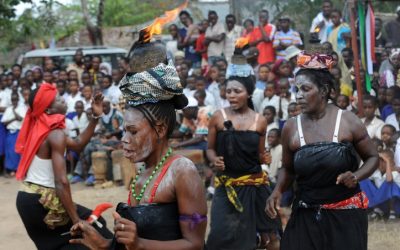
Dancing is an integral part of Tanzanian culture, often performed during celebrations, ceremonies, and festivals. Traditional dances, such as the Maasai jumping dance or the Haya dance, emphasize storytelling, social bonding, and the display of community identity. These dances are characterized by energetic movements, colorful attire, and rhythmic percussion that bring communities together.
Festivals in Tanzania are vibrant events that highlight its cultural diversity and heritage. The Sauti za Busara festival in Zanzibar attracts musicians and visitors from around the world, celebrating African music. The indigenous Makonde carvings’ festival and the Great Wildebeest Migration in Serengeti are also notable events that draw many tourists and locals alike. These festivals serve to preserve traditions, promote tourism, and foster national pride.
Religious Practices
Tanzania is a country rich in cultural diversity and vibrant societal practices that reflect its complex history and various ethnic groups. The social fabric of Tanzania is woven with traditions that have been preserved through generations, creating a unique national identity. Religious practices in Tanzania play a significant role in shaping community life and personal beliefs. The majority of the population adheres to Christianity and Islam, with many communities also practicing indigenous beliefs. Religious festivals and ceremonies are important social events that reinforce communal bonds and cultural heritage. Overall, Tanzania stands as a testament to the harmonious coexistence of diverse cultural and religious traditions, contributing to its dynamic society.
Natural Landmarks and National Parks
Tanzania is a country renowned for its stunning natural landmarks and expansive national parks. These protected areas are home to diverse wildlife, breathtaking landscapes, and unique geological formations that attract visitors from around the world. Exploring Tanzania’s natural beauty offers a glimpse into the rich ecosystems and scenic vistas that define this African nation.
Serengeti National Park
Tanzania is renowned for its stunning natural landmarks and expansive national parks, making it a top destination for nature lovers and wildlife enthusiasts. Among its most famous landmarks is Mount Kilimanjaro, Africa’s highest peak, which attracts adventurers from around the world. The country is also home to the Serengeti National Park, one of the most iconic wildlife reserves globally, famous for the annual Great Migration of millions of wildebeests and zebras. These parks and landmarks highlight Tanzania’s rich biodiversity and commitment to preserving its natural heritage. Visiting Tanzania offers an unforgettable experience of wilderness, spectacular landscapes, and diverse ecosystems.
Ngorongoro Conservation Area
Tanzania is renowned for its rich natural landmarks and expansive national parks, making it a top destination for wildlife enthusiasts and nature lovers. Among its most famous protected areas is the Ngorongoro Conservation Area, which is a UNESCO World Heritage Site and one of the most significant natural landmarks in Africa.
- Ngorongoro Crater: Often called the “Eighth Wonder of the World,” this massive volcanic caldera is home to a diverse array of wildlife, including lions, elephants, rhinos, and wildebeests. It provides a unique opportunity to observe animals in their natural habitat within a relatively accessible area.
- Serengeti National Park: Known for the annual migration of over two million wildebeests and hundreds of thousands of zebras and gazelles, the Serengeti is one of the most iconic national parks in Africa. It offers vast savannah landscapes and exceptional wildlife viewing experiences.
- African Great Lakes: Including Lake Victoria and Lake Tanganyika, these lakes contribute to Tanzania’s diverse ecosystems, supporting numerous bird species and aquatic life.
- Mount Kilimanjaro: The highest peak in Africa and a prominent natural landmark, Kilimanjaro is a popular destination for climbers and trekkers seeking a challenging adventure amidst breathtaking scenery.
Tanzania’s natural landmarks and national parks not only showcase the stunning beauty of the country but also play a vital role in conservation efforts and eco-tourism, bringing many visitors from around the world to experience its magnificent landscapes and wildlife.
Kilimanjaro Mountain
Tanzania is a country renowned for its stunning natural landmarks and national parks, offering some of the most breathtaking sights in Africa. One of its most iconic natural features is Mount Kilimanjaro, the tallest mountain in Africa and the highest free-standing mountain in the world. Kilimanjaro is a dormant volcanic mountain that attracts thousands of climbers and adventurers each year, eager to reach its summit and experience its majestic snow-capped peak. The country’s national parks, such as Serengeti National Park and Ngorongoro Conservation Area, are famous for their rich wildlife and diverse ecosystems. These protected areas are home to the “Big Five” animals—lion, elephant, buffalo, leopard, and rhinoceros—making Tanzania a premier destination for safari tourism. The landscape varies from vast savannahs and rolling plains to lush forests and mountain ranges, illustrating the incredible natural diversity of the country. Overall, Tanzania’s natural landmarks and parks exemplify the country’s commitment to conservation and its status as a remarkable destination for nature lovers and adventure seekers alike.
Zanzibar Archipelago
Tanzania is a country renowned for its stunning natural landmarks and abundant national parks, making it a top destination for nature enthusiasts. The Zanzibar Archipelago, part of Tanzania, is famous for its pristine beaches, vibrant coral reefs, and historical heritage. Within mainland Tanzania, iconic parks like Serengeti National Park and Ngorongoro Conservation Area offer breathtaking safaris where visitors can witness the awe-inspiring Great Migration and diverse wildlife. Mount Kilimanjaro, the highest peak in Africa, presents a majestic natural landmark that attracts climbers from around the world. These natural attractions showcase Tanzania’s rich biodiversity and scenic beauty, making it a truly exceptional destination for exploring the wonders of nature.
Tourist Attractions and Destinations
Tanzania is a captivating destination renowned for its diverse and breathtaking tourist attractions. From the majestic Serengeti National Park to the unique beauty of Mount Kilimanjaro, the country offers an array of unforgettable experiences. Travelers visit Tanzania to explore its rich wildlife, stunning landscapes, and vibrant cultures, making it a top choice for adventure and nature enthusiasts alike.
Wildlife Safaris
Tanzania is a stunning country renowned for its diverse tourist attractions and breathtaking wildlife safaris. Visitors flock to explore its famous national parks, such as Serengeti, known for its incredible migrations of wildebeest and zebras, and Ngorongoro Crater, a UNESCO World Heritage Site teeming with wildlife. The country also boasts Mount Kilimanjaro, Africa’s highest peak, offering adventurous hiking opportunities. Tanzania’s pristine beaches along the Indian Ocean, especially on Zanzibar Island, provide a perfect escape for relaxation and water activities. For wildlife enthusiasts, safaris in Tanzania promise unforgettable encounters with elephants, lions, giraffes, and rhinoceroses in their natural habitats. Overall, Tanzania offers an exceptional blend of natural beauty and vibrant ecosystems, making it a premier destination for travelers seeking memorable experiences in the wild.
Historic Sites
Tanzania is a country rich in diverse tourist attractions and historic sites that draw visitors from around the world. The island of Zanzibar boasts beautiful beaches, vibrant markets, and the historic Stone Town, a UNESCO World Heritage Site known for its winding alleys and ancient architecture. Mainland Tanzania offers the renowned Serengeti National Park, famous for its incredible wildlife migration and safari experiences. Mount Kilimanjaro, Africa’s highest peak, attracts adventurous hikers and climbers seeking a challenging ascent. The Ngorongoro Crater provides a unique volcanic caldera wildlife sanctuary, while the Selous Game Reserve offers spectacular opportunities for boat safaris and game viewing. Additionally, the historic Olduvai Gorge has significant archaeological importance, yielding fossils that shed light on human origins. Overall, Tanzania’s attractions combine natural beauty with historic significance, making it a top destination for travelers seeking both adventure and cultural insights.
Beaches and Islands
Tanzania is renowned for its stunning tourist attractions and diverse destinations that attract travelers from around the world. This beautiful country offers a blend of rich wildlife, vibrant culture, and breathtaking landscapes, making it a perfect destination for adventure and relaxation alike.
Among its notable attractions are the Serengeti National Park and the Ngorongoro Crater, which are famous for incredible wildlife safaris and the opportunity to see the Big Five. Mount Kilimanjaro, Africa’s highest peak, draws climbers and trekkers eager to conquer its summit while enjoying panoramic views of the surrounding scenery. Zanzibar, an island paradise off the coast of Tanzania, is celebrated for its pristine beaches and historic Stone Town, offering a unique mix of relaxation and cultural exploration.
The country’s beaches are some of the most beautiful in Africa, with soft white sands and crystal-clear waters. Zanzibar’s beaches, such as Nungwi and Kendwa, are ideal destinations for sunbathing, swimming, and diving. Other islands like Pemba and Mafia also provide quiet retreats with vibrant coral reefs and abundant marine life, perfect for snorkeling and scuba diving. These islands not only boast spectacular beaches but also offer fascinating cultural experiences and exquisite local cuisine, making Tanzania a truly captivating destination for travelers seeking both adventure and serenity.
Challenges Facing Tanzania
Tanzania, a vibrant country in East Africa, faces several significant challenges that impact its development and growth. Issues such as poverty, inadequate healthcare, and educational disparities hinder progress for many of its citizens. Additionally, environmental concerns like deforestation and climate change pose threats to the country’s natural resources. Addressing these challenges is essential for Tanzania to achieve sustainable development and improve the quality of life for its people.
Poverty and Development
Tanzania, a country located in East Africa, faces numerous challenges related to poverty and development. Despite its rich natural resources and diverse landscapes, a significant portion of the population lives below the poverty line, impacting overall socio-economic progress.
One of the main challenges is limited access to quality education and healthcare, which hampers human capital development and economic growth. Many communities remain marginalized, with inadequate infrastructure and services to support sustainable development.
Economic dependence on agriculture makes Tanzania vulnerable to climate change and market fluctuations, threatening the livelihoods of farmers and rural populations. This reliance also limits diversification efforts needed for balanced growth.
Corruption and governance issues further impede development initiatives, diverting resources away from critical projects aimed at reducing poverty. Additionally, insecurity and political instability in some regions hinder progress and deter investment.
Efforts to address these challenges include implementing policies to improve education, healthcare, and infrastructure, alongside promoting sustainable economic diversification. Strengthening governance and reducing corruption are essential steps toward fostering inclusive growth and development in Tanzania.
Environmental Conservation
Tanzania, a country renowned for its rich biodiversity and natural beauty, faces numerous challenges in environmental conservation. Rapid population growth and increased urbanization exert pressure on natural resources, leading to deforestation, habitat loss, and biodiversity decline. Climate change also impacts Tanzania significantly, causing unpredictable weather patterns, droughts, and floods that threaten both ecosystems and local communities. Additionally, illegal poaching and wildlife trafficking threaten many endangered species, including elephants and rhinoceroses. Lack of sufficient funding, inadequate enforcement of environmental laws, and limited awareness among local populations further complicate conservation efforts. Addressing these challenges requires a collaborative approach that involves government, local communities, and international organizations to ensure sustainable use and preservation of Tanzania’s invaluable environment.
Health and Education
Tanzania, a country located in East Africa, faces significant challenges in the sectors of health and education that impact its overall development. Addressing these issues is crucial for improving the quality of life for its citizens and fostering sustainable growth.
- Limited Access to Healthcare Services: Many regions in Tanzania, especially rural areas, lack sufficient healthcare facilities and professionals, leading to high maternal and infant mortality rates.
- Prevalence of Diseases: Endemic diseases such as HIV/AIDS, malaria, and tuberculosis remain major public health concerns, straining the existing health infrastructure.
- Inadequate Healthcare Funding: Limited financial resources hinder the expansion and improvement of health services, reducing their effectiveness and reach.
- Low Literacy Rates: Challenges in the education system result in low literacy levels, particularly among girls and marginalized communities, restricting future opportunities.
- High Dropout Rates: Economic hardships and early marriages contribute to a significant number of students leaving school prematurely, especially at secondary levels.
- Limited Access to Quality Education: Rural and remote areas often have fewer educational resources, leading to disparities in educational opportunities across the country.
Future Outlook and Development Plans
Looking ahead, Tanzania is poised for significant growth and development as it Strategizes future initiatives to boost its economic and social sectors. The country’s development plans aim to enhance infrastructure, diversify industries, and improve living standards, paving the way for a brighter future. With a focus on sustainable progress, Tanzania is committed to leveraging its rich natural resources and cultural heritage to foster long-term prosperity.
Infrastructure Projects
Tanzania’s future outlook is marked by ambitious development plans and a focus on expanding its infrastructure to support economic growth and improve the quality of life for its citizens.
- Investment in transportation infrastructure, including the expansion of roads, railways, and ports, to enhance connectivity within the country and with neighboring nations.
- Development of energy projects, such as hydroelectric, solar, and wind farms, to increase electricity access and promote sustainable energy sources.
- Construction of new commercial and industrial zones to foster entrepreneurship and attract foreign investment.
- Upgrades to healthcare and educational facilities to support human capital development.
- Implementation of smart city initiatives in urban centers to improve public services and infrastructure management.
- Major infrastructure projects initiated include the Standard Gauge Railway project, connecting Dar es Salaam to inland regions, and the revitalization of the Dar es Salaam port to serve as a regional logistics hub.
- The Picture of the future includes a focus on digital infrastructure, promoting broadband expansion, and integrating innovative technologies into national development strategies.
Economic Growth Strategies
Tanzania’s future outlook is characterized by ambitious development plans aimed at fostering sustainable economic growth and improving living standards. The government is focused on diversifying the economy beyond traditional sectors such as agriculture and tourism, with significant investments in infrastructure, manufacturing, and technology. Development strategies include the implementation of initiatives like the Tanzania Development Vision 2025, which emphasizes industrialization, innovation, and the creation of a knowledge-based economy. Furthermore, efforts are being made to attract foreign direct investment, enhance regional connectivity, and empower local entrepreneurs. These measures are expected to bolster economic resilience, generate employment, and position Tanzania as a competitive player in the East African region and beyond.
Regional Integration Efforts
Tanzania’s future outlook is focused on sustainable economic growth and development through strategic investments and regional collaboration. The country aims to diversify its economy by expanding sectors such as tourism, agriculture, and manufacturing, while also investing in infrastructure to improve connectivity and logistics. Tanzania’s development plans emphasize enhancing education, healthcare, and technology to create a resilient and inclusive society. Additionally, the government is committed to environmental conservation and renewable energy projects to address climate change challenges.
Regional integration efforts are a key component of Tanzania’s development strategy. The country actively participates in regional blocs such as the East African Community (EAC) and the Southern African Development Community (SADC), working to facilitate trade, mobility, and cooperation among member states. Tanzanian initiatives include improving border infrastructure, harmonizing policies, and fostering cross-border investments. These efforts aim to create a more integrated regional market, boost economic opportunities, and promote stability and shared prosperity across East Africa.

0 Comments