
Popular Traditional Moroccan Dishes
Moroccan cuisine is renowned for its rich flavors, diverse ingredients, and vibrant presentation. Traditional Moroccan dishes reflect a blend of Arab, Berber, and Mediterranean influences, creating a unique culinary experience. From hearty stews to fragrant rice dishes, Moroccan food offers a delicious and aromatic journey for food lovers around the world.
Tagine
Moroccan cuisine is renowned for its rich flavors and aromatic spices, with Tagine being one of the most popular traditional dishes. This slow-cooked stew is prepared in a special earthenware pot called a tagine, which helps lock in flavors and moisture. Typically, Tagine features tender meat such as lamb, chicken, or beef, combined with vegetables, dried fruits, and a blend of spices like saffron, cumin, ginger, and cinnamon. The dish is often served with crusty bread or couscous, making it a hearty and flavorful meal that reflects Morocco’s culinary heritage.
Couscous
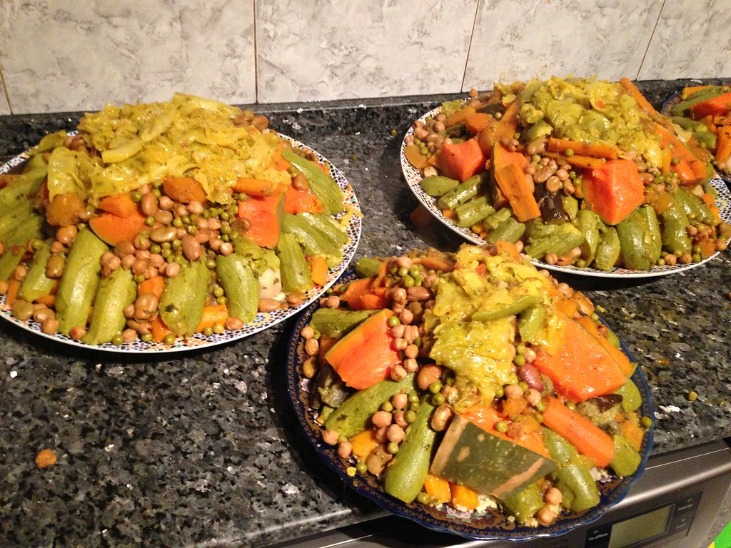
Moroccan cuisine is renowned for its rich flavors and diverse traditional dishes, with couscous being one of the most popular and iconic staples. This dish consists of tiny steamed balls of crushed durum wheat semolina served with a variety of toppings such as vegetables, meats, or chickpeas, and is often flavored with aromatic spices like saffron, cinnamon, and cumin. Couscous is commonly enjoyed during special occasions and communal gatherings, symbolizing hospitality and Moroccan cultural heritage.
Soups and Stews
Soups and stews are essential components of Moroccan cuisine, offering rich flavors and comforting textures that reflect the country’s diverse culinary heritage. These dishes are often prepared with an array of aromatic spices, fresh vegetables, and tender meats, showcasing the art of slow cooking and family traditions. Whether served as a warming starter or a hearty main course, Moroccan soups and stews embody the warmth and hospitality that define the nation’s food culture.
Harira
Harira is a traditional Moroccan soup that holds a special place in the country’s culinary heritage. Known for its rich and flavorful broth, Harira is typically made with tomatoes, lentils, chickpeas, and a variety of herbs and spices such as ginger, cinnamon, and coriander. It is often enjoyed during Ramadan to break the fast, providing a hearty and nourishing meal. This soup can also include small pieces of meat, usually lamb or beef, and is sometimes garnished with fresh herbs like cilantro and parsley. Served with bread or dates, Harira exemplifies the warmth and vibrant flavors characteristic of Moroccan cuisine, making it a beloved dish across the country.
Lamb and Vegetable Stew
Moroccan cuisine is renowned for its rich and flavorful soups and stews, with Lamb and Vegetable Stew being a standout dish. This hearty stew combines tender pieces of lamb with a variety of fresh vegetables, seasoned with traditional Moroccan spices such as cumin, cinnamon, ginger, and saffron. Often cooked slowly to develop deep flavors, it is commonly served with crusty bread or couscous. The dish reflects the essence of Moroccan culinary artistry, blending aromatic herbs with the robustness of meat and the freshness of vegetables. It is a comforting and nourishing meal that exemplifies the warmth and diversity of Moroccan food dishes.
Fish Chermoula
Soups and stews are an essential part of Moroccan cuisine, offering hearty and flavorful options that reflect the country’s rich culinary traditions. Dishes like Harira, a spicy tomato-based soup with lentils, chickpeas, and tender meat, are often enjoyed during Ramadan and throughout the year. Moroccan stews, such as Tagine, are slow-cooked in special clay pots that enhance their aromatic spices and tender ingredients, including vegetables, meats, and dried fruits. These dishes are typically seasoned with a blend of spices like cumin, coriander, and saffron, creating complex flavors that symbolize Moroccan hospitality.
Fish Chermoula is a popular Moroccan seafood dish that highlights the country’s coastal culinary influence. Chermoula is a vibrant marinade made from herbs, garlic, lemon, and spices such as paprika and cumin, which imparts a fragrant and tangy flavor to the fish. The fish, often cooked with vegetables or grilled, is then coated with the chermoula marinade, infusing it with freshness and a bold taste. This dish exemplifies the Moroccan love for using fresh herb-based sauces to enhance the natural flavors of seafood, making it a favorite among locals and visitors alike.
Moroccan Appetizers and Snacks
Moroccan appetizers and snacks are a vibrant showcase of the country’s rich culinary heritage. Bursting with bold flavors, aromatic spices, and colorful presentations, these small dishes offer a delightful glimpse into Morocco’s traditional food culture. From savory pastries to flavorful dips, each snack reflects the country’s diverse influences and love for inviting, communal eating experiences.
Moroccan Mint Tea with Pastries
Moroccan cuisine is renowned for its rich flavors, aromatic spices, and diverse array of appetizers and snacks that beautifully showcase the country’s culinary heritage. Popular starters often include flavorful dips, pastries, and savory bites that tantalize the palate. A staple in Moroccan social gatherings is the traditional Moroccan Mint Tea paired with delicious pastries, creating a perfect harmony of refreshing and sweet flavors.
- Harira Soup: A hearty tomato-based soup with lentils, chickpeas, and aromatic spices, often served during Ramadan.
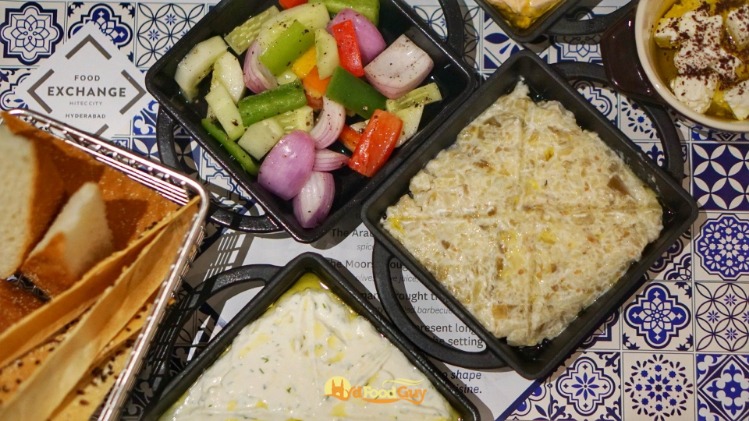
- Mechouia Salad: Grilled vegetables, such as peppers, tomatoes, and eggplants, finely chopped and seasoned with olive oil and spices.
- Skooza: Little savory pies filled with ground meat, vegetables, or seafood, baked to perfection.
- Baklava: Sweet pastry made of layers of filo filled with honey and nuts, offering a rich and sweet taste.
- Chebakia: Sesame and honey pastries shaped into intricate forms, traditionally enjoyed during Ramadan.
Moroccan Mint Tea, called “Atay bi na’na,” is a cherished cultural symbol served in small glasses, often accompanied by an assortment of pastries. The tea is prepared with green tea leaves, fresh mint sprigs, and a generous amount of sugar, creating a refreshing and aromatic beverage. It is typically poured from a height to create a froth, symbolizing hospitality and friendship. The accompanying pastries include almond-filled cookies, flaky croissants, and sweet sesame confections, completing a delightful culinary experience that exemplifies Moroccan hospitality.
Mechoui (Roasted Lamb)
Moroccan cuisine is renowned for its rich flavors and diverse array of appetizers and snacks that showcase the country’s vibrant culinary heritage. Traditional Moroccan appetizers often include pastillas, savory pastry triangles filled with pigeon meat or seafood, and zaalouk, a smoky eggplant and tomato dip flavored with garlic and spices. Other popular snacks are olives marinated with herbs,briouats filled with minced meat or cheese, and Moroccan bread served with various dips. These dishes highlight the use of spices, herbs, and flavorful ingredients that are characteristic of Moroccan cooking.
Mechoui, a celebrated Moroccan delicacy, refers to roasted lamb cooked traditionally over an open fire or in a pit. This dish is often prepared for special occasions and celebrations, featuring a whole lamb seasoned with a blend of spices, herbs, and sometimes preserved lemons before being slowly roasted until tender and flavorful. The mechoui is typically served with bread, salads, and flavorful sauces, embodying the communal and festive spirit of Moroccan dining. Its succulent, aromatic meat is a testament to the country’s mastery of slow roasting techniques and its love for sharing hearty, flavorful dishes.
Harissa and Olives
Moroccan cuisine offers a rich variety of appetizers and snacks that reflect the country’s vibrant flavors and cultural heritage. Traditional options often include a selection of aromatic harissa, a spicy chili paste that adds heat and depth to many dishes, and a diverse array of olives, which are commonly served as snacks or used as accompaniments to meals. These ingredients are integral to Moroccan culinary traditions, providing bold flavors and a taste of the country’s aromatic spice markets.
Traditional Moroccan Breads
Traditional Moroccan breads are an essential part of the country’s rich culinary heritage, showcasing a variety of flavors and baking techniques passed down through generations. These breads are not only staple foods but also cultural symbols, often enjoyed alongside hearty stews, fresh vegetables, and aromatic spices. Their unique textures and shapes reflect Morocco’s diverse regional influences, making them a vital element of authentic Moroccan cuisine.
Khobz
Traditional Moroccan bread, known as Khobz, is a staple in Moroccan cuisine and plays a vital role in daily eating habits. This hearty bread is usually round and flat, characterized by a slightly thick crust and soft interior. Often baked in communal or household wood-fired ovens, Khobz boasts a rustic appearance and delicious flavor that complements a wide variety of Moroccan dishes. It is commonly used to scoop up tagines, salads, and dips, making it an essential element of Moroccan food culture. The preparation of Khobz involves simple ingredients like flour, water, salt, and yeast, with some regions incorporating sesame or nigella seeds on top for added flavor. Its versatility and fundamental presence in Moroccan meals highlight the importance of bread as both a dietary staple and a symbol of hospitality in Morocco.
Baghrir (Moroccan Pancakes)
Traditional Moroccan breads and Baghrir, also known as Moroccan pancakes, are essential components of Moroccan cuisine that reflect the rich culinary heritage of the country. Moroccan breads such as Khobz are commonly baked in communal ovens and serve as a staple accompaniment to most meals, often used to scoop up tagines, dips, and salads. These breads are typically round, flat, and crusty, made from simple ingredients like flour, water, salt, and yeast, and are characterized by their hearty texture and flavor. Baghrir, on the other hand, are soft, spongy pancakes with a unique honeycomb-like surface, traditionally prepared from a batter of semolina, flour, yeast, baking powder, and water. They are known for their airy consistency and are often served with honey, butter, or sweet syrup. Both Moroccan breads and Baghrir hold cultural significance, often featured during special occasions, religious festivals, and daily meals, embodying the warmth and hospitality that define Moroccan food dishes.
Sweet Dishes and Desserts
Moroccan cuisine is renowned for its rich and flavorful sweet dishes and desserts that delight the senses. From fragrant pastries to luscious puddings, these treats showcase the country’s love for harmonious blends of spices, honey, and nuts. Exploring Moroccan sweets offers a delicious glimpse into the cultural heritage and culinary artistry of this vibrant North African nation.
Sesame Sweets (Sellou)
Moroccan cuisine is renowned for its rich and diverse flavors, with sweet dishes and desserts playing a significant role in its culinary tradition. Among the most beloved treats are sesame sweets, particularly Sellou, a traditional Moroccan delicacy often enjoyed during special occasions and religious festivals.
Sellou, also known as Sfouf or Zmita in different regions, is a nutritious and energy-packed sweet made from roasted sesame seeds, almonds, flour, honey, and butter. The ingredients are carefully blended to create a crumbly, aromatic mixture that offers a perfect balance of sweetness and nuttiness. Its origins trace back to Moroccan Berber traditions, and it is often prepared during Ramadan, celebrations, and family gatherings.
This delightful dessert is not only flavorful but also offers health benefits thanks to its sesame seeds and nuts, which are rich in nutritious oils, proteins, and minerals. Sellou is typically shaped into small, crumbly balls or served in a tray, accompanied by traditional Moroccan tea, making it a cherished part of Moroccan food culture.
Chebakia (Honey Cookies)
Chebakia, also known as honey cookies, is a traditional Moroccan sweet delicacy enjoyed during special occasions and festivals such as Ramadan. These mouthwatering treats are characterized by their intricate sesame seed and dough pattern, which is deep-fried until golden and then generously coated with honey, giving them a sticky, sweet glaze.
- Chebakia are typically prepared using a mixture of flour, sesame seeds, almonds, and orange blossom water, resulting in a fragrant and flavorful dough.
- The dough is rolled out, cut into strips, shaped into intricate loops or flowers, and then fried to achieve a crispy texture.
- Once fried, the cookies are soaked in warm honey, allowing them to absorb sweetness and form a glossy, sticky coating.
- They are often garnished with additional sesame seeds or sesame paste for added flavor and presentation.
Chebakia holds a special place in Moroccan cuisine, representing hospitality, celebration, and tradition. Its unique combination of crunchy, chewy, and sweet elements makes it a beloved dessert across Morocco and a must-try for those interested in Moroccan food dishes.
Moroccan Pastries
Moroccan cuisine is renowned for its rich and diverse array of sweet dishes and desserts that perfectly complement its savory flavors. One of the most iconic Moroccan pastries is the Baklava, layers of thin filo dough filled with nuts and honey, offering a delightful sweetness. Another beloved treat is Chebakia, fried pastry strips coated in sesame seeds and soaked in fragrant honey syrup, often enjoyed during Ramadan. Moroccan sweets also include M’hanncha, a coiled pastry filled with almonds and flavored with orange blossom water, presenting both visual appeal and delicious taste. Additionally, a variety of almond and date-based confections such as kaab el ghazal are popular, showcasing the use of natural sweeteners and rich flavors. These desserts highlight the Moroccan dedication to combining aromatic spices, nuts, and honey to create irresistible treats that reflect their cultural heritage and love for festive celebrations.
Regional Variations and Specialties
Regional variations and specialties add richness and diversity to Morocco’s culinary landscape. Each region boasts unique flavors, ingredients, and cooking techniques that reflect its history, climate, and cultural influences. Exploring these regional differences offers a deeper appreciation of Moroccan cuisine’s vibrant tapestry of flavors.
Atlas Mountain Cuisine
The cuisine of the Atlas Mountains reflects a rich blend of flavors and ingredients unique to the region, showcasing its diverse cultural influences. Traditional dishes often incorporate locally sourced produce, meats, and spices, creating hearty and flavorful meals that vary across different mountain communities. In the Atlas Mountains, dishes such as tagine and couscous are staple components, prepared with regional twists that highlight the area’s culinary heritage.
Regional variations in Atlas Mountain cuisine are influenced by altitude, climate, and accessibility to ingredients. For example, Berber communities tend to prepare simpler, rustic meals, emphasizing preserved foods like dried meats and grains, while higher elevations may favor slow-cooked stews that provide warmth and sustenance. Specialties such as grilled meats, aromatic herbs, and spiced broths are also common, reflecting the mountain peoples’ adaptations to their environment.
Distinctive specialties from the Atlas Mountains include dishes like mechoui, a roasted whole lamb seasoned with traditional spices, and bissara, a hearty borlotti bean soup flavored with herbs and olive oil. These foods highlight the resourcefulness and culinary creativity of local inhabitants, offering a taste of the region’s rich cultural tapestry and agricultural practices. The flavors of Atlas Mountain cuisine resonate deeply with the history and identity of its communities, making it a fascinating subject for culinary exploration.
Saharan Flavors
Moroccan cuisine is renowned for its rich regional variations and unique flavors, particularly those inspired by the vast Sahara Desert. Each region within Morocco offers distinct dishes that reflect its cultural influences, climate, and local ingredients, creating a diverse culinary landscape. In Sahara-adjacent areas, flavors are often bold and earthy, utilizing ingredients such as spices, dried fruits, and grains to evoke the desert’s essence.
Saharan flavors in Moroccan cuisine are characterized by the use of cumin, coriander, saffron, and chili peppers, which provide a warm and aromatic profile. Dishes like tagines often incorporate dried dates, almonds, and lamb or chicken, creating hearty and fragrant meals. The influence of nomadic traditions can also be seen in the simple yet flavorful preparations that prioritize preservation and resourcefulness, such as the use of preserved lemons and olives.
Specialties from the Sahara include dishes like Berber-style couscous, often served with vegetables, meats, and a blend of spices, as well as salty, spiced breads and snacks like msemen and yassmin. These regional flavors highlight the resilience and ingenuity of Sahara communities, offering a taste experience that is both authentic and deeply connected to the desert landscape.
Coastal Seafood Dishes
Moroccan cuisine features a rich diversity of regional variations and specialties, each influenced by local ingredients and cultural traditions. Coastal areas, particularly along the Atlantic and Mediterranean, are renowned for their seafood dishes, which showcase fresh catches prepared with aromatic spices and herbs. In these regions, you can find traditional seafood recipes such as grilled sardines, calamari, and fish tagines, often accompanied by flavorful chermoula or preserved lemon. The use of olive oil, garlic, and spices like cumin and paprika enhances the natural taste of the seafood. Coastal dishes emphasize simplicity and freshness, highlighting the bounty of the sea while reflecting the culinary heritage of Morocco’s vibrant coastal communities.


0 Comments