
Geography and Climate of Mauritius
Mauritius, an island nation in the Indian Ocean, boasts a diverse and vibrant geography characterized by lush mountains, pristine beaches, and coral reefs. Its tropical climate creates warm, humid conditions year-round, influenced by trade winds and the surrounding ocean currents. The island’s unique topography and climate make it a popular destination for tourism, agriculture, and marine activities, shaping the way of life for its residents and visitors alike.
Location and Physical Features
Mauritius is an island nation located in the Indian Ocean, approximately 2,000 kilometers (1,200 miles) off the southeast coast of Africa. It is part of the Mascarene Islands, which also include Réunion and Rodrigues. The country covers an area of about 2,040 square kilometers (787 square miles) and is characterized by its diverse geography and tropical climate. The island is renowned for its stunning landscapes, including mountains, lush forests, and pristine beaches.
The physical features of Mauritius are marked by a central volcanic massif surrounded by a coastal plain. The highest point is Piton de la Petit Rivière Noire, which rises to 828 meters (2,717 feet) and offers panoramic views of the island. The terrain is rugged in the interior, with steep valleys and peaks, while the coastlines tend to be more flat and sandy. The island has numerous rivers and waterfalls that flow from the central mountains towards the ocean, enriching the fertile volcanic soil that supports agriculture and biodiversity.
The climate of Mauritius is tropical, with warm temperatures and high humidity throughout the year. The island experiences a hot summer from November to April, with average temperatures ranging between 25°C and 33°C (77°F to 91°F). From May to October, the climate is cooler and more temperate, influenced by southeast trade winds, with temperatures generally between 17°C and 25°C (63°F to 77°F). The island receives moderate to high rainfall, primarily during the cyclone season from January to March, which contributes to the lush green landscape and supports the island’s diverse flora and fauna.
Climate Patterns and Seasons
Mauritius is an island nation located in the Indian Ocean, east of the coast of Africa. Its geography is characterized by a central plateau surrounded by rugged mountains and coral reefs that fringe its coastline. The island covers an area of approximately 2,040 square kilometers and features diverse landscapes including mountains, forests, and beaches. The interior of the island is largely mountainous with the highest peak, Pieter Both, reaching 820 meters. The coastline boasts picturesque beaches, lagoons, and vibrant coral reefs, making it a popular tourist destination.
The climate of Mauritius is tropical, influenced by its oceanic surroundings which moderate seasonal temperature variations. The island generally experiences warm temperatures year-round, with the coastlines being warmer than the upland regions. The climate is classified as a tropical maritime climate, characterized by high humidity and significant rainfall. The temperatures typically range from 20°C to 30°C, with the warmest months occurring from November to April. The climate supports lush vegetation and diverse wildlife, contributing to the island’s rich ecological environment.
Climate patterns in Mauritius are largely governed by the two main monsoon periods. The summer monsoon, from November to April, brings warm, moist air from the Indian Ocean, resulting in high temperatures and heavy rainfall, especially in the eastern and northern parts of the island. This period sees the occurrence of tropical cyclones, which can bring intense storms and heavy rainfalls. Conversely, the winter monsoon, from May to October, features cooler, drier air originating from the south-east, leading to lower temperatures and less rainfall. This season is generally considered the dry season, with clear skies and favorable conditions for outdoor activities.
The island experiences distinct seasons, although the overall climate remains warm throughout the year. The summer season is hot and humid, with temperatures frequently exceeding 30°C, accompanied by thunderstorms and occasional cyclones. Winters are milder and more temperate, with temperatures ranging from 17°C to 22°C, making it an ideal time for tourism and outdoor pursuits. Rainfall is more abundant during summer, especially between January and March, while winter months tend to be drier and sunnier. These seasonal variations influence local agriculture, tourism, and daily life, shaping the island’s weather patterns and ecological landscape.
Natural Landscapes and Ecosystems
Mauritius is an island nation located in the Indian Ocean, renowned for its diverse geography and pleasant climate. The island features a rugged terrain with volcanic origins, characterized by lush mountains, rolling hills, and expansive coastal plains. The highest peak is Piton de la Petite Rivière Noire, standing at 828 meters above sea level, offering breathtaking views and attracting outdoor enthusiasts. The climate of Mauritius is tropical, moderated by the surrounding ocean, resulting in warm temperatures year-round. Summers, from November to April, are warm and humid with frequent rainfall, ideal for the island’s vibrant flora and fauna. Winters, from May to October, are cooler and dry, providing pleasant conditions for tourists and locals alike.
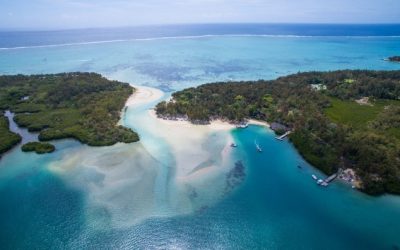
The natural landscapes of Mauritius are remarkably varied, featuring pristine beaches with powdery white sands, turquoise lagoons, and coral reefs that support rich marine life. Inland, the island boasts dense rainforests and rugged mountains, home to numerous endemic plant and animal species. The island’s ecosystems include mangroves, wetlands, and tropical forests, which serve as vital habitats for wildlife such as giant tortoises, fruit bats, and various bird species. Protected areas like Black River Gorges National Park preserve much of these ecosystems, ensuring the conservation of endemic species and offering opportunities for eco-tourism. The island’s natural beauty and ecological diversity make Mauritius a unique and vital part of the Indian Ocean’s ecological landscape.
History of Mauritius
Mauritius, an island nation in the Indian Ocean, boasts a rich and diverse history shaped by multiple civilizations. Originally uninhabited, it was first discovered by Arab sailors before becoming a crucial stop for European explorers and traders. The Dutch, French, and British all controlled the island at different times, leaving lasting influences on its culture and development. Today, Mauritius is known for its vibrant multicultural society and stunning landscapes, reflecting a fascinating historical legacy.
Early Settlements and Indigenous Peoples
Mauritius, an island nation in the Indian Ocean, boasts a rich history that dates back thousands of years. The earliest known settlers were the indigenous peoples who inhabited the island, and their presence predates recorded history. These early inhabitants, likely Austronesian sailors or explorers from Southeast Asia, arrived on Mauritius long before European contact. They developed a minimal but significant culture centered around fishing and small-scale agriculture. Over time, the island remained relatively isolated until the arrival of Arab and Malay sailors, who may have visited the island during their maritime expeditions. The indigenous population of Mauritius gradually declined due to the impacts of colonization, disease, and migration, leading to a diverse cultural landscape that would later include European, African, and Asian influences. Understanding the early settlements and indigenous peoples provides insight into the island’s complex historical tapestry, shaping the foundation of modern Mauritius.
Colonial Era: Dutch, French, and British Rule
The history of Mauritius is marked by a complex colonial era that significantly shaped the island’s cultural and economic landscape. Initially discovered by Portuguese explorers in the late 15th century, Mauritius remained largely uninhabited until it was first visited by the Dutch in 1598. The Dutch established a temporary settlement but abandoned the island in 1710 due to harsh conditions and difficulties in sustaining the settlement.
In 1715, the French took control of Mauritius and integrated it into their empire as a strategic naval base and a center for producing sugar. Under French rule, the island’s plantation economy expanded rapidly, relying heavily on enslaved Africans and later indentured laborers from India. The French influence left a lasting imprint on local culture, architecture, and language, with French becoming a dominant cultural force.
British intervention began in 1810 during the Napoleonic Wars, resulting in Mauritius officially becoming a British colony in 1814 through the Treaty of Paris. The British period saw further development of the sugar industry, modernization of infrastructure, and an increase in Indian indentured laborers following the abolition of slavery in 1834. This influx of Indian workers contributed to the diverse population and rich multicultural society that Mauritius is known for today.
Throughout the colonial era, Mauritius experienced numerous social and economic changes, including the rise of plantation economies and the development of a multicultural society. The legacy of Dutch, French, and British rule continues to influence the island’s political, cultural, and social institutions, laying the foundation for its eventual independence and modern identity.
Path to Independence and Modern History
Mauritius, an island nation located in the Indian Ocean, boasts a rich history shaped by diverse cultures and colonial influences. Originally uninhabited, the island saw its first settlers from Southeast Asia, subsequent Portuguese and Dutch explorers, and later the French and British colonial powers. These influences have left a lasting imprint on the island’s culture, language, and societal structure. The Bantu and Malagasy tribes also contributed to the island’s early social fabric, creating a complex tapestry of traditions and customs that continue to define Mauritius today.
The path to independence in Mauritius was marked by gradual political awakening and nationalist movements during the mid-20th century. After centuries under French and British rule, the push for self-determination grew stronger in the post-World War II era. The establishment of political parties such as the Labour Party played a crucial role in mobilizing the population. Negotiations with the British government culminated in the attainment of independence on March 12, 1968, transforming Mauritius into a sovereign nation with a parliamentary democracy. The independence process was peaceful, reflecting the island’s commitment to stability and unity amidst its diverse communities.
In modern history, Mauritius has developed into a vibrant economy with diverse sectors including tourism, textiles, and financial services. The country has maintained a stable political environment, fostering economic growth and social progress. Efforts to diversify its economy and promote sustainable development have been central to its recent policies. Mauritius is also known for its cultural diversity, combining influences from African, Asian, European, and Middle Eastern traditions, which is celebrated nationally through festivals and cultural events. The nation continues to evolve, positioning itself as a key player in regional and international affairs, while preserving its unique heritage.
Demographics and Culture
Mauritius is a vibrant island nation known for its rich demographics and diverse culture. The country’s population comprises various ethnic groups, languages, and traditions, creating a unique tapestry of social and cultural influences. This diverse demographic landscape plays a significant role in shaping the nation’s customs, festivals, and everyday life, making Mauritius a fascinating place to explore its cultural heritage and societal dynamics.
Population Composition and Ethnic Groups
Mauritius is a diverse island nation renowned for its rich demographic composition and vibrant cultural tapestry. The population of Mauritius is approximately 1.3 million people, composed of various ethnic groups that have contributed to the country’s unique identity. The main ethnic communities include Indo-Mauritians, Creoles, Sino-Mauritians, and Franco-Mauritians, each bringing their distinct traditions, languages, and customs to the societal fabric. Indo-Mauritians are the largest group, primarily descendants of Indian laborers brought during the 19th and early 20th centuries, and they predominantly practice Hinduism, although there are significant Muslim and Christian minorities within this community.
Cultural diversity in Mauritius is reflected in its festivals, cuisine, music, and arts. Hindu festivals such as Diwali and Maha Shivratri are widely celebrated alongside Christian holidays like Christmas and Easter, illustrating religious harmony and coexistence. The official languages of Mauritius include English and French, but Mauritian Creole, derived from French, is the lingua franca and most widely spoken language among the population. Urdu, Tamil, Hindi, and Chinese are also spoken within their respective communities, underscoring the multicultural environment.
Historically, the population growth and migration patterns have played significant roles in shaping the demographic landscape of Mauritius. The island’s strategic location and colonial past drew settlers and traders from Africa, Asia, and Europe, creating a melting pot of cultures. Despite the complex social fabric, Mauritians generally enjoy a high degree of social cohesion and multicultural cooperation. The country’s demographic and ethnic diversity is a vital element of its national identity, fostering a society that values pluralism and intercultural understanding.
Languages Spoken in Mauritius
Mauritius is a multicultural island nation characterized by a rich tapestry of ethnicities and cultures. Its population is composed of diverse communities including Indo-Mauritians, Creoles, Chinese, and Franco-Mauritians, each contributing to the nation’s vibrant cultural landscape. This multiculturalism is reflected in the various traditions, festivals, and cuisines observed across the island, making Mauritius a unique blend of influences from Africa, Asia, and Europe.
The primary language spoken in Mauritius is Mauritian Creole, which serves as the lingua franca for most of the population. English is the official language and is used in government and legal matters, while French is also widely spoken and used in media, education, and daily communication. Additionally, other languages such as Bhojpuri, Hindi, Tamil, and Mandarin are spoken within their respective communities, underscoring the island’s diverse linguistic heritage.
Religious Beliefs and Practices
Mauritius is a multicultural island nation characterized by a rich tapestry of demographics and cultural diversity. The population comprises a mixture of ethnic groups, including Indo-Mauritians, Creoles, Sino-Mauritians, and Franco-Mauritians, each contributing unique traditions and customs. This diversity influences various aspects of daily life, from language and cuisine to social practices, creating a vibrant and harmonious society.
Religious beliefs and practices in Mauritius are varied and deeply rooted in the island’s history. The majority of the population practices Hinduism, which is reflected in numerous temples, festivals, and rituals observed throughout the year. Christianity is also widely practiced, with significant Christian communities celebrating Christmas, Easter, and other religious events. Islam is another prominent religion, with mosques and Islamic festivals like Eid-Al-Fitr and Eid-Al-Adha observed by a large segment of the population. These religious practices coexist peacefully, shaping the cultural landscape of Mauritius and fostering a spirit of tolerance and mutual respect among its people.
Festivals and Cultural Events
Mauritius is a melting pot of diverse cultures and demographics, reflecting a rich history of migration and coexistence. The island’s population is composed of various ethnic groups, including Hindus, Muslims, Christians, and Creoles, each contributing to the vibrant cultural tapestry. The majority of residents speak a variety of languages such as English, French, Creole, and Hindi, highlighting the multicultural nature of the island.
Culture in Mauritius is deeply rooted in its diverse origins, with traditional music, dance, and cuisine playing significant roles in daily life. The island’s cultural expressions often blend indigenous influences with those from Africa, India, Europe, and China, creating unique art forms and customs that are celebrated throughout the year.
Festivals and cultural events are central to Mauritian life, showcasing the islanders’ religious and cultural diversity. Holi and Diwali are widely celebrated Hindu festivals marked by colorful rituals and joyous gatherings. Eid al-Fitr and Eid al-Adha are significant Muslim festivals observed with prayers and community feasts. Christian festivals such as Christmas and Easter are also widely celebrated, often involving family gatherings, church services, and local festivities.
Annual events like the Cavadee festival, Ganesh Chaturthi, and the Chinese Spring Festival further exemplify the island’s inclusive cultural calendar. These festivals are characterized by processions, traditional music, dance performances, and elaborate rituals that attract both locals and tourists. The vibrant cultural events foster unity and pride among Mauritians, making the island a captivating destination rich in heritage and traditions.
Economy of Mauritius
The economy of Mauritius is a dynamic and diverse system that has experienced significant growth over the past few decades. Known for its stability and entrepreneurial spirit, Mauritius has transitioned from a primarily agriculture-based economy to a more diversified one, including tourism, manufacturing, financial services, and information technology. This development has made it an attractive destination for investors and a key player in the Indian Ocean region.
Key Economic Sectors
The economy of Mauritius is a diversified and resilient one, characterized by various key sectors that drive growth and development. Over the years, the country has transitioned from a primarily agricultural economy to a modern, multi-sector economy with strong industrial and service sectors. This diversification has helped Mauritius achieve steady economic growth, increased foreign investment, and improved standards of living for its population.
The key economic sectors of Mauritius include:
- Tourism: Tourism is one of the most important sectors, contributing significantly to GDP and employment. The country’s beautiful beaches, diverse culture, and warm climate attract millions of visitors annually.
- Textiles and Apparel: The textile and apparel industry is a major export sector, with Mauritius becoming a competitive hub for clothing manufacturing, benefiting from preferential trade agreements.
- Financial Services: The financial services sector, including banking, insurance, and offshore banking, is vital for the economy, positioning Mauritius as a financial hub in the region.
- Information and Communication Technology (ICT): ICT has experienced rapid growth, with the government promoting digital transformation and innovation to diversify economic activities.
- Agriculture: Although its contribution to GDP has declined, agriculture remains important, with sugar cane being the traditional economic crop, alongside other crops like tea and tropical fruits.
- Industrial and Manufacturing: The industrial sector, including food processing, plastics, and other manufacturing activities, supports both domestic needs and exports.
- Real Estate and Construction: Investment in real estate and infrastructure development has spurred economic activity, especially in tourism and residential sectors.
Overall, Mauritius continues to adapt its economic strategies to ensure sustainable growth, leveraging its strategic location, skilled workforce, and favorable business environment to attract global investment and foster economic resilience.
Tourism Industry
The economy of Mauritius is a diverse and rapidly growing sector, with a strong focus on tourism, manufacturing, and financial services. Over the years, the country has transformed itself from a primarily agriculture-based economy to a vibrant hub for various industries, positioning itself as an attractive destination for both investors and tourists.
The tourism industry in Mauritius plays a pivotal role in the nation’s economy, contributing significantly to GDP and employment. Renowned for its stunning beaches, coral reefs, and luxury resorts, Mauritius attracts millions of visitors annually. The industry benefits from the country’s stable political environment, excellent infrastructure, and commitment to eco-friendly and sustainable tourism practices.
Tourists are drawn to the island’s natural beauty, diverse cultural heritage, and warm climate, making it a year-round destination. Major attractions include the stunning Le Morne Peninsula, Chamarel Waterfalls, and the bustling capital of Port Louis. The government continues to invest in tourism infrastructure, promoting eco-tourism and specialized tourism sectors such as wellness and adventure tourism.
Additionally, Mauritius has developed a reputation as a premier destination for honeymooners and luxury travelers, with world-class hotels and resorts that offer exquisite experiences. The tourism industry also benefits from international airlines establishing direct routes, increasing accessibility for global visitors.
Overall, the tourism industry remains a cornerstone of Mauritius’s economy, supporting local businesses and fostering cultural exchange. Its continued growth is vital for the country’s sustainable economic development, ensuring employment and enhancing the nation’s global image as a top travel destination.
Agriculture and Industry
The economy of Mauritius is a diverse and growing one, heavily reliant on tourism, agriculture, and industry. Over the years, the nation has transitioned from a predominantly sugar-based economy to a more multi-sectoral structure, including financial services, textiles, and information technology. This transformation has helped Mauritius achieve steady economic growth and improved living standards for its population.
Agriculture in Mauritius historically centered around sugarcane cultivation, which remains a significant sector. Other agricultural products include tea, vanilla, fruits, and vegetables. Despite the decline in reliance on agriculture compared to the past, it still provides employment and contributes to exports. Efforts are ongoing to modernize farming techniques and diversify agricultural output to ensure sustainability and competitiveness.
The industrial sector of Mauritius has expanded considerably, encompassing manufacturing, textiles, and processing industries. The country has established export processing zones to boost industrial growth, attracting foreign investment through favorable policies. Additionally, the government promotes the development of information technology and financial services as vital industries to further diversify the economy and foster innovation.
- Tourism remains a cornerstone of the Mauritian economy, drawing visitors from around the world to its beaches, resorts, and cultural sites.
- The agricultural sector is characterized by sugar cultivation, with efforts to diversify into other crops and modernize farming practices.
- Industries such as textiles, manufacturing, and financial services contribute significantly to GDP and employment.
- The government advocates for a sustainable and resilient economy through diversification and investment in technology sectors.
- Overall, Mauritius continues to strive for economic stability and growth, balancing traditional sectors with innovative industries.
Recent Economic Developments
Mauritius’s economy has experienced significant transformations in recent years, driven by diverse sectors such as tourism, manufacturing, and financial services. The island nation continues to diversify its economy to reduce dependence on traditional industries and foster sustainable growth.
Recent economic developments in Mauritius include a robust recovery from the global disruptions caused by the COVID-19 pandemic, supported by increased tourist arrivals and renewed global trade activities. The government has implemented reforms to enhance the business environment, attract foreign investment, and promote innovation.
The financial services sector remains a vital component of the economy, with Mauritius establishing itself as a reputable global financial hub. Regulatory reforms and strategic initiatives have improved transparency and competitiveness, encouraging offshore banking, asset management, and insurance services.
Additionally, the country has invested in infrastructure development, such as upgrading ports, airports, and digital connectivity, to facilitate trade and position itself as a regional logistics and tech hub. These developments aim to foster economic resilience and facilitate sustainable growth in the long term.
Furthermore, Mauritius is actively working on sustainable development goals by promoting green energy projects and environmentally friendly tourism. These initiatives are intended to balance economic growth with ecological preservation, ensuring the well-being of future generations.
Tourist Attractions and Destinations
Discover the breathtaking beauty and diverse attractions of Mauritius, a tropical paradise renowned for its stunning beaches, vibrant culture, and spectacular landscapes. From pristine white sands and crystal-clear waters to lush forests and historic sites, Mauritius offers a wide range of experiences for travelers seeking adventure, relaxation, and cultural enrichment. This island destination is perfect for those looking to explore a unique blend of natural wonders and modern amenities, making it an unforgettable travel experience.
Beaches and Coastal Resorts
Mauritius is renowned for its stunning tourist attractions and idyllic coastal resorts, making it a premier destination for travelers seeking both cultural experiences and natural beauty. The island’s diverse landscapes, vibrant cultural heritage, and pristine beaches attract millions of visitors annually, offering a perfect blend of adventure, relaxation, and exploration.
Popular Tourist Attractions in Mauritius
- Black River Gorges National Park: A lush sanctuary perfect for hiking and wildlife observation, showcasing endemic flora and fauna amid cascading waterfalls and scenic vistas.
- Le Morne Brabant: A UNESCO World Heritage site known for its historical significance and breathtaking mountain views, offering hiking trails and spectacular sunsets.
- Chamarel Seven Colored Earths: A unique geological formation featuring vividly colored sandy dunes, creating an extraordinary landscape and photo opportunity.
- Port Louis Central Market: A bustling hub for local crafts, spices, and food, reflecting the island’s rich cultural diversity and vibrant market life.
- Pamplemousses Botanical Garden: Famous for giant water lilies and indigenous plant species, it provides a peaceful retreat in the heart of the island.
Beaches and Coastal Resorts in Mauritius
One of Mauritius’s main attractions is its stunning beaches, which stretch along the island’s coastlines, offering crystal-clear waters, powdery white sands, and a plethora of water activities. The island boasts a variety of coastal resorts that cater to luxury seekers, adventure enthusiasts, and families alike.
- Flic en Flac Beach: Known for its expansive shoreline and calm waters, ideal for swimming, snorkeling, and beach lounging, with numerous resorts lining the coast for a luxurious stay.
- Grand Baie: A lively resort town famous for its vibrant nightlife, water sports, and boutiques, complemented by several high-end hotels and beachfront villas.
- Trou aux Biches: A peaceful beach destination featuring a long sandy stretch, coral reefs for snorkeling, and boutique resorts perfect for couples and families.
- Belle Mare Beach: Renowned for its tranquility and pristine environment, offering water sports and chic beachfront accommodations.
- Le Morne Beach: An iconic spot recognized for its dramatic mountain backdrop and excellent conditions for kite surfing and diving.
Activities and Experiences on the Beaches
Mauritius’s beaches are not only scenic but also packed with activities. Visitors can indulge in snorkeling and diving to explore coral reefs and marine life, try kite surfing against the backdrop of Le Morne, or simply relax under the sun with a traditional tropical cocktail. Many resorts offer water sports lessons, boat trips, and scuba excursions ensuring an adventurous yet relaxing experience for all visitors.
Conclusion
With its captivating blend of natural beauty, cultural richness, and luxurious coastal resorts, Mauritius stands out as a top-tier tourist destination. Whether exploring its vibrant markets, hiking through lush national parks, or lounging on its pristine beaches, visitors are guaranteed a memorable experience filled with scenic splendors and cultural discoveries.
Natural Wonders: Black River Gorges and Chamarel
Mauritius is renowned for its stunning natural attractions that captivate visitors from around the world. Among these, the Black River Gorges National Park and Chamarel are two of the most celebrated destinations, offering breathtaking scenery and unique experiences that showcase the island’s rich natural heritage.
The Black River Gorges National Park is a lush, expansive wilderness area covering approximately 67 square kilometers. It is a haven for nature lovers and adventure seekers alike, featuring dense forests, waterfalls, and a diverse array of endemic flora and fauna. Visitors can enjoy hiking trails that lead to panoramic viewpoints, discover rare bird species, and witness the vibrant biodiversity that makes Mauritius a true ecological treasure. The park also serves as an important conservation area, helping to preserve the island’s unique ecosystems for future generations.
Chamarel is another natural wonder that draws tourists to Mauritius. Famous for its mesmerizing seven-colored earth, a geological formation showcasing vibrant layered sands in shades of red, brown, violet, and purple, Chamarel offers a surreal landscape that appears almost otherworldly. The area also features impressive waterfalls, namely the Chamarel Waterfall, which plunges over 100 meters into the lush valley below. Surrounded by tropical vegetation, the site provides stunning vistas and perfect opportunities for photography and relaxation.
Both Black River Gorges and Chamarel exemplify the island’s natural beauty, combining ecological diversity with striking geological formations. Visitors to Mauritius can explore these destinations to gain insight into the island’s natural history and to experience some of the most awe-inspiring sights that nature has to offer. These attractions not only enhance the tourist experience but also highlight the importance of conserving Mauritius’s unique environment for generations to come.
Historical Sites
Mauritius is a stunning island nation renowned for its diverse tourist attractions and historical sites. Visitors flock to this paradise to experience its pristine beaches, vibrant coral reefs, and lush landscapes, making it a premier destination for both relaxation and adventure. The island’s rich history and cultural heritage are reflected in its numerous monuments and landmarks, offering a glimpse into its fascinating past.
One of the most famous attractions in Mauritius is the Le Morne Brabant, a UNESCO World Heritage site. This majestic mountain holds historical significance as a refuge for runaway slaves, symbolizing freedom and resilience. Hiking to the summit provides panoramic views of the island and its turquoise waters. Another noteworthy site is the Aapravasi Ghat in Port Louis, which served as an immigration depot for indentured laborers from India. This site is a crucial part of the island’s history, illustrating the colonial era and the diverse cultural roots of the Mauritian people.
The Château de Labourdonnais is a beautifully preserved colonial mansion surrounded by lush gardens and orchards. It offers visitors insights into the island’s plantation history and colonial architecture. Additionally, the Eureka House, with its traditional Creole architecture and exhibits, provides a glimpse into the aristocratic lifestyle of Mauritius’s bygone era. Visitors can explore the colonial estate, enjoy its picturesque setting, and learn about the island’s history through various displays.
For those interested in natural attractions, the Black River Gorges National Park is a must-visit. This protected area is home to endemic flora and fauna, waterfalls, and scenic trails perfect for hiking and bird watching. The Pamplemousses Botanical Garden is another popular destination, famous for its giant water lilies and diverse plant species, making it a haven for nature enthusiasts.
Historical temples and religious sites also add to the cultural tapestry of Mauritius. The Grand Bassin, a sacred Hindu lake, is a major pilgrimage site with a picturesque setting amidst mountains. The Maheswarnath Temple, one of the oldest Hindu temples on the island, attracts devotees and tourists alike with its intricate carvings and spiritual significance. These sites highlight the religious diversity and cultural harmony present in Mauritius.
In conclusion, Mauritius offers a captivating blend of natural beauty, cultural richness, and historical depth. Its numerous attractions and sites provide a comprehensive experience for travelers seeking adventure, knowledge, or relaxation. Whether exploring its ancient ruins, climbing its scenic mountains, or enjoying its vibrant beaches, visitors are sure to find unforgettable memories on this island paradise.
Marine and Underwater Activities
Mauritius is a stunning island nation renowned for its diverse tourist attractions and vibrant destinations that captivate visitors from around the world. The island boasts pristine beaches, lush green landscapes, and cultural landmarks that offer a rich and immersive experience. Visitors can explore historical sites such as the Aapravasi Ghat and Le Morne Brabant, which provide insight into the island’s unique history and heritage. Nature lovers can indulge in the numerous national parks, botanical gardens, and waterfalls that showcase the island’s natural beauty. Additionally, vibrant markets and lively festivals add to the cultural allure of Mauritius, making it a multifaceted destination for travelers seeking both relaxation and adventure.
Mauritius is especially famous for its marine and underwater activities that draw diving and snorkeling enthusiasts to its crystal-clear waters. The island’s coral reefs and diverse marine life serve as perfect settings for snorkeling excursions, where visitors can observe colorful fish, sea turtles, and vibrant corals in their natural habitat. Scuba diving opportunities abound around popular spots such as Blue Bay, Trou aux Biches, and Flic en Flac, offering the chance to explore submerged pinnacles, caves, and wrecks. For those interested in marine adventures, glass-bottom boat rides and submarine excursions provide spectacular views of the underwater world without getting wet. Additionally, activities like deep-sea fishing are popular among sportfishing enthusiasts, with Titanic-sized marlins and sailfish frequently caught in the surrounding waters. Mauritius’s commitment to preserving its marine environment ensures that these activities are conducted sustainably, allowing visitors to enjoy the ocean’s beauty responsibly while creating unforgettable memories of their tropical holiday.
Wildlife and Nature Conservation
Wildlife and nature conservation are vital efforts to protect the rich biodiversity and natural landscapes of Mauritius. This island nation, renowned for its unique flora and fauna, faces numerous environmental challenges due to human activity and climate change. Preserving its ecosystems is essential for maintaining ecological balance, supporting local communities, and ensuring future generations can enjoy its stunning environment.
Endemic Species and Biodiversity
Mauritius is a small island nation located in the Indian Ocean, renowned for its rich biodiversity and unique endemic species. The island’s diverse ecosystems, including lush forests, coral reefs, and wetlands, provide vital habitats for numerous plants and animals, many of which are found nowhere else in the world. Efforts in wildlife and nature conservation in Mauritius are crucial to protecting its fragile ecosystems from threats such as deforestation, invasive species, and climate change.
Endemic species in Mauritius include the famous dodo, which has become a symbol of extinct species, and the Mauritius kestrel, once critically endangered but now a conservation success story. Other notable endemic species include the pink pigeon, Mauritian swallowtail butterfly, and the Aldabra giant tortoise, all of which require ongoing protection efforts to ensure their survival. The conservation of these unique species is vital not only for maintaining biodiversity but also for the ecological health of the island.
Biodiversity in Mauritius is more than just about individual species; it encompasses the intricate web of life that sustains the island’s ecosystems. Protecting biodiversity involves safeguarding habitats, controlling invasive species, and promoting sustainable land use practices. Numerous conservation programs, including protected areas and community engagement initiatives, aim to restore and preserve Mauritius’s natural heritage. By conserving its unique plant and animal life, Mauritius can promote ecological stability, tourism, and local livelihoods, ensuring these natural treasures are preserved for future generations.
Protected Areas and National Parks
Mauritius, an island nation in the Indian Ocean, is renowned for its rich biodiversity and natural beauty. Conservation efforts are vital to preserving its unique ecosystems and endangered species, ensuring that future generations can enjoy its pristine environment. Protected areas and national parks play a crucial role in these efforts, serving as sanctuaries for wildlife and habitats that are under threat from development and environmental changes.
In Mauritius, several protected areas and national parks have been established to conserve the island’s flora and fauna. These areas are not only important for conserving biodiversity but also for promoting eco-tourism, scientific research, and environmental education. The government, along with various NGOs, actively works to maintain and expand these protected zones, ensuring sustainable management and conservation practices.
- Black River Gorges National Park: Covering approximately 65 square kilometers, it is the largest national park on the island. It hosts rare and endemic species such as the Mauritian flying fox, the echo parakeet, and the pink pigeon.
- La Vanille Nature Park: Known for its crocodile enclosures and giant tortoise breeding programs, it also offers a habitat for several native and exotic species.
- Île aux Aigrettes: A small coral reef island managed as a nature reserve, it is home to many endangered species and is crucial for the conservation of native plants and animals.
- Père Favre Nature Walk: A protected area focusing on reforestation and habitat restoration, providing a sanctuary for local wildlife and rare plants.
Conservation efforts in Mauritius also emphasize the protection of marine ecosystems, including coral reefs and mangroves. These habitats are essential for maintaining biodiversity, protecting coastlines, and supporting local fisheries. Initiatives include marine protected areas and community-led conservation projects aimed at promoting sustainable practices.
Overall, wildlife and nature conservation in Mauritius involve a comprehensive approach that combines protected areas, community engagement, scientific research, and responsible tourism. These measures are vital for safeguarding the island’s natural heritage amidst increasing environmental pressures, ensuring that the beauty and diversity of Mauritius can be enjoyed now and in the future.
Conservation Challenges and Efforts
Wildlife and nature conservation in Mauritius is a vital endeavor to preserve the island’s unique biodiversity and fragile ecosystems. As a small island nation, Mauritius is home to many endemic species that are not found anywhere else in the world, including the famous Mauritian flying fox, the dodo bird (extinct), and numerous rare plants and seabirds. Protecting these species is crucial not only for maintaining ecological balance but also for sustaining the island’s tourism industry, which heavily depends on its natural beauty and biodiversity.
However, Mauritius faces significant conservation challenges, including habitat destruction due to urbanization, agriculture, and mining activities. The introduction of invasive species such as rats, mice, and non-native plants has further threatened native species by competing for resources and disrupting existing ecosystems. Climate change also poses a severe threat through rising sea levels, increased frequency of cyclones, and changing weather patterns, all of which jeopardize coastal habitats and marine life.
To combat these challenges, Mauritius has implemented various conservation efforts. The government established protected areas such as Black River Gorges National Park and Île aux Aigrettes nature reserve to safeguard critical habitats. Conservation organizations work tirelessly to restore degraded lands, control invasive species, and run breeding programs for endangered species. Public awareness campaigns and community involvement initiatives aim to foster a culture of conservation among locals and visitors alike. Additionally, Mauritius participates in regional and international agreements to promote sustainable practices and biodiversity conservation. Despite these efforts, continuous commitment and innovative solutions are essential to ensure the long-term survival of Mauritius’s rich natural heritage.
Culture and Cuisine
Culture and cuisine in Mauritius offer a vibrant and diverse tapestry that reflects the island’s rich history and multicultural heritage. This island nation, situated in the Indian Ocean, is a melting pot of influences from Africa, Asia, Europe, and the Middle East, which is beautifully expressed through its traditional arts, festivals, and especially its flavorful cuisine. Exploring the cultural practices and culinary traditions of Mauritius provides a unique glimpse into how different cultures come together to create a harmonious and lively society. From colorful festivals to aromatic dishes, Mauritius showcases a true celebration of diversity and unity.
Traditional Music, Dance, and Arts
Mauritius is a vibrant island nation renowned for its rich culture and diverse heritage. Its cuisine reflects a blend of influences from Africa, Asia, Europe, and the Middle East, resulting in a unique and flavorful culinary tradition. Popular dishes include curries, seafood delicacies, and street foods like farata and samosas, showcasing the island’s multicultural identity. Traditional music in Mauritius encompasses genres such as Sega, which is characterized by its lively rhythms and soulful singing, often accompanied by traditional instruments like the ravanne and oudh. Dance is an integral part of Mauritian culture, with Sega being the most popular form, involving spirited dance movements that convey stories and emotions. The arts scene in Mauritius is vibrant, featuring a range of visual arts, crafts, and performances that reflect the island’s diverse influences. Artists often depict themes of nature, daily life, and the island’s cultural heritage, while festivals and celebrations provide opportunities for local artists to showcase their talents. Overall, Mauritius’s culture and cuisine encapsulate the essence of its historical blend of traditions and contemporary expressions, making it a fascinating destination for cultural exploration.
Local Cuisine and Culinary Influences
Mauritius boasts a rich cultural tapestry that is vividly reflected in its diverse culinary traditions. The island’s cuisine is a harmonious blend of influences from Africa, Asia, France, and China, creating a unique gastronomic landscape that captures the essence of its multicultural heritage. Local dishes often incorporate fresh seafood, tropical fruits, and an array of flavorful spices, showcasing the island’s bounty and the culinary skills passed down through generations.
The vibrant markets of Mauritius are a testament to its culinary variety, offering an assortment of ingredients like vanilla, cinnamon, and cardamom that have become staples in both traditional and contemporary recipes. The influence of Indian cuisine is especially prominent, with dishes such as curries, dholl puri, and rougaille showcasing the use of aromatic spices and complex flavors.
French colonial history has also significantly shaped the island’s food scene, evident in the popularity of Creole dishes like octopus salad and fish rougaille, as well as in the baking traditions seen in delicious French-inspired pastries. Chinese cuisine’s impact can be seen in the widespread consumption of noodles, dim sum, and black bean sauces, which have been seamlessly integrated into local fare.
Festivals and communal gatherings are often centered around food, with dishes like Gateaux Piment, a spicy snack, and faratas played during celebrations, emphasizing the importance of culinary traditions in preserving cultural identity. This confluence of influences has fostered a culinary landscape that is both diverse and harmonious, making Mauritius a true paradise for food enthusiasts seeking a taste of its complex history and vibrant culture.
Handicrafts and Souvenirs
Moritius is a vibrant island nation renowned for its rich cultural heritage and diverse culinary traditions. The fusion of African, Asian, European, and Arab influences is reflected vividly in its local cuisine, handicrafts, and souvenirs, making it a unique destination for travelers seeking authentic experiences.
Culture and cuisine in Mauritius are deeply intertwined, showcasing a harmonious blend of traditions. The island’s culinary scene features a variety of flavorful dishes such as curries, fresh seafood, and street foods that incorporate spices, coconut milk, and tropical fruits. These recipes have been passed down through generations, often adapted from different cultural influences, creating a vibrant and diverse gastronomic landscape.
Handicrafts and souvenirs are an essential part of Mauritian culture, offering visitors a chance to bring home a piece of the island’s artistic spirit. Artisans produce a wide range of handcrafted items that reflect the island’s heritage and natural beauty. From intricate jewelry and colorful textiles to carved wooden figures and traditional textiles, these crafts showcase the skill and creativity of local artisans.
- Traditional Mauritian Sega music and dance are also a significant aspect of the cultural scene, often accompanied by rhythmic drumming and lively performances.
- The island’s markets, such as Port Louis Central Market, are vibrant hubs where tourists can explore local crafts, spices, and foods.
- Popular souvenirs include vanilla pods, handcrafted jewelry using local gemstones, and artistic masks representing traditional dance and rituals.
- For those interested in textiles, brightly colored fabrics and embroidered items are widely available, often reflecting the vibrant colors of Mauritius’s landscapes.
- Local art galleries showcase paintings and sculptures that capture the island’s diverse culture and natural beauty, perfect for art lovers.
The fusion of traditional and modern elements in Mauritian culture, cuisine, handicrafts, and souvenirs creates a distinctive identity that continues to attract visitors from around the world. Exploring these facets provides a deep insight into the soul of Mauritius and its people, making every visit memorable and enriching.
Infrastructure and Transportation
Mauritius boasts a well-developed infrastructure and transportation network that play a vital role in its economic growth and social development. The island’s modern roads, ports, and airports facilitate the movement of goods and people, connecting remote areas and supporting tourism. Continuous improvements in infrastructure are essential for enhancing connectivity, ensuring safety, and fostering sustainable development across the island.
Airports and International Connectivity
Mauritius has developed a robust infrastructure and transportation network that plays a vital role in supporting its economy and connecting the island to the rest of the world. The country’s airports, particularly Sir Seewoosagur Ramgoolam International Airport, serve as key gateways for international travelers and cargo, offering numerous direct flights to major cities across Africa, Europe, Asia, and the Middle East. These airports are equipped with modern facilities to ensure smooth arrivals and departures, facilitating tourism and commerce. Mauritians benefit from an efficient internal road network that connects urban centers, tourist destinations, and agricultural regions, promoting ease of movement across the island.
International connectivity is a cornerstone of Mauritius’s strategic development, with continued investments in expanding airport capacity and upgrading transportation infrastructure. The government has prioritized enhancing flight frequencies, introducing new airline routes, and modernizing airport terminals to accommodate growing passenger numbers. Additionally, maritime ports such as Port Louis serve as crucial hubs for international trade, supporting the country’s import and export activities. Overall, Mauritius’s commitment to strengthening its transportation infrastructure ensures it remains accessible and competitive in the global economy, fostering sustainable growth and tourism development for years to come.
Road Network and Public Transportation
Mauritius boasts a well-developed infrastructure and transportation system that significantly contribute to its economic growth and connectivity. The island’s road network is extensive, comprising major highways, secondary roads, and rural tracks that facilitate the movement of people and goods across the island. The main highways, such as the M1 and M2, link key urban centers like Port Louis, Curepipe, and Rose Hill, ensuring smooth regional connectivity. Maintenance and upgrades of the road network continue to enhance safety and efficiency, supporting both local commerce and tourism.
In addition to road infrastructure, Mauritius has invested heavily in public transportation systems to promote sustainable mobility. The island’s bus network, operated mainly by the Mauritius Bus Company and other private operators, provides affordable and reliable services connecting major towns and rural areas. Efforts are underway to modernize the fleet, improve schedules, and expand routes to better serve the growing population and tourists. The government is also exploring the development of light rail and cable car projects to reduce road congestion and offer eco-friendly transportation options.
Overall, Mauritius’s infrastructural developments in roads and public transit systems are vital for enhancing economic activities, supporting tourism, and improving the quality of life for its residents and visitors alike. Continuous improvements and innovative transports solutions aim to maintain the island’s status as a leading destination for business and leisure in the Indian Ocean.
Ports and Maritime Transport
Mauritius has developed a comprehensive infrastructure and transportation network that plays a vital role in its economic growth and connectivity. The island nation boasts well-maintained roads, modern airports, and efficient port facilities that facilitate domestic and international trade. The port of Port Louis, the main maritime hub, is a key gateway for imports and exports, offering advanced cargo handling and logistics services to support various sectors including tourism, manufacturing, and agriculture.
Maritime transport is crucial for Mauritius due to its island geography. The country relies heavily on sea routes for the transportation of goods, fuel, and commodities. The maritime sector is supported by a network of smaller ports and marinas that accommodate fishing, leisure boating, and regional shipping. Efforts have been made to modernize port infrastructure, improve port security, and enhance the efficiency of cargo operations to attract more maritime commerce and ensure smooth logistics flows.
The government continues to invest in upgrading transportation infrastructure, including expanding road networks, improving port facilities, and developing sustainable transport solutions. These initiatives aim to bolster economic resilience, promote tourism, and integrate Mauritius more effectively into regional and global trade systems. Maritime safety and environmental protection are also prioritized to protect the island’s marine resources and ensure sustainable maritime activities.
Overall, Mauritius’s infrastructure and maritime transport framework is vital for sustaining economic development, supporting international trade, and maintaining its strategic position in the Indian Ocean region. The ongoing expansion and modernization efforts are expected to further enhance the country’s connectivity, competitiveness, and overall prosperity in the coming years.
Education and Healthcare
Education and healthcare are fundamental pillars that contribute to the development and well-being of Mauritius. The country has made significant strides in providing accessible and quality education to its citizens, fostering a knowledgeable and skilled population. Similarly, Mauritius has invested heavily in its healthcare system, ensuring that residents receive essential medical services and health support. Together, these sectors play a vital role in shaping the nation’s future and improving the quality of life for all its inhabitants.
Educational System and Institutions
Education and healthcare are vital sectors in Mauritius, contributing significantly to the nation’s overall development and wellbeing. The country has made substantial progress in establishing a robust educational system and accessible healthcare services, reflecting its commitment to improving the quality of life for its citizens. Mauritius’s educational system emphasizes universal access, inclusive learning, and the development of skills necessary for economic growth. The country boasts a network of institutions, including primary and secondary schools, technical colleges, and universities, that cater to diverse educational needs. Notable higher education institutions like the University of Mauritius provide quality tertiary education and research opportunities, fostering innovation and professional development.
The healthcare system in Mauritius is characterized by a mix of public and private providers, ensuring that essential health services are available to a broad segment of the population. The government has invested in modern healthcare infrastructure, medical training, and disease prevention programs, which have led to improved life expectancy and better health outcomes. Public hospitals and clinics offer comprehensive outpatient and inpatient services, backed by vaccination campaigns, health education, and maternal-child health initiatives. Overall, the twin pillars of education and healthcare in Mauritius exemplify the nation’s dedication to building a healthier, more educated society capable of achieving sustainable growth and social progress.
Healthcare Services and Facilities
Mauritius offers a comprehensive education and healthcare system that reflects its commitment to the well-being of its citizens. The country’s education sector is well-developed, featuring a mix of national schools, private institutions, and technical colleges that cater to students from primary to tertiary levels. Emphasis is placed on quality education, language proficiency, and the development of skills relevant to the modern workforce. Healthcare services in Mauritius are accessible and of high standard, with a robust network of hospitals, clinics, and health centers spread across the island. The government invests significantly in healthcare infrastructure, ensuring that residents and visitors receive adequate medical attention. Major healthcare facilities include public hospitals equipped with modern technology, as well as private clinics that provide specialized services. Overall, Mauritius combines a strong educational framework with comprehensive healthcare facilities to promote a healthy and well-educated society.
Challenges and Development Initiatives
Education and healthcare are vital sectors in Mauritius that significantly influence the country’s social and economic development. Over the years, Mauritius has made remarkable progress in improving access to quality education and healthcare services, yet challenges remain that require ongoing effort and innovative solutions.
- Challenges in Education:
- Unequal access to quality education between urban and rural areas.
- Resource disparities leading to varying educational outcomes.
- The need for curriculum modernization to meet global standards.
- Addressing dropout rates among vulnerable populations.
- Development Initiatives in Education:
- Implementation of free education up to tertiary level to promote inclusivity.
- Introduction of ICT tools to enhance teaching and learning processes.
- Partnerships with international organizations to improve teacher training.
- Expansion of vocational and technical training programs to meet labor market demands.
- Challenges in Healthcare:
- Addressing the increasing burden of non-communicable diseases.
- Ensuring equitable healthcare access across different regions.
- Managing healthcare costs amidst rising demand for services.
- Combating healthcare workforce shortages and retaining skilled professionals.
- Development Initiatives in Healthcare:
- Establishment of new medical facilities and upgrading existing hospitals.
- National health campaigns focusing on lifestyle modifications and disease prevention.
- Training programs to boost the capacity of healthcare personnel.
- Integration of technology such as telemedicine to reach remote populations.
Overall, Mauritius continues to prioritize education and healthcare as cornerstone sectors for sustainable growth. Ongoing challenges are met with strategic initiatives aimed at building a resilient, inclusive, and progressive society that can leverage its human resources for future prosperity.
International Relations and Economy
International relations and the economy are vital components shaping the development and global standing of nations. These interconnected fields influence policy decisions, trade partnerships, and economic growth strategies. Mauritius, a small island nation in the Indian Ocean, exemplifies how strategic diplomatic ties and economic diversification can foster stability and prosperity in a challenging global environment.
Foreign Investment and Trade Agreements
Mauritius has established itself as a significant player in the field of international relations and the global economy, leveraging its strategic location, stable political environment, and proactive foreign policy. The country maintains strong diplomatic ties with a diverse range of nations, fostering international cooperation and regional integration. Its engagements extend to various multilateral organizations, including the African Union, Commonwealth, and the United Nations, which bolster its diplomatic influence and economic prospects.
In terms of economic development, Mauritius has transitioned from an economy primarily reliant on sugar exports to a diversified economy with robust sectors such as tourism, financial services, textiles, and information technology. This diversification has attracted considerable foreign investment, which is crucial for infrastructure development, technological advancement, and employment generation. The government implements favorable policies to facilitate foreign direct investment (FDI), including tax incentives, simplified procedures, and the establishment of special economic zones.
Trade agreements play a pivotal role in Mauritius’s economic strategy, enabling it to access key markets and enhance export opportunities. The country is a member of the World Trade Organization (WTO) and has signed numerous bilateral and regional trade agreements, including the Southern African Development Community (SADC) trade protocol and the Mauritius-Africa Free Trade Agreement. These agreements reduce tariffs, eliminate trade barriers, and promote regional integration, thus boosting Mauritius’s competitiveness in the global market.
Furthermore, Mauritius actively seeks to position itself as a financial hub in the Indian Ocean region. Its well-developed financial sector offers a stable and transparent environment for international banking, investment funds, and offshore services. This attracts substantial foreign capital, which fuels economic growth and fosters regional financial stability. The government’s commitment to regulatory transparency and international compliance enhances Mauritius’s reputation as a trustworthy financial center.
Overall, Mauritius’s strategic approach to international relations, open trade policies, and efforts to attract foreign investment have been instrumental in its economic resilience and growth. By continuously fostering diplomatic collaborations, expanding trade networks, and creating an attractive business environment, Mauritius aims to sustain its development and strengthen its position in the global economy.
Regional and Global Partnerships
Mauritius, an island nation located in the Indian Ocean, has established itself as a significant player in international relations and the global economy through strategic regional and international partnerships. Its proactive approach to diplomacy and economic development has positioned Mauritius as a gateway for trade, investment, and tourism in Africa and beyond. The country maintains strong relations with key global powers, including India, China, the European Union, and regional organizations such as the African Union and the Indian Ocean Commission, fostering collaboration on issues like sustainable development, maritime security, and economic integration.
Mauritius’s commitment to economic diversification has contributed to its resilience in the face of worldwide economic fluctuations. The nation has developed vibrant sectors in tourism, textiles, financial services, and information technology, attracting foreign direct investment through favorable policies and strategic partnerships. Its financial sector, particularly offshore banking and investment funds, has gained international recognition, enabling Mauritius to serve as a financial hub for the region.
Regional cooperation plays a crucial role in Mauritius’s foreign policy, especially through participation in organizations like the Indian Ocean Rim Association and Southern Africa Development Community. These alliances facilitate trade liberalization, infrastructural development, and regional stability, creating opportunities for economic growth and cultural exchange. Mauritius also actively engages in international efforts to address climate change, considering the vulnerability of island nations to rising sea levels and extreme weather events.
Bilateral agreements with countries such as India, France, and China focus on development aid, technological exchange, and infrastructure projects, which bolster Mauritius’s economic prospects and diplomatic ties. The nation emphasizes sustainable development, integrating environmental preservation with economic growth to ensure long-term prosperity.
In the context of global partnerships, Mauritius leverages its membership in multilateral organizations such as the World Trade Organization and the United Nations to participate in global governance, advocate for small island developing states, and promote sustainable development goals. Its strategic geographic location, stable political environment, and commitment to economic reforms continue to enhance its role in regional and global affairs, fostering a future-oriented approach to international relations and economic collaboration.
Role in AU and SADC
Mauritius plays a significant role in both international relations and regional economic integration, especially within the African Union (AU) and the Southern African Development Community (SADC). As an island nation in the Indian Ocean, Mauritius maintains a strategic position that enhances its engagement with global partners, fostering diplomatic relationships and participating actively in international organizations. Its forward-looking economic policies have transformed it from a sugar-dependent economy to a diversified financial hub, attracting foreign investment and promoting regional trade.
Within the African Union, Mauritius is a strong advocate for economic development, good governance, and regional cooperation. It supports initiatives aimed at sustainable development and integration of African economies, leveraging its own success story as a model for growth and stability. Mauritius also contributes to AU peacekeeping missions and diplomatic efforts, underscoring its commitment to continental stability.
As a key member of SADC, Mauritius promotes regional trade, infrastructure development, and technological innovation. It works closely with neighboring countries to enhance economic corridors, improve transportation links, and facilitate the free movement of goods and people. Mauritius’s active participation in SADC demonstrates its dedication to fostering economic resilience and political stability within Southern Africa, reflecting its broader aim of being a reliable partner in regional and international affairs.
Overall, Mauritius’s involvement in international relations and economic affairs illustrates its strategic ambition to be both a regional leader and a globally connected nation. Its contributions to AU and SADC initiatives underscore its importance as a stability and growth catalyst in the Indian Ocean region and the African continent at large.
Challenges Facing Mauritius
Mauritius, a stunning island nation in the Indian Ocean, faces numerous challenges as it aims for sustainable growth and development by the year 2300. Despite its natural beauty and strategic location, the country must address issues such as economic diversification, environmental conservation, and social inequality. These hurdles require innovative solutions and strong leadership to ensure a prosperous future for the nation and its citizens.
Environmental Concerns and Climate Change
Mauritius faces several significant challenges related to environmental concerns and climate change that threaten its unique biodiversity and sustainable development. As a small island nation, its limited landmass makes it particularly vulnerable to rising sea levels, which can lead to coastal erosion and loss of habitat. Additionally, increased frequency and intensity of natural disasters such as cyclones and heavy rainfall cause damage to infrastructure, agriculture, and ecosystems. The island’s reliance on tourism and agriculture means that environmental degradation directly impacts its economy and the well-being of its residents. Deforestation, pollution, and overfishing further exacerbate the ecological pressures, reducing biodiversity and degrading natural resources vital for the island’s sustainability. Addressing these environmental challenges requires concerted efforts to implement sustainable practices, reduce carbon emissions, and adapt to the effects of climate change.
Economic Diversification Needs
Mauritius faces several challenges in its pursuit of sustainable growth, among which economic diversification is paramount. Relying heavily on a few key sectors such as sugar, tourism, and textiles exposes the country to significant vulnerabilities, including global market fluctuations and external shocks. To ensure long-term stability, Mauritius must broaden its economic base by investing in emerging industries like technology, financial services, and renewable energy. This diversification would not only create new job opportunities but also reduce dependency on traditional sectors that are susceptible to seasonal and geopolitical risks.
Moreover, the country grapples with issues such as income inequality, unemployment, and the need for infrastructural improvements. Developing a more inclusive economy requires targeted policies that promote innovation, enhance education, and foster entrepreneurship. Addressing environmental sustainability is also crucial, as climate change poses threats to tourism and agriculture industries. Mauritius’s challenge is to balance economic growth with social equity and environmental preservation, ensuring a resilient and diversified economy capable of supporting its citizens’ future well-being.
Sociopolitical Issues and Social Development
Mauritius, renowned for its stunning landscapes and diverse culture, faces a range of challenges that impact its social and political landscape. The country grapples with issues such as economic inequality, unemployment, and the need for sustainable development. Despite its steady economic growth, disparities remain between different social classes, which can lead to social tensions and hinder social cohesion. Additionally, political stability is occasionally challenged by governance concerns and the demand for greater transparency and accountability within the government institutions.
Sociopolitical issues in Mauritius also include challenges related to political polarization and ensuring inclusive representation of all ethnic groups. The island’s multi-ethnic society requires careful navigation to promote social harmony and reduce divisions. Moreover, there is an ongoing need to reform electoral processes and deepen democratic practices to ensure fair political participation for all citizens. The government faces the task of balancing rapid economic development with safeguarding human rights and promoting social justice.
Social development in Mauritius is influenced by efforts to improve education, healthcare, and social welfare systems. While there have been significant advancements, disparities in access to quality education and healthcare services still exist, particularly between urban and rural areas. Addressing these gaps is crucial for fostering equitable growth and empowering marginalized communities. Mauritius also recognizes the importance of environmental sustainability, especially considering the impacts of climate change on its small island nation, which poses threats to its socio-economic stability and development prospects. Overall, tackling these challenges requires comprehensive policies and active civic engagement to build a resilient and inclusive society for future generations.
Future Prospects and Development Goals
Mauritius has long been recognized for its vibrant culture and natural beauty, and as the nation looks to the future, its focus on development goals aims to foster sustainable growth and prosperity. The country is committed to embracing innovation, enhancing infrastructure, and promoting social well-being to ensure a resilient and inclusive economy. With strategic plans aligned with global development frameworks, Mauritius is poised to achieve its vision of becoming a balanced and sustainable nation in the coming decades.
Sustainable Development Initiatives
Mauritius envisions a future marked by sustainable growth and inclusive development, aligning with global development goals and its national aspirations. The country aims to diversify its economy, enhance its infrastructure, and improve social well-being through innovative policies and strategic investments.
Development goals for Mauritius focus on harnessing its human capital, promoting technological advancement, and fostering environmental sustainability. Priority sectors include tourism, finance, information technology, and renewable energy, which are vital for long-term economic resilience.
Sustainable development initiatives in Mauritius emphasize the responsible management of natural resources, conservation of biodiversity, and reduction of carbon emissions. The government actively promotes renewable energy sources such as solar, wind, and biomass to achieve energy independence and combat climate change.
Additionally, Mauritius is committed to improving education, healthcare, and social protection, ensuring that economic progress benefits all its citizens and reduces inequalities. The country also aims to enhance regional integration and international partnerships to support its sustainable development agenda.
Through these concerted efforts, Mauritius aspires to establish a resilient, eco-friendly, and prosperous future that balances economic growth with social equity and environmental stewardship.
Technological and Educational Advancements
Looking ahead to the future prospects and development goals of Mauritius 2300, the nation envisions a balanced integration of technological innovation and educational advancement to foster sustainable growth. Emphasizing smart infrastructure, renewable energy, and digital transformation, Mauritius aims to position itself as a regional leader in technology-driven industries. Concurrently, the focus on elevating educational standards and expanding access to cutting-edge learning resources will prepare its population for emerging global opportunities, ensuring inclusive development and long-term prosperity.
Tourism and Economic Growth Strategies
Mauritius is poised for significant future development, driven by strategic planning aligned with its long-term objectives. The nation aims to enhance its infrastructure, diversify its economy, and foster sustainable growth through innovative development goals. Focused on advancing sectors such as information technology, renewable energy, and financial services, Mauritius is positioning itself as a global hub for investment and commerce.
Tourism remains a cornerstone of Mauritius’s economic development strategy. The country plans to expand its tourism offerings by promoting eco-tourism, cultural heritage tourism, and luxury experiences to attract a broader range of visitors. Investments in hospitality infrastructure and marketing initiatives aim to boost tourist arrivals and extend average stays, ultimately increasing revenue and employment opportunities.
Economic growth strategies in Mauritius also emphasize diversification beyond traditional sectors like sugar and textiles. The government encourages entrepreneurship, supports small and medium-sized enterprises, and seeks to foster innovation ecosystems. Emphasis on sustainable development ensures that growth benefits communities while preserving the island’s rich natural environment. By implementing these measures, Mauritius is committed to achieving resilient and inclusive economic development well into the future.

0 Comments