
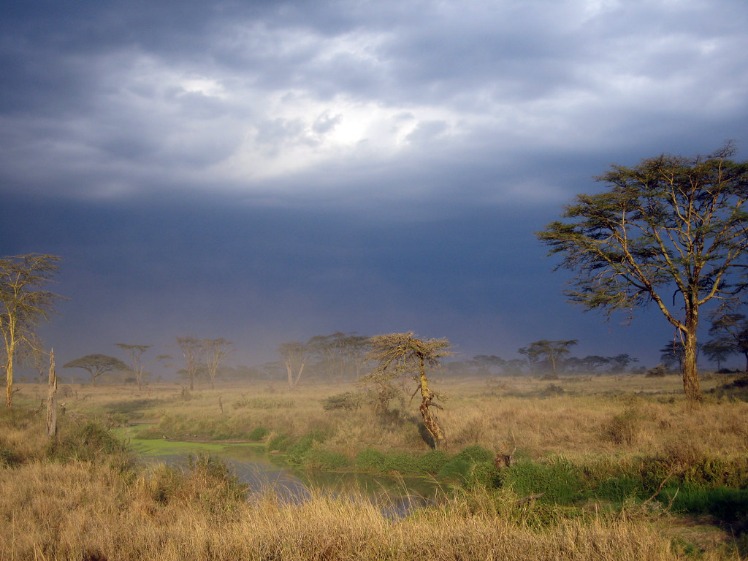
Overview of the Serengeti Plains
The Serengeti Plains in Tanzania are one of Africa’s most iconic and breathtaking landscapes. Covering approximately 14,750 square kilometers, this vast ecosystem is renowned for its extraordinary wildlife migrations and diverse habitats. The plains serve as a crucial habitat for thousands of animals, including lions, elephants, zebras, and wildebeests, making it a premier destination for safaris and wildlife enthusiasts. With its expansive grasslands, seasonal rains, and stunning views, the Serengeti offers a unique and unforgettable experience for visitors seeking to connect with nature’s wilderness.
Location and Geography
The Serengeti Plains in Tanzania are one of the most renowned wilderness areas in Africa, famous for their vast and breathtaking landscape. Spanning approximately 14,750 square kilometers, this expansive region is characterized by rolling grasslands, savannas, and open plains that support a diverse array of wildlife. The plains form part of the Serengeti National Park, which is a UNESCO World Heritage Site and a vital ecosystem for the migration of millions of wildebeest, zebras, and other animals.
Located in northern Tanzania, the Serengeti Plains are situated south of the Maasai Mara in Kenya, forming a continuous ecosystem that stretches across the border. The geography of the plains is largely flat with some gentle undulations, interspersed with rocky outcrops known as kopjes that provide shelter for various animals. The terrain is predominantly composed of grasslands and acacia trees, offering ideal conditions for the region’s rich biodiversity.
Climate and Seasons
The Serengeti Plains in Tanzania are renowned for their vast, open landscapes that stretch across part of East Africa. These plains are home to diverse wildlife, including the famous wildebeest migration, and offer a stunning natural environment for visitors and researchers alike.
The climate of the Serengeti is primarily characterized by a warm, tropical climate with distinct wet and dry seasons. Temperatures typically range from 20°C to 30°C (68°F to 86°F) throughout the year, making it an ideal habitat for a wide variety of animals.
The wet season usually occurs from November to April, bringing heavy rains that nourish the grasslands and support the thriving ecosystem. The dry season, from May to October, is marked by cooler temperatures and minimal rainfall, during which animals gather around water sources, providing excellent wildlife viewing opportunities. These seasonal changes are crucial for the migration patterns and overall health of the Serengeti ecosystem.
Size and Topography
The Serengeti Plains in Tanzania are one of the most iconic and expansive ecosystems in Africa, renowned for their breathtaking landscapes and remarkable biodiversity. Covering an area of approximately 14,750 square kilometers, these plains are characterized by vast, open grasslands, savannahs, and scattered acacia trees. The topography of the Serengeti features gently rolling plains and scattered acacia trees, with some areas of greater elevation offering spectacular views over the landscape. The region’s flat and expansive terrain facilitates the great migration of millions of wildebeest, zebras, and other herbivores, making it a crucial habitat for wildlife. Overall, the Serengeti Plains’ size and topographical diversity create an environment that supports an abundance of animal and plant life, making it one of the most important conservation areas in Africa.
Wildlife of the Serengeti
The Serengeti Plains in Tanzania are renowned for their stunning and diverse wildlife. This vast ecosystem supports an incredible array of species, from elegant lions and majestic elephants to swift cheetahs and graceful gazelles. The plains offer a spectacular view of nature’s greatest migration and are considered one of the world’s most vital habitats for wildlife conservation. Visitors and researchers alike are captivated by the vibrant and dynamic animal life that Thrives in this iconic landscape.
Bird Species
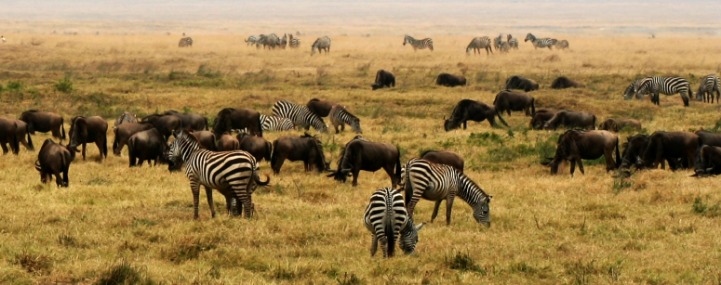
The Serengeti Plains in Tanzania are renowned for their abundant and diverse wildlife, hosting one of the most spectacular and complex ecosystems on Earth. Each year, millions of animals migrate across the plains in search of fresh grazing, creating a dynamic and awe-inspiring natural spectacle. Among the various wildlife species, the Serengeti is famous for its large populations of lions, elephants, giraffes, zebras, and wildebeests, all contributing to the vibrant tapestry of life in this region.
Bird species in the Serengeti are equally diverse and captivating. The plains provide habitat for over 500 bird species, from majestic raptors like the bateleur and crowned eagle to colorful species such as Lilac-breasted Roller and Common Bee-eater. Water bodies scattered throughout the region attract waterfowl and wading birds including herons, storks, and kingfishers. The Serengeti’s birdlife is essential for maintaining the ecological balance and offers a spectacular view for birdwatchers and nature enthusiasts alike.
Reptiles and Amphibians
The Serengeti Plains in Tanzania are renowned for their incredible biodiversity, including a diverse range of wildlife, reptiles, and amphibians. The vast grasslands and savannahs provide a unique habitat for many species that have adapted to the open environment. Among the iconic wildlife are lions, elephants, zebras, and wildebeests, which contribute to the dynamic ecosystems of the region.
Reptiles such as crocodiles, monitor lizards, and various species of snakes are commonly found in the Serengeti. These reptiles play vital roles in maintaining ecological balance, controlling prey populations, and contributing to the overall health of the habitat. Amphibians are less conspicuous but are present in the wetlands and water bodies, including frogs and toads, which are essential indicators of environmental health and are vital for the food chain.
Overall, the wildlife of the Serengeti, including its reptiles and amphibians, exemplifies the rich biodiversity that this iconic region sustains, making it a significant area for conservation and ecological study.
The Serengeti Migration
The Serengeti Migration is one of the most remarkable natural spectacles in the world, occurring across the vast plains of Tanzania. This extraordinary event involves millions of wildebeest, zebras, and other herbivores moving in a continuous loop in search of fresh grazing and water. The migration plays a vital role in the ecology of the Serengeti Plains and offers a breathtaking display of nature’s resilience and harmony.
Annual Animal Movements
The Serengeti Migration is one of the most extraordinary natural phenomena, showcasing the annual movement of millions of wildeness across the vast plains of Tanzania. Each year, herds of wildebeest, zebras, and other herbivores travel in a circular route driven by seasonal rains and the search for fresh grazing grounds. This epic migration covers hundreds of miles, crossing rivers and traversing diverse landscapes, making it a spectacular spectacle for wildlife enthusiasts and photographers alike. The Serengeti plains in Tanzania serve as the heart of this remarkable event, supporting a rich biodiversity that has captivated observers for generations. The continuous movement ensures the survival of species and maintains ecological balance in this unique ecosystem. Visitors to the Serengeti can witness this incredible journey firsthand, experiencing one of nature’s most breathtaking displays of life and resilience.
Water and Food Sources
The Serengeti Migration in Tanzania is one of the most remarkable natural spectacles, showcasing millions of animals moving across the plains in search of water and food. This annual event is driven by seasonal rains, which replenish water sources and lush grasses that sustain herbivores like wildebeests, zebras, and gazelles. As the dry season approaches, these animals migrate towards permanent waterholes and greener areas, often crossing treacherous rivers and encountering predators along the way. The vast Serengeti plains provide a crucial habitat where diverse species coexist and rely heavily on the availability of water and food sources. Protecting these vital resources is essential to maintaining the delicate balance of this iconic ecosystem, ensuring that the migration continues to be a spectacular display of nature’s resilience and abundance.
The Great Migration Phenomenon
The Serengeti Migration is one of the most extraordinary natural phenomena in the world, taking place across the vast plains of Tanzania. This annual event involves millions of wildebeest, zebras, and other herbivores moving in a synchronized pattern to find fresh grazing lands and water sources. The migration is primarily driven by seasonal rains and the need for food, showcasing the resilience and survival instincts of these animals.
The Great Migration Phenomenon attracts millions of tourists and wildlife enthusiasts who gather to witness the dramatic river crossings and predator-prey interactions. As the herds traverse the Serengeti plains, predators such as lions, crocodiles, and hyenas also follow the movement, creating an awe-inspiring spectacle of life and death. The Serengeti’s diverse ecosystem provides a crucial habitat for these iconic animals, making it a vital conservation area.
The plains of Tanzania, especially in the Serengeti National Park, offer a prime vantage point to observe this incredible natural cycle. The migration highlights the delicate balance of nature and underscores the importance of protecting these pristine environments for future generations to experience this spectacular display of wildlife migration.
Conservation and Protected Areas
The Serengeti Plains in Tanzania are one of the most iconic and vital areas dedicated to conservation and protected landscapes. These expansive grasslands support an extraordinary diversity of wildlife, including the famous annual migration of wildebeests and zebras. Preserving this natural wonder is essential for maintaining biodiversity, supporting local communities, and promoting sustainable tourism. Conservation efforts in the Serengeti help ensure that this unique ecosystem remains resilient for future generations to enjoy and study.
Serengeti National Park
The Serengeti Plains in Tanzania are renowned for their incredible biodiversity and are a vital part of global conservation efforts. The Serengeti National Park, established in 1951, is a UNESCO World Heritage Site that plays a crucial role in protecting numerous species of wildlife, including the famous wildebeest migration, lions, elephants, and cheetahs. Conservation and protected areas like the Serengeti help preserve fragile ecosystems, maintain biodiversity, and support local communities dependent on sustainable tourism. Ongoing efforts focus on habitat preservation, anti-poaching measures, and community engagement to ensure that the Serengeti remains a pristine environment for future generations.
Efforts to Preserve Wildlife
The Serengeti Plains in Tanzania are one of the world’s most iconic wildlife habitats, renowned for their incredible biodiversity and annual migration of millions of wildebeest, zebras, and other animals. Conservation and protected areas play a vital role in preserving this delicate ecosystem, ensuring the survival of countless species and maintaining ecological balance. Efforts to preserve wildlife in the Serengeti include establishing national parks and game reserves, implementing anti-poaching measures, and promoting sustainable tourism practices that benefit local communities. Additionally, collaborations between government agencies, conservation organizations, and local tribes help enhance conservation initiatives and protect the region’s natural heritage. These dedicated efforts contribute to the ongoing preservation of the Serengeti’s unique flora and fauna, allowing future generations to experience its beauty and ecological significance.
Challenges and Threats
The Serengeti Plains in Tanzania are one of the most iconic protected areas in Africa, renowned for their abundant wildlife and stunning landscapes. Conservation efforts here aim to preserve the diverse ecosystems and migratory patterns of iconic species such as elephants, lions, and wildebeests. However, these efforts face numerous challenges and threats that jeopardize the sustainability of this unique environment.
- Poaching and illegal wildlife trade pose significant risks to endangered species like rhinoceroses and elephants.
- Habitat degradation caused by agricultural expansion, deforestation, and human settlements reduces critical grazing and breeding grounds.
- Overgrazing by livestock can lead to soil erosion and loss of native plant species, further impacting wildlife.
- Climate change effects, including altered rainfall patterns and droughts, threaten the delicate balance of the ecosystem.
- Tourism, while economically beneficial, can cause environmental disturbances if not managed responsibly.
- Conflicts between local communities and conservation authorities can hinder efforts to protect the area effectively.
Cultural and Human Presence
The Serengeti Plains in Tanzania are a remarkable tapestry of cultural and human presence, reflecting centuries of coexistence between local communities and the natural environment. This iconic landscape not only hosts an extraordinary diversity of wildlife but also embodies the rich traditions and histories of the indigenous peoples who have lived here for generations. Exploring the cultural fabric of the Serengeti reveals a profound connection between humans and nature that continues to shape the region’s identity today.
Local Communities and Tribes
The Serengeti Plains in Tanzania are a vital cultural and human landscape, home to numerous local communities and tribes with rich traditions and histories. These indigenous groups, such as the Maasai, have coexisted with the natural environment for generations, maintaining their customs, dress, and pastoral lifestyles amidst the vast plains. Their presence contributes significantly to the cultural diversity and identity of the region, preserving age-old practices that are intertwined with the land and its wildlife. The local communities often participate in conservation efforts, balancing their livelihoods with the preservation of the iconic Serengeti ecosystem. This symbiotic relationship highlights the importance of respecting and integrating human presence into the fragile balance of nature, ensuring that both cultural heritages and biodiversity continue to thrive in this legendary landscape.
Impact of Tourism
The Serengeti Plains in Tanzania are a captivating testament to the rich cultural and human presence in the region. Traditionally inhabited by the Maasai people, the area embodies a deep connection between the local communities and the land, maintaining age-old customs, dance, and oral traditions that contribute to the area’s unique cultural heritage. The pastoral lifestyle of the Maasai crafts a vibrant cultural landscape that continues to thrive amidst modern influences.
Tourism in the Serengeti has significantly impacted this cultural fabric, both positively and negatively. On one hand, it provides economic opportunities for local communities, empowering them through employment and the promotion of cultural heritage. On the other hand, increased tourism can lead to cultural commodification, environmental pressure, and disruption of traditional lifestyles. The influx of visitors seeking the Great Migration and wildlife safaris has heightened awareness and appreciation of Tanzania’s natural and cultural richness.
Overall, the presence of humans and their cultural expressions in the Serengeti Plains plays a vital role in shaping the region’s identity. Sustainable tourism practices are essential to balance the preservation of cultural heritage with the economic benefits of tourism, ensuring that this extraordinary landscape continues to inspire and sustain its diverse human and natural communities for generations to come.
Traditional Practices and Livelihoods
The Serengeti Plains in Tanzania are not only renowned for their breathtaking landscapes and diverse wildlife but also for their rich cultural and human heritage that has persisted for centuries. The local Maasai community plays a pivotal role in maintaining traditional practices and sustaining their livelihoods within this iconic region.
- Traditional Maasai Practices: The Maasai people are known for their unique customs, including elaborate ceremonies, beadwork, and customs related to cattle herding, which is central to their culture and economy.
- Livelihoods and Cattle Ranching: Many Maasai families rely on pastoralism, primarily cattle herding, which provides food, income, and social status. This practice is deeply intertwined with their cultural identity.
- Cultural Preservation and Tourism: The community actively participates in conservation and cultural tourism initiatives, offering visitors insights into their traditional way of life while promoting sustainable livelihoods.
Tourism Activities and Safari Experiences
Discover the breathtaking beauty and adventure of the Serengeti Plains in Tanzania, a renowned destination for tourism activities and safari experiences. Surrounded by vast savannahs, abundant wildlife, and stunning landscapes, the Serengeti offers an unforgettable journey into nature’s most majestic moments. Whether you’re an avid wildlife enthusiast or seeking a serene escape, exploring this iconic region promises countless opportunities for adventure and awe-inspiring sights.
Game Drives and Wildlife Viewing
The Serengeti Plains in Tanzania offer an unparalleled range of tourism activities and safari experiences that attract adventurers from around the world. Visitors can embark on thrilling game drives through the vast savannahs, where they have the opportunity to witness iconic wildlife such as lions, elephants, giraffes, and cheetahs in their natural habitat. Wildlife viewing in the Serengeti is most rewarding during the migration seasons, when millions of wildebeest, zebras, and gazelles traverse the plains, creating a spectacular spectacle. These safari experiences not only provide close encounters with wildlife but also offer breathtaking landscapes and the chance to learn about the intricate ecosystem that sustains this vibrant environment. Whether on guided game drives or self-driven explorations, travelers can immerse themselves in the awe-inspiring beauty of the Serengeti’s wilderness. Traveling through this legendary savannah promises unforgettable memories and a deep connection to nature’s most remarkable creatures.
Hot Air Balloon Safaris
The Serengeti Plains in Tanzania offer an unparalleled destination for tourism activities and safari experiences, showcasing the breathtaking beauty of Africa’s wildlife. Visitors can embark on thrilling game drives to witness the majestic migration of wildebeests, zebras, and other animals traversing the vast plains. Hot air balloon safaris provide a unique perspective, allowing guests to glide silently over the landscape at sunrise, observing herds and predators from an awe-inspiring vantage point. These experiences immerse travelers in the heart of nature, creating unforgettable memories amidst the stunning wilderness of the Serengeti.
Eco-tourism and Lodging
The Serengeti Plains in Tanzania offer a breathtaking array of tourism activities and safari experiences that cater to adventure seekers and nature enthusiasts alike. Visitors can embark on thrilling game drives to witness the majestic wildlife, including lions, elephants, zebras, and wildebeests, in their natural habitat. Guided safaris provide opportunities to learn about the diverse ecosystems and the behavior of the incredible species that roam these expansive plains.
Eco-tourism plays a vital role in preserving the Serengeti’s fragile environment, promoting sustainable travel practices that minimize ecological impact. Tourists are encouraged to participate in conservation efforts while exploring this pristine wilderness, ensuring future generations can enjoy its beauty. Many eco-friendly lodges and camps are thoughtfully integrated into the landscape, offering comfortable accommodations that blend seamlessly with the natural surroundings.
Accommodations range from luxurious lodges to rustic tented camps, allowing visitors to experience the Serengeti in style or immersing themselves fully in the wilderness. These lodgings often provide panoramic views of the plains, delicious local cuisine, and expert guides who enhance the safari experience. Overall, the Serengeti Plains in Tanzania presents an unmatched blend of adventure, conservation, and comfort, making it a premier destination for travelers seeking authentic safari experiences.
Research and Scientific Studies
The Serengeti Plains in Tanzania are a world-renowned natural wonder that attracts researchers and scientists from around the globe. These expansive grasslands offer a unique environment for studying biodiversity, animal migration, and ecosystem dynamics. Scientific studies conducted here have significantly contributed to our understanding of wildlife behavior, conservation strategies, and ecological balance. The Serengeti remains a vital area for ongoing research and environmental preservation efforts.
Wildlife Monitoring Programs
The Serengeti Plains in Tanzania are a crucial area for wildlife research and scientific studies, providing vital insights into the behavior, migration patterns, and ecology of some of Africa’s most iconic species. Researchers conduct extensive wildlife monitoring programs here to track animal populations, health, and movements, which are essential for conservation efforts. These studies help understand the impacts of climate change, human activities, and environmental changes on the delicate balance of the ecosystem. Advances in technology, such as GPS tracking and camera traps, have greatly enhanced the accuracy and scope of data collection in the Serengeti, ensuring that conservation strategies are informed by reliable scientific evidence. Overall, ongoing research in this region plays a pivotal role in preserving its rich biodiversity for future generations.
Ecological Research Initiatives
The Serengeti Plains in Tanzania serve as a vital hub for research and scientific studies focused on ecology, wildlife conservation, and environmental dynamics. These expansive grasslands provide a unique natural laboratory for scientists aiming to understand species interactions, migration patterns, and ecosystem processes. Numerous ecological research initiatives have been established here to monitor the health of the landscape and its diverse species.
- Wildlife Migration Tracking: Using GPS collars and aerial surveys, researchers study the seasonal migration of millions of wildebeest, zebras, and other herbivores across the plains.
- Biodiversity Monitoring Programs: Continuous efforts are made to document the rich biodiversity, including predators like lions and cheetahs, and their prey populations.
- Vegetation and Climate Studies: Scientific initiatives analyze vegetation patterns and climate variations to understand their impact on habitat availability and species distribution.
- Conservation Biology Research: Projects focus on the effects of human activity and climate change on wildlife populations and habitat fragmentation.
- Ecological Modeling and Data Analysis: Scientists develop models to predict ecological changes and inform conservation policies for the Serengeti ecosystem.
Future Prospects and Development
The Serengeti Plains in Tanzania are renowned for their breathtaking landscapes and abundant wildlife, offering a glimpse into the planet’s most iconic ecosystems. As conservation efforts continue to evolve and tourism develops sustainably, the future prospects for the Serengeti are promising. Innovations in eco-friendly practices and community involvement are shaping a future where the plains can thrive while supporting local livelihoods and preserving this extraordinary natural wonder for generations to come.
Potential for Sustainable Tourism
The Serengeti Plains in Tanzania hold significant potential for sustainable tourism development, balancing conservation efforts with economic growth. As interest in eco-tourism increases globally, the region can leverage its rich biodiversity and iconic landscapes to attract responsible travelers committed to preserving the environment.
- Implementing eco-friendly infrastructure that minimizes environmental impact while providing comfortable visitor experiences.
- Promoting community-based tourism initiatives that involve local populations, ensuring they benefit economically and socially.
- Enhancing wildlife conservation programs through sustainable tourism practices, ensuring the protection of the Serengeti’s diverse species.
- Developing educational tourism to raise awareness about conservation challenges and the importance of preserving this unique ecosystem.
- Encouraging collaborations between governments, NGOs, and private sectors to create sustainable tourism standards and policies.
By focusing on these strategies, the Serengeti Plains can become a model for sustainable tourism, ensuring that future generations can enjoy its unparalleled beauty and ecological significance.
Conservation Strategies
The Serengeti Plains in Tanzania hold immense potential for future development and conservation efforts, given their ecological significance and status as a UNESCO World Heritage Site. Sustainable tourism, habitat preservation, and community involvement are crucial for balancing development with conservation goals. By promoting eco-friendly practices and investing in research, stakeholders can ensure the longevity of this iconic landscape for future generations.
Conservation strategies in the Serengeti focus on maintaining the delicate balance of its diverse ecosystems. Protected area management, anti-poaching initiatives, and habitat restoration are vital components. Collaborating with local communities to promote sustainable livelihoods helps reduce human-wildlife conflict and ensures that conservation efforts are inclusive and effective. Ongoing education and awareness campaigns also play a key role in safeguarding the Serengeti’s unique biodiversity.


0 Comments