
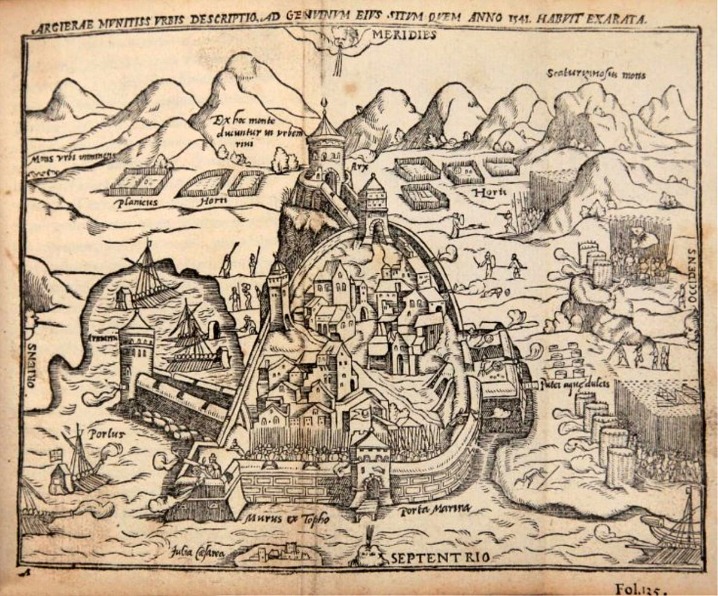
Overview of Algeria’s Gross Domestic Product
Algeria’s Gross Domestic Product (GDP) provides a comprehensive measure of the country’s economic performance and overall economic health. As one of Africa’s significant economies, Algeria’s GDP reflects its diverse industries, including oil and gas, agriculture, manufacturing, and services. Understanding the trends and components of Algeria’s GDP offers valuable insights into its economic stability, growth prospects, and development challenges.
Definition and Measurement
Algeria’s Gross Domestic Product (GDP) represents the total monetary value of all goods and services produced within the country over a specific period, typically measured annually. It serves as a key indicator of the country’s economic performance and overall economic health.
GDP is defined as the sum of the value added by all residents and companies in Algeria, including the output of industries, services, agriculture, and other sectors. It captures the economic activity within the nation’s borders, regardless of the ownership of the resources involved.
Measurement of Algeria’s GDP is conducted through various methods, primarily the production (or value-added) approach, the income approach, and the expenditure approach. The production approach calculates the added value at each stage of production across various sectors. The income approach sums up all incomes earned by factors of production, such as wages, rents, interest, and profits. The expenditure approach totals all expenditures on final goods and services, including consumption, investment, government spending, and net exports. Accurate measurement relies on national statistical agencies collecting comprehensive data and applying standardized methodologies to ensure consistency and reliability.
Historical Trends and Growth Rates
Algeria’s Gross Domestic Product (GDP) reflects the country’s economic activity and overall economic health. As a major economy in North Africa, Algeria’s GDP is heavily influenced by its abundant natural resources, particularly oil and natural gas exports. The country’s economy has experienced various fluctuations over the years, driven largely by global energy prices and internal economic reforms.
Historically, Algeria’s GDP growth rates have shown periods of rapid expansion, especially during periods of rising oil prices, which significantly boost revenue from the energy sector. Conversely, during times of declining oil prices or global economic downturns, GDP growth has slowed or contracted. Despite these fluctuations, Algeria has sought to diversify its economy through investments in sectors such as agriculture, manufacturing, and services to reduce dependency on hydrocarbons.
In recent years, Algeria’s GDP growth rates have been moderate, impacted by global energy market volatility and domestic economic challenges. Efforts are ongoing to implement structural reforms aimed at boosting non-oil sectors and creating a more sustainable economic future. Overall, Algeria’s GDP trend demonstrates resilience but also highlights the importance of diversification in maintaining steady growth amid global uncertainties.
Significance to the Economy
Algeria’s Gross Domestic Product (GDP) is a key indicator of the country’s economic performance and overall financial health. It reflects the total value of goods and services produced within the nation over a specific period, offering insights into economic growth and development trends.
The significance of Algeria’s GDP to the economy is profound, as it influences government policy, investment decisions, and international trade relations. A robust GDP typically indicates a stable and expanding economy, which can lead to improved living standards and increased employment opportunities.
- GDP serves as a vital measure for assessing the economic progress of Algeria relative to other countries.
- It helps in formulating economic policies and strategies aimed at sustainable growth.
- Higher GDP levels attract foreign investment by demonstrating economic stability and opportunity.
- ALS GDP distribution across sectors indicates the country’s economic strengths and vulnerabilities, particularly its reliance on oil and gas revenues.
Major Sectors Contributing to GDP
Algeria’s gross domestic product (GDP) is influenced by various major sectors that drive the country’s economy. These sectors play a vital role in shaping economic growth, employment, and overall development. Understanding the key contributors to Algeria’s GDP provides valuable insight into the nation’s economic structure and future prospects.
Oil and Gas Industry
The oil and gas industry is a significant contributor to Algeria’s gross domestic product, playing a vital role in the country’s economy. As one of the leading sectors, it provides a substantial portion of government revenue and exports, driving economic growth and development. The industry encompasses exploration, production, refining, and distribution of hydrocarbons, which supports numerous related industries and employment opportunities. Despite efforts to diversify the economy, the oil and gas sector remains the backbone of Algeria’s GDP, influencing overall economic stability and national prosperity.
Agriculture Sector
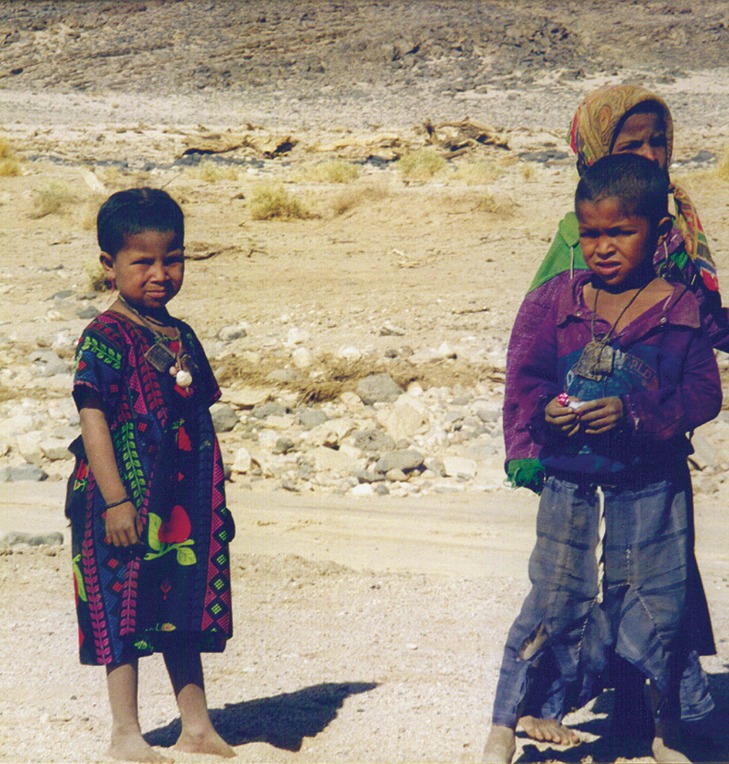
The agriculture sector plays a significant role in Algeria’s gross domestic product (GDP), providing livelihoods for a large portion of the population and contributing to the country’s overall economic stability. This sector encompasses the cultivation of crops such as cereals, olives, fruits, and vegetables, as well as livestock farming, fisheries, and forestry. Despite its importance, the agriculture sector in Algeria faces challenges including limited arable land, water scarcity, and reliance on traditional farming methods. Efforts to modernize agriculture and improve productivity are essential for enhancing its contribution to GDP and ensuring food security. Overall, the agriculture sector remains a vital component of Algeria’s economy, supporting both employment and export earnings.
Manufacturing and Industry
Manufacturing and industry are significant sectors contributing to Algeria’s gross domestic product (GDP). The manufacturing sector in Algeria encompasses a variety of industries including petrochemicals, machinery, food processing, and textiles. This sector plays a crucial role in diversifying the economy beyond its reliance on oil and gas exports. The industrial activities support employment, infrastructure development, and technological advancement within the country. Moreover, the growth of manufacturing industries helps boost exports and reduce economic dependence on primary commodities. As part of the broader industrial landscape, Algeria’s manufacturing sector aims to enhance productivity, attract foreign investment, and promote sustainable economic growth, thus making it a vital component of the country’s GDP contribution.
Services Sector
The services sector is a vital component of Algeria’s gross domestic product, contributing significantly to the country’s economic output. This sector encompasses a wide range of industries including retail, hospitality, finance, real estate, communications, and healthcare. In recent years, the services sector has experienced substantial growth, driven by increased demand for financial services, telecommunications, and tourism-related activities. The expansion of this sector not only boosts employment opportunities but also enhances Algeria’s overall economic diversification efforts. As the country continues to develop, the services industry is expected to play an increasingly prominent role in supporting sustainable economic growth and stability.
Economic Indicators and Data
Economic indicators and data provide vital insights into the financial health and performance of a country. They help analyze trends, make informed decisions, and formulate policies to support growth and stability. When examining Algeria’s gross domestic product, these indicators offer a detailed picture of the nation’s economic activities, sector contributions, and overall economic trajectory.
GDP in Nominal Terms
Algeria’s Gross Domestic Product (GDP) in nominal terms provides a snapshot of the country’s overall economic output valued at current market prices, without adjusting for inflation. This figure reflects the total value of all goods and services produced within Algeria within a specific period, typically annually. Monitoring nominal GDP allows analysts and policymakers to gauge economic activity, compare it with other countries, and assess the country’s economic growth over time. Given Algeria’s significant oil and gas sector, fluctuations in global energy prices often have a substantial impact on its nominal GDP, making it a critical indicator of economic health and stability.
GDP Growth Rate
Algeria’s Gross Domestic Product (GDP) growth rate is a key economic indicator that reflects the country’s economic health and development over time. It measures the percentage change in the value of all goods and services produced within Algeria within a specific period, typically annually. The GDP growth rate is influenced by various factors, including oil and gas revenues, government policies, global economic conditions, and domestic investments. Monitoring this indicator helps analysts and policymakers assess economic stability, plan for future development, and make informed decisions. Algeria’s economy is heavily dependent on hydrocarbon exports, which means fluctuations in global oil prices can significantly impact its GDP growth rate. Understanding these dynamics provides insight into the country’s economic trajectory and prospects for sustainable growth.
Per Capita GDP
Per Capita GDP is a crucial economic indicator used to assess the average economic output per person in Algeria, reflecting the standard of living and economic well-being of its citizens. It is calculated by dividing the country’s total Gross Domestic Product (GDP) by its population. In the context of Algeria, fluctuations in Per Capita GDP can indicate changes in economic growth, development, and income distribution. Monitoring this metric helps policymakers and economists understand the country’s economic health and form strategies to promote sustainable growth. Algeria’s diverse economy, heavily reliant on oil and gas exports, directly influences its Per Capita GDP, making it sensitive to global commodity prices and domestic production levels. Overall, Per Capita GDP serves as an essential indicator for evaluating Algeria’s economic progress and guiding investment and policy decisions.
GDP by Sector Contribution
Algeria’s Gross Domestic Product (GDP) is a key indicator of the country’s economic health and overall performance. Breaking down GDP by sector contribution provides insight into which industries drive the economy and how it is evolving over time. The primary sectors influencing Algeria’s GDP include the oil and gas industry, agriculture, manufacturing, and services.
The oil and gas sector is the dominant contributor to Algeria’s GDP, accounting for a significant portion due to the country’s reliance on hydrocarbons exports. This sector’s performance heavily impacts overall economic growth and government revenues. Agriculture, while representing a smaller share, remains vital for food security and rural employment, with oil palm, cereals, and livestock being prominent.
Manufacturing activities, including petrochemicals, cement, and food processing, contribute to economic diversification efforts. In recent years, the services sector has grown steadily, encompassing telecommunications, finance, retail, and tourism, reflecting a shift towards a more diversified economy. Analyzing the contribution of these sectors helps understand Algeria’s economic structure, resilience, and areas for potential growth or improvement.
Factors Influencing GDP Growth
The growth of Algeria’s gross domestic product (GDP) is shaped by a variety of interconnected factors. Economic policies, natural resource availability, technological advancements, and global market trends play significant roles in determining the country’s economic performance. Understanding these influences provides insight into Algeria’s economic prospects and challenges.
Oil Prices and Export Revenues
The Gross Domestic Product (GDP) of Algeria is influenced by a variety of factors, with oil prices and export revenues playing a significant role due to the country’s heavy reliance on the hydrocarbon sector. Fluctuations in global oil prices directly impact Algeria’s income, as oil exports constitute a major portion of government revenue and foreign exchange earnings. When oil prices are high, Algeria experiences increased export revenues, which can stimulate economic growth and enhance GDP figures. Conversely, declining oil prices tend to reduce revenue, potentially slowing down economic progress. Other factors affecting Algeria’s GDP include global economic conditions, domestic political stability, investment levels, diversification efforts in non-oil sectors, infrastructure development, and government policies aimed at economic reforms. Additionally, external demand for exports from trading partners, currency exchange rate stability, and geopolitical developments can further influence the country’s economic performance. As Algeria continues to navigate these variables, their combined impact determines the overall growth trajectory of its GDP.
Domestic Investment and Infrastructure Development
Factors influencing Algeria’s GDP growth are multifaceted, with domestic investment and infrastructure development playing pivotal roles. Increased domestic investment enhances productive capacity, stimulates innovation, and creates employment opportunities, thereby directly contributing to economic expansion. Infrastructure development, including transportation, energy, and communication systems, facilitates smoother business operations, improves connectivity, and attracts foreign direct investment. Political stability and government policies also significantly affect these factors by creating a conducive environment for economic activities. Additionally, access to natural resources such as oil and gas continues to be a major driver of Algeria’s GDP, but sustainable growth increasingly depends on diversifying economic activities through robust infrastructure and investment. External factors like global market conditions and international commodity prices further influence these internal drivers by impacting export revenues and investment inflows, shaping the overall trajectory of Algeria’s economic growth.
Government Policies and Economic Reforms
Government policies and economic reforms play a crucial role in shaping Algeria’s gross domestic product (GDP) growth. Effective fiscal policies can stimulate investment, boost production, and enhance consumption, which directly impacts GDP. Conversely, restrictive or inefficient policies may hinder economic expansion. Economic reforms aimed at diversifying the economy away from reliance on oil and gas exports can foster sustainable growth by developing sectors such as agriculture, manufacturing, and services. Additionally, regulatory reforms that improve business environment, ensure competitiveness, and attract foreign direct investment (FDI) are vital for boosting GDP. Infrastructure development, education, and technological innovation are other factors influenced by government initiatives that can significantly affect economic performance. Overall, a balanced combination of strategic policies and reforms is essential to promote steady and inclusive growth in Algeria’s economy.
Global Economic Conditions
Several factors influence Algeria’s Gross Domestic Product (GDP) growth, with global economic conditions playing a significant role. As a country heavily reliant on oil and gas exports, fluctuations in global energy prices directly impact its economic performance. When global oil demand rises, Algeria benefits from increased revenue, boosting GDP; conversely, falling prices can lead to economic contraction. Additionally, international economic stability affects foreign investment and trade relations, which are crucial for economic growth. Political stability and government policies also shape economic outcomes by influencing investor confidence and economic reforms. External factors such as geopolitical tensions, global inflation rates, and economic trends in key partner countries further contribute to the overall economic environment, impacting Algeria’s GDP growth trajectory. Sustainable development and diversification efforts within the country can mitigate some vulnerabilities associated with external shocks, fostering more resilient economic growth in the long term.
Challenges and Opportunities
Analyzing Algeria’s gross domestic product reveals a landscape filled with both significant challenges and promising opportunities. The country faces economic hurdles such as reliance on oil and gas exports, fluctuating global prices, and geopolitical uncertainties. However, these challenges also open doors for diversification, investment in emerging sectors, and sustainable development, making it a pivotal time for Algeria to harness its potential and navigate its economic future effectively. Understanding these dynamics is essential for fostering growth and stability in the nation’s economy.
Dependence on Oil and Gas Exports
Dependence on oil and gas exports significantly influences Algeria’s gross domestic product, presenting both challenges and opportunities for the country’s economic future. Reliance on these natural resources makes the economy vulnerable to fluctuations in global energy prices, which can lead to economic instability and reduced public revenues when prices decline. This dependence also hampers diversification efforts, limiting growth in other sectors such as manufacturing, agriculture, and services.
However, this reliance on hydrocarbon exports offers opportunities to capitalize on existing infrastructure and expertise, allowing Algeria to enhance its production capabilities and explore value-added industries within the energy sector. Strategic reforms aimed at diversifying the economy, attracting foreign investment, and developing renewable energy sources can transform dependence into a platform for sustainable growth. Strengthening economic resilience through diversification can help Algeria better withstand global market volatility and secure a more stable and sustainable gross domestic product in the long term.
Economic Diversification Efforts
Algeria’s gross domestic product has experienced fluctuating growth driven largely by its reliance on hydrocarbon exports. One of the primary challenges in diversifying the economy is the heavy dependence on oil and gas revenues, which makes the country vulnerable to global commodity price volatility. Additionally, structural issues such as bureaucratic inefficiencies, insufficient infrastructure, and limited innovation hinder the development of non-energy sectors. Despite these obstacles, there are significant opportunities for economic diversification through investing in sectors like agriculture, manufacturing, tourism, and renewable energy. Such efforts can create jobs, attract foreign investment, and promote sustainable growth. The government’s initiatives aimed at reforming economic policies and encouraging private sector participation are crucial to capitalize on these opportunities and reduce dependence on hydrocarbons.
Impact of Political and Social Stability
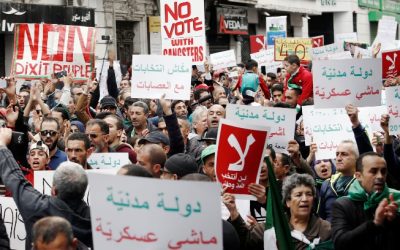
The stability of political and social systems plays a crucial role in shaping Algeria’s economic landscape and its gross domestic product (GDP) growth. Challenges such as political unrest or social unrest can deter foreign investment, disrupt daily economic activities, and hinder long-term development plans. Conversely, a stable environment fosters confidence among investors, promotes economic diversification, and encourages sustainable growth. Opportunities arise when stability attracts international partnerships, boosts tourism, and improves the overall business climate. Additionally, political stability can facilitate effective implementation of economic reforms aimed at diversifying Algeria’s economy away from reliance on hydrocarbons. Ultimately, the impact of political and social stability directly influences Algeria’s ability to sustain economic growth, enhance productivity, and improve the living standards of its citizens.
Emerging Sectors and Future Prospects
Algeria’s Gross Domestic Product (GDP) faces a range of challenges and opportunities that shape its economic landscape. The economy heavily relies on hydrocarbons, making it vulnerable to fluctuations in global oil and gas prices. This dependency poses significant risks, especially amid efforts to diversify revenue sources. However, the country also presents opportunities in emerging sectors such as renewable energy, manufacturing, and tourism. Investment in these areas could reduce reliance on fossil fuels and foster sustainable growth. Future prospects for Algeria include leveraging its strategic geographic position, abundant natural resources, and a young population to stimulate economic development, attract foreign investment, and create jobs. Embracing innovation and infrastructure development will be crucial in unlocking the full potential of these emerging sectors, paving the way for a more resilient and diversified economy.


0 Comments