
Historical Significance of Gondar
Gondar, often referred to as the “Camelot of Africa,” holds a remarkable place in Ethiopian history. As the former imperial capital of Ethiopia from the 17th to 19th centuries, it is renowned for its rich cultural heritage, impressive castle complexes, and historical significance. The city serves as a symbol of Ethiopia’s medieval grandeur and resilience, making it a vital site for understanding the nation’s historical and cultural development.
Founding and Early History
Gondar, located in northern Ethiopia, holds immense historical significance as the former imperial capital of Ethiopia and a center of cultural and political power. Founded in the early 17th century by Emperor Fasilides, it became the residence of Ethiopian emperors and a hub for religious and administrative activities. The city is renowned for its impressive castle complexes, known as the Fasil Ghebbi, which reflect the architectural ingenuity and regal grandeur of its rulers. Gondar’s strategic location and its role as a royal capital during the Gondarine period contributed significantly to the political stability and cultural development of Ethiopia. Its early history marks the beginning of a unique blend of Ethiopian traditions, Christianity, and regional influences, laying the foundation for its enduring legacy as a historical and archaeological treasure.
Role in Ethiopian Kingdoms
Gondar, often referred to as the “Camelot of Africa,” holds immense historical significance as the former imperial capital of Ethiopia. It served as a vital hub for political, military, and cultural development, especially during the reign of Emperor Fasilides and his successors. The city’s rich history is reflected in its remarkable architecture, including castles, churches, and royal buildings that symbolize Ethiopia’s medieval prosperity and sovereignty.
- Gondar was the capital during Ethiopia’s golden age from the 17th to 19th centuries, making it a center for administration and royal authority.
- It played a key role in unifying various Ethiopian kingdoms, serving as a political and religious center that fostered the development of Ethiopian Orthodox Christianity.
- The city’s historic sites, such as the Fasil Ghebbi royal enclosure, are UNESCO World Heritage sites that highlight its importance in Ethiopian history.
- Gondar served as a strategic military stronghold, defending Ethiopia against external invasions and internal rebellions throughout its history.
- The city also fostered cultural and artistic achievements, evident in its monasteries, paintings, and traditional music rooted in Ethiopian heritage.
Contributions to Ethiopian Heritage
Gondar, often referred to as the historical capital of Ethiopia, holds immense significance in the nation’s heritage due to its rich history and cultural heritage. Established in the 17th century, it served as the imperial capital for several centuries, becoming a center of political power and cultural development.
The city is renowned for its impressive castles and royal structures, exemplifying the architectural ingenuity of Ethiopian civilization. The Royal Enclosure, a UNESCO World Heritage Site, showcases the grandeur of Ethiopia’s ancient monarchy and reflects its political and historical influence.
Gondar also played a pivotal role in Ethiopian religious history, hosting many churches and religious sites that continue to be important spiritual centers. Its historical significance extends to its role in fostering Ethiopian identity, preserving indigenous traditions, and serving as a symbol of national pride.
Today, Gondar remains a vital cultural landmarks that embodies Ethiopia’s historical legacy and contributes substantially to the preservation and celebration of Ethiopian heritage for future generations.
Architectural Heritage
Gondar, often referred to as the “Camelot of Africa,” is a city renowned for its rich architectural heritage that reflects Ethiopia’s historical grandeur. This city is famous for its ancient castles, churches, and monasteries, which showcase unique Ethiopian medieval architecture. Exploring Gondar offers a glimpse into a vibrant past where divine artistry and royal grandeur blend seamlessly, making it a UNESCO World Heritage site. Its architectural treasures not only tell stories of historical significance but also highlight the cultural identity of the Ethiopian people.
Royal Castles and Palaces
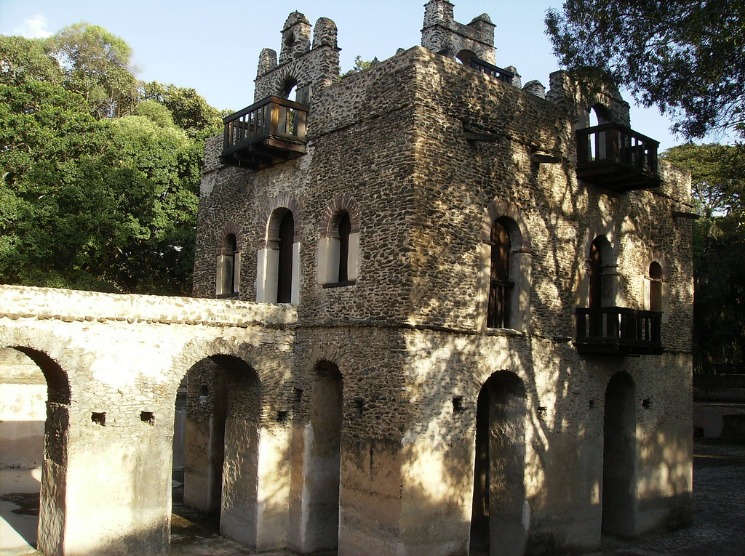
Gondar, often referred to as the “Camelot of Africa,” is renowned for its rich architectural heritage, particularly its royal castles and palaces. These historic structures reflect Ethiopia’s medieval grandeur and showcase a unique blend of Ethiopian, Islamic, and European architectural influences. The Royal Enclosure, or Fasil Ghebbi, is a complex of castles and palaces built during the 17th century under Emperor Fasilides and his successors, serving as the former royal court and a symbol of Ethiopia’s regal history. The intricate stonework, fortified walls, and ornate monasteries within the enclosure highlight the craftsmanship and architectural sophistication of the period. Gondar’s royal structures are not only architectural marvels but also cultural symbols that embody the country’s historical significance and religious heritage, drawing visitors from around the world to admire their timeless beauty and historical importance.
Fasil Ghebbi (Royal Enclosure)
Fasil Ghebbi, also known as the Royal Enclosure, is a remarkable architectural heritage site located in the historic city of Gondar, Ethiopia. It is a complex of castles, palaces, monasteries, and other structures that reflect the grandeur of Ethiopia’s medieval emperors. The site is renowned for its unique blend of Ethiopian, Portuguese, and Indian architectural styles, showcasing the country’s rich cultural history.
- Construction of Fasil Ghebbi began in the 17th century under Emperor Fasilides and continued for several decades, imprinting the city with a regal and religious significance.
- The complex includes notable structures such as the Emperor’s Palace, the Church of Fasilidas, and the bath of Fasilides, all surrounded by fortified walls.
- Its architecture features stone walls, rounded towers, and ornate monasteries, exemplifying the refinement and artistic sensibilities of the period.
- Fasil Ghebbi served as the royal residence and a center of administration and religious activities, making Gondar the imperial capital of Ethiopia for over two centuries.
- In 1979, it was designated a UNESCO World Heritage Site, recognizing its significance as a symbol of Ethiopia’s historical and cultural identity.
Historic Churches and Monasteries
Gondar, often referred to as the “Camelot of Africa,” is renowned for its rich architectural heritage, particularly its historic churches and monasteries. These structures reflect a unique blend of Ethiopian Orthodox Christian traditions and medieval architectural styles, dating back to the 17th and 18th centuries. The Royal Enclosure, a complex of castles and palaces, stands as a testament to Gondar’s historical significance as a former imperial capital. Among the most notable sites are the Fasil Ghebbi, Fasiladas’ Bath, and numerous ancient churches that feature distinctive rock-hewn construction techniques and intricate frescoes.
These religious structures serve not only as places of worship but also as cultural symbols that preserve Ethiopia’s Christian heritage. The churches, such as Debre Berhan Selassie, are famed for their beautifully detailed cedar-wood carvings, vibrant murals, and impressive ceilings adorned with angelic paintings. Monasteries in the region continue to function as centers of religious learning and preservation of ancient manuscripts, showcasing Ethiopia’s deep spiritual history. Visiting Gondar offers a captivating glimpse into Ethiopia’s architectural ingenuity and its devotion to faith, making it a vital destination for enthusiasts of history and heritage preservation.
Culture and Traditions
Gondar, a historic city in Ethiopia, is renowned for its rich culture and vibrant traditions that reflect the nation’s diverse heritage. The city’s unique customs, festivals, and ancient architecture offer a captivating glimpse into Ethiopia’s cultural soul. Exploring Gondar means immersing oneself in a world where history and tradition intertwine to create a truly exceptional cultural experience.
Local Festivals and Celebrations
Gondar, a historic city in Ethiopia, is renowned for its rich culture and vibrant traditions that have been preserved over centuries. The city is often referred to as the “Camelot of Africa” due to its magnificent castles and royal history, reflecting a unique blend of medieval architecture and Ethiopian heritage.
One of the most significant festivals in Gondar is Timket, the Ethiopian Orthodox Epiphany celebration held every January. During Timket, the city comes alive with colorful processions, rituals, and prayers as the faithful commemorate the baptism of Jesus Christ. The festival features elaborate traditional attire, music, and dance, creating a lively and spiritual atmosphere that attracts visitors from across the country and beyond.
Local celebrations in Gondar also include Gorrie, a traditional Ethiopian dance accompanied by drums and singing, often performed during festivals and communal gatherings. These events serve as a vital opportunity for community bonding and the reinforcement of cultural identity. Handicrafts, traditional music, and storytelling forms are also integral parts of Gondar’s vibrant cultural scene, offering visitors a glimpse into its historical and social fabric.
Overall, Gondar’s cultural and traditional festivities provide a rich tapestry of history, faith, and community spirit, making it a captivating destination for those interested in Ethiopia’s diverse heritage.
Traditional Music and Dance
Gondar, a city in Ethiopia, is renowned for its rich cultural heritage and vibrant traditions that have been preserved over centuries. The city is a hub of historical and cultural significance, showcasing a blend of ancient customs and modern influences that reflect the diverse identity of its people.
Traditional music in Gondar is characterized by distinctive rhythms and melodies that are often performed during celebrations and community gatherings. Local instruments such as the krar, a six-stringed lyre, and the masenqo, a one-stringed fiddle, are commonly used to create soulful tunes that tell stories of the region’s history and folklore. Dance also plays an integral role in Gondar’s cultural expressions, with traditional dances like the eskista involving intricate shoulder movements and energetic footwork that symbolize joy and unity.
These musical and dance traditions are typically passed down from generation to generation, serving as a means of preserving the cultural identity of the Gondar people. They are an essential part of religious festivals, weddings, and other communal celebrations, reflecting the deep-rooted customs that continue to thrive in this historic city.
Handicrafts and Local Artisans
Gondar, a city rich in history and cultural heritage, is renowned for its vibrant traditions and unique handicrafts. The city’s culture is deeply rooted in its ancient Christian heritage, reflected in its stunning castles, churches, and historic sites. Local artisans in Gondar produce exquisite handcrafted items such as embroidered textiles, traditional jewelry, and wood carvings that showcase their exceptional craftsmanship and attention to detail. These artisans often pass down their skills through generations, preserving age-old techniques and cultural motifs. Visiting Gondar offers a glimpse into Ethiopia’s diverse cultural tapestry, where traditional music, dance, and craftsmanship continue to thrive and play a vital role in everyday life.
Tourist Attractions
Gondar, often referred to as the Camelot of Africa, is a captivating city in Ethiopia renowned for its rich history and stunning architecture. As a former imperial capital, Gondar offers a unique blend of ancient castles, medieval churches, and vibrant local culture. Visitors to this historic city can explore its UNESCO World Heritage sites and immerse themselves in Ethiopia’s regal past and diverse traditions.
Fasil Ghebbi and Royal Complex
Fasil Ghebbi, also known as the Royal Enclosure, is a historic site located in the city of Gondar, Ethiopia. This extraordinary fortress complex is a UNESCO World Heritage Site and showcases the rich cultural and architectural heritage of the region. The Royal Complex served as the imperial palace and administrative center of the Ethiopian emperors for several centuries.
- Fasil Ghebbi features a series of castles, palaces, bathhouses, and churches built during the reigns of Ethiopian emperors from the 17th to 19th centuries.
- The site is renowned for its unique blend of Ethiopian, Byzantine, and Portuguese architectural influences.
- Among its most notable structures are the Fasilides Castle, the Emperor’s Palace, and the Royal Baths, which are still used for traditional festivals and celebrations.
- Visitors can explore narrow stone pathways, ancient buildings, and learn about Ethiopia’s imperial history.
Gondar itself is a vibrant city filled with history, culture, and breathtaking landscapes, making it a must-visit destination for travelers interested in Ethiopia’s heritage. The attractions within and around Fasil Ghebbi offer a fascinating glimpse into Ethiopia’s imperial past and architectural ingenuity.
Debre Birhan Selassie Church
Debre Birhan Selassie Church is one of the most historic and revered religious sites in Gondar, Ethiopia. This ancient Ethiopian Orthodox church is renowned for its stunning architecture and remarkable religious frescoes that adorn its walls. Built in the 17th century, the church is a significant pilgrimage destination for both locals and visitors. Its name translates to “Light of the Trinity,” reflecting its spiritual importance. Tourists are often drawn to the church not only for its religious significance but also for its beautifully preserved artwork and peaceful atmosphere. Exploring Debre Birhan Selassie offers a unique glimpse into Ethiopia’s rich history and spiritual heritage within the vibrant city of Gondar.
Ancient Bathhouses and Water Pools
Gondar, a historic city in Ethiopia, is renowned for its rich cultural heritage and striking attractions. Among the most prominent sites are the ancient bathhouses and water pools that showcase the city’s historical significance and architectural ingenuity.
These bathhouses, built during the reign of Emperor Fasildas in the 17th century, were used for both relaxation and ceremonial purposes. They feature impressive stonework and intricate designs, reflecting the craftsmanship of the period.
The water pools in Gondar serve as both aesthetic and functional elements, often associated with royal compounds and monasteries. They symbolize the city’s historical importance as a center of religion, culture, and leisure.
Tourists visiting Gondar can explore these ancient structures to gain insight into Ethiopia’s heritage. The bathhouses and water pools not only enhance the city’s scenic beauty but also offer a glimpse into its glorious past and traditional practices.
Climate and Geography
Gondar, a historic city in Ethiopia, is known for its diverse climate and unique geographical features. Located in the northern highlands, the city experiences a varied climate that ranges from cool and temperate to semi-arid in different areas. Its mountainous landscape provides a picturesque setting, influencing local weather patterns and offering scenic views that have shaped the city’s rich cultural heritage and vibrant environment.
Elevation and Weather Patterns
Gondar, a historic city in Ethiopia, features diverse climate and geographical characteristics shaped by its elevation and weather patterns. Situated at an altitude of approximately 2,300 meters (7,500 feet) above sea level, Gondar’s high elevation results in mild, temperate weather throughout the year. The city experiences a distinct dry season from October to May, with sunny days and cooler temperatures, while the rainy season from June to September brings occasional showers and increased humidity. The elevation influences local temperatures, preventing extreme heat and fostering a comfortable climate that supports agriculture and tourism. Overall, Gondar’s unique combination of its elevated terrain and seasonal weather patterns defines its distinctive environment and contributes to its rich cultural and historical significance.
Natural Scenery and Surroundings
Gondar, a historic city in Ethiopia, is renowned for its diverse climate and striking geography. Situated at an elevation of approximately 2,200 meters, its temperate climate offers mild temperatures year-round, with cooler evenings and warm days. The city’s terrain is characterized by rolling hills, lush valleys, and scenic hillsides, creating a picturesque landscape that is both captivating and serene. Surrounding Gondar are lush farmlands and dense woodlands, providing a rich natural environment that supports local agriculture and diverse wildlife. The natural scenery of Gondar is enhanced by ancient castles, monasteries, and lakes that add to the city’s historical charm and scenic beauty, making it a remarkable destination for nature lovers and history enthusiasts alike.
Flora and Fauna of Gondar
Gondar, a historic city in Ethiopia, is renowned for its unique climate and diverse natural environment. Situated at an elevation of approximately 2,130 meters (7,000 feet) above sea level, Gondar experiences a subtropical highland climate, characterized by mild temperatures and distinct wet and dry seasons. The cool, temperate climate makes it suitable for a variety of flora and fauna, contributing to the region’s rich biodiversity.
- Climate: Gondar has a moderate climate with average temperatures ranging from 15°C to 25°C (59°F to 77°F). The rainy season occurs from June to September, providing ample water for agriculture and supporting lush vegetation. The dry season lasts from October to May, with cooler evenings and mornings.
- Flora: The region is characterized by montane forests, grasslands, and shrublands. Common plant species include coffee, ensete (false banana), fig trees, eucalyptus, and various indigenous shrubs and wildflowers. These plant life forms thrive due to the fertile volcanic soils of the area.
- Fauna: Gondar’s wildlife includes various bird species such as speckled pigeons, Ethiopian bush-crow, and hornbills. Small mammals like monkeys, rodents, and bushbucks are also found in the forested and grassland areas. Additionally, insects, reptiles, and amphibians contribute to the region’s ecological diversity.
Overall, Gondar’s unique climate and geography foster a thriving ecosystem that reflects its historical and ecological significance within Ethiopia.
Economy and Local Livelihoods
Gondar, a historic city in Ethiopia, boasts a vibrant economy deeply rooted in its rich cultural heritage and local livelihoods. The city’s economy is characterized by diverse activities such as agriculture, trade, and craftsmanship, which play a vital role in supporting its residents. Understanding the interplay between economic growth and traditional livelihoods provides insight into the city’s ongoing development and the resilience of its community.
Agricultural Activities
The economy of Gondar city in Ethiopia is primarily based on diverse agricultural activities that sustain the livelihoods of its residents. Agriculture remains the backbone of the local economy, providing employment and income to a large portion of the population. The region’s fertile land and favorable climate support a variety of farming practices that contribute significantly to both local consumption and trade.
- Cultivation of traditional crops such as teff, maize, wheat, barley, and sorghum.
- Growth of cash crops including coffee, spices, and pulses.
- Livestock farming, including cattle, goats, and sheep, which supports both food security and income generation.
- Small-scale irrigation practices that enhance crop yields and diversify agricultural produce.
- Local markets that serve as vital hubs for trading agricultural products, strengthening the economy.
Efforts to modernize farming techniques and improve access to irrigation and market infrastructure are crucial for enhancing the sustainability and productivity of agriculture in Gondar, ultimately boosting the livelihoods of its people.
Tourism Industry
Gondar, a historic city in Ethiopia, plays a vital role in the nation’s economy and local livelihoods. Its rich cultural heritage attracts numerous tourists, which significantly boosts the tourism industry in the region. The influx of visitors supports local businesses, including hotels, restaurants, and craft markets, providing employment opportunities and fostering economic growth. Additionally, agriculture remains a backbone of Gondar’s economy, with many residents engaged in farming activities that sustain their livelihoods. The combined effects of tourism and agriculture help diversify the local economy, promoting stability and development within the city and its surrounding areas.
Trade and Commerce
Gondar, a historic city in Ethiopia, plays a vital role in the country’s economy and local livelihoods. Its strategic location has fostered vibrant trade and commerce, connecting internal markets with international trading routes. The city benefits from agriculture, with many residents engaged in farming and livestock rearing, which support local markets and contribute to food security. Small-scale businesses, markets, and craft industries also thrive within Gondar, providing employment opportunities and sustaining livelihoods. Additionally, the tourism sector, driven by Gondar’s rich cultural heritage and ancient castles, further boosts local economic activity, creating a ripple effect that enhances the standard of living for many residents.
Educational and Research Institutions
Gondar, a historic city in Ethiopia, is renowned for its rich educational and research institutions that contribute to the nation’s intellectual and cultural development. These institutions play a vital role in fostering innovation, preserving history, and promoting higher learning among students and researchers. With a blend of traditional and modern educational facilities, Gondar continues to be a center of academic excellence in the region.
Historical Museums and Libraries
Gondar, a historic city in Ethiopia, is renowned for its rich educational and cultural institutions that preserve the nation’s heritage. The city hosts several prominent museums and libraries that serve as vital centers for research, history, and learning. The Fasil Ghebbi, a UNESCO World Heritage Site, is not only a historical fortress but also a symbol of Ethiopia’s medieval architecture and history, attracting scholars and tourists alike. Gondar University plays a significant role in advancing higher education and research in the region, fostering the development of local expertise. Additionally, the city is home to various cultural museums and libraries that safeguard Ethiopia’s ancient manuscripts, religious artifacts, and national history, providing invaluable resources for students, researchers, and visitors seeking to understand Gondar’s illustrious past. These institutions contribute substantially to the educational and cultural vitality of Gondar, making it a center of historical preservation and academic excellence in Ethiopia.
Academic Contributions
Gondar city in Ethiopia is renowned for its rich educational and research institutions that have significantly contributed to the country’s academic landscape. The University of Gondar, established in 2003, is one of the leading higher education institutions in Ethiopia, offering diverse programs and fostering research across various disciplines. This university has played a vital role in advancing medical sciences, social sciences, and technology studies, producing skilled professionals who contribute to national development.
In addition to the university, Gondar is home to several research centers and training institutes that focus on local history, culture, and health issues pertinent to the region. The city’s academic contributions extend to archaeological and historical research, shedding light on Ethiopia’s ancient civilization and heritage. Scholars based in Gondar have published important research that enhances understanding of Ethiopia’s history and cultural diversity.
The educational institutions in Gondar also emphasize community engagement and practical research, aiming to improve local livelihoods and address regional challenges. Their efforts have garnered recognition both nationally and internationally, highlighting Gondar’s role as a hub of academic excellence and scholarly contribution within Ethiopia and beyond.
Conservation and Preservation Efforts
Gondar, a historic city in Ethiopia, is home to numerous educational and research institutions that play a vital role in preserving its rich cultural heritage. Universities and colleges in Gondar foster academic research focused on history, archaeology, and local traditions, thereby promoting a deeper understanding of the region’s significance. Conservation and preservation efforts are actively undertaken to safeguard the city’s ancient castles, churches, and monasteries, which are recognized as UNESCO World Heritage Sites. Local authorities and international organizations collaborate to restore and maintain these sites, ensuring that future generations can appreciate Gondar’s historical legacy. These initiatives not only support tourism but also emphasize the importance of cultural identity and environmental sustainability in the region.



0 Comments