
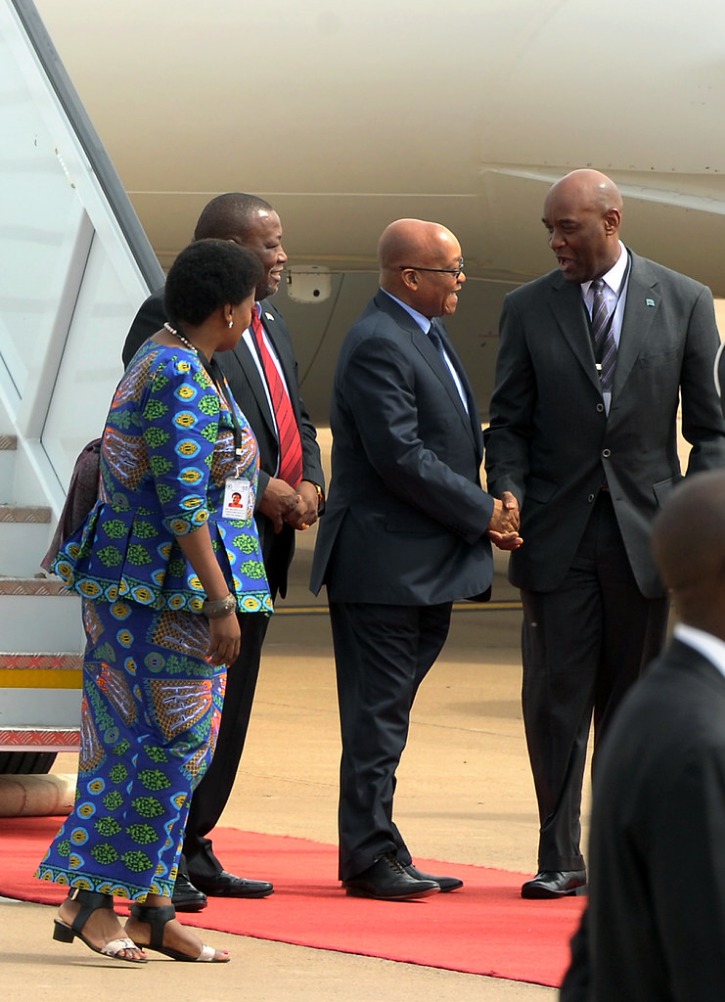
Overview of Botswana Presidency
The Botswana Presidency plays a vital role in shaping the nation’s governance and development. As the executive head of state, the President is responsible for implementing laws, directing government policy, and representing Botswana on the global stage. This pivotal position influences the country’s stability, economic growth, and democratic processes, making the presidency a cornerstone of Botswana’s political landscape.
Historical Background
The presidency of Botswana is the highest political office in the country, serving as the head of state and government. It is responsible for the executive functions, implementing national policies, and representing Botswana internationally. The president is elected through a democratic process and holds significant influence over the nation’s governance and development.
Historically, Botswana gained independence from British colonial rule on September 30, 1966. The country’s first president, Seretse Khama, was instrumental in shaping its early political landscape. Botswana has maintained a stable democratic system since independence, with peaceful transfers of power and a strong commitment to democratic principles. The presidency has evolved over the years, with subsequent leaders focusing on economic development, good governance, and regional integration, establishing Botswana as a stable and progressive nation in Africa.
constitutional framework
The presidency of Botswana is a pivotal element of its political system, serving as the executive authority responsible for the implementation of laws and the administration of the government. The President is both the head of state and government, reflecting the country’s presidential republic system. Botswana’s leadership structure emphasizes democratic principles, with the President elected through a national vote for a fixed term.
The constitutional framework of Botswana is largely defined by the Constitution of 1966, which establishes the separation of powers among the executive, legislative, and judiciary branches. The Constitution provides for a multi-party political system, regular elections, and protection of fundamental rights and freedoms. The President is elected by the National Assembly, which is itself composed of members elected by the Botswana citizens. The President’s powers include appointing government ministers, representing Botswana internationally, and overseeing the cabinet’s functions. The judiciary operates independently, ensuring accountability and adherence to constitutional law.
Role and responsibilities
The Botswana Presidency holds a vital role in the governance and political stability of the country, serving as the highest executive authority. It is responsible for leading the government, implementing national policies, and representing Botswana both domestically and internationally.
- Leading the executive branch of government and ensuring the implementation of laws and policies.
- Serving as the Commander-in-Chief of the Botswana Defence Force.
- Representing Botswana in diplomatic relations and international affairs.
- Providing leadership in national development and economic strategies.
- Appointing government officials, including ministers and ambassadors.
- Overseeing the functioning of the Cabinet and coordinating government activities.
- Ensuring the enforcement of the Constitution and safeguarding national stability.
- Acting as a symbol of national unity and continuity.
Presidential Election Process
The Botswana presidency involves a well-defined election process that ensures the democratic selection of the country’s leader. Citizens participate in voting to choose their preferred candidate, with the process guided by constitutional and electoral regulations. This system promotes transparency and fairness, reflecting the will of the people in shaping the nation’s leadership.
Nominating candidates
The Botswana presidency election process involves a series of steps to nominate and select candidates for the highest office in the country. Typically, political parties hold primaries or internal selections to choose their presidential nominees, ensuring they represent the party’s platform and vision. Independent candidates may also be nominated through electoral commissions, provided they meet specific eligibility criteria. Once nominated, candidates campaign across the country, engaging with voters and presenting their policies. On election day, eligible citizens cast their ballots, and the candidate with the majority of votes is declared the winner and becomes the President of Botswana. This process emphasizes democratic principles, transparency, and fair representation to ensure the country’s leadership reflects the will of its people.
Electoral procedures
The presidential election process in Botswana is a democratic procedure designed to select the head of state through a series of electoral steps. The process emphasizes fairness, transparency, and adherence to the country’s constitution.
The electoral procedures for selecting the President of Botswana typically involve the following stages:
- Political Parties Nominate Candidates: Major political parties select their candidates through internal primaries or conventions.
- Voter Registration: Eligible citizens register to participate in the election, ensuring a broad and inclusive voting process.
- Campaign Period: Candidates and parties campaign nationwide to gain public support and promote their platforms.
- Polling Day: Citizens cast their votes at designated polling stations on the designated election date.
- Vote Counting: Votes are counted publicly or behind closed doors, depending on the electoral commission’s procedures.
- Results Declaration: The Botswana Electoral Commission announces the official results of the election.
- Inauguration: The elected President is sworn into office during an official inauguration ceremony.
Inauguration ceremony
The presidential election process in Botswana is a fundamental aspect of its democratic system, culminating in a formal inauguration ceremony that marks the beginning of a new presidential term. This process involves several steps designed to ensure transparent and fair leadership selection.
In Botswana, the president is elected indirectly by the members of the National Assembly, which is elected by the citizens. The process typically follows these stages:
- General Elections: Citizens vote for Members of Parliament (MPs) during national elections.
- Parliamentary Session: The newly elected MPs convene to select the president among themselves, usually based on the majority party or coalition.
- Presidential Vote: The MPs cast their votes to elect the president, who must secure a majority to be declared the winner.
Following the election, the president-elect proceeds to an inauguration ceremony, which is a significant national event. The inauguration involves various ceremonial activities symbolizing the peaceful transfer of power and national unity. The key elements of the inauguration include:
- The new president taking the constitutional oath of office.
- Delivering an inaugural address outlining policy priorities.
- Participating in national celebrations and official receptions attended by dignitaries.
Overall, Botswana’s presidential election process and inauguration serve to uphold the country’s democratic traditions and reinforce stability and continuity in leadership.
Presidential Powers and Limitations
The Botswana presidency embodies a pivotal role in guiding the nation’s governance, balancing significant powers with essential limitations. As the head of state and government, the president exercises authority over national policies and administration, while also adhering to constitutional boundaries designed to ensure democratic accountability and checks from other branches of government. Understanding the dynamic between presidential powers and their limitations is crucial to appreciating how Botswana maintains stability, transparency, and democratic integrity in its leadership.
Executive authority
The presidency of Botswana is characterized by a balance of presidential powers and limitations designed to uphold democratic governance and prevent abuse of authority. The president, as the head of state and government, holds significant executive authority but operates within a framework of constitutional and legal restrictions to ensure accountability.
- The president of Botswana has the power to appoint and dismiss government ministers and officials, shaping the executive branch according to national priorities.
- The officeholder is responsible for implementing laws passed by Parliament and guiding national policy directions.
- Presidential powers include heading the military and representing Botswana in diplomatic matters on the international stage.
- However, these powers are limited by the Constitution, which provides checks through the Parliament, judiciary, and electoral processes.
- The president must operate within legal boundaries, ensuring actions are consistent with the country’s constitutional principles and laws.
- Appointments made by the president, such as judges and senior officials, often require parliamentary approval, adding an extra layer of oversight.
- Term limits and electoral accountability serve as limitations to presidential authority, preventing the concentration of power in one individual for extended periods.
Legislative influence
The President of Botswana holds significant powers, including the appointment of government officials, the execution of foreign policies, and serving as the commander-in-chief of the armed forces. However, these powers are balanced by constitutional and legislative limitations to ensure democratic governance. The Parliament plays a crucial role in scrutinizing executive actions and passing legislation that can influence presidential decisions. Additionally, the judiciary acts as a check on presidential authority, safeguarding constitutional rights and ensuring laws are upheld. Legislative influence is also evident through the approval of budgets and oversight committees that monitor executive activities, fostering accountability in Botswana’s presidential system.
Checks and balances
The presidency of Botswana is characterized by a balance of powers between the executive branch and other government institutions, ensuring that no single entity holds absolute authority. The President serves as both the head of state and government, but his powers are defined and limited by the Constitution. Checks and balances are implemented through various mechanisms that oversee and regulate presidential actions to promote good governance and accountability.
- The President of Botswana has the authority to appoint Vice Presidents, Prime Ministers, and Cabinet Ministers, but these appointments are subject to parliamentary approval in some cases, ensuring a measure of oversight.
- Legislation passed by the Parliament can serve as a check on presidential power, as laws can limit or influence executive actions.
- The Parliament has the power to scrutinize and question the President and his administration, providing transparency and accountability.
- The judiciary in Botswana acts as a check on the executive by reviewing the legality of presidential decisions and actions through judicial review.
- The Constitution of Botswana specifically limits presidential powers by establishing term limits and requiring adherence to legal and ethical standards.
Current President Profile
The presidency of Botswana is held by a leader who plays a vital role in shaping the nation’s development and governance. The current president represents the country both domestically and internationally, overseeing key policies and initiatives that reflect Botswana’s values and aspirations. With a commitment to democracy, stability, and progress, the president’s profile is central to understanding the country’s political landscape.
Biographical overview
The President of Botswana is the head of state and government, responsible for leading the nation’s political and economic development. The current president plays a pivotal role in shaping domestic policies, representing Botswana internationally, and ensuring stability within the country. The presidency in Botswana is characterized by a focus on democratic governance, economic growth, and social progress.
- National Background: The current president has a strong background in public service and politics, with years of experience in government roles.
- Education: He holds academic qualifications from reputable institutions, often in law, politics, or related fields.
- Political Career: The president has been active within the ruling party, the Botswana Democratic Party, and has held various leadership positions prior to his current role.
- Achievements: During his tenure, he has prioritized economic diversification, infrastructure development, and health initiatives.
- Leadership Style: Known for his commitment to democratic principles and inclusive governance, fostering stability and progress in Botswana.
Political career
The current President of Botswana, Mokgweetsi Masisi, is a prominent political figure with a significant influence on the nation’s governance. He has been serving as the President since April 2018, after being elected by the National Assembly following the resignation of the former president. Masisi is a member of the Botswana Democratic Party (BDP), which has been the ruling party for decades. His political career began with various government positions, including Minister of Education and Minister of Presidential Affairs and Public Administration. Throughout his career, he has focused on economic development, national security, and social stability. Masisi’s leadership is characterized by efforts to diversify Botswana’s economy and improve healthcare and education systems. He has also played a vital role in strengthening the country’s diplomatic relations and regional integration.
Policy priorities
The President of Botswana is a prominent leader dedicated to fostering national growth and stability. Currently, the President emphasizes policies that promote economic diversification, enhance infrastructure, and strengthen social services to improve the quality of life for citizens. They prioritize good governance, transparency, and anti-corruption measures to ensure sustainable development. Additionally, the President is committed to regional integration and international cooperation to bolster Botswana’s global standing and economic resilience.
Presidential Succession and Term Limits
In Botswana, the system of presidential succession and term limits plays a crucial role in ensuring stable governance and democratic continuity. These rules determine how leaders are chosen and how long they can serve, helping to prevent the concentration of power and promote political stability. Understanding the framework of succession and term limits is essential for grasping the dynamics of Botswana’s political system and its commitment to democratic principles.
Succession protocols
In Botswana, the presidential succession process is clearly outlined to ensure stability and continuity of governance. When the sitting president is unable to fulfill their duties due to death, resignation, or incapacitation, the vice president typically assumes the presidency. This protocol is designed to maintain seamless leadership and uphold democratic principles. Additionally, Botswana has established term limits for its president, allowing for a maximum of two five-year terms. This restriction aims to promote democratic renewal and prevent the concentration of power. The country’s constitutional framework emphasizes orderly succession procedures and adherence to electoral processes to guarantee a stable political environment.
Term limits regulations
In Botswana, the presidential succession process is clearly outlined by the country’s constitution, ensuring a smooth transfer of power in the event of a vacancy. The Vice President assumes the presidency if the sitting president is unable to serve. Presidential terms in Botswana are limited to a maximum of two five-year terms, a regulation that reinforces democratic stability and prevents the concentration of power. These term limits are enforced through constitutional amendments and legislative regulations, ensuring that leaders serve for a finite period before new elections are held. This system promotes accountability, democratic governance, and continuous political renewal in Botswana.
Interim provisions
In Botswana, the Presidential Succession and Term Limits are governed by the Constitution, ensuring a smooth transition of power and stability. The President is elected for a maximum of two five-year terms, preventing prolonged incumbency and encouraging democratic renewal. If the sitting President is unable to serve due to death, resignation, or incapacitation, the Vice President assumes the presidency as an interim measure until a new election or appointment is made. These provisions help maintain continuity in governance while upholding democratic principles and preventing abuse of power. The Constitution also includes interim arrangements to address unforeseen circumstances, ensuring that leadership is maintained without disruptions.
Key Presidential Initiatives and Policies
The presidency of Botswana has been marked by the implementation of key initiatives and policies aimed at promoting sustainable development, social welfare, and economic stability. These efforts reflect the government’s commitment to improving the quality of life for its citizens while maintaining a focus on good governance and strategic growth. Through various programs, Botswana’s leadership continues to shape the nation’s future, balancing tradition with modern advancements.
Economic development strategies
Botswana’s presidency has prioritized key initiatives and policies that foster sustainable economic development and social progress. Central to these efforts are strategies aimed at diversifying the economy beyond diamond mining, encouraging investment in sectors such as tourism, agriculture, and manufacturing. The government has also emphasized good governance, transparency, and strengthening democratic institutions to create a stable environment conducive to growth. Additionally, Botswana’s policies focus on improving education, healthcare, and infrastructure to enhance the quality of life for its citizens. Initiatives to promote regional integration and international trade further support the country’s economic resilience and expansion. Overall, Botswana’s leadership continues to drive policies that aim for long-term economic stability and social development, positioning the nation as a stable and progressive player in the region.
Social welfare programs
The Botswana presidency has been marked by a series of key initiatives and policies aimed at promoting economic development, social welfare, and good governance. The government prioritizes strengthening democracy, fostering economic diversification, and improving the quality of life for its citizens. Social welfare programs are an integral part of the country’s policy framework, focusing on healthcare, education, and poverty alleviation.
Foreign policy directions
The Botswana presidency has historically focused on key initiatives and policies aimed at promoting sustainable development, good governance, and social stability. These initiatives often include efforts to improve education, healthcare, and economic diversification to reduce dependence on diamond exports. The government also emphasizes transparency and anti-corruption measures to strengthen public trust and accountability.
In terms of foreign policy, Botswana directions have been characterized by a commitment to regional stability, peaceful conflict resolution, and active participation in regional organizations such as the Southern African Development Community and the African Union. Botswana promotes diplomatic ties based on mutual respect and sovereignty, while also seeking partnerships that enhance economic growth and development. Additionally, Botswana endeavors to maintain a balanced approach in its international relations, fostering cooperation with multiple global and regional powers to support its national interests.
Challenges Facing the Presidency
The presidency in Botswana faces a variety of challenges that impact effective governance and national development. As the leader of the nation, the president must navigate complex political, economic, and social issues, often under the pressure of maintaining stability and promoting growth. Balancing democratic principles with the needs of the populace, addressing issues such as economic diversification, regional stability, and social development, represents a significant task for Botswana’s presidency.
Political stability
The presidency of Botswana faces numerous challenges that impact the nation’s political stability. One major issue is maintaining political cohesion amid diverse political parties and interests, which requires strong leadership and effective governance. Additionally, ensuring transparent and accountable administration is vital to prevent corruption and foster public trust. External factors such as regional conflicts and economic pressures also put strain on political stability, demanding resilient leadership strategies. Moreover, addressing socio-economic disparities and promoting inclusive development are essential to sustain national unity and prevent political unrest. Overall, navigating these challenges is crucial for the stability and continued prosperity of Botswana’s presidency.
Corruption and governance
The presidency of Botswana faces numerous challenges related to governance and corruption that impact the country’s development and stability. Effective leadership is often tested by issues such as political transparency, accountability, and the fight against corruption, which can undermine public trust and hinder national progress. Corruption within government institutions can lead to misallocation of resources, weaken democratic institutions, and discourage investment. Moreover, balancing the demands of economic growth with social welfare and ensuring good governance remains a constant challenge for Botswana’s leaders. Strengthening anti-corruption measures and fostering transparent governance are essential steps in overcoming these obstacles and ensuring sustainable development for the nation.
Public demand and expectations
The presidency of Botswana faces significant challenges in balancing public demand and expectations with the realities of governance. Citizens increasingly expect swift and effective responses to national issues, putting pressure on leaders to deliver tangible results. This heightened public demand often leads to political scrutiny and accountability concerns, especially in a democratic setting where transparency is valued. Additionally, managing diverse expectations from different socio-economic groups can be a complex task for any president.
- Addressing economic development while ensuring equitable growth for all citizens
- Maintaining national stability amidst regional and international pressures
- Implementing effective policies to combat corruption and promote good governance
- Ensuring social cohesion in a diverse population with varying interests and needs
- Responding to public health challenges and improving healthcare services
- Managing expectations around education, employment, and infrastructure development




0 Comments