

Geographical Overview of Botswana Salt Flats
The salt flats of Botswana, particularly those found in the Makgadikgadi Pan, are some of the most expansive and striking natural features in Southern Africa. Located in the central part of the country, these vast salt plains are remnants of ancient lake beds, offering a unique landscape characterized by vast, white salt surfaces and sparse vegetation. The area is both a geographical marvel and a vital ecological habitat, attracting tourists, wildlife, and researchers interested in its distinctive environment and history.
Location and Extent
The Botswana salt flats are a significant geographical feature located primarily in the central part of the country. These expansive salt flats, also known as salt pans, cover a substantial area and are part of the larger Kalahari Desert region. The most notable among them is the Makgadikgadi Salt Pans, which stretch across approximately 12,000 square kilometers, making it one of the largest salt flats in the world. These flats are characterized by flat, expansive surfaces of salt crust that form after seasonal or irregular flooding, creating a unique and stark landscape. The salt flats of Botswana are situated mainly within the Central District and are bordered by semi-arid savannahs, supporting a diverse range of wildlife and ecosystem. Their extensive reach and flat terrain make them an important ecological and geographical feature of Botswana, attracting researchers, tourists, and conservation efforts alike.
Topography and Climate
Botswana’s salt flats are part of the extensive arid landscape that characterizes the region, primarily located in the northwestern part of the country. These salt flats, also known as salt pans, are largely the result of ancient lakes that have evaporated over time, leaving behind expansive deposits of salt and other minerals. The topography of these salt flats is relatively flat and featureless, creating vast, open, and often visually striking plains. The area is generally characterized by low-lying terrain with occasional slight undulations, making it ideal for salt extraction and other mineral-related activities.
The climate of Botswana’s salt flats is predominantly semi-arid to arid, with high temperatures during the day and cooler conditions at night. Rainfall is infrequent and scattered, primarily occurring during the summer months, which contributes to the high evaporation rates that sustain the salt flats. The region experiences seasonal variation, but overall, it remains dry and receives less than 500 millimeters of annual precipitation. This combination of topography and climate creates a distinctive environment that influences local ecosystems and human activities within the salt flats area.
Formation and Geological Features
The Botswana salt flats are a fascinating geographical feature situated primarily in the central and western regions of the country. These expansive, flat, and arid areas are characterized by their high mineral content and reflective surfaces. The salt flats in Botswana are formed through the process of evaporation of mineral-rich waters in endorheic basins, where water accumulates but does not drain to any ocean. This evaporation leaves behind thick deposits of salt, minerals, and other evaporites, creating the distinctive flat terrain.
Geologically, these salt flats are associated with ancient sedimentary basins that have undergone significant mineralization over millions of years. The formation of the flats is closely linked to the region’s geological history, involving the gradual drying up of lakes shaped by climatic fluctuations during the Quaternary period. The underlying geological features include layers of sedimentary rocks, evaporite deposits, and alluvial plains, which contribute to the flats’ vast and featureless appearance.
The salt flats of Botswana are not only important for their unique geological features but also hold ecological and cultural significance. They serve as habitats for specialized flora and fauna adapted to extreme conditions and are also sites of mineral extraction activities, mainly salt and other evaporite minerals. Overall, these salt flats offer valuable insights into the geological history and environmental processes shaping Botswana’s landscape.
Hydrology and Salt Flat Dynamics
Hydrology and salt flat dynamics in Botswana play a crucial role in shaping the region’s unique landscape and ecological systems. These processes involve the movement and distribution of water within the salt flats, influencing their formation, expansion, and seasonal variability. Understanding these dynamics is essential for managing water resources and preserving the delicate balance of the salt flats in this arid environment.

Source of Water and Evaporation Rates
The Botswana salt flat, also known as the Makgadikgadi Salt Pans, presents a unique hydrological system characterized by ephemeral water sources and extensive salt deposits. These salt flats are primarily formed through the evaporation of seasonal or sporadic water inflows, which leaves behind large expanses of salt and mineral deposits.
The main sources of water in the Botswana salt flat are rainfall and surface runoff from surrounding highlands. During the rainy season, water collects temporarily in the shallow basins, creating temporary lakes and wetlands that support wildlife and vegetation. However, these water bodies are highly transient, often disappearing as temperatures rise and evaporation rates increase.
Evaporation rates in the salt flats are exceptionally high, driven by the semi-arid climate and intense solar radiation. These rates can surpass the replenishment of water from rainfall, leading to a predominantly dry landscape. The rapid evaporation also concentrates salts and minerals, which are key factors in maintaining the salt flat’s extensive saline deposits. Overall, the hydrology of the Botswana salt flat is a delicate balance between infrequent water input and high evaporation rates, shaping the unique ecology and geology of the region.
Salinity Levels and Distribution
The hydrology and salt flat dynamics of Botswana are shaped by seasonal rainfall, evaporation processes, and unique geographical features. These factors influence the formation, expansion, and shrinkage of salt flats, creating a delicate balance between water input and output. Salinity levels in Botswana’s salt flats tend to be high due to extensive evaporation that concentrates dissolved salts, primarily sodium and chloride, in the surface waters. Distribution of salinity varies spatially, often increasing from peripheral areas towards the center of the salt flats, where evaporation rates are highest. This uneven distribution reflects the influence of local topography, water flow, and climatic conditions, maintaining the salt flats as highly saline environments with specialized ecosystems adapted to extreme conditions. Understanding these dynamics is essential for managing the ecological and economic significance of Botswana’s salt flats, including their role in mineral extraction and habitat support for specialized flora and fauna.
Seasonal Variations and Hydrological Cycle
The hydrology and salt flat dynamics of Botswana are significantly influenced by seasonal variations and the broader hydrological cycle. These salt flats, such as the Makgadikgadi Pan, are vast, flat prehistoric lake beds that experience cyclic filling and evaporation patterns driven by seasonal rainfall and climatic conditions. During the rainy season, which typically occurs from November to March, surface runoff fills the salt flats, creating temporary lakes and contributing to groundwater recharge. As the dry season sets in, evaporation rates increase rapidly, leading to the concentration and precipitation of salts and minerals on the surface. This cyclical process results in the ongoing formation and dissolution of salt crusts, shaping the landscape over thousands of years. The hydrological cycle in these regions is closely tied to regional climate patterns, including rainfall variability and temperature fluctuations, impacting both the ecological balance and the physical characteristics of the salt flats. Understanding these processes is crucial for managing the unique environments of Botswana’s salt flats and assessing their response to climate change and human activity.
Ecology and Conservation
Ecology and conservation focus on understanding the delicate balance of natural habitats and protecting endangered ecosystems and species. The Botswana salt flats, a unique and vital part of this ecological landscape, showcase rare mineral-rich environments that support specialized flora and fauna. Preserving these areas is essential for maintaining biodiversity and ensuring the health of the planet for future generations.
Flora Adaptations in Salt Environments
The salt flats of Botswana present a unique and challenging environment for plant life, characterized by high salinity, extreme temperatures, and limited water availability. Despite these harsh conditions, some flora have developed remarkable adaptations to survive and even thrive in salt-enriched soils. These adaptations include salt tolerance mechanisms, such as the ability to compartmentalize salts within cells or secrete excess salts through specialized glands. Some plants, known as halophytes, are capable of maintaining osmotic balance by accumulating osmolytes, which help prevent water loss and cell dehydration. Additionally, many salt flat plants have extensive root systems that maximize water uptake and reduce exposure to the saline surface. The conservation of these specialized plants is vital for maintaining ecological balance in salt flat ecosystems, supporting biodiversity, and preventing soil erosion. Preserving Botswana’s salt flats involves protecting the natural habitat from overgrazing, mining, and climate change impacts, ensuring that these unique flora continue to adapt and sustain their environment.
Fauna Unique to Salt Flats
The Botswana salt flats, such as the Makgadikgadi Pan, are vital ecosystems that support a unique array of fauna specially adapted to the harsh environment. These salt flats are periodically flooded, creating temporary lakes that attract migratory birds and other wildlife. The fauna in this region has evolved remarkable adaptations to survive extreme salinity, drought, and temperature fluctuations. Endangered species like the endemic salt flat frog and certain migratory bird species such as flamingos rely on this habitat for breeding and feeding. Conservation efforts focus on maintaining the delicate balance of this ecosystem, preventing habitat degradation, and promoting sustainable tourism to ensure that these unique species continue to thrive amidst the salt flats’ stark landscape.
Protected Areas and Conservation Efforts
Botswana’s salt flats, particularly the Makgadikgadi Pan, are vital ecosystems that support unique flora and fauna, making conservation efforts essential to preserve this fragile environment. These expansive salt pans provide habitat for migratory birds, including flamingos and pelicans, and serve as breeding grounds for several species. Protecting such areas ensures the survival of these species and maintains ecological balance amidst increasing environmental threats.
- Establishment of Protected Areas: The Makgadikgadi Pan National Park and surrounding reserves have been designated to conserve wildlife and their habitats while promoting eco-tourism.
- Wildlife Conservation Programs: Projects focus on the protection of endemic species and migratory birds, including anti-poaching measures and habitat restoration.
- Sustainable Tourism Initiatives: Community-based tourism and environmental education programs foster local involvement in conservation and generate sustainable economic benefits.
- Research and Monitoring: Ongoing scientific studies help assess environmental health, track species populations, and guide conservation strategies.
- Addressing Climate Change: Efforts aim to mitigate climate impacts, such as changing rainfall patterns and evaporation rates, which threaten the delicate salt flat ecosystem.
Economic Significance
The economic significance of the Botswana Salt Flat lies in its contributions to the country’s economy through the extraction of mineral resources and tourism opportunities. As a notable natural landmark, it attracts both local and international visitors, fostering economic activity in related sectors. Additionally, the salt flat holds potential for sustainable resource management, which can support economic development and create employment opportunities for communities in the region.
Mining of Salt and Minerals
The mining of salt and minerals in Botswana’s salt flats holds significant economic importance for the region. These deposits contribute substantially to the local economy through the extraction and sale of salt, minerals, and other related products. The industry provides employment opportunities to local communities and stimulates industrial activities such as processing and distribution. Moreover, the export of salt and minerals generates foreign exchange earnings, supporting national development efforts. The sustainable exploitation of these resources also encourages infrastructural growth and technological advancement, ensuring long-term economic benefits for Botswana while maintaining environmental conservation standards.
Tourism and Recreational Activities
The Botswana Salt Flat holds substantial economic significance for the region, primarily through tourism and recreational activities. As a striking natural landmark, it attracts tourists from around the world who seek to experience its vast, surreal landscape and unique geological features. The salt flats contribute to the local economy by generating revenue through tourism services, including guided tours, accommodations, and related activities. Additionally, recreational pursuits such as photography, sightseeing, and adventure sports foster a vibrant tourism industry that supports local communities. The accessibility and mesmerizing scenery of the Botswana Salt Flat make it an important destination for eco-tourism and outdoor enthusiasts, further underscoring its role in promoting sustainable economic development in the area.
Local Communities and Livelihoods
The Botswana Salt Flat holds considerable economic significance for the region, primarily through salt extraction and related tourism activities. It provides a valuable resource that supports local industries and generates employment opportunities for nearby communities. The salt flats also attract tourists, contributing to the local economy and promoting cultural exchange. For local communities, the salt flats are not only a source of livelihood but also a part of their cultural heritage, fostering community pride and cohesion. Sustainable management of this natural resource is essential to ensure that its economic benefits continue to support livelihoods and promote long-term development in the area.
Cultural and Scientific Importance
The Botswana Salt Flat, also known as Makgadikgadi Pan, holds significant cultural and scientific importance. It is a unique natural wonder that offers insights into the Earth’s geological history and ecological systems. Additionally, the salt flat plays a vital role in preserving the cultural heritage of the local communities, serving as a symbol of their traditions and way of life. This extraordinary landscape continues to attract researchers and visitors alike, highlighting its value as a site of both scientific inquiry and cultural identity.
Historical Significance and Indigenous Connections
Botwana Salt Flat holds a remarkable cultural and scientific significance as a unique natural landscape that draws researchers and visitors alike. Its expansive, reflective surface offers invaluable insights into climatic and environmental changes over time, making it a vital site for scientific study. Culturally, the salt flats are integral to local traditions and livelihoods, supporting indigenous communities through salt harvesting and related activities.
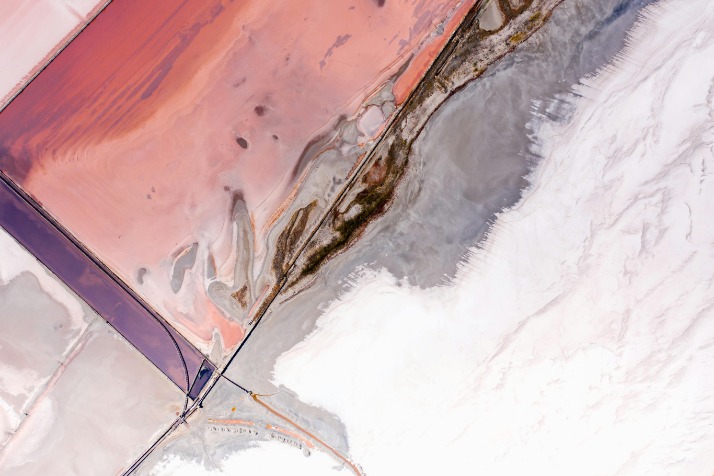
Historically, the Botswana Salt Flat has been an important site for trade and sustenance for centuries. Throughout history, indigenous populations have relied on these salt deposits as a vital resource for preserving food and trading with neighboring regions. The salt flats also serve as a historical landmark that showcases the relationship between the land and its inhabitants over generations.
Indigenous connections to the Botswana Salt Flat are deeply rooted in the cultural practices and spiritual beliefs of local tribes. For these communities, the salt flats are more than just a resource; they are a sacred part of their heritage and identity. Many tribes view the landscape as a symbol of sustenance, resilience, and spiritual significance, maintaining a respectful relationship with the environment that has persisted through centuries.
Research Opportunities and Scientific Studies
The Botswana Salt Flat holds significant cultural and scientific importance, serving as a natural monument that reflects the country’s diverse environmental heritage. It offers valuable insights into ancient geological processes and the climatic history of the region. This unique landscape also plays a vital role in local traditions and cultural identity, symbolizing the resilience and historical legacy of the communities nearby.
Research opportunities in the Botswana Salt Flat are abundant, particularly in areas such as geology, climate science, and environmental studies. Scientists can explore salt deposition processes, mineral composition, and ecosystem dynamics in extreme conditions. The site provides a natural laboratory for studying the effects of climate change and aridification, contributing to broader understanding of desert environments worldwide.
Scientific studies conducted at the Botswana Salt Flat can enhance knowledge about mineral formations, geomorphology, and microbial life adapted to hypersaline conditions. These investigations may also have applications in biotechnology and mineral extraction, fostering innovative solutions. Overall, the salt flat serves as a crucial site for advancing scientific knowledge and promoting sustainable environmental practices.
Environmental Monitoring and Climate Indicators
The Botswana Salt Flat holds significant cultural and scientific importance, serving as a unique natural wonder that attracts researchers and visitors alike. Its striking landscape offers valuable insights into geological processes, evaporative mineral deposits, and climate history, making it an essential site for scientific study. Environmentally, the salt flat functions as a crucial habitat for specialized flora and fauna adapted to extreme conditions. Moreover, it acts as an important climate indicator, reflecting changes in regional weather patterns, evaporation rates, and water availability. Monitoring this environment helps scientists understand broader climate trends and the impacts of environmental shifts in arid and semi-arid regions.




0 Comments