

Overview of Climate in Botswana
Botswana experiences a semi-arid climate characterized by distinct wet and dry seasons. The country’s weather is influenced by its geographic location, with hot summers and mild winters. Understanding the climate patterns of Botswana is essential for agriculture, tourism, and daily living, as variations in temperature and rainfall significantly impact life in this region.
Geographical Influence on Climate
Botswana’s climate is largely influenced by its geographical location and physical features. Situated in Southern Africa, the country experiences a semi-arid climate with significant variations in temperature and rainfall throughout the year. The vast Kalahari Desert dominates much of the landscape, contributing to hot and dry conditions during most of the year. The elevation differences across regions also play a role in local climate variations, with higher areas receiving slightly more precipitation. The proximity to the Tropic of Capricorn results in mostly warm temperatures, while the desert influence ensures periods of intense heat, especially during summer months. Overall, Botswana’s geography creates a climate characterized by dryness, high temperatures, and distinct wet and dry seasons, impacting agriculture and daily life across the country.
Seasonal Variations
Botswana experiences a semi-arid climate characterized by warm temperatures and low rainfall throughout the year. The country’s climate is influenced by its location within the subtropical circulation, resulting in distinct seasonal variations. Summers, which occur from November to March, are hot with temperatures often rising above 35°C, accompanied by sporadic thunderstorms and higher humidity. Winters, from May to August, are cooler and dry, with daytime temperatures averaging around 20°C and much cooler nights. The transitional seasons of spring and autumn bring moderate temperatures and less extreme weather conditions. Overall, Botswana’s climate presents significant seasonal fluctuations that influence agriculture, wildlife, and daily life across the region.
Temperature Trends
Understanding temperature trends is essential for analyzing climate patterns and their impact on Botswana’s environment and communities. These trends help reveal long-term changes in weather conditions, informing strategies for agriculture, water management, and disaster preparedness. As Botswana experiences shifts in temperature, it becomes increasingly important to monitor these patterns to adapt effectively to a changing climate.
Average Temperatures by Season
Temperatures in Botswana show distinct seasonal variations, with hot summers and mild winters. During the summer months, which span from December to February, average temperatures can reach as high as 30°C to 35°C, creating hot and often dry conditions. Winter, from June to August, tends to be much cooler, with average temperatures dropping to around 10°C to 20°C, especially during nighttime. Spring and autumn serve as transitional seasons, with gradual changes in temperature that steadily move from the heat of summer to the cooler winter and vice versa. Overall, Botswana experiences a warm climate year-round, with significant temperature fluctuations between seasons impacting the region’s ecological and agricultural activities.
Temperature Extremes
Temperature trends in Botswana have shown a gradual rise over the past few decades, reflecting broader climate change patterns. The country experiences a hot semi-arid climate, with temperatures often reaching high levels, particularly during the summer months. In recent years, there has been an increase in the frequency and intensity of temperature extremes, including heatwaves that push temperatures beyond typical ranges. These extremes pose significant challenges to agriculture, water resources, and public health in Botswana. Understanding these temperature patterns is crucial for developing effective strategies to adapt to and mitigate the impacts of climate variability in the region.
Rainfall Patterns
Rainfall patterns in Botswana are a vital aspect of its climate, influencing agriculture, water resources, and daily life. Understanding these patterns helps in predicting weather changes and managing natural resources effectively. Botswana’s rainfall is primarily seasonal, with most precipitation occurring during the summer months, shaping the country’s diverse ecosystems and population activities.
Wet Season Characteristics
Botswana experiences distinct rainfall patterns characterized by a pronounced wet season typically occurring from November to March. During this period, the country receives the majority of its annual rainfall, often resulting in lush vegetation and increased water availability.
The wet season is marked by heavy thunderstorms and sporadic showers that can lead to flash floods in certain areas. These rains are vital for agriculture and water resources, but they also pose challenges such as road disruptions and erosion.
During the wet season, temperatures tend to be warm to hot, with high humidity levels that contribute to the intensity of rainfall events. The distribution of rainfall can vary across different regions, with the northern parts generally receiving more precipitation than the southern regions.
Overall, the wet season in Botswana is crucial for maintaining ecological balance and supporting local communities, although it requires careful management to mitigate its potential adverse effects.
Dry Season Conditions
Rainfall patterns in Botswana are characterized by a distinct wet season that typically occurs from November to March, bringing the majority of annual precipitation. The dry season spans from April to October, during which rainfall is minimal or absent, and the weather is generally hot and dry. These seasonal variations significantly influence the climate, vegetation, and water availability across the country. Understanding these patterns is crucial for agriculture, tourism, and managing natural resources effectively in Botswana.
Regional Climate Differences
Regional climate differences play a significant role in shaping the weather patterns experienced across Botswana. The country’s diverse landscape, from the arid Kalahari Desert to more fertile regions, results in varying temperatures and rainfall distribution. Understanding these differences is essential for appreciating the local climate conditions and preparing for seasonal changes throughout Botswana.
Desert Areas
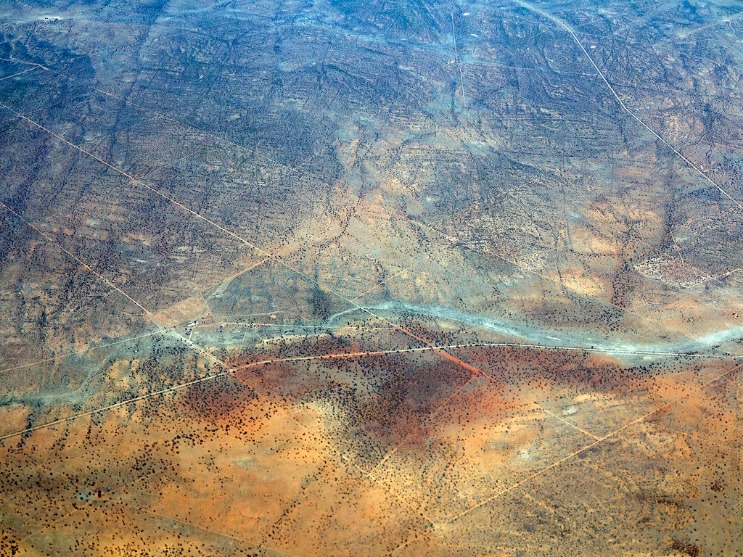
Botswana experiences significant regional climate differences, especially between its desert areas and other parts of the country. The Kalahari Desert dominates much of the western and central regions, resulting in an arid and semi-arid climate characterized by low rainfall, high temperatures, and large temperature fluctuations between day and night. In these desert zones, rainfall is sparse and irregular, often leading to drought conditions that impact local ecosystems and agriculture. Conversely, areas located east and south of the desert tend to have slightly more temperate and humid climates, with better rainfall that supports wildlife and vegetation. Understanding these regional climate variations is essential for addressing water management, agriculture, and conservation efforts in Botswana, especially given the challenges posed by desertification and climate change.
Highland Regions
Highland regions in Botswana experience distinct climatic conditions compared to other parts of the country. Due to their elevation, these highlands typically have cooler temperatures and higher rainfall, creating a more temperate climate. This results in lush vegetation and a diverse range of flora and fauna that thrive in these areas. In contrast to the arid lowland regions, the highlands often receive more consistent and significant rainfall throughout the year, which influences local agriculture and water resources.
Effects of Climate on Agriculture
Climate has a profound impact on agriculture, shaping the patterns of crop growth, productivity, and farming practices. In Botswana, weather conditions such as temperature fluctuations, rainfall variability, and droughts significantly influence agricultural outcomes. Understanding these effects is essential for developing sustainable farming strategies and ensuring food security in the region amidst changing climatic patterns.
Rainfed Crops
The climate of Botswana significantly influences its agricultural productivity, especially for rainfed crops. Variations in temperature, rainfall, and the occurrence of droughts directly impact crop yields and the sustainability of farming practices in the region.
- Unpredictable rainfall patterns can lead to droughts, reducing water availability for crops and causing poor yields.
- Extended dry seasons result in water stress, negatively affecting crop growth and development.
- Heavy rainfall or erratic weather can cause flooding, damaging crops and soil quality.
- Temperature fluctuations influence the growing season length and can lead to the failure of sensitive crops.
- Climate change contributes to increased frequency and severity of weather extremes, posing ongoing challenges for rainfed agriculture in Botswana.
Adapting agricultural practices to these climate effects is crucial for maintaining food security and sustainable farming in Botswana. Implementing drought-resistant crop varieties and efficient water management strategies can help mitigate some of these impacts.
Water Resources and Scarcity
The changing climate in Botswana has significant impacts on agriculture, water resources, and scarcity. Rising temperatures and altered rainfall patterns disrupt crop production, reduce soil fertility, and increase the frequency of droughts. These changes threaten food security and livelihoods of local communities. Water resources are also strained as rainfall becomes more unpredictable, leading to decreased river flows and groundwater recharge. As a result, access to clean and sufficient water becomes a major challenge, exacerbating scarcity issues. Overall, climate variability poses serious risks to Botswana’s environment and socio-economic stability, requiring adaptive strategies to mitigate its effects.

Climate Change Impact
Climate change is significantly affecting weather patterns around the world, including in Botswana. As global temperatures rise, Botswana experiences more frequent droughts, unpredictable rainfall, and higher temperatures that threaten its ecosystems, agriculture, and communities. Understanding these impacts is crucial for developing strategies to adapt and build resilience against the changing climate.
Recent Climate Trends
Climate change has significantly impacted Botswana’s weather patterns, leading to increased variability in rainfall and temperature. Recent climate trends show a shift towards more extreme weather events, including prolonged droughts and unexpected flooding, which threaten agriculture and water resources in the region. These changes are attributed to global warming, which has intensified the frequency and severity of climatic extremes. As a result, communities in Botswana are facing challenges in maintaining food security and managing natural resources sustainably. Addressing these impacts requires adaptive strategies and concerted efforts to mitigate greenhouse gas emissions on a broader scale.
Adaptive Strategies
Climate change has significantly impacted Botswana’s weather patterns, leading to more frequent droughts, irregular rainfall, and increased temperatures. These changes threaten agriculture, water resources, and the overall livelihoods of communities across the country.
- Implementation of drought-resistant crop varieties to improve agricultural resilience.
- Development of efficient water management systems to conserve scarce water resources.
- Promotion of renewable energy sources such as solar power to reduce dependence on fossil fuels and decrease greenhouse gas emissions.
- Enhancement of early warning systems for extreme weather events to prepare communities better.
- Promotion of community-based adaptation programs that involve local populations in decision-making and resource management.
- Restoration and preservation of natural ecosystems like wetlands and forests to enhance climate resilience.



0 Comments