
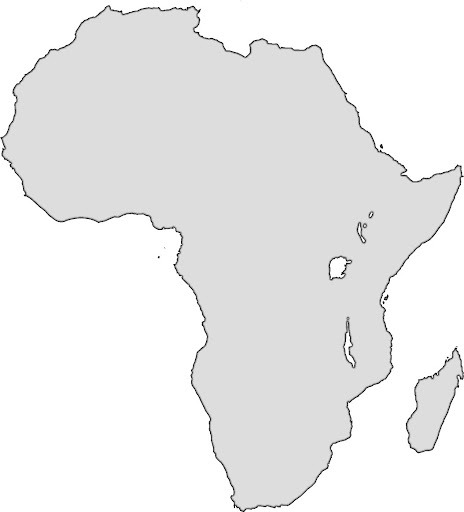
Geographical Overview of Botswana
Botswana is a landlocked country located in the southern part of Africa, known for its vast wilderness and rich biodiversity. It shares borders with Namibia to the west and north, Zimbabwe to the northeast, Zambia to the north, and South Africa to the south and southeast. The country features a diverse geographical landscape that includes the Kalahari Desert, extensive savannahs, and the Okavango Delta, one of the world’s largest inland deltas. Its strategic location and varied terrain contribute to its unique ecological and cultural significance within the continent.
Location and Borders
Botswana is a landlocked country located in the southern region of Africa. It is positioned centrally within the continent, offering it a strategic geographical location.
The country shares borders with several nations: Namibia to the west and north, Zimbabwe to the northeast, Zambia to the north, and South Africa to the south and southeast. Its expansive border with Namibia is particularly notable, stretching along the entire western boundary of the country.
Botswana features a largely flat landscape dominated by the Kalahari Desert, with significant areas of savannah and grassland. The country’s geographical features, combined with its central location, contribute to its unique role in the African continent’s ecological and geopolitical landscape.
Area and Topography
Botswana is a landlocked country located in the southern part of Africa, known for its vast and diverse landscape. Covering an area of approximately 581,730 square kilometers, it ranks as one of the more spacious nations on the continent. The topography of Botswana features a mix of flat plains, grassy savannas, and intermittent hills. The country is characterized by the Kalahari Desert in the west, which extends across much of the region, creating arid and semi-arid conditions. In the east, the landscape becomes slightly more varied with the presence of the Eastern Kalahari and some undulating terrains. Notable natural features include the Okavango Delta, one of the world’s largest inland deltas, and the Chobe River, which supports rich biodiversity. Overall, Botswana’s geographical landscape is predominantly characterized by flatness and semi-arid environments, making it a unique and ecologically significant part of Africa.
Major Landforms and Regions
Botswana, a landlocked country situated in the southern part of Africa, is characterized by diverse geographical features. It is predominantly flat and covered by the Kalahari Desert, which extends across much of the country. The landscape includes vast plains, semi-arid savannas, and salt pans, with the Okavango Delta being one of its most notable landforms, renowned for its rich wildlife and ecosystems. Botswana’s topography is relatively low-lying, with an average elevation of around 1,000 meters above sea level. To the north and northeast, the country transitions into more elevated regions, including the East African Rift System in some parts. The major regions of Botswana are generally categorized into the Central District, which includes the desert plains, the Kgalagadi Transfrontier Park in the southwest, the northeastern limestones, and the Okavango Delta area in the northwest. These regions support a variety of habitats and are critical for agriculture, tourism, and conservation efforts within the country.
Political and Administrative Divisions
Political and administrative divisions are essential for understanding the organization and governance of a country. In Botswana, these divisions help define the structure of local government and regions, shaping how resources are managed and policies are implemented. Exploring these divisions provides insight into the country’s administrative framework and its place within the broader map of Africa.
Provinces and Districts
Botswana, located in Southern Africa, is divided into several political and administrative regions to facilitate governance and development. The country is segmented into ten provinces, each headed by a Provincial Commissioner appointed by the central government. These provinces serve as major administrative zones, helping to coordinate local governance and resource distribution. Within these provinces, the country is further divided into districts, which are the primary administrative units responsible for local administration, public services, and development projects. Each district is managed by a District Commissioner and contains multiple local communities and towns. These subdivisions are vital for implementing national policies at a local level and ensuring efficient governance across Botswana on the map of Africa.
Capital and Major Cities
Botswana is a landlocked country located in the southern part of Africa. It is known for its stable political system and well-organized administrative divisions. The country is divided into several administrative regions that help in local governance and management of resources.
- North-West District
- Central District
- Southern District
- North-East District
- Kweneng District
- Gaborone City Council
- Francistown City Council
The capital city of Botswana is Gaborone, situated in the southeastern part of the country near the border with South Africa. It is the largest city and serves as the political and economic hub. Other major cities include Francistown, which is known for its mining industry, and Molepolole, a significant cultural center.
Natural Features and Landmarks
Botswana, located in the heart of southern Africa, is renowned for its stunning natural features and iconic landmarks. Its diverse landscape includes vast deserts, lush wetlands, and impressive geological formations that attract travelers and nature enthusiasts alike. Exploring these natural wonders provides a unique glimpse into the country’s rich ecological and cultural heritage.
Desert Landscapes and Savannas
Botswana, located in southern Africa, is renowned for its diverse natural features and spectacular landscapes, including deserts and savannas. The country’s geographical features offer unique habitats that support a wide variety of flora and fauna, making it a prominent destination for wildlife and nature enthusiasts.
- Natural Features and Landmarks: Botswana boasts notable landmarks such as the Okavango Delta, one of the world’s largest inland deltas, which sustains rich ecosystems and attracts numerous migratory birds. The Tsodilo Hills, a UNESCO World Heritage Site, are famous for their ancient rock art and spiritual significance. Chobe National Park features one of Africa’s most concentrated populations of elephants, complemented by riverine landscapes and lush forests.
- Desert Landscapes: The Kalahari Desert covers much of Botswana’s territory, characterized by expansive sand dunes, sparse vegetation, and unique adaptations of desert wildlife. While initially seeming arid, the desert region supports various species such as meerkats, gemsbok, and desert-adapted lions, all adapted to survive harsh conditions.
- Savannas: The vast savanna plains of Botswana are home to a multitude of wildlife, including elephants, lions, giraffes, and zebras. These grasslands are essential for the country’s conservation efforts, especially within protected areas like Moremi Game Reserve and Chobe. The expansive savannas facilitate spectacular safaris, observing Africa’s iconic animals in their natural habitat.
Okavango Delta
The Okavango Delta is one of Botswana’s most remarkable natural features and a stunning landmark on the map of Africa. It is a vast inland delta located in the northwest of the country, renowned for its exceptional biodiversity and pristine ecosystems. This UNESCO World Heritage Site floods seasonally, creating a lush habitat that supports a wide variety of wildlife, including elephants, lions, hippos, and numerous bird species. The delta’s intricate network of channels, lagoons, and islands makes it a unique and vital ecological area. Visitors to Botswana often explore the Okavango Delta through safaris and mokoro boat rides, experiencing its awe-inspiring natural beauty and the rich diversity of flora and fauna that thrive in this iconic African landscape.
Salt Pans and Kalahari Desert
Botswana is renowned for its stunning natural features and iconic landmarks that define its landscape. Among these, the salt pans, particularly the Makgadikgadi Salt Pans, are some of the largest in the world and showcase a vast, shimmering expanse of dried lake beds that evoke a surreal, otherworldly beauty. The Kalahari Desert, covering much of the country’s interior, is characterized by its expansive sands, unique flora and fauna, and impressive dunes that offer extraordinary desert scenery. These natural features not only highlight Botswana’s diverse ecosystems but also attract researchers, tourists, and wildlife enthusiasts eager to experience its remarkable terrains and landscapes.
Climate and Environment
Botswana, a landlocked country situated in the heart of Southern Africa, is renowned for its diverse landscapes and rich natural heritage. The climate and environment of Botswana play a crucial role in shaping its ecosystem, wildlife, and way of life. Understanding the country’s climate patterns and environmental challenges is essential to appreciating its unique geographical position on the map of Africa and the efforts made to preserve its natural beauty.
Climate Zones
Botswana, located in southern Africa, features a variety of climate zones that significantly influence its landscape and wildlife. The country predominantly experiences semi-arid conditions, characterized by hot summers and mild winters. Its climate is largely shaped by its position within the subtropical zone, receiving seasonal rainfall that sustains its savannas and deserts. The Kalahari Desert, which occupies much of Botswana, exemplifies the arid and semi-arid climate zones common in the region. Additionally, the northeastern parts of Botswana, near the Okavango Delta, receive more rainfall and support lush wetlands, creating a unique ecological zone within the broader semi-arid climate. These diverse climate zones play a vital role in supporting Botswana’s rich biodiversity and conserving its natural environment.
Wildlife and Conservation Areas
Botswana, situated in the heart of Southern Africa, is renowned for its rich biodiversity and commitment to environmental conservation. The country boasts a variety of climate zones, from arid desert landscapes to lush wetlands, which support diverse wildlife populations. Through extensive wildlife reserves and national parks such as the Okavango Delta and Chobe National Park, Botswana has established some of the most significant conservation areas in Africa. These regions serve as crucial habitats for elephants, lions, cheetahs, and numerous bird species, highlighting the country’s dedication to protecting its natural heritage. Efforts to balance tourism, community development, and environmental preservation continue to make Botswana a model for sustainable wildlife conservation in the continent.
Historical Context and Cultural Heritage
Botswana, a landlocked country in southern Africa, boasts a rich historical background and vibrant cultural heritage that shape its identity today. From ancient settlements and traditional customs to significant historical events, Botswana’s past offers a window into the diverse influences that have molded its society. As part of the broader African landscape, its cultural traditions and historical experiences contribute to a unique mosaic that reflects both resilience and continuity over centuries.
Ancient Tribes and Settlements
Situated in the heart of Southern Africa, Botswana is a country rich in historical context and cultural heritage, shaped by the ancient tribes and settlements that have inhabited the region for centuries. The indigenous San and Tswana peoples have played a vital role in forming the nation’s identity, their traditions and stories passed down through generations. Historically, Botswana was part of powerful trade routes and developed unique societal structures that reflect its diverse cultural tapestry. Archaeological findings reveal ancient settlements and tools that highlight the country’s long-standing human presence, while traditional music, dance, and crafts continue to be integral to Botswana’s cultural expression today.
Colonial History and Independence
Botswana, situated in the heart of Southern Africa, boasts a rich historical context that significantly shapes its cultural heritage today. Historically, the region was inhabited by various indigenous groups, with the Tswana people forming a prominent part of its history. Colonial influence began in the late 19th century when the area was designated as the British Protectorate of Bechuanaland. This colonial period imposed new administrative structures and introduced European cultural elements, which interacted with the local traditions. The struggle for independence culminated in 1966, when Botswana emerged as a sovereign nation, establishing a stable and democratic government. Its journey from colonial rule to independence has deeply influenced its national identity, emphasizing themes of resilience, unity, and cultural preservation. Today, Botswana’s cultural heritage reflects a blend of indigenous traditions and the legacies of colonial history, making it a unique and vibrant part of Africa’s diverse cultural landscape.
Economy and Natural Resources
Botswana, a landlocked country in southern Africa, is known for its rich natural resources and developing economy. The nation’s economy heavily relies on the extraction and export of minerals, particularly diamonds, which serve as a major driver of growth and development. Natural resources play a vital role in shaping Botswana’s economic landscape and its continued pursuit of sustainable development and prosperity across the continent.
Agriculture and Livestock
Botswana, located in the southern region of Africa, boasts a diverse economy primarily driven by its rich natural resources, agriculture, and livestock sectors. The country is known for its substantial diamond reserves, which constitute a major pillar of its economy, enabling significant export revenue and economic growth. Besides diamonds, Botswana also benefits from other mineral resources such as copper and nickel. Agriculture plays a vital role in rural livelihoods, with subsistence farming and crop cultivation prevalent in many areas. The main crops include millet, sorghum, and maize, which are essential for local consumption. Livestock farming, particularly cattle ranching, is a crucial activity that supports both local diets and exports, contributing to the country’s economic stability. Overall, Botswana’s sustainable use of its natural resources and emphasis on agriculture and livestock development are central to its economic strategy and growth trajectory.
Mining and Mineral Resources
Botswana, located in the southern part of Africa, is renowned for its rich natural resources and robust mining sector, which significantly contribute to the country’s economy. The nation is especially famous for its diamond production, making it one of the world’s leading exporters of rough diamonds. Mining activities also extend to minerals such as copper, nickel, and coal, which bolster the industrial and economic development of Botswana.
The country’s natural resources have been a key driver of economic growth and development. Botswana has invested heavily in sustainable mining practices, ensuring that mineral extraction does not compromise environmental integrity. Additionally, the revenues generated from these resources have been channeled into infrastructure, healthcare, and education, fostering overall national progress.
Efforts to diversify the economy are ongoing, with initiatives aimed at developing other sectors like tourism and agriculture. However, the mining and mineral resources sector remains central to Botswana’s economic landscape, providing essential foreign exchange earnings and employment opportunities for its citizens.
Tourism and Protected Areas
Botswana, located in southern Africa, boasts a largely stable economy driven by its rich natural resources, particularly diamonds, which significantly contribute to national revenue. The country has effectively managed its mineral wealth, fostering economic growth and development. In addition to mining, Botswana’s economy benefits from a sustainable approach to utilizing natural resources, emphasizing environmental conservation. The nation is renowned for its thriving tourism industry, centered around its extensive protected areas and national parks such as the Okavango Delta and Chobe National Park. These areas attract eco-tourists from around the world, eager to witness its diverse wildlife and pristine landscapes. Botswana’s commitment to preserving its natural resources ensures that tourism remains a key pillar of its economy, promoting both conservation and socio-economic benefits for local communities.
Transportation and Infrastructure
Transportation and infrastructure play a vital role in the development and connectivity of Botswana on the map of Africa. Efficient transport networks facilitate the movement of people and goods, promoting economic growth and regional integration. As Botswana continues to develop, investments in infrastructure are essential to support its expanding industries and improve access to remote areas across the country.
Road Networks and Connectivity
Transportation and infrastructure are vital components for the economic development and connectivity of Botswana. The country features an extensive network of roads that link major cities and rural areas, facilitating the movement of goods and people across its landscape. Efficient road networks are essential for supporting trade, tourism, and daily commuting, especially given Botswana’s landlocked geography in the heart of Africa. The government has invested in improving road quality and expanding connectivity through initiatives aimed at upgrading existing routes and constructing new pathways, thus ensuring better access to remote regions. Additionally, Botswana’s strategic location as a border country enhances its role in regional trade within southern Africa. Connectivity within the country and with neighboring nations is crucial for economic integration and development, making transportation infrastructure a priority for sustainable growth on the map of Africa. Ultimately, the country’s ongoing efforts to enhance road networks and infrastructure are fundamental in strengthening its position as a vital region for commerce and mobility in Africa.
Airports and Ports
Transportation and infrastructure in Botswana play a vital role in connecting various regions of the country and facilitating international trade. The nation is equipped with a network of well-maintained roads and railways that support the movement of goods and people across its territory. Major airports, such as Sir Seretse Khama International Airport in Gaborone, serve as key gateways for international flights, linking Botswana with neighboring countries and global destinations. Ports are primarily situated in neighboring countries like Namibia and Zimbabwe, which are important for import and export activities, given Botswana’s landlocked status. The development of transportation infrastructure continues to be a priority to boost economic growth and improve accessibility throughout the country.
Map Visualization and Key Features
Map visualization is a powerful tool that allows users to explore and understand geographical data through visual representation. When focusing on Botswana on the map of Africa, these visualizations help highlight key features such as its location, borders, major cities, and natural landmarks. This approach makes complex spatial information more accessible and engaging, providing valuable insights for travelers, researchers, and students alike.
Highlighted Regions and Borders
Map visualization of Botswana on the map of Africa offers a clear and detailed representation of the country’s geographical location, borders, and key features. It allows viewers to understand Botswana’s placement within the continent and its neighboring countries. The highlighted regions within Botswana can include major cities, national parks, and significant landmarks, providing a comprehensive overview of the nation’s diverse landscape.
Key features of the map include the depiction of Botswana’s borders which are precisely outlined to distinguish it from surrounding nations such as Namibia, Zimbabwe, Zambia, and South Africa. The borders are typically marked with clear lines to enhance visual distinction and comprehension. Highlighted regions may be color-coded to emphasize areas of interest, such as protected wildlife reserves like the Okavango Delta or Chobe National Park, or urban centers like Gaborone. Such features assist in quick identification and facilitate geographic and thematic understanding of Botswana’s unique spatial characteristics on the continent.
Major Landmarks on the Map
Map visualization of Botswana provides a clear and detailed depiction of the country’s geographical layout within Africa, highlighting its borders, neighboring nations, and significant physical features. Key features often include major rivers, mountain ranges, and protected areas that define Botswana’s landscape. The map also showcases important cities such as Gaborone, Francistown, and Molepolole, helping users easily identify urban centers. Major landmarks on the map feature the Okavango Delta, one of the world’s largest inland deltas, and Chobe National Park, renowned for its diverse wildlife. Other notable sites include the Central Kalahari Game Reserve and the Makgadikgadi Salt Pans, emphasizing Botswana’s rich natural heritage. Overall, the map provides essential geographic context, facilitating better understanding of Botswana’s location, environment, and cultural significance within Africa.



0 Comments