
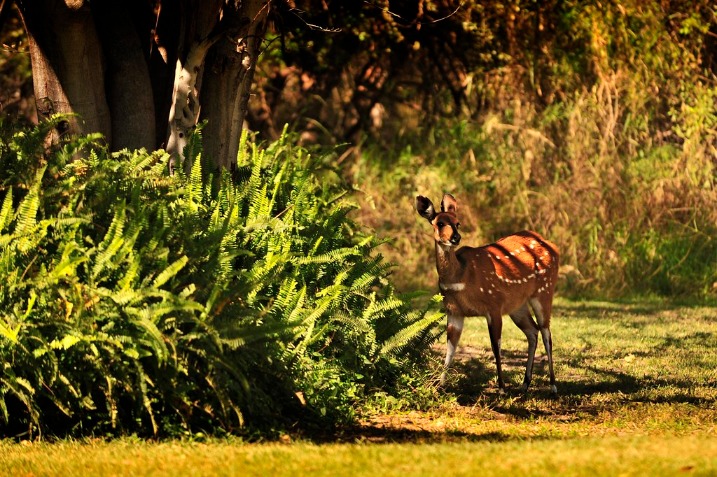
Overview of Botswana Safari in the Okavango Delta
Embarking on a safari in the Okavango Delta offers an unparalleled adventure into one of Africa’s most pristine and diverse wilderness areas. Known for its unique ecosystem and abundant wildlife, the delta is a flagship destination for travelers seeking an authentic Botswana safari experience.
- Location and Accessibility: The Okavango Delta is situated in northern Botswana and is accessible by small aircraft, boats, and land vehicles, providing versatile options for travelers.
- Wildlife Abundance: The delta is teeming with wildlife, including elephants, lions, leopards, buffalo, hippos, crocodiles, and numerous bird species, making it one of Africa’s richest safari destinations.
- Activities: Visitors can enjoy a variety of activities such as game drives, mokoro (traditional canoe) rides, walking safaris, and bird watching, all offering unique ways to experience the wilderness.
- Best Time to Visit: The optimal time for safari in the Okavango Delta is during the dry season from May to October when animals congregate around water sources and the weather is optimal for viewing.
- Luxury and Conservation: Many lodges and camps prioritize sustainable tourism and conservation efforts, providing luxurious accommodations while supporting the preservation of this precious ecosystem.
Geography and Landscape of the Okavango Delta
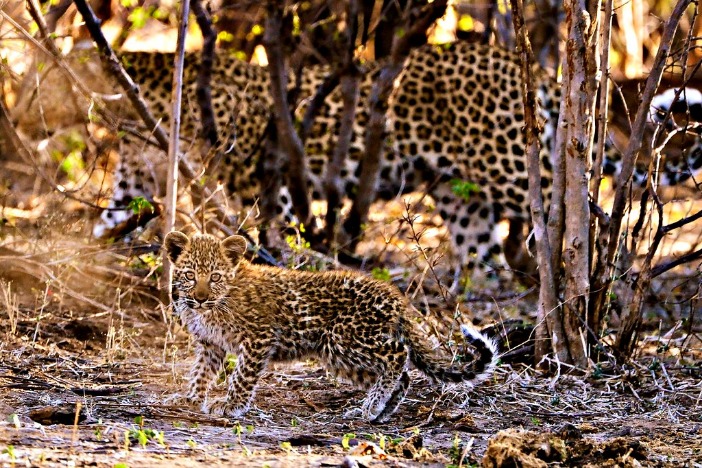
The Okavango Delta, located in Botswana, is one of the world’s most remarkable and unique wilderness areas. Known for its expansive floodplains, lush islands, and diverse ecosystems, this UNESCO World Heritage Site offers an extraordinary landscape that supports a rich array of wildlife. The delta’s intricate network of channels and lagoons creates a dynamic environment, making it a sought-after destination for safaris and nature enthusiasts seeking an authentic African adventure.
Location and Size
The Okavango Delta is a stunning inland delta located in northern Botswana, renowned for its unique geography and diverse landscape. It covers approximately 15,000 square kilometers, making it one of the world’s largest inland deltas. The delta is formed by the Okavango River, which flows from Angola and spreads out across the Botswana plains, creating a lush, wetlands ecosystem. During the annual flood season, the waters expand to flood the surrounding floodplains and islands, attracting a wide variety of wildlife. Its location in the heart of the Kalahari Desert amplifies its ecological significance, providing vital habitat and water sources in an arid region. The delta’s intricate network of lagoons, channels, and lush islands offers exceptional opportunities for safari experiences and wildlife viewing in Botswana.
Unique Ecosystem and Seasonal Variations
The Okavango Delta in Botswana is a stunning and intricate ecosystem renowned for its unique geographical features and dynamic landscape. It is a vast inland delta formed by the seasonal flooding of the Okavango River, which creates a lush, water-rich environment amid the arid Kalahari Desert. This geographical arrangement results in a mosaic of waterways, floodplains, and islands that support an extraordinary diversity of wildlife and plant species. The delta’s landscape varies throughout the year, influenced by seasonal rainfall and flood pulses, making it a continuously changing habitat that is both fascinating and vital for biodiversity conservation.
- The Okavango Delta covers approximately 15,000 square kilometers within the Kalahari Basin, making it one of the world’s largest inland deltas.
- During the rainy season, from November to March, floodwaters from the Angolan highlands surge into the delta, transforming the landscape into a sprawling aquatic paradise.
- In the dry season, the waters recede, leaving behind lush islands and channels that serve as vital habitats for numerous animals, including elephants, lions, hippos, and countless bird species.
- The delta’s seasonal variations create distinct ecological zones, supporting a wide array of flora and fauna that thrive in both aquatic and terrestrial environments.
- Due to its seasonal dynamics and remarkable biodiversity, the Okavango Delta is designated a UNESCO World Heritage Site, highlighting its significance as a unique ecosystem and tourist destination for Botswana safaris.
Important Landmarks and Water Systems
The Okavango Delta in Botswana is one of the world’s most extraordinary and diverse landscapes, renowned for its intricate water systems and lush ecosystems. Spanning approximately 15,000 square kilometers, this inland delta is formed by the seasonal floodwaters that flow from the Angolan highlands, creating a vast mosaic of lagoons, floodplains, and islands. The terrain varies from wetlands and grasslands to woodlands, supporting a rich array of wildlife and plant species. The landscape is characterized by slow-moving channels and secluded islands, making it a unique habitat for numerous animals, including elephants, lions, and hippos. The region’s topography is largely flat, contributing to the widespread inundation during seasonal floods.
Important landmarks within the Okavango Delta include Chief’s Island, the largest inland delta island, which is famous for its luxury lodges and exceptional wildlife viewing opportunities. Moree, a wetland area in the delta, serves as a crucial breeding ground for bird species such as pelicans, kingfishers, and herons. The Moremi Game Reserve, located within the delta, is a notable conservation area known for its diverse landscapes and abundant wildlife. Additionally, the Okavango River is a vital water system that sustains the delta’s ecosystems, feeding into numerous channels and lagoons. These water systems form the heart of the delta’s rugged yet vibrant landscape and are essential for the survival of its unique flora and fauna.
Wildlife & Biodiversity in the Okavango Delta
The Okavango Delta in Botswana is a thriving sanctuary of wildlife and biodiversity, renowned for its incredible ecosystems and rich variety of species. This UNESCO World Heritage site offers a unique sense of wilderness where lush floodplains, wetlands, and forests support an astonishing array of flora and fauna. Visitors on Botswana safaris to the Okavango Delta can witness the vibrant life teeming within this pristine environment, making it a premier destination for nature lovers and adventure seekers alike.
Big Five and Other Iconic Animals
The Okavango Delta in Botswana is one of the world’s most remarkable wildlife destinations, renowned for its rich biodiversity and pristine ecosystems. This UNESCO World Heritage Site provides a vital habitat for a wide array of wildlife, making it a premier location for experiencing African wilderness. Visitors can witness the vibrant array of flora and fauna that thrive within this intricate wetland system, supporting a thriving population of both nocturnal and diurnal species.
The Delta is famous for its population of the Big Five—lion, elephant, buffalo, leopard, and rhinoceros—offering incredible game-viewing opportunities. These iconic animals are often seen roaming amidst the lush floodplains, providing unforgettable safari experiences. Beyond the Big Five, the region is home to numerous other iconic species such as cheetahs, wild dogs, hippos, crocodiles, and a multitude of bird species, including kingfishers, herons, and storks. This biodiversity not only highlights the ecological significance of the Delta but also underscores its role in conservation efforts.
Overall, the wildlife and biodiversity of the Okavango Delta create a spectacular natural environment that attracts eco-tourists and wildlife enthusiasts from around the world, making Botswana safari an exceptional adventure into the heart of Africa’s wilderness.
Bird Species and Avian Diversity
The Okavango Delta in Botswana is a remarkable sanctuary for wildlife and an essential hub of biodiversity. Its unique floodplain creates a vibrant habitat that supports an array of plant and animal life, making it a premier destination for nature enthusiasts and safari travelers. The delta’s rich ecosystems are crucial for maintaining ecological balance and fostering a diverse community of species.
Among the most captivating aspects of the Okavango Delta is its incredible bird species and avian diversity. The region hosts over 400 bird species, including iconic species such as the African fish eagle, kingfishers, herons, storks, and pelicans. Migratory birds flock to the delta seasonally, enriching its avian community even further. The varied habitats—from open waters and papyrus beds to floodplains and forested areas—offer ideal breeding, feeding, and nesting grounds for both resident and migratory birds.
This avian richness not only enhances the scenic beauty of the Botswana safari experience but also underscores the ecological importance of the Okavango Delta. Birdwatchers and eco-tourists frequently visit the region to witness its vibrant birdlife firsthand, contributing to conservation efforts and raising awareness about the importance of preserving this unique habitat for generations to come.
Unique Flora and Vegetation
The Okavango Delta in Botswana is a remarkable sanctuary for wildlife and biodiversity, hosting a diverse array of flora and vegetation that support its vibrant ecosystems. This UNESCO World Heritage Site is renowned for its lush floodplains, seasonal swamps, and meandering waterways, which create a rich habitat for numerous plant species. Unique flora such as papyrus reeds, water lilies, and acacia trees thrive in this environment, providing vital shelter and food sources for wildlife. The delta’s vegetation varies greatly between flood season and dry periods, fostering a dynamic and resilient ecosystem. The presence of diverse plant life not only sustains a wide variety of animals, including elephants, lions, and hippos, but also underscores the importance of conserving this delicate natural environment during Botswana safaris in the Okavango.
Types of Safari Experiences in Botswana
Discover the diverse and unforgettable safari experiences available in Botswana, a top destination for wildlife enthusiasts. From the iconic Okavango Delta to vast desert landscapes, Botswana offers a variety of safari options that cater to every adventurer’s desire. Whether you seek luxurious lodge stays, thrilling game drives, or peaceful mokoro rides, the country provides a unique blend of habitats and wildlife encounters. Explore the different types of safaris that showcase Botswana’s rich natural beauty and offer memorable journeys into the heart of Africa’s wilderness.
Game Drives and Land Safaris
Botswana offers a diverse range of safari experiences that cater to different preferences and adventure levels. Among these, game drives and land safaris are the most popular ways to explore the spectacular wildlife and pristine landscapes of the Okavango Delta and surrounding areas. These experiences allow visitors to get up close to nature and witness the incredible biodiversity that makes Botswana a top safari destination.
- Game Drives: These guided excursions typically take place in open or enclosed vehicles, offering close encounters with wildlife such as elephants, lions, leopards, and buffalo. Game drives can be conducted during the day or at night, providing different perspectives on animal behavior and habitat.
- Land Safaris: Covering larger areas, land safaris often include multiple days of exploration across various terrain types, including savannah, wetlands, and floodplains. They often combine game drives with walking safaris, giving a more immersive experience of the Botswana wilderness.
mokoro Canoe Safaris
Botswana offers a diverse range of safari experiences, each providing unique ways to explore its stunning landscapes and abundant wildlife. One of the most iconic experiences is the mokoro canoe safari, where visitors glide silently through the tranquil waters of the Okavango Delta in traditional dugout canoes called mokoros. This tranquil method of travel allows for close encounters with aquatic wildlife and a serene immersion in the delta’s natural beauty. Mokoro safaris are perfect for those seeking a peaceful, immersive adventure, offering a unique perspective of Botswana’s rich wilderness while respecting and preserving the environment. These safaris typically include guided tours led by experienced polers who share insights into the ecosystem, making for an educational and unforgettable journey through Botswana’s pristine waterways.
Walking Safaris
Walking safaris in Botswana offer a unique and immersive way to explore the Okavango Delta and surrounding wilderness areas. These experiences allow visitors to connect closely with nature, observing wildlife and plant life at eye level under the guidance of experienced guides. Walking safaris are perfect for those seeking a more intimate adventure, providing opportunities to track animals, learn about local flora and fauna, and enjoy the tranquility of the wilderness without the noise of vehicles.
Private and Group Safari Tours
Exploring Botswana’s Okavango Delta offers a variety of safari experiences suited to different preferences, including private and group tours. Private safaris provide an exclusive, personalized adventure, allowing you to customize your itinerary and enjoy intimate encounters with wildlife in luxurious or remote accommodations. These tours often include expert guides who tailor activities to your interests, ensuring a unique and immersive experience in the heart of Botswana’s wilderness.
In contrast, group safaris are ideal for travelers seeking a social atmosphere and cost-effective options. These organized tours typically involve a set itinerary with a group of like-minded explorers, fostering camaraderie as you explore Botswana’s stunning landscapes and abundant wildlife together. Group safaris also provide access to experienced guides and well-established accommodations, making them a popular choice for those wanting an engaging, community-oriented adventure in the Okavango region.
Best Time to Visit the Okavango Delta
The Okavango Delta in Botswana is a breathtaking natural wonder offering extraordinary safari experiences. To make the most of your visit, understanding the best time to explore this incredible destination is essential. The ideal period varies depending on whether you seek vibrant wildlife sightings, scenic landscapes, or a more tranquil adventure. Planning your trip accordingly ensures unforgettable memories in the heart of Botswana’s wildlife paradise.
Dry Season (May to October)
The best time to visit the Okavango Delta for a Botswana safari is during the dry season, from May to October. This period offers optimal wildlife viewing opportunities and picturesque landscapes, making it an ideal time for adventure seekers and nature enthusiasts.
- Wildlife Concentration: As water sources dwindle, animals gather around remaining waterholes, increasing sighting chances.
- Bird Watching: The dry season attracts numerous bird species, providing excellent opportunities for birders.
- Clearer Skies: Reduced rainfall means less cloud cover, leading to better visibility and photography conditions.
- Fewer Mosquitoes: Dry weather helps minimize insect presence, enhancing comfort during safaris.
- Ideal for Water-based Activities: While some water levels are lower, the delta remains navigable for boat safaris, offering unique perspectives of the wilderness.
Green Season (November to April)
The best time to visit the Okavango Delta during the Green Season, from November to April, offers a unique and vibrant Botswana safari experience. This period corresponds to the rainy season, when the landscape transforms into lush, green scenery filled with abundant wildlife activity. Migratory birds and other species are at their peak, providing incredible opportunities for birdwatching and photography. Although some areas may be more challenging to access due to flooding, the vibrant environment and fewer tourists make for a more exclusive and immersive safari adventure. Visiting during this season also means enjoying the beauty of the delta’s waterfalls and enjoying the sense of renewal across the wilderness. It’s an ideal time for travelers seeking a lush landscape, active wildlife, and bird-rich spectacles in Botswana.”
Wildlife Viewing Tips by Season
The best time to visit the Okavango Delta for an unforgettable wildlife experience is during the dry season, from May to October. During these months, the water levels recede, concentrating animals around remaining water sources and making wildlife viewing easier. The landscape transforms into a stunning mosaic of green islands and floodplains, offering excellent photographic opportunities. The rainy season, from November to April, brings lush vegetation and abundant birdlife, but animal sightings can be more dispersed. For optimal game viewing, plan your Botswana safari in the dry months, especially from July to September, when large herds gather around waterholes.
Wildlife viewing tips by season include early morning and late afternoon game drives, regardless of the time of year, as animals are most active during these periods. During the dry season, focus on waterhole and lagoon sightings for the most action, while in the wet season, look for animals in the lush vegetation and around smaller pools. Keep binoculars handy for spotting elusive wildlife and enjoy walking safaris or mekoro (boat) trips to experience the delta from different perspectives. Remember to stay patient and respectful of the environment to maximize your chances of witnessing Botswana’s spectacular wildlife in the Okavango Delta.
Luxurious Lodges and Camps
Experience unparalleled comfort and elegance amidst the breathtaking wilderness of Botswana’s Okavango Delta with our luxurious lodges and camps. Designed to offer the perfect blend of adventure and indulgence, these retreats provide guests with exquisite accommodations, expert-guided safaris, and exceptional amenities. Whether seeking an intimate escape or a once-in-a-lifetime safari adventure, our luxurious lodges promise an unforgettable journey into the heart of Botswana’s rich wildlife and stunning landscapes.
High-End Safari Resorts
Experience the pinnacle of luxury with Botswana’s exceptional lodges and camps, perfectly situated to explore the breathtaking Okavango Delta. These high-end safari resorts offer unparalleled comfort, personalized service, and exclusive access to some of the world’s most renowned wildlife habitats. Whether you choose a secluded tented camp or an elegant lodge, each destination provides a lavish base to discover the abundant wildlife and pristine landscapes of Botswana. Immerse yourself in the serenity of the delta, indulge in gourmet cuisine, and enjoy world-class amenities designed for discerning travelers seeking an unforgettable safari adventure.
Mobile Camping and Tented Camps
Experience the ultimate in comfort and adventure with luxury lodges and camps in Botswana’s Okavango Delta, where refined amenities meet breathtaking wilderness. Mobile camping and tented camps offer a closer connection to nature, providing an authentic safari experience blended with modern luxury. Whether staying in opulent lodges or lightweight mobile setups, visitors can enjoy stunning savannah vistas, expert-guided safaris, and exquisite cuisine amidst the heart of Africa’s pristine landscapes.
Eco-Friendly and Sustainable Accommodations
Experience the ultimate in comfort and conservation with luxurious lodges and camps in the Okavango Delta, Botswana. These accommodations offer opulent amenities amidst pristine wilderness, providing guests with an unforgettable safari experience. Many of these lodges are designed to blend seamlessly into the natural landscape, ensuring minimal environmental impact. Embracing eco-friendly practices, they utilize sustainable materials, solar energy, and water conservation techniques to preserve this unique ecosystem. Staying at these eco-conscious lodges allows travelers to indulge in luxury while actively supporting conservation efforts and local communities, making their visit both indulgent and responsible.
Local Culture and Community Interactions
Experiencing local culture and community interactions is an essential part of a Botswana safari in the Okavango Delta. Visitors have the opportunity to immerse themselves in the rich traditions, vibrant customs, and warm hospitality of the local peoples. Engaging with communities not only enriches the safari experience but also fosters respectful and meaningful connections that highlight the authentic spirit of Botswana.
Tswana Culture and Traditions
The Tswana culture and traditions play a significant role in shaping the vibrant community interactions within Botswana, especially in regions around the Okavango Delta. Their rich heritage is evident through various customs, ceremonies, and social practices that foster a strong sense of identity and unity among locals and visitors alike. Understanding these cultural elements enhances the safari experience and promotes respect for the local way of life.
- Traditional Ceremonies: The Tswana people celebrate important rites of passage and harvest festivals with music, dance, and traditional attire, offering visitors a glimpse into their cultural heritage.
- Community Gatherings: Social interactions often happen during communal events, where storytelling, singing, and dancing reinforce community bonds and transmit cultural knowledge.
- Respect for Elders: Elders are highly regarded, and their wisdom is cherished, fostering a respectful environment that is visible during community rituals and daily life.
- Traditional Crafts: Skills such as beadwork, pottery, and weaving are passed down through generations, playing a vital role in local markets and cultural expressions.
- Language and Oral Traditions: Setswana, the local language, is central to everyday communication and oral storytelling, preserving historical narratives and cultural values.
Community-Based Tourism Initiatives
Community-based tourism initiatives in Botswana, especially around the Okavango Delta, play a vital role in promoting sustainable development and preserving local culture. These programs encourage interactions between visitors and local communities, allowing travelers to experience authentic traditions, crafts, and lifestyles firsthand. By participating in such initiatives, tourists contribute directly to the economic wellbeing of local residents, fostering mutual respect and understanding. Community-led activities, such as traditional dance performances, local cuisine tastings, and craft workshops, deepen visitors’ appreciation for Botswana’s rich cultural heritage. Overall, these initiatives enhance the safari experience by creating meaningful connections between travelers and the vibrant communities of the Okavango region.
Supporting Local Artisans and Markets
Experiencing the local culture and community interactions is a vital part of a Botswana safari in the Okavango Delta. Visitors have the opportunity to engage with indigenous communities, learning about their traditions, oral histories, and everyday生活, which enriches the safari experience beyond wildlife sightings. Supporting local artisans and markets is an essential aspect of responsible tourism, as it helps sustain the livelihoods of craftspeople and preserves Botswana’s rich cultural heritage. Tourists can purchase handcrafted goods such as jewelry, textiles, and carvings directly from local artisans, fostering economic empowerment and fostering genuine cultural exchanges. This immersion not only benefits local communities but also provides travelers with authentic souvenirs and deeper insights into Botswana’s vibrant traditions and social fabric.
Travel Tips and Practical Information
Welcome to our guide on travel tips and practical information for an unforgettable safari experience in Botswana’s Okavango Delta. Whether you’re a first-time visitor or returning to explore this breathtaking wilderness, essential tips can help you prepare for a safe, enjoyable, and rewarding adventure. From the best time to visit to packing advice, discover everything you need to know to make the most of your Botswana safari in the Okavango region.
Visa and Travel Requirements
When planning a safari to Botswana, especially in the Okavango Delta, it is essential to be well-informed about the travel requirements and practical tips to ensure a smooth trip. Make sure your travel documents are up to date, with a valid passport valid for at least six months beyond your planned departure date. Most travelers require a visa to enter Botswana; this can typically be obtained upon arrival at major airports or border crossings, but it is advisable to check specific visa requirements based on your nationality before traveling. Additionally, having proof of onward travel, accommodation bookings, and sufficient funds may be necessary. Vaccinations such as yellow fever may be required if arriving from certain countries, so consult your healthcare provider ahead of time. It is also recommended to carry a copy of your travel insurance, which should cover medical emergencies and trip cancellations. Familiarize yourself with local customs, currency (Botswana Pula), and climate conditions to better prepare for your safari experience in the Okavango region. Lastly, always respect conservation guidelines and wildlife rules to ensure a responsible and memorable adventure in this pristine natural environment.
Health and Safety Tips
Planning a safari in Botswana’s Okavango Delta requires careful attention to travel tips and practical information to ensure a safe and enjoyable experience. Be sure to pack lightweight, neutral-colored clothing to blend into the environment and protect against insects. Staying hydrated is essential, so carry sufficient water and use bottled or filtered water if necessary. Health precautions include administering anti-malarial medication and using insect repellent to prevent mosquito bites. Always follow safety guidelines provided by your tour operator, especially when observing wildlife, and keep a safe distance from animals. It is recommended to have comprehensive travel insurance covering medical emergencies and trip cancellations. Respect local customs and wildlife regulations to support conservation efforts and ensure a responsible safari experience. Lastly, carry a basic first aid kit, a flashlight, and a fully charged mobile phone with local emergency contacts for added safety throughout your journey.
What to Pack for an Okavango Safari
When planning a Botswana safari in the Okavango Delta, packing appropriately is essential to ensure a comfortable and enjoyable experience. Prepare with lightweight, breathable clothing suitable for daytime heat and cooler evenings, including long sleeves and pants to protect against mosquitoes and the sun. Don’t forget a wide-brimmed hat, sunglasses, and sunscreen for sun protection. Pack sturdy, comfortable walking shoes or boots for game drives and exploring on foot. Essentials also include a camera with extra batteries or chargers, binoculars for wildlife viewing, and a refillable water bottle to stay hydrated.
Additional practical items include insect repellent to fend off mosquitoes, a small first aid kit, and any personal medications. Bring a waterproof jacket or poncho, especially if visiting during the rainy season. A flashlight or headlamp is helpful for nighttime visibility at campsites. It’s advisable to carry a set of toiletries, wet wipes, and hand sanitizer for convenience. Finally, ensure your travel documents, including passport, visas (if required), and travel insurance details, are organized and easily accessible for a smooth journey to the Okavango Delta.
Transportation and Getting There
Traveling to Botswana for a safari in the Okavango Delta offers an unforgettable adventure, and proper planning can enhance your experience. When it comes to transportation, domestic flights are a popular choice for reaching remote safari lodges, providing quick access to the delta’s core areas. Charter flights from major hubs like Johannesburg or Nairobi are common, allowing for flexible schedules and scenic views. For those who prefer ground transportation, 4×4 vehicles are often used for on-site transfers and game drives, offering comfort and accessibility across rugged terrains.
Getting to Botswana starts with international flights into major airports such as Maun, Gaborone, or Kasane. Maun, in particular, serves as the main gateway to the Okavango Delta, with numerous charter and scheduled flights connecting it to regional hubs. Visitors should check entry requirements, including visas and health precautions, before traveling. Once in Botswana, guided safaris and organized tours help navigate local transportation and ensure a seamless journey into this pristine wilderness. Always plan ahead to coordinate transfers and accommodations for a smooth and enjoyable safari experience.




0 Comments