
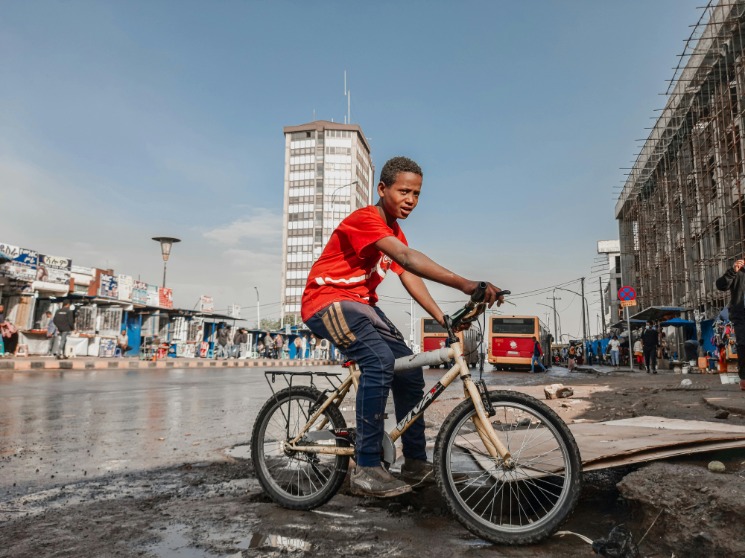
Geography and Climate of Ethiopian Cities
Ethiopian cities are diverse in geography and climate, shaped by the country’s varied topography. From the highlands of Addis Ababa to the lowland areas near Afar, each city experiences unique weather patterns and landscapes. These differences influence the lifestyles, agriculture, and overall environment of urban areas across Ethiopia, making the country’s cities interestingly distinct in their geographical and climatic characteristics.
Topographical Features
Ethiopian cities are characterized by diverse geographical and climatic conditions due to the country’s complex topography. From the highlands of Addis Ababa to the lowlands along the Great Rift Valley, each city exhibits unique features influenced by its elevation and location. The Ethiopian Plateau, where many major cities are situated, offers a cool climate with lush vegetation, supporting agriculture and urban life. In contrast, cities near the Rift Valley experience warmer temperatures and semi-arid conditions, impacting their agricultural and economic activities. The topographical features of Ethiopia include mountain ranges such as the Simien Mountains and the Bale Mountains, which create natural barriers and influence the climate by affecting rainfall patterns. Valleys and plains are also prominent, providing flat lands for urban development and farming. Overall, Ethiopia’s diverse geography greatly shapes the climate, lifestyle, and economic prospects of its cities.
Climate Variations
Ethiopian cities exhibit a diverse range of climates and geographical features due to the country’s varied topography. From the highlands of Addis Ababa to the low-lying deserts of the Danakil Depression, each city experiences unique environmental conditions that influence their climate patterns. These variations significantly impact the local ecosystems, agriculture, and daily life of residents.
The climate of Ethiopian cities generally ranges from tropical in the lowlands to temperate and even alpine in the highland areas. For instance, Addis Ababa, situated at an elevation of about 2,400 meters, has a mild, temperate climate with moderate temperatures and distinct wet and dry seasons. Conversely, cities like Mekele and Dire Dawa, located in the northern and eastern parts of the country, experience warmer and drier conditions due to their lower altitudes.
Climate variations within Ethiopia are largely driven by altitude, latitude, and proximity to water bodies. The western regions tend to be wetter with higher rainfall, supporting lush vegetation, while the eastern parts are typically drier and more arid. The country’s diverse climates create a rich tapestry of ecological zones, which in turn influence the cultural and economic activities of its cities and communities.
Major Cities of Ethiopia
Ethiopia is a country rich in history and culture, boasting several major cities that serve as centers of commerce, administration, and culture. These cities are vibrant hubs where tradition and modernity blend seamlessly, offering a glimpse into Ethiopia’s diverse heritage. From the bustling streets of Addis Ababa to the historic sites of Lalibela, each city plays a vital role in the nation’s identity and development.
Economic Activities in Ethiopian Cities
Economic activities in Ethiopian cities play a vital role in shaping the country’s development and urban growth. These cities serve as hubs for trade, industry, agriculture, and services, reflecting the diverse economic landscape of Ethiopia. Urban centers such as Addis Ababa and Dire Dawa are particularly significant, offering opportunities for employment and enterprise that contribute to the nation’s overall progress.
Agriculture and Marketplaces
Ethiopian cities serve as vital hubs of economic activity, contributing significantly to the country’s growth and development. Urban centers such as Addis Ababa, Dire Dawa, and Mekelle are characterized by diverse economic pursuits, including trade, manufacturing, and services. These cities attract both local and foreign investments, fostering job creation and infrastructural advancement.
Agriculture remains the backbone of Ethiopia’s economy, with a large percentage of the population engaged in farming activities. In rural areas surrounding cities, agriculture provides raw materials for local markets and contributes to the national food security. The cultivation of crops like teff, coffee, maize, and sorghum is prevalent, supported by traditional farming methods and emerging modern techniques.
Marketplaces in Ethiopian cities are bustling centers of commerce where farmers, traders, and consumers exchange goods and services. These marketplaces facilitate the distribution of agricultural produce and manufactured goods, playing a crucial role in local economies. Traditional markets such as Addis Ababa’s Merkato are known for their vibrant atmosphere, diverse goods, and importance to daily life, highlighting the interconnectedness of agriculture, trade, and urban development in Ethiopia.
Industry and Manufacturing
Ethiopian cities are dynamic centers of economic activity, with industry and manufacturing playing a vital role in their development. These urban areas serve as hubs for various industries, including textiles, leather products, food processing, and construction materials, which contribute significantly to the national economy. The growth of manufacturing sectors has been supported by government initiatives aimed at industrialization and attracting foreign investment. Cities such as Addis Ababa, Dire Dawa, and Hawassa are expanding their industrial zones, providing employment opportunities and boosting urban infrastructure. Overall, economic activities in Ethiopian cities are crucial for fostering sustainable growth and improving the living standards of their populations.
Trade and Commerce
Ethiopian cities serve as vital hubs for economic activities, fostering trade and commerce that drive the nation’s development. These urban centers attract businesses, traders, and entrepreneurs, contributing significantly to the country’s economy.
- Trade plays a crucial role in Ethiopian cities, with local markets and bazaars offering a wide range of goods including textiles, agricultural produce, and manufactured products.
- Urban centers like Addis Ababa, Dire Dawa, and Mekelle have bustling commercial districts that facilitate both domestic and international trade.
- Small and medium enterprises (SMEs) thrive in Ethiopian cities, providing employment and promoting local economic growth.
- Transport infrastructure such as roads, railways, and ports enhances connectivity, making trade more efficient and expanding market access.
- Traditional crafts, foodstuff, and imported goods are commonly traded items, reflecting the diverse economic activities prevalent in these cities.
- Government and private sector investments continue to modernize marketplaces and commercial facilities.
- The rise of supermarkets and shopping malls indicates a shift towards more organized retail sectors.
- Fairs and trade exhibitions held in Ethiopian cities foster networking among traders and promote new business opportunities.
- Urban economic activities significantly contribute to Ethiopia’s Gross Domestic Product (GDP).
- Efforts to improve trade policies and infrastructure aim to further boost economic growth in Ethiopian cities.
Cultural and Historical Landmarks
Ethiopia’s cities are rich with cultural and historical landmarks that showcase the nation’s deep heritage and diverse history. These landmarks offer a glimpse into the ancient civilization, religious traditions, and vibrant traditions that have shaped Ethiopia over centuries. Exploring these sites provides a meaningful journey into the heart of Ethiopian identity and cultural pride.
UNESCO World Heritage Sites
City in Ethiopia are rich in cultural and historical landmarks, many of which are recognized as UNESCO World Heritage Sites. These sites showcase Ethiopia’s ancient history, diverse cultures, and unique architectural styles, attracting visitors from around the world.

- Lalibela Rock-Hewn Churches: Famous for its monolithic churches carved out of solid rock in the 12th century, Lalibela is a pilgrimage destination for many Christians and a UNESCO World Heritage Site.
- Axum Obelisks: Located in the city of Axum, these towering granite stelae date back to the 4th century and are symbols of the ancient Aksumite Kingdom.
- Historic Town of Harar: Known as the “Islamic city of saints,” Harar features ancient mosques, bustling markets, and the unique hyena-man tradition, earning its designation as a UNESCO site.
- Aksum Sacred Sites: In addition to the obelisks, the area includes ancient tombs, churches, and relics that reflect Ethiopia’s early Christianity and historical significance.
- Historic Churches of Lalibela: These spiritual sites are an exceptional example of medieval Ethiopian architecture and religious history, deeply embedded in the local culture.
Religious Centers and Monasteries
Ethiopia is a country rich in cultural heritage and historical landmarks that attract visitors from around the world. Its cities are home to numerous religious centers and ancient monasteries that reflect the country’s deep spiritual traditions and history. Notable landmarks include Lalibela’s rock-hewn churches, which are UNESCO World Heritage Sites and considered one of the wonders of the medieval world. Addis Ababa, the capital city, hosts the Holy Trinity Cathedral, an important religious center for Ethiopian Orthodox Christians. Axum, once the imperial capital, features obelisks and archaeological sites that tell the story of Ethiopia’s ancient civilization. monasteries such as Debre Libanos and Enkutatash Monastery serve as spiritual retreats and repositories of religious manuscripts and artifacts. These sites are integral to Ethiopia’s cultural identity and offer insight into its centuries-old religious practices and history.
Museums and Cultural Centers
Ethiopia’s cities are rich with cultural and historical landmarks, museums, and cultural centers that offer a deep insight into the nation’s heritage. Addis Ababa, the capital, is home to the National Museum of Ethiopia, which features famous artifacts like Lucy, the world’s oldest hominid skeleton, and a vast collection of Ethiopian art and history. Debre Berhan Selassie Church in Addis is renowned for its stunning ceiling murals depicting biblical scenes, reflecting Ethiopia’s religious heritage. In Lalibela, the rock-hewn churches are a UNESCO World Heritage site, showcasing extraordinary medieval Christian architecture. Axum, an ancient city, boasts obelisks, royal tombs, and the Church of St. Mary of Zion, believed to house the Ark of the Covenant. Gondar’s castles and royal enclosure reveal Ethiopia’s imperial history. Besides historical structures, Ethiopia hosts numerous museums and cultural centers that preserve and showcase its diverse cultures, traditions, and art. These sites not only attract tourists but also serve as vital centers for cultural education and exchange, embodying Ethiopia’s profound historical significance and vibrant cultural identity.
Infrastructure and Urban Development
Infrastructure and urban development are vital components in shaping the growth and sustainability of cities worldwide. In Ethiopia, rapidly expanding urban centers are experiencing significant transformations as they strive to improve transportation, housing, sanitation, and public services. These developments play a crucial role in fostering economic growth, enhancing quality of life, and addressing the challenges of urbanization in the country.
Transport Networks
In Ethiopia, urban development and infrastructure play a crucial role in fostering economic growth and improving the quality of life for residents. The capital city, Addis Ababa, exemplifies the country’s efforts to expand and modernize its transport networks and urban facilities to support a rapidly growing population.
- Modernization of transport infrastructure includes expanding road networks to reduce congestion and improve connectivity within the city and to neighboring regions.
- Railway projects, such as the Addis Ababa-Djibouti Railway, enhance trade and passenger movement, linking Ethiopia to key ports and neighboring countries.
- Investment in public transportation systems, including bus rapid transit (BRT) lines, provides affordable and efficient transit options for commuters.
- Urban planning initiatives focus on creating sustainable cities with green spaces, improved sewage and drainage systems, and affordable housing developments.
- Efforts are underway to integrate smart city technologies to optimize traffic flow, monitor infrastructure, and improve urban management.
Housing and Real Estate
Infrastructure and urban development in Ethiopian cities have seen significant growth over the past decade, aiming to accommodate a rapidly increasing population and stimulate economic progress. The government has prioritized expanding transportation networks, including roads, railways, and airports, to improve connectivity both within cities and with international markets. Urban centers such as Addis Ababa are experiencing modernization efforts that focus on sustainable development, smart city initiatives, and improved public services.
Housing and real estate development in Ethiopia is characterized by a surge in construction projects targeting affordable housing, commercial spaces, and high-end residences. Public-private partnerships have become instrumental in addressing the housing deficit faced by many urban residents. Innovative building technologies and urban planning strategies are being adopted to create more livable environments, reduce congestion, and enhance green spaces. These developments aim to support Ethiopia’s vision of transforming its cities into vibrant, resilient, and economically dynamic urban areas.
Utilities and Public Services
In Ethiopia, the development of infrastructure and urban services is crucial for supporting the growing population and fostering economic growth in cities. Efforts are being made to enhance transportation networks, including roads, public transit, and airports, to improve connectivity within urban areas and beyond. Utilities such as water supply, electricity, and waste management are key components of urban development, ensuring residents have access to essential services. Public services, including healthcare, education, and emergency response, are expanding to meet the increasing demands of urban populations. Overall, Ethiopia’s cities are focusing on sustainable urban planning to promote livability, economic vitality, and environmental resilience.
Challenges and Opportunities
Exploring the vibrant city of Ethiopia reveals a landscape filled with both challenges and opportunities. As the city continues to grow and develop, it faces issues such as urbanization, infrastructure needs, and environmental concerns. However, these challenges also present unique opportunities for innovation, economic growth, and cultural preservation. Understanding these dynamics is essential to fostering sustainable development and creating a thriving urban environment in Ethiopia’s dynamic capital.
Urbanization Pressures
Urbanization in Ethiopia’s cities presents both significant challenges and opportunities. Rapid population growth in urban areas like Addis Ababa has led to increased demand for infrastructure, housing, and services, putting immense pressure on existing facilities and resources. This rapid expansion often results in unplanned settlements, traffic congestion, and environmental degradation, creating hurdles for sustainable development.
However, urbanization also offers unique opportunities for economic growth, innovation, and improved quality of life. Ethiopian cities can become hubs of commerce, culture, and technology if managed effectively. Strategic planning, investment in infrastructure, and inclusive policies can help harness the potential of urban growth, creating resilient cities that can support the country’s social and economic development in the future.
Environmental Concerns
In Ethiopian cities, rapid urbanization presents both significant opportunities and environmental challenges. As cities grow, there is potential for economic development, improved infrastructure, and enhanced quality of life for residents. However, this growth often strains existing resources, leading to issues such as pollution, waste management problems, and water scarcity. Environmental concerns are heightened by deforestation, air pollution from increased vehicles and industries, and unplanned urban expansion that encroaches on natural habitats. To harness the benefits of urban growth, Ethiopian cities must invest in sustainable development practices, promote green infrastructure, and implement effective environmental regulations to protect their ecosystems for future generations.
Future Prospects
Ethiopian cities face a range of challenges and opportunities as they continue to develop rapidly. Urbanization has led to increased pressure on infrastructure, housing, and public services, often resulting in congestion, pollution, and resource scarcity. Despite these hurdles, urban centers like Addis Ababa offer significant opportunities for economic growth, innovation, and improved quality of life. Investments in infrastructure, education, and technology can propel these cities into hubs of commerce and culture, attracting both local and international talent.
Looking to the future, Ethiopian cities are poised for transformative growth. By embracing sustainable development practices, investing in renewable energy, and fostering inclusive urban planning, they can mitigate environmental impacts while enhancing living standards. The potential for technological integration, such as smart city initiatives, presents promising prospects for more efficient resource management and better service delivery. Overall, Ethiopia’s urban centers hold the promise of becoming vibrant, resilient, and sustainable cities that contribute significantly to the nation’s prosperity.



0 Comments