

Neighboring Countries of Algeria
Algeria, located in North Africa, shares its borders with several neighboring countries, making it a country deeply connected to the region. Its neighboring countries include Tunisia to the northeast, Libya to the east, Niger to the southeast, Mali and Mauritania to the southwest, Western Sahara to the west, and Morocco to the northwest. These borders play a significant role in Algeria’s geopolitics, trade, and cultural interactions within the Maghreb and broader African continent.
Morocco
Algeria shares its borders with several neighboring countries in North Africa, including Morocco, Tunisia, Libya, Niger, Mali, Mauritania, and Western Sahara. Morocco is located to the west of Algeria and has a land border that stretches across the Atlas Mountains. The relationship between Algeria and Morocco has historically been complex, influenced by political disputes and territorial issues. Despite these differences, both countries are part of the North African region and share cultural and historical ties. Understanding the neighboring countries of Algeria provides insight into the geopolitical landscape and regional dynamics of North Africa.
Patterns of Interaction
Algeria shares its borders with seven neighboring countries, reflecting a diverse landscape of cultural and historical connections. These neighboring countries include Tunisia and Libya to the northeast, Niger to the southeast, Mali and Mauritania to the southwest, Western Sahara to the west, and Morocco to the northwest. The patterns of interaction between Algeria and its neighbors are shaped by geographical proximity, trade, shared cultural heritage, and political relationships. Cross-border trade is significant, especially with Tunisia, Libya, and Morocco, facilitating economic exchanges and cooperation. There are also historical ties and cultural similarities, particularly among the Maghreb countries, which foster regional collaboration. However, some borders, like the Western Sahara boundary, are subjects of political disputes, influencing interaction patterns. Overall, Algeria’s relationships with its neighboring countries are characterized by a mix of cooperation, economic exchanges, and geopolitical considerations. These interactions continue to evolve, shaping regional stability and development efforts.
Border Dynamics and Security Issues
Algeria is bordered by several countries in North Africa, including Tunisia to the northeast, Libya to the east, Niger to the southeast, Mali and Mauritania to the southwest, Western Sahara to the west, and Morocco to the northwest. Its extensive land borders make it one of the largest countries in Africa with diverse neighboring nations. The border dynamics in this region are complex, shaped by historical, political, and social factors, often leading to disputes or tensions, especially with Morocco over Western Sahara. Security issues are a significant concern for Algeria due to its proximity to regions affected by terrorism, insurgencies, and smuggling networks. The Saharan desert region, in particular, serves as a corridor for illicit activities, challenging national security efforts. Algeria has taken measures to strengthen border security through increased military presence, cooperation with neighboring countries, and efforts to combat extremist groups, recognizing that stability in these border areas is crucial for both regional peace and internal security.
Tunisia
Algeria shares its borders with several neighboring countries in North Africa. These countries are important for regional cooperation, trade, and cultural connections. Understanding Algeria’s neighbors provides a clearer picture of its geographic and political landscape.
- Tunisia
- Libya
- Nigeria
- Mali
- Niger
- Morocco
- Western Sahara
Economic and Cultural Exchanges
Algeria is situated in North Africa and shares its borders with several neighboring countries, including Tunisia, Libya, Niger, Mali, Mauritania, Western Sahara, and Morocco. These neighboring countries play a significant role in shaping Algeria’s regional dynamics and cooperation efforts.
Economic exchanges between Algeria and its neighbors involve trade in commodities such as oil, gas, agricultural products, and manufactured goods. Algeria, being rich in natural resources, often supplies energy to its eastern and western neighbors, fostering economic interdependence. Additionally, cross-border trade and infrastructure projects aim to enhance connectivity and economic integration within the region.
Cultural exchanges are equally vital in fostering understanding and unity among neighboring countries. Shared histories, linguistic ties, and common traditions contribute to strong cultural links. Collaborative initiatives, including cultural festivals, educational exchanges, and regional organizations, promote mutual appreciation and cooperation, strengthening bonds across North Africa and beyond.
Border Management and Cooperation
Algeria is bordered by several countries in North Africa, including Tunisia to the northeast, Libya to the east, Niger to the southeast, Mali and Mauritania to the southwest, Western Sahara to the southwest, and Morocco to the west. These neighboring countries share diverse geographic and cultural features, which influence regional dynamics.
Border management and cooperation are essential for ensuring security, economic development, and stability in the region. Algeria has implemented various measures to maintain secure borders, including military patrols, surveillance systems, and cooperation with neighboring countries to combat smuggling, illegal migration, and terrorism.
Regional collaboration is also fostered through organizations such as the Arab Maghreb Union, which aims to promote economic integration and political stability among member states. Joint initiatives include border security arrangements, cross-border trade facilitation, and intelligence sharing, helping to strengthen diplomatic relations and address common challenges faced by neighboring countries.
Libya
Algeria shares its borders with several neighboring countries, including Libya, Tunisia, Niger, Mali, Mauritania, Western Sahara, and Morocco. Libya is to the southeast of Algeria, and the two countries share a lengthy land border that facilitates various forms of economic and cultural exchanges. These neighboring nations collectively influence Algeria’s geopolitical landscape and regional interactions. The border regions often serve as important avenues for trade, migration, and diplomatic negotiations among these North African countries.
Historical Relations
Algeria shares its borders with several neighboring countries in North Africa, including Tunisia, Libya, Niger, Mali, Mauritania, Western Sahara, and Morocco. These neighboring countries have historically maintained complex and multifaceted relationships with Algeria, influenced by colonial legacies, regional conflicts, and shared cultural ties. Algeria’s historical relations with Tunisia and Libya have generally been cooperative, focusing on security, trade, and regional stability, although occasional diplomatic disagreements have arisen. Its relations with Morocco are often characterized by longstanding tensions over Western Sahara and territorial disputes, impacting regional diplomacy. Algeria’s interactions with Niger, Mali, and Mauritania are shaped by common interests such as combating terrorism, managing migration, and fostering economic cooperation. Overall, Algeria’s neighboring countries have played significant roles in shaping its geopolitical landscape, fostering collaborations, and confronting regional challenges together.
Current Security Challenges
Algeria is located in North Africa and shares its borders with several neighboring countries, including Tunisia to the northeast, Libya to the east, Niger to the southeast, Mali and Mauritania to the southwest, Western Sahara to the southwest, and Morocco to the northwest. These borders create a diverse geopolitical landscape that influences regional stability and cooperation.
Current security challenges facing Algeria and its neighboring countries include threats from terrorism, especially arising from extremist groups operating in the Sahel region. These groups often exploit weak governance, poverty, and border areas to conduct attacks and facilitate illicit activities such as smuggling and human trafficking. Additionally, conflicts and political tensions in neighboring Libya and Western Sahara pose regional security concerns, including instability, migration flows, and the potential spread of violence. Cross-border security cooperation and efforts to combat terrorism remain crucial for maintaining stability in the region.
Mali

Algeria shares its borders with several neighboring countries in North Africa, offering a diverse geographic and cultural landscape. Its neighbors include countries to the north, east, south, and west, shaping its regional interactions and influences.
- Tunisia
- Libya
- Nigeria
- Mali
- Mauritania
- Western Sahara
- Morocco
Mali is one of Algeria’s southern neighbors, located to the south of Algeria. It shares a border that spans several hundred kilometers, connecting the two countries through vast desert regions. The geographical proximity influences trade, cultural exchanges, and regional stability between Algeria and Mali. Mali itself borders several other countries, including Niger, Burkina Faso, Cote d’Ivoire, and Guinea, making it a landlocked country in West Africa.
Cross-Border Trade
Algeria is bordered by several countries in North Africa, making its geographic position strategic for cross-border trade and economic cooperation. Its neighboring countries include Tunisia to the northeast, Libya to the east, Niger and Mali to the southeast and south, Mauritania and Western Sahara to the southwest, and Morocco to the west. These borders facilitate diverse trade routes that connect Algeria to the broader Maghreb and Saharan regions. Cross-border trade is vital for Algeria’s economy, allowing the exchange of goods such as agricultural products, textiles, and minerals, while also fostering cultural and commercial ties with its neighbors. The country’s strategic location and extensive borders play a crucial role in regional integration and development efforts across North Africa.
Counter-Terrorism Collaborations
Algeria shares its borders with several neighboring countries, including Tunisia to the northeast, Libya to the east, Niger to the southeast, Mali and Mauritania to the southwest, Western Sahara to the west, and Morocco to the northwest. Given its strategic location in North Africa, Algeria has actively engaged in counter-terrorism collaborations with many of these neighboring nations. These efforts aim to combat regional insurgencies, cross-border smuggling, and terrorist organizations such as Al-Qaeda in the Islamic Maghreb (AQIM). Through joint military operations, intelligence sharing, and regional security initiatives, Algeria works closely with countries like Tunisia, Mali, and Niger to enhance border security and counter extremism. These collaborations are essential for maintaining stability in the region and preventing the spread of terrorism across North Africa.
Niger
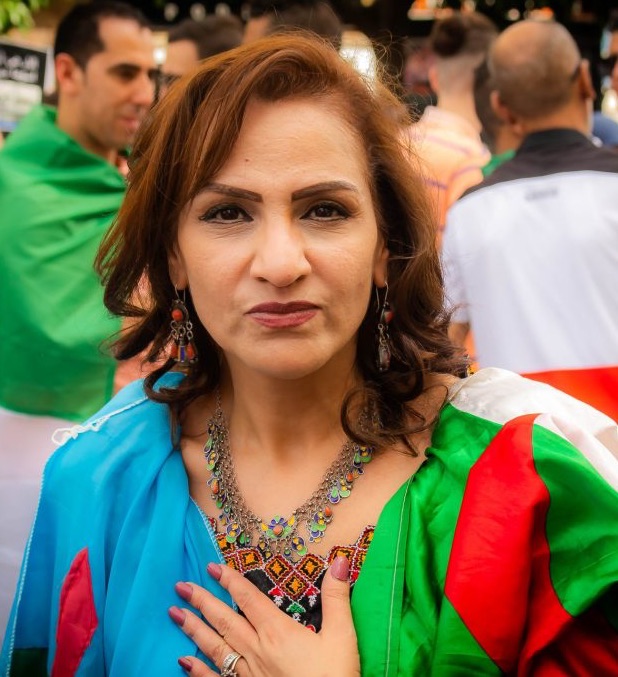
Algeria shares borders with several neighboring countries in North Africa, including Niger. These countries are part of the region’s diverse geographic and cultural landscape, contributing to the geopolitical and economic interactions in the area.
- Niger
- Libya
- Mali
- Mauritania
- Western Sahara (disputed territory)
- Tunisia
- Morocco
Sahara Region Interactions
Algeria shares its borders with several neighboring countries, creating a dynamic region with significant Sahara Desert interactions. These neighboring countries influence Algeria’s political, economic, and cultural landscape, especially within the vast Sahara region where cross-border movements and collaborations are common.
- Morocco: To the west, Morocco shares a complex relationship with Algeria, primarily influenced by historical disputes and border issues. Despite tensions, both countries engage in regional discussions concerning Sahara governance and security.
- Tunisia: Located to the northeast, Tunisia maintains friendly relations with Algeria, with collaborations in trade, security, and tourism, especially in the Sahara border regions.
- Libya: To the southeast, Libya’s instability has affected cross-border interactions, but there are ongoing efforts for security cooperation and economic links in the Sahara region.
- Niger: Situated to the south, Niger has active interactions with Algeria related to border security, migration, and resource management in the Sahara.
- Mali: Also in the south, Mali’s proximity to the Sahara fosters cooperation in combating terrorism, managing desert trade routes, and environmental issues.
- Mauritania: To the southwest, Mauritania shares cultural ties and trade routes across the Sahara, fostering regional cooperation on security and resource management.
Border Security and Immigration
Algeria shares its borders with several neighboring countries, including Tunisia, Libya, Niger, Mali, Mauritania, Western Sahara, and Morocco. These neighboring nations play a significant role in the regional stability and economic exchanges of Algeria. Border security is a critical aspect for Algeria to prevent illegal crossings, smuggling, and territorial incursions, especially given the diverse terrains such as deserts, mountains, and coastal areas. The country employs a combination of military patrols, surveillance technology, and cooperation with neighboring states to strengthen its border management.
Immigration policies are also vital in maintaining national security while managing cross-border movement. Algeria regulates border crossings through official ports and monitors unauthorized entries to prevent illicit activities and ensure legal immigration processes. Efforts are ongoing to improve cooperation and intelligence sharing with neighboring countries to address common security challenges and enhance stability in the region.
Mauritania
Algeria shares its borders with several neighboring countries, including Tunisia and Libya to the northeast, Niger to the southeast, Mali and Mauritania to the southwest, Western Sahara to the west, and Morocco to the northwest. Mauritania, located to the southwest of Algeria, is one of its key neighboring countries, sharing a significant border that extends through desert regions. These border regions are characterized by diverse landscapes, ranging from desert plains to mountain ranges, and their relations are shaped by historical, economic, and cultural ties. The interactions between Algeria and Mauritania are important for regional security, trade, and cooperation within the broader North African context.
Trade Routes and Energy Transit
Algeria is located in the northern part of Africa and shares land borders with several neighboring countries. These include Tunisia to the northeast, Libya to the east, Niger to the southeast, Mali and Mauritania to the southwest, Western Sahara to the west, and Morocco to the northwest. These neighboring nations play a significant role in Algeria’s geopolitical and economic landscape.
Trade routes connecting Algeria to its neighbors and beyond are vital for regional commerce. The Trans-Saharan trade routes facilitate the movement of goods between North Africa and Sub-Saharan Africa, with Algeria serving as a key corridor. Major roads, railways, and port facilities enable efficient transport of commodities such as hydrocarbons, minerals, and agricultural products. The Mediterranean Sea along Algeria’s northern coast provides access to international shipping lanes, enhancing maritime trade.
Energy transit is a critical aspect of Algeria’s relations with its neighbors. The country is a major exporter of natural gas and oil, often serving as a transit route for energy supplies to Europe. Pipelines such as the Maghreb-Europe Gas Pipeline and the Trans-Mediterranean Pipeline are instrumental in transporting hydrocarbon resources across the region. These energy transit routes not only bolster Algeria’s economy but also contribute to regional energy security and cooperation among the surrounding nations.
Cultural and Social Links
Algeria shares its borders with several countries in North Africa, including Tunisia, Libya, Niger, Mali, Mauritania, Western Sahara, and Morocco. These neighboring nations have historically interacted with Algeria through trade, migration, and diplomatic relations, shaping the regional dynamics. Culturally and socially, Algeria maintains strong links with its neighbors, reflected in shared linguistic roots, culinary traditions, and religious practices. Throughout history, these countries have influenced each other’s customs, arts, and social frameworks, fostering a sense of regional kinship and cooperation.


0 Comments