
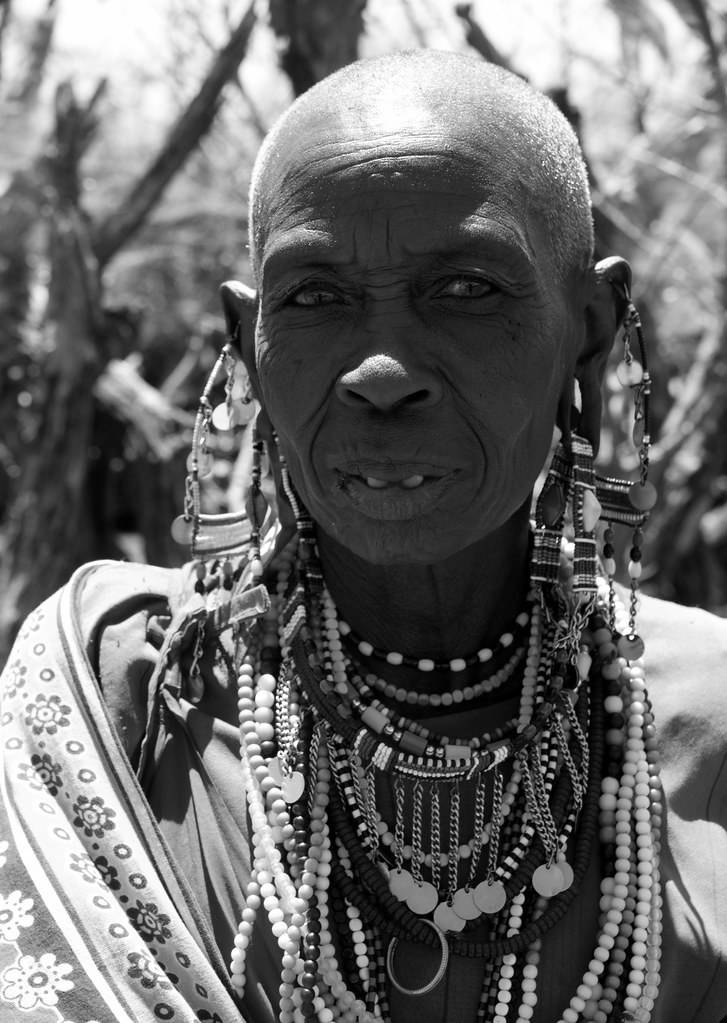
Geographical Overview of Tanzania and Masai Mara
Tanzania and the Masai Mara are renowned for their stunning landscapes and rich biodiversity. Located in East Africa, Tanzania is known for its vast savannahs, panoramic plains, and iconic wildlife parks such as Serengeti and Ngorongoro Crater. The Masai Mara, situated in southwestern Kenya and bordering Tanzania’s Serengeti, is famous for its incredible annual wildebeest migrations and diverse ecosystems. Together, these regions form a vital part of the Serengeti ecosystem, offering extraordinary opportunities for wildlife viewing and conservation.
Location and Size of Tanzania
Tanzania is a country located in East Africa, known for its vast wilderness and diverse landscapes. It shares borders with Kenya to the north, Uganda to the northwest, Rwanda, Burundi, and the Democratic Republic of the Congo to the west, Zambia to the southwest, Malawi to the south, and Mozambique to the southeast. The country covers an area of approximately 945,087 square kilometers, making it one of the largest countries in Africa. Tanzania’s geographical features include the Serengeti plains, Mount Kilimanjaro, Africa’s highest peak, and the Great Rift Valley. The Masai Mara, on the other hand, is a renowned wildlife reserve situated in southwestern Kenya, bordering Tanzania’s Serengeti National Park. The Mara is part of the Serengeti ecosystem, famous for its incredible annual migration of wildebeest and other wildlife. The Masai Mara spans an area of about 1,510 square kilometers and is a critical area for conservation and safaris, attracting numerous visitors seeking to witness exceptional wildlife spectacles.
Geographical Features of Masai Mara
Tanzania and Masai Mara are renowned for their rich geographical features that contribute to their status as premier wildlife destinations in Africa. Tanzania, located in East Africa, boasts a diverse landscape that includes vast savannahs, the Great Rift Valley, highlands, and the Serengeti Plains. It is home to numerous lakes, including Lake Victoria, Lake Tanganyika, and Lake Malawi, as well as Mount Kilimanjaro, the highest peak in Africa. The country’s varied terrain supports a wide range of ecosystems, from lush forests to arid deserts.
Masai Mara, situated in southwestern Kenya near the Tanzanian border, is characterized by its stunning plains and open grasslands that make up part of the Serengeti ecosystem. Its landscape is predominantly dominated by expansive, rolling savannahs dotted with acacia trees and riverine forests. The Mara River runs through the area, creating a vital water source for the wildlife and shaping the terrain. The region’s topography features gently undulating plains, seasonal river valleys, and some rocky outcroppings, providing ideal conditions for hosting millions of wildebeest, zebras, elephants, and predators. The geographical features of Masai Mara make it a globally significant migratory corridor and a prime location for observing diverse game during various seasons.
Climate and Terrain
Tanzania and the Masai Mara are renowned for their diverse geography, climate, and terrain, making them some of the most captivating destinations in East Africa. Tanzania, located on the eastern coast of Africa, features a vast landscape that includes plains, mountains, and coastlines, while the Masai Mara, a famed wildlife reserve in Kenya, forms part of the Serengeti ecosystem with similar geographical features.
The climate and terrain of these regions vary significantly, influenced by their elevation, proximity to the equator, and seasonal patterns. Both areas experience a warm climate with distinct wet and dry seasons, which dramatically affect the local flora and fauna. The terrain comprises rolling savannahs, extensive plains, acacia woodlands, and occasional rocky outcrops, providing ideal habitats for a wide variety of wildlife.
- Terrain:
- Vast savannahs and plains
- Mountains, including Mount Kilimanjaro in Tanzania
- Woodlands and riverine forests
- Great migration routes across the plains
- Climate:
- Warm temperatures year-round
- Distinct wet season from March to May and November to December
- Dry season from June to October, ideal for wildlife viewing
- Highland areas experience cooler temperatures and more rainfall
Wildlife and Biodiversity
Wildlife and biodiversity are vital components of Tanzania’s rich natural heritage, with the unique ecosystems supporting a vast array of plant and animal species. The region, including the iconic Maasai Mara, is renowned for its stunning landscapes and abundant wildlife, offering spectacular opportunities for conservation and eco-tourism. Protecting these diverse habitats ensures the survival of countless species and maintains the ecological balance vital for the health of the planet.
Major Species in Tanzania National Parks
Tanzania’s national parks are renowned for their rich wildlife and biodiversity, hosting a diverse array of species that attract visitors from around the world. These parks provide crucial habitats for many animals, ensuring the conservation of numerous species and maintaining ecological balance. The Masai Mara, although primarily located in Kenya, is closely linked to Tanzania’s ecosystem and shares many of the same species and conservation efforts.
Major species found in Tanzanian national parks include the majestic African elephants, the powerful lions, elusive leopards, and agile cheetahs. You can also find large herds of zebras, wildebeests, and gazelles, which form the core of the savannah ecosystem. Additionally, Tanzania is home to the rare and endangered black rhinoceros and the majestic African buffalo.
Birdlife is equally impressive, with numerous species such as ostriches, crowned cranes, and vultures inhabiting the parks. The Serengeti, part of Tanzania’s network of protected areas, is particularly famous for the annual migration of wildebeests and zebras, a spectacular natural event that enhances the region’s biodiversity. Conservation efforts in these parks are essential for protecting these species and maintaining the ecological integrity of Tanzania’s wildlife landscape.
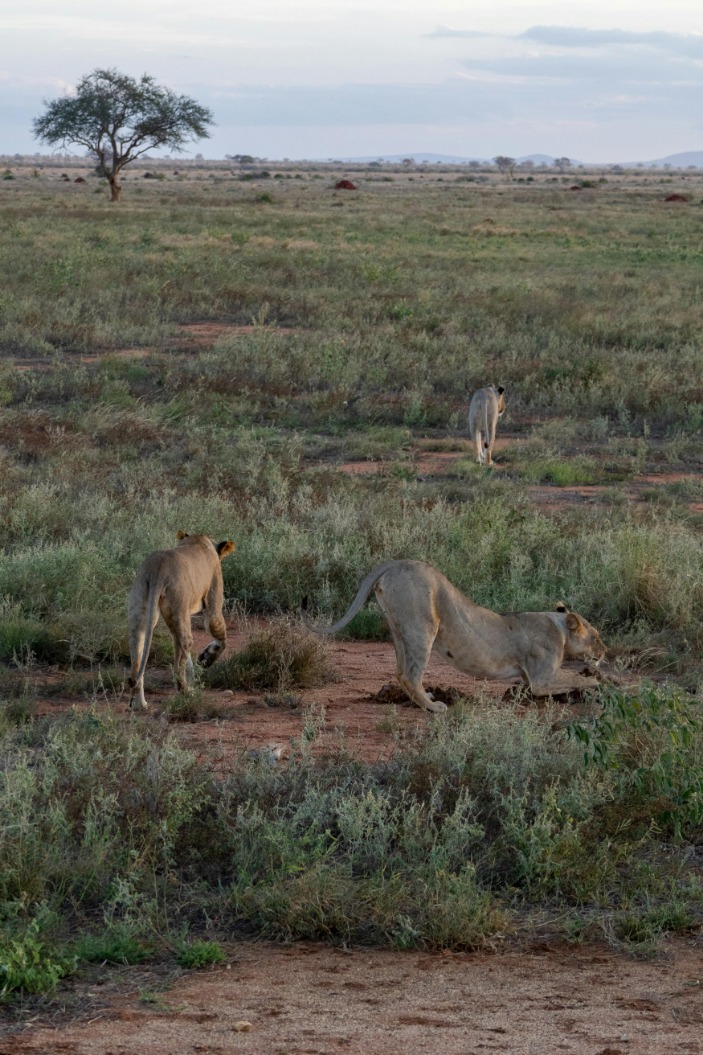
Predators and Prey in Masai Mara
The Masai Mara, renowned for its incredible wildlife and rich biodiversity, is a vital ecosystem in Tanzania and Kenya. It hosts a diverse range of species, including the majestic predators like lions, leopards, and cheetahs, alongside a wide variety of prey animals such as zebras, wildebeests, and antelopes. The intricate predator-prey relationships in the Masai Mara play a crucial role in maintaining the balance of the ecosystem, preventing overpopulation of herbivores and promoting healthy vegetation growth. During the annual Great Migration, these interactions become particularly dramatic as predators follow herds across the plains, showcasing nature’s fierce yet fascinating food chain. Protecting this delicate balance is essential for conserving the incredible biodiversity that makes the Masai Mara a world-renowned wildlife sanctuary in Tanzania and neighboring Kenya.
Endangered Species and Conservation Efforts
Tanzania and the Maasai Mara region are renowned for their rich wildlife and incredible biodiversity, hosting an array of species that symbolize the natural beauty of East Africa. These areas serve as vital habitats for numerous animals, including the iconic lion, elephant, rhinoceros, giraffe, and cheetah, all of which contribute to the extraordinary diversity that attracts tourists and researchers alike. However, many of these species are under threat due to habitat loss, poaching, and human-wildlife conflict, making conservation efforts more crucial than ever.
Endangered species such as the black rhinoceros and the wild dog face significant risks of extinction, prompting urgent conservation initiatives. Organizations and local communities in Tanzania and the Maasai Mara are working collaboratively to implement anti-poaching laws, establish protected areas, and promote sustainable tourism practices to safeguard these species. Education and community involvement are also key strategies, ensuring that local populations benefit from conservation activities and are motivated to protect their natural heritage.
Conservation efforts in these regions have shown promising results, with successful breeding programs, habitat restoration, and increased awareness helping to stabilize various populations. Recognizing the importance of biodiversity for ecological balance and tourism economics, ongoing support and innovative approaches are vital to maintaining the wildlife-rich landscapes of Tanzania and the Maasai Mara for future generations. Preserving this natural heritage not only protects endangered species but also sustains the delicate ecosystems that support countless life forms in this remarkable part of Africa.
Tourism and Safari Experiences
Discover the captivating world of tourism and safari adventures in Tanzania and the Maasai Mara, where breathtaking landscapes and diverse wildlife create unforgettable experiences. These iconic destinations offer travelers the chance to witness the incredible natural beauty and rich cultural heritage of East Africa. From the vast plains teeming with game to the vibrant Maasai communities, every moment is filled with adventure and discovery.
Popular Tourist Destinations in Tanzania
Tanzania is renowned for its breathtaking tourism and safari experiences, offering travelers a chance to immerse themselves in stunning natural landscapes and diverse wildlife. One of the most popular destinations in the region is the Maasai Mara, which borders Kenya’s Maasai Mara National Reserve and is famous for its incredible Big Five sightings and lush savannahs. Visitors to Tanzania can enjoy thrilling game drives, bird watching, and cultural encounters with the Maasai people, gaining insight into their traditions and way of life. The vast expanse of the Maasai Mara provides a unique opportunity to witness the circle of life unfold in its natural habitat. Other notable attractions in Tanzania include the Serengeti National Park, Ngorongoro Crater, and Lake Manyara, making the country a top choice for those seeking memorable safari adventures and a glimpse into Africa’s wild beauty.
Wildlife Safari in Masai Mara
The Maasai Mara in Tanzania offers an unparalleled safari experience, showcasing the rich biodiversity and stunning landscapes of the region. Visitors have the opportunity to witness the awe-inspiring migration of wildebeests and zebras, one of the most spectacular wildlife events in Africa. The reserve is home to a thriving population of lions, elephants, cheetahs, giraffes, and rhinoceroses, providing a remarkable chance for wildlife enthusiasts to observe these majestic creatures in their natural habitat.
Best Times to Visit
Tanzania and the Maasai Mara offer some of the most extraordinary tourism and safari experiences in Africa. Visitors can witness breathtaking wildlife migrations, observe the Big Five, and immerse themselves in the vibrant local culture. The vast savannahs and diverse ecosystems create perfect settings for unforgettable adventures and photography opportunities.
The best times to visit Tanzania and Maasai Mara are during the dry seasons, typically from June to October. During this period, wildlife congregates around water sources, making it easier to spot animals. The migration of wildebeest and zebras also peaks during these months, providing spectacular viewing experiences. The rainy season, from November to May, brings lush landscapes and newborn animals but can make some areas less accessible for safaris.
Cultural Significance and Local Communities
The Maasai Mara in Tanzania is not only a renowned wildlife haven but also a vibrant cultural landscape deeply intertwined with the local communities. The Maasai people, with their rich traditions, rituals, and lifestyle, play a vital role in shaping the identity of this iconic region. Their cultural practices and connection to the land foster a unique harmony between conservation efforts and community livelihood, making the Maasai Mara a symbol of cultural resilience and environmental stewardship.
The Maasai People and Their Traditions
The Maasai people, one of Tanzania’s most iconic communities, play a vital role in the cultural landscape of the Maasai Mara region. Their rich traditions and customs have been preserved for centuries, making them a symbol of Tanzania’s diverse heritage. The Maasai are renowned for their vibrant dress, intricate beadwork, and unique rituals that celebrate their identity and way of life.
Central to Maasai culture are their ceremonies, such as the Eunoto (warrior initiation) and Eunoto (adolescent transition), which mark important stages of personal and communal growth. These rituals foster a deep sense of pride and belonging among community members. The Maasai also have a strong pastoralist tradition, relying on cattle not only as a source of livelihood but also as a symbol of social status and spiritual significance.
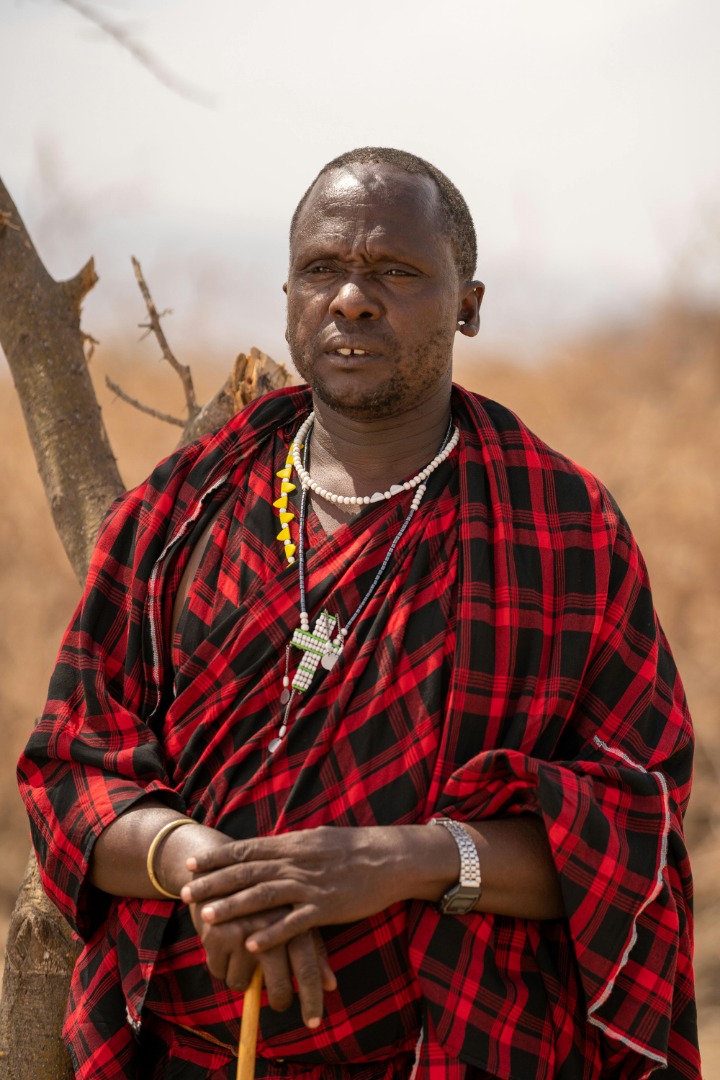
The Maasai people’s close connection to their lands in the Maasai Mara makes them key custodians of the environment and wildlife conservation efforts. Their traditional knowledge and sustainable practices contribute to the preservation of the savannah ecosystem, enhancing the area’s appeal to tourists and researchers alike. Overall, the Maasai serve as a living testament to Tanzania’s cultural diversity, enriching the local communities through their enduring customs and traditions.
Interactions Between Local Communities and Tourism
The Maasai Mara in Tanzania, part of the larger Serengeti ecosystem, holds deep cultural significance for the Maasai people, whose traditions and lifestyle remain closely intertwined with the land. Tourism in this region offers opportunities for cultural exchange, but it also presents challenges in maintaining the authenticity of local customs and lifestyle. Balancing the needs of local communities with the influx of tourists is essential to ensure sustainable development and mutual benefit.
- Tourism provides a vital source of income for Maasai communities through cultural shows, craft sales, and guided tours, helping improve local living standards.
- Interactions with tourists enable the Maasai to share their traditions, dances, and ceremonies, fostering cultural understanding and appreciation.
- However, increased tourism can sometimes lead to cultural commodification, where traditional practices are commercialized or altered for tourist entertainment.
- Local communities are increasingly involved in conservation efforts, recognizing that preserving their environment also sustains their way of life and tourism revenue.
- Efforts are being made to promote responsible tourism that respects local customs, reduces environmental impact, and ensures that communities retain control over tourism activities.
Cultural Festivals and Events
The Maasai Mara in Tanzania holds immense cultural significance for the Maasai community, embodying their rich traditions, customs, and way of life. This iconic landscape serves not only as a vital part of their heritage but also as a symbol of their resilience and deep connection to the land. Local communities actively participate in conservation efforts, blending their cultural practices with sustainable tourism to preserve their environment and traditions.
Cultural festivals and events are vibrant expressions of Maasai identity and history in the region. The Enkang Oma (Maasai War Dance), ceremonies marking rites of passage, and traditional healer gatherings are some of the noteworthy celebrations that showcase their cultural heritage. These events offer visitors a unique opportunity to experience authentic Maasai customs, crafts, and storytelling, fostering mutual respect and understanding between locals and tourists.
Conservation Challenges and Initiatives
Conservation challenges and initiatives in Tanzania and the Maasai Mara region are vital to preserving the rich biodiversity and fragile ecosystems of East Africa. These areas face threats from poaching, habitat loss, and human-wildlife conflict, which endanger countless species and the livelihoods of local communities. Efforts by governments, conservation organizations, and local tribes aim to implement sustainable solutions that protect wildlife while promoting eco-tourism and community development, ensuring these iconic landscapes endure for future generations.
Poaching and Illegal Wildlife Trade
Conservation challenges in the Tanzania Masai Mara region are significant, with poaching and illegal wildlife trade posing severe threats to biodiversity. These activities lead to the depletion of vital species such as elephants, rhinos, and big cats, disrupting the ecological balance. In response, numerous initiatives have been launched to combat these issues, including strengthening anti-poaching patrols, using advanced technology like drones and camera traps, and promoting community-based conservation programs. International collaborations and government enforcement efforts aim to create sustainable strategies that protect wildlife while supporting local communities economically. Education and awareness campaigns also play a crucial role in reducing demand for illegally traded wildlife products, fostering a culture of conservation among future generations.
Community-Based Conservation Projects
Community-based conservation projects in Tanzania and the Maasai Mara region play a crucial role in addressing conservation challenges and promoting sustainable practices. These initiatives aim to balance wildlife protection with the livelihoods of local communities, fostering a sense of stewardship and shared responsibility.
- Empowering local communities through education and training to participate actively in conservation efforts.
- Establishing community wildlife management areas that allow locals to benefit economically from tourism and conservation activities.
- Implementing eco-tourism programs that generate sustainable revenue while promoting awareness of biodiversity importance.
- Promoting traditional Maasai practices that align with conservation goals, such as sustainable pastoralism and land management.
- Collaborating with government agencies and NGOs to develop policies that support community-led initiatives and reduce human-wildlife conflicts.
- In Tanzania, projects like the Northern Circuit involve local Maasai groups in conserving elephants, lions, and rhinos while improving community welfare.
- The Maasai Mara’s Community Conservancies in Kenya serve as models where landowners actively participate in conservation, ensuring protected areas benefit local populations.
- Efforts to combat poaching and illegal wildlife trade are enhanced when communities are engaged and see direct benefits from conservation efforts.
- Educational campaigns increase awareness among youth and elders about the importance of maintaining biodiversity and sustainable land use.
- Partnerships between conservancies, government, and international organizations aim to create long-term, sustainable conservation models in the region.
Government Policies and International Support
Conservation challenges in the Tanzania Maasai Mara region include habitat destruction due to agricultural expansion, illegal poaching of wildlife, and human-wildlife conflicts. These issues threaten the biodiversity and ecological balance of the area, impacting both local communities and global conservation efforts. In response, numerous initiatives have been launched to address these challenges, such as community-based conservation programs that involve local Maasai communities in protecting wildlife and promoting sustainable tourism. Additionally, anti-poaching patrols and wildlife monitoring systems have been established to combat illegal activities. Government policies in Tanzania emphasize preserving natural habitats and regulating land use to ensure the sustainability of protected areas. International support plays a crucial role as well, with partnerships and funding from organizations like the World Wildlife Fund and the African Wildlife Foundation helping to bolster conservation projects. Such collaborative efforts aim to balance ecological preservation with community development, ensuring the long-term viability of the Tanzania Maasai Mara region.
Transportation and Accessibility
Transportation and accessibility are key components in exploring the stunning landscapes and vibrant cultures of Tanzania and the Maasai Mara. These regions offer diverse travel options, from safaris and guided tours to local transportation methods, making it easier for visitors to experience their natural beauty and rich heritage. Ensuring smooth access to these destinations enhances the overall visitor experience and promotes sustainable tourism around these iconic locations.
Getting to Tanzania’s National Parks
Getting to Tanzania’s national parks, including the renowned Maasai Mara, involves a variety of transportation options that cater to different travel preferences. Visitors typically arrive via international flights into major cities such as Arusha or Kilimanjaro International Airport, which are the primary gateways to the parks. From these points, travelers can take safari vehicles or arrange organized tours to reach the reserves. Overland journeys by road are also common, with well-maintained bush tracks and scenic routes that offer a glimpse of Tanzania’s diverse landscapes. For those seeking convenience, charter flights and small plane services operate directly to airstrips within or near the parks, providing quick and easy access. Accessibility is continuously improving, ensuring visitors can enjoy Tanzania’s breathtaking wilderness and wildlife with comfort and ease.
Travel Options to Masai Mara
Traveling to the Masai Mara from Tanzania offers a range of transportation options to suit different preferences and budgets. Visitors can choose to fly, drive, or use organized tours to reach this renowned safari destination. The most convenient way is often by small aircraft, which operate from various airports in Tanzania such as Arusha or Kilimanjaro, providing quick and scenic flights directly to the Mara. Overland tours by 4×4 vehicles are also popular for those seeking a more adventurous experience, offering opportunities to enjoy the scenic landscapes along the way. Additionally, guided safari packages often include transport from nearby cities or towns, making travel to the Masai Mara accessible even for first-time visitors. Overall, the region is well-connected through various transportation options, ensuring travelers can easily access this extraordinary wildlife reserve.
Infrastructure and Facilities
The Tanzania and Maasai Mara region offers diverse transportation and accessibility options that facilitate easy movement for visitors and locals alike. Well-developed roads connect major towns and attractions, enabling comfortable travel by car or guided tours. Air travel is also accessible through nearby airports, providing convenient access to the area’s renowned safaris and wildlife reserves. In addition, border crossings and shuttle services enhance connectivity between Tanzania and Kenya, allowing travelers to explore both regions seamlessly.
Infrastructure in Tanzania and Maasai Mara includes lodges, campsites, and visitor centers equipped with essential facilities to support tourism activities. These facilities provide amenities such as water, electricity, and communication services, ensuring a comfortable stay for travelers. Furthermore, the region’s infrastructure is continually improving, with efforts to upgrade roads and transportation networks to accommodate increasing tourism demands and promote sustainable development.
Economic Impact of Tourism
Tourism in Tanzania and the Maasai Mara region has become a vital driver of economic growth and development. The influx of visitors seeking to experience the breathtaking landscapes, diverse wildlife, and rich cultural heritage contributes significantly to local and national economies. This industry creates jobs, promotes infrastructure improvements, and fosters community empowerment, highlighting the profound economic impact of tourism in these iconic destinations.
Revenue Generation for Local Economies
The tourism industry in Tanzania, particularly around the Maasai Mara region, plays a significant role in boosting the local economies through revenue generation. Visitors flock to this area to experience its rich wildlife, cultural heritage, and breathtaking landscapes, which in turn creates substantial economic benefits for local communities.
Revenue from tourism in Tanzania supports various sectors including hospitality, transportation, and retail, providing employment opportunities for residents. This influx of tourists leads to increased demand for local goods and services, fostering entrepreneurship and economic diversification.
Moreover, the funds generated help finance conservation efforts and community development projects, ensuring sustainable tourism that benefits both the environment and local people. Overall, tourism around the Maasai Mara in Tanzania serves as a crucial driver of economic growth, elevating living standards and promoting regional stability.
Job Opportunities Created
The tourism industry in Tanzania and the Maasai Mara region significantly contributes to the local and national economy by generating substantial revenue through visitor spending. This influx of income supports infrastructure development, conservation efforts, and local businesses. Additionally, tourism creates numerous job opportunities for residents, ranging from guides and hospitality staff to transportation and retail workers. These employment prospects help uplift communities, reduce poverty, and promote sustainable economic growth in the region. Overall, the vibrant tourism sector is a vital driver of economic resilience and community welfare in Tanzania and the Maasai Mara.
Impact on Local Businesses and Communities
The economic impact of tourism in Tanzania and the Maasai Mara region is significant, providing a vital source of income and employment for local communities. Tourism attracts travelers from around the world who come to experience the stunning wildlife and landscapes, leading to increased revenues for national parks and related industries. Local businesses such as hotels, restaurants, tour operators, and handicraft vendors benefit directly from tourist spending, fostering economic growth in the area. Additionally, tourism helps fund conservation efforts and community development projects, contributing to the sustainable management of natural resources. However, it can also pose challenges if not managed properly, potentially leading to environmental degradation and cultural disruptions. Overall, well-regulated tourism has the potential to boost local economies while promoting cultural exchange and ecological preservation in regions like Tanzania and the Maasai Mara.



0 Comments