
Historical Context of Algerian Men
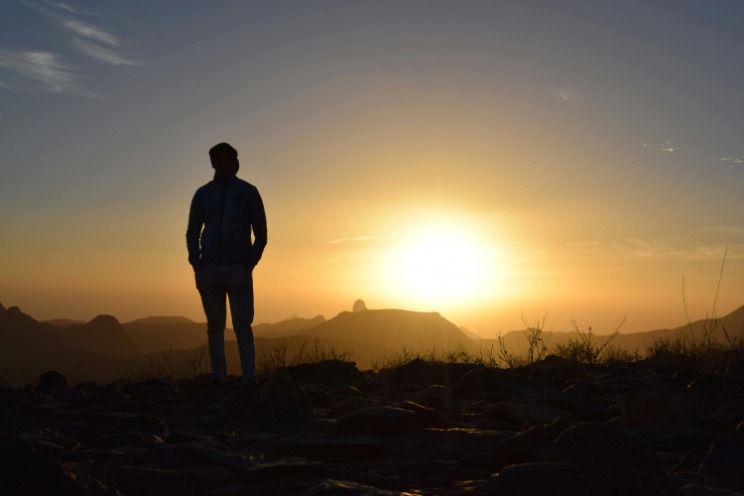
Historically, Algerian men have played a vital role in shaping the nation’s cultural, social, and political landscape. Throughout history, they have endured colonial rule, fought for independence, and contributed to the country’s development amid regional conflicts and modern challenges. Understanding the historical context of Algerian men provides insight into their identity, resilience, and the evolving role they have taken in shaping Algeria’s society today.
Colonial Influence and Independence Movement
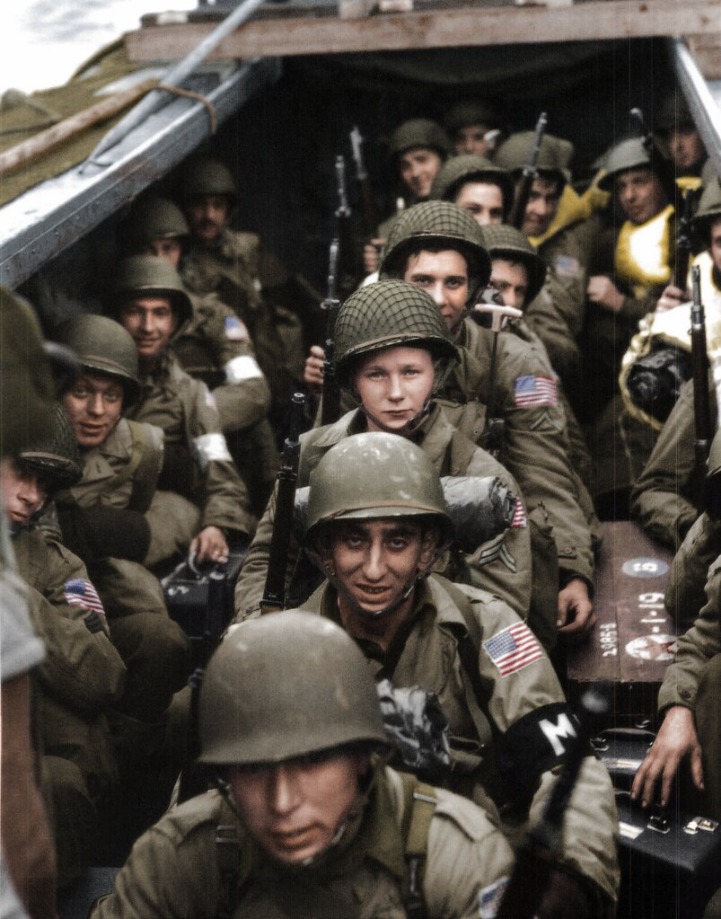
Historically, Algerian men have played a significant role in shaping the country’s social and political landscape. Under Ottoman and subsequent French colonial rule, their identities and societal roles were influenced by both indigenous traditions and colonial policies. During the colonial period, many Algerian men experienced cultural suppression and economic marginalization, which fueled feelings of resistance and a desire to reclaim their national identity. The independence movement, particularly the Algerian War of Independence from 1954 to 1962, saw many Algerian men actively participating as fighters, leaders, and supporters of the struggle for sovereignty. Their involvement not only challenged colonial authority but also laid the foundation for post-independence national identity, emphasizing themes of resilience, patriotism, and collective liberation.
Post-Independence Socio-Political Changes
The post-independence period in Algeria marked a significant transformation in the socio-political landscape affecting Algerian men. Following the country’s liberation from French colonial rule in 1962, there was a surge of national pride and a desire to redefine Algerian identity. Traditional roles for men as providers and protectors were reinforced, yet these roles were also challenged by rapid urbanization, education reforms, and changing economic opportunities. During this time, many men became active in the newly established political structures or the revolutionary movement, shaping the nation’s future. At the same time, the socio-political upheavals led to shifts in gender dynamics, with men navigating new expectations related to masculinity, participation in governance, and social responsibilities in a newly independent Algeria.
Cultural Attributes and Traditions
Algeria is a country rich in cultural diversity, and its traditions greatly influence the lives of its people, especially men. The cultural attributes of Algerian men reflect a blend of Arabic, Berber, and French influences, shaping their social behaviors, values, and customs. Understanding these cultural traditions provides insights into their identity, family roles, and social interactions within Algerian society.
Family and Social Roles
Algerian men are often shaped by rich cultural attributes and deep-rooted traditions that reflect the country’s diverse history and social customs. Respect for elders, hospitality, and community bonds are central to their cultural identity. Traditional values emphasize family cohesion and social harmony, which are celebrated through various rituals and practices. In terms of family roles, men typically hold the position of primary breadwinner and decision-maker, supported by a strong sense of responsibility to provide for and protect their families. Social roles are influenced by Islamic principles and local customs, where men are seen as guardians and leaders within the household, while women often carry out roles related to home and family care. Despite modernization and shifting societal dynamics, these cultural attributes and family roles remain integral to Algerian men’s sense of identity, preserving a continuity of tradition amid change.
Traditional Clothing and Customs
Algerian men are deeply rooted in a rich tapestry of cultural attributes and traditions that reflect the nation’s diverse history and social customs. Respect for family, community, and tradition plays a significant role in their daily lives, often evident in their interactions and societal roles. Hospitality and generosity are highly valued traits, and social gatherings are central to maintaining cultural bonds. Algerian men often uphold traditional values through various rituals and celebrations that reinforce their cultural identity.
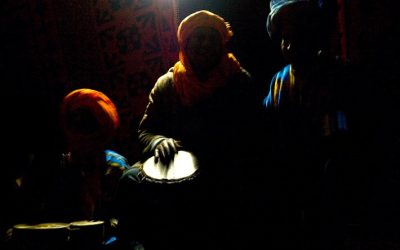
Traditional clothing in Algeria varies between regions but often includes distinctive garments such as the djellaba or burnous for men, which are long, flowing robes made from wool or cotton. During special occasions, men might wear a fez or a tarboosh, symbolizing their heritage. These traditional outfits are usually complemented by accessories like belts or embroidered vests, showing regional styles and craftsmanship. Customs such as participating in wedding ceremonies, Festivals like Aid al-Fitr and Aid al-Adha, and other religious or cultural celebrations are integral to Algerian men’s social life, emphasizing their respect for tradition and community cohesion.
Music, Dance, and Artistic Expressions
Algerian men are proud custodians of their rich cultural heritage, which is reflected deeply in their traditions, music, dance, and artistic expressions. Their cultural attributes emphasize hospitality, respect for elders, and a strong sense of community, fostering a vibrant social fabric that is both welcoming and resilient. Music and dance play a central role in their cultural identity, with genres such as Rai, Chaabi, and Andalusian music resonating throughout the nation. Traditional dances like the Raqs al-Sharqi and various folkloric performances showcase the lively spirit and artistic creativity of Algerian men, often performed during celebrations, festivals, and important life events. Artistic expressions extend beyond music and dance to include intricate craftsmanship, calligraphy, and ornamentation, highlighting a deep appreciation for aesthetic beauty and cultural storytelling. These elements together form a vital part of Algerian men’s identity, strengthening their connection to their history and communal values.
Contemporary Lifestyle and Social Dynamics
Contemporary lifestyle and social dynamics in Algeria are shaped by a blend of traditional values and modern influences. Algerian men, as a significant part of this societal fabric, navigate changing gender roles, evolving employment patterns, and shifting social expectations. Understanding these dynamics offers insight into how cultural heritage and contemporary trends influence their daily lives, identities, and interactions within Algerian society.
Education and Professional Aspirations
Contemporary lifestyle and social dynamics among Algerian men are shaped by a blend of traditional values and modern influences. Many men in Algeria balance cultural heritage with aspirations for personal growth and societal progress, leading to diverse social roles and behaviors. Education has become a significant focus, with increasing numbers pursuing higher studies and professional development, aiming for better employment opportunities and social mobility. Professional aspirations among Algerian men are often driven by a desire for stability, financial success, and social recognition, reflecting changing attitudes towards career fulfillment. These evolving dynamics highlight a society in transition, where cultural identity coexists with ambitions for modernity and economic advancement.
Urban vs. Rural Lifestyles
Algerian men experience diverse lifestyles that reflect the changing social and urban landscapes of the country. In urban areas, many young men adopt a modern, fast-paced lifestyle characterized by education, employment opportunities, and engagement with digital technology. This contrasts with rural regions, where traditional values, community ties, and agricultural work often shape daily routines. The shift from rural to urban living influences social dynamics significantly, leading to greater exposure to global trends but also creating disparities between different regions. Urban men tend to have more access to education and urban amenities, fostering a social environment marked by mobility and individualism. Conversely, rural men often maintain strong familial and community bonds, preserving cultural traditions. Overall, these contrasting lifestyles highlight the ongoing social transformation in Algeria driven by urbanization and economic development while maintaining deep roots in tradition.”
Marriage and Relationships
Contemporary lifestyle and social dynamics among Algerian men have undergone significant transformations in recent years, influenced by economic development, globalization, and evolving cultural norms. Many Algerian men are increasingly prioritizing personal fulfillment, education, and career advancement, which often reshapes traditional views on marriage and relationships.
Marriage remains a central aspect of social life for Algerian men, but the nature of relationships has shifted towards greater individual choice and romantic love rather than arranged unions alone. Young men are more likely to seek partnerships based on mutual compatibility and shared values, reflecting broader societal changes.
Social dynamics also reveal a move toward gender equality and changing perceptions of masculinity. While traditional roles persist in some areas, there is a growing recognition of the importance of emotional connection and partnership in marriage. Algerian men are increasingly engaging in open communication and shared responsibilities within their familial and romantic relationships, mirroring broader trends toward modernization and individualism.
Economic Participation and Occupational Sectors
Economic participation and occupational sectors play a vital role in shaping the livelihoods and opportunities available to men in Algeria. As a country with a diverse economy, Algeria offers various employment sectors, including agriculture, industry, and services, which influence the workforce dynamics among its male population. Understanding these sectors provides insight into the economic roles and challenges faced by Algerian men in the pursuit of sustainable employment and economic growth.
Agriculture and Rural Work
In Algeria, economic participation of men is predominantly characterized by their active involvement in the agriculture and rural work sectors. These sectors form a vital part of the country’s economy, especially in rural areas where traditional agricultural practices are still prevalent. Men play a central role in farming activities, livestock management, and other rural enterprises, contributing significantly to local and national food security. Despite modernization efforts and diversification into other industries, agriculture remains a primary source of livelihood for many Algerian men, reinforcing their economic participation in these sectors. The reliance on agriculture also highlights the importance of rural work in maintaining the social fabric and economic stability of rural communities across Algeria.
Industrial and Manufacturing Roles
In Algeria, economic participation among men is a crucial aspect of the country’s development, with a significant focus on their roles in various occupational sectors. Men predominantly engage in industrial and manufacturing roles, which serve as vital drivers for economic growth and employment generation. These sectors include oil and gas extraction, petrochemical industries, construction, and manufacturing of textiles and machinery, reflecting Algeria’s resource-rich economy. Men working in these fields often possess specialized skills and technical expertise, contributing to infrastructure development and industrial expansion. The participation of men in industrial jobs also influences the overall labor market dynamics, shaping workforce trends and economic resilience within the nation. As Algeria continues to evolve economically, the role of men in these sectors remains fundamental to fostering sustainable growth and diversification of its economy.
Services and Emerging Sectors
Economic participation among Algerian men spans various occupational sectors, reflecting the country’s diverse economic landscape. Traditionally, many men have been employed in agriculture, manufacturing, and the oil and gas industries, which are crucial to Algeria’s economy. In recent years, there has been a growing shift toward services and emerging sectors, driven by modernization and economic reforms aimed at diversifying the economy. Sectors such as telecommunications, information technology, finance, and tourism are increasingly providing employment opportunities for Algerian men, contributing to economic growth and development. This transition highlights the evolving nature of the workforce and the importance of adapting skills to meet new industry demands.
Gender Roles and Social Expectations
In Algeria, traditional gender roles and social expectations deeply influence the behaviors and responsibilities of men. Cultural norms often emphasize strength, authority, and provision as key qualities for men, shaping how they are perceived and how they navigate their social environments. Understanding these roles provides insight into the societal dynamics and the ongoing challenges faced by Algerian men in balancing tradition with modern influences.
Traditional Views on Masculinity
In Algeria, traditional views on masculinity often shape the social expectations placed on men, reflecting deep-rooted cultural and historical influences. These gender roles emphasize strength, resilience, and authority, reinforcing the idea that men should serve as providers and protectors within the family and community. Such expectations can influence personal identities and societal interactions, often limiting the scope of behaviors considered acceptable for men. While these traditional roles persist in many areas, evolving social dynamics are gradually challenging and redefining what it means to be a man in modern Algerian society.
- Men are traditionally expected to be the primary breadwinners, responsible for supporting their families financially.
- Displaying emotional vulnerability is often considered a sign of weakness, encouraging men to adopt stoic attitudes.
- Masculinity is frequently associated with physical strength and the ability to defend one’s honor and reputation.
- Roles within the family typically place men in authority during decision-making processes and social interactions.
- Societal norms often expect men to conform to specific dress codes and behaviors that symbolize masculinity.
Changing Perspectives and Modern Influences
In Algeria, traditional gender roles have historically defined men as primary breadwinners and authority figures within families and society. These expectations often emphasized strength, perseverance, and the obligation to provide for and protect loved ones. However, recent years have seen a shift in perceptions, with increasing recognition of the importance of gender equality and individual choice.
Changing perspectives are influenced by economic development, education, and exposure to global ideas through media and technology. Younger generations of Algerian men are more open to sharing domestic responsibilities and pursuing careers beyond traditional roles. This evolving mindset challenges the longstanding social expectations that once rigidly defined masculinity.
Modern influences, including women’s rights movements, international organizations, and the spread of feminist ideas, further contribute to this transformation. Algerian men today are increasingly engaging in conversations about gender equality, redefining what it means to be masculine, and supporting diverse expressions of identity. These changes reflect a broader societal move towards inclusivity and a recognition that gender roles are dynamic and adaptable over time.
Health, Well-being, and Lifestyle
Health, well-being, and lifestyle are fundamental aspects that influence the daily lives of men in Algeria. Understanding how cultural, environmental, and social factors shape these elements is essential for fostering a balanced and healthy life. Exploring the unique challenges and opportunities faced by Algerian men can provide valuable insights into promoting overall wellness and a positive lifestyle within the community.
Altitudes Toward Health and Fitness
Health, well-being, and lifestyle are integral aspects of life that significantly influence the overall quality and longevity of individuals, including Algerian men. Embracing a balanced diet, regular physical activity, and mental wellness practices can greatly enhance their health status. In Algeria, men’s health often faces cultural and societal challenges, but increasing awareness about the importance of proper nutrition and exercise is helping to promote healthier habits. Altitudes and geographical features of Algeria also play a role, impacting physical activity levels and overall health, especially for those living in mountainous regions. By prioritizing fitness and adopting healthy lifestyle choices, Algerian men can improve their physical resilience, prevent chronic diseases, and enjoy a more vibrant and vigorous life.
Diet and Culinary Preferences
Algerian men place a strong emphasis on health, well-being, and maintaining a balanced lifestyle. Traditional values often prioritize communal activities, outdoor pursuits, and a focus on robust physical health. Dietary habits tend to incorporate a mix of Mediterranean and North African cuisines, featuring fresh vegetables, legumes, grains, and lean meats. Culinary preferences often include dishes like couscous, tagines, and a variety of flavorful spices, reflecting a rich cultural heritage. Many Algerian men also recognize the importance of physical activity, engaging in sports such as football, which is widely popular across the country. Overall, health and well-being are increasingly becoming priorities, with a growing interest in fitness, balanced diets, and holistic approaches to lifestyle management.
Challenges and Opportunities Facing Algerian Men
Algerian men today face a dynamic landscape filled with both challenges and opportunities that shape their social, economic, and cultural experiences. As the country undergoes rapid development and modernization, traditional roles often clash with new expectations, creating a complex environment for personal and professional growth. Navigating these changes requires resilience and adaptability, while also offering avenues for empowerment and societal contribution.
Unemployment and Economic Stability
Algerian men face a complex array of challenges and opportunities stemming from the country’s economic and social landscape. Unemployment remains a significant hurdle, affecting a large proportion of young men seeking stable employment. Despite efforts to diversify the economy, reliance on oil and gas revenues creates vulnerabilities, limiting job creation opportunities and impacting economic stability.
- High unemployment rates among young men, especially graduates, lead to social frustration and increased pressure on households.
- Limited private sector growth restricts employment options, making job security difficult to achieve.
- Economic dependence on hydrocarbons exposes the country to fluctuations in global oil prices, threatening long-term stability.
- Government initiatives aimed at economic diversification present opportunities for new industries and employment sectors.
- Educational reforms and vocational training programs can empower men with skills relevant to emerging sectors.
- Entrepreneurship and small business development hold potential for economic upliftment among Algerian men.
- Cultural and social challenges, such as traditional gender roles, influence employment participation and career choices.
Overall, Algerian men are navigating a landscape filled with significant obstacles, but also with pathways for growth through policy reforms, skills development, and economic diversification efforts that can foster stability and opportunity.
Education and Skill Development
Algerian men face a range of challenges and opportunities in the realm of education and skill development, which significantly influence their social and economic prospects. One of the primary challenges is the gap between educational achievements and the demands of a rapidly evolving job market, often resulting in high unemployment rates among young men. Limited access to quality educational resources and vocational training can hinder skill acquisition, making it difficult for many to compete in diverse industries. Additionally, traditional gender roles and societal expectations may restrict Algerian men’s pursuit of certain careers or educational paths, impacting their personal development and economic independence.
On the other hand, there are substantial opportunities for Algerian men to improve their skills and educational levels through government initiatives, private sector investments, and international collaborations aimed at modernizing the education system. The growing emphasis on technical and vocational training programs offers avenues for men to acquire practical skills aligned with market needs. Furthermore, the increasing availability of online learning platforms provides flexible options for continuous education, allowing Algerian men to enhance their qualifications at their own pace. Embracing lifelong learning and overcoming societal stereotypes can help Algerian men unlock their full potential, contributing positively to national development.
Social and Political Engagement
Algerian men today face a complex landscape of social and political challenges that shape their roles and identities within society. Despite the nation’s rich history of struggle for independence and societal change, many men encounter difficulties in balancing traditional expectations with modern aspirations. Issues such as unemployment, limited access to education, and evolving gender roles present ongoing hurdles that impact their social engagement and personal development.
However, these challenges also create opportunities for growth and transformation. Increased awareness of gender equality and the encouragement of civic participation can empower men to become active contributors to societal progress. Engaging in political discourse, social activism, and community initiatives offers Algerian men the chance to influence positive change while redefining notions of masculinity to include responsibility, empathy, and leadership. As the country navigates its post-independence era, young men, in particular, stand at the forefront of shaping a more inclusive and progressive Algerian society.

0 Comments