
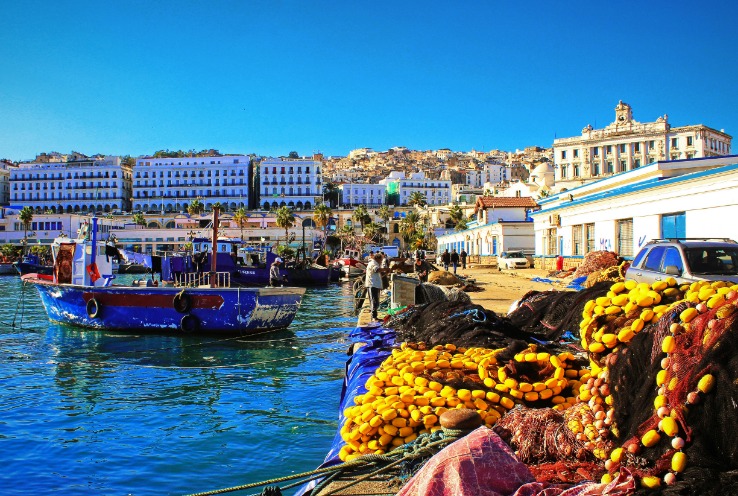
Demographic Overview of Algeria
Algeria, located in North Africa, has a diverse and growing population that plays a significant role in shaping the nation’s social and economic landscape. With a population that exceeds 44 million people, Algeria is one of the most populous countries in Africa. The demographic profile is characterized by a young age structure, urbanization, and a blend of Arab, Berber, and other ethnic groups. Understanding the demographic trends of Algeria provides insight into its development prospects and societal dynamics.
Population Size and Growth Trends
Algeria’s population is diverse and rapidly evolving, making it a focal point for understanding the country’s social and economic development. With a population size exceeding 44 million people as of recent estimates, Algeria ranks as the 31st most populous country in the world.
The population growth trend in Algeria has experienced fluctuations over the decades. In the mid-20th century, high birth rates contributed to rapid population growth. Although growth rates have declined in recent years due to urbanization, improved healthcare, and family planning initiatives, the population continues to increase steadily. The annual growth rate is approximately 1.4%, leading to a consistent rise in the overall population. This demographic trend poses both opportunities and challenges for the country’s economic development, resource management, and social services planning.
Historical Population Patterns
Algeria, located in North Africa, has experienced significant demographic changes over its history. Its population has grown steadily from a relatively small size in the early 20th century to over 44 million people in recent years. Historically, the population patterns have been influenced by factors such as colonialism, urbanization, and natural birth rates.
During the colonial period, Algeria’s population was divided with a mix of indigenous Arabs and Berbers, along with European settlers. Following independence in 1962, the country saw a rapid increase in population due to high birth rates and improvements in healthcare. Urban areas like Algiers, Oran, and Constantine became major hubs of population growth as people migrated from rural regions in search of economic opportunities.
Throughout the 20th and early 21st centuries, demographic trends reflected a youthful population with a high proportion of children and young adults. The fertility rate, once quite high, has gradually declined, leading to slower population growth in recent years. Migration patterns have also shaped the demographic landscape, with some Algerians moving abroad for better opportunities, while internal rural-to-urban migration continues to influence population distribution.
Overall, Algeria’s demographic overview presents a picture of a dynamic population characterized by growth, urbanization, and changing fertility patterns, all shaped by its complex historical and socio-economic context.
Current Population Estimates
Algeria, the largest country in Africa by land area, has a diverse and growing population. As of recent estimates, the population is approximately 44 million people. The country has experienced steady demographic growth over the past few decades, driven by relatively high birth rates and improving healthcare systems. The population is predominantly young, with a significant proportion under the age of 30. Urbanization is also notable, with a majority of the population residing in major cities such as Algiers, Oran, and Constantine. The demographic composition reflects a mix of Arab, Berber, and other ethnic groups, contributing to a rich cultural diversity. Overall, Algeria’s population continues to evolve, shaping the country’s social and economic landscape.
Geographical Distribution
Algeria, the largest country in Africa, boasts a diverse and widespread population spread across its vast territory. Its geographical distribution reflects a mix of urban centers, coastal regions, and inland areas, shaped by historical, environmental, and economic factors. Understanding how the population is distributed within Algeria offers insight into the nation’s social and geographical landscape.
Urban vs. Rural Population
Algeria’s population distribution exhibits a significant urban-rural divide, shaped by economic opportunities, historical development, and geographic factors. The majority of Algerians reside in urban areas, particularly in major cities like Algiers, Oran, and Constantine, where industrial and service sectors are concentrated. Rural regions, on the other hand, tend to be sparsely populated, with many communities engaged in agriculture and pastoral activities.
- Approximately 74% of Algeria’s population lives in urban areas, reflecting rapid urbanization over recent decades.
- The capital city, Algiers, is the largest urban center, with over 3 million residents, serving as the political, economic, and cultural hub.
- Urban migration has been driven by the search for employment and better living standards, leading to urban sprawl and infrastructural challenges.
- Rural areas often face issues such as limited access to healthcare, education, and modern amenities, contributing to persistent rural-urban disparities.
- Population density is highest along the Mediterranean coast, while the inland Sahara region remains sparsely inhabited.
Major Population Centers
Algeria is the largest country in Africa by land area, and its population is primarily concentrated along the northern coast, where the climate is more favorable and urban development is concentrated. The major population centers include the capital city, Algiers, which is the largest city and economic hub of the country. Other significant cities are Oran, Constantine, Annaba, and Blida, all of which serve as important cultural, industrial, or port cities. The population density sharply decreases as you move inland and toward the Sahara Desert, where deserts and rugged terrain limit large-scale habitation. Overall, the population distribution reflects a preference for the Mediterranean coastal region, with the majority of Algerians residing in urban centers along the coast.
Regional Population Variations
Algeria exhibits significant geographical distribution and regional population variations across its territory. The population density varies sharply from the coastal regions to the inland deserts, reflecting differences in economic activity, climate, and historical settlement patterns.
- Coastal Areas: The majority of Algeria’s population is concentrated along the Mediterranean coast, particularly in major cities such as Algiers, Oran, and Constantine. These regions benefit from fertile land, better infrastructure, and economic opportunities, leading to higher population densities.
- High Plateaus: Situated inland, the high plains have moderate population levels. Cities like Tizi Ouzou and Bejaia serve as local economic hubs, but overall, the population density is lower than the coastal zones.
- Saharan Desert: The vast Sahara covers the southern part of Algeria and has a sparsely populated landscape. Populations here are mainly nomadic or engaged in activities like mining or pastoralism, with settlements few and far between.
- Regional Variations: The northern regions are more densely populated compared to the arid and semi-arid southern parts, leading to a clear north-south divide. Urban centers continue to grow, attracting migration from rural and desert areas, impacting demographic patterns further.
Age Structure and Gender Distribution
Understanding the age structure and gender distribution of Algeria’s population provides valuable insights into the country’s demographic dynamics. These factors influence economic development, social services, and planning for future growth. Analyzing the age groups and gender ratios helps to paint a clearer picture of Algeria’s population trends and societal makeup.
Age Group Breakdown
Algeria’s population exhibits a diverse age structure and gender distribution that reflect its demographic trends and societal makeup. Understanding the age group breakdown provides insights into the country’s workforce, youth population, and aging trends, which are vital for planning social services and economic development.
- Childhood (0-14 years): Comprising approximately 27% of the population, this age group indicates a relatively high birth rate and potential for future workforce growth.
- Working-age (15-64 years): Making up around 65% of the population, this segment represents the core of Algeria’s labor force and economic productivity.
- Seniors (65 years and older): Accounting for about 8% of the population, this group is gradually increasing, reflecting improvements in healthcare and longevity.
- Gender distribution: The population is fairly evenly split between males and females, with a slight predominance of males in most age groups due to demographic and social factors.
- Age group breakdown:
- The youth (0-14 years) constitute a significant portion, indicating Algeria’s youthful demographic.
- The working-age population (15-64 years) is dominant, highlighting the country’s potential for economic activities.
- The elderly (65+) represent a smaller, yet growing, share, which poses challenges for healthcare systems and social support services.
Gender Ratio and Variations
Algeria’s population exhibits a distinct age structure and gender distribution that reflect its demographic trends. The population is characterized by a relatively young age structure, with a significant proportion of individuals under 30 years old, owing to high birth rates in recent decades. This youthful demographic impacts various social and economic aspects, including education, employment, and healthcare.
The gender distribution in Algeria tends to be relatively balanced, although there may be slight variations across different age groups. Historically, females slightly outnumber males, particularly in older age cohorts, due to differences in life expectancy. Men generally have a marginally lower life expectancy than women, leading to a higher proportion of women in older age brackets.
The gender ratio in Algeria is also subject to fluctuations influenced by factors such as migration patterns, health conditions, and social trends. Overall, the ratio tends to hover around 100 males for every 100 females, with minor deviations that can be attributed to demographic and socio-economic factors. These variations are essential for understanding population dynamics and planning for future development needs in the country.
Implications for Workforce and Social Services
Algeria’s age structure and gender distribution have significant implications for its workforce and social services. With a relatively young population, a large proportion of Algerians are of working age, which can boost economic productivity and support a growing economy. However, this demographic trend also necessitates substantial investment in education, employment opportunities, and healthcare to accommodate the needs of a youthful population. Gender distribution, which is fairly balanced, influences household dynamics and labor participation rates, potentially enhancing gender equality in the workforce. As the population ages over time, shifting age groups will require adjustments in social services, including pension systems and healthcare facilities, to ensure sustainable support for older citizens. Overall, understanding these demographic patterns is crucial for effective planning and policy formulation in Algeria.
Ethnic Composition and Cultural Diversity
Algeria’s population is a vibrant tapestry woven from a rich variety of ethnic groups and cultures. This diversity reflects centuries of historical interactions, indigenous traditions, and influences from various civilizations. Understanding the ethnic composition and cultural diversity of Algeria offers a glimpse into the nation’s unique identity and societal fabric, highlighting the coexistence of numerous cultural expressions and heritage.
Arab-Berber Population
Algeria boasts a rich tapestry of ethnic composition and cultural diversity, primarily dominated by the Arab-Berber population. The Berbers, indigenous to North Africa, have a deep-rooted presence in the region, contributing significantly to Algeria’s cultural identity through their language, traditions, and customs. The Arab influence became prominent following the Arab conquests, blending with local Berber traditions to create a unique Arab-Berber culture that encompasses language, religion, and social practices. This coexistence has shaped Algeria into a nation characterized by a diverse heritage, where Arab and Berber communities continue to uphold their distinct identities while also sharing common cultural elements. Overall, this ethnolinguistic amalgamation forms the backbone of Algeria’s cultural landscape, reflecting a history of continued interaction and coexistence.
Other Ethnic Groups
Algeria’s population is characterized by a rich tapestry of ethnic groups and diverse cultural influences. The majority of the population is Arab-Berber, reflecting a blending of indigenous Berber communities with Arab settlers, which shapes much of the country’s cultural heritage. Additionally, there are significant minority communities including people of European descent, such as French and Spanish descendants, primarily concentrated in urban areas. The presence of sub-Saharan African communities is also notable, especially in southern regions, contributing to the country’s multicultural fabric. This ethnic diversity is reflected in Algeria’s languages, traditions, music, and cuisine, showcasing a vibrant mosaic of cultural expressions that define the nation’s identity.
Cultural Influences on Demographics
Algeria’s population is recognized for its significant ethnic diversity and rich cultural tapestry. The country predominantly comprises Arab-Berbers, with the Berber populations contributing distinct ethnic groups such as the Kabyle, Chaoui, and Tuareg. These groups maintain unique languages, traditions, and social practices that shape the nation’s cultural landscape. The influence of historical migrations, including Arab conquests and interactions with Mediterranean civilizations, has further enriched Algeria’s demographic fabric. Cultural influences are evident in various aspects of life, from religious practices and festivals to culinary traditions and artistic expressions. The diverse ethnic composition fosters a vibrant society where multiple cultural identities coexist, reflecting the nation’s complex history and ongoing social evolution. This diversity plays a vital role in shaping Algeria’s national identity and societal dynamics, influencing contemporary cultural and demographic trends.
Migration Patterns and Urbanization
Migration patterns and urbanization significantly influence the demographic landscape of Algeria. Over the years, people have migrated from rural areas to cities in search of better economic opportunities, leading to rapid urban growth. This shift has transformed Algeria’s social and economic structures, shaping its development and future prospects. Understanding these trends is essential to comprehend the evolving population dynamics within the country.
Internal Migration Trends
Algeria has experienced significant internal migration trends and urbanization over recent decades, shaping its demographic landscape. The migration patterns primarily involve movement from rural areas to urban centers, driven by economic opportunities, better amenities, and access to services. Cities such as Algiers, Oran, and Constantine have seen rapid population growth as a result of this rural-to-urban migration. This shift has led to the expansion of existing cities and the development of new urban areas to accommodate the rising population. Additionally, internal migration is influenced by factors such as employment prospects, education, and infrastructure development, which continue to attract individuals from less developed rural regions. The ongoing urbanization process has contributed to the modernization of Algeria’s economy but also poses challenges related to urban planning, infrastructure, and social services to support the growing urban populations.
International Migration and Refugee Movements
Algeria has experienced significant migration patterns and urbanization trends over the past decades, contributing to substantial demographic changes. Rural-to-urban migration has been a dominant force, with many individuals moving to major cities like Algiers, Oran, and Constantine in search of better economic opportunities and living standards. These movement patterns have led to rapid urban growth, often straining infrastructure and services in urban areas.
International migration has also played a role in shaping Algeria’s population. Historically, Algeria has seen movements of migrants from neighboring countries, including Libya, Tunisia, and Mali, often motivated by economic opportunities, political instability, or conflict in their home regions. Additionally, some Algerians have migrated abroad, particularly to France, seeking work and education, which has created a significant Algerian diaspora influencing both Algeria’s demographics and cultural landscape.
Refugee movements have been prompted by regional conflicts, notably the civil war in neighboring countries such as Libya and Mali. These conflicts have resulted in Algerian borders accommodating refugees and displaced persons, impacting local communities and resources. Algeria has also been involved in hosting Sahrawi refugees from Western Sahara, reflecting its position as a host country for displaced populations in North Africa.
Impact of Urban Growth
Algeria’s population has experienced significant changes due to migration patterns and rapid urbanization over recent decades. These shifts have profoundly impacted the social, economic, and environmental landscape of the country.
Migration trends in Algeria are characterized by a movement from rural areas to urban centers, driven by the pursuit of better employment opportunities, education, and living standards. This rural-to-urban migration has led to the growth of major cities such as Algiers, Oran, and Constantine, resulting in densely populated urban environments.
The rapid urban growth has brought both advantages and challenges. On the one hand, it has fostered economic development, improved infrastructure, and increased access to services. On the other hand, it has caused issues like overpopulation, pressure on housing and transportation systems, and environmental degradation.
The impact of urbanization on Algeria’s population includes:
- Expansion of city boundaries leading to the development of informal settlements and slums
- Increased demand for public services such as healthcare, education, and sanitation
- Environmental challenges including pollution, water scarcity, and loss of green spaces
- Shifts in cultural and social structures, with greater influence of urban lifestyles
- Emergence of economic hubs that diversify the country’s economy
Birth and Death Rates
Birth and death rates are essential demographic indicators that influence the overall population dynamics of Algeria. Understanding these rates helps to reveal trends in population growth, health standards, and the socio-economic development of the country. Monitoring changes in birth and death rates over time provides insights into the challenges and opportunities faced by Algeria’s population. This article explores the current state of birth and death rates in Algeria and their impact on the nation’s population growth.
Fertility Rates and Family Size
Algeria’s population dynamics are significantly influenced by birth and death rates, as well as fertility rates and family size trends. Historically, Algeria has experienced high birth rates, contributing to a rapidly growing population. The birth rate has gradually declined over the years due to improvements in healthcare, increased access to family planning, and changing social norms. Despite this decline, the birth rate remains relatively high compared to many other countries, supporting a relatively large family size on average.
Death rates in Algeria have steadily decreased thanks to better medical facilities and public health initiatives, leading to increased life expectancy. As a result, the population growth continues, albeit at a slowing pace. Fertility rates in Algeria have shown a consistent downward trend, reflecting a shift towards smaller family sizes and increased urbanization. Many families now tend to have fewer children, aligning with global trends towards reduced fertility rates.
Overall, these factors contribute to a changing demographic structure in Algeria, with a decrease in average family size and a gradual transition towards a more stabilized population growth rate. These trends are likely to influence economic, social, and healthcare policies as the country adapts to its evolving demographic profile.
Mortality Rates and Life Expectancy
Algeria’s population dynamics are influenced by various factors, including birth and death rates, mortality rates, and overall life expectancy. The country has experienced significant demographic changes over recent decades. The birth rate in Algeria remains relatively high, contributing to a steadily growing population, while the death rate has decreased due to improvements in healthcare and living standards. Mortality rates have declined, especially among infants and children, leading to increased life expectancy. Currently, the average life expectancy in Algeria is around 76 years, reflecting advancements in medical services, sanitation, and nutrition. These demographic trends highlight Algeria’s ongoing transition and present challenges and opportunities related to healthcare, social services, and economic development.
Public Health Influences on Demographics
Birth and death rates play a significant role in shaping the demographic profile of Algeria. These rates are influenced by various public health initiatives and socioeconomic factors, which collectively determine the population growth and structure over time.
- Higher birth rates in Algeria have historically contributed to rapid population growth, especially before extensive family planning programs were implemented.
- Death rates have declined due to improvements in healthcare, sanitation, and disease control, leading to increased life expectancy.
- Public health efforts, such as immunization campaigns and access to medical services, have reduced mortality rates, particularly among children and infants.
- Urbanization and increased education levels have influenced reproductive behaviors, resulting in a gradual decline in birth rates in recent years.
- Persistent challenges like infectious diseases and healthcare disparities continue to impact death rates and overall life expectancy.
- Public health policies aimed at improving maternal and child health have contributed to lowering infant and maternal mortality rates.
- Access to clean water, better sanitation, and vaccination programs have been critical in controlling infectious diseases.
- Demographic shifts in Algeria reflect a transition from high birth and death rates to lower, more stable levels, shaping the current population structure.
Socioeconomic Factors and Population Dynamics
Understanding the interplay between socioeconomic factors and population dynamics is essential to analyzing Algeria’s demographic trends. Economic development, education levels, employment opportunities, and income distribution significantly influence population growth and migration patterns in the country. These factors shape not only the size of Algeria’s population but also its age structure, urbanization, and overall social stability, providing insights into the nation’s development challenges and future prospects.
Education Levels and Demographic Shifts
Algeria’s population dynamics are significantly influenced by socioeconomic factors and shifting education levels. Rapid urbanization has led to increased migration from rural to urban areas, driven by economic opportunities and better educational facilities. Higher education levels among the younger population have contributed to lower fertility rates, resulting in demographic shifts characterized by an aging population. Socioeconomic development has also improved healthcare access, further impacting population growth and life expectancy. These changes shape Algeria’s future demographic landscape, influencing policies on employment, social services, and economic development.
Employment Opportunities and Population Distribution
Algeria’s population dynamics are heavily influenced by socioeconomic factors that shape employment opportunities and population distribution across the country. Economic growth, particularly in sectors such as oil and gas, has created job opportunities predominantly in urban centers like Algiers, Oran, and Constantine, attracting rural populations seeking better livelihoods. However, disparities in income and access to resources contribute to uneven population distribution, with a significant majority residing in cities while rural areas remain less populated. The availability of employment opportunities greatly impacts migration patterns, as people tend to move towards regions with higher economic activity and better infrastructure. Additionally, socioeconomic development initiatives aimed at rural areas aim to address imbalances, encouraging more equitable population distribution. Overall, these interconnected factors influence Algeria’s demographic structure, migration trends, and regional development strategies.
Economic Development and Population Growth
Algeria’s population dynamics are significantly influenced by socioeconomic factors that shape its economic development and growth patterns. Economic progress in Algeria, driven largely by its hydrocarbon sector, has led to shifts in population distribution and growth rates. As the country experiences urbanization, more people migrate to major cities like Algiers, Oran, and Constantine in pursuit of better employment and education opportunities. This urban migration contributes to population concentration in urban areas, while rural areas see a decline or slower growth. Socioeconomic development levels also affect birth and death rates, with improved healthcare and living standards leading to lower fertility rates and increased life expectancy. These changes influence overall population growth, making demographic trends in Algeria a reflection of its evolving economy and social structure.


0 Comments