
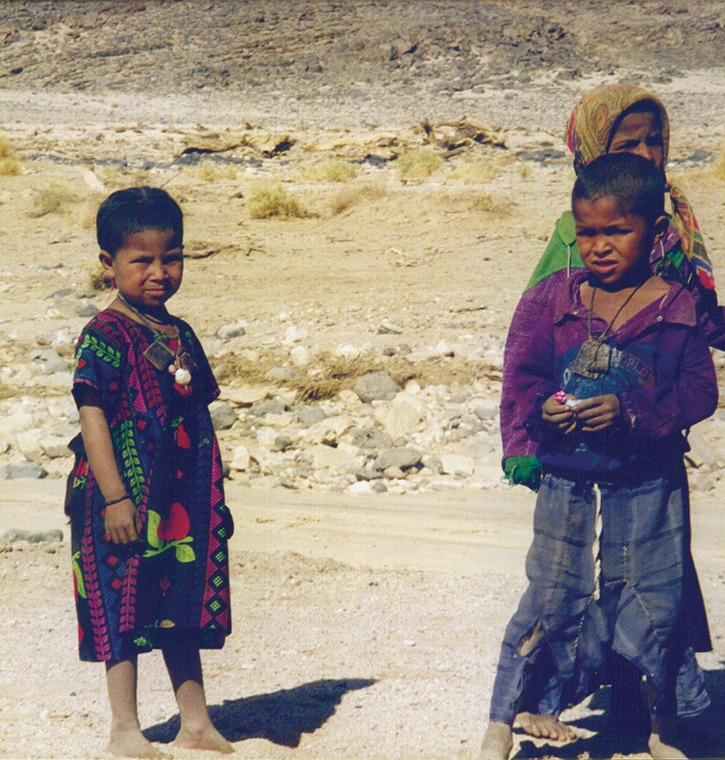
Overview of Algeria’s Population Density
Algeria’s population density offers a glimpse into the distribution of people across the North African country’s vast landscape. With a diverse mix of urban centers, fertile plains, and expansive deserts, the density varies significantly from one region to another. Understanding these patterns provides valuable insights into the socio-economic and geographic factors shaping the nation’s demography.
Definition of Population Density
Population density refers to the number of people living per unit area of land, commonly expressed as inhabitants per square kilometer or mile. It provides an insight into how densely populated a region is, helping to understand settlement patterns, resource distribution, and regional development. In the context of Algeria, a country characterized by vast desert landscapes and more fertile coastal areas, population density varies significantly across its territory. The northern coast, where most of the population resides, has a high density, whereas the vast Sahara desert in the south exhibits very low population density, highlighting the uneven distribution of people across the country.
Importance of Studying Population Density
Algeria’s population density refers to the average number of people living per square kilometer in the country. It varies significantly across different regions, with densely populated areas like the coastal cities contrasting sharply with sparsely inhabited desert regions. Understanding these patterns is crucial for effective resource allocation, urban planning, and development strategies.
Studying population density in Algeria is important because it helps identify regions with high demand for infrastructure, healthcare, education, and services. It also provides insights into migration trends, economic activity concentrations, and environmental impacts. By analyzing population distribution, policymakers can implement targeted interventions to promote balanced development and improve the quality of life for residents across the country.
Current Population Density Statistics
Algeria, the largest country in Africa, exhibits diverse population density patterns across its vast territory. Understanding these statistics provides valuable insights into the distribution of its population, urbanization trends, and the challenges faced by various regions. Analyzing current population density data helps to inform policies for sustainable development and resource management within the country.
National Average Density
Algeria has a relatively low overall population density compared to many other countries, due to its vast Sahara Desert territory. The national average density is approximately 18 people per square kilometer, reflecting the concentration of population mainly in urban areas along the coast. Major cities like Algiers, Oran, and Constantine are densely populated, while large parts of the interior desert remain sparsely inhabited. Population density statistics are crucial for planning resources, infrastructure, and development initiatives. Despite its large landmass, Algeria’s population is around 44 million, leading to significant regional disparities in density across the country.
Population Distribution by Region
Algeria’s population density is relatively low compared to many other countries, with approximately 18 people per square kilometer. The majority of the population is concentrated along the northern coast, where the climate is more Mediterranean, and urban centers like Algiers, Oran, and Constantine serve as major hubs. The interior and southern regions, characterized by vast deserts and arid landscapes such as the Sahara Desert, have significantly lower population densities. This uneven distribution reflects historical settlement patterns, economic activities, and environmental conditions, resulting in densely populated coastal areas and sparsely inhabited desert regions.
Urban vs Rural Density
Algeria exhibits a significant disparity in population density between urban and rural areas. The overall population density of Algeria is approximately 18 inhabitants per square kilometer, making it one of the less densely populated countries in Africa. However, this average masks the considerable concentration of people in urban centers such as Algiers, Oran, and Constantine, where density can exceed 4,000 inhabitants per square kilometer. These cities attract many residents due to economic opportunities, infrastructure, and services. Conversely, rural regions in Algeria tend to have very low population densities, often below 10 inhabitants per square kilometer, reflecting their less developed infrastructure and limited economic prospects. This urban-rural divide influences various aspects of social and economic development within the country, emphasizing the importance of urban planning and rural development strategies to balance population distribution.
Geographical Factors Influencing Population Density
Algeria’s population density is significantly shaped by various geographical factors that influence where people choose to live. The country’s diverse landscape, including vast deserts, mountain ranges, and fertile coastal plains, plays a crucial role in determining settlement patterns. Understanding these geographical influences helps explain the distribution of the population across Algeria and highlights the challenges and opportunities for development within the nation.
Topography and Terrain
Algeria’s population density is significantly affected by its geographical factors, particularly its topography and terrain. The country features vast desert areas, notably the Sahara Desert, which are sparsely populated due to extreme temperatures and limited water resources. In contrast, the northern regions of Algeria, where the Atlas Mountains and fertile plains are located, have higher population densities as these areas offer more arable land, water availability, and milder climates. The rugged terrain of mountainous regions limits settlement and development, resulting in lower population concentrations. Overall, Algeria’s population tends to cluster in the northern coastal areas where the terrain is more accessible and hospitable, while the central and southern desert regions remain sparsely populated due to challenging topographical conditions.
Climate and Environmental Conditions
Geographical factors play a significant role in shaping the population density, climate, and environmental conditions of Algeria. The vast Sahara Desert dominates much of southern Algeria, resulting in extremely low population densities due to harsh desert conditions that offer limited water resources and arid landscapes. In contrast, the northern regions, particularly along the Mediterranean coast, experience more favorable geographical features such as fertile plains and access to the sea, which support higher population densities. The Mediterranean climate prevalent in the northern areas provides moderate temperatures and reliable rainfall, fostering agriculture and urban settlement. Elevation also influences population distribution; the mountainous Atlas ranges in the north create natural barriers that affect transportation and settlement patterns. Overall, Algeria’s diverse geography—ranging from coastal plains and fertile hinterlands to expansive deserts—fundamentally influences where people live and how environmental factors shape daily life.
Availability of Resources
Algeria’s population density is significantly influenced by geographical factors and the availability of resources. The country features vast desert regions, particularly the Sahara, which are sparsely populated due to harsh environmental conditions and limited water resources. In contrast, the northern coastal areas along the Mediterranean are more densely populated because of the milder climate, fertile lands, and access to water, which support agriculture and sustain larger communities. Mountain ranges such as the Atlas Mountains also impact settlement patterns by creating natural barriers that limit expansion and movement. Additionally, the distribution of natural resources like oil and gas in specific regions attracts economic activity, further concentrating populations in those areas. Overall, Algeria’s uneven geographical landscape and resource distribution play a crucial role in shaping its population density patterns.
Major Population Centers
Algeria, a vast North African country, is characterized by a diverse distribution of its population across major urban centers. These population centers play a crucial role in shaping the country’s demographic landscape, economy, and cultural الحياة. Understanding the major population hubs provides insight into the urbanization patterns and population density variations within Algeria.
Algiers and Surrounding Areas
Algiers, the capital city of Algeria, is the primary population center in the country, featuring a dense urban environment that serves as the political, economic, and cultural hub of the nation. The metropolitan area of Algiers includes several surrounding suburbs and districts, forming a sprawling urban landscape. These areas collectively have a high population density, reflecting the city’s significance and attractiveness to residents seeking employment and opportunities. Beyond Algiers itself, surrounding towns and municipalities such as Bouzaréah, El Harrach, and Hussein Dey contribute to the broader metropolitan population, creating a contiguous zone of high density that influences the overall population distribution in the region. The concentration of population in Algiers and its peripheries exemplifies urbanization trends in Algeria, where the majority of the population resides in major cities and their immediate surroundings, leading to densely populated urban corridors within the country.
Constantine and East Regions
The major population centers in Algeria, particularly in the Constantine and East Regions, are vital hubs of economic and cultural activity. Constantine, often called the “City of Bridges,” is one of the country’s oldest cities and a key administrative and educational center in northeastern Algeria. It boasts a dense population due to its historical significance and modern infrastructure, making it a focal point of the East Region. The East Regions generally have higher population densities compared to other parts of Algeria, driven by fertile lands and favorable climate conditions that support agriculture and urban development. These areas contribute significantly to the country’s overall population distribution and play a crucial role in Algeria’s demographic landscape.
Oran and West Regions
Oran and the West Regions of Algeria are significant population centers that contribute notably to the country’s overall population density. Oran, located along the Mediterranean coast, is one of the largest cities in Algeria and serves as an important economic and cultural hub. Its strategic location and developed infrastructure attract a dense urban population, making it a key area within the western part of the country.
The West Regions, encompassing various cities and towns, are characterized by a mix of urban and rural areas with varying population densities. These regions tend to have higher population concentrations in coastal cities like Oran, while inland areas may be more sparsely populated. Overall, the confluence of economic activity, geographic features, and historical development patterns contribute to the diverse population density profile of these major population centers in Algeria.
Historical Trends in Population Density
Algeria’s population density has experienced significant changes over the years, reflecting its urbanization trends, economic development, and demographic shifts. Understanding these historical patterns provides insight into the country’s social and geographic dynamics. Analyzing the rise and distribution of population density helps to reveal the influence of both natural resources and policy decisions on Algeria’s settlement practices.
Population Growth Over Decades
Algeria has experienced significant changes in its population density and growth over the decades. In the early 20th century, the population was relatively sparse, with vast rural areas and low overall numbers. Following independence in 1962, the population began to grow rapidly due to high birth rates and improvements in healthcare, leading to increased density, particularly around urban centers like Algiers, Oran, and Constantine. The 1960s and 1970s saw urbanization accelerate, with many rural inhabitants migrating to cities in search of better economic opportunities. During the late 20th century, the population growth rate gradually slowed but remained positive, contributing to continued increases in population density in urban areas. Recent decades have seen a stabilization of growth rates, though rapid urban expansion persists, resulting in dense urban populations while rural areas remain less populated. Overall, Algeria’s population density has transitioned from widespread sparsity to concentrated urban hubs, reflecting broader socio-economic developments over the decades.
Urbanization Patterns
Historically, Algeria has experienced significant changes in both population density and urbanization patterns. During the early 20th century, the population was predominantly rural, with only a small percentage residing in urban centers. However, post-independence developments and economic shifts, particularly the discovery of oil and gas resources, spurred rapid urbanization. Cities like Algiers, Oran, and Constantine expanded considerably as people migrated from rural areas seeking employment and better living standards.
In recent decades, the population density in Algeria has increasingly concentrated in urban areas, leading to densely populated cities and expanding suburbs. The coastal regions, especially along the Mediterranean Sea, have seen the most growth due to their economic opportunities and favorable climates. Meanwhile, rural regions, particularly in the Saharan interior, remain sparsely populated, highlighting a clear urban-rural divide. These trends reflect a broader pattern of demographic transition and economic development, shaping Algeria’s spatial distribution and urban landscape.
Migration Flows Within the Country
Algeria has experienced significant changes in population density and migration flows over its history, shaped by economic, political, and environmental factors. Historically, the population has been concentrated along the northern coast, where the Mediterranean climate and urban centers provide more favorable living conditions.
- During the colonial period, urban migration was intensified as many moved to cities such as Algiers, Oran, and Constantine in search of better employment opportunities.
- Post-independence, there was a rural-to-urban migration boom, leading to rapid growth of metropolitan areas and increasing population density in the northern regions.
- Migration flows have also been influenced by economic shifts, notably the decline of agriculture and the rise of the oil and gas sector, encouraging internal migration towards urban industrial zones.
- Environmental challenges, such as desertification in the southern Sahara region, have limited population growth there and encouraged some migration towards the northern coast.
- In recent decades, internal migration has continued, with younger populations moving to cities seeking education and employment, further raising population densities in urban centers while rural areas experience decline or stagnation.
Impacts of Population Density
Population density significantly influences various social, economic, and environmental aspects of a country. In Algeria, a nation characterized by vast desert areas and concentrated urban centers, the impacts of population density are particularly pronounced. Understanding these effects helps in addressing challenges related to resource distribution, infrastructure development, and environmental sustainability within the country.
Urban Infrastructure and Services
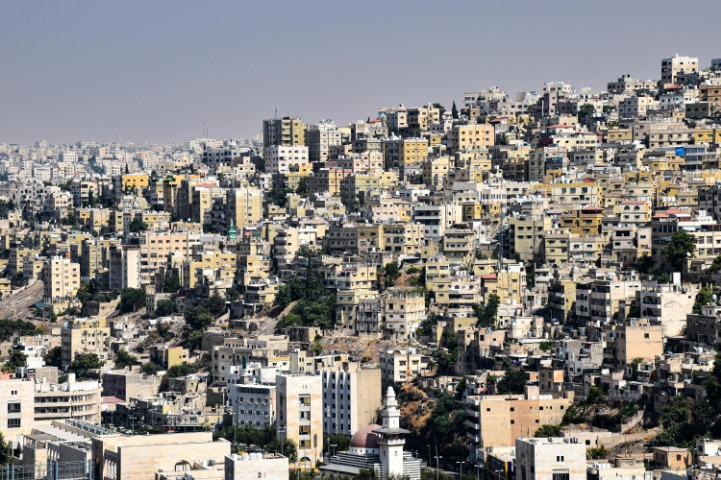
In Algeria, population density significantly influences the development and distribution of urban infrastructure and services. Areas with higher population densities, such as Algiers and Oran, experience greater pressure to provide adequate housing, transportation, healthcare, and educational facilities. This demands substantial investment and planning to accommodate the growing urban populations. Conversely, regions with lower density often face challenges related to accessibility and the provision of services, leading to disparities in living standards. The uneven distribution of population density contributes to urban sprawl, congestion, and strain on resources, highlighting the need for sustainable urban planning strategies in Algeria. Overall, managing the impacts of population density is crucial for ensuring balanced development and improving the quality of life across the country.
Environmental Challenges
Algeria’s population density has significant implications for both its social and environmental landscape. As the population becomes more concentrated in urban areas like Algiers, there is increased pressure on infrastructure, housing, and public services, leading to overcrowding and urban sprawl. This rapid urbanization often results in the depletion of natural resources, loss of green spaces, and increased pollution levels, which pose challenges to sustainable development.
Environmental challenges linked to population density in Algeria include desertification, water scarcity, and land degradation. High population concentrations in certain regions intensify these issues, exacerbating the strain on water supplies and agricultural land. Additionally, increased waste production and emissions contribute to environmental pollution, impacting local ecosystems.
Managing population density effectively is crucial for Algeria to balance development with environmental preservation. Strategies such as promoting rural development, improving urban planning, and investing in renewable resources are essential to mitigate adverse impacts and foster sustainable growth across the country.
Socioeconomic Implications
Algeria’s population density significantly influences its socioeconomic landscape, shaping infrastructure development, resource allocation, and regional disparities. Higher population densities, particularly in urban centers like Algiers, foster economic opportunities and cultural vibrancy but also lead to increased pressure on housing, transportation, and public services. Conversely, sparsely populated areas may experience economic stagnation and limited access to essential facilities, contributing to regional inequalities. This uneven distribution challenges policymakers to balance urban growth with rural development, ensuring that socioeconomic benefits are equitably shared across the country.
Future Projections and Challenges
Future projections and challenges play a crucial role in understanding the development and sustainability of Algeria’s population density. As the country experiences demographic shifts, urbanization, and social changes, it becomes essential to analyze potential trends and the obstacles that may arise. Addressing these challenges will be key to ensuring balanced growth and improving the quality of life for all residents in Algeria.
Predicted Population Growth
Future projections for Algeria’s population density indicate a significant increase driven by ongoing population growth. As the country experiences steady birth rates and improved healthcare, the population is expected to continue rising, placing additional pressure on urban areas and infrastructure. The densification of major cities such as Algiers, Oran, and Constantine may lead to challenges related to housing, transportation, and resource distribution. Additionally, rural areas might face depopulation or uneven growth, complicating regional development strategies.
One of the primary challenges will be managing this rapid growth sustainably. Ensuring access to clean water, adequate healthcare, education, and employment opportunities will be critical in supporting a growing population without causing environmental degradation. Urban planning must adapt to accommodate increasing densities, avoiding issues like overcrowding and congestion. Moreover, addressing socioeconomic disparities that may be exacerbated by uneven population distribution will be crucial for maintaining social stability and fostering balanced regional development in Algeria.
Potential Shift in Population Distribution
Future projections for Algeria’s population density suggest continued growth driven by natural population increase and ongoing urbanization. As urban centers expand, certain regions are expected to experience higher population concentrations, particularly around major cities such as Algiers, Oran, and Constantine, potentially leading to increased pressure on infrastructure and resources. Challenges associated with this shift include managing urban planning, environmental sustainability, and providing adequate services to a growing and shifting population. Additionally, rural areas may face depopulation, which could impact agricultural productivity and regional development. Addressing these issues will require strategic planning to ensure balanced population distribution and sustainable development across Algeria.
Policy Considerations for Managing Density
Future projections for population density in Algeria suggest continued growth, particularly in urban areas such as Algiers, Oran, and Constantine. This trend poses significant challenges for infrastructure, housing, transportation, and public services, which will need to adapt to accommodate an increasing and densely concentrated population. Managing this growth sustainably requires proactive policy measures that balance development with environmental preservation.
Policy considerations for managing density in Algeria include implementing urban planning strategies that promote balanced regional development to prevent overcrowding in major cities. Encouraging the expansion of economic opportunities and infrastructure in less densely populated areas can help distribute the population more evenly. Additionally, investing in sustainable transportation systems, affordable housing, and public amenities is essential to improve living conditions while controlling urban sprawl.
Furthermore, integrating environmental policies to protect natural resources and reduce pollution is vital as population density increases. Policies should also focus on fostering community engagement and ensuring that development projects are inclusive, equitable, and sustainable. Long-term planning incorporating these considerations can help Algeria manage its population density challenges effectively while supporting economic growth and social stability.



0 Comments