
Geography and Climate of the Namibia Coast
The Namibia coast stretches along the Atlantic Ocean, forming a rugged and diverse shoreline characterized by deserts, dunes, and rocky promontories. Its climate is largely influenced by the cold Benguela Current, resulting in a semi-arid environment with low rainfall and frequent fog. This unique geographical and climatic setting creates a distinctive coastal landscape that supports a variety of marine and terrestrial ecosystems.
Overview of Coastal Geography
The Namibia coast stretches along the Atlantic Ocean, forming a striking and diverse coastal region characterized by a combination of desert landscapes, dunes, and rugged cliffs. This coastline is notable for its extensive desert environment, primarily the Namib Desert, which is one of the oldest and driest deserts in the world. The coastline features prominent desert landscapes interspersed with lagoons, rocky outcrops, and sandy beaches, creating a unique ecosystem that supports diverse flora and fauna.
The climate of the Namibia coast is predominantly arid and semi-arid, influenced heavily by the cold Benguela Current that flows northward along the coast. This current brings cold, nutrient-rich waters that significantly affect the local climate, leading to relatively mild temperatures and low rainfall throughout the year. The region experiences high temperatures during the day, especially in summer, while nights tend to be cooler. Fog is a common phenomenon along certain parts of the coast, particularly in the summer months, creating a humid microclimate that supports unique plant and animal life.
Overall, the coastal geography of Namibia is a remarkable blend of arid desert landscapes and dynamic oceanic influences, creating a harsh yet captivating environment that plays a vital role in shaping the region’s climate and ecological diversity.
Climate Zones and Temperature Ranges
The Namibia coast is a striking region characterized by its arid desert landscapes and rugged shoreline along the Atlantic Ocean. This coastal area includes notable features such as the Namib Desert, one of the oldest deserts in the world, which stretches along the coastline and influences the local climate and environment. The coast is also known for its unique ecosystems and rich marine biodiversity, making it a significant area for both ecological diversity and tourism.
The climate of the Namibia coast is predominantly influenced by the cold Benguela Current, which causes cool temperatures and minimal rainfall throughout the year. The region experiences a semi-desert climate with very dry conditions, especially in the Namib Desert area. Coastal fog is a common phenomenon, providing limited moisture to the desert and supporting some plant and animal life adapted to the dry conditions. Rainfall is sparse, typically less than 100mm annually, and largely occurs during the summer months from November to April.
Namibia’s coast falls into the desert and semi-arid climate zones, with extreme temperature fluctuations between day and night. Daytime temperatures can reach between 20°C and 30°C (68°F to 86°F), while at night, temperatures may drop significantly, sometimes close to freezing in winter. In some inland areas, temperatures can soar above 35°C (95°F) during summer, but along the coast, the cool ocean currents help moderate temperatures, maintaining a relatively mild climate. The combination of cold ocean currents and dry air results in a climate that is generally cool and arid, making the Namibia coast a unique environment with distinct weather patterns.”
Influence of the Atlantic Ocean
The Namibia Coast stretches along the Atlantic Ocean, forming a significant geographical feature of the country. This coastline is characterized by rugged cliffs, expansive deserts, and unique coastal ecosystems. The influence of the Atlantic Ocean plays a crucial role in shaping the climate and environment of this region. The cold Benguela Current flows northward along the coast, leading to cooler temperatures and high levels of fog and mist. This current also results in minimal rainfall, creating arid conditions typical of desert landscapes like the Namib Desert. Additionally, the ocean’s presence supports rich marine biodiversity, including important fisheries and seabird colonies. The combination of oceanic influence and desert geography makes the Namibia Coast a distinctive area with a semi-arid to arid climate, marked by frequent fog, moderate temperatures, and low rainfall.
Major Coastal Features and Landforms
The Namibia coast is characterized by a diverse range of major coastal features and landforms that shape its striking landscape. From expansive beaches to rugged cliffs, the coastline offers a unique combination of natural formations shaped by both marine and geological processes. These features not only define the scenic beauty of the region but also influence its ecological systems and human activity along the shores.
Namib Desert and Dunes
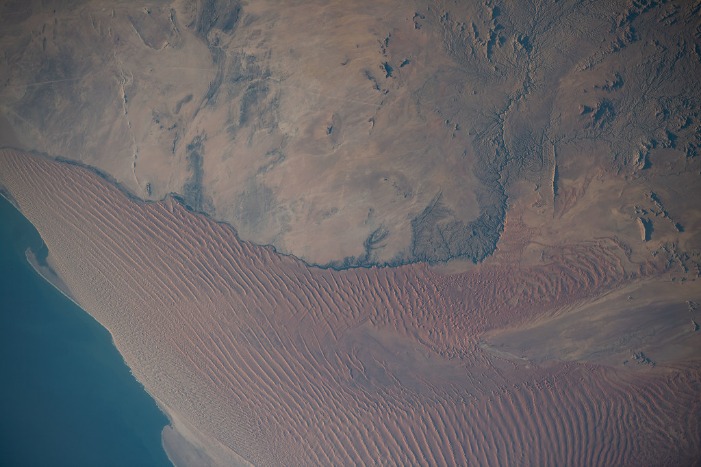
The Namibia coast is characterized by its dramatic major coastal features and striking landforms, making it a significant geographical area. One of the most prominent features is the Namib Desert, which extends along this coastline, creating a unique desert-adjacent environment. The desert is renowned for its vast, arid landscape, high temperatures, and minimal rainfall, shaping the coastal ecosystem in distinctive ways.
Along the coastline, extensive sand dunes are a defining feature of the Namib Desert. These dunes are among the tallest in the world, with some reaching heights exceeding 300 meters. Their shifting sands are shaped by persistent winds, forming iconic, rippled patterns across the landscape. The dunes create stunning visual contrasts against the barren desert plains and the Atlantic Ocean, contributing to Namibia’s reputation for breathtaking scenery.
The combination of the Namib Desert’s landforms and the coastal environment results in a unique landscape where desert and marine features converge. This area supports diverse flora and fauna adapted to extreme conditions and offers remarkable scenic vistas, making the Namib coast a fascinating subject of geographical study and a popular destination for tourists seeking natural beauty and adventure.
Skeleton Coast and Its Significance
The coast of Namibia is renowned for its striking landforms and unique geographical features that shape the landscape and influence the region’s climate and ecology. Among these features, the Skeleton Coast stands out as one of the most significant and enigmatic areas along the Namibia coastline.
- Major Coastal Features and Landforms:
- Sand Dunes: The Namib Desert’s vast dunes extend to the coast, creating a dramatic contrast with the Atlantic Ocean. The dunes are among the tallest in the world and are constantly reshaped by wind.
- Rocky Shorelines and Cliffs: Steep cliffs and rocky shores dominate parts of the coast, providing habitats for diverse marine life and serving as natural barriers against storms.
- Hout Bay and Walvis Bay Lagoons: These are important wetlands that support birdlife, including flamingos and other migratory species.
- Eksteenkamp and Cape Cross: Noted for their rugged coastline and seal colonies, these areas are significant for ecological tourism and conservation.
The Skeleton Coast is particularly significant due to its hauntingly desolate landscape, historical shipwrecks, and ecological importance. It spans approximately 500 kilometers along Namibia’s coast and is characterized by a treacherous shoreline dotted with shipwrecks dating back to the early 20th century, earning it its ghostly reputation. The region’s harsh climate and foggy conditions made navigation perilous, contributing to numerous maritime accidents.
From an ecological perspective, the Skeleton Coast serves as a critical habitat for seals, desert-adapted wildlife, and migratory birds. Its isolation has helped preserve unique ecosystems and provided sanctuaries for endangered species. The significance of the Skeleton Coast extends beyond its natural beauty; it holds cultural and historical importance, symbolizing maritime challenges and human resilience in one of Africa’s most extreme environments.
Secure Bays and Natural Harbors
Namibia’s coast is characterized by a variety of major landforms and coastal features that create a unique maritime landscape. The coastline stretches along the Atlantic Ocean and includes notable natural formations such as massive deserts, rocky outcrops, and broad, flat plains that extend to the water’s edge. These features influence the coastal dynamics and shape the environment along Namibia’s shoreline.
Secure bays and natural harbors along Namibia’s coast are limited but significant. Of particular importance is Walvis Bay, which serves as Namibia’s main harbor due to its strategic location and natural protection from harsh oceanic conditions. The bay’s sheltered waters provide safe anchorage for ships, making it a critical hub for trade, fishing, and logistics. Additionally, places like Sandwich Harbour offer natural protection and are renowned for their ecological importance, supporting diverse bird populations and attracting tourists. Overall, the natural landforms and protected bays enhance Namibia’s maritime infrastructure and support local economic activities.
Biodiversity and Marine Life
The Namibia coast is a remarkable region teeming with rich biodiversity and diverse marine life. Its unique landscape along the Atlantic Ocean provides a vital habitat for numerous species of marine creatures, from colorful fish to marine mammals. This vibrant ecosystem plays a crucial role in supporting the local environment and is a testament to the incredible variety of life that thrives in coastal and oceanic regions around the world.
Marine Ecosystems and Species
The Namibia coast, located along the Atlantic Ocean, is a remarkable region renowned for its rich biodiversity and diverse marine ecosystems. This arid coastline supports a variety of marine life, from vibrant fish populations to unique invertebrates, making it a vital habitat for numerous species. The cold Benguela Current influences the area, bringing nutrient-rich waters that sustain abundant marine resources.
Marine ecosystems along the Namibia coast include kelp forests, sandy beaches, rocky shores, and deep-sea habitats. These ecosystems provide essential breeding and feeding grounds for many marine species, contributing to the overall health of the ocean environment. The region’s biodiversity is crucial for local fisheries, supporting economies and communities dependent on marine resources.
Notably, the Namibia coast is home to several unique and migratory species, such as seals, which breed along the shoreline, and pelicans that feed on fish in the coastal waters. The region also serves as a habitat for numerous fish species, including sardines and anchovies, which are critical for both local consumption and export. Additionally, occasional sightings of whales and dolphins highlight the area’s importance as a migrant route and breeding ground.
Bird Species and Migratory Patterns
The Namibia coast is a remarkable region characterized by rich biodiversity and diverse marine life, making it a vital area for both ecological research and conservation efforts. The coastline provides a unique habitat that supports a variety of marine species, many of which are specially adapted to the cold Benguela Current that flows along the coast. Additionally, the region serves as a crucial habitat for numerous bird species, especially during migration seasons.
Marine life along the Namibia coast includes a wide range of species such as fish, sharks, dolphins, seals, and numerous invertebrates. The nutrient-rich waters foster productive fisheries and serve as breeding grounds for many marine animals. The coast’s ecosystem is greatly influenced by seasonal upwellings, which bring nutrients to the surface and support the local marine biodiversity.
Bird species found in Namibia’s coastal region include both resident and migratory birds. The coast is particularly important for seabirds that feed on the abundant marine life. Many migratory birds visit Namibia during the off-season from their breeding grounds in the northern hemisphere, taking advantage of the coastal ecosystems for resting and refueling.
- Seagulls and terns are common along the shoreline, scavenging and hunting for fish.
- African penguins inhabit the rocky islands, with populations concentrated around the Namibia coast.
- Luxury of migratory bird species like pelicans and cormorants often appear during seasonal migrations.
- Rare and endangered species such as flamingos and black-winged stilts find sanctuary in lagoons and estuaries.
Migration patterns of birds in Namibia are influenced by seasonal winds and food availability. Many species travel from Europe, Asia, and North America to exploit the extensive wetlands, estuaries, and coastal waters during specific times of the year. This seasonal movement highlights the importance of the Namibia coast as a crucial stopover and breeding site for various migratory bird species.
Unique Flora of the Coastal Region
The Namibia coast is renowned for its rich biodiversity and thriving marine ecosystems, making it a vital area for both conservation and scientific study. This coastal region supports a diverse array of marine life, including numerous fish species, marine mammals, seabirds, and invertebrates, all adapted to the nutrient-rich waters influenced by the Benguela Current. The area serves as a critical breeding ground for species such as seals, dolphins, and whales, contributing to the vibrancy of the marine environment. Additionally, the Namibia coast hosts unique flora that has adapted to the arid conditions and salty soil, including specialized coastal plants that prevent erosion and support local wildlife. These plants often have salt-tolerant features and are essential for maintaining the ecological balance of the coastal landscape. Overall, the biodiversity of the Namibia coast highlights its ecological importance and underscores the need for ongoing protection efforts to preserve its extraordinary marine and terrestrial life.
Human Activities and Economy
The Namibia coast is a vibrant region where human activities and the economy are deeply interconnected. This coastal area supports various industries such as fishing, tourism, and mineral extraction, which play a vital role in the livelihoods of local communities. Understanding the relationship between human activities and economic growth along the Namibia coast highlights the importance of sustainable development and environmental conservation in this unique landscape.
Fishing Industry and Aquaculture
The Namibia coast plays a significant role in the country’s economy, primarily through its vibrant fishing industry and burgeoning aquaculture sector. The cold Benguela Current brings nutrient-rich waters, supporting diverse marine life that sustains local fisheries. The fishing industry is a major source of employment and revenue for Namibia, with sardines, pilchards, anchovies, and hake being some of the most heavily harvested species. The government has implemented sustainable management practices to ensure the long-term health of fish stocks, balancing economic benefits with environmental conservation.
Aquaculture in Namibia is an emerging industry with potential for growth, focusing on fish farming, shellfish cultivation, and other marine products. Initiatives aimed at diversifying marine-based industries seek to reduce pressure on wild stocks while creating new economic opportunities. The development of aquaculture also contributes to regional food security and helps generate foreign exchange earnings. Despite challenges such as climate variability and technical constraints, Namibia’s coastal communities continue to rely heavily on sustainable use of marine resources for economic stability and growth.
Tourism Development and Attractions
The Namibia coast is a remarkable destination that showcases a unique blend of human activities and economic development driven primarily by tourism. The region’s rugged shoreline, pristine beaches, and diverse ecosystems attract travelers from around the world, contributing significantly to the local economy. Tourism development in Namibia’s coast has grown steadily, with major attractions such as the Skeleton Coast, whale-watching sites, and Namib Desert safaris drawing visitors seeking adventure and natural beauty. Local communities benefit from tourism through employment opportunities and small business growth, reinforcing the importance of sustainable practices to preserve the area’s environmental and cultural heritage. Overall, the Namibia coast exemplifies how tourism can serve as a catalyst for economic development while highlighting the need for responsible management of its natural attractions.
Ports and Trade Facilities
The Namibia coast plays a vital role in the country’s economy through its human activities and the development of ports and trade facilities. The coastline stretches along the Atlantic Ocean, providing key access points for maritime trade and resource extraction. The Port of Walvis Bay stands out as a major commercial hub, facilitating the import and export of minerals, fish, and other goods, thus contributing significantly to Namibia’s economic growth. Additionally, these ports support various industries such as fishing, shipping, and tourism, creating employment opportunities and fostering regional development. Human activities along the coast, including fishing, shipping, and port management, are integral to enhancing trade connectivity and economic stability. Investment in modernizing port infrastructure and expanding trade facilities continues to be a strategic focus, boosting Namibia’s position in international markets and promoting sustainable coastal development.
Conservation and Environmental Challenges
The Namibia coast faces a range of conservation and environmental challenges that threaten its unique ecosystems and rich biodiversity. As a vital area for marine life, coastal communities, and tourism, it is crucial to address issues such as habitat degradation, overfishing, pollution, and climate change. Understanding these challenges is essential for developing sustainable solutions that balance human activities with the preservation of Namibia’s stunning coastal environment.
Protected Areas and Reserves
The Namibia coast is a vital ecological region that faces numerous conservation and environmental challenges. Its unique desert coastline and marine ecosystems are increasingly threatened by human activities such as mining, fishing, and tourism, which can lead to habitat destruction and pollution. Protecting these fragile environments is crucial to maintaining biodiversity and ensuring the sustainability of local communities. Namibia has established several protected areas and reserves along its coast, including the Namib Desert National Park and the Dorob National Park, to conserve its diverse landscapes and marine life. These protected zones serve as important habitats for wildlife, breeding grounds for seabirds, and nurseries for fish species. Ongoing efforts focus on balancing economic development with environmental preservation, promoting sustainable resource use, and enhancing community involvement in conservation activities to safeguard Namibia’s coast for future generations.
Issues of Coastal Erosion and Desertification
The Namibia coast faces significant environmental challenges, particularly concerning coastal erosion and desertification. Coastal erosion is driven by natural processes such as wave action, storms, and rising sea levels, which threaten habitats, infrastructure, and local communities along the shoreline. This process erodes beaches and cliffs, leading to loss of land and biodiversity. Desertification, on the other hand, affects inland areas, especially as Namibia is characterized by arid and semi-arid regions. Overgrazing, deforestation, and poor land management exacerbate the expansion of deserts, reducing productive land and impacting water resources. These environmental issues pose serious threats to Namibia’s ecosystem stability, food security, and socio-economic development. Addressing these challenges requires integrated conservation efforts, sustainable land management practices, and climate change adaptation strategies to mitigate their impacts and preserve Namibia’s unique coastal and desert environments.
Impact of Climate Change on Coastal Ecosystems
The Namibia coast faces significant conservation and environmental challenges, primarily driven by climate change and human activities. As global temperatures rise, the region experiences increasingly severe weather patterns, including intense storms and unpredictable rainfall, which adversely affect coastal ecosystems. Coastal habitats such as mangroves, salt marshes, and sandy dunes are under threat from erosion, rising sea levels, and habitat loss, impacting the biodiversity and livelihoods dependent on these ecosystems.
Climate change has led to rising sea levels along the Namibia coast, resulting in the inundation of low-lying areas and the degradation of vital habitats. This shift disrupts the breeding and feeding grounds of numerous marine species, including fish, seabirds, and marine mammals. Additionally, increased ocean temperatures contribute to the bleaching of coral reefs, further diminishing biodiversity and the overall health of the marine environment.
The impact of climate change on coastal ecosystems also exacerbates existing pressures from fishing, mining, and coastal development. Overfishing depletes key species, while industrial activities contribute pollution and habitat destruction. Effective conservation efforts are crucial to mitigate these impacts, involving community engagement, habitat restoration, and the implementation of sustainable fishing practices. Addressing these challenges requires a comprehensive approach to protect Namibia’s unique coastal environment for future generations.



0 Comments