

Geographical Location of Egypt
Egypt is a country located in the northeastern corner of Africa, but it is also considered part of the Middle East due to its cultural and historical connections. It geographically straddles the boundary between Africa and Asia, with the Sinai Peninsula serving as a land bridge. Bordered by the Mediterranean Sea to the north and the Red Sea to the east, Egypt’s strategic location has historically made it a crossroads of civilizations and a hub for trade and cultural exchange.
Position within the Middle East
Egypt is located in the northeastern corner of Africa, but it is often considered part of the Middle East due to its cultural, historical, and political ties. It borders the Mediterranean Sea to the north and the Red Sea to the east, providing a strategic geographic position. Egypt shares borders with Libya to the west, Sudan to the south, and Israel to the northeast, establishing its integral role within the Middle Eastern region. Its location at the crossroads of Africa and Asia makes Egypt a significant country within the Middle East, serving as a bridge between continents and an important player in regional affairs.
Borders and neighboring countries
Egypt is located in the northeastern corner of Africa, making it a transcontinental country that straddles Africa and Asia. It is situated in the Middle East region, serving as a link between Africa and the Middle East. Egypt is bordered to the north by the Mediterranean Sea, which provides it with a strategic coastline. To the east, it shares a border with the Gaza Strip and Israel. To the south, Egypt is bordered by Sudan, while to the west, it shares land borders with Libya. The Suez Canal, an important waterway connecting the Mediterranean Sea to the Red Sea, runs through the country, emphasizing Egypt’s key geographical position in the Middle East. This location has historically made Egypt a crossroads of civilizations and a vital center for trade and cultural exchange in the region.
Major cities and regional divisions
Egypt is located in the northeastern corner of Africa, serving as a bridge between Africa and the Middle East. It is bordered by the Mediterranean Sea to the north, Libya to the west, Sudan to the south, and the Red Sea to the east. Geographically, Egypt’s strategic position has historically made it a central hub connecting different regions.
Major cities in Egypt include Cairo, which is the capital and largest city, known for its rich history and cultural significance. Other important cities are Alexandria, a major port city on the Mediterranean, Giza, famous for the iconic pyramids, and Suez, home to the Suez Canal that connects the Mediterranean to the Red Sea.
Egypt is divided into several regional divisions, including governorates such as Cairo, Giza, Alexandria, Qalyubia, and Luxor. These regions help organize administrative, economic, and cultural activities across the country. The Nile River Valley and the Delta are the most densely populated and agriculturally fertile regions, while the Western Desert and Eastern Desert constitute vast areas of less inhabited land.
Physical Features of Egypt
Egypt, located in the heart of the Middle East, is characterized by a diverse range of physical features that shape its landscape. The country is dominated by the vast Nile River Valley and delta, which are surrounded by arid deserts and rugged mountains. The Nile provides fertile land essential for agriculture, while the surrounding deserts, such as the Sahara to the west, create a stark contrast in the region’s geography. Additionally, Egypt boasts coastal areas along the Mediterranean Sea, adding to its varied physical landscape.
The Nile River and its significance
Egypt, located in the Middle East, is known for its distinctive physical features that have shaped its history and culture. The country boasts vast deserts, such as the Sahara to the west and the Eastern Desert, which are characterized by their arid landscapes and expansive sand dunes. The fertile Nile Delta and valley run through the heart of Egypt, providing a vital green corridor amidst the surrounding arid regions. The Nile River, one of the longest rivers in the world, flows from south to north, creating a lush, life-sustaining environment in an otherwise dry area. Its significance cannot be overstated, as it has historically been the lifeline of Egyptian civilization, supporting agriculture, transportation, and settlement development along its banks. The river’s annual flooding deposited rich silt onto the land, allowing ancient Egyptians to cultivate crops and thrive in an otherwise inhospitable environment. Today, the Nile remains essential for Egypt’s economy, sustenance, and cultural identity, symbolizing life and continuity in the Middle East.”
Desert landscapes and oases
Egypt, located in the Middle East, is characterized by its diverse physical features that shape its landscape. The country is predominantly occupied by vast desert regions, including the Sahara Desert to the west and parts of the Arabian Desert to the east. These expansive deserts feature sweeping sand dunes, rugged rocky plateaus, and barren plains that contribute to Egypt’s arid climate. Amidst this harsh terrain, there are lush oases that provide essential water and fertile land for agriculture and settlements. These fertile spots, often richly vegetated with date palms and other trees, serve as vital centers of life in an otherwise arid environment. The Nile River, flowing through Egypt from south to north, is the country’s lifeline, supporting agriculture and sustaining the numerous settlements along its banks. Overall, Egypt’s physical features, from its expansive deserts to the life-giving oases and the vital Nile River, define its unique landscape within the Middle East region.
Mountain ranges and coastal regions
Egypt, located in the Middle East, boasts diverse physical features that shape its landscape. The country is characterized by extensive desert regions, fertile Nile River Valley, and prominent mountain ranges and coastal areas that define its geography.
- Mountains: Egypt’s mountainous regions are primarily found in the southeastern part of the country and include the Eastern Desert mountain ranges. Notable peaks include Mount Sina, which is a significant feature in the Sinai Peninsula and is considered one of the highest points in Egypt.
- Coastal Regions: Egypt has a long Mediterranean coastline to the north and a Red Sea coast to the east. The Mediterranean coast features major cities like Alexandria and port areas, while the Red Sea coast includes popular tourist destinations such as Sharm El Sheikh and Hurghada.
- Desert Landscape: The Sahara Desert covers a vast majority of Egypt, with sandy dunes and rocky plateaus, particularly in the Western Desert, which extends into Libya and Sudan.
- Nile River: The Nile River is the lifeline of Egypt, flowing from south to north, creating a fertile strip of land that supports agriculture and settlement amidst arid surroundings.
Historical Significance
Egypt holds a pivotal place in history as a nation with a rich and influential past, often regarded as a cradle of ancient civilization. Its geographical position in the Middle East has made it a crossroads of culture, trade, and historical development throughout the centuries. The historical significance of Egypt is evident in its monumental architecture, innovative advancements, and lasting cultural contributions that continue to shape the modern world.
Ancient Egyptian civilization
Ancient Egyptian civilization holds immense historical significance as one of the earliest and most influential cultures in human history. Located in the northeastern corner of Africa, Egypt’s strategic position along the Nile River contributed to its development as a center of innovation, culture, and power in the Middle East region. The civilization is renowned for its extraordinary achievements in architecture, such as the construction of monumental pyramids and temples, and for advancements in writing through the development of hieroglyphics. Additionally, the ancient Egyptians made significant contributions to medicine, astronomy, and governance, which have left a lasting legacy. Their rich history provides essential insights into early state formation, religious practices, and societal organization, marking Egypt as a key participant in the ancient Middle East’s complex tapestry of civilizations.
Pharaonic era and archaeological sites
Egypt, located in the Middle East, holds immense historical significance due to its rich Pharaonic era and numerous archaeological sites. As a cradle of ancient civilization, Egypt’s contributions to culture, governance, and architecture have left an indelible mark on world history. The Pharaonic period, spanning over three thousand years, is particularly notable for its advancements in writing, art, and monumental construction.
Major archaeological sites such as the Pyramids of Giza, the Sphinx, Luxor’s Valley of the Kings, and Abu Simbel exemplify Egypt’s extraordinary antiquities. These sites not only attract scholars and tourists but also serve as vital sources for understanding ancient Egyptian society and beliefs. The preservation of these monuments allows us to appreciate the engineering prowess and spiritual life of one of history’s greatest civilizations.
Egypt’s historical significance in the Middle East highlights its role as a cultural and historical hub that has influenced neighboring regions and continues to fascinate the world with its ancient legacy.
Modern history and independence
Egypt, located in the heart of the Middle East, holds a remarkable historical significance that spans thousands of years. It is home to one of the world’s oldest civilizations, known for its advanced achievements in writing, architecture, and governance. This deep historical legacy continues to influence modern culture and political developments in the region.
Throughout modern history, Egypt experienced numerous transformations, from being a center of ancient civilization to becoming a colonial and subsequently an independent nation. The 20th century marked a pivotal moment with the struggle for independence from British rule, culminating in the declaration of sovereignty and the establishment of a republic.

- Ancient Egypt’s legacy through iconic monuments like the Pyramids and Sphinx.
- Colonial period characterized by foreign domination and national movements.
- 1952 revolution leading to the end of monarchy and the start of republican governance.
- Economic and political reforms in the 20th and 21st centuries shaping modern Egypt.
Egypt’s journey to independence and its continual role as a regional power underscore its significance in Middle Eastern history and politics. Its rich heritage, coupled with modern developments, makes Egypt a vital contributor to regional stability and cultural identity.
Cultural Aspects
Egypt, located in the Middle East, boasts a rich cultural heritage that deeply influences its language and social interactions. The cultural aspects of Egypt are reflected in its vibrant traditions, values, and communication styles, which shape how people express themselves and connect with others. Understanding these cultural nuances is essential to grasping the true essence of Egyptian society and its unique linguistic expressions.
Language, religion, and traditions
Egypt, situated in the heart of the Middle East, boasts a rich tapestry of cultural aspects that reflect its ancient heritage and diverse influences. The country is known for its vibrant traditions, which have been passed down through generations, blending Pharaonic customs with Islamic practices. Language plays a vital role in Egypt’s cultural identity; Arabic is the official language and is widely spoken, with Egyptian Arabic being the most common dialect used in everyday conversations, arts, and media. Religion significantly shapes societal values in Egypt, with Islam being the predominant faith, influencing both daily life and national celebrations, while Coptic Christianity also holds a notable presence, contributing to the country’s religious diversity. Traditional customs, festivals, and ceremonies, such as Ramadan, Eid, and the Pharaohs’ anniversaries, highlight Egypt’s historical and cultural continuity, making it a unique blend of antiquity and modernity within the Middle Eastern region.
Egyptian cuisine and music
Egypt, located in the heart of the Middle East, boasts a rich cultural heritage that is reflected in its cuisine and music. Egyptian cuisine is renowned for its flavorful dishes that blend ancient traditions with modern influences, featuring staples such as taameya (Egyptian falafel), koshari, and ful medames. These dishes often incorporate ingredients like chickpeas, lentils, and aromatic spices, symbolizing the warmth and hospitality of Egyptian society. Egyptian music, deeply rooted in history, combines traditional sounds with contemporary styles, creating a vibrant musical landscape. Instruments such as the oud, darbuka, and qanun are commonly used, producing melodies that evoke a sense of national identity and cultural continuity. Overall, Egyptian culture demonstrates a unique harmony of history and modernity, making its cuisine and music vital expressions of its Middle Eastern heritage.
Festivals and cultural celebrations
Egypt, located in the Middle East, boasts a rich cultural heritage that reflects its ancient history and diverse influences. The country is renowned for its vibrant festivals and cultural celebrations that showcase its unique traditions and customs. Celebrations such as Ramadan, Eid al-Fitr, and Eid al-Adha are widely observed, involving communal prayers, feasts, and festive gatherings. Egypt also hosts colorful events like the Cairo International Film Festival and various music and dance festivals that highlight its artistic expressions. Traditional music, dance, and cuisine play a significant role in these celebrations, offering visitors and locals alike a glimpse into Egypt’s cultural mosaic. These festivals not only serve as spiritual observances but also as an opportunity to preserve and share Egypt’s historical identity and contemporary cultural dynamism.
Economy and Infrastructure
Egypt, located in the heart of the Middle East, boasts a diverse economy supported by a mix of agriculture, industry, and services. Its strategic position along the Suez Canal enhances its role as a vital trade and transportation hub. The country has made significant investments in infrastructure to improve connectivity, energy, and urban development, aiming to foster sustainable growth and economic stability. These advancements are crucial in maintaining Egypt’s economic resilience and supporting its population’s development needs.
Key industries and resources
Egypt, located in the Middle East, boasts a diverse economy supported by its strategic location and abundant resources. The country has a robust tourism industry centered around historic sites like the Pyramids of Giza and the Sphinx, which generate significant revenue. Agriculture also plays a vital role, with crops such as cotton, rice, and wheat cultivated along the Nile River. Additionally, Egypt’s natural resources include petroleum and natural gas, making the oil and gas sector a key contributor to the economy.
The country’s infrastructure encompasses a comprehensive transportation network comprising roads, railways, and ports, facilitating trade and mobility. The Suez Canal, a crucial global shipping route, connects the Mediterranean Sea to the Red Sea, serving as a critical artery for international trade. Egypt has invested in expanding and modernizing its infrastructure to support economic growth, including power generation facilities, telecommunications, and urban development projects.
Key industries in Egypt include manufacturing, textiles, and construction, which benefit from the country’s skilled labor force and strategic geographic position. The government continues to promote investment in sectors such as renewable energy, information technology, and tourism to diversify its economic base and foster sustainable development. Overall, Egypt’s economy and infrastructure are vital to its future growth and regional influence.
Major economic projects
Egypt’s economy and infrastructure have seen significant growth driven by major economic projects aimed at transforming the nation’s development landscape. As a key country in the Middle East, Egypt focuses on diversifying its economy through large-scale initiatives such as the Suez Canal expansion, which enhances global maritime trade efficiency. Additionally, the development of new cities like New Administrative Capital and the New Capital City aims to alleviate congestion in Cairo and promote urbanization. The government has also prioritized renewable energy projects, including the Benban Solar Park, one of the largest in Africa, to increase sustainable energy production. These projects collectively aim to boost economic growth, create jobs, and improve infrastructure, solidifying Egypt’s role as a regional economic hub.
Transportation and communication networks
Egypt, situated in the heart of the Middle East, boasts a diverse and developing economy supported by its strategic location and abundant natural resources. The country has a mixed economy, with sectors such as agriculture, industry, and services contributing to its GDP. Tourism also plays a vital role, attracting visitors to historic sites like the Pyramids of Giza and the Sphinx. Egypt’s economy benefits from its expansive agricultural lands along the Nile River, which provide vital crops and sustain rural communities.
In terms of infrastructure, Egypt has invested significantly in modernizing its urban and rural development projects. Major cities like Cairo and Alexandria feature modern commercial centers, industrial zones, and utilities that support economic growth. The country’s infrastructure aims to enhance connectivity and boost regional development through ongoing projects and international collaborations.
Transportation networks in Egypt are well-established, including an extensive road and rail system that facilitates movement within the country. The Nile River remains a crucial transportation route for goods and passengers. Egypt is also home to the Suez Canal, one of the world’s most significant maritime shipping lanes, providing vital links between Africa, Asia, Europe, and beyond. Additionally, the country has a growing aviation sector, with Cairo International Airport serving as a major hub for regional and international flights.
Communication infrastructure in Egypt has seen substantial advancements, with widespread access to mobile networks and internet services. The telecommunications sector is competitive, leading to improved connectivity for businesses and individuals alike. Efforts continue to expand broadband coverage and digital services, aiming to integrate Egypt more fully into the global digital economy and support its economic development programs.
Political Landscape
Egypt, situated in the heart of the Middle East, plays a significant role in the region’s political landscape. Its strategic location and rich history influence both regional and international affairs, shaping alliances and conflicts alike. Understanding Egypt’s political environment is crucial to grasping broader Middle Eastern dynamics and the country’s impact on global geopolitics.
Government structure and administration
Egypt, located in the Middle East, has a complex political landscape shaped by its history, culture, and regional influences. Its government structure combines elements of a republic with centralized authority. The country operates under a presidential system, where the president holds significant executive power and oversees the administration and policy implementation.
The government is composed of several branches designed to ensure a separation of powers, including the executive, legislative, and judicial branches. The executive branch is headed by the president, who is elected by the citizens and is responsible for appointing the government and implementing laws. The legislative branch includes the Parliament, which consists of two chambers: the House of Representatives and the Senate, tasked with passing legislation and oversight.
The administrative structure is organized into various ministries and local government units that manage different sectors such as education, health, and infrastructure. The president has a central role in directing policy, while local authorities handle regional governance.
- The President of Egypt is both the head of state and the commander-in-chief of the armed forces.
- The Egyptian Parliament is responsible for legislating, supervising the executive, and representing the people.
- The judiciary operates independently and interprets laws, ensuring justice and constitutionality.
- Local governments manage administrative affairs within governorates across Egypt.
Recent political developments
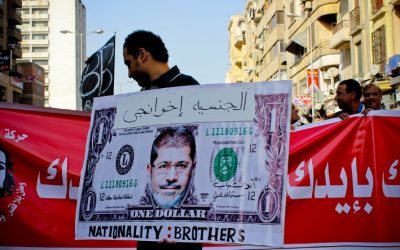
Egypt’s political landscape has experienced significant shifts in recent months, reflecting both internal challenges and regional influences. The government has focused on stability and economic reform, while facing protests demanding political reform and improved living conditions. Regional tensions, including conflicts in neighboring countries, continue to influence Egypt’s security policies and diplomatic relations.
In recent developments, Egypt has taken steps to strengthen its alliances within the Middle East, hosting peace talks and participating in regional security initiatives. Domestic politics remain complex, with ongoing debates over governance, human rights, and economic policies. The leadership seeks to balance maintaining order with addressing demands for greater freedom and transparency, amid a changing regional environment.
Role in regional and international affairs
Egypt plays a significant role in the political landscape of the Middle East, serving as a key regional power due to its strategic location, large population, and historical influence. Its political stability and policies often impact neighboring countries and contribute to regional dynamics.
In regional affairs, Egypt actively participates in initiatives aimed at promoting peace and stability, including efforts within the Arab League and cooperation with neighboring nations. It plays a central role in mediating conflicts and fostering diplomatic relationships across the Middle East.
On the international stage, Egypt maintains strong ties with global powers, balancing its regional priorities with broader geopolitical interests. It contributes to international peacekeeping missions, engages in economic partnerships, and advocates for Arab interests on various global platforms.


0 Comments