

Early Life and Background of Mugabe
Robert Mugabe was born on February 21, 1924, in Kutama, a village in Southern Rhodesia (now Zimbabwe). Coming from a humble background, he was raised in a traditional Shona family and received his early education at mission schools. His early life was marked by a desire for knowledge and a strong sense of justice, which would later shape his political career. Mugabe’s formative years laid the foundation for his role as a prominent leader in Zimbabwe’s struggle for independence and subsequent governance.
Birth and Family Heritage
Robert Mugabe was born on February 21, 1924, in Kutama, a small village in Southern Rhodesia, now Zimbabwe. Coming from a humble background, he was raised in a family of Shona descent, which is the largest ethnic group in Zimbabwe. His early life was shaped by the rural environment and traditional Ndebele and Shona cultures that influenced his upbringing.
- His father, Gabriel Matibiri Mugabe, was a carpenter and grew crops to support his family.
- His mother, Bona, was a homemaker who often emphasized the importance of education and community values.
- Growing up, Mugabe was exposed to the struggles of colonial rule and the disparities between white settlers and native Africans, which fostered his nationalistic sentiments.
- He attended mission schools, where he excelled academically, and later pursued higher education abroad, which equipped him with leadership skills and political ideas that would shape his future role in Zimbabwean independence.
Education and Early Influences
Robert Mugabe was born on February 21, 1924, in Kutama, a small village in what was then Southern Rhodesia. His early life was marked by rural poverty and a strong sense of community, which influenced his later views on leadership and governance. Growing up in a largely Shona-speaking community, Mugabe was exposed to traditional customs and oral histories that shaped his understanding of Zimbabwean culture and identity.
During his youth, Mugabe attended mission schools where he received formal education. These institutions played a crucial role in fostering his interest in academic pursuits and political activism. His education provided him with a solid foundation in multiple subjects, including history, literature, and languages, which would later influence his leadership style and ideological perspectives. Mugabe’s early influences included the struggle against colonial rule and the desire for independence, inspired by the wider African liberation movements of the mid-20th century.
Entry into Politics
Robert Mugabe was born on February 21, 1924, in Kutama, a village in Southern Rhodesia, now Zimbabwe. He was raised in a Christian family and attended mission schools, which provided him with a strong educational background. Mugabe was known for his intelligence and dedication from a young age, showing an early interest in leadership and activism. His background was rooted in a modest agricultural community, which influenced his later political focus on land reform and national independence.
In the 1940s and 1950s, Mugabe pursued higher education at several institutions, including the University of Fort Hare in South Africa and the University of London. His academic journey equipped him with the knowledge and confidence to become involved in political activism. He became increasingly engaged in the fight against colonial rule and racial discrimination in Southern Rhodesia. Mugabe’s entry into politics was marked by his participation in nationalist movements, advocating for the rights of indigenous Africans and seeking independence from British colonial rule. His leadership skills and unwavering commitment to Zimbabwean self-determination soon made him a prominent figure in the struggle for liberation.
Political Rise and Formation of Zimbabwe’s Independence Movement
Robert Mugabe played a pivotal role in the political rise and formation of Zimbabwe’s independence movement. As a prominent leader, he became a symbol of the struggle against colonial rule and white minority dominance in Rhodesia. His efforts mobilized various factions and galvanized widespread support for independence, ultimately leading to the end of colonial governance and the establishment of Zimbabwe as a sovereign nation.
Founding of ZANU
Robert Mugabe was a central figure in Zimbabwe’s struggle for independence and the political landscape that followed. The movement for independence emerged from widespread dissatisfaction with colonial rule, particularly under British control, and was driven by various nationalist groups seeking self-governance. The political rise of Mugabe began with his involvement in these movements, especially through the Zimbabwe African National Union (ZANU), which he co-founded in 1963. ZANU was formed as a response to the need for African-led resistance against colonial oppression and land dispossession.
In its early years, ZANU adopted a revolutionary stance, advocating for armed struggle and political mobilization to achieve independence. Mugabe quickly became a prominent leader within the movement, recognized for his determination and leadership qualities. As tensions escalated, ZANU and other nationalist organizations, such as ZAPU (Zimbabwe African People’s Union), intensified their efforts, culminating in the liberation war against white minority rule. This struggle led to the eventual recognition of Zimbabwe’s independence in 1980.
Following independence, Mugabe’s leadership became pivotal in shaping the new nation’s policies and identity. His initial tenure was characterized by efforts to promote equality and land redistribution, but it also marked the beginning of increasingly authoritarian governance. The founding of ZANU and Mugabe’s role in its leadership solidified his position as a key figure in Zimbabwe’s political history, influencing the country’s trajectory for decades to come.
Role in the Liberation Struggle
Robert Mugabe emerged as a central figure in Zimbabwe’s political landscape, leading the fight for independence from British colonial rule and shaping the nation’s path towards sovereignty. His involvement in the political movement gained momentum in the 1960s, as he became a prominent leader within the Zimbabwe African National Union (ZANU). Mugabe’s vision of independence was driven by the desire to establish a sovereign nation free from colonial oppression, which galvanized support among Zimbabweans seeking self-determination.
As the leader of the independence movement, Mugabe played a pivotal role in mobilizing resistance against colonial powers and advocating for nationalist causes. The struggle for liberation intensified through negotiations, guerrilla warfare, and international diplomacy, with Mugabe and other leaders rallying backing from neighboring countries and anti-colonial allies. His leadership in the Zimbabwe African Liberation Army (ZANLA) was critical in undermining colonial authority and achieving a turning point in Zimbabwe’s fight for independence.
The role of Mugabe and his political strategies culminated in the realization of independence in 1980, when Zimbabwe became a sovereign state. Mugabe’s leadership in the liberation struggle bolstered his reputation as a revolutionary hero, positioning him as the dominant political figure in the post-independence era. His influence extended beyond the fight for independence, shaping Zimbabwe’s political discourse and development for decades to come.
International Support and Alliances
Robert Mugabe emerged as a prominent leader in Zimbabwe’s struggle for independence, playing a central role in the formation of the Zimbabwe African National Union (ZANU) and later the Zimbabwe African People’s Union (ZAPU). His political rise was driven by his commitment to ending colonial rule and advocating for land redistribution, which resonated with the marginalized black majority. Mugabe’s leadership galvanized the national movement, leading to increased coordination among different factions seeking independence from British colonial authorities.
International support and alliances significantly impacted Zimbabwe’s path to independence. Countries like China, the Soviet Union, and some African nations offered diplomatic backing, financial aid, and military training to the liberation movements. The Lancaster House Agreement of 1979 marked a turning point, with international mediators facilitating negotiations between the warring factions and the British government, helping pave the way for democratic elections.
Post-independence, Mugabe’s government continued to build alliances within the African continent and beyond, aligning with socialist and non-aligned countries to solidify Zimbabwe’s sovereignty. These international alliances bolstered Mugabe’s legitimacy domestically and reinforced Zimbabwe’s position in regional and global affairs, shaping its political trajectory for decades to come.
Sixth President of Zimbabwe
Robert Mugabe was the sixth President of Zimbabwe, serving from 1987 to 2017. He played a pivotal role in the country’s struggle for independence and early governance, becoming a prominent figure in African politics. Mugabe’s leadership was marked by significant political and economic changes, as well as controversy surrounding his policies and governance style.
Assumption of Power in 1980
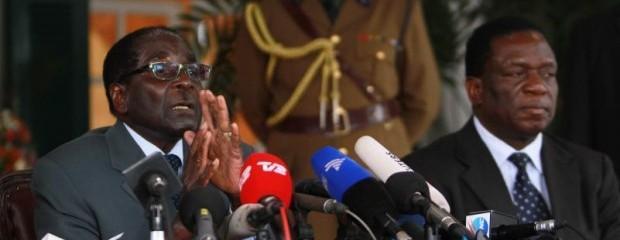
Robert Mugabe became the sixth president of Zimbabwe and assumed power in 1980 after the country gained independence from British colonial rule. His rise to leadership marked a significant moment in Zimbabwe’s history, as he became the key figure in shaping the nation’s post-independence trajectory.
- In 1980, Zimbabwe officially declared independence, and Mugabe, as the leader of ZANU (Zimbabwe African National Union), was inaugurated as the country’s first prime minister.
- He was a prominent figure in the fight against colonial rule and racial segregation, gaining widespread support among Zimbabweans.
- Initially, Mugabe’s leadership was characterized by efforts to promote reconciliation and social development, but over time, his rule became increasingly authoritarian.
- He consolidated power by suppressing political opposition and implementing policies that led to economic decline and political instability.
- Despite controversies, Mugabe remained a central figure in Zimbabwean politics until his resignation in 2017.
Consolidation of Authority
Robert Mugabe became the sixth President of Zimbabwe and played a pivotal role in consolidating his authority during his long tenure. After gaining independence in 1980, Mugabe initially positioned himself as a liberation hero, but over time he centralized power, suppressed opposition, and manipulated political institutions to maintain control. His leadership was marked by efforts to secure unchallenged authority through constitutional changes, controlling the military and security forces, and silencing dissent. Mugabe’s ability to consolidate power allowed him to dominate Zimbabwean politics for decades, shaping the nation’s trajectory through a mixture of nationalist rhetoric and authoritative governance.
Policies and Governance Style
Robert Mugabe served as the sixth President of Zimbabwe, a role he held from 1987 to 2017. His leadership was characterized by a combination of nationalist policies, efforts to promote land reform, and attempts to consolidate power within the government. Mugabe’s governance style evolved over the years, reflecting both his revolutionary ideals and the changing political landscape of Zimbabwe.
- Policy on Land Reform: Mugabe implemented aggressive land redistribution policies aimed at reclaiming land from white commercial farmers and redistributing it to black Zimbabweans. While intended to address historical inequalities, these policies led to economic decline and hyperinflation.
- Economic Policies: Mugabe’s government initially adopted socialist-inspired policies, but over time, mismanagement and corruption resulted in severe economic challenges, including unemployment, inflation, and food shortages.
- Authoritarian Governance: Mugabe maintained a centralized control of power, often suppressing political opposition and dissent through legislation, intimidation, and sometimes violence. His leadership style was increasingly authoritarian, especially during election periods.
- Foreign Policy: Mugabe promoted Pan-Africanism and sought to strengthen bonds with other African nations, occasionally opposing Western influence and sanctions. His tenure saw both regional diplomacy and controversy over human rights issues.
- Constitutional Changes: Mugabe oversaw constitutional amendments that extended his rule and expanded presidential powers, often limiting checks on executive authority and reducing parliamentary oversight.
Domestic Policies and Political Strategies
Robert Mugabe’s leadership in Zimbabwe was marked by a complex interplay of domestic policies and political strategies that aimed to consolidate power and shape the nation’s direction. His approach to governance involved significant land reform initiatives, economic policies, and tactical maneuvering within the political landscape. Understanding Mugabe’s domestic policies and strategies provides insight into the challenges and controversies that defined his long tenure as Zimbabwe’s leader.
Land Reform Programs
Robert Mugabe’s domestic policies and political strategies significantly shaped Zimbabwe’s political landscape, particularly through his land reform programs. Mugabe’s approach to land reform aimed to address historical inequalities by redistributing land from white commercial farmers to black Zimbabweans. These policies were often executed with a focus on national sovereignty and racial justice, yet they also led to economic instability and social unrest. Mugabe’s political strategies involved consolidating power by suppressing opposition, manipulating electoral processes, and maintaining a strong control over the ruling party, ZANU-PF. While his land reforms gained nationalist support, they contributed to declining agricultural productivity and international sanctions, which impacted the country’s economy. Overall, Mugabe’s domestic policies and political tactics reflected his commitment to preserving his authority and promoting a version of sovereignty rooted in land redistribution, though often at the expense of economic stability and democratic institutions.
Economic Policies and Challenges
Robert Mugabe’s leadership in Zimbabwe was marked by complex domestic policies and political strategies that aimed to consolidate power but also led to significant economic challenges. His rise to prominence was characterized by efforts to control political opposition through legislative measures, land reforms, and suppressive tactics against dissenters, which ultimately resulted in widespread instability.
Economically, Mugabe’s policies faced severe difficulties. Early land redistribution, intended to empower black farmers, progressed unevenly and was often executed violently, damaging agricultural productivity. Additionally, hyperinflation, fiscal mismanagement, and international sanctions further destabilized the economy, leading to unemployment, poverty, and – at times – militant inflation rates.
Mugabe’s political strategies included cultivating loyalty from certain factions, employing patronage systems, and resisting democratic reforms, which undermined governance and fostered a climate of fear. These policies often prioritized political survival over economic stability, and the resulting challenges persisted throughout his tenure, ultimately contributing to Zimbabwe’s prolonged economic and political crises.
Suppressing Opposition and Maintaining Power
Robert Mugabe’s rule in Zimbabwe exemplifies a leadership style characterized by extensive domestic policies aimed at consolidating power and suppressing opposition. His government implemented sweeping reforms that often marginalized political adversaries and restricted freedoms, ensuring little room for dissent. Mugabe employed various tactics such as controlling the media, manipulating legal institutions, and using security forces to intimidate opposition parties. These strategies enabled him to maintain a strong grip on power despite economic challenges and internal dissent. By fostering a climate of fear and loyalty, Mugabe was able to dominate Zimbabwean politics for decades, often prioritizing his political survival over democratic principles or social development.
Human Rights and Controversies
Human rights are fundamental principles that protect individuals’ freedoms and dignity worldwide. However, these rights often become the center of controversy, especially in political regimes where power is tightly controlled. The leadership of Robert Mugabe in Zimbabwe exemplifies such complexities, as his rule was marked by allegations of human rights abuses, suppression of opposition, and debates over the balance between sovereignty and human rights advocacy.
Violence and Suppression of Dissent
Robert Mugabe, the long-time leader of Zimbabwe, remains a highly controversial figure in discussions of human rights. His tenure saw significant struggles over political freedom, economic stability, and civil liberties. Many critics highlight instances of violence and suppression of dissent as hallmarks of his rule, including the use of military force against opposition supporters and the imprisonment of political opponents. Such actions often resulted in widespread human rights abuses, raising concerns about the oppressive nature of his governance. Despite some initial praise for his role in Zimbabwe’s independence, Mugabe’s leadership increasingly garnered criticism for its authoritarian tendencies, including the suppression of free speech, rigged elections, and harassment of activists. These controversies underscore the complex legacy of Mugabe’s leadership, illustrating how political power can be wielded to silence dissent and maintain control through violence and repression.
Crackdowns During Elections
During Robert Mugabe’s tenure as the leader of Zimbabwe, human rights issues and electoral controversies frequently attracted international attention. His rule was marked by crackdowns on political opposition, suppression of dissent, and restrictions on freedom of speech, especially during election periods. These actions often led to allegations of electoral manipulation and violence, undermining the legitimacy of electoral processes. Mugabe’s government was accused of unjust imprisonments, intimidation tactics, and using state resources to favor his party, ZANU-PF. Such practices raised concerns about the erosion of democratic principles and the violation of basic human rights in Zimbabwe. International observers frequently condemned the crackdown on opposition candidates and the media, highlighting the ongoing struggle for free and fair elections under Mugabe’s leadership.
International Reactions and Sanctions
Robert Mugabe, the former President of Zimbabwe, has been a highly controversial figure celebrated by some for his role in the country’s independence and criticized by others for his long-standing authoritarian rule, economic mismanagement, and human rights abuses. His tenure saw numerous allegations of political repression, suppression of opposition, and violations of civil liberties, leading to widespread domestic and international concern.
International reactions to Mugabe’s leadership have been mixed, with many Western countries imposing sanctions to protest human rights violations and electoral misconduct. These sanctions often targeted individuals within his regime, restricting their assets and travel. Conversely, some nations and political groups defended Mugabe’s policies or criticized what they saw as Western interference in Zimbabwe’s sovereignty, complicating diplomatic relations.
The controversy surrounding Mugabe’s rule has led to various sanctions and measures by international bodies, including the United States, European Union, and Commonwealth nations. These sanctions aimed to pressure Mugabe and his associates to cease oppressive practices and to promote reforms, though their effectiveness remains debated. Ultimately, Mugabe’s leadership left a complex legacy that continues to influence Zimbabwe’s political landscape and international engagement.
Legacy and Impact on Zimbabwe
Robert Mugabe’s leadership has left a profound legacy and enduring impact on Zimbabwe’s political, social, and economic landscape. As a key figure in the country’s struggle for independence, his policies and governance style have shaped Zimbabwe’s development over the decades. Understanding Mugabe’s influence is essential to comprehending the nation’s current challenges and its journey through post-colonial history.
Economic Decline and Hyperinflation
Robert Mugabe’s leadership in Zimbabwe significantly shaped the nation’s history, leaving a complex legacy marked by both initial liberation success and long-term economic challenges. His push for land redistribution aimed to correct colonial injustices, but often led to economic instability and declining agricultural productivity. Over time, Mugabe’s governance became increasingly authoritarian, resulting in political repression and a lack of effective economic policies. This decline contributed to Zimbabwe experiencing severe economic downturns, characterized by widespread unemployment and poverty.
The hyperinflation that engulfed Zimbabwe in the late 2000s exemplifies the devastating impact of misguided economic practices, rooted in Mugabe’s policies and economic mismanagement. At its peak, hyperinflation reached unimaginable levels, rendering the currency practically worthless and eroding savings across the population. The crisis forced Zimbabwe to abandon its own currency, resorting to foreign currencies for transactions. Mugabe’s legacy is thus intertwined with both the fight for independence and the subsequent economic hardships, which continue to influence Zimbabwe’s development trajectory today.
Social and Cultural Effects
Robert Mugabe’s legacy in Zimbabwe is profoundly shaped by his long tenure as both a liberation hero and a controversial leader. His impact on the nation’s political landscape has left a lasting imprint, influencing subsequent governance and policies. Mugabe’s leadership was marked by efforts to reclaim land and assert independence, but it also coincided with economic decline, hyperinflation, and widespread human rights abuses, which continue to affect Zimbabwean society today.
Socially, Mugabe’s rule fostered a sense of national identity linked to anti-colonial struggle. However, his governance also led to increased social divisions, political repression, and a decline in public trust in institutions. The population experienced significant hardship, and many citizens emigrated in search of better opportunities, impacting social cohesion and demographic patterns.
Culturally, Mugabe’s influence permeated Zimbabwean arts, education, and national discourse. His emphasis on African identity and independence themes inspired cultural pride but also resulted in censorship and suppression of dissenting voices. The struggle to balance cultural expression with political control created a complex legacy, affecting the development of a diverse and vibrant cultural landscape in Zimbabwe.
End of Mugabe’s Presidency and Succession
Robert Mugabe’s legacy and impact on Zimbabwe are profound and complex, shaping the nation’s political landscape for decades. His initial leadership brought independence and sovereignty to Zimbabwe, but later years were marked by economic decline, political repression, and social challenges. The end of Mugabe’s presidency marked a significant turning point, signaling the beginning of a new era for Zimbabwe and raising questions about the country’s future trajectory.
- Mugabe’s leadership was instrumental in the country’s fight for independence from colonial rule, earning him national and international recognition as a liberation hero.
- His early policies aimed at land reform and economic independence but eventually led to economic instability, hyperinflation, and international sanctions.
- The decline of his regime was characterized by authoritarianism, suppression of political opposition, and the erosion of democratic institutions.
- His departure in 2017, following a military intervention, was seen as the end of an era and opened the door for potential reforms and political renewal.
- Succession saw Emmerson Mnangagwa rise to power, promising economic revival and national unity, but challenges remain in addressing corruption, economic recovery, and political freedoms.



0 Comments