
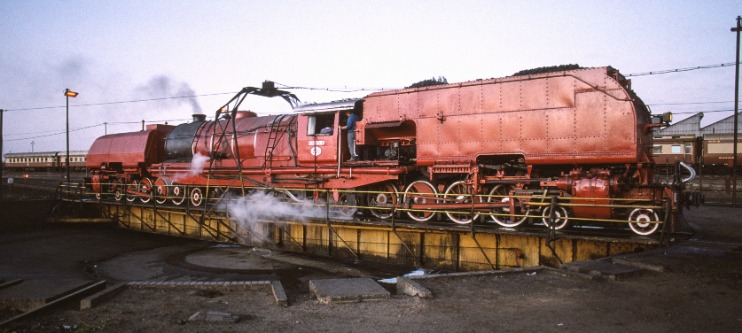
Overview of the Zimbabwe National Railways
The Zimbabwe National Railways (ZNR) plays a vital role in the country’s transportation infrastructure, serving as a key link for passenger travel and freight movement across Zimbabwe. Established to facilitate economic development and regional connectivity, ZNR has a rich history rooted in the colonial era, evolving to meet modern transportation demands. With extensive rail lines spanning major cities and industrial regions, it remains an essential component of Zimbabwe’s transportation network.
History and Development
The Zimbabwe National Railways (ZNR) has played a vital role in the country’s transport infrastructure, facilitating the movement of people and goods across the nation. Established to serve as the backbone of Zimbabwe’s logistics network, it has contributed significantly to economic development and regional connectivity.
The history of Zimbabwe National Railways dates back to the colonial era when railway lines were initially constructed by the British South Africa Company in the late 19th and early 20th centuries. These early lines mainly aimed to support the mineral and agricultural sectors, linking key regions with the port of Beira and other international routes. Over the years, the network expanded and evolved to cater to the growing needs of the country’s economy.
Throughout its development, ZNR faced various challenges including underfunding, aging infrastructure, and political instability. Despite these setbacks, efforts were made to modernize and expand the railway network during the post-independence period in 1980. Investments were directed toward upgrading locomotives, tracks, and stations to improve efficiency and safety. Initiatives such as the rehabilitation of existing lines and the construction of new routes aimed to enhance regional trade and boost internal mobility.
In recent years, Zimbabwe has sought partnerships with neighboring countries and international investors to revitalize its railway system. Projects focus on upgrading the infrastructure to handle increased freight and passenger traffic and to reconnect Zimbabwe with neighboring countries like Zambia, Mozambique, and South Africa. The development of this network continues to be a key element in Zimbabwe’s broader economic development strategy, striving to improve logistics, reduce transportation costs, and foster regional integration.
Ownership and Management
The Zimbabwe National Railways (ZNR) is the primary large-scale rail operator in Zimbabwe, playing a vital role in the transportation of passengers and freight across the country. Established to facilitate efficient movement and support economic development, ZNR has historically been a cornerstone of Zimbabwe’s infrastructure network.
Ownership of Zimbabwe National Railways has undergone various changes over the years. The government of Zimbabwe is the main owner and stakeholder, holding a significant share in the railway’s operations and investments. In recent years, there have been discussions about privatization and partnerships to improve efficiency and service quality, but the government remains a key entity in its ownership structure.
Management of ZNR is overseen by a board appointed by government authorities, with operational management handled by a dedicated team of professionals. The organization focuses on maintaining and expanding railway infrastructure, modernizing rolling stock, and improving service delivery to meet both domestic and regional transportation needs. Efforts are ongoing to enhance operational efficiency, increase safety standards, and foster collaborations with neighboring countries’ rail networks.
Evolution of the Railway Network
The Zimbabwe National Railways (ZNR) is a vital component of the country’s transportation infrastructure, facilitating the movement of passengers and freight across Zimbabwe and neighboring regions. Established during the colonial era, the railway system has played a significant role in the economic development and integration of Zimbabwe with the broader Southern African region.
The evolution of the railway network in Zimbabwe dates back to the early 20th century, with the initial construction primarily aimed at connecting the mineral-rich regions with ports and markets. The railway lines expanded steadily through the mid-1900s, incorporating major routes such as the Beira and Limpopo lines, which enhanced regional trade and mobility. During the colonial period, the rail system was operated by the Rhodesia Railways, a joint venture between British and local interests.
Following Zimbabwe’s independence in 1980, the railway network underwent significant restructuring and modernization efforts. Efforts were made to upgrade infrastructure, improve service efficiency, and expand freight capacity. Despite these developments, the network faced challenges including aging infrastructure, limited investments, and operational inefficiencies. Nonetheless, the railway continues to be an essential mode of transport for the country, integral to economic activities such as mining, agriculture, andExport. Ongoing initiatives aim to revitalize and expand the railway system to meet contemporary transportation needs and foster regional integration.
Railway Infrastructure and Network
The railway infrastructure and network of Zimbabwe play a vital role in facilitating transportation and economic development across the country. Spanning diverse terrains, the national railway system connects key cities and regions, enabling the efficient movement of passengers and freight. As a crucial component of Zimbabwe’s transportation sector, the railway network continues to evolve, supporting trade, industry, and regional integration within Southern Africa.
Major Lines and Routes
The railway infrastructure and network of Zimbabwe play a vital role in connecting the country domestically and facilitating regional trade. The rail system primarily functions to transport passengers and freight across key economic zones, supporting industries such as mining, agriculture, and manufacturing. The network is built to integrate with neighboring countries, promoting regional cooperation and economic development.
Major railway lines in Zimbabwe include the Harare-Bulawayo line, which connects the capital city with the second-largest city, facilitating commuter movement and freight transfer. The Beitbridge-Bulawayo route is crucial for cross-border trade with South Africa, serving as a vital corridor for imports and exports. Another significant route is the Harare-Mutare line, facilitating access to regional markets and facilitating domestic travel.
The network is primarily electrified and standard gauge, although some sections are non-electrified, relying on diesel-powered locomotives. Efforts to modernize the infrastructure continue to improve efficiency, safety, and connectivity, supporting Zimbabwe’s economic growth and regional integration. The country’s railway system remains a critical component of its transportation infrastructure, enabling movement of goods and people across vast distances efficiently.
Key Stations and Terminals
The railway infrastructure and network of Zimbabwe form a vital component of the country’s transportation system, facilitating the movement of passengers and freight across various regions. The network is primarily operated by the National Railways of Zimbabwe (NRZ), which manages a system spanning over 3,000 kilometers of track. This extensive network connects major urban centers, agricultural areas, and border crossings, supporting economic growth and regional integration.
Key stations and terminals serve as critical hubs within the railway network, enabling efficient transit and logistical operations. Harare Station, located in the capital city, functions as the main railway hub, handling numerous passenger and freight services. Bulawayo Station, another major terminal, caters to the southwestern regions, providing vital linkages between the city and other parts of the country. Victoria Falls Station, near the renowned tourist destination, plays a significant role in supporting tourism and regional connectivity. Other important stations include Masvingo, Mutare, and Gweru, each serving local communities and connecting to the broader railway system. These key stations anchor the network, ensuring efficient operations and access to strategic economic zones throughout Zimbabwe.
Rolling Stock and Maintenance Facilities
The railway infrastructure and network of Zimbabwe form a vital backbone for transportation across the country, facilitating the movement of passengers and freight efficiently. The network primarily consists of established rail lines that connect major cities such as Harare, Bulawayo, Mutare, and Masvingo, enabling economic activities and regional connectivity. Rolling stock in Zimbabwe includes a range of locomotives and passenger coaches, many of which are of aging design, though there have been efforts to upgrade and modernize these assets. Maintenance facilities are strategically positioned along the network to ensure the safety and reliability of operations, including workshops for locomotive repairs, track maintenance, and rolling stock refurbishment. Continuous development of these components is essential to support Zimbabwe’s transportation needs and to bolster trade and mobility within the region.
Services and Operations
The services and operations of the national railways of Zimbabwe play a vital role in the country’s transportation infrastructure. They facilitate the movement of passengers and freight across various regions, supporting economic growth and regional connectivity. Efficient management and modernization of railway services are essential for enhancing safety, reliability, and overall service quality in Zimbabwe’s railway industry.
Passenger Services
Passenger services are a vital component of the national railways of Zimbabwe, ensuring efficient and comfortable transportation for travelers across the country. These services encompass a comprehensive range of operations designed to meet the needs of passengers, including ticketing, onboard amenities, and station facilities. The railway company focuses on providing reliable schedules, safety measures, and customer support to enhance the overall travel experience.
The operations involved in passenger services include maintaining a modern and safe fleet of trains, managing routing and timetables, and ensuring punctuality. Additionally, the services extend to coordinating with local and regional transportation networks to offer seamless travel options. Customer service centers are active in addressing passenger inquiries, feedback, and ensuring that safety protocols are strictly observed. The continuous investment in upgrading infrastructure and rolling stock aims to improve service quality and accommodate increasing passenger demand throughout Zimbabwe.
Freight Transportation
The national railways of Zimbabwe play a vital role in the country’s transportation infrastructure, facilitating the movement of goods and passengers across vast distances. Their services and operations encompass freight transportation, enabling the efficient and cost-effective transfer of commodities such as minerals, agricultural products, and manufactured goods to domestic and international markets. The railway network is essential for supporting economic development, boosting trade, and connecting remote regions with urban centers. Operational efficiency in freight transportation involves scheduling, maintenance, and safety measures to ensure timely deliveries and reduce transit times. The Zimbabwe Railways Authority continually invests in upgrading infrastructure and rolling stock to enhance service quality, expand capacity, and adapt to changing logistics demands in the region.
International Rail Links
The national railways of Zimbabwe play a vital role in connecting the country internally and with neighboring nations through an extensive network of services and operations. These rail links facilitate the transport of passengers and goods across various regions, supporting economic development and regional integration. Zimbabwe’s international rail links connect key cities to neighboring countries such as Botswana, South Africa, Zambia, and Mozambique, promoting trade and mobility within Southern Africa. The railway services include scheduled passenger trains, freight cargo operations, and special charter services, all managed to ensure efficient and reliable transportation. Ongoing upgrades and maintenance efforts aim to modernize the rail infrastructure, improve safety standards, and expand connectivity to better serve both domestic and international needs. These operations are integral to Zimbabwe’s transportation strategy, enabling smoother cross-border trade and enhancing regional cooperation.
Economic Impact and Role
The national railways of Zimbabwe play a vital role in the country’s economic development by facilitating the movement of goods and passengers across vast distances. Their operational efficiency directly influences trade, employment, and regional connectivity, making them a cornerstone of Zimbabwe’s transportation infrastructure. Understanding their economic impact highlights the importance of a well-functioning railway system in supporting national growth and regional integration.
Contribution to Trade and Commerce
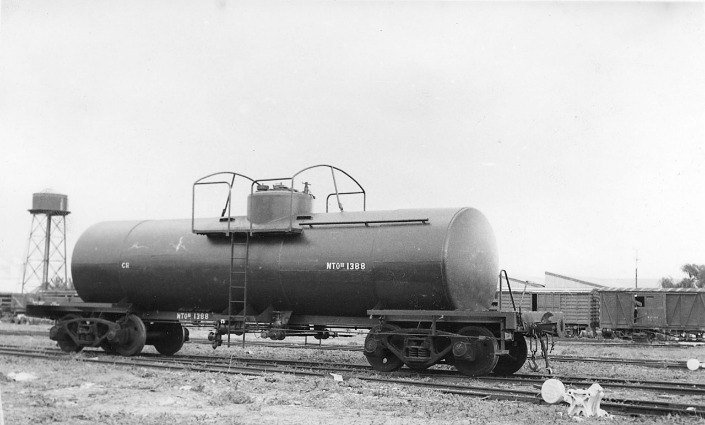
The national railways of Zimbabwe play a vital role in the country’s economy by facilitating the movement of goods and passengers across diverse regions. As a key component of the transportation infrastructure, they contribute significantly to trade and commerce, supporting local industries and connecting markets both domestically and internationally.
- Enhance Trade Connectivity: The railway network links Zimbabwe to neighboring countries, enabling the efficient export and import of commodities such as minerals, agricultural products, and manufactured goods.
- Reduce Transportation Costs: Rail transport offers a cost-effective alternative to road freight, lowering expenses for businesses and encouraging economic activity.
- Support Industrial Growth: By providing reliable logistics for raw materials and finished products, the railways bolster manufacturing and mining sectors, leading to job creation and economic diversification.
- Promote Regional Integration: The railway system fosters cooperation and economic integration within the Southern African Development Community (SADC), strengthening trade relations and regional development.
- Facilitate Domestic Mobility: Efficient passenger services enhance internal mobility, supporting tourism, commerce, and daily livelihood activities across Zimbabwe.
Connectivity and Regional Integration
The national railways of Zimbabwe play a crucial role in the country’s economic development by facilitating the efficient movement of goods and passengers across regions. They support key industries such as agriculture, mining, and manufacturing by providing affordable and reliable transportation options, which in turn promote trade and commerce both domestically and internationally. The railway network enhances regional integration by connecting Zimbabwe with neighboring countries, fosterings cross-border trade and cooperation. Improved connectivity through railway infrastructure encourages regional economic growth, reduces transportation costs, and helps build stronger economic ties within the Southern African Development Community (SADC). As a vital transportation backbone, Zimbabwe’s rail system contributes significantly to economic stability and regional cohesion, driving sustainable development opportunities for the nation and its neighbors.
Challenges Facing Operations
The national railways of Zimbabwe play a crucial role in the country’s economic development by facilitating the movement of goods and passengers across key regions. They serve as vital arteries for trade, connecting agricultural, mining, and industrial areas to export hubs and urban centers, thereby supporting local industries and boosting economic growth. Additionally, railway operations contribute to employment creation and regional integration, helping to enhance socio-economic stability.
Despite their importance, Zimbabwe’s national railway system faces significant challenges that hinder optimal operation. Aging infrastructure and rolling stock lead to frequent delays and increased maintenance costs, reducing efficiency. Financial constraints limit investment in modernization projects, which are essential for meeting contemporary transportation demands. Moreover, management issues and logistical inefficiencies contribute to operational setbacks. Addressing these challenges requires proactive government intervention, strategic partnerships, and increased funding to restore and enhance the railway network, ensuring it remains a competitive and sustainable component of Zimbabwe’s economy.
Recent Developments and Future Plans
The national railways of Zimbabwe have experienced significant developments recently, reflecting efforts to modernize and expand the transportation infrastructure. With advancements in technology and increased investment, the railway system aims to improve connectivity across the country. Looking ahead, future plans focus on upgrading existing lines, introducing more efficient rolling stock, and fostering regional integration to boost economic growth and support tourism. These efforts underscore a commitment to enhancing Zimbabwe’s transportation network to meet contemporary demands and foster sustainable development.
Modernization Initiatives
The national railways of Zimbabwe have recently undertaken significant modernization initiatives aimed at improving infrastructure, safety, and overall efficiency. These developments include the upgrade of existing rail lines, implementation of advanced signaling systems, and the procurement of modern rolling stock to enhance freight and passenger services. Such efforts are critical in revitalizing Zimbabwe’s transport sector to support economic growth and regional trade.
Looking ahead, future plans involve expanding the railway network to underserved areas, integrating sustainable technologies such as renewable energy sources for operations, and fostering public-private partnerships to accelerate development projects. The modernization initiatives aim to transform the Zimbabwean railways into a more reliable, efficient, and environmentally friendly transportation system, aligning with wider economic and infrastructural goals.
Investment and Funding Sources
The national railways of Zimbabwe have recently undergone various developments aimed at modernizing and expanding the existing infrastructure to better serve both passenger and freight transportation needs. Key upgrades include the refurbishing of locomotives, the renovation of railway stations, and the implementation of safety enhancements to ensure efficient operations across the network. Looking ahead, plans are in place to further extend railway lines, upgrade signaling systems, and incorporate innovative technologies to increase capacity and reliability.
Future initiatives also focus on fostering regional connectivity by linking Zimbabwe’s railway network with neighboring countries, facilitating trade and economic growth within the Southern African region. These projects are aligned with governmental goals to boost tourism, stimulate industrial activity, and improve logistics across borders.
Funding for these developments is primarily sourced from a combination of government budgets, international financial institutions, and development partners. The Zimbabwean government has secured support from entities such as the African Development Bank and the World Bank, which provide grants and low-interest loans to finance infrastructure projects. Additionally, private sector investments and public-private partnerships are increasingly being explored to supplement public funding, ensuring the sustainability and expansion of Zimbabwe’s railway system in the coming years.
Goals for Expansion and Upgrades
The national railways of Zimbabwe are currently undergoing significant developments aimed at modernizing the railway infrastructure and enhancing service efficiency. Recent initiatives include upgrading railway lines to support higher speeds, improving signaling systems, and expanding freight and passenger services to meet the growing demand across the country. These efforts are part of a broader strategy to boost economic growth and regional connectivity.
Looking ahead, the railway authorities have outlined ambitious plans for future expansion and upgrades. These encompass the rehabilitation of aging railway assets, procurement of modern rolling stock, and the integration of advanced technological solutions such as automated control systems. The goal is to increase operational reliability, reduce transportation costs, and foster greater integration with neighboring countries to facilitate trade and mobility within the Southern African region.
Overall, the focus remains on transforming Zimbabwe’s railway network into a state-of-the-art transportation backbone that can support sustainable economic development, improve transportation options for citizens, and position the country as a key logistics hub in Southern Africa.




0 Comments