
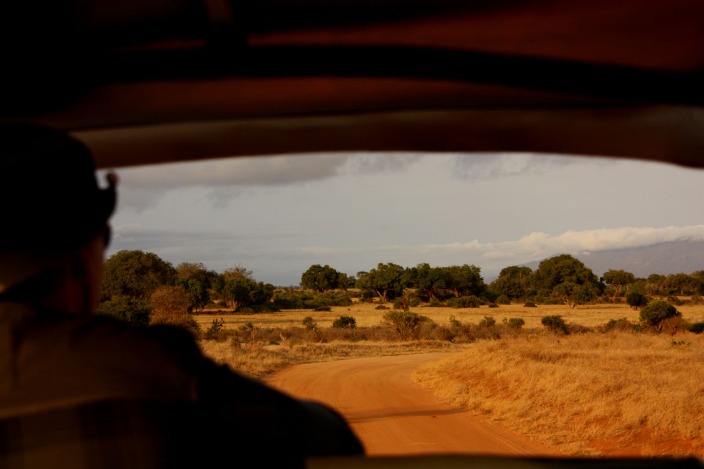
Overview of Safari in Zimbabwe
Zimbabwe offers some of the most extraordinary safari experiences in Africa, renowned for its diverse wildlife, breathtaking landscapes, and rich cultural heritage. From the iconic Hwange National Park to the UNESCO World Heritage Site of Mana Pools, visitors can enjoy close encounters with a variety of animals, including elephants, lions, and rhinos, in pristine natural settings. The country’s safaris combine adventure, luxury, and sustainability, making it a top destination for nature enthusiasts and adventure seekers alike.
Geographical Diversity and Key Locations
Safari in Zimbabwe offers an exceptional opportunity to experience the country’s rich biodiversity and stunning landscapes. Known for its diverse ecosystems, Zimbabwe provides a range of safari experiences from lush national parks to rugged wilderness areas, making it a premier destination for wildlife enthusiasts and adventure seekers alike.
Zimbabwe’s geographical diversity is a significant factor contributing to its vibrant wildlife and scenic beauty. The country features vast savannahs, dense forests, rugged mountains, and expansive river systems. The highlands and plateaus add to the varied terrain, creating ideal habitats for numerous species of animals and plants. This geographical variety ensures that visitors can enjoy different environments and landscapes during their safari adventures.
Key locations for safaris in Zimbabwe include Hwange National Park, renowned for its large elephant herds and diverse wildlife; the UNESCO World Heritage Site of Mana Pools, celebrated for its river-based safaris and close encounters with wildlife; Matobo National Park, famous for its ancient rock formations and rhino populations; and Gonarezhou National Park, part of the Great Limpopo Transfrontier Park, offering remote wilderness experiences. Victoria Falls and the surrounding areas also serve as popular bases for safari excursions, combining natural wonders with wildlife viewing opportunities.
Types of Safari Experiences Available
Safari in Zimbabwe offers a diverse and unforgettable experience for travelers seeking to explore Africa’s rich wildlife and stunning landscapes. The country is renowned for its vast national parks and wildlife reserves, making it a premier destination for safari adventures.
There are various types of safari experiences available in Zimbabwe to cater to different interests and preferences. Classic game drives in open vehicles allow visitors to observe animals like elephants, lions, leopards, and rhinos in their natural habitats. Walking safaris provide a more intimate connection with nature, guided by expert guides who help guests track wildlife on foot. For a unique perspective, boat safaris on lakes such as Lake Kariba and the Zambezi River offer the chance to see aquatic life and bird species while enjoying the serenity of the water. Additionally, luxury mobile safaris and private tented camps provide an exclusive and immersive way to experience the wilderness, often combining adventure with comfort. Each type of safari offers a different way to explore Zimbabwe’s incredible biodiversity and scenic beauty.
Major Safari Destinations in Zimbabwe
Zimbabwe is renowned for its spectacular safari destinations that offer unforgettable wildlife experiences. From vast national parks to pristine wilderness areas, this country provides a perfect setting for adventure seekers and nature lovers alike. Exploring Zimbabwe’s safari destinations allows visitors to witness incredible biodiversity, from majestic elephants and lions to elusive leopards and graceful antelopes. These pristine environments showcase the country’s rich natural heritage and commitment to conservation, making Zimbabwe a top choice for an authentic safari experience.
Hwange National Park
Hwange National Park is one of Zimbabwe’s premier safari destinations, renowned for its vast wilderness and diverse wildlife. Covering over 14,600 square kilometers, it offers an authentic African safari experience with opportunities to see large herds of elephants, lions, cheetahs, giraffes, and numerous other species in their natural habitat. The park is particularly famous for its large elephant population, making it a prime location for elephant viewing and photography. Visitors can enjoy game drives, guided walks, and birdwatching, all set against the stunning backdrop of savannahs, woodlands, and seasonal floodplains. Hwange’s well-maintained camps and lodges provide comfort and convenient access to wildlife, making it an unforgettable destination for safari enthusiasts seeking adventure in Zimbabwe.
Mana Pools National Park
Mana Pools National Park is one of Zimbabwe’s premier safari destinations, renowned for its stunning natural beauty and exceptional wildlife encounters. Situated along the Zambezi River, this UNESCO World Heritage Site offers pristine landscapes characterized by lush floodplains, woodlands, and riverbanks that support a diverse array of wildlife. Visitors to Mana Pools can enjoy game drives, walking safaris, and canoeing experiences, allowing for an up-close and personal encounter with Africa’s majestic animals such as elephants, lions, leopards, and hippos. The park’s remote and untouched environment provides a peaceful setting for explorers seeking an authentic safari adventure away from crowds. Consequently, Mana Pools is considered a major destination for wildlife enthusiasts aiming to witness the raw beauty and incredible biodiversity of Zimbabwe’s wildernesses.
G Tonight National Park
Zimbabwe is renowned for its rich wilderness and diverse wildlife, making it a premier destination for safari enthusiasts. Among its major safari destinations, Hwange National Park stands out as the largest and most popular, offering exceptional game viewing opportunities with a variety of elephants, lions, and other species roaming freely across expansive landscapes. Another notable destination is Mana Pools National Park, renowned for its pristine floodplains and abundant aquatic life, ideal for walking safaris and canoe expeditions. Matobo National Park is famed for its stunning granite formations, rich cultural history, and the chance to spot rare black and white rhinoceros. Additionally, Gonarezhou National Park, part of the Great Limpopo Transfrontier Park, provides a remote and less crowded experience with rugged terrain and diverse fauna. These parks collectively showcase Zimbabwe’s incredible biodiversity and offer unforgettable safari adventures in stunning natural settings.
Matobo Hills
Matobo Hills, a UNESCO World Heritage Site in Zimbabwe, is one of the major safari destinations offering a unique blend of wildlife, history, and breathtaking landscapes. Renowned for its stunning granite formations and ancient rock art, Matobo Hills provides visitors with an immersive experience into Zimbabwe’s rich cultural heritage and natural beauty.
Wildlife enthusiasts can explore the diverse fauna, including large populations of black and white rhinoceroses, leopards, hyenas, and various antelope species. The area is also known for its prolific birdlife, making it a paradise for birdwatchers. Many safari tours in Matobo Hills are conducted on foot or horseback, allowing for an up-close encounter with nature that is both exhilarating and educational.
Beyond wildlife, the region is notable for its archaeological significance, with archaeological sites dating back thousands of years. Visitors can see caves with Bushman rock art, which offers insights into the early inhabitants of the area. The stunning landscape, historical sites, and abundant wildlife make Matobo Hills a must-visit destination for anyone interested in experiencing the diverse safari offerings in Zimbabwe.
Wildlife and Flora in Zimbabwean Safaris
Zimbabwean safaris offer a breathtaking glimpse into the rich wildlife and diverse flora that characterize this remarkable destination. From the vast plains teeming with majestic elephants and lions to the lush forests home to colorful bird species and unique plants, Zimbabwe provides an authentic experience of Africa’s natural beauty. Exploring these vibrant ecosystems allows visitors to connect with nature and discover the incredible biodiversity that makes Zimbabwe a premier safari destination.
Iconic Species to Spot
Zimbabwean safaris offer an incredible opportunity to witness some of the world’s most iconic wildlife and flora. The country’s diverse ecosystems foster abundant wildlife, making it a paradise for nature enthusiasts. Visitors often seek out the majestic Big Five—lion, elephant, buffalo, leopard, and rhinoceros—who roam freely across national parks like Hwange, Gonarezhou, and Matobo. These parks are also home to rare species such as the elusive black rhino and the shy wild dog.
In addition to the charismatic megafauna, Zimbabwe boasts a rich array of birdlife, including the African fish eagle and the colorful Lilian’s lovebird. The flora in Zimbabwe’s safaris is equally diverse, with lush mopane and miombo forests interspersed with open grasslands and wetlands, supporting a wide range of plant species that sustain the entire ecosystem. Witnessing the vibrant flora and diverse fauna in their natural habitat provides a captivating experience that underscores Zimbabwe’s status as a premier safari destination.
Unique Plant Life and Ecosystems
Zimbabwean safaris offer an extraordinary glimpse into the rich diversity of wildlife and flora that thrive within the country’s protected areas. From sprawling savannas to lush forests, Zimbabwe hosts a variety of ecosystems that support an array of unique plant life and animal species, making it a top destination for nature enthusiasts and adventurers alike.
The flora in Zimbabwe’s safari regions is incredibly diverse, featuring a mix of endemic and indigenous plants that adapt well to the varying ecological zones. Visitors can observe towering hardwood trees such as baobabs and teak, alongside vibrant wildflowers, acacia trees, and diverse grass species which sustain abundant herbivores and predators.
Some of the unique ecosystems found in Zimbabwe include the miombo woodlands, characterized by their distinctive Brachystegia trees, and the Mopane woodlands, known for their iconic Colophospermum mopane trees that turn a striking gold in the dry season. These habitats support specific animal populations, which in turn influence the plant life through complex ecological interactions.
- Matobo Hills: Known for their granite kopjes and unique rock formations, this area is also home to rare plant species and ancient rock art that reflects the deep connection between the landscape and local communities.
- Hwange National Park: The largest game reserve in Zimbabwe boasts diverse vegetation that sustains large populations of elephants, lions, and rhinos, along with a variety of flowering plants that bloom during the rainy season.
- Mana Pools: A UNESCO World Heritage Site characterized by floodplains and riverine forests, offering a haven for birdlife and aquatic plants, creating a vibrant ecosystem that attracts wildlife year-round.
Exploring Zimbabwe’s flora and ecosystems during safaris reveals not just the beauty of its landscapes but also the intricate balance of life that sustains one of Africa’s most remarkable natural environments.
Best Time to Visit for Safari Activities
Planning a safari in Zimbabwe offers an unforgettable experience to witness its remarkable wildlife and stunning landscapes. To make the most of your adventure, understanding the best time to visit is essential. The ideal period for safari activities depends on various factors such as weather conditions, animal sightings, and park accessibility, ensuring you enjoy the rich biodiversity that Zimbabwe has to offer.
Dry Season (May to October)
The best time to visit Zimbabwe for safari activities is during the dry season, which runs from May to October. This period offers ideal conditions for wildlife viewing and photography, as animals tend to congregate around water sources, making them easier to spot. The clear skies and less vegetation also improve visibility across the savannah and other landscapes, enhancing the overall safari experience.
- Wildlife is more concentrated around remaining waterholes and rivers, increasing spotting opportunities.
- The dry season features minimal rainfall, leading to less muddy terrain and easier access to key safari locations.
- Clear weather provides optimal conditions for wildlife photography and game drives.
- Lush landscapes transition to golden hues, creating picturesque scenery for visitors.
- Animals often become more active during cooler mornings and late afternoons, ideal for game viewing.
Green Season (November to April)
The best time to visit for safari activities in Zimbabwe during the green season, from November to April, offers a unique and vibrant experience. During this period, the landscape blooms with lush greenery, and many of the waterfalls and rivers are at their fullest, creating stunning scenic views. This season is ideal for bird watching, as migratory species arrive, and for spotting newborn animals that are more visible amid the green surroundings. While some lodges and roads might be less accessible due to rains, the overall atmosphere is lively and the fauna active, providing excellent opportunities for photography and close encounters with wildlife. Visiting in this period also offers a more serene experience, often at a lower cost, making it an attractive option for travelers seeking a combined adventure of nature’s beauty and wildlife exploration in Zimbabwe.”
Types of Safari Tours
Embarking on a safari in Zimbabwe offers a range of exciting experiences tailored to different interests and adventure levels. From thrilling game drives to tranquil walking safaris, travelers can choose the perfect way to explore the country’s diverse landscapes and abundant wildlife. Each type of safari provides a unique opportunity to connect with nature and uncover the beauty of Zimbabwe’s natural heritage.
Game Drives
Safari tours in Zimbabwe offer a diverse range of experiences, allowing visitors to explore its rich wildlife and breathtaking landscapes. Game drives are the most popular activity, providing opportunities to see iconic animals such as lions, elephants, buffalos, leopards, and rhinos in their natural habitats. These drives can be conducted in open vehicles, giving unobstructed views, or in private reserves that offer tailored experiences.
There are different types of game drives in Zimbabwe, including guided game drives led by experienced rangers who provide insights into the flora and fauna, and self-drive safaris for more independence. Night game drives are also available in some parks, offering the chance to spot nocturnal animals. Additionally, walking safaris are popular for a more immersive adventure, allowing visitors to connect closely with nature while being accompanied by a trained guide.
Walking Safaris
Walking safaris in Zimbabwe offer a unique and immersive experience, allowing visitors to connect closely with the wilderness and observe wildlife on foot. These tours are led by knowledgeable guides who provide insights into animal behavior, tracking techniques, and the flora and fauna of the region, providing an educational element to the adventure. Walking safaris are typically conducted in smaller groups to ensure safety and to enhance the intimate connection with nature. They are ideal for travelers seeking a more personal and adventurous way to explore Zimbabwe’s stunning landscapes and diverse ecosystems. Besides walking safaris, other popular types include game drives in open vehicles, boat safaris along rivers, and night safaris that reveal nocturnal wildlife activity. Each type offers a different perspective, enriching the overall safari experience in Zimbabwe.
Boat Safaris
Safari tours in Zimbabwe offer a diverse range of experiences that showcase the country’s rich wildlife and stunning landscapes. Among these, boat safaris are a popular and unique way to explore Zimbabwe’s waterways, providing a peaceful and immersive way to observe animals in their natural habitat.
Types of safari tours in Zimbabwe include game drives, walking safaris, fly-in safaris, and boat safaris. Game drives are typically conducted in open vehicles, allowing visitors to see large herds of elephants, lions, leopards, and other wildlife up close. Walking safaris offer a more intimate experience, guided by expert trackers who help visitors understand animal behaviors and signs within the bush.
Fly-in safaris are ideal for reaching remote national parks and private conservancies quickly, combining luxury with adventure. These often include a combination of game drives and walking safaris.
Boat safaris, in particular, are conducted on rivers such as the Zambezi and the Limpopo, where visitors can observe hippos, crocodiles, and a variety of bird species. These safaris are perfect for wildlife viewing during the quiet hours of dawn and dusk, offering a tranquil perspective of Zimbabwe’s aquatic ecosystems. Some boat safaris also include cultural visits to local villages, enriching the overall experience.
Luxury Lodge Safaris
Zimbabwe offers a diverse range of safari tours, each providing unique ways to experience its stunning wilderness. Among these, luxury lodge safaris stand out for their comfort and exclusivity, combining top-tier accommodation with exceptional wildlife viewing. These safaris typically involve staying in well-appointed lodges or tented camps that provide a blend of modern amenities and authentic safari experiences. Guests can enjoy guided game drives, often in open vehicles, led by experienced rangers who reveal the secrets of Zimbabwe’s rich biodiversity. Additionally, luxury safaris may include walking safaris, boat safaris on rivers and lakes, and even aerial safaris for breathtaking bird’s-eye views. Such tours are ideal for travelers seeking a sophisticated, immersive adventure amidst Zimbabwe’s iconic landscapes, including Hwange National Park, Mana Pools, and Gonarezhou National Park.
Conservation and Responsible Tourism
Conservation and responsible tourism play a vital role in preserving the natural beauty and ecological integrity of Zimbabwe’s breathtaking landscapes. As visitors embark on safaris in this remarkable country, it is essential to prioritize practices that protect wildlife and their habitats. Embracing responsible tourism ensures that future generations can enjoy the same extraordinary experiences while supporting local communities and promoting sustainable development.
Wildlife Preservation Efforts
Embarking on a safari in Zimbabwe offers a unique opportunity to experience the country’s rich biodiversity while promoting conservation and responsible tourism. These efforts help protect endangered species like elephants, rhinos, and big cats, ensuring their habitats remain intact for future generations. Conservation initiatives often involve local communities, providing them with sustainable livelihoods and fostering a sense of stewardship over natural resources. Responsible tourism practices, such as sticking to designated pathways and respecting wildlife, play a crucial role in minimizing human impact and preserving the pristine environment. By choosing eco-conscious safari operators, travelers contribute to ongoing wildlife preservation efforts, supporting both the ecological health of Zimbabwe’s national parks and the well-being of local communities.
Community Engagement and Benefits
Conservation and responsible tourism are essential components of a safari experience in Zimbabwe, ensuring the preservation of its rich wildlife and natural landscapes for future generations. By promoting eco-friendly practices, tourists can help minimize environmental impact, support protected areas, and contribute to the sustainable management of wildlife populations.
Community engagement plays a vital role in Zimbabwean safaris, as local communities are often directly involved in conservation efforts and tourism activities. This inclusion fosters economic opportunities, cultural exchange, and a sense of ownership among residents, encouraging them to protect their natural heritage while benefiting from visitors’ spending.
The benefits of responsible tourism extend beyond environmental preservation, offering social and economic advantages to local communities. Visitors who participate in community-based programs often experience authentic cultural interactions, support local artisans and businesses, and help create jobs, thereby promoting equitable development and conservation harmony.
Travel Tips for Safari in Zimbabwe
Embarking on a safari in Zimbabwe offers a once-in-a-lifetime opportunity to experience breathtaking wildlife and stunning landscapes. To make the most of your adventure, it’s essential to be well-prepared with practical travel tips. From choosing the right time to visit to knowing what to pack, these insights will help ensure a smooth and memorable safari experience in Zimbabwe’s renowned national parks and reserves.
Visa and Entry Requirements
Embarking on a safari in Zimbabwe offers an incredible opportunity to experience some of Africa’s most stunning wildlife and landscapes. To ensure a smooth trip, it is essential to understand the visa and entry requirements as well as essential travel tips. Visitors from many countries can obtain a visa upon arrival, but it is advisable to check the latest regulations before traveling, as some nationalities may need to apply for an e-visa in advance. A valid passport with at least six months’ validity and blank pages is required. When entering Zimbabwe, travelers should carry proof of accommodation bookings, return or onward tickets, and sufficient funds for their stay. It is also recommended to have travel insurance that covers medical emergencies and unexpected changes. Respect local customs and wildlife guidelines, stay in designated safari lodges, and carry essential items such as insect repellent, sun protection, and binoculars for optimal safari experiences. These preparations and knowledge of entry requirements will help ensure a memorable and hassle-free safari adventure in Zimbabwe.
What to Pack
Embarking on a safari in Zimbabwe offers a remarkable opportunity to experience stunning landscapes and diverse wildlife. To make the most of your trip, packing wisely is essential. Ensure you bring lightweight, neutral-colored clothing to blend into the environment and stay cool in the heat. Include long-sleeved shirts and pants to protect against sunburn, insects, and thorn bushes. A wide-brimmed hat, sunglasses, and a high-SPF sunscreen are crucial for sun protection. Don’t forget sturdy, comfortable walking shoes for game drives and walking safaris. Carry binoculars and a camera with extra batteries or memory cards to capture the wildlife moments. Personal items like a refillable water bottle, insect repellent with DEET, and basic toiletries should also be packed. Lastly, include a small first aid kit for minor injuries and any necessary medications. Being well-prepared will enhance your safari adventure and allow you to enjoy Zimbabwe’s incredible wilderness comfortably and safely.
Health and Safety Precautions
Embarking on a safari in Zimbabwe offers an unforgettable adventure into the heart of Africa’s wilderness. To ensure a safe and enjoyable experience, it is essential to follow several health and safety precautions. Always stay hydrated and protect yourself from the sun by wearing hats, sunglasses, and applying sunscreen. It is advisable to consult a healthcare professional before your trip to get recommended vaccinations, such as yellow fever, typhoid, and hepatitis A. Carry a sufficient supply of insect repellent to guard against mosquito bites, which can transmit diseases like malaria.
During safaris, adhere to instructions from your guides, keep a safe distance from wildlife, and avoid sudden movements that might provoke animals. Wear appropriate clothing that blends into the environment, typically neutral earth tones, to minimize disturbance to the animals. Be cautious when exploring remote areas; always travel with a qualified guide and inform someone about your itinerary. Carry a basic first aid kit to handle minor injuries and ensure your mobile device has emergency contact numbers for local medical facilities. By taking these precautions, you can enjoy the breathtaking scenery and incredible wildlife Zimbabwe has to offer, while remaining safe throughout your journey.



0 Comments