

Overview of Egypt Time Zone
Egypt is situated in the Eastern European Time Zone, which is commonly referred to as EET. This time zone is UTC+2 hours, meaning it is two hours ahead of Coordinated Universal Time. The country observes this time zone throughout the year, providing a standard reference for its business hours, communication, and daily activities. Understanding Egypt’s time zone is essential for travelers, international businesses, and anyone engaging with the region to coordinate schedules accurately.
Standard Time Zone (EET)
Egypt operates primarily within the Eastern European Time Zone (EET), which is UTC+2 hours. This time zone is used throughout the country for standard timekeeping purposes. During daylight saving time, Egypt previously observed Eastern European Summer Time (EEST), which was UTC+3 hours, but as of recent policies, daylight saving time has been discontinued, and the country remains on EET year-round. The consistent use of EET facilitates synchronization with neighboring regions and international markets, supporting economic and communication activities across Egypt.
UTC Offset and Global Position
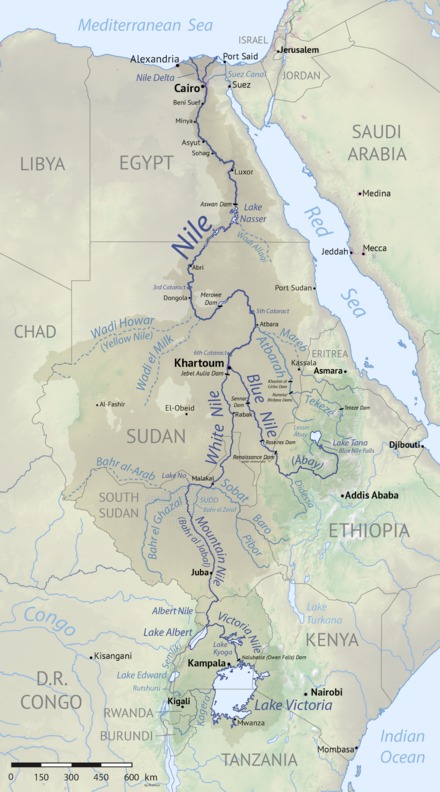
Egypt is primarily situated in the Eastern European Time Zone (EET), which is UTC+2 hours. This time zone is used throughout the year, with no variation for daylight saving time since Egypt discontinued the practice in 2015. Geographically, Egypt is located in the northeastern corner of Africa, bordered by Libya to the west, Sudan to the south, and Israel and the Gaza Strip to the east, with the Mediterranean Sea to the north. Its strategic position near the Suez Canal makes it an important hub connecting Africa, the Middle East, and Europe. The country’s time zone aligns with neighboring nations like South Africa and Israel, facilitating regional coordination and communication across borders.
Historical Changes to Egypt’s Time Zone
Egypt’s time zone history reflects its efforts to adapt to regional and international standards over the years. Throughout its modern history, the country has experienced various changes in its time-keeping practices, often influenced by political decisions and societal shifts. Understanding these adjustments provides insight into Egypt’s broader historical and geopolitical context, shaping its connection to global time standards.
Implementation of UTC+2
Egypt’s time zone has experienced several changes throughout its history, reflecting shifts in government policies and regional considerations. Historically, Egypt used solar time based on Cairo’s longitude, which often resulted in irregularities. In the 20th century, efforts were made to standardize timekeeping across the country. In 1957, Egypt officially adopted Eastern European Time (UTC+2) as its standard time zone. This change aimed to unify the country under a single time standard and facilitate synchronization with neighboring countries. However, during some periods, Egypt intermittently shifted to Eastern European Summer Time (UTC+3) to maximize daylight hours during the summer months. The implementation of UTC+2 as the standard time has remained consistent since the late 20th century, providing a stable time zone reference for government, commerce, and daily life. Overall, Egypt’s adoption of UTC+2 reflects its commitment to regional synchronization and efficient time management in the contemporary era.
Daylight Saving Time Practices and Cessation
Egypt’s time zone has experienced several changes over the years, mainly influenced by political decisions and international standards. Historically, Egypt has operated on Eastern European Time (EET), which is UTC+2. However, in 2011, the government introduced daylight saving time (DST) as a measure to optimize energy consumption during the year. This involved shifting clocks forward by one hour typically in late April and reverting in late September or October. The practice was intended to maximize daylight hours and reduce electricity use.
Nevertheless, the implementation of DST in Egypt has been inconsistent, with interruptions and cessations reflecting shifts in government policies and public reception. For instance, in 2015, Egypt suspended DST altogether, citing challenges in adapting the time change and its limited benefits. The cessation meant that clocks remained on standard time throughout the year, maintaining UTC+2 without adjustments for daylight saving. Since then, debates about the reintroduction of DST or maintaining a consistent standard time have persisted, with some calling for stable timekeeping practices to facilitate business and daily routines. Overall, Egypt’s time zone and daylight saving policies continue to evolve based on economic, social, and political factors, impacting how the country aligns with international time standards.
Current Time Zone Practices in Egypt
Egypt’s current time zone practices reflect its geographical position and historical developments. The country primarily operates on Eastern European Time (EET), which is UTC+2, aligning with many neighboring countries in the region. Occasionally, Egypt adjusts its clocks for daylight saving time, though this practice has been inconsistent in recent years. Understanding these time zone practices is essential for coordinating activities, travel, and business across Egypt and internationally.
Adherence to Standard Time Year-Round
Egypt’s current time zone practices involve maintaining a specific standard time throughout the year, without observing daylight saving time. This approach simplifies timekeeping and aligns with the country’s administrative and economic needs.
- Egypt Standard Time (EGY) is UTC+2 hours, which is the official time zone used nationwide.
- There is no daylight saving time adjustment applied annually, ensuring consistency in timekeeping across all seasons.
- Historically, Egypt has experimented with daylight saving time, but it has not been consistently adopted in recent years.
- The decision to adhere to standard time year-round aids in minimizing confusion and maintaining synchronization with international standards.
- Public institutions, businesses, and individuals follow the fixed UTC+2 time zone without seasonal adjustments.
Official TimeKeeping Authorities
Egypt follows a time zone practice primarily based on Eastern European Time (EET), which is UTC+2. Historically, Egypt has adjusted its clocks for daylight saving time, typically moving the clock forward by one hour during the summer months and back in the winter. However, in recent years, Egypt has fluctuated on its observance of daylight saving time, with decisions made by government authorities to either implement or suspend the practice based on energy consumption and governmental policies.
The official time-keeping authority in Egypt is the National Institute for Standards (NIS), which is responsible for maintaining accurate time standards and disseminating official time across the country. NIS collaborates with international timing organizations to ensure synchronization with Coordinated Universal Time (UTC) and manages the dissemination of accurate time signals through various channels, including radio broadcasts and online platforms.
In practice, businesses, schools, and institutions in Egypt follow the official time maintained by NIS, while the government periodically issues notices regarding daylight saving time adjustments. Currently, Egypt remains on UTC+2 year-round, having discontinued the use of daylight saving time since 2015, but policies may be subject to change based on governmental decision-making.
Time Zone and Daily Life
Egypt operates within the Eastern European Time Zone, which influences the daily routines and activities of its residents. Understanding the time zone helps in coordinating communication, travel, and work schedules both within the country and with international partners. This time zone plays a significant role in shaping the rhythm of everyday life in Egypt, from work hours to cultural events.
Business and Commercial Schedules
Egypt operates within the Eastern European Time Zone (EET), which is UTC+2 hours. This time zone influences various aspects of daily life, business activities, and commercial schedules throughout the country. For residents, knowing the local time is essential for coordinating daily routines, such as work hours, meal times, and social activities, especially during periods of daylight saving time changes when applicable. Businesses in Egypt typically align their working hours from around 8:30 or 9:00 in the morning to 4:30 or 5:00 in the evening, allowing for efficient communication both domestically and with international partners. Since Egypt often engages in international trade and tourism, businesses must also consider the time difference with other major global markets, such as Europe, the Middle East, and Asia, to schedule meetings, conferences, and deadlines effectively. Additionally, scheduling transportation, broadcasting, and financial transactions requires careful attention to Egypt’s time zone to ensure punctuality and smooth operations across time differences. Overall, understanding Egypt’s time zone is crucial for managing daily life, economic activities, and global interactions efficiently and effectively.
Public Services and Government Operations
Egypt operates within the Eastern European Time Zone (EET), which is UTC+2. This time zone influences daily routines, work schedules, and public service operations across the country. In Egypt, most businesses and government institutions align their hours with the local time, ensuring coordinated operations and efficient service delivery. During daylight saving time, the country adjusts to UTC+3, which temporarily shifts daily activities and scheduling practices. The consistent use of the Egypt time zone helps facilitate communication, transportation, and government functions, maintaining societal order and promoting economic activity. Public services, such as transportation schedules, healthcare appointments, and government office hours, are all structured around this time zone, ensuring residents and visitors can rely on synchronized timings for their daily needs. Overall, the Egypt time zone plays a vital role in shaping the rhythm of daily life and the efficient functioning of public and governmental operations throughout the country.
Implications for Travelers and International Business
Understanding Egypt’s time zone is essential for travelers and international business professionals to coordinate schedules effectively. Time zone differences can impact communication, meeting times, and travel plans, making it crucial to stay aligned with local time standards. Being aware of Egypt’s current time zone helps facilitate smoother interactions and fosters successful international relationships.
Synchronizing with Global Markets
Synchronizing with Egypt’s time zone has significant implications for travelers and international businesses operating across global markets. For travelers, understanding Egypt’s time zone ensures accurate scheduling of flights, meetings, and other activities, minimizing confusion and missed opportunities. It enhances the experience by allowing for better planning around local business hours and cultural events. For international businesses, alignment with Egypt’s time zone facilitates smoother communication, real-time collaborations, and timely decision-making. It also helps in coordinating with local partners, clients, and service providers, ultimately leading to increased efficiency and stronger business relationships. Overall, being synchronized with Egypt’s time zone supports seamless integration into the regional and global economy, fostering growth and connectivity across markets.
Adjusting for Time Differences
Adjusting for Egypt’s time zone is essential for travelers and international businesses to ensure smooth communication and optimal productivity. Egypt operates on Eastern European Time (EET), which is usually UTC+2, and may observe daylight saving time, shifting to UTC+3. Travelers arriving from different regions should plan their schedules accordingly to minimize jet lag and align their activities with local business hours. International businesses must consider the time difference when scheduling meetings, deadlines, and communication with partners in Egypt to avoid misunderstandings or delays. Proper time management helps foster better relationships, enhances operational efficiency, and ensures timely decision-making in a global environment.
Comparison with Neighboring Countries
When exploring Egypt’s time zone, it is helpful to compare it with neighboring countries to understand regional time differences. This comparison sheds light on how Egypt aligns with its geographic neighbors in terms of standard time, daylight saving practices, and regional synchronization. Understanding these time zone relationships provides valuable context for communication, travel, and business activities across countries in the region.
Time Zone Borders and Variations
Egypt operates primarily within the Eastern European Time Zone (EET), which is UTC+2. When comparing with neighboring countries, there are notable differences and similarities that reflect regional time zone borders and linguistic variations.
In the region, Libya also follows UTC+2, aligning closely with Egypt’s time, which facilitates cross-border coordination. Sudan and Eritrea share the same time zone as Egypt, contributing to regional synchronization. However, countries like Israel and Palestine observe Israel Standard Time (UTC+2) but sometimes switch to daylight saving time, causing temporary discrepancies. Morocco, located to the west of Egypt, generally operates on UTC+1, but it switches to UTC+0 during daylight saving time in some years, creating variations in the time difference.
Language variations across these borders are notable, with Arabic being the dominant language in Egypt, Libya, Sudan, and Palestine. Hebrew is primarily spoken in Israel, and Berber languages are present in Morocco. Despite close geographical and linguistic ties, differences in time zone observances and daylight saving practices can influence regional communication and business activities.
- Egypt’s standard time is UTC+2, aligning with neighboring Libya, Sudan, and Palestine.
- Israel shares UTC+2 but may vary due to daylight saving time changes.
- Morocco primarily operates on UTC+1, shifting during daylight saving time to UTC+0.
- Time zone borders are generally stable but can be temporarily affected by daylight saving adjustments.
- Regional linguistic differences are predominantly between Arabic and Hebrew, influenced by historical and cultural factors.
Impact on Regional Coordination
Egypt’s time zone, primarily Eastern European Time (EET), aligns with several neighboring countries, facilitating regional coordination and cooperation. Countries such as Libya, Sudan, and Israel share similar time zones, which enhances synchronization in areas like trade, transportation, and communication. However, differences with countries like Saudi Arabia and Turkey, which operate on a slightly different time, can pose challenges for joint initiatives and regional planning. The harmonization of time zones within North Africa and the Middle East supports more efficient management of cross-border projects and regional security efforts.




0 Comments