
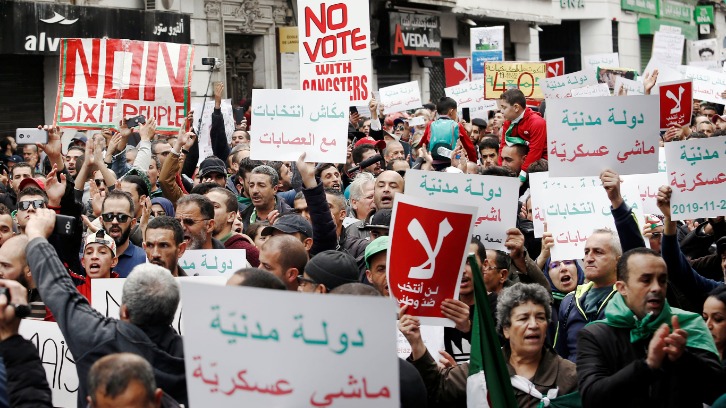
Overview of Algerian Newspapers
Algerian newspapers play a vital role in shaping public opinion and disseminating information within the country. These publications encompass a diverse range of political, social, and cultural perspectives, reflecting the dynamic and evolving landscape of Algerian society. With both print and digital formats, Algerian newspapers serve as crucial channels for news, commentary, and civic engagement, offering valuable insights into national and regional developments.
Historical Background
Algerian newspapers have played a vital role in shaping the country’s political, social, and cultural landscape. Over the years, the press has evolved from a limited, government-controlled medium to a diverse and vibrant platform for public discourse. Historically, during the colonial period under French rule, newspapers primarily served the interests of the colonial administration and the Algerian intellectuals seeking independence. After gaining independence in 1962, the Algerian government established state-controlled outlets, which remained dominant for decades, restricting press freedom. However, the late 1980s and early 1990s marked a turning point with the introduction of political reforms, leading to greater media pluralism. Today, Algeria boasts a mix of state-owned and private newspapers publishing in Arabic, French, and other languages, reflecting the country’s diverse cultural tapestry. Despite challenges such as censorship and political pressures, the Algerian press continues to be an important voice in fostering transparency and public debate.
Role in Society and Politics
Algerian newspapers play a significant role in shaping public opinion, fostering political discourse, and reflecting the diverse perspectives within the country. They serve as essential mediums for informing citizens about national and international events, as well as providing a platform for debate and expression.
In Algeria, newspapers function as important actors in society and politics by performing various roles:
- Informing the public about governmental policies, social issues, and cultural developments.
- Serving as a watchdog by scrutinizing authorities and promoting transparency.
- Providing a platform for political parties, activists, and citizens to share ideas and opinions.
- Influencing public opinion and shaping political agendas through editorials and opinion pieces.
- Supporting national identity and cultural heritage through dedicated coverage of local events and traditions.
While some newspapers operate under government influence or censorship, others strive for independence, contributing to the democratic process and societal debate. Overall, Algerian newspapers remain a vital aspect of the country’s social and political landscape, reflecting its complexities and aspirations.
Evolution with Digital Media
Algerian newspapers have historically played a vital role in shaping public opinion and providing information to the population. Traditionally, these publications adhered to state-controlled or privately owned frameworks, covering political, economic, and social issues relevant to Algerian society. Over the years, the press landscape has evolved significantly, reflecting the country’s socio-political changes and growing demand for diverse perspectives.
With the advent of digital media, Algerian newspapers have undergone a profound transformation. Many traditional outlets have established online platforms to reach wider audiences and adapt to changing consumption patterns. The digital shift has facilitated quicker dissemination of news, increased accessibility, and provided space for citizen journalism and independent viewpoints. Despite challenges such as internet restrictions and digital literacy gaps, the integration of digital media has become integral to the evolution of journalism in Algeria, fostering debate and enhancing investigative reporting.
Types of Newspapers in Algeria
Algeria boasts a diverse range of newspapers that reflect the country’s vibrant media landscape. These publications encompass different genres, including daily newspapers, weekly magazines, and specialized press, offering a variety of perspectives on national and international issues. The media outlets in Algeria play a vital role in informing the public, shaping public opinion, and promoting freedom of expression within the country’s socio-political context.
State-Owned Newspapers
In Algeria, state-owned newspapers play a significant role in the media landscape, serving as official sources of information and promoting government policies. These newspapers are operated and financed by the government, ensuring their content aligns with national interests and policies. Among the prominent state-owned newspapers are “El Moudjahid,” which has a long history as the official outlet of the Algerian liberation movement, and “Echourouk,” which covers political, economic, and social issues from an official perspective. “Algérie Presse Service” (APS) functions as the national news agency, providing news reports and information to other media outlets and the public. These newspapers are characterized by a focus on government achievements, official announcements, and nationally important events, often reflecting the official stance of the Algerian authorities.
Private and Independent Publications
In Algeria, newspapers are an essential part of the media landscape, providing various perspectives on political, social, and economic issues. They can be broadly categorized into private, independent, and state-owned publications, each serving different audiences and interests.
- Private Newspapers: These are owned by private individuals or corporations and operate independently of government control. They often focus on investigative journalism, entertainment, and diverse opinions. Examples include Liberté and Le Soir d’Algérie.
- Independent Publications: These newspapers maintain editorial independence, aiming to provide objective reporting without influence from political parties or government entities. They often advocate for press freedom and transparency. Examples include Algerie Part and El Watan.
Online News Portals
Algeria boasts a diverse landscape of newspapers, encompassing both print and online media outlets that cater to various audiences and interests. Traditional newspapers in Algeria are primarily published in Arabic, French, and sometimes in Tashelhit and Tamazight, reflecting the country’s rich cultural and linguistic diversity. Major print newspapers include Al-Chorouk, Liberté, El Watan, and Le Soir d’Algérie, which provide coverage on political, economic, social, and cultural issues.
In recent years, online news portals have gained significant popularity, offering faster and more accessible news updates. Notable online platforms include TSA (Tongestotravail Algerie), Echoroukh Online, and Algérie Presse Service, which deliver real-time news coverage, multimedia content, and interactive features. These digital outlets often have a broader reach among younger audiences and those in remote areas, making them an essential part of Algeria’s media landscape. The proliferation of online news portals has also fostered greater freedom of expression and diverse viewpoints within the country.
Major Algerian Newspapers
Algeria boasts a diverse and vibrant press landscape, with major newspapers contributing significantly to the country’s media scene. These newspapers play a crucial role in informing the public, shaping public opinion, and reflecting the social, political, and economic developments within Algeria. As key sources of news and analysis, they serve as an essential part of the nation’s democratic and cultural fabric.
El Watan
El Watan is one of the most prominent and influential newspapers in Algeria. Founded in 1990, it has established a reputation for providing comprehensive coverage of national and international news, politics, economy, and social issues. Known for its commitment to journalistic independence and in-depth analysis, El Watan plays a significant role in shaping public opinion and informing the Algerian society. The newspaper is available in print and digital formats, catering to a diverse readership that seeks credible and timely information about Algeria and beyond.
Le Soir d’Algérie
Le Soir d’Algérie is one of the major newspapers in Algeria, recognized for its comprehensive coverage of national and international news. It is widely read across the country and plays a significant role in shaping public opinion on political, economic, and social issues.
- Established in 1990, Le Soir d’Algérie has become a prominent voice in Algerian media.
- The newspaper covers a wide range of topics including politics, culture, sports, and business.
- It is available in both print and online formats, making it accessible to a broad audience.
- Le Soir d’Algérie is known for its investigative journalism and debates on key societal issues.
- As part of the Algerian media landscape, it operates within the country’s regulatory and political framework.
Algerie Focus
Algeria boasts a vibrant and diverse journalism landscape, with numerous major newspapers that serve as key sources of news and information for the Algerian public and the international community. Among these, Algerie Focus stands out as a prominent online news portal known for its comprehensive coverage of political, economic, and social issues in Algeria. It aims to provide accurate and timely news, often focusing on current affairs, government policies, and regional developments. Algerie Focus has gained recognition for its independent perspective and commitment to delivering in-depth analysis, making it an influential platform within Algeria’s media environment.
Liberté
Liberté is one of the most prominent and widely circulated Major Algerian newspapers, known for its comprehensive coverage of national and international news. Established in the mid-20th century, it has played a significant role in shaping public opinion and providing in-depth analysis on political, social, and economic issues in Algeria. The newspaper is recognized for its journalistic integrity and commitment to press freedom, often serving as a platform for diverse perspectives and debates within the country. With a substantial readership, Liberté continues to influence the media landscape in Algeria, maintaining its status as a key source of information for both the general public and policymakers.
Language and Accessibility
Language and accessibility are crucial components in ensuring that information reaches diverse audiences effectively. In the context of Algerian newspapers, the use of multiple languages such as Arabic, French, and Berber plays a significant role in shaping the accessibility of news content. Understanding how language choices influence readership can provide insights into the media landscape of Algeria and its efforts to promote inclusive communication for all citizens.
Arabic-Language Newspapers
Arabic-language newspapers in Algeria play a vital role in promoting language accessibility and cultural preservation. These newspapers serve as a primary source of information for Arabic-speaking populations, ensuring that news and current events are accessible to a broad audience. They also help maintain the linguistic identity of the country by providing content exclusively in Arabic, which is the country’s official language. Additionally, Arabic-language newspapers contribute to fostering literacy and media literacy among Arabic speakers, encouraging engagement with the media and empowering citizens to stay informed about national and regional issues.
French-Language Publications
Algeria’s newspapers play a crucial role in shaping public opinion and promoting access to information across diverse linguistic communities. French-language publications are particularly significant, reflecting the country’s colonial history and ongoing cultural ties with France. These newspapers often cater to the educated elite and urban populations, providing in-depth analysis, news coverage, and commentary in French. Accessibility to French-language media helps bridge linguistic divides and ensures that a wider audience can engage with national and international issues. Efforts to promote language and accessibility in Algerian newspapers highlight the importance of linguistic diversity in fostering a well-informed society and supporting freedom of expression.
English-Language News Platforms
Algeria’s newspapers primarily publish content in Arabic and French, reflecting the country’s linguistic diversity. However, English-language news platforms are increasingly gaining relevance, especially for reaching international audiences and expatriates. These platforms aim to enhance accessibility by providing news in a widely spoken global language, enabling a broader readership to access Algerian current events, politics, culture, and economic developments. The availability of English-language news helps to promote transparency, foster international understanding, and attract foreign investment. Despite the increasing presence of English media, traditional Arab and French outlets remain dominant within Algeria, though efforts to improve language accessibility in digital journalism are ongoing to ensure inclusivity for non-Arabic and non-French speakers.”
Editorial Policies and Censorship
Editorial policies and censorship play a significant role in shaping the landscape of journalism in Algeria. These frameworks influence how newspapers operate, what content they publish, and how they navigate the delicate balance between freedom of expression and governmental oversight. Understanding these policies is essential to grasp the extent of press independence and the challenges faced by Algerian newspapers in delivering unbiased and comprehensive information to the public.
Government Influence and Control
In Algeria, newspapers operate within a complex landscape shaped by editorial policies and government influence, which significantly impact media independence. The government maintains a strong presence in the media sector, often exerting control over content through various means, including censorship and licensing regulations. This environment limits journalistic freedom, with many newspapers experiencing pressures to align their reports with official narratives or face restrictions. Such control can hinder the dissemination of diverse viewpoints and restrict the press’s role as a watchdog in democratic society. Despite some efforts to promote press freedom, government influence remains a central factor in shaping the editorial policies of many Algerian newspapers, affecting their ability to operate independently and present impartial information to the public.
Press Laws and Regulations
In Algeria, newspapers operate within a framework defined by stringent editorial policies and censorship practices that influence the dissemination of information. These policies are designed to control content and maintain social and political stability, often resulting in restrictions on freedom of expression. Press laws and regulations play a crucial role in shaping the media landscape, setting legal boundaries for journalistic activities and publication standards.
Algerian press laws enforce regulations that require newspapers to obtain licensure for publication and adhere to principles that limit the coverage of sensitive political issues. The government maintains oversight of media outlets, often monitoring content for compliance with national security and public order concerns.
- Editorial policies in Algerian newspapers are often influenced by state directives, with many outlets acting in alignment with government interests, especially regarding political reporting and criticism.
- Censorship is practiced through pre-publication approval and post-publication review, restricting coverage on topics such as government corruption, protests, and religious matters.
- Legal restrictions include the prohibition of publications that threaten national unity, incite violence, or defame individuals without proper channels of redress.
- Press laws regulate ownership, licensing, and operational conduct of newspapers to ensure they align with national values and policies.
- Penalties for violating media regulations can include fines, suspension of publication licenses, or criminal charges against journalists.
- Legal protections for journalists are limited, and self-censorship is common due to fear of repercussions from authorities.
Overall, the Algerian media landscape remains heavily influenced by legal and political constraints that shape journalistic work and restrict the scope of free press practices.
Challenges Faced by Journalists
Editorial policies and censorship significantly influence the landscape of Algerian newspapers, shaping the way information is reported and disseminated. In Algeria, government authorities exert strict control over media content, often imposing censorship to limit coverage of politically sensitive issues, human rights, and social unrest. This environment creates challenges for journalists who strive to uphold journalistic integrity while facing pressure to align with government narratives. Many journalists in Algeria risk repercussions such as harassment, detention, or job loss when covering topics that are deemed controversial by authorities. As a result, media outlets often face the dilemma of balancing their commitment to truthful reporting with the need to avoid censorship, which can lead to self-censorship and a constrained public discourse. Overall, the media landscape in Algeria remains complex, marked by efforts to push transparency and accountability amidst regulatory restrictions and ongoing challenges faced by journalists.
Impact of Newspapers on Algerian Society
Newspapers have played a significant role in shaping Algerian society by influencing public opinion, spreading information, and fostering cultural awareness. Throughout history, Algerian newspapers have served as a vital platform for political discourse, social change, and national identity. Their impact continues to evolve in the digital age, but their importance in informing and uniting the Algerian people remains profound.
Public Opinion and Discourse
Newspapers in Algeria have played a significant role in shaping society, influencing public opinion, and fostering public discourse. They serve as a vital medium for disseminating information, political commentary, and cultural discussions, which helps inform citizens and shape their perspectives on national and international issues. Through investigative journalism, Algerian newspapers have also contributed to holding authorities accountable and promoting transparency within the society. Moreover, they act as a platform for diverse viewpoints, encouraging dialogue and debate among different social and political groups. The evolution of media freedom and the rise of independent press have further amplified the impact of newspapers in Algeria, making them crucial agents of social change and collective consciousness. Overall, newspapers continue to be a powerful force influencing societal values, political participation, and the development of a more informed and engaged public in Algeria.
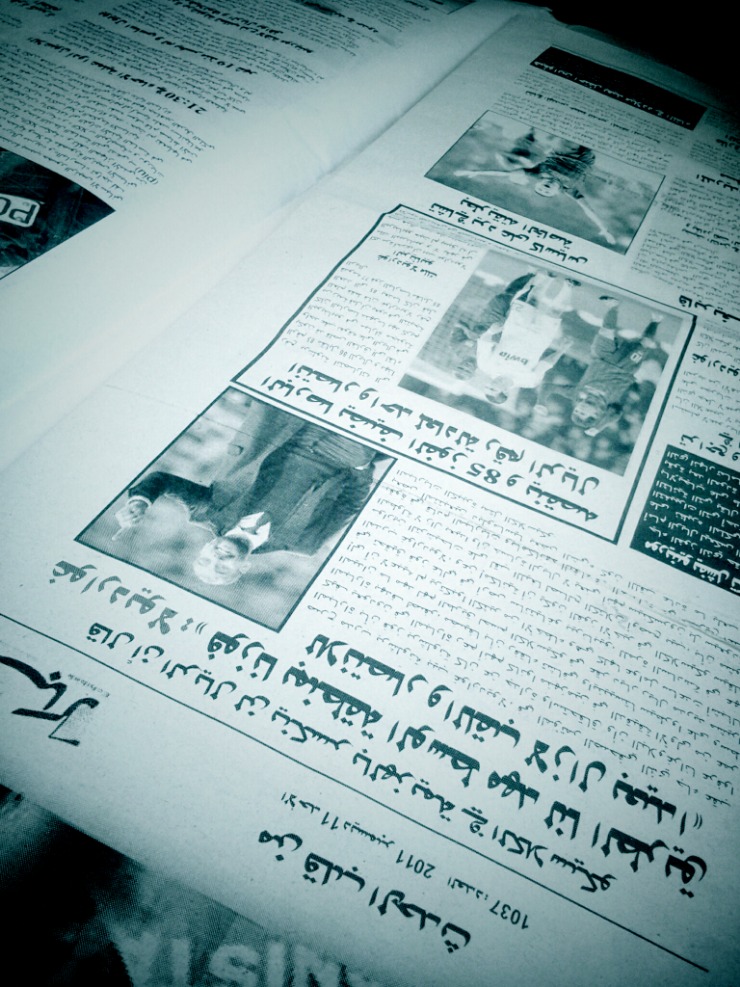
Coverage of Social and Political Issues
Newspapers in Algeria play a significant role in shaping public opinion and reflecting societal values. They serve as a primary source of information on social and political issues, offering diverse perspectives that inform citizens and stimulate public debate. Through their coverage, Algerian newspapers help foster awareness about government policies, social injustices, and community concerns, influencing the political landscape and societal development.
The coverage of social issues by Algerian newspapers often highlights topics such as education, healthcare, unemployment, and gender equality, bringing these matters into public discourse. This visibility can lead to increased social awareness, policy changes, and activism among the population. Similarly, political reporting provides insights into government actions, election processes, and opposition movements, contributing to a more informed and engaged citizenry.
However, the degree of press freedom varies over time, impacting the extent and nature of coverage. Under restrictive conditions, newspapers might face censorship or self-censorship, limiting critical discussions. Despite these challenges, Algerian newspapers continue to serve as vital platforms for social critique, political engagement, and the promotion of democratic values within society.
Role in Democratic Processes
Newspapers in Algeria have played a crucial role in shaping public opinion and influencing societal development. They serve as vital channels for disseminating information, raising awareness on social issues, and fostering community dialogue. Through their coverage, they contribute to the cultural and political awakening of the Algerian society, encouraging citizens to participate actively in civic life.
In terms of democratic processes, Algerian newspapers act as watchdogs, holding government officials accountable and highlighting cases of corruption or misconduct. They facilitate political pluralism by providing diverse perspectives and enabling a free exchange of ideas, which are fundamental to a healthy democracy. Moreover, newspapers have historically supported the democratization of Algeria by promoting transparency, informing voters, and advocating for civil rights and freedoms.
Challenges and Future Trends
As Algeria’s media landscape continues to evolve, newspapers face a variety of challenges and opportunities in the digital age. Balancing traditional journalism practices with emerging technologies, these publications must navigate issues related to press freedom, financial sustainability, and audience engagement. Exploring future trends in this context reveals a shift towards digital platforms, multimedia content, and innovative ways to reach Algerian readers while maintaining journalistic integrity.
Financial Sustainability
Financial sustainability in Algerian newspapers faces significant challenges due to declining advertising revenue, limited access to diversified income streams, and economic fluctuations impacting advertising budgets. As traditional print circulation declines, newspapers are forced to explore digital platforms, which require considerable investment and may not yet generate sufficient revenue. Additionally, dependence on government subsidies can hinder independent journalism and sustainable financial practices.
Looking ahead, future trends likely include increased digital transformation, such as the adoption of online subscription models, paywalls, and innovative monetization strategies like sponsored content and events. There is also potential for leveraging social media to expand reach and engagement, helping newspapers diversify income sources. Developing sustainable revenue models that balance profitability with journalistic independence will be crucial for Algerian newspapers to thrive in the evolving media landscape.
Transition to Digital Platforms
The transition of Algerian newspapers to digital platforms presents both significant opportunities and notable challenges. As more readers access news online, traditional print media faces declining circulation, requiring adaptation to maintain relevance. Key challenges include infrastructure limitations, digital literacy gaps, and financial sustainability in the digital era. Additionally, issues such as online censorship, misinformation, and the need for regulatory framework adjustments complicate the shift. Despite these hurdles, the move towards digital platforms offers the potential for broader reach, real-time updates, and interactive content, which can attract younger audiences and foster increased engagement.
Future trends in this landscape are likely to involve the integration of multimedia content, including videos, podcasts, and social media collaboration, to enhance user experience. Luxembourging artificial intelligence and data analytics can help newspapers personalize news delivery and optimize content strategies. Moreover, many Algerian outlets are expected to develop subscription models and digital advertising to diversify revenue sources. As digital technology advances, Algerian newspapers will need to continually innovate, address digital security concerns, and develop sustainable digital ecosystems to thrive in an increasingly online world.
Press Freedom and Regulatory Reforms
Algerian newspapers face numerous challenges and are navigating evolving trends related to press freedom and regulatory reforms. The media landscape in Algeria is shaped by governmental policies, societal pressures, and technological advancements, which collectively influence journalistic practices and the extent of media independence. Understanding these dynamics is essential to grasp the future trajectory of news dissemination in the country.
- Political and Regulatory Pressures: The Algerian government maintains significant control over media outlets, resulting in restrictions on editorial independence and press freedom. New regulations often aim to monitor or limit critical reporting, posing challenges for journalists seeking unbiased coverage.
- Digital Transformation and Social Media: The rise of online platforms and social media has altered how news is consumed and shared in Algeria. Newspapers are increasingly adopting digital strategies, but this shift also introduces issues of misinformation and the need for digital literacy.
- Legal Reforms and Censorship: Ongoing legislative changes impact the operational environment of newspapers. While some reforms aim to liberalize media laws, others tend to reinforce censorship mechanisms, affecting journalistic independence and public access to diverse viewpoints.
- Enhancing Press Freedom: Future trends may involve international and domestic advocacy for greater media independence, alongside efforts to protect journalists from harassment. Improvements depend on the government’s willingness to relax restrictions and promote a free press.
- Integrating Technology and Innovation: Algerian newspapers are likely to continue embracing digital platforms, employing multimedia content, and leveraging data journalism to reach broader audiences and adapt to changing consumption habits.
- Regulatory Reforms and Democratic Development: Moving toward more transparent and supportive regulatory frameworks can foster a healthier media environment. Such reforms would aim to balance state interests with journalistic freedoms, promoting accountability and diversified reporting.

0 Comments