

Climate Overview of Tanzania
Tanzania’s climate is characterized by diverse weather patterns influenced by its varied geography, from coastal regions to highland areas. The country experiences a tropical climate with distinct wet and dry seasons, making it a fascinating destination for travelers seeking different experiences throughout the year. Understanding the climate overview is essential for determining the best time to visit and enjoy Tanzania’s stunning landscapes and abundant wildlife.
Equatorial Climate Characteristics
Tanzania experiences a predominantly equatorial climate characterized by high temperatures and humidity throughout the year. The country has two main rainy seasons: the long rains from March to May and the short rains from November to December. These periods are followed by dry seasons, which are generally considered the best times for travel and outdoor activities. The climate varies slightly depending on altitude, with cooler temperatures in the highlands and warmer conditions in the lowland areas. Overall, the equatorial climate provides a lush environment ideal for wildlife viewing and exploring Tanzania’s diverse landscapes.
Variation Across Regions
Tanzania’s climate varies significantly across its regions, making it an important factor to consider when planning a trip. The country experiences a tropical climate with distinct wet and dry seasons, which influence the best times to visit for wildlife viewing, trekking, and beach activities.
- The coastal regions, including Dar es Salaam and Zanzibar, have hot, humid weather year-round, with temperatures often exceeding 30°C. These areas experience a long rainy season from March to May and a short rainy period in November.
- In the inland areas, such as Arusha and Moshi near Mount Kilimanjaro, the climate is generally cooler with more moderate temperatures. The dry season from June to October offers clear skies and pleasant weather, ideal for safari and trekking.
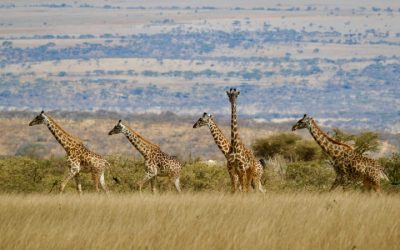
- The Serengeti and Ngorongoro Conservation Area have a distinct dry season from June to October, which is considered the best time for wildlife safaris due to animals congregating around water sources.
- The highland regions, including the Southern Highlands and the area around Lake Victoria, experience moderate temperatures with more rainfall, especially from March to May, which can hinder travel plans.
Impact of Altitude on Climate
Tanzania’s climate varies significantly across different regions, influenced by the country’s diverse topography and altitude. Generally, the climate is characterized by a warm, tropical environment, but altitude plays a crucial role in shaping local weather patterns. Lower coastal areas experience high temperatures and humidity, especially during the hot season from November to March. In contrast, the highland regions, such as the Ngorongoro Crater and Mount Kilimanjaro, have cooler temperatures due to higher elevation. Altitude affects temperature, with higher altitudes experiencing cooler and more temperate climates, making these areas ideal for climbing and wildlife viewing at different times of the year. The impact of altitude on climate means that visitors can experience varied weather conditions, depending on which part of Tanzania they visit.
Dry Season (June to October)
The Dry Season in Tanzania, spanning from June to October, is considered one of the best times to visit the country. During this period, the weather is typically sunny and less humid, creating ideal conditions for wildlife viewing and outdoor activities. The reduced rainfall also means that parks and reserves are more accessible, making it a prime time for safaris and exploring Tanzania’s breathtaking landscapes. This season offers travelers a chance to experience the country’s natural beauty at its peak.
Optimal Time for Safari Activities
The dry season from June to October is considered the best time to visit Tanzania for safari activities. During this period, the weather is typically clear and dry, providing excellent visibility for wildlife viewing. Many animals gather around water sources, making it easier to spot them, and the lush landscapes offer stunning scenery for photography. Additionally, this time of year coincides with the great migration in the Serengeti, when millions of wildebeest and other migrating animals cross the plains, offering an extraordinary spectacle for visitors. Overall, the dry season provides optimal conditions for safaris, game drives, and exploring Tanzania’s rich wildlife and natural beauty.
Best Months for Wildlife Viewing
The dry season in Tanzania, spanning from June to October, is considered the best time to visit for wildlife enthusiasts. During these months, the vegetation thins out, making it easier to spot animals as they gather around water sources. The clear, dry weather also provides excellent visibility for safaris and game drives. This period coincides with the migration season for many animals, including wildebeests and zebras, especially in the Serengeti, offering spectacular wildlife viewing opportunities. Additionally, the cooler temperatures make outdoor activities more comfortable, enhancing the overall safari experience.
Advantages of Visiting During the Dry Season
Visiting Tanzania during the dry season, from June to October, offers numerous advantages for travelers. This period is ideal for exploring the country’s stunning landscapes and abundant wildlife since the vegetation is less dense, making animals easier to spot. Also, the dry weather ensures fewer rain interruptions, allowing for more comfortable safaris and outdoor activities. Additionally, this timeframe aligns with the peak of the Great Migration, providing spectacular opportunities to witness wildlife movements in Serengeti National Park. The clear skies and mild temperatures further enhance the overall safari experience, making it the best time to visit Tanzania for nature enthusiasts and adventure seekers.
Wet Season (November to May)
The wet season in Tanzania, from November to May, is characterized by frequent rains and high humidity. During this period, the landscape becomes lush and vibrant, making it a stunning time for those who enjoy green scenery and fewer tourists. However, travelers should be prepared for occasional showers that can impact outdoor activities and travel plans. Despite the rain, this season offers unique opportunities to experience Tanzania’s wildlife and scenery in a different, more tranquil light.
Effects of the Rainy Season on Travel
The wet season in Tanzania, from November to May, significantly influences travel plans and experiences. During this period, heavy rains can affect transportation, outdoor activities, and sightseeing opportunities, making it an important factor to consider when planning a trip.
- Flooded roads and muddy terrains can lead to transportation disruptions, causing delays or difficulties in reaching certain destinations.
- Many wildlife parks may see fewer animals, as some species migrate to dryer areas, which can impact wildlife viewing experiences.
- Through the rainy season, many attractions remain lush and vibrant, offering a different but equally beautiful perspective of the landscape.
- Travelers should be prepared for unpredictable weather, including heavy rains and thunderstorms, which may limit outdoor excursions.
- Accommodations and tours often offer lower rates during this off-peak season, providing opportunities for budget-friendly travel.
Overall, while the rainy season may pose some challenges, it also offers unique advantages such as fewer crowds and a vivid, green environment, making it a suitable time for travelers seeking a different perspective of Tanzania.
Birdwatching and Green Landscapes
The wet season in Tanzania, spanning from November to May, transforms the landscape into a lush, vibrant paradise, making it an excellent time for birdwatching and enjoying green landscapes. During these months, the countryside is teeming with migratory birds and endemic species, providing bird enthusiasts with abundant sightings and unique opportunities to observe diverse avian life. The rainfall invigorates the scenery, creating lush, green plains and watering holes that attract a myriad of wildlife, enhancing the overall experience for visitors. While some roads may be more challenging to traverse, the rejuvenated ecosystems and birdlife make this period one of the best times to visit Tanzania for nature lovers seeking a rich, immersive experience in its vibrant wilderness.
Travel Considerations During Rainfall
The Wet Season in Tanzania, from November to May, brings frequent rains that can impact travel plans. During this period, weather conditions are unpredictable, with heavy showers often occurring in the afternoon or evening. Travelers should be prepared for muddy roads and challenging driving conditions, especially in rural areas and national parks. While some wildlife viewing opportunities may be limited due to rain, this season is ideal for birdwatching and seeing lush landscapes bloom. It is also a less crowded time to visit, which can enhance your experience and offer better deals on accommodations. However, it is essential to carry appropriate rain gear, waterproof clothing, and be flexible with your itinerary to make the most of your trip during Tanzania’s wet season.
Great Migration Periods
The Great Migration Periods, occurring primarily between July and October, are a spectacular natural display of wildlife movement in East Africa. During this time, millions of wildebeest, zebras, and other animals traverse the Serengeti and Maasai Mara in search of fresh grazing lands. This event attracts travelers from around the world, eager to witness one of the most dramatic and awe-inspiring migrations on the planet. When planning a trip to Tanzania, timing your visit to coincide with these migrations can greatly enhance your safari experience.
Timing of the Migration in Serengeti
The Great Migration in the Serengeti is one of the most spectacular natural phenomena, attracting travelers from around the world. Understanding the timing of this migration is essential for planning the best time to visit Tanzania to witness this incredible event.
- The migration is a continuous journey, but it mainly occurs between June and October when the herds move through the Serengeti National Park and Maasai Mara for calving and grazing.
- From December to March, the herds typically move northwards towards the Maasai Mara in Kenya, offering different wildlife viewing opportunities.
- Between April and June, the animals usually migrate back south to the southern Serengeti and Ngorongoro Crater, where they give birth and graze during the wet season.
- The best time to visit Tanzania for the Great Migration is generally from June to October, when the dramatic river crossings and large herds provide exceptional viewing experiences.
Best Months to Witness the Migration
The Great Migration in Tanzania is one of the most spectacular natural events, drawing visitors from around the world. To witness this awe-inspiring phenomenon, the best months are typically from July to October. During this period, thousands of wildebeests, zebras, and other herbivores migrate in search of fresh grazing lands, crossing the Mara River and moving across the Serengeti plains. Visiting during these months offers the most dramatic and memorable viewing opportunities, as the herds are at their peak movement. Planning your trip within this timeframe ensures you experience the full intensity and beauty of the migration, making it an unforgettable adventure in Tanzania.
Tourist Crowds and Accommodation Availability
The Great Migration Periods in Tanzania are among the most spectacular wildlife events in the world, attracting many visitors eager to witness the vast herds of wildebeests and zebras crossing the plains. During these peak migration times, usually from July to October, tourist crowds tend to increase significantly, especially in popular safari destinations like Serengeti National Park and Ngorongoro Crater. It is advisable to book accommodations well in advance during these months to secure availability, as lodges and camps fill quickly. Off-peak times, such as the rainy season from March to June, offer fewer tourists and often better deals on accommodations, although some remote areas may be harder to access. Ultimately, the best time to visit Tanzania depends on whether one wishes to experience the migration spectacle or prefer a quieter, more budget-friendly safari experience.
Best Time for Specific Activities
Choosing the best time to visit Tanzania depends on the specific activities you want to enjoy. Whether it’s wildlife safaris, witnessing the Great Migration, or relaxing on pristine beaches, timing plays a crucial role in experiencing these activities at their peak. Understanding the seasonal patterns helps travelers plan their trips to maximize their adventure and enjoyment in this diverse and beautiful country.
Wildlife Safaris
The best time to go for wildlife safaris in Tanzania largely depends on the kind of experience you seek. Generally, the dry season from June to October is considered ideal, as animals tend to gather around water sources making them easier to spot. This period also overlaps with the wildebeest migration, particularly in the Serengeti, creating spectacular wildlife viewing opportunities. Spring and early summer months, such as December to March, offer lush scenery and baby animals, providing excellent photographic chances. However, during the wet season from November to May, the parks are less crowded and the landscapes are vibrant, but some access points may be restricted, and animal visibility can be lower. Ultimately, the dry months offer the most predictable wildlife sightings, making them the best time for safaris in Tanzania.
Climbing Mount Kilimanjaro
The best time to climb Mount Kilimanjaro in Tanzania is during the dry seasons, which are from January to March and from June to October. These months generally offer clear skies, minimal rainfall, and more stable weather conditions, making it safer and more enjoyable for climbers. The shorter rainy seasons, from April to May and November, can bring challenging weather, muddy trails, and increased difficulty. Planning your ascent during the dry months ensures better visibility and optimal conditions for reaching the summit successfully.
Beach Holidays in Zanzibar
The best time to visit Zanzibar for beach holidays is during the dry season, which typically runs from June to October. During these months, the weather is sunny, with lower humidity and less rainfall, making it ideal for relaxing on the beach, swimming, and water sports. The sea is calm and perfect for snorkeling and diving, allowing visitors to enjoy the vibrant marine life. The shoulder months of April and May see more rain, but these can still be suitable for travelers looking for fewer crowds. The short rainy season, from November to December, also offers fewer tourists and lush scenery, though some activities may be limited by the weather. Overall, the peak season from June to October provides the best conditions for beach holidays in Zanzibar, ensuring a truly memorable experience.
Regional Variations in Optimal Visiting Times
Understanding regional variations in optimal visiting times is essential when planning a trip to Tanzania. Different areas experience unique climatic conditions and seasonal patterns that influence the best times to visit. By considering these variations, travelers can maximize their experience, whether exploring the Serengeti, climbing Mount Kilimanjaro, or visiting the Ngorongoro Crater. This article offers insights into the best times to visit different regions of Tanzania for an unforgettable adventure.
Serengeti and Northern Parks
Regional variations in optimal visiting times significantly influence the best period to visit Tanzania, especially when considering the Serengeti and northern parks such as Ngorongoro Crater and Lake Manyara. The Serengeti experiences its dry season from June to October, making it ideal for game viewing as animals converge around water sources and migratory patterns become more predictable. In contrast, the northern parks, particularly the Ngorongoro Crater, are prime during the dry months from June to October, when wildlife hotspots are easier to spot due to sparse vegetation and limited water sources. However, the wet season from November to May across these regions brings lush landscapes and vibrant birdlife, which appeal to travelers interested in photography and birdwatching. Therefore, selecting the best time to visit Tanzania depends on the specific region and the wildlife experiences sought, with the dry months generally offering superior game viewing conditions in both the Serengeti and northern parks.
Ngorongoro Crater
The best time to visit Ngorongoro Crater largely depends on regional variations in climate and wildlife activity, making it important for travelers to consider these factors when planning their trip.
- Dry Season (June to October): This is typically considered the best time to visit Ngorongoro Crater as wildlife congregates around water sources, making game viewing easier. The weather is generally clear and cool, providing excellent visibility.
- Wet Season (November to May): During these months, the crater experiences increased rainfall, which can lead to muddy roads and limited visibility. However, this period often features lush landscapes and fewer tourists. Birdwatching is also exceptional during the wet season.
- Short Dry Season (December to February): Warm and relatively dry, this period offers good wildlife viewing opportunities with less rain, although some animals may migrate to other areas.
- Long Wet Season (March to May): Heavy rains prevail, and access can be challenging. It is generally not recommended for wildlife viewing but can be suitable for photography enthusiasts willing to brave the conditions.
Understanding these regional variations helps travelers choose the optimal time to visit Ngorongoro Crater, ensuring a memorable safari experience in Tanzania.
Zanzibar and Coastal Regions
Regional variations in optimal visiting times in Tanzania, particularly between Zanzibar and the coastal regions, are influenced by climate patterns and local weather conditions. Zanzibar, situated offshore, experiences a humid tropical climate with distinct rainy and dry seasons. The ideal time to visit Zanzibar is during the dry seasons, from June to October and from late December to February, when the weather is sunny, rainfall is minimal, and sea conditions are excellent for snorkeling and diving. In contrast, the coastal regions on the mainland, such as Dar es Salaam and the southern coast, generally share similar climatic patterns but may experience slightly different weather conditions. The coastal regions also attract visitors during the dry months, although the period from July to October is particularly favorable. Travelers should consider these regional differences when planning their trips to enjoy optimal weather and outdoor activities throughout Tanzania.



0 Comments