
Geographical Overview of Ngorongoro Conservation Area
The Ngorongoro Conservation Area is a remarkable UNESCO World Heritage site located in northern Tanzania. Renowned for its stunning natural beauty and diverse ecosystems, it covers approximately 8,300 square kilometers and encompasses the famous Ngorongoro Crater, one of the world’s largest intact volcanic calderas. This area serves as a vital habitat for a wide variety of wildlife, including the Big Five, and plays a crucial role in conservation and sustainable tourism in Tanzania.
Location and Size
The Ngorongoro Conservation Area is a renowned protected region located in northern Tanzania, known for its diverse ecosystems and rich wildlife. It spans an impressive area of approximately 8,300 square kilometers, encompassing a variety of landscapes including savannahs, woodlands, and the famous volcanic Ngorongoro Crater. Situated in the Arusha Region, near the Serengeti National Park, the conservation area offers a unique blend of natural beauty and cultural heritage, serving as a vital habitat for numerous animal species and the Maasai communities. Its strategic location and expansive size make it a significant site for conservation, tourism, and research efforts in Tanzania.
Topography and Landscape Features
The Ngorongoro Conservation Area, located in northern Tanzania, is renowned for its unique geographical features and diverse landscape. This expansive area encompasses a vast volcanic caldera, the Ngorongoro Crater, which is one of the largest unbroken calderas in the world. The terrain surrounding the crater varies from lush grasslands and acacia forests to highland plains and rolling hills, creating a spectacular mosaic of ecosystems. The elevation in the area ranges from approximately 1,600 meters (5,250 feet) at the crater floor to over 3,200 meters (10,500 feet) at the rim, contributing to the area’s distinct climatic zones. The landscape is characterized by rugged volcanic hills, deep volcanic craters, and expansive plains that support a wide array of wildlife and plant species. These topographical features not only shape the ecological diversity but also make the Ngorongoro Conservation Area a vital conservation site and a popular destination for nature enthusiasts and tourists alike.
Climate and Weather Patterns
The Ngorongoro Conservation Area, located in northern Tanzania, is a UNESCO World Heritage Site renowned for its diverse geographical features and rich wildlife. It encompasses the majestic Ngorongoro Crater, often referred to as the “Eighth Wonder of the World,” along with expansive savannahs, forests, and highland plains. The area’s unique landscape supports a wide variety of flora and fauna, making it a critical conservation zone.
The region’s elevation varies from around 1,800 meters (5,900 feet) in the crater floor to over 3,200 meters (10,500 feet) at the highland areas, creating diverse ecological zones. These terrains include volcanic hills, lush woodlands, and open grasslands that sustain large herds of elephants, lions, rhinoceroses, and numerous bird species. The area’s topography significantly influences local climate patterns and animal migration routes, contributing to its ecological richness.
The climate in the Ngorongoro Conservation Area is generally temperate, with distinct wet and dry seasons. The rainy season occurs from November to May, bringing periodic heavy showers that help sustain the lush vegetation and water sources. The dry season spans from June to October, characterized by cooler temperatures and less rainfall, which is ideal for wildlife viewing. The weather can vary considerably with altitude, with cooler temperatures at higher elevations and warmer conditions in the crater and lowlands.
Ecology and Wildlife
The Ngorongoro Conservation Area in Tanzania is a remarkable sanctuary that showcases the incredible diversity of ecology and wildlife. This unique landscape is home to a wide range of ecosystems, from lush grasslands to dense forests, supporting an incredible variety of animal species. Protecting this rich natural heritage is essential for maintaining the delicate balance of life in the area and ensuring that future generations can continue to enjoy its extraordinary wildlife and pristine environment.
Flora and Vegetation Types
The Ngorongoro Conservation Area in Tanzania is a renowned habitat teeming with diverse flora and wildlife, making it a vital ecological reserve. The area features a variety of vegetation types, including grasslands, woodlands, and forests, each supporting different species of flora and fauna. The lush grasslands attract large herbivores such as wildebeest, zebras, and gazelles, providing essential grazing grounds. Woodlands dominated by acacia and zaj trees serve as habitats for elephants, lions, and other predators. Additionally, the forested areas harbor numerous bird species and smaller mammals, contributing to the area’s rich biodiversity. The conservation efforts aim to preserve this unique ecological balance, ensuring the survival of its diverse ecosystems for future generations.
Major Animal Species and Populations
The Ngorongoro Conservation Area in Tanzania is a UNESCO World Heritage Site renowned for its rich biodiversity and diverse wildlife populations. The area provides a critical habitat for numerous species, supporting a vibrant ecosystem that attracts ecologists and tourists alike.
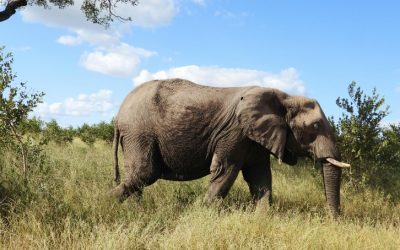
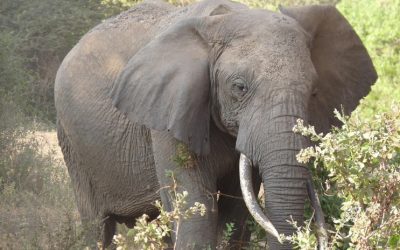
- African Elephant: One of the most iconic species in the area, these gentle giants roam the plains and forested regions, playing a crucial role in shaping their environment.
- Black Rhinoceros: A critically endangered species, efforts within the conservation area aim to protect and increase their populations.
- Wildebeests and Zebras: Massive herds migrate across the plains seasonally, supporting predator populations and maintaining ecological balance.
- Lions, Leopards, and Cheetahs: The predators form an essential part of the food chain, with lion prides being a significant attraction for wildlife viewing.
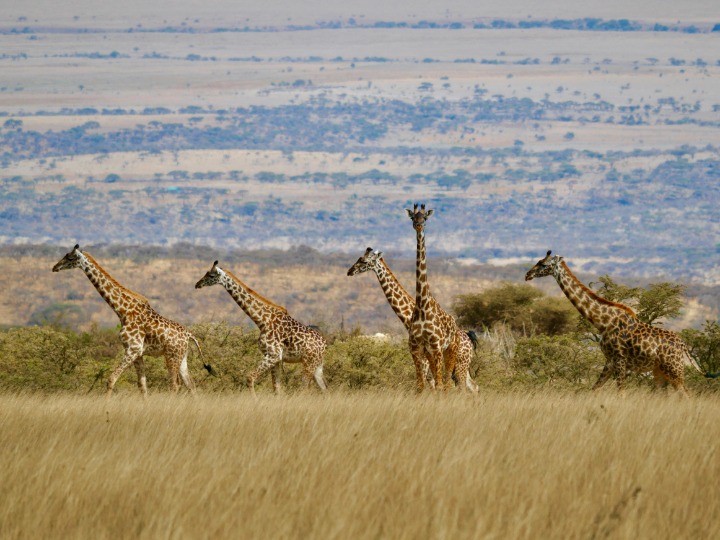
- Giraffes: Frequently seen browsing acacia trees, giraffes contribute to the unique savannah landscape of Ngorongoro.
- Hippos and Crocodiles: Found in the lakes and water bodies, these aquatic species are vital for maintaining the health of the area’s aquatic ecosystems.
- The conservation efforts in Ngorongoro focus on protecting these major species and maintaining natural populations.
- The area supports a diverse range of bird species, including flamingos and ostriches, which add to its ecological richness.
- Overall, the Ngorongoro Conservation Area encompasses a wide array of flora and fauna that exemplify East Africa’s ecological diversity.
Migration and Breeding Patterns
The Ngorongoro Conservation Area in Tanzania is a vital sanctuary for diverse wildlife and plays a crucial role in the region’s ecology. It supports a wide range of species, including the famous African elephants, lions, rhinoceroses, and various antelope species, thriving within the unique environment of the crater and surrounding plains. The area’s ecological balance is maintained through careful conservation efforts aimed at protecting these species and their habitats.
Many animals in the Ngorongoro Conservation Area exhibit distinct migration and breeding patterns that are essential for their survival. Some species, such as wildebeests and zebras, undertake seasonal migrations, moving to higher altitudes or different regions in response to rainfall and food availability. Predators follow these migrations, maintaining the natural predator-prey dynamics in the area.
Breeding patterns among wildlife, including lions, elephants, and flamingos, are influenced by environmental conditions and resource availability. For instance, flamingos flock to the soda lakes within the conservation area during breeding seasons, using the alkaline water for nesting. The periodic movements and reproductive cycles of these animals are closely tied to the ecological health of the region, highlighting the importance of ongoing conservation efforts in the Ngorongoro Conservation Area.
Endangered and Rare Species
The Ngorongoro Conservation Area in Tanzania is a vital sanctuary for a diverse array of ecology and wildlife, including many endangered and rare species. This protected area encompasses the famous Ngorongoro Crater, which serves as a natural habitat for thousands of animals, providing them with a safe environment to thrive. Among the noteworthy species are the critically endangered black rhinoceros and the rare belligerent wild dog, both of which face significant threats due to poaching and habitat loss. The area also hosts important populations of big cats such as lions and leopards, as well as herbivores like elephants, buffalo, and zebra. Conservation efforts in Ngorongoro aim to balance human activities and wildlife preservation, ensuring the survival of these fragile species amid increasing ecological challenges. Protecting these endangered and rare species is crucial for maintaining the ecological health and biodiversity of the region, contributing to global conservation goals. The unique ecosystems of Ngorongoro not only support a rich variety of wildlife but also serve as a symbol of the importance of preserving such critical habitats for future generations.
Ngorongoro Crater
The Ngorongoro Crater is one of Tanzania’s most remarkable natural wonders, renowned for its breathtaking landscapes and abundant wildlife. Located within the Ngorongoro Conservation Area, this volcanic caldera serves as a vital sanctuary for a diverse range of animals and offers visitors an unforgettable safari experience. As a UNESCO World Heritage Site, the crater plays a crucial role in conservation and ecotourism in the region.
Formation and Geology
The Ngorongoro Crater, located within the Ngorongoro Conservation Area in Tanzania, is a remarkable geological feature formed through volcanic activity. Its unique formation and geology make it one of the most famous natural wonderlands in Africa.
- Ngorongoro Crater is a caldera that resulted from a giant volcanic eruption millions of years ago, when the volcano’s cone collapsed inward after lava and ash erupted, creating a large, bowl-shaped depression.
- The caldera measures approximately 19.2 kilometers in diameter and covers about 260 square kilometers, forming a natural amphitheater with steep walls that rise up to 600 meters above the crater floor.
- Throughout its geological history, the volcanic activity that formed Ngorongoro has also contributed to the richness of the soils and the diverse landscape within the crater, supporting abundant wildlife and vegetation.
- The crater’s floor is composed of volcanic sediments, making the soil highly fertile and suitable for various plant species that sustain a wide range of animals.
- The geology of the area continues to influence its ecology and climate, with the volcanic rocks and soils playing a vital role in shaping the unique environment of the Ngorongoro Conservation Area.
Significance as a UNESCO World Heritage Site
The Ngorongoro Crater, located within the Ngorongoro Conservation Area in Tanzania, is a renowned UNESCO World Heritage Site celebrated for its exceptional natural beauty and rich biodiversity. As one of the world’s largest intact volcanic calderas, it provides a unique sanctuary for a diverse array of wildlife, including the Big Five and numerous bird species. The site is of great ecological and archaeological significance, offering valuable insights into the region’s prehistoric past and ongoing conservation efforts. Its stunning landscapes and vibrant ecosystems make it a vital area for both scientific research and sustainable tourism, highlighting the importance of preserving this natural wonder for future generations.
Wildlife Concentration and Biodiversity
The Ngorongoro Crater is renowned for its extraordinary concentration of wildlife and rich biodiversity, making it one of the most remarkable conservation areas in Tanzania. This volcanic caldera provides a unique habitat that supports a diverse range of species, including large mammals, birds, and reptiles. The depression’s abundant resources, such as water and lush vegetation, attract vast numbers of animals year-round.
Within the crater, wildlife density is exceptionally high, with resident populations of elephants, lions, leopards, rhinoceroses, wildebeests, zebras, and various antelope species cohabiting in a relatively confined area. This concentration of animals creates impressive natural spectacles and opportunities for wildlife viewing and research. Moreover, the biodiversity within the Ngorongoro Conservation Area is vital for ecological balance, supporting various predator-prey relationships and promoting genetic diversity among species.
Overall, the Ngorongoro Crater is a prime example of effective conservation, maintaining a thriving ecosystem that continues to attract tourists, researchers, and conservationists worldwide. Its remarkable wildlife concentration and biodiversity underscore the importance of protected areas in preserving our planet’s natural heritage.
Conservation and Management
The Ngorongoro Conservation Area in Tanzania stands as a premier example of effective conservation and management efforts aimed at preserving one of Africa’s most diverse ecosystems. This UNESCO World Heritage Site is renowned for its rich wildlife, stunning landscapes, and cultural significance. Proper conservation and management practices are essential to sustain the area’s remarkable biodiversity while supporting local communities and promoting eco-tourism.
Governing Bodies and Policies
The Tanzania Ngorongoro Conservation Area is a UNESCO World Heritage Site renowned for its rich biodiversity and unique ecological significance. Conservation and management efforts within the area aim to balance the protection of wildlife and natural habitats with the sustainable livelihood of local Maasai communities. Governing bodies, including the Ngorongoro Conservation Area Authority (NCAA), oversee its policies, enforce regulations, and coordinate conservation strategies. These policies emphasize habitat preservation, poaching prevention, and promoting eco-tourism as a means to generate revenue while ensuring the area’s ecological integrity. Community involvement plays a vital role in management plans, fostering collaboration between authorities and local residents to achieve long-term conservation goals. Overall, the structured governance and well-formulated policies are crucial for maintaining the Ngorongoro’s status as a vital conservation site and a symbol of Tanzania’s natural heritage.
Community Involvement and Sustainable Practices
The Ngorongoro Conservation Area in Tanzania is a UNESCO World Heritage site that highlights the importance of conserving natural landscapes while promoting community involvement and sustainable practices. Ensuring the protection of its unique ecosystems and wildlife requires a balanced approach that includes the active participation of local communities and adherence to sustainable management strategies.
- Community involvement is essential for the long-term success of conservation efforts in the Ngorongoro Conservation Area. Local Maasai communities are encouraged to participate in decision-making processes and benefit-sharing initiatives, ensuring they have a stake in protecting their environment.
- Sustainable practices such as eco-tourism are promoted to generate income while minimizing environmental impact. Visitors are supported to engage in responsible tourism that respects local culture and conserves wildlife habitats.
- Conservation initiatives include anti-poaching measures, habitat restoration, and sustainable resource use policies. These efforts help maintain biodiversity and ensure the area’s ecological integrity for future generations.
- Educational programs and community outreach foster awareness about the importance of conservation and sustainable living, empowering local residents to become stewards of the land.
- Collaborations between government agencies, non-governmental organizations, and local communities are crucial to implement effective management strategies and address challenges such as land use conflicts and climate change impacts.
Challenges in Conservation Efforts
The Ngorongoro Conservation Area in Tanzania is a vital region for both wildlife preservation and local communities. Conservation efforts here aim to protect diverse species, including the rare black rhinoceros and elephants, while also supporting sustainable tourism and pastoral livelihoods. However, these efforts face numerous challenges that threaten the area’s ecological integrity and community well-being.
One significant challenge is human-wildlife conflict, as increasing human populations and farming activities encroach upon wildlife habitats. This leads to clashes that can result in animal injuries or fatalities and harm to local communities. Additionally, poaching remains a persistent threat, driven by the high demand for ivory and animal parts, which undermines conservation achievements.
Climate change also poses a severe challenge, impacting rainfall patterns and water availability, which affect both ecosystems and farming practices. Overgrazing and resource extraction further degrade the land, reducing the sustainability of the area’s natural habitats. Balancing the needs of conservation with the economic aspirations of local communities requires careful management strategies and effective enforcement of conservation policies.
Furthermore, limited funding and resources hamper ongoing conservation initiatives, making it difficult to implement comprehensive protection programs. Efforts to educate and involve local communities in conservation are crucial to ensuring the long-term success of preserving the Ngorongoro area’s unique biodiversity and cultural heritage.
Tourism in Ngorongoro Conservation Area
The Ngorongoro Conservation Area in Tanzania is one of Africa’s most remarkable wildlife destinations, renowned for its stunning landscapes and rich biodiversity. This UNESCO World Heritage site offers visitors a unique opportunity to witness abundant wildlife, including elephants, lions, and rhinoceroses, in their natural habitat amid breathtaking volcanic craters and lush plains. Tourism in Ngorongoro plays a vital role in promoting conservation efforts while providing visitors with unforgettable safari experiences.
Popular Activities and Attractions
The Ngorongoro Conservation Area in Tanzania is a stunning UNESCO World Heritage Site renowned for its exceptional wildlife, breathtaking landscapes, and rich cultural heritage. It serves as a major destination for travelers seeking a unique safari experience amidst diverse ecosystems.
Tourism in the Ngorongoro Conservation Area offers visitors the chance to explore one of the world’s largest volcanic calderas, which is teeming with wildlife including lions, elephants, rhinoceroses, and wildebeests. The area is also home to numerous bird species, making it a paradise for birdwatchers. Visitors can enjoy game drives, guided safaris, and nature walks that reveal the incredible biodiversity of the region.
Popular activities in the Ngorongoro Conservation Area include game viewing in the crater, which often provides opportunities to observe predators and prey in their natural habitat. Visitors also partake in cultural tours to learn about the Maasai people who coexist with the wildlife in the region. Other attractions include viewing the stunning landscapes from viewpoints, exploring Olduvai Gorge, and camping in scenic campgrounds that allow a closer connection to nature. The area combines adventure, culture, and natural beauty, making it a must-visit destination in Tanzania.
Tourist Infrastructure and Facilities
The Ngorongoro Conservation Area in Tanzania is a renowned destination that attracts numerous tourists each year, drawn by its stunning landscapes and rich wildlife. The area offers a unique opportunity to witness a diverse range of animals, including the Big Five, in their natural habitat within the crater and surrounding plains. To support visitors, the conservation area has developed comprehensive tourist infrastructure and facilities. There are well-maintained lodges, tented camps, and campsites that provide comfortable accommodation amid the wilderness. Additionally, visitors can find visitor centers, guided safari tours, and transport services that facilitate exploration and enhance the overall experience. Efforts to preserve the environment are balanced with the need to offer quality services, making the Ngorongoro Conservation Area a sustainable tourism destination that promotes eco-friendly travel and educates tourists about conservation initiatives.
Impact of Tourism on the Ecosystem
The Ngorongoro Conservation Area in Tanzania is renowned for its stunning landscapes and diverse wildlife, attracting numerous tourists each year. Tourism plays a significant role in the local economy by providing income and employment opportunities for the surrounding communities. However, increased human activity can also pose challenges to the delicate ecosystem of the area. Overcrowding can lead to habitat disturbance, pollution, and strain on natural resources, which may negatively impact wildlife populations and plant life. Efforts are therefore essential to balance tourism development with environmental conservation, ensuring that the unique ecological and cultural value of the Ngorongoro Conservation Area is preserved for future generations.
Cultural Significance and Local Communities
The Ngorongoro Conservation Area in Tanzania is a UNESCO World Heritage Site renowned for its rich cultural heritage and vibrant local communities. This region is not only a haven for diverse wildlife but also a vital cultural landscape where indigenous traditions and modern practices coexist. The connection between the land and its communities plays a crucial role in preserving both the natural environment and the unique cultural identity of the Maasai and other local peoples.
Maasai People and Their Traditions
The Maasai people hold a vital cultural significance within the Ngorongoro Conservation Area in Tanzania. Their unique traditions and way of life are deeply intertwined with the landscape, making them an essential part of the region’s identity. The Maasai are known for their distinct customs, attire, and social structures, which have been preserved for generations despite modern influences.
- Traditional Maasai rituals and ceremonies, such as Eunoto (a rite of passage for warriors), highlight their cultural heritage.
- Dress plays a prominent role, with shúkà (cloaks), beaded jewelry, and elaborate hairstyles symbolizing social status and age groups.
- Livestock herding remains central to their economy and cultural practices, emphasizing their close relationship with the land.
- English and Maa languages are spoken, preserving linguistic traditions alongside storytelling, dance, and song as means of maintaining cultural knowledge.
- The Maasai actively participate in conservation efforts, blending their traditional practices with modern conservation initiatives to protect the area’s biodiversity.
Interactions Between Wildlife and Local Communities
The Ngorongoro Conservation Area in Tanzania holds profound cultural significance for the Maasai people, who have coexisted with the wildlife for generations. This area serves not only as a vital habitat for diverse species but also as a sacred land where Maasai traditions and customs are deeply rooted. The relationship between local communities and wildlife is characterized by a delicate balance of coexistence and mutual respect, fostering a sustainable environment for both humans and animals.
Interactions between wildlife and local communities in Ngorongoro are often centered around pastoralism, tourism, and conservation efforts. Many Maasai communities actively participate in conservation initiatives, benefiting economically from tourism while maintaining their cultural practices. However, challenges such as human-wildlife conflict, land use changes, and resource competition occasionally threaten this harmonious relationship. Efforts to promote community-based conservation have been instrumental in ensuring that local communities are engaged as stewards of the land, emphasizing the importance of preserving both cultural heritage and biodiversity for future generations.
Community-led Conservation Initiatives
The Ngorongoro Conservation Area in Tanzania holds immense cultural and social significance for local communities, particularly the Maasai people. It serves not only as a protected wilderness area but also as a vital part of their cultural identity, traditions, and livelihood. Community-led conservation initiatives in this region emphasize the active participation of local residents in preserving their environment while sustaining their cultural practices. These initiatives often involve education, resource management, and eco-tourism projects that empower communities to take ownership of conservation efforts. By integrating traditional knowledge with modern conservation methods, local communities help ensure the long-term sustainability of the area, fostering a harmonious relationship between people and nature while promoting cultural heritage preservation.
Research and Scientific Studies
The Ngorongoro Conservation Area in Tanzania is a vital site for research and scientific studies, offering a unique environment for ecological, geological, and anthropological exploration. As a UNESCO World Heritage Site, it provides valuable insights into wildlife conservation, ancient human history, and natural processes. Ongoing studies in this area help to understand the delicate balance between biodiversity preservation and sustainable tourism, contributing to global knowledge about conservation strategies and ecosystem management.
Ongoing Wildlife and Ecosystem Research
The Ngorongoro Conservation Area in Tanzania is a globally significant site for research and scientific studies focused on wildlife and ecosystems. Ongoing research projects aim to understand the complex interactions between diverse species, predator-prey relationships, and habitat dynamics within this unique environment. Scientists are particularly interested in monitoring the effects of climate change on animal migration patterns, vegetation and water resources, and the health of endangered species such as the black rhinoceros and Maasai wildebeest. Long-term ecological research conducted in the area provides valuable insights into conservation strategies, sustainable land use, and the preservation of biodiversity. This continuous scientific effort is vital for informing policies that balance wildlife protection with local community interests, ensuring the ecological integrity of the Ngorongoro Crater and surrounding habitats for generations to come.
Historical Data and Monitoring Projects
The Tanzania Ngorongoro Conservation Area is a vital region for research and scientific studies, offering a diverse ecosystem that attracts numerous investigations into wildlife behavior, conservation strategies, and environmental change. Historical data collected over decades provides valuable insights into species populations, migratory patterns, and the impact of human activity in the area. Monitoring projects are continuously implemented to track ecological health, assess the effectiveness of conservation efforts, and ensure sustainable management of natural resources. These initiatives play a crucial role in informing policy decisions and fostering the preservation of this UNESCO World Heritage Site for future generations.
Research Challenges and Future Directions
The Tanzania Ngorongoro Conservation Area is a renowned UNESCO World Heritage Site that plays a significant role in environmental conservation and biodiversity preservation. Research and scientific studies conducted in this region have provided valuable insights into the unique ecosystems, wildlife behavior, and the impacts of human activities on the environment. These studies have helped inform sustainable management practices and conservation strategies to protect its rich biodiversity.
Despite the progress, research challenges such as limited access to remote areas, lack of continuous long-term data, and the need for interdisciplinary approaches pose obstacles to comprehensive understanding. Additionally, balancing conservation efforts with the livelihoods of local communities remains a complex issue requiring further investigation and innovative solutions. Climate change also presents new challenges, affecting habitats and species distribution, which necessitate ongoing scientific monitoring and adaptive management strategies.
Looking ahead, future research should focus on integrating technological advances like remote sensing, GIS, and citizen science to enhance data collection and analysis. Strengthening collaborations between conservation agencies, scientists, and local communities can facilitate more holistic approaches. Emphasizing longitudinal studies will be crucial for understanding ecological changes over time. Ultimately, fostering sustainable practices that benefit both biodiversity conservation and community development will be key to securing the future of the Ngorongoro Conservation Area.

0 Comments