

Overview of Shilling Tanzania
The Tanzanian Shilling is the official currency of Tanzania, serving as an essential component of the country’s economy. It has a rich history and plays a vital role in everyday transactions, trade, and financial stability within the nation. Understanding the features, denominations, and economic significance of the Shilling provides valuable insights into Tanzania’s monetary system and economic landscape.
Historical Background of the Tanzanian Shilling
The Tanzanian shilling, abbreviated as TZS, is the official currency of Tanzania and plays a crucial role in the country’s economy. It is used in everyday transactions, trade, and financial activities within Tanzania and the surrounding regions.
The historical background of the Tanzanian shilling dates back to the colonial era when the country was under German and later British rule. Initially, the currency used was the German East African rupiah during German colonial administration, followed by the British East African shilling after World War I. In 1966, following Tanzania’s independence, the East African shilling was replaced by the Tanzanian shilling, issued by the Bank of Tanzania. Since its introduction, the shilling has undergone various redesigns and denominations to adapt to economic changes and to enhance security features. The currency continues to evolve, reflecting Tanzania’s growing economy and efforts toward modernization.
Current Status and Functionality
The Tanzanian shilling (TZS) is the official currency of Tanzania, serving as a vital component of the country’s economy. It was introduced in 1966, replacing the East African shilling, and has since undergone various adjustments to meet economic needs. The currency is issued and regulated by the Bank of Tanzania, which ensures the stability and trust in the financial system.
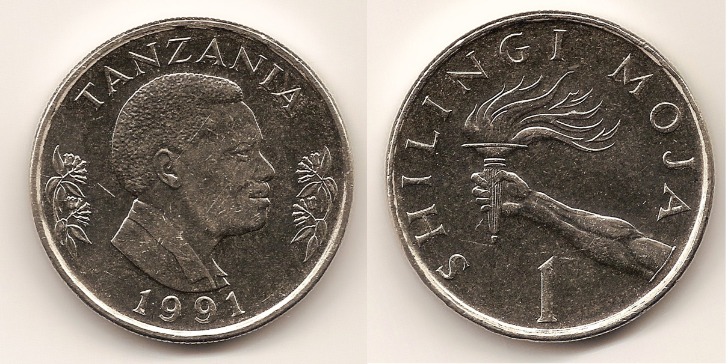
Currently, the Tanzanian shilling functions as the primary medium of exchange within the country, used for everyday transactions, savings, and government expenditures. It exists in both coin and banknote forms, featuring national symbols and notable figures that reflect Tanzania’s history and culture. The shilling is widely accepted across retail outlets, markets, and financial institutions, demonstrating its essential role in facilitating commerce and economic activities.
Key Features and Denominations
The Tanzanian shilling is the official currency of Tanzania, serving as a vital component of the country’s economy. It is widely used in daily transactions, trade, and financial activities throughout the nation.
Key features of the Tanzanian shilling include its denominations, security features, and design elements. The currency is issued by the Bank of Tanzania and features images of national heroes, landmarks, and cultural symbols, reflecting Tanzania’s rich heritage and natural beauty. The banknotes are equipped with security features such as watermarks, security threads, and holograms to prevent counterfeiting.
The denominations of the Tanzanian shilling range from coins to banknotes, with coins typically available in 50, 100, 200, 500, and 1,000 shilling values. Banknotes are issued in denominations of 1,000, 2,000, 5,000, and 10,000 shillings, making it easier to handle both everyday small transactions and larger purchases. The notes are color-coded and feature images that represent the country’s cultural and natural treasures.
Economic Significance
The economic significance of the shilling in Tanzania is vital for the country’s financial stability and development. As the national currency, the Tanzanian shilling plays a crucial role in facilitating transactions, supporting trade, and promoting economic growth. Its value and stability are closely linked to the overall health of Tanzania’s economy, making it an essential element for both policymakers and businesses to monitor and manage.
Role in Tanzania’s Economy
The Tanzanian shilling plays a crucial role in the country’s economy by serving as the primary medium of exchange, facilitating daily transactions and trade activities across various sectors. It helps stabilize the economy by providing a national currency that promotes confidence among consumers and investors. Additionally, the shilling’s value influences inflation rates, interest rates, and the overall economic stability of Tanzania. Its management by the Bank of Tanzania is vital for implementing monetary policies that support economic growth, control inflation, and enhance the country’s financial resilience. As a key instrument in economic planning and development, the Tanzanian shilling underpins both domestic economic activities and international trade relations.
Impact on Domestic and International Trade
The shilling, as the currency of Tanzania, holds significant economic importance both domestically and internationally. Its stability and value influence a wide range of economic activities, affecting trade, investments, and the overall economic health of the country.
- Domestically, a stable shilling encourages consumer confidence and promotes local business growth by reducing inflationary pressures and fostering predictable pricing.
- It facilitates internal trade by providing a reliable medium of exchange, thereby supporting daily transactions and economic stability.
- Internationally, the Tanzanian shilling’s exchange rate impacts the country’s export competitiveness; a weaker shilling may boost exports by making them cheaper on the global market.
- Conversely, fluctuations can affect import costs, influencing inflation rates and the balance of trade.
- The currency’s strength also affects foreign direct investment (FDI), as investors seek stable environments for their capital.
- In summary, the shilling’s economic significance is rooted in its role as a cornerstone of Tanzania’s financial stability and its influence on trade dynamics both within and beyond national borders.
Inflation and Stability
The Tanzanian shilling (TZS) plays a crucial role in the country’s economic stability and growth. Its value influences inflation rates, foreign investment, and overall economic confidence. Maintaining a stable shilling is essential for implementing effective monetary policies and supporting sustainable development.
- Economic Significance: The Tanzanian shilling is the primary medium of transaction within the country, facilitating domestic trade and financial activities. A stable currency encourages investment, boosts exports, and helps in managing public debt effectively.
- Inflation Control: Fluctuations in the shilling’s value impact inflation levels. A depreciating shilling can lead to higher prices for imports, increasing overall inflation, while stability helps in maintaining predictable price levels.
- Stability Factors: Achieving currency stability depends on various factors such as monetary policy, foreign exchange reserves, and external economic conditions. Stable inflation and a resilient shilling foster a favorable environment for economic growth and social development.
Design and Security Features
Design and security features play a crucial role in ensuring the authenticity and integrity of banknotes in Tanzania. These features are carefully crafted to prevent counterfeiting and to maintain public confidence in the currency. By combining innovative design elements with advanced security measures, Tanzanian banknotes offer both aesthetic appeal and robust protection against forgery.
Banknote and Coin Visuals
The design and security features of Tanzanian shilling banknotes and coins are carefully crafted to prevent counterfeiting and ensure authenticity. These features include advanced visual elements and security markers that enhance the currency’s integrity.
- Distinctive color schemes and complex patterns that are difficult to replicate.
- Embedded holograms and watermarks featuring national symbols and faces of prominent figures.
- Microprinting and fine line engravings that require magnification to verify.
- Security threads embedded within banknotes that glow under ultraviolet light.
- Coins bear intricate designs and mint marks to confirm their legitimacy.
- Use of different textures and tactile features to assist the visually impaired in identifying denominations.
- Transparent elements and color-shifting inks on higher denomination banknotes.
Visuals on the Tanzanian shilling incorporate symbols of national pride, including Mount Kilimanjaro, the national flag, and iconic flora and fauna. These images are carefully integrated into the banknotes and coins to reflect the country’s cultural heritage and natural beauty, making counterfeiting more challenging and reinforcing trust in the currency.
Anti-counterfeiting Measures
Shilling Tanzania incorporates advanced design and security features to protect against counterfeiting and ensure authenticity. These measures include holograms, watermarks, and microtext embedded within the currency, which are difficult to replicate. Additionally, the banknotes feature unique serial numbers and distinct color-shifting inks that change color when tilted, providing quick verification methods. The use of UV-visible features further enhances security, allowing for easy detection under ultraviolet light. Such rigorous anti-counterfeiting measures are vital in maintaining trust and stability in Tanzania’s economy.
Commemorative and Special Edition Notes
Shilling Tanzania banknotes incorporate innovative design and security features to ensure authenticity and prevent counterfeiting. These notes often feature vibrant colors, intricate patterns, and detailed imagery that reflect Tanzania’s cultural heritage and natural beauty. Modern security elements such as watermarks, security threads, microprinting, and ultraviolet features are embedded within the banknotes to enhance their security.
Commemorative and special edition Tanzanian shilling notes are issued to celebrate significant national events, anniversaries, or notable personalities. These editions typically feature unique designs, special embossing, and limited circulation, making them highly collectible. They often showcase prominent symbols and imagery pertinent to the event or person commemorated, serving both as a tribute and a means to promote national pride.
Exchange and Conversion
Exchange and conversion play a vital role in understanding the dynamic landscape of currency transactions, especially in countries like Tanzania. As people engage in buying, selling, or transferring money across borders, the ability to navigate currency exchange rates and convert between different monetary units becomes essential. This process influences economic activities, travel, trade, and investment, making it a crucial aspect of financial literacy and international commerce.
Exchange Rates and Market Trends
The Tanzanian shilling (TZS) is the official currency of Tanzania and plays a vital role in the country’s economy. Understanding exchange and conversion processes is essential for individuals and businesses engaging in international transactions involving the shilling. Exchange involves trading one currency for another, often at a specified rate, while conversion refers to calculating the equivalent amount in a different currency. Exchange rates fluctuate due to various economic, political, and market factors. Market trends for the Tanzanian shilling are influenced by factors such as inflation rates, foreign investment, commodity prices, and regional trade. Monitoring these trends helps investors and travelers make informed decisions about currency exchanges and financial planning in Tanzania. Overall, staying aware of the latest exchange rates and market movements ensures better management of Tanzanian shilling dealings in a dynamic global economy.
Convertibility and Currency Markets
Exchange and conversion, along with convertibility and currency markets, play a vital role in the economy of Tanzania, especially concerning the Tanzanian shilling. The exchange rate determines how much foreign currency can be exchanged for the shilling, influencing international trade and investment. Conversion refers to the process of exchanging one currency for another, which is essential for businesses and travelers operating in Tanzania. The concept of convertibility indicates whether the Tanzanian shilling can be freely exchanged for foreign currencies without restrictions; currently, Tanzania maintains limited convertibility, mainly for current account transactions. Currency markets in Tanzania facilitate the buying and selling of the shilling, helping stabilize its value and ensuring liquidity. These markets are influenced by various factors, including monetary policies, foreign investment inflows, and global economic conditions, shaping Tanzania’s economic interactions, particularly in sectors such as tourism, exports, and imports involving the Tanzanian shilling.
Foreign Exchange Reserves
In the context of Tanzania, exchange and conversion refer to the process of trading Tanzanian shillings (TZS) for foreign currencies and vice versa. This activity is essential for international trade, tourism, and foreign investments in Tanzania. The exchange rates fluctuate based on various factors such as economic stability, inflation rates, and global currency markets.
Foreign exchange reserves in Tanzania comprise the country’s holdings of foreign currencies, gold, and other reserve assets maintained by the Bank of Tanzania. These reserves are crucial for stabilizing the shilling, managing currency fluctuations, and ensuring the country can meet its international financial obligations. Adequate reserves help build confidence among investors and maintain economic stability in Tanzania.
Usage and Circulation
Usage and circulation refer to how language is employed and disseminated within a community or context. In the realm of linguistic practices, understanding how words and phrases are used and spread helps illuminate cultural and social dynamics. When examining topics such as shilling Tanzania, it is essential to consider how language influences perceptions and communication related to the currency and economic activities in the region.
Cash Transactions and Digital Payments
Shilling Tanzania, the official currency of Tanzania, plays a vital role in the nation’s economy by facilitating daily transactions and enabling smooth circulation of money throughout the country.
Usage and circulation of the Tanzanian shilling are widespread, with cash transactions remaining common in markets, small businesses, and rural areas where digital infrastructure may be limited.
Cash transactions primarily involve notes and coins, which are easily accessible and trusted by the population for everyday purchases and payments.
In recent years, digital payments have gained popularity in Tanzania, driven by increasing mobile phone penetration and the growth of mobile banking platforms like M-Pesa, Tigo Pesa, and Airtel Money.
This shift toward digital payments offers a convenient and efficient alternative to cash, reducing the need for physical currency and enhancing financial inclusion across urban and rural regions.
Overall, while cash remains dominant in many contexts, digital payment solutions are becoming an integral part of Tanzania’s evolving financial landscape, supporting secure and quick financial transactions nationwide.
Distribution and Banking Infrastructure
Usage and circulation of currency in Tanzania play a vital role in facilitating daily transactions and economic activities across the country. The Tanzanian shilling (TZS) is widely used in both urban and rural areas, ensuring smooth circulation within the local economy. Distribution channels ensure that currency reaches various regions effectively, supported by a network of banks, mobile money services, and retail outlets. The banking infrastructure in Tanzania has expanded significantly, with numerous commercial banks, microfinance institutions, and mobile banking platforms providing accessible financial services to a broad population. These institutions enable efficient currency distribution, cash withdrawals, deposits, and electronic transactions, contributing to the overall stability and growth of Tanzania’s financial system.
Regional and International Usage
Shilling Tanzania, officially known as the Tanzanian Shilling (TZS), is the official currency of Tanzania and plays a vital role in the country’s economy. Its usage is primarily concentrated within Tanzania, where it is used in everyday transactions, business dealings, and government operations. The circulation of the shilling is well-established across urban and rural areas, facilitated by a network of banks, ATMs, and currency exchange facilities.
Internationally, the Tanzanian Shilling is mainly exchanged in regional centers and among neighboring countries such as Kenya, Uganda, and Rwanda, especially in border areas and for trade purposes. It is also used by travelers and expatriates visiting Tanzania. While less common than major international currencies like the US dollar or euro, the shilling has a recognized presence in regional trade, and efforts are underway to improve its usability and recognition in international markets.
Challenges and Future Outlook
Shilling Tanzania faces several challenges that impact its stability and growth, including inflation, fluctuating global markets, and economic uncertainties. Despite these hurdles, there is a positive outlook driven by ongoing government reforms, investments in infrastructure, and a growing tourism sector. Understanding these challenges and opportunities is crucial for shaping future strategies that promote a resilient and prosperous Tanzanian shilling.
Currency Devaluation and Economic Pressures
Challenges and future outlook for the Tanzanian shilling are influenced significantly by currency devaluation and ongoing economic pressures. Devaluation often results from various factors such as trade deficits, inflation, and external economic shocks, which can undermine the currency’s stability and purchasing power. These conditions pose risks to economic growth, affecting both consumer confidence and investment inflows.
Looking ahead, the Tanzanian government and monetary authorities face the task of balancing currency stability with fostering economic development. Implementing prudent fiscal policies, boosting exports, and strengthening foreign exchange reserves are critical strategies to mitigate inflationary pressures and prevent further devaluation.
Economic pressures, including global market fluctuations, commodity price volatility, and internal fiscal challenges, continue to impact the shilling’s performance. While efforts are underway to diversify the economy and improve fiscal discipline, addressing these issues remains vital for ensuring sustainable economic stability and a resilient currency in the future.
Digital Currency Initiatives and Innovation
The challenges and future outlook of digital currency initiatives in Tanzania present both significant opportunities and obstacles. While the government and financial institutions are exploring innovative digital solutions to foster financial inclusion and streamline transactions, issues such as cybersecurity threats, regulatory frameworks, and infrastructure limitations remain. Overcoming these hurdles is essential for the successful implementation of digital currencies, which could revolutionize the country’s economy. The future of digital currency in Tanzania is promising, with ongoing efforts to develop secure and accessible platforms that support economic growth and financial democratization.
Digital currency initiatives in Tanzania are driven by a desire to modernize the financial sector and enhance payment systems. Innovative approaches, including mobile money and blockchain technology, are being piloted to facilitate faster, cheaper, and more transparent transactions. These advancements not only promote efficiency but also help bridge the gap for unbanked populations, contributing to broader financial inclusion. Continued investment and innovation will be pivotal in ensuring the sustainability and scalability of digital currencies in Tanzania, ultimately positioning the country as a progressive player in the digital economy.
Policy and Regulatory Developments
The challenges and future outlook for the sustainable development of Tanzania involve navigating complex policy and regulatory environments. While the country has made significant progress in fostering economic growth, issues such as bureaucratic hurdles, inconsistent regulations, and limited infrastructure can hinder investment and project implementation. Strengthening policy coherence, streamlining regulatory processes, and promoting transparent governance are essential for attracting both domestic and foreign investors. Looking ahead, Tanzania’s government aims to enhance its regulatory framework to support sustainable sectors like agriculture, tourism, and renewable energy, ensuring long-term prosperity. Emphasizing policies that encourage innovation, environmental protection, and local participation will be crucial for overcoming existing challenges and unlocking the country’s full potential in a rapidly evolving global landscape.




0 Comments