
Historical Background of Zimbabwean People
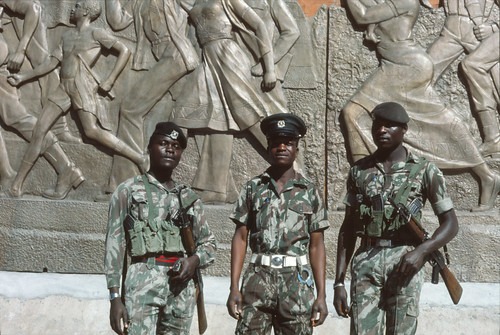
The people of Zimbabwe have a rich and diverse historical background shaped by centuries of culture, migration, and tradition. Indigenous groups such as the Shona and Ndebele have played a significant role in forming the nation’s identity through their customs, language, and social structures. Over the centuries, Zimbabwe has experienced periods of prosperity, colonial influence, and resistance, all of which have contributed to the vibrant multicultural society present today. Understanding this historical context provides insight into the resilient and dynamic spirit of the Zimbabwean people.
Ancient Kingdoms and Early Societies
The people of Zimbabwe have a rich and diverse historical background that dates back thousands of years. Early societies in the region developed sophisticated cultures and social structures that laid the foundation for later kingdoms. Archeological findings reveal the presence of ancestral communities such as the Shona and the Karanga, who established complex societies with trade networks, craft production, and hierarchical leadership. One of the most notable early kingdoms was Great Zimbabwe, which flourished between the 11th and 15th centuries and became a powerful center of trade, politics, and culture. This civilization was renowned for its impressive stone architecture and its role as a hub connecting Africa with Arab traders and Indian Ocean commerce. Subsequent societies and kingdoms built upon this legacy, shaping the social fabric of modern Zimbabwe and influencing its cultural identity today. The early history of Zimbabwean people reflects a deep continuity of tradition, resilience, and innovation that continues to influence the region’s cultural landscape.
Colonial Era and Its Impact
The people of Zimbabwe have a rich historical background shaped by ancient civilizations, notably the Kingdom of Zimbabwe, which thrived between the 11th and 15th centuries. These early inhabitants built impressive stone structures like Great Zimbabwe, reflecting their advanced societal organization and cultural achievements. Over centuries, diverse groups such as the Shona, Ndebele, Kalanga, and others contributed to a vibrant cultural tapestry that remains prominent today.
During the colonial era, Zimbabwe was colonized by the British in the late 19th century, initially as part of the British South Africa Company, and later as a colony known as Southern Rhodesia. Colonial rule introduced systems of governance, land ownership, and economic exploitation that significantly affected indigenous populations. Many traditional leaders were displaced, and land distribution policies favored European settlers, leading to widespread social and economic inequalities.
The impact of colonialism in Zimbabwe was profound, fostering resistance movements like the Zimbabwe African National Union (ZANU) and the Zimbabwe African People’s Union (ZAPU). These groups eventually led the country to independence in 1980. However, colonial legacies such as uneven land distribution, racial divisions, and economic disparities continued to influence Zimbabwean society deep into the post-independence era, shaping its social, political, and economic landscape.
Post-Independence Socioeconomic Changes
The people of Zimbabwe have a rich and diverse history that dates back thousands of years, with origins rooted in ancient civilizations such as Great Zimbabwe, which was a powerful trading empire from the 11th to the 15th centuries. These early societies laid the cultural and social foundations for modern Zimbabwean identity. The arrival of European settlers in the 19th century, particularly the British, introduced new political and economic dynamics, eventually leading to the colonization of the territory as Southern Rhodesia. The struggle for independence, which culminated in 1980, was marked by intense resistance against colonial rule and the fight for sovereignty by Zimbabwean nationalists.
Post-independence socio-economic changes in Zimbabwe have been profound. The country initially experienced hopes of development and political stability under Robert Mugabe’s leadership, with efforts toward land redistribution and increased access to education. However, economic challenges soon emerged, including hyperinflation, unemployment, and land reform disputes, which significantly impacted social cohesion and quality of life. Land redistribution policies aimed at empowering indigenous farmers led to economic decline and agricultural decline as productivity fell. Despite these struggles, Zimbabwe’s cultural resilience persisted, and the society continues to adapt, seeking to rebuild its economy and social structures amid ongoing political and economic reforms.
Ethnic Composition and Cultural Diversity
Zimbabwe is a nation celebrated for its rich tapestry of ethnic groups and vibrant cultural diversity. Home to a variety of communities, the country’s population reflects a blend of traditions, languages, and customs that contribute to its unique identity. This diverse composition fosters a dynamic social fabric, enabling Zimbabweans to share their rich heritages while forging a cohesive national spirit.
Shona People: The Largest Ethnic Group
The Shona people are the largest ethnic group in Zimbabwe, representing a significant portion of the country’s population. They are known for their rich cultural traditions, vibrant art forms, and enduring historical heritage. The Shona primarily speak the Shona language, which belongs to the Bantu language family and is widely used across the nation. Their cultural practices include elaborate rituals, music, dance, and craftwork such as sculpture and basket weaving, reflecting a deep connection to their ancestral roots. The diversity within Zimbabwe’s ethnic groups contributes to a dynamic and multicultural society, with the Shona people playing a central role in shaping the country’s cultural landscape. Their traditions and social structures have been preserved and celebrated, fostering national identity and unity amidst the nation’s varied ethnic composition.
Ndebele Community and Cultural Practices
The Ndebele community is one of the prominent ethnic groups in Zimbabwe, known for their rich cultural heritage and vibrant traditions. They are primarily found in the southwestern regions of the country, particularly in Matabeleland. The Ndebele are part of the larger Nguni language group, and their language, isiNdebele, plays a vital role in maintaining their cultural identity. Zimbabwe’s ethnic composition is diverse, including Shona, Ndebele, Tonga, and other smaller groups, which contribute to the country’s rich mosaic of cultures and traditions.
Cultural practices of the Ndebele people are characterized by colorful art, intricate beadwork, and unique ceremonies. One of the most significant cultural events is the Umhlonhlo or Reed Dance, where young women participate in traditional dance and ceremonies to celebrate chastity and community values. The Ndebele are also renowned for their elaborate house paintings, beadwork, and attire that reflect social status, age, and tribal affiliation. Traditional music and dance, such as the Jerusarema dance, are central to community gatherings and ceremonies, serving as expressions of identity and continuity.
The preservation of cultural practices remains vital for the Ndebele community, fostering a sense of unity and pride among its members. Despite modernization, they continue to celebrate their heritage through dance, music, craftsmanship, and social rituals, ensuring that their cultural legacy endures for future generations in Zimbabwe’s diverse society.
Other Ethnic Groups and Minorities
The ethnic composition and cultural diversity of Zimbabwe reflect a rich tapestry of communities that contribute to the nation’s unique identity. The majority ethnic group is the Shona, who make up a significant portion of the population and have a profound influence on the country’s language, traditions, and arts. There are also the Ndebele people, primarily residing in the southwestern regions, known for their vibrant music, dance, and distinctive cultural practices. Aside from these major groups, Zimbabwe is home to several other ethnic communities, including the Tonga, Chewa, and Venda, each bringing their own customs and heritage to the national mosaic. These diverse groups coexist, maintaining their cultural practices while also integrating into the broader social fabric of Zimbabwe. Minorities and other ethnic groups enrich the country’s diversity, fostering a society that celebrates cultural expression and shared history.
Language and Communication
The people of Zimbabwe have a rich and diverse linguistic heritage that reflects the country’s complex history and multicultural society. Language and communication play a vital role in shaping social interactions, preserving cultural traditions, and fostering national identity. Understanding the linguistic landscape of Zimbabwe provides insights into how its people connect, convey their stories, and maintain their cultural heritage across generations.
Official Languages of Zimbabwe
The people of Zimbabwe are gathered from a diverse range of ethnic and cultural backgrounds, reflecting a rich tapestry of traditions and histories. Language and communication are vital aspects of their identity, serving as the foundation for social interaction and cultural expression. Zimbabwe has several official languages, which promote national unity and facilitate government and educational functions. The most widely spoken official language is English, inherited from colonial history, and used extensively in government, business, and education. Additionally, Shona and Ndebele are indigenous languages that hold significant cultural importance; Shona is spoken by the majority of the population, while Ndebele is predominant in the southwestern regions. Other indigenous languages, such as Chewa and Tonga, also contribute to the country’s linguistic diversity. This multilingual environment enables Zimbabweans to communicate effectively within their communities and beyond, maintaining their cultural heritage while engaging in the country’s social and economic activities.
Regional Dialects and Indigenous Languages
The people of Zimbabwe have a rich linguistic landscape that reflects their diverse cultural heritage. English serves as an official language used in government, education, and media, facilitating communication across different ethnic groups. However, regional dialects and indigenous languages play a vital role in everyday life, preserving unique identities and cultural traditions. Shona and Ndebele are the most widely spoken indigenous languages, each representing substantial portions of the population and featuring distinct dialectal variations. These regional dialects often differ in pronunciation, vocabulary, and idiomatic expressions, strengthening community bonds and cultural expression. Maintaining indigenous languages alongside English fosters bilingualism and promotes cultural diversity, enabling Zimbabweans to navigate both local traditions and global communication effectively.
The Role of Language in Cultural Identity
Language plays a vital role in shaping the cultural identity of the people of Zimbabwe. It serves as a medium through which traditions, beliefs, and history are preserved and transmitted across generations. In Zimbabwe, there are multiple indigenous languages such as Shona and Ndebele, which are central to the daily lives and cultural practices of their speakers. These languages not only facilitate communication but also foster a sense of community and belonging among the people. The use of language in music, storytelling, and ceremonies strengthens cultural bonds and helps maintain the unique heritage of Zimbabwean society. Moreover, the promotion and preservation of native languages are crucial for ensuring that cultural identity remains vibrant amid globalization and external influences.
Traditional Customs and Practices
Traditional customs and practices play a vital role in shaping the cultural identity of the people of Zimbabwe. These customs are passed down through generations, reflecting the rich history and values of various ethnic groups within the country. From unique ceremonies and rituals to everyday societal norms, these practices help preserve Zimbabwe’s cultural heritage and foster a sense of community among its people.
Marriage and Family Rituals
The people of Zimbabwe have a rich cultural heritage that is deeply rooted in traditional customs and practices, especially concerning marriage and family rituals. These customs often emphasize community involvement, reverence for ancestors, and the importance of social harmony. Marriage ceremonies, for example, typically involve elaborate rituals that highlight the importance of kinship ties and societal bonds. These rituals usually include the payment of bride price, traditional dancing, singing, and blessings from elders, reflecting respect and unity within extended families.
Family is considered the cornerstone of Zimbabwean society, with strong ties to traditional beliefs and practices. Respect for elders, the importance of communal support, and the honoring of ancestors play crucial roles in daily life and family interactions. Many rituals are performed to mark significant life events such as birth, initiation, marriage, and death, often incorporating symbols and ceremonies passed down through generations. These customs serve to preserve cultural identity, reinforce social values, and maintain a sense of continuity within Zimbabwean communities.
Music, Dance, and Artistic Expressions
The people of Zimbabwe have a rich cultural heritage characterized by traditional customs, music, dance, and artistic expressions that reflect their history and societal values. These cultural elements play a vital role in community life, celebrations, and rituals, preserving their identity across generations.
- Traditional Customs and Practices:
- Hospitality and kinship ties are central to social interactions.
- Ceremonies such as lobola (bride price) negotiations strengthen familial bonds.
- Rites of passage, including initiation ceremonies for boys and girls, mark important life stages.
- Healing practices often involve traditional medicine and the guidance of spirit mediums.
- Music:
- Mbira music, played on the traditional thumb piano, is a prominent sound associated with spiritual and social gatherings.
- Shona and Ndebele musical styles feature energetic rhythms and storytelling lyrics.
- Music is often used in rituals, celebrations, and to convey historical narratives.
- Dance:
- Dance forms like Jerusarema (also known as Mbende) are vibrant, involving synchronized movements that express community stories and spirituality.
- Dance performances are integral to festivals, religious events, and social gatherings.
- Artistic Expressions:
- Artefacts such as carved wood, pottery, and beadwork are traditional crafts passed through generations.
- Stone sculptures and woven fabrics showcase Zimbabwean creativity and craftsmanship.
- Visual arts often depict symbols of cultural identity and historical themes.
Cultural Festivals and Celebrations
Zimbabwean people have a rich tapestry of traditional customs and practices that reflect their diverse cultural heritage. These customs are deeply rooted in community life, spirituality, and social values, and are often celebrated through various festivals and ceremonies that bring communities together.
- Traditional Customs and Practices: Zimbabweans observe a variety of customs such as initiation ceremonies, marriage rituals, and communal celebrations. These practices often involve music, dance, and storytelling, serving to preserve their history and reinforce social bonds.
- Cultural Festivals and Celebrations: Major festivals like the Nyerere Day commemorate national heroes, while traditional events such as the Mhande dance festival showcase the country’s indigenous music and dance forms. Festivals often feature colorful attire, traditional foods, and communal participation, emphasizing unity and cultural identity.
- Spiritual and Ritualistic Practices: Many communities engage in rituals to honor ancestors, seek blessings, and ensure good harvests. These practices are integral to maintaining harmony between the spiritual and physical worlds in Zimbabwean society.
- Traditional Attire: People wear vibrant garments during celebrations, with attire often reflecting ethnic identities and cultural symbols. Beadwork, hairstyles, and accessories also play a significant role in expressing cultural heritage.
Religion and Spiritual Beliefs
Religion and spiritual beliefs play a vital role in the daily lives of the people of Zimbabwe, shaping cultural traditions, community practices, and individual values. Diverse faiths coexist harmoniously, reflecting the country’s rich cultural heritage and history. From indigenous spiritual systems to Christianity and other global religions, Zimbabwean spirituality offers a profound connection to ancestors, nature, and divine forces that influence social and personal identities.
Traditional Religious Practices
The people of Zimbabwe have a rich tapestry of religious and spiritual beliefs that are deeply rooted in their history and culture. Many Zimbabweans practice Christianity, which was introduced during colonial times and remains widespread across the nation. However, traditional spiritual beliefs also play a significant role, with numerous communities honoring ancestral spirits and engaging in rituals to seek guidance, protection, and blessings. These practices often involve ceremonies, dances, and the use of sacred objects, reflecting a strong connection to their heritage. Indigenous religious leaders and healers continue to hold important roles within communities, guiding individuals through spiritual matters and preserving ancient customs. Overall, Zimbabwean spiritual life is a vibrant blend of modern faiths and age-old traditions that coexist harmoniously within society.
Christianity and Other Faiths
Religion and spiritual beliefs play a significant role in the lives of the people of Zimbabwe, shaping their cultural identity and social values. Christianity is the predominant faith, with a large portion of the population identifying as Christian, including denominations such as Roman Catholic, Protestant, and Anglican churches. These faiths influence daily life, community activities, and national celebrations. Alongside Christianity, various indigenous spiritual practices and beliefs are still practiced, often intertwined with Christian customs, reflecting Zimbabwe’s rich cultural heritage. Other faiths, including Islam and Hinduism, are present in smaller communities, contributing to the country’s diverse religious landscape. This blend of traditional and modern spiritual beliefs highlights the pluralistic nature of Zimbabwean society and the importance placed on spirituality across different communities.
Role of Spirituality in Daily Life
Religion and spiritual beliefs play a vital role in the daily lives of many people in Zimbabwe, shaping cultural practices, community interactions, and personal values. The majority of Zimbabweans adhere to Christianity, which influences their routines, festivities, and moral decisions, while traditional beliefs coexist alongside and sometimes integrate with Christian practices. Spirituality in Zimbabwe often extends beyond organized religion, encompassing reverence for ancestral spirits and local customs that emphasize harmony with nature and community. These beliefs offer comfort, guidance, and a sense of identity, helping individuals navigate life’s challenges while fostering social cohesion in the diverse Zimbabwean society.
Social Structure and Community Life
The social structure and community life of the people of Zimbabwe are rich and diverse, reflecting both traditional customs and modern influences. These elements shape daily interactions, social roles, and the organization of communities across the country. Understanding the intricate social fabric provides insight into how Zimbabweans maintain their cultural identity while adapting to changing times.
Family Hierarchies and Roles
The social structure and community life of Zimbabwean people are deeply rooted in traditional values, family hierarchies, and roles that have been maintained over generations. These aspects influence daily interactions, social responsibilities, and community cohesion across the country.
- Family Hierarchies: In Zimbabwe, family structures are typically patriarchal, with the eldest male often holding authority and making key decisions. Respect for elders is a fundamental value, and their advice and opinions carry significant weight within the family.
- Roles within the Family: Roles are traditionally divided based on age and gender. Men are usually regarded as providers and protectors, while women are primarily responsible for child-rearing, household chores, and maintaining cultural traditions.
- Community Life: Community members rely on each other for mutual support, social events, and collective activities such as ceremonies, festivals, and communal farming. Traditional leaders and elders play an important role in maintaining social order and mediating disputes.
- Influence of Cultural Practices: Cultural ceremonies like the Shona and Ndebele rites of passage reinforce community bonds and uphold family hierarchies, emphasizing respect, unity, and shared cultural identity.
- Changes and Modern Influences: While traditional roles remain significant, urbanization and modern education have introduced shifts in family dynamics, with more women participating in formal employment and younger generations exploring new social roles.
Community Leadership and Governance
The social structure and community life of the people of Zimbabwe are deeply rooted in their rich cultural traditions and historical heritage. Social organization often revolves around extended families and clans, providing a strong sense of identity and belonging. Community interactions are characterized by mutual support, communal gatherings, and shared responsibilities, which foster unity and cooperation among members. Leadership roles within communities are typically based on respect, age, and experience, with local leaders playing vital roles in mediating disputes and making collective decisions.
Community leadership in Zimbabwe is often informal, led by elders and respected figures who uphold customs and serve as moral anchors. In formal settings, local councils and traditional authorities work collaboratively to address community concerns, implement development projects, and ensure social cohesion. Governance at the community level emphasizes participatory decision-making and accountability, helping to maintain social stability and promote socio-economic progress. Overall, the social fabric and leadership dynamics in Zimbabwe reflect a society that values tradition, collective welfare, and social harmony.
Roles of Elders and Respect for Ancestors
The social structure and community life of the people of Zimbabwe are deeply rooted in tradition and cultural values. Elders hold a prestigious position within the society, serving as custodians of wisdom, history, and moral guidance. They are respected for their experience and often involved in decision-making processes at the community level, ensuring the continuity of cultural practices and social order.
Respect for ancestors is a fundamental aspect of Zimbabwean culture, reflecting the belief that ancestors continue to influence and protect the living. Rituals, ceremonies, and offerings are common ways to honor them, fostering a strong sense of identity and spiritual connection within communities. This reverence reinforces social cohesion and underscores the importance of maintaining cultural heritage across generations.
Economic Activities and Livelihoods
The people of Zimbabwe engage in a diverse range of economic activities that form the foundation of their livelihoods. Historically rooted in agriculture, many Zimbabweans depend on farming, livestock rearing, and fishing for their income. In addition to agriculture, activities such as mining, trade, and small-scale entrepreneurship play a vital role in supporting local communities. These economic pursuits are essential for sustaining families and fostering community development across the country.
Agriculture and Subsistence Farming
The people of Zimbabwe rely heavily on various economic activities and livelihoods to sustain their communities. Agriculture plays a vital role in the country’s economy, serving as the primary source of income and employment for many Zimbabweans. Subsistence farming is particularly common, with local farmers growing crops such as maize, millet, and sorghum to support their families. These small-scale farmers often face challenges like limited access to modern farming equipment, water shortages, and unpredictable weather patterns, which can affect crop yields.
In addition to subsistence farming, some communities engage in commercial agriculture, cultivating cash crops like tobacco, cotton, and sugarcane. Livelihoods in Zimbabwe are also diversified, with many people participating in informal economic activities such as trading, artisanal work, and small-scale manufacturing. Despite economic hardships, agriculture remains a crucial element of Zimbabweans’ lives, providing sustenance and a foundation for economic stability and development.
Urban Occupations and Modern Industries
The people of Zimbabwe engage in a variety of economic activities and livelihoods that reflect the country’s rich natural resources, cultural heritage, and ongoing development. Agriculture remains a fundamental sector, with many Zimbabweans involved in subsistence farming, cultivating crops such as maize, tobacco, cotton, and sugarcane. Livestock rearing, including cattle, goats, and poultry, also provides sustenance and income for rural communities.
Urban areas of Zimbabwe have seen a diversification of occupations, with many residents working in commerce, public services, and manufacturing. Small and medium-sized enterprises form a crucial part of urban livelihoods, offering goods and services that support daily life and local economies. Additionally, Zimbabwe has a growing informal sector, where street vendors and artisans contribute significantly to urban employment.
Modern industries in Zimbabwe are increasingly influential, including mining, manufacturing, and technology sectors. Mining remains a vital industry, with the country being rich in minerals like platinum, gold, and diamonds, which contribute substantially to national revenue and employment. Manufacturing industries, such as food processing, textiles, and metal work, support the economy and provide employment opportunities. Furthermore, there is an emerging interest in technology and telecommunications, reflecting efforts to modernize the economy and integrate Zimbabwe into global digital markets.
Impact of Economy on Social Identity
The economic activities of the people of Zimbabwe play a crucial role in shaping their social identities and community structures. Agriculture has traditionally been the backbone of the economy, influencing rural livelihoods and cultural practices tied to farming seasons and crop cycles. In recent years, mining, manufacturing, and service sectors have expanded, offering new opportunities for employment and economic mobility. These economic pursuits foster a sense of purpose and belonging within communities, often linked to specific trades or industries.
The state of the economy directly impacts social identity in Zimbabwe by affecting access to resources, education, and healthcare. Economic stability tends to strengthen social cohesion by reducing disparities and promoting a shared sense of progress. Conversely, economic hardships, such as inflation and unemployment, can lead to social fragmentation, increased competition for limited resources, and shifts in traditional social roles. As economic circumstances evolve, so too do cultural expressions and group affiliations, reflecting the community’s resilience and adaptability.
Overall, the interplay between economic activities and social identity among Zimbabweans highlights the importance of economic stability for social harmony and cultural pride. The livelihoods sustained by various industries not only underpin the economy but also serve as a foundation for community identity and social solidarity.
Challenges Facing Zimbabwean People
The people of Zimbabwe face a variety of significant challenges that impact their daily lives and future prospects. Economic instability, widespread unemployment, and limited access to essential services such as healthcare and education have created a difficult environment for many. Additionally, political tensions and social issues further complicate efforts toward development and stability. Despite these obstacles, Zimbabwean communities continue to demonstrate resilience and hope for a better future.
Economic Hardship and Unemployment
The people of Zimbabwe face numerous challenges related to economic hardship and unemployment, which have significantly impacted their quality of life. Persistent economic instability, marked by hyperinflation and a shrinking currency, has made everyday essentials increasingly unaffordable for many. Unemployment remains high, especially among the youth, limiting access to stable income sources and opportunities for upward mobility. This economic struggle has led to widespread poverty, migration in search of better prospects, and social issues such as hunger and lack of basic services. Despite these hardships, resilience and community solidarity continue to play a crucial role in helping Zimbabweans navigate their difficult circumstances.
Health and Education Accessibility
The people of Zimbabwe face numerous challenges concerning health and education accessibility, which significantly impact their overall well-being and future prospects. Limited infrastructure and inadequate funding have resulted in insufficient healthcare facilities, especially in rural areas where many residents live in poverty. This situation leads to poor health outcomes, high rates of preventable diseases, and difficulty accessing essential medical services. Similarly, the education system struggles with resource shortages, outdated materials, and inadequate school infrastructure, making it difficult for many children to receive quality education. These challenges hinder social development and economic growth, perpetuating the cycle of poverty among Zimbabwean communities.
Cultural Preservation Amid Modernization
The people of Zimbabwe face numerous challenges as they navigate the pressures of modernization while striving to preserve their rich cultural heritage. Rapid urbanization and technological advancements have transformed traditional lifestyles, often leading to the erosion of indigenous customs, languages, and practices. Many young Zimbabweans are increasingly influenced by global culture, which can diminish the value placed on traditional ceremonies, music, and dress. Economic struggles and political instability further compound these issues, making it difficult for communities to invest in cultural education and preservation initiatives. Despite these challenges, there remains a profound sense of pride among Zimbabweans in their history and identity, with many working tirelessly to keep their cultural traditions alive amidst the changing landscape.
Recent Developments and Future Outlook
The people of Zimbabwe have experienced significant social, economic, and political changes in recent years, shaping the nation’s dynamic landscape. Recent developments have seen efforts towards national stability, advancements in education, and community-driven initiatives aimed at improving livelihoods. Looking ahead, the future of Zimbabwean society appears poised for growth and resilience, with ongoing projects focused on sustainable development, technological integration, and fostering a unified national identity that reflects the diverse aspirations of its people.
Demographic Trends and Population Growth
The people of Zimbabwe are experiencing significant changes driven by recent developments and shifting demographic trends. Over the past few years, there has been an increase in urbanization as more individuals migrate to cities in search of improved economic opportunities, leading to a more concentrated urban population. Advances in healthcare and education have contributed to a gradual increase in life expectancy and literacy rates, shaping the evolving demographic profile of the country. Looking ahead, Zimbabwe faces a population growth trajectory that will be influenced by factors such as birth rates, migration patterns, and government policies aimed at family planning and development initiatives.
Future outlooks suggest that Zimbabwe’s population will continue to grow, albeit at a varying rate depending on socioeconomic conditions. The youth demographic remains predominant, posing both opportunities for a dynamic workforce and challenges related to employment and education. Sustainable growth and development will hinge on addressing issues like healthcare access, economic stability, and urban infrastructure to accommodate the increasing population. Overall, understanding these demographic and developmental trends is essential for shaping effective policies to ensure a prosperous future for Zimbabwe’s people.
Social Movements and Cultural Revival
The people of Zimbabwe are experiencing a period of significant recent developments and cultural revival, reflecting resilience and a desire to preserve their identity amid changing social and political landscapes. Advancements in technology and education have empowered many communities, fostering greater awareness of their rich heritage and encouraging active participation in social movements aimed at national progress. These movements often emphasize the importance of cultural preservation, social justice, and economic stability, inspiring a renewed sense of pride among Zimbabweans.
Looking to the future, there is optimism that continued efforts in education, innovation, and community activism will strengthen the social fabric of Zimbabwe. Initiatives supporting indigenous arts, music, and language are gaining momentum, contributing to a flourishing cultural scene that celebrates Zimbabwean history and traditions. Furthermore, increased collaboration with regional and international partners promises opportunities for sustainable development, empowering the people to shape a future that respects their cultural roots while embracing modern advancements.
The Role of Youth and Innovation in Society
Recent developments in Zimbabwe highlight a dynamic shift towards embracing youth involvement and technological innovation as catalysts for economic growth and social progress. The country’s youth population is increasingly active in entrepreneurial ventures, harnessing digital platforms to expand market reach and create new employment opportunities. Government initiatives and international collaborations aim to foster innovation hubs and skill development programs tailored for young people, positioning them as key drivers of sustainable development.
Looking to the future, Zimbabwe’s trajectory depends significantly on empowering its youth and integrating innovative solutions into various sectors. The rising generation’s creativity and resilience are expected to lead advancements in technology, agriculture, and education, helping address longstanding challenges such as unemployment and access to services. Continued support for youth-led initiatives and a focus on fostering a culture of innovation are vital to transforming Zimbabwe into a hub of future-ready talent.
The role of youth and innovation in society is fundamental for Zimbabwe’s progress. Young people are not only vital in catalyzing social change but also serve as the backbone of economic transformation. Encouraging a culture of entrepreneurship, technological literacy, and community engagement will ensure that Zimbabwe benefits from its youthful population and emerges resilient in facing global and local challenges.


0 Comments