

Historical Background of the Great Sphinx
The Great Sphinx of Egypt, an iconic limestone statue with the body of a lion and the head of a pharaoh, stands as a testament to ancient Egyptian civilization. Believed to have been built during the reign of Pharaoh Khafre around 2500 BCE, it reflects the religious and royal symbolism of the time. Over centuries, the Sphinx has endured natural erosion, neglect, and modern fascination, making it one of the most remarkable and mysterious monuments of ancient Egypt that continues to captivate historians and visitors alike.
Origins and Construction
The Great Sphinx of Egypt is one of the most iconic monuments of ancient Egypt, symbolizing strength and wisdom. Its origins trace back to the Old Kingdom period, specifically during the reign of Pharaoh Khafre around 2500 BCE. Believed to represent the Pharaoh himself, the Sphinx is a limestone statue with a lion’s body and a human head, embodying a powerful guardian figure. Its construction involved large-scale quarrying and carving directly from bedrock, showcasing remarkable craftsmanship and engineering skills of the time. The purpose of the Sphinx was likely to serve as a protective symbol for nearby tombs and pyramids, emphasizing the divine authority of the pharaohs. Over centuries, the monument has endured natural erosion, restoration efforts, and legends, solidifying its place as an enduring testament to ancient Egyptian culture and religious beliefs.
Historical Significance in Ancient Egypt
The Great Sphinx of Egypt is one of the most iconic monuments of ancient Egypt, situated on the Giza Plateau near Cairo. Its origins are shrouded in mystery, with most archaeologists dating its construction to the reign of Pharaoh Khafre during the Fourth Dynasty around 2558–2532 BCE. The Sphinx is a colossal limestone statue with the body of a lion and the head of a human, believed to represent the Pharaoh himself, symbolizing strength, wisdom, and royal power.
Throughout Egyptian history, the Great Sphinx held profound cultural and religious significance. It was associated with the sun god Ra and served as a guardian of the Giza necropolis, protecting the tombs of the Pharaohs from evil spirits. The monument also symbolized the unity of human intelligence and animal strength, reflecting the divine authority of the ruler and the spiritual beliefs of the time.
- Built during the Fourth Dynasty of the Old Kingdom, around 2500 BCE, making it one of the oldest and largest monumental sculptures in Egypt.
- Aligned with the cardinal points, indicating sophisticated astronomical and architectural knowledge of the ancient Egyptians.
- Originally painted in vibrant colors, which have faded over millennia but suggest it was once more visually striking.
- Subject to numerous restorations and excavations through history, emphasizing its enduring importance in Egyptian heritage.
Architectural Features of the Great Sphinx
The Great Sphinx of Egypt is an iconic symbol of ancient Egyptian civilization, renowned for its impressive architectural features and mysterious presence. Carved from a single mound of limestone, it combines the body of a lion with the head of a Pharaoh, demonstrating exceptional craftsmanship. Its massive scale, intricate details, and the integration of sculpture and natural rock exemplify the ingenuity of ancient Egyptian artistry and engineering. The Sphinx’s design reflects the cultural significance of strength and wisdom, making it one of the most remarkable monuments in human history.
Design and Dimensions
The Great Sphinx of Egypt is an iconic monument renowned for its impressive architectural features, remarkable design, and substantial dimensions. Carved from a single limestone ridge, it seamlessly combines a lion’s body with a human head, symbolizing strength and wisdom. The monument measures approximately 73 meters (240 feet) in length, 20 meters (66 feet) in width, and 20 meters (66 feet) in height, making it one of the largest monolithic statues in the world. Its carefully proportioned design reflects the skill of ancient Egyptian artisans, with detailed facial features, a serene expression, and a headdress that crowns the head. The Sphinx’s massive paws extend forward, and the body exhibits a powerful muscular form, emphasizing the grandeur and grandeur of the structure. Its strategic placement near the Pyramids of Giza alongside a complex of temples underscores its significance in Egyptian religious and cultural life, showcasing extraordinary craftsmanship and lasting architectural ingenuity.
Material and Construction Techniques
The Great Sphinx of Egypt is renowned for its impressive architectural features, blending artistry with engineering prowess. Carved from a massive limestone bedrock, the Sphinx measures approximately 240 feet long and 66 feet high, showcasing a monumental sculpture that combines the body of a lion with the head of a human, believed to represent Pharaoh Khafre. Its design exemplifies the symbolic integration of strength and wisdom, reflecting ancient Egyptian religious and cultural beliefs.
The material used for the Great Sphinx is primarily locally sourced limestone, which was abundant in the Giza Plateau. The limestone was carefully carved and shaped to form the body, head, and other details of the sculpture. Over centuries, parts of the Sphinx have suffered erosion, but original features remain remarkably well-preserved, demonstrating the durability of the material and the skillful techniques employed.
Construction techniques involved extensive quarrying, sculpting, and carving directly into the bedrock of the Giza Plateau. Workers initially outlined the sculpture’s form by chipping away large portions of stone and then refined the details using copper tools, which were among the most advanced implements available at the time. The construction also included the creation of a smooth, even surface, often achieved through polishing efforts to enhance its aesthetic and structural integrity. Additionally, some restoration efforts in later periods incorporated cement and limestone blocks to repair and reinforce the original structure.
Artistic and Symbolic Elements
The Great Sphinx of Egypt is a marvel of ancient engineering and artistry, showcasing an extraordinary blend of architectural features and symbolic elements. Carved from a single ridge of limestone, it stands as a colossal statuesque monument with a lion’s body and a human head, embodying strength and wisdom. The massive paws extend forward, emphasizing its grandeur, while the expansive court and surrounding enclosure reflect advanced planning and construction techniques of the period. The Sphinx’s facial features display detailed craftsmanship, with a serene yet commanding expression that has captivated viewers for millennia.
Artistic elements of the Great Sphinx include intricate carvings and inscriptions that adorn its surface, many of which hold religious and mythological significance. The presence of the Nemes headdress and the false beard symbolizes royalty and divine authority, linking the Sphinx to the Pharaohs, particularly Khafre, whose likeness is believed to be represented. The symmetry and proportion of the sculpture demonstrate the Egyptians’ mastery of artistic principles, aimed at creating a harmonious and eternal image. The site also features smaller statues and temples that enhance its spiritual and ceremonial importance.
Symbolically, the Great Sphinx represents the concept of cosmic protection, serving as a guardian of the sacred complex of Giza. Its lion’s body signifies power, courage, and protection, while the human head signifies intelligence, wisdom, and the divine aspect of kingship. The Sphinx embodies the unity of physical strength and mental acuity, a divine protector watching over Egypt’s historical and spiritual legacy. Its enigmatic expression and enduring presence continue to symbolize mystery, strength, and the eternal nature of Egyptian civilization.
Location and Surrounding Area
The Great Sphinx of Egypt is situated on the Giza Plateau, near Cairo, serving as an iconic symbol of ancient Egyptian civilization. Surrounding this majestic monument are the vast and arid Sahara Desert plains, offering a stunning backdrop that highlights its historical significance. The area is rich with other ancient structures, including the Pyramids of Giza, making it a captivating destination for visitors interested in exploring Egypt’s fascinating archaeological heritage.
Proximity to the Pyramids of Giza
The Great Sphinx of Giza is located on the Giza Plateau, adjacent to the Pyramids of Giza, in the outskirts of Cairo, Egypt. This iconic monument is set amidst a rich historical landscape, offering visitors a glimpse into ancient Egypt’s grandeur. The surrounding area is characterized by vast desert plains, archaeological sites, and modern amenities that accommodate tourists and scholars alike.
- Proximity to the Pyramids of Giza: The Great Sphinx is situated directly near the three renowned pyramids—Khafre’s Pyramid, Khufu’s Pyramid, and Menkaure’s Pyramid—forming the Giza Necropolis.
- Ease of Access: The site is easily accessible from Cairo, with well-developed roads, transportation services, and guided tour options available.
- Historical Context: The area is part of the ancient burial complex, making it an integral component of Egypt’s royal necropolis and offering insight into ancient funerary practices.
- Tourist Infrastructure: Nearby facilities include visitor centers, museums, cafes, and shops, providing a comprehensive experience for travelers exploring the pharaonic monuments.
Alignment and Orientation
The Great Sphinx of Egypt is situated on the Giza Plateau, adjacent to the Great Pyramids, and is surrounded by the vast desert landscape of the Giza necropolis. Its strategic location offers stunning views of the nearby pyramids and the Nile River in the distance, emphasizing its significance within the ancient Egyptian complex.
Aligned precisely with the cardinal points, the Sphinx faces directly east, symbolically welcoming the rising sun. Its orientation reflects the importance of celestial and religious symbolism in ancient Egyptian culture, aligning the monument with the rising sun god, Ra, and emphasizing its sacred role in the spiritual landscape of Egypt.
Associated Temples and Structures
The Great Sphinx of Egypt is located on the Giza Plateau, adjacent to the Great Pyramids, serving as a monumental symbol of ancient Egyptian civilization. It is positioned near Cairo, offering a majestic view of the surrounding desert and the Nile River in the distance. The area around the Sphinx is rich with archaeological significance, featuring a variety of other ancient structures and tombs from the Old Kingdom period.
Nearby structures include the Pyramid of Khafre, the Pyramid of Khufu, and two other smaller pyramids, forming a significant necropolis complex. The Sphinx is also close to the Solar Boat Museum, which houses the reconstructed solar barque that was believed to carry the pharaoh in the afterlife. The site is an integral part of the larger Giza complex, which encompasses a series of tombs, temples, and causeways dedicated to the pharaohs and the gods.
Although there are no associated temples directly attached to the Sphinx itself, the nearby Valley Temple of Khafre, which is part of the pyramid complex, is considered closely related. The Sphinx is thought to have been connected to religious and spiritual practices associated with the nearby pyramids and the much-revered god Hor-em-akhet. The entire area remains one of the most important archaeological and tourist sites, highlighting the grandeur and religious significance of ancient Egypt.
Theories and Interpretations
Theories and interpretations surrounding the Great Sphinx of Egypt have long intrigued historians, archaeologists, and travelers alike. This iconic monument, shrouded in mystery, has prompted numerous hypotheses about its origins, purpose, and symbolism. Exploring these diverse perspectives offers a deeper understanding of one of ancient Egypt’s most enigmatic and impressive structures.
Purpose of the Sphinx
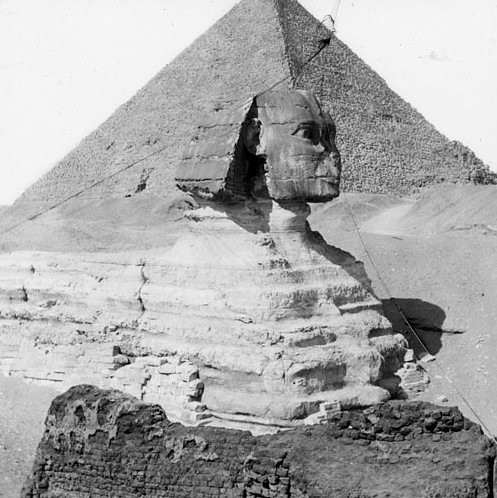
The Great Sphinx of Egypt has long been a symbol of mystery and grandeur, inspiring numerous theories and interpretations about its purpose and origins. Scholars and historians have debated its significance, suggesting it may represent royal power, divine protection, or serve as a gateway to spiritual journeys. Theories also propose that the Sphinx was built to embody the greatness of the pharaohs and to safeguard the sacred spaces of the Giza Plateau. Many interpret the monument as an embodiment of sun worship, aligning with ancient Egyptian beliefs about the sun god Ra. Additionally, some hypotheses indicate that the Sphinx served as an astronomical marker or had astrological significance, helping ancient Egyptians observe celestial events and alignments. Overall, the purpose of the Great Sphinx continues to evoke fascination, blending religious, astronomical, and political meanings that reflect the complexity of ancient Egyptian civilization.
Representation of Pharaohs and Deities
The representation of Pharaohs and deities in the context of the Great Sphinx of Egypt reflects a rich blend of mythological, religious, and political symbolism. These depictions serve to emphasize the divine nature of the Pharaohs and their direct connection to the gods, particularly Ra and Horus, fostering a sense of religious authority and eternal power.
- The Sphinx’s massive lion body symbolizes strength and kingly authority, linking the Pharaoh to the divine lion-god, Sekhmet.
- The human head represents wisdom and intelligence, often believed to resemble Pharaoh Khafre, emphasizing his divine right to rule.
- Inscribed hieroglyphs and imagery on the monument reinforce the divine legitimacy of the Pharaoh and his role as a mediator between gods and humans.
- The Sphinx’s alignment with the rising sun underscores its role as a guardian of sacred sites and a symbol of rebirth and eternal life.
- Theories interpret the iconography of the Sphinx as a divine protector, embodying the Pharaoh’s spiritual power as well as his physical might, integrating mythological narratives that elevate the ruler’s sacred stature.
Mythological Stories and Cultural Significance
The Great Sphinx of Egypt is a profound symbol rich in mythological stories and cultural significance, reflecting the ancient Egyptians’ complex worldview and spiritual beliefs. Its enigmatic presence has inspired various interpretations across history, blending architectural marvels with mythological narratives.
- The Sphinx is often associated with sun deities, symbolizing strength, wisdom, and protection, serving as a guardian of the Giza plateau where it resides.
- Mythological stories suggest it embodies the spirit of a guardian deity, protecting sacred sites from evil forces and embodying the wisdom of the pharaohs who commissioned it.
- Many interpretations link the Sphinx to the sun god Ra, emphasizing its role as a solar symbol that aligns with the rising and setting sun, signifying rebirth and eternity.
- Culturally, the Great Sphinx represents the unity of the Egyptian divine and earthly realms, illustrating their belief in an eternal connection between gods, kings, and the cosmos.
- Over centuries, the Sphinx has also been a symbol of mystery and enigma, inspiring countless myths and interpretations about its true purpose, age, and the secrets it might hold.
Recent Discoveries and Archaeological Work
Recent discoveries and archaeological work have shed new light on the ancient marvels of Egypt, particularly the Great Sphinx. Ongoing excavations and advanced imaging techniques continue to reveal hidden chambers and details that deepen our understanding of this iconic monument’s history and significance. These discoveries not only enhance our knowledge of ancient Egyptian culture but also highlight the importance of preserving this timeless symbol of human ingenuity.
Restoration and Conservation Efforts
Recent discoveries and archaeological work surrounding the Great Sphinx of Egypt continue to shed new light on its historical significance and construction. Unexplored chambers and hidden passages beneath the monument have been uncovered through advanced imaging techniques, offering insights into ancient Egyptian engineering and religious practices. Restoration and conservation efforts are increasingly vital to preserve the Sphinx against environmental damage and pollution, with experts implementing meticulously planned interventions. These include cleaning limestone surfaces, repairing weathered areas, and installing protective coverings to shield the monument from erosion. Ongoing efforts aim to balance preserving the ancient structure’s authenticity while ensuring its stability for future generations to appreciate and study.
New Findings and Ongoing Research
Recent discoveries and ongoing archaeological work surrounding the Great Sphinx of Egypt have significantly deepened our understanding of this iconic monument. Researchers have uncovered new evidence suggesting that the Sphinx may be older than previously believed, with some estimates dating its construction to nearly 4,500 years ago during the reign of Pharaoh Khafre. Recent excavations around the Sphinx’s paws and enclosure have revealed hidden chambers and possible artifacts that could shed light on the original purpose and construction methods. Advanced imaging techniques, including ground-penetrating radar and 3D modeling, are currently being employed to explore beneath the monument’s surface without causing damage.
New findings have also focused on the surrounding complex, indicating that the Sphinx may have once been part of a larger ceremonial site that has since been lost to time. Ongoing research aims to better understand the correlation between the Sphinx and the nearby pyramid complexes, revealing insights into ancient Egyptian religious practices and symbolism. Discoveries of fragments of statues and inscriptions in surrounding areas are helping archaeologists piece together the history of the site. Continued international collaborations and technological advancements promise to uncover further secrets hidden within this ancient masterpiece, making it one of the most exciting archaeological frontiers today.
Challenges in Preservation
The Great Sphinx of Egypt continues to be an object of extensive archaeological interest due to recent discoveries and ongoing work. Recent excavations have uncovered new fragments of the original limestone casing, shedding light on the construction techniques used by ancient artisans and offering clues about the Sphinx’s original appearance. Advanced imaging technologies have also revealed hidden chambers and possible concealed tunnels beneath the monument, sparking renewed fascination and study.
Despite these exciting discoveries, preserving the Great Sphinx presents significant challenges. The structure faces continuous erosion caused by natural elements such as wind, sand, and pollution, which threaten its integrity. Additionally, tourism-related activities have contributed to its deterioration over the years. Conservation efforts now focus on balancing the need to protect this iconic monument while allowing public access, employing modern restoration techniques and environmental controls to mitigate further damage.
Addressing these challenges requires collaboration among archaeologists, conservationists, and government authorities to ensure that the Great Sphinx remains a cultural treasure for future generations. As new discoveries unfold, they offer promising insights into Egypt’s ancient civilization, but safeguarding the site remains paramount for preserving its historical significance.
Mysteries and Legends Surrounding the Sphinx
The Great Sphinx of Egypt has long captivated explorers and historians with its enigmatic presence and rich history. Shrouded in mystery and surrounded by legends, this legendary monument continues to inspire curiosity about its origins, purpose, and the secrets it may hold beneath its imposing limestone body. As one of the most iconic symbols of ancient Egypt, the Sphinx remains a fascinating subject of speculation and fascination for those seeking to uncover its hidden stories.
Hidden Chambers and Passages
The Great Sphinx of Egypt has fascinated historians, archaeologists, and travelers for centuries due to the numerous mysteries and legends that surround its construction and purpose. This iconic monument, located near the Pyramids of Giza, combines the body of a lion with the head of a Pharaoh, symbolizing strength and wisdom. Many believe that the Sphinx may hold secrets beneath its massive limestone form, including hidden chambers and passages that could reveal more about ancient Egyptian civilization.
One of the most intriguing mysteries is whether the Sphinx conceals hidden chambers or tunnels that have yet to be discovered. Some researchers speculate that there are underground passages leading to secret rooms, possibly used for religious or ceremonial purposes. These passages could be accessed through the paws or beneath the Sphinx, but their existence remains unconfirmed due to limited excavation and exploration.
Numerous legends suggest that the Sphinx is connected to a larger network of underground spaces. Legend speaks of a “Hall of Records” or a hidden library that contains ancient knowledge lost to modern times. This has fueled theories that important relics or sacred texts may be concealed within unseen chambers, protected from treasure hunters or natural decay.
Attempts to explore beneath the Sphinx have faced technical and logistical challenges, but recent modern technology such as ground-penetrating radar and seismic scans continue to shed light on what might lie beneath. The potential discovery of hidden passages would greatly enhance our understanding of ancient Egyptian customs, beliefs, and their engineering prowess.
Overall, the mysteries surrounding the Great Sphinx, its construction, and the possibility of concealed chambers continue to spark curiosity and inspire ongoing research, ensuring that this legendary monument remains an enduring symbol of Egypt’s ancient heritage and its enigmatic history.
Leaders and Figures Associated with the Sphinx
The Great Sphinx of Egypt is one of the most iconic monuments in the world, shrouded in mysteries and legends that have fascinated scholars and visitors for centuries. Its origins, purpose, and the identity of its creators remain subjects of debate, fueling numerous theories and stories that enhance its mystique. Some believe the Sphinx embodies the guardian spirit of the Giza Plateau, while others associate it with ancient myths of protection and divine power. The enigmatic nature of its missing nose and the wear of its limestone face add to the aura of mystery surrounding this monumental sculpture.
Throughout history, many leaders and figures have been linked to the Sphinx, both in ancient times and in modern interpretations. Pharaohs such as Khafre, who is thought to have commissioned the Sphinx, are often associated with the monument, emphasizing the connection between divine kingship and the divine symbol of the Sphinx. Additionally, explorers, archaeologists, and scholars like Jean-François Champollion and Zahi Hawass have played significant roles in uncovering and interpreting the secrets of the Sphinx, bringing renewed interest and understanding to this ancient wonder. Legends also speak of hidden chambers and lost treasures beneath the monument, further deepening its legendary status and inspiring countless stories about the ancient Egyptian civilization.”
Alternative Theories and Speculations
The Great Sphinx of Egypt has long been a source of fascination and intrigue, inspiring countless theories and legends about its origins, purpose, and hidden secrets. Its massive limestone body with a human head has prompted both admiration and speculation among archaeologists, historians, and explorers alike. Over the centuries, various stories have emerged suggesting that the Sphinx may hold clues to ancient knowledge or lost civilizations.
Alternative theories propose that the Sphinx predates the conventional dating of around 2500 BCE, with some suggesting it could be thousands of years older, potentially aligning with advanced prehistoric cultures. Others speculate that it was designed as a guardian of hidden chambers or underground tunnels, possibly concealing vast treasures or ancient wisdom. Some enthusiasts believe that the Sphinx’s alignment and symbolism are indicative of astronomical or esoteric knowledge, hinting at a sophisticated civilization with advanced understanding of cosmic phenomena.
Speculations also extend to the possibility that the Sphinx embodies a connection to mystical or extraterrestrial influences, citing its mysterious weathering patterns and unusual features. Alternative archaeology often challenges mainstream views, suggesting that the true origins of the Sphinx involve lost secrets of ancient Egypt or even non-human creators. Despite modern research, many aspects of the Great Sphinx remain shrouded in mystery, fueling ongoing debates and inspiring imaginative theories about its true purpose and significance in human history.
Visiting the Great Sphinx Today
The Great Sphinx of Egypt stands as one of the most iconic and mysterious monuments in the world, captivating visitors for centuries. Visiting the Great Sphinx today offers a unique glimpse into ancient Egyptian civilization, showcasing impressive craftsmanship and intriguing symbolism. Whether you are an history enthusiast or a curious traveler, exploring this majestic statue provides an unforgettable experience rooted in history and wonder.
Tourist Information and Accessibility
Visiting the Great Sphinx of Egypt offers a unique glimpse into ancient history and extraordinary craftsmanship. Located on the Giza Plateau, the Sphinx is one of the most iconic monuments in the world and a must-see for travelers exploring Egypt’s rich archaeological heritage.
Tourist information indicates that visiting hours typically run from early morning until late afternoon, allowing ample time to explore the site. Entrance fees are modest, and guided tours are available for those interested in learning more about the history and significance of the Sphinx. It is recommended to arrive early or late in the day to avoid the peak heat and crowds.
Accessibility options at the Great Sphinx are somewhat limited, as the site involves uneven terrain and stairs, which may challenge visitors with mobility impairments. However, there are pathways designed for easier access in certain areas, and assistance can often be arranged with prior notice. Visitors are advised to wear comfortable shoes, bring sun protection, and stay hydrated while exploring this remarkable monument.
Significance as a Cultural Heritage Site
The Great Sphinx of Egypt remains one of the most iconic and significant cultural heritage sites in the world. Visiting the Sphinx today offers a profound glimpse into ancient Egyptian civilization, showcasing their artistic skill and spiritual beliefs. Located on the Giza Plateau near the Pyramids, it symbolizes strength and wisdom, embodying the pharaoh’s divine power.
The significance of the Great Sphinx extends beyond its architectural grandeur; it is a symbol of Egypt’s rich history and cultural identity. As a UNESCO World Heritage Site, it attracts millions of visitors who seek to connect with the mysteries of ancient Egypt. Preserving this monument is vital for maintaining the cultural legacy for future generations, reaffirming its role as a testament to human ingenuity and spiritual expression.
Educational and Cultural Programs
Visiting the Great Sphinx of Egypt today offers an incredible opportunity to explore one of the most iconic monuments of ancient civilization. Alongside admiring its massive limestone body and mysterious expression, visitors can engage in a variety of educational and cultural programs designed to deepen understanding of its historical significance.
- Guided Tours: Experts provide insights into the construction, symbolism, and history of the Sphinx, offering a comprehensive understanding of its role in ancient Egyptian culture.
- Museum Exhibitions: Nearby museums feature artifacts, statues, and detailed exhibits that illustrate the era and the context in which the Sphinx was built.
- Educational Workshops: Interactive sessions allow visitors to learn about ancient Egyptian theology, art, and architecture, fostering a hands-on understanding of this civilization.
- Cultural Events: Traditional music, dance performances, and storytelling sessions often take place in the area, presenting the rich cultural heritage of Egypt.
- Archaeological Programs: Special initiatives and lectures conducted by archaeologists provide updates on ongoing research and discoveries related to the Sphinx and the Giza Plateau.
Participating in these programs enriches the experience, connecting visitors with Egypt’s glorious past and fostering appreciation for its enduring cultural legacy.


0 Comments