
Origins of the Ghana Empire
The Ghana Empire, also known as the Wagadou Empire, was one of the earliest and most powerful civilizations in West Africa. Its origins trace back to around the 4th century CE, evolving from earlier local traditions and settlements. The empire established itself as a significant trade hub, benefiting from the abundant gold resources in the region and forming important trade routes across the Sahara Desert. Its rise marked the beginning of a flourishing era of political, economic, and cultural development in West Africa.
Historical Background and Formation
The Ghana Empire, also known as Wagadou, was one of the earliest and most prominent West African civilizations, emerging around the 4th to 5th century CE. Its origins are rooted in the prosperity of the region’s rich gold and salt resources, which became crucial for trade across the Sahara Desert. The empire’s formation was influenced by the migration and settlement of indigenous peoples who established complex social and political structures to control and benefit from these valuable commodities.
Historically, the Ghana Empire grew through the consolidation of smaller chiefdoms and clans, uniting under a centralized authority that governed trade, military, and societal affairs. Its strategic position enabled it to become a major trading hub connecting Africa to North Africa and beyond, facilitating commerce in gold, salt, and other goods. Over time, the empire’s political strength and economic wealth expanded, laying the foundation for a sophisticated civilization that significantly influenced the development of West African history and culture.
Geographical Location and Significance
The Ghana Empire, also known as the Wagadou Empire, was a powerful West African civilization that thrived from around the 6th to the 13th centuries. Its origins are believed to stem from local Soninke ancestors who established the kingdom through a combination of trading, military strength, and political organization. The empire’s rise was significantly influenced by control over key trade routes and resources such as gold and salt.
The Ghana Empire was geographically located in what is now southeastern Mauritania and western Mali. It centered around the upper Niger River and the Sahara Desert region, which provided strategic access to trade networks across West Africa and beyond. The region’s fertile land and natural resources contributed to the empire’s wealth and stability.
The significance of the Ghana Empire lies in its role as a major trading hub and cultural center in West Africa. It facilitated the exchange of goods, ideas, and traditions, contributing to the development of West African society. The empire’s wealth enabled the rise of sophisticated political structures, and its influence extended throughout the region, laying the groundwork for later West African empires such as Mali and Songhai.
Political Structure and Governance
The political structure and governance of the Ghana Empire played a crucial role in shaping its rise and decline as a powerful West African state. Rooted in a well-organized system of leadership and administration, the empire’s governance was characterized by centralized authority, military strength, and a sophisticated civil administration. Understanding the political framework of the Ghana Empire offers valuable insights into its influence on regional politics and its lasting legacy in African history.
Monarchical System and Leadership Roles
The Ghana Empire, one of the earliest and most prominent West African civilizations, operated under a well-defined political structure and governance system. Central to its political organization was the monarchical system, where the king, known as the Ghana, held supreme authority over the empire’s affairs. The ruler was regarded as both a political leader and a spiritual figure, responsible for maintaining order, justice, and the prosperity of the empire. Leadership roles extended beyond the king to include a council of elders and officials who assisted in administration, military decisions, and trade regulation. The monarchy’s power was bolstered by a complex hierarchy of administrators who managed regional territories, ensuring stability and effective governance across the vast empire. This system of governance fostered internal cohesion and facilitated control over the empire’s rich trade networks, especially in gold and salt, which contributed significantly to Ghana’s prominence in West African history.
Administrative Divisions and Chiefs
The Ghana Empire, also known as the Wagadou Empire, had a sophisticated political structure and governance system that played a crucial role in maintaining stability and expanding its influence. The empire was led by a king, often referred to as the “Ghana” or “Nguaba,” who served as both the political and spiritual leader. Below the king, there were various officials and councilors responsible for different administrative tasks, including tax collection, military command, and judicial matters.
Administrative divisions within the empire were organized into provinces and districts, each governed by local chiefs or sub-kings who owed allegiance to the emperor. These regional leaders managed day-to-day affairs, collected tribute, and ensured loyalty to the central authority. The hierarchy allowed for efficient administration across vast territories, facilitating trade, warfare, and cultural cohesion.
The chiefs and local leaders held significant power within their regions and acted as intermediaries between the central government and the local populace. They played vital roles in maintaining order, enforcing royal decrees, and organizing local militias. The political system was characterized by a combination of centralized authority at the top and decentralized regional governance, which helped sustain the empire’s influence over West Africa during its peak centuries.
Economic Foundations
The economic foundations of the Ghana Empire played a crucial role in shaping its rise as a powerful and prosperous civilization in West Africa. Through trade, resource management, and innovative practices, the empire established a thriving economy that supported its political and cultural development. Understanding these economic principles provides valuable insights into how Ghana Empire became a dominant force in the region’s history.
Trade and Commerce
The Ghana Empire, also known as the Wagadou Empire, was a prominent medieval West African state that flourished between the 6th and 13th centuries. Its economic foundations were primarily built on the abundant gold and salt resources, which became the backbone of trade and commerce in the region. The empire’s strategic location facilitated trade routes across the Sahara Desert, connecting West Africa to North Africa and the broader Mediterranean world. Merchants engaged in the exchange of gold, salt, kola nuts, and other commodities, fostering a thriving marketplace that contributed to the empire’s prosperity. The Ghana Empire’s economic system was characterized by well-organized trade networks, the use of a currency system, and a sophisticated system of taxation and taxation to sustain its governance. These economic activities not only supported the empire’s growth but also facilitated cultural and political exchanges, making Ghana an influential hub in medieval African commerce.
Gold and Salt as Currency
The Ghana Empire, one of the earliest West African civilizations, thrived due to its strategic location and economic foundations based on the trade of gold and salt. Gold, abundant in the region, became a vital commodity and a measure of wealth, attracting traders from across Africa and beyond. Salt, essential for preserving food and maintaining health, was equally significant and highly valued, leading to a flourishing trade network. The empire’s control over these key resources enabled it to develop a prosperous economy and exert influence over neighboring territories. The use of gold and salt as currency in the Ghana Empire exemplifies how natural resources can serve as the basis for economic stability and growth in ancient societies.
Economic Expansion and Decline
The Ghana Empire, also known as the Wagadou Empire, was a powerful trade civilization in West Africa that thrived from the 6th to the 13th century. Its economic foundations were built on the control of trans-Saharan trade routes, facilitating the exchange of gold, salt, and other valuable goods. This lucrative trade led to significant wealth accumulation and economic stability within the empire.
Economic expansion of the Ghana Empire was driven by the rising demand for gold and the empire’s strategic location. The rulers established strong trade networks, fortified cities, and centralized authority to oversee commerce. As a result, Ghana became a commercial hub, attracting merchants and explorers from distant lands, which further fueled its growth and influence.
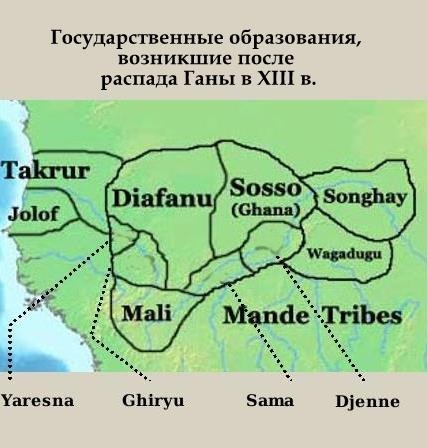
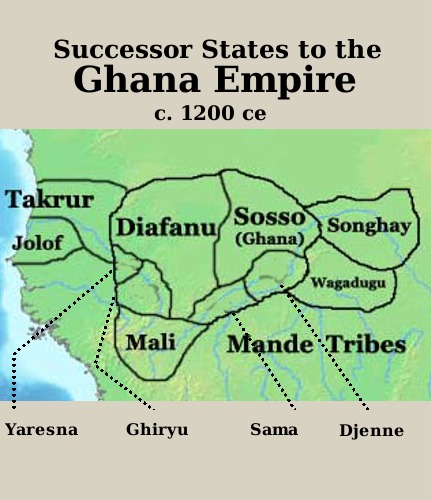
However, the decline of the Ghana Empire was influenced by various factors including resource depletion, internal conflicts, and the rise of neighboring empires such as Mali. Additionally, shifts in trade routes and the decline in gold resources contributed to its economic decline. Over time, these challenges weakened the empire’s economic foundations, leading to its eventual decline and the rise of successor states in the region.
Social and Cultural Aspects
The social and cultural aspects of language play a crucial role in shaping the identity and heritage of the Ghana Empire. Language serves as a vital tool for communication, tradition preservation, and social cohesion among the diverse communities within the empire. Understanding these aspects provides deeper insights into the societal structures, cultural practices, and historical narratives that have influenced the development of the Ghana Empire over centuries.
Religion and Spiritual Practices
The Ghana Empire, also known as Wagadou, thrived in West Africa from approximately the 6th to the 13th century and played a significant role in shaping the region’s social and cultural landscape. Central to the empire’s identity were its diverse communities, each with unique social structures and traditions that contributed to a rich cultural tapestry. Religion was a vital aspect of daily life, with indigenous beliefs emphasizing ancestor worship, spiritual reverence, and reverence for nature spirits. The spread of Islam through trade routes also influenced religious practices, leading to the establishment of Islamic centers within the empire and the integration of Islamic rituals with traditional spiritual practices. Spirituality and religious observances often intertwined, guiding social conduct and community cohesion. Rituals, festivals, and ceremonies reinforced social bonds, celebrated harvests, and honored deities, reflecting the cultural diversity and spiritual depth of the Ghana Empire. Overall, religion and spiritual practices in Ghana’s history illustrate a complex interplay of indigenous beliefs and external influences, shaping the empire’s social fabric and cultural legacy.
Social Hierarchy and Class Structure
The Ghana Empire, which thrived from approximately the 6th to the 13th centuries, was characterized by a complex social and cultural structure that played a vital role in its stability and prosperity. Society was organized into distinct social classes, with the king or ruler at the top, considered both a political leader and a religious figure. Beneath him, there were nobles and warriors who held significant authority and protection responsibilities. The majority of the population consisted of merchants, artisans, farmers, and laborers, forming a diverse social fabric crucial for economic activities, especially gold trading.
Social hierarchy in the Ghana Empire was rigid but also flexible enough to allow mobility through wealth and influence. Wealth, particularly control over trade resources like gold and salt, was a key determinant of social standing. This wealth contributed to a stratified society where aristocrats and wealthy traders enjoyed privileges and prestige, while farmers and laborers had more limited rights. The empire’s kinship-based clans and extended family networks reinforced social cohesion and continuity.
Culturally, the Ghana Empire was deeply rooted in Islamic traditions following the spread of Islam through trade contacts, which influenced social norms, laws, and religious practices. Despite this, indigenous beliefs and customs persisted, resulting in a unique cultural synthesis. The social and cultural aspects of Ghana’s society played a significant role in fostering a vibrant, interconnected community that facilitated long-term stability and prosperity during its golden age.
Language and Ethnic Composition
The Ghana Empire, also known as the Wagadou Empire, was a prominent medieval West African civilization with rich social and cultural attributes. Its society was organized into various social classes, including kings, nobles, artisans, farmers, and slaves, reflecting a complex hierarchy. Culturally, the empire was known for its vibrant traditions, music, and oral literature, which played a significant role in maintaining social cohesion and transmitting history. The empire’s cultural practices were deeply intertwined with Islamic influences, especially in its later periods.
Language played an essential role in the Ghana Empire’s identity, with Twi and other Soninke dialects being prominent among the local populations. These languages served as means of communication, cultural expression, and administration within the empire. The legacy of these languages persists in modern Ghana, where they remain a vital part of the social fabric.
The ethnic composition of the Ghana Empire was primarily made up of the Soninke people, although it also included various other groups such as the Mandinka, Berbers, and Wolof, among others. These diverse groups contributed to the empire’s wealth, culture, and development, creating a vibrant mosaic of ethnic identities that influenced the region’s history and culture. Today, the descendants of these ethnic groups continue to live in the region, maintaining their ancestral languages and traditions.
Military and Defense
The Ghana Empire, also known as the Wagadou Empire, was a powerful and influential civilization in West Africa that thrived from around the 6th to the 13th century. Its military and defense strategies played a crucial role in maintaining territorial integrity and protecting trade routes across the region. Understanding the military aspects of the Ghana Empire offers valuable insights into how ancient civilizations defended their sovereignty and expanded their influence in a complex and competitive environment.
Army Composition and Strategies
The Ghana Empire, also known as Wagadou, was one of the earliest and most significant empires in West Africa, renowned for its military strength and strategic alliances. Its military and defense strategies played a crucial role in maintaining its dominance over expansive trade routes and regional rivals.
- The Ghana Empire primarily relied on a well-organized army composed of cavalry, infantry, and specialized warriors to defend its territory and expand influence.
- They employed a combination of conventional warfare and strategic diplomacy, including alliances and alliances with neighboring states, to secure their borders.
- The empire utilized fortified cities and strategic points to defend key trade routes, ensuring control over gold, salt, and other valuable commodities.
- Ghana’s military strategies included swift mobilization and surprise attacks to intimidate enemies and safeguard its interests.
- Military leaders held significant influence and often coordinated with trade networks to bolster troop supplies and intelligence gathering.
- Ghana’s army was supported by a strong system of centralized command, allowing rapid decision-making in times of conflict.
- The empire used its military prowess as a deterrent against external invasions and internal rebellions, maintaining stability within its boundaries.
- Archers and horsemen played a vital role in battles, emphasizing mobility and precision in combat.
- The military also incorporated the use of locally sourced weapons and armor, reinforcing self-sufficiency and resilience.
- Overall, the military and defense strategies of the Ghana Empire reflected its focus on economic prosperity, territorial integrity, and regional influence.
Protection of Trade Routes
The Ghana Empire, flourishing between the 6th and 13th centuries, was a powerful West African empire renowned for its control over critical trade routes across the Sahara Desert. The empire’s military strength and strategic positioning played a vital role in safeguarding these trade pathways, which facilitated the exchange of gold, salt, and other valuable commodities. Ghana established a formidable defense system to protect its trade interests from rival states and desert raiders, ensuring the stability and prosperity of its economy. The empire’s military innovations and alliances contributed significantly to maintaining dominance in the region and securing its trade routes from external threats.
Relations with Neighboring States

The Ghana Empire, also known as Wagadou, thrived in West Africa and maintained strategic relations with neighboring states to ensure its prosperity and stability. These interactions included trade alliances, diplomatic exchanges, and cultural collaborations, which helped strengthen the empire’s influence across the region. Relations with neighboring entities played a crucial role in shaping the history and development of the Ghana Empire, fostering both cooperation and competition in a dynamic political landscape.
Trade Alliances and Conflicts
The Ghana Empire, also known as the Wagadou Empire, was a prominent medieval trading civilization in West Africa that thrived from the 6th to the 13th century. Its relations with neighboring states played a crucial role in shaping the region’s political and economic landscape. The empire established extensive trade networks with nearby kingdoms, exchanging gold, salt, and other valuable commodities, which fostered alliances and strengthened its influence across West Africa. These trade routes not only facilitated economic prosperity but also facilitated cultural and diplomatic exchanges, enhancing Ghana’s diplomatic relations with neighboring states.
Despite its successes in trade, the Ghana Empire occasionally faced conflicts with neighboring states and rival tribes, often over control of key trade routes and resources. These conflicts sometimes led to military confrontations, but they also prompted diplomatic negotiations aimed at maintaining stability and prosperity in the region. The empire’s strategic location and control over vital trade routes allowed it to exert influence over surrounding territories, establishing a network of tributary states and allies that contributed to its dominance for centuries.
Overall, the Ghana Empire’s relations with neighboring states were characterized by a combination of valuable trade alliances and occasional conflicts, which together fostered a dynamic political landscape and contributed significantly to the development of West African civilization during the period. Its legacy in trade, diplomacy, and regional stability remains an important chapter in the history of Africa.
Diplomatic Engagements and Alliances
The Ghana Empire, also known as the Wagadou Empire, established various diplomatic relations and alliances with neighboring states to strengthen its influence and stability in West Africa. The empire engaged in trade and diplomatic exchanges with cities and kingdoms such as the Mali Empire and the Songhai Empire, fostering alliances that facilitated economic growth and military cooperation. These relations were often maintained through diplomatic missions, marriage alliances, and mutual treaties, which helped protect trade routes and ensure peace among the regional powers. The Ghana Empire’s strategic position enabled it to serve as a dominant trading hub, and its diplomatic engagements played a crucial role in maintaining its prestige and territorial integrity during its height. Over time, these alliances and diplomatic efforts contributed to the empire’s ability to control key routes for gold, salt, and other commodities, reinforcing its influence across West Africa.
Decline and Fall of the Ghana Empire
The Ghana Empire, also known as the Wagadou Empire, was a powerful and influential civilization in West Africa that thrived from approximately the 6th to the 13th century. Renowned for its wealth, trade, and sophisticated society, the empire played a central role in the development of the region. However, a combination of internal strife, economic decline, and external invasions eventually led to its decline and fall, marking a significant turning point in West African history.
Internal Factors and Challenges
The decline and fall of the Ghana Empire were influenced by a combination of internal factors and challenges that weakened the once-powerful state. Internal instability, including conflicts over succession and political fragmentation, weakened the central authority and diminished the empire’s ability to maintain control over its territories. Additionally, economic difficulties arose due to over-reliance on gold and trade routes, which were disrupted by external threats and changing trade dynamics. Internal rebellions and dissatisfaction among local leaders further destabilized the empire, making it vulnerable to external invasions. These internal challenges ultimately contributed to the weakening and eventual collapse of the Ghana Empire, paving the way for new powers to emerge in the region.
External Threats and Invasions
The decline and fall of the Ghana Empire were significantly influenced by external threats and invasions from neighboring groups. Over time, the empire faced pressure from Almoravid Berbers, who launched invasions in the 11th century, aiming to control trade routes and expand their influence in West Africa. These invasions weakened Ghana’s military capabilities and disrupted its economic stability, particularly its lucrative gold and salt trade. Additionally, internal strife and succession disputes made the empire more vulnerable to external attacks.
As external invasions continued, the Ghana Empire’s political structure became destabilized, leading to a gradual decline in its territorial extent and influence. By the 12th century, internal decline and external military pressures culminated in the eventual disintegration of the empire. The weakening of Ghana opened the way for the rise of successor states like the Mali Empire, which inherited some of its economic and cultural legacy. Ultimately, external threats and invasions played a crucial role in the decline of the Ghana Empire, marking the end of its dominance in West Africa.
Legacy and Redistributive Effects
The decline and fall of the Ghana Empire, which peaked between the 9th and 11th centuries, can be attributed to a combination of internal weaknesses, external pressures, and changing economic dynamics. Internal factors such as political instability and the weakening of central authority undermined the empire’s ability to maintain control over its vast territory. External influences, notably the expansion of neighboring states like the Mali Empire and the Almoravid invasions, further eroded Ghana’s dominance in West Africa. Additionally, shifts in trade routes and the decline in the gold resources that once fueled the empire’s prosperity contributed to its decline.
The legacy of the Ghana Empire is significant, as it laid the foundation for the rise of subsequent West African empires, particularly Mali and Songhai. It was a major hub for trans-Saharan trade, facilitating the exchange of gold, salt, and other goods, which contributed to the economic development of the region. The empire’s organizational and cultural achievements, including its early urban development and administrative systems, left a lasting imprint on West African history.
The redistributive effects of the Ghana Empire’s decline impacted the region’s political and economic landscape. As central authority waned, local leaders and smaller states gained prominence, leading to a decentralization of power. Trade networks reoriented, and new centers of commerce emerged, shifting economic power. The decline also prompted a reorganization of trade routes and alliances, which helped shape the development of future West African civilizations and contributed to the region’s resilience and adaptability in the face of political upheaval.




0 Comments