
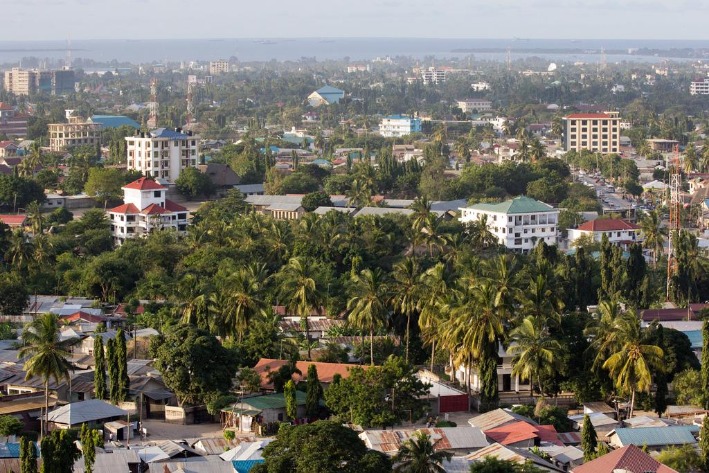
Overview of Dodoma
Dodoma is the political and administrative capital of Tanzania, situated in the central part of the country. Known for its calm and organized environment, it has become the center of government activities and decision-making. Over the years, Dodoma has experienced significant growth and development, transforming from a small town into a vibrant city with a rich cultural heritage and modern infrastructure. It serves as a hub for political governance, education, and economic development in Tanzania.
Geographical Location
Dodoma is the political and administrative capital of Tanzania, situated in the central part of the country. It is known for its strategic location, serving as a hub connecting various regions across Tanzania. The city is characterized by a semi-arid climate and expansive plains, surrounded by hills and agricultural lands.
Historical Significance
Dodoma is the capital city of Tanzania, situated in the central part of the country. It serves as the political and administrative hub, hosting the nation’s government offices and parliament. Historically, Dodoma was chosen as the capital in the 1960s to promote development and unify the country after independence. The city has grown steadily over the years, reflecting Tanzania’s commitment to decentralization and nation-building. Its strategic location and historical significance make Dodoma an important symbol of Tanzania’s progress and aspirations for the future.
Current Status as Capital
Dodoma is the official capital city of Tanzania, located in the central part of the country. It was designated as the capital in 1974, replacing Dar es Salaam, to promote a more centralized administrative hub. The city has grown significantly over the years, serving as the political and governmental center of Tanzania.
Currently, Dodoma functions as the administrative capital, hosting the presidential offices, parliament, and various government institutions. Although Dar es Salaam remains the economic and commercial hub, Dodoma continues to develop its infrastructure and public services to support its role as the political heart of Tanzania. The city is known for its planned layout, calm environment, and emerging urban landscape, reflecting Tanzania’s efforts to decentralize governance and promote regional development.
Geography and Climate
Tanzania’s capital city, Dodoma, is situated in the heart of the country, offering a unique landscape that reflects its diverse geography. The climate varies from semi-arid to moderate, influenced by its inland location and elevation. Understanding the geography and climate of Dodoma provides insight into the region’s environment, agriculture, and urban development.
Topography of Dodoma
Dodoma, the capital city of Tanzania, is located in the central part of the country. It features a semi-arid climate with distinct wet and dry seasons, influenced by its inland position away from the coastal moisture. The city experiences moderate to high temperatures throughout the year, with cooler evenings, especially during the dry season. Its climate is characterized by relatively low annual rainfall compared to coastal regions, making it suitable for government and administrative activities.
- Geography and Location: Situated centrally within Tanzania, Dodoma lies on a plateau elevated approximately 1,200 meters above sea level, providing expansive views of the surrounding landscape.
- Topography: The terrain of Dodoma is predominantly flat with undulating plains and some rocky outcrops. The landscape is dotted with sparse vegetation, including grasses and drought-resistant shrubs, adapted to semi-arid conditions.
- Climate Characteristics:
- Temperature Range: Typically between 15°C and 30°C (59°F to 86°F).
- Rainfall: Annual precipitation ranges from 600 to 900 millimeters, mostly during the rainy season from November to April.
- Seasonal Variations: Hot and dry conditions prevail in the dry season, while the wet season brings brief, heavy showers.
Climate Characteristics
Dodoma, the capital city of Tanzania, is situated in the central part of the country, characterized by its semi-arid climate and inland location. Its geography features flat plains and rolling hills, with the surrounding region supporting agriculture and wildlife. The city’s climate significantly influences its lifestyle, agriculture, and urban development.
- The climate is classified as a hot semi-arid climate, with warm to hot temperatures throughout the year.
- Rainfall is seasonal, primarily occurring during the two rainy seasons from November to May, with the short rains in November and the long rains from March to May.
- Average temperatures range from 15°C (59°F) during cooler months to 30°C (86°F) in hotter months.
- Dry seasons are marked by minimal rainfall and significant temperature variations between day and night.
Natural Resources and Environment
Tanzania’s capital city is Dodoma, which is located inland in the central part of the country. The geography of Dodoma features a semi-arid climate with distinct wet and dry seasons, characterized by hot days and cooler nights. The surrounding landscape consists of rolling plains and sparse vegetation, reflecting its position within the East African plateau.
Tanzania is endowed with rich natural resources, including minerals such as gold, diamond, and tanzanite, which is unique to the country. The nation also has significant agricultural resources due to its fertile lands and favorable climate for crops like coffee, tea, and tobacco.
The environment in Tanzania faces various challenges, including deforestation, soil erosion, and habitat loss, primarily driven by agriculture and urbanization. Conservation efforts are ongoing to preserve its diverse ecosystems, including national parks like Serengeti and Kilimanjaro, which protect vital wildlife and natural beauty. These efforts are essential to maintaining the country’s rich environmental heritage for future generations.
Administrative and Political Structure
The administrative and political structure of Tanzania’s capital city, Dodoma, plays a vital role in the governance and development of the nation. As the designated political center, Dodoma houses key government institutions and administrative offices that facilitate decision-making and policy implementation. The city’s structure is designed to support effective governance, ensuring that local and national interests are integrated to promote growth and stability across the region.
Role as the Political Capital
Dodoma serves as the political capital of Tanzania, acting as the center of government and legislative activities. It hosts key government institutions, including the Parliament of Tanzania, ministry headquarters, and official residences of political leaders. As the administrative hub, Dodoma plays an essential role in policymaking, national governance, and coordination of various governmental functions. The city was designated as the capital in 1974 to promote regional development and decentralize power away from Dar es Salaam, the former capital. Its political structure includes city councils and administrative offices that oversee local governance, ensuring effective delivery of public services and political stability. Overall, Dodoma’s role as the political capital underscores its importance in shaping Tanzania’s national policies and government operations.
Governmental Institutions
The administrative and political structure of Tanzania’s capital city, Dodoma, is designed to facilitate effective governance and administrative efficiency. Dodoma serves as the political capital, hosting the official government offices and key institutions responsible for national administration. The city operates under the framework of the Tanzanian government, with the President, Parliament, and other central government agencies located there. Local government authorities, including the Dodoma City Council, manage municipal affairs, development projects, and public services. The city plays a vital role in national policymaking and administration, with various institutions working collaboratively to promote growth and stability within the region. Tanzania’s government maintains a centralized political system, while also empowering local authorities to oversee regional development and public welfare initiatives.
Major Administrative Divisions
Dodoma is the capital city of Tanzania and serves as the political and administrative hub of the country. The administrative and political structure of Tanzania is organized to facilitate governance at various levels, from national to local. The government is a unitary republic with a president as the head of state and government, supported by a cabinet and legislature. The country is divided into several administrative divisions to ensure effective governance.
Major administrative divisions in Tanzania include regions, districts, and local government authorities. The country is divided into 31 regions, each headed by a Regional Commissioner appointed by the President. These regions are further subdivided into districts, which are managed by District Commissioners. The districts are the primary units of local administration, providing services and implementing policies within their jurisdictions. Below districts, there are divisions, wards, and villages, which serve as the grassroots level of administration, ensuring that governance reaches even the most local communities.
This structure ensures a centralized yet decentralized approach to administration, allowing for effective management of resources and delivery of services across Tanzania. Dodoma, as the capital, hosts many of the country’s key government offices, including the Parliament, ministries, and other essential administrative institutions, exemplifying its critical role in the administrative and political framework of Tanzania.
Economic Aspects
Understanding the economic aspects of Tanzania’s capital city, Dodoma, provides valuable insight into the country’s development and growth. As the political and administrative center, Dodoma plays a crucial role in shaping the nation’s economic landscape. This article explores the key economic factors, opportunities, and challenges that influence the city’s progress and its impact on Tanzania’s overall economy.
Key Industries in Dodoma
Dodoma, the capital city of Tanzania, plays a vital role in the country’s economic landscape. Its strategic location and government focus have spurred growth in various sectors, making it an important economic hub in central Tanzania.
- Agriculture
- Public Administration and Government Services
- Construction and Infrastructure Development
- Trade and Commerce
- Real Estate Development
Key industries in Dodoma include agriculture, with crops such as maize, beans, and millet forming the backbone of local livelihoods. The city also benefits from government institutions and administrative offices, which drive employment and economic activity. Construction and infrastructure projects are expanding, fostering growth in related sectors like transportation and services. Additionally, trade and commerce are vital, supported by markets and small businesses, while real estate development is on the rise due to urban expansion and investment opportunities.
Economic Development Projects
Dar es Salaam, the capital city of Tanzania, is a crucial economic hub that drives the country’s development through various economic aspects and development projects.
- Infrastructure Development: Significant investments have been made in improving transportation, communication, and energy infrastructure to support economic activities.
- Trade and Commerce: Dar es Salaam serves as Tanzania’s main port and commercial center, facilitating import-export activities and boosting local businesses.
- Industrial Growth: Initiatives to expand manufacturing sectors, including textiles, food processing, and construction materials, are key components of economic development projects.
- Foreign Investment: The city attracts foreign direct investment through special economic zones, business parks, and incentives aimed at promoting economic growth.
- Urban Planning Projects: Modern urban planning and housing projects aim to accommodate the growing population and improve living standards.
- Tourism Infrastructure: Development of hotels, resorts, and transportation networks enhances Dar es Salaam’s role as a gateway for tourism in Tanzania.
- Technology and Innovation: Promotion of technology hubs and innovation centers to diversify the economy and foster entrepreneurship.
Trade and Commerce
Dar es Salaam, the economic hub of Tanzania, plays a vital role in the country’s trade and commerce activities. The city boasts a diverse economy that includes manufacturing, port operations, and service industries, contributing significantly to national revenue. Its strategic location along the Indian Ocean facilitates international trade, making it a key port for importing and exporting goods. The presence of various markets, financial institutions, and business centers further drives economic growth and development in the region. As a vibrant center for commerce, Dar es Salaam attracts investments that bolster economic stability and foster regional integration within East Africa.
Cultural and Social Life

Dodoma, the capital city of Tanzania, is a vibrant hub of cultural and social activities that reflect the rich traditions and diversity of the nation. The city is known for its warm communities, lively markets, and unique blend of modern development and traditional customs. As a center of governance and culture, Dodoma offers a fascinating glimpse into Tanzania’s social life, where age-old traditions seamlessly coexist with contemporary influences.
Major Cultural Events
Dodoma, the capital city of Tanzania, boasts a vibrant cultural and social life that reflects the diverse heritage of the nation. The city hosts numerous traditional music and dance performances, showcasing the rich customs of various ethnic groups. Social gatherings often revolve around local markets, festivals, and community events that foster a strong sense of unity and cultural pride.
Major cultural events in Dodoma include the annual International Cultural Festival, which highlights traditional arts, crafts, music, and dance from different regions of Tanzania. The Dodoma Cultural Festival is another significant event, celebrating the local traditions, cuisine, and folklore. These events serve as a platform for cultural exchange, strengthening the social fabric of the city and attracting visitors from across the globe.
Educational Institutions
Dodoma, the capital city of Tanzania, boasts a vibrant cultural and social scene alongside its educational institutions. The city reflects a blend of traditional Tanzanian culture and modern influences, creating a unique environment for residents and visitors alike.
- Numerous cultural festivals and events are held throughout the year, showcasing local music, dance, and art.
- The city’s markets and public spaces serve as hubs for social interaction and cultural exchange.
- Traditional craft shops and galleries contribute to the preservation and promotion of Tanzanian heritage.
- University of Dodoma is the primary higher education institution, offering a wide range of academic programs and research opportunities.
- Several colleges and vocational institutes provide specialized training and skill development for the local workforce.
- Educational accessibility has improved gradually, with government initiatives aiming to expand literacy and education levels in the region.
Religious and Community Spaces
Dodoma, the capital city of Tanzania, offers a rich blend of cultural and social life that reflects the diverse traditions of the nation. The city hosts numerous events, festivals, and cultural gatherings that showcase Tanzanian music, dance, and art, fostering a vibrant community spirit. Religious and community spaces are integral to Dodoma’s social fabric, with numerous mosques, churches, and community centers serving as hubs for worship, social interaction, and mutual support. These spaces not only cater to spiritual needs but also promote social cohesion and cultural preservation, making Dodoma a dynamic city where tradition and modernity coexist harmoniously.
Transportation and Infrastructure
Transportation and infrastructure in Tanzania’s capital city are vital components that support the country’s economic growth and urban development. Dar es Salaam, as a major hub, features a diverse range of transportation options including buses, trucks, and port facilities. Continuous improvements to roads, railways, and port infrastructure are essential to enhance connectivity, facilitate trade, and improve daily commutes for residents and visitors alike. Efforts to modernize and expand these systems play a crucial role in shaping the city’s future prosperity.
Road Networks
Dar es Salaam, the capital city of Tanzania, boasts a developing transportation and infrastructure network that plays a crucial role in its economic growth. The city features a well-established road network comprising main highways, arterial roads, and local streets that facilitate the movement of people and goods across urban and suburban areas. Ongoing projects aim to expand and upgrade road infrastructure to reduce congestion and improve connectivity. Despite challenges such as traffic congestion and road maintenance, Dar es Salaam continues to invest in transportation infrastructure, including the development of flyovers, bypasses, and modern road surfaces, to support its growing population and economic activities. Enhanced transportation links are vital for boosting trade, tourism, and overall urban development in the region.
Public Transportation
Dar es Salaam, the largest city and economic hub of Tanzania, has been actively developing its transportation and infrastructure to improve urban mobility and connectivity. The city features an expanding network of roads, bridges, and public transportation systems aimed at easing daily commutes for residents and visitors alike.
Public transportation in Dar es Salaam primarily consists of dala-dalas (minibus taxis), buses, and ferries, which serve as affordable and accessible options for many residents. The government has also been investing in modernizing the transportation infrastructure, including the introduction of bus rapid transit (BRT) systems to reduce traffic congestion and enhance efficiency in urban transit.
Efforts are underway to expand and upgrade public transportation facilities, with projects focused on constructing new terminals, improving road conditions, and integrating different modes of transportation. These initiatives aim to promote sustainable urban transport solutions, reduce air pollution, and support the city’s economic growth as it continues to develop rapidly.
Airport and Connectivity
Dar es Salaam, the largest city and economic hub of Tanzania, boasts a well-developed transportation and infrastructure network that facilitates both domestic and international connectivity. The Julius Nyerere International Airport serves as a major gateway for travelers entering the country, offering numerous flights to regional and international destinations. The city also benefits from an extensive road network, including major highways that connect different neighborhoods and suburbs, supporting the movement of people and goods efficiently. Additionally, efforts are underway to enhance rail connectivity and urban transit systems to reduce congestion and improve accessibility. As Tanzania’s capital and commercial center, Dar es Salaam continues to invest in infrastructure development to support economic growth and improve connectivity for residents and visitors alike.
Tourist Attractions and Landmarks
Dar es Salaam, the vibrant capital city of Tanzania, is a fascinating destination packed with remarkable tourist attractions and landmarks. Visitors can explore a blend of cultural sites, beautiful beaches, and historical landmarks that showcase the city’s rich heritage and natural beauty. From bustling markets to serene coastal areas, Dar es Salaam offers an unforgettable experience for travelers seeking both adventure and relaxation.
Historical Sites
Dodoma, the capital city of Tanzania, is rich in tourist attractions, historical sites, and landmarks that showcase the country’s cultural heritage and natural beauty.
- Utumishi Monument – a prominent landmark representing Tanzanian independence and unity.
- Tambarare Hill – offers panoramic views of the city and is a popular spot for sightseeing and relaxation.
- Jamatkhana Mosque – a beautiful religious site known for its unique design and cultural significance.
- Old Government House – a historic building that symbolizes the colonial era and administrative history.
- Maudhui Mosque – a significant religious landmark attracting visitors and worshippers alike.
- Udzungwa Mountains National Park – located near Dodoma, this park features extraordinary biodiversity and scenic hiking trails.
Natural Attractions
Dodoma, the capital city of Tanzania, offers a variety of tourist attractions and landmarks that showcase its cultural and historical significance. Visitors can explore the National Assembly and the impressive Parliament buildings that highlight the city’s political importance. Nearby, the Dodoma Cathedral stands as a symbol of the city’s religious heritage. In addition to its landmarks, Dodoma is close to natural attractions such as the Dodoma Botanical Gardens, which provide a peaceful escape and a glimpse into local flora. The surrounding regions also offer opportunities for eco-tourism and exploring Tanzania’s rich natural landscape, making Dodoma a unique blend of cultural heritage and natural beauty.
Cultural Sites and Museums
Dodoma, the capital city of Tanzania, is rich in tourist attractions, cultural sites, and museums that showcase the country’s heritage and natural beauty. Visitors can explore the impressive Tanzanian Art Museum, which displays traditional carvings, paintings, and artifacts representing diverse tribal cultures. The Jamhuri Park offers a blend of recreational activities and historical significance, featuring a zoo and various parks. Culture enthusiasts can visit the Kondoa Rock Art Sites, recognized as a UNESCO World Heritage Site, to witness ancient rock paintings that date back thousands of years. Additionally, the Uhuru Monument stands as a symbol of independence and offers insights into Tanzania’s journey to freedom. The city also serves as a gateway to national parks and scenic landscapes, making it a compelling destination for those interested in discovering Tanzania’s cultural heritage and natural wonders.


0 Comments