
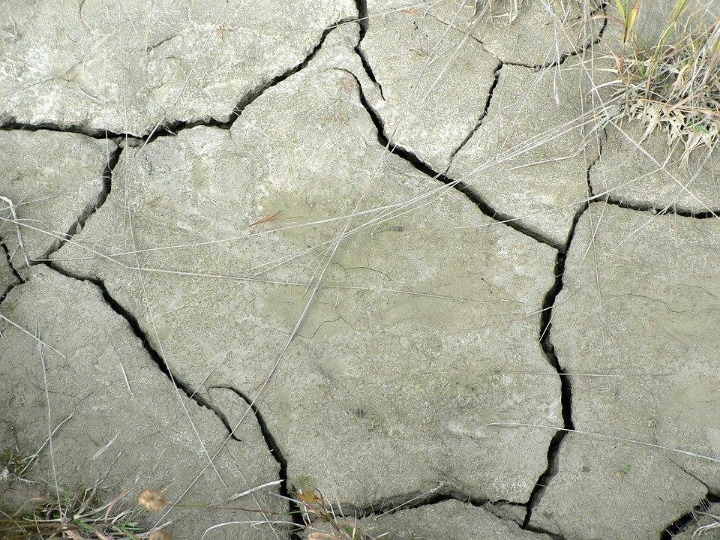
Overview of the Namibia Drought
The Namibia drought has emerged as a significant environmental challenge impacting the country’s water resources, agriculture, and overall livelihoods. Due to prolonged periods of below-average rainfall, many regions face severe water shortages, affecting both urban and rural communities. This ongoing crisis highlights the vulnerability of Namibia’s climate and underscores the urgent need for sustainable solutions to mitigate the effects of recurring droughts.
Historical Climate Patterns and Variability
The Namibia drought has been a significant environmental challenge impacting the country’s agriculture, water resources, and overall socio-economic stability. This recurrent drought phenomenon is primarily driven by variations in climate patterns, leading to prolonged periods of low rainfall that adversely affect both rural and urban communities.
Historically, Namibia’s climate has exhibited considerable variability, characterized by arid to semi-arid conditions that are typical of the region. Rainfall patterns tend to be unpredictable, with some years experiencing near-normal precipitation, while others face severe droughts. This variability is influenced by larger climatic systems such as the El Niño-Southern Oscillation (ENSO), which alters weather patterns across southern Africa, including Namibia.
Over the decades, climate records indicate that droughts in Namibia have occurred irregularly, often lasting multiple seasons and causing water shortages, crop failures, and livestock losses. These patterns highlight the importance of understanding the country’s climate history to develop resilient strategies for drought preparedness and water resource management. The increasing frequency and intensity of drought episodes underscore the need for sustainable solutions to mitigate their impacts and adapt to changing climate conditions.
Recent Drought Events and Severity
The Namibia drought has been a significant environmental challenge impacting the country’s agricultural productivity, water supply, and overall livelihoods. This recurring climate issue is primarily driven by irregular rainfall patterns, prolonged dry spells, and climate change effects, leading to severe water shortages in many regions. The country, known for its arid to semi-arid climate, frequently experiences drought conditions that threaten its ecological balance and economic stability.
Recent drought events in Namibia have been particularly intense and widespread. Between 2019 and 2021, the country faced one of its most severe drought periods in recent history, resulting in decreased crop yields, declining water availability, and increased food insecurity. These events were characterized by below-average rainfall during critical planting and growing seasons, exacerbating the vulnerability of rural communities dependent on agriculture.
The severity of the drought has been quantified through various indices and assessments, which indicate a high level of crisis across multiple regions. The most affected areas include the northern, central, and southern parts of Namibia, where water dams have reported critically low levels, and pastoral communities face grazing shortages for livestock. The ongoing drought conditions have prompted government and humanitarian interventions aimed at water provision, food aid, and resilience building to withstand future climatic shocks.
Causes of the Current Drought
The ongoing drought in Namibia has been driven by a combination of natural climate variability and human activities. Factors such as irregular rainfall patterns, prolonged periods of below-average precipitation, and rising temperatures have contributed significantly to the water shortages. Additionally, climate change has intensified the severity and frequency of drought episodes, placing further strain on Namibia’s fragile water resources and ecosystems.
Climate Change and Global Warming
The current drought in Namibia is primarily driven by climate change and global warming, which have significantly altered weather patterns and disrupted traditional rainfall cycles. As global temperatures rise, the atmosphere can hold more moisture, leading to unpredictable and often reduced rainfall in certain regions, including Namibia. Over the years, increased frequencies of droughts have been observed, severely impacting agriculture, water resources, and local ecosystems.
Climate change contributes to the shrinking of water sources such as rivers and aquifers, making it difficult for communities to sustain their water needs. In Namibia, this exacerbates the severity and duration of drought periods, reducing crop yields and threatening food security. Human activities like deforestation and land degradation further worsen the situation by decreasing the land’s ability to retain water and reflect sunlight, thus amplifying the effects of global warming.
The underlying causes of the current drought are a complex interplay of natural variability and anthropogenic factors. However, it is clear that the ongoing effects of climate change and global warming are significant drivers, highlighting the urgent need for adaptive strategies and sustainable practices to mitigate these impacts and build resilience against future droughts in Namibia.
Reduced Rainfall and Changing Weather Patterns
The Namibia drought is primarily driven by a combination of natural climatic variability and human-induced factors that have altered weather patterns. One of the main causes is the shift in global climate systems, which has led to decreased rainfall in the region over recent years. Changes in ocean currents and temperature, such as those associated with El Niño and La Niña phenomena, significantly impact Namibia’s weather, often resulting in prolonged dry spells. Additionally, deforestation and land degradation contribute to reduced soil moisture and weakened local climate regulation. Increased atmospheric temperatures due to global warming cause higher evaporation rates, further reducing water availability. Agricultural practices and overuse of water resources also exacerbate the situation, as these activities strain the limited water supplies. Overall, a complex interplay of natural variability and human activities has led to the reduced rainfall and changing weather patterns fueling the current drought in Namibia.
Impact of Land Use and Deforestation
The current drought in Namibia is primarily caused by a combination of natural climate variability and human activities. Extended periods of below-average rainfall, influenced by shifts in atmospheric circulation patterns such as the El Niño phenomenon, reduce water availability and lead to prolonged dry conditions. Additionally, climate change has intensified these patterns, resulting in more frequent and severe droughts. Human land use practices, including deforestation and improper land management, also contribute significantly to the worsening drought situation. Deforestation reduces vegetation cover that helps retain soil moisture, disrupts local water cycles, and diminishes the land’s ability to absorb and retain rainfall. Overgrazing and unsustainable agricultural practices further degrade the land, leading to increased soil erosion and reduced groundwater recharge. These combined factors impair the natural resilience of the landscape, making Namibia more vulnerable to periods of drought. The impacts of land use and deforestation extend beyond water scarcity, affecting agricultural productivity, biodiversity, and the livelihoods of communities dependent on natural resources.
Impacts of the Drought on Namibia
The drought in Namibia has had profound effects on the country’s environment, economy, and society. With prolonged periods of low rainfall, water scarcity has become a critical issue, impacting agriculture, livestock, and local communities. This persistent drought condition threatens to undermine Namibia’s development efforts and highlights the urgent need for sustainable water management and resilience strategies.
Agricultural Productivity and Food Security
The drought in Namibia has significantly affected the country’s agricultural productivity and food security, leading to widespread economic and social challenges. Reduced rainfall has caused soil moisture depletion, poor crop yields, and the deterioration of livestock conditions, which directly impacts the livelihoods of rural communities dependent on agriculture.
- Decreased crop production has resulted in shortages of essential food staples, increasing malnutrition and hunger among vulnerable populations.
- The decline in water availability has hindered irrigation activities, further compromising agricultural output and productivity.
- Livestock populations have suffered due to drought-related water and forage scarcity, leading to decreased meat and dairy supplies.
- Food imports have increased to bridge the gap caused by reduced local production, straining the national economy.
- The drought has prompted government and humanitarian agencies to implement emergency response measures, such as food aid and water distribution programs.
- The persistent drought exacerbates poverty levels, especially in rural communities heavily reliant on farming activities.
- It undermines long-term agricultural sustainability, making recovery and resilience-building more challenging.
- Food insecurity resulting from drought conditions can lead to health issues, social unrest, and displacement of affected populations.
- Future climate variability may increase the frequency and severity of droughts, necessitating adaptive strategies and resilient farming practices.
Water Resources and Supply Challenges
The drought in Namibia has had significant impacts on the country’s water resources and supply infrastructure, posing serious challenges for both urban and rural populations. Reduced rainfall has led to a decline in water availability, affecting agriculture, industry, and daily domestic use. As water sources dry up or become contaminated, access to clean water has become increasingly limited, undermining public health and economic stability.
- Depletion of water reservoirs and groundwater sources, leading to water scarcity in many regions
- Increased competition for limited water supplies among agriculture, industry, and households
- Decline in agricultural productivity, impacting food security and livelihoods
- Rising costs of water procurement and management, straining government and community resources
- Health concerns due to inadequate access to potable water, increasing risks of waterborne diseases
- Migration and displacement of rural communities seeking better water access
- Environmental degradation, including the loss of wetlands and ecosystems reliant on consistent water flow
- Implementing water conservation measures among households and industries
- Investing in alternative water sources such as desalination plants and rainwater harvesting systems
- Enhancing the sustainability of existing water infrastructure and promoting efficient usage
- Strengthening policies and community awareness to reduce water waste
- Developing drought contingency plans to ensure resilience during future dry periods
Wildlife and Ecosystem Health
The drought in Namibia has had significant adverse effects on the country’s environment, wildlife populations, and overall ecosystem health. Extended periods of low rainfall have led to water shortages, hampering the survival of various species and disrupting the delicate balance of natural habitats.
- Reduced Water Availability: Drought conditions severely limit access to freshwater sources, affecting both wildlife and human communities that rely on rivers, waterholes, and groundwater.
- Wildlife Decline: Many animal species, including elephants, lions, and smaller fauna, face starvation and dehydration, leading to decreased populations and, in some cases, local extinctions.
- Habitat Degradation: Drought causes vegetation to die back, resulting in loss of forage for herbivores and reducing the overall productivity of ecosystems.
- Increased Vulnerability to Disease: Stress from lack of water and poor nutrition makes wildlife more susceptible to disease outbreaks, further impacting population health.
- Disruption of Ecological Processes: The imbalance caused by drought affects predator-prey relationships, plant regeneration, and nutrient cycling, leading to long-term ecosystem instability.
Overall, the ongoing drought underscores the urgent need for sustainable water management and conservation measures to protect Namibia’s unique ecosystems and the species that depend on them.
Economic Consequences
The drought in Namibia has significantly impacted the country’s economy, causing widespread economic instability and challenges across various sectors. The scarcity of water has led to reduced agricultural productivity, affecting both subsistence farmers and commercial agriculture. This decline in agricultural output has resulted in decreased food availability, higher food prices, and increased malnutrition rates among the population.
- Decreased Agricultural Production: Drought has led to poor harvests, reducing income for farmers and limiting the supply of locally produced food products.
- Increased Food Prices: Reduced crop yields have driven up the cost of food, impacting affordability for many households and increasing inflationary pressures.
- Water Crisis and Reduced Hydropower Generation: Limited water resources have curtailed hydropower production, leading to electricity shortages and increased reliance on imported energy.
- Decline in Livestock Industry: Water shortages and poor pasture conditions have caused livestock mortality and decreased meat and dairy production, affecting exports and local markets.
- Reduced Industrial and Commercial Activities: Water scarcity and energy deficits have hampered manufacturing and other industries, leading to potential job losses and decreased economic growth.
- Increased Government Expenditure: The government has had to allocate additional funds for drought relief, water supply initiatives, and emergency aid, straining public finances.
Overall, the drought has placed considerable stress on Namibia’s economy, undermining development objectives and exacerbating poverty levels, especially among vulnerable communities. Long-term impacts may include decreased investor confidence and slowed economic growth if the drought persists or worsens.
Responses and Mitigation Strategies
The Namibia drought presents significant challenges to the country’s water resources, agriculture, and local communities. Effective responses and mitigation strategies are crucial to addressing the impacts of prolonged dry spells and ensuring the resilience of affected regions. By implementing appropriate measures, Namibia can better manage drought conditions and support sustainable development amid climate variability.
Government Policies and Relief Measures
In response to the ongoing drought in Namibia, the government has implemented a range of policies and relief measures aimed at alleviating the impact on affected communities. These strategies focus on both immediate relief and long-term resilience building to address water scarcity and food security challenges.
- Provision of emergency water supplies and food aid to severely affected regions.
- Distribution of drought-resistant crops and support for alternative livelihoods to promote sustainable agricultural practices.
- Deployment of mobile water tanks and drilling of boreholes to enhance access to potable water.
- Implementation of awareness campaigns to promote water conservation and efficient usage among residents.
- Provision of financial assistance and subsidies to farmers and vulnerable households.
- Development of policies aimed at improving water management infrastructure and diversifying water sources.
- Coordination with international organizations for technical support and funding for drought mitigation projects.
- The government has also established disaster response units to coordinate relief efforts and ensure timely assistance.
- Long-term strategies include investment in climate-resilient agriculture and sustainable water resource management policies.
- Monitoring and early warning systems have been enhanced to better anticipate and respond to drought conditions.
Water Conservation and Management Initiatives
Responses and mitigation strategies are essential in addressing the severe drought experienced in Namibia. Implementing effective water conservation and management initiatives can help optimize the use of limited water resources and ensure sustainability for communities and agriculture. These strategies include promoting awareness about water-saving techniques, encouraging the reuse and recycling of water, and deploying advanced irrigation methods to reduce wastage. Establishing robust water infrastructure such as reservoirs, desalination plants, and rainwater harvesting systems also plays a vital role in enhancing water availability. Additionally, developing drought-resistant crops and supporting alternative livelihoods can reduce dependence on water-intensive activities. Collaborative efforts among government agencies, local communities, and international partners are crucial for the successful implementation of these initiatives, ultimately building resilience against future droughts in Namibia.
Community Engagement and Education
Responses and mitigation strategies for the Namibia drought focus on both immediate relief efforts and long-term resilience building. Short-term actions include water rationing, deploying emergency water supplies, and providing food aid to vulnerable populations. In terms of long-term strategies, Namibia is investing in water conservation techniques, such as rainwater harvesting and the development of additional groundwater sources. Implementing sustainable land management practices also helps reduce soil erosion and enhance pasture recovery. Additionally, climate-smart agricultural practices are promoted to improve food security while minimizing environmental impact.
Community engagement and education are vital components in managing the drought. Local communities are involved in awareness campaigns that emphasize water conservation and sustainable resource use. Education programs aim to empower residents with knowledge about drought resilience and eco-friendly practices. Furthermore, involving community leaders in decision-making ensures culturally appropriate and effective responses. These initiatives foster a sense of shared responsibility, encouraging communities to adopt sustainable behaviors and prepare better for future drought events. Collaboration among government agencies, NGOs, and local populations is essential to build a resilient society capable of withstanding the challenges posed by climate variability.
International Support and Partnerships
Responses and mitigation strategies for the Namibia drought focus on immediate relief efforts as well as long-term resilience building. These include establishing emergency water supplies, promoting drought-resistant crop farming, and implementing water conservation campaigns to reduce consumption and preserve existing resources. Additionally, investing in alternative water sources such as groundwater extraction and rainwater harvesting helps mitigate water scarcity during severe drought periods.
International support plays a vital role in addressing the Namibia drought through humanitarian aid, technical assistance, and funding for infrastructure projects. Partnerships with neighboring countries and global agencies facilitate resource sharing, knowledge exchange, and coordinated disaster response efforts. These collaborations enhance Namibia’s capacity to respond effectively to drought impacts, develop climate adaptation strategies, and strengthen resilience against future water crises.
Future Outlook and Resilience Building
As Namibia faces increasing challenges from recurring droughts, building resilience and planning for the future have become crucial for sustainable development. Strengthening adaptive capacities and implementing innovative strategies can help communities better withstand climate-related shocks. Emphasizing a forward-looking approach ensures Namibia can secure water resources, protect agriculture, and foster economic stability despite the ongoing environmental uncertainties.
Climate Adaptation Strategies
Namibia’s ongoing drought presents significant challenges to its water security, agriculture, and overall ecological stability. To ensure sustainable development amidst increasing climate variability, it is crucial to adopt comprehensive future outlook and resilience building strategies. These strategies should focus on strengthening community capacities, enhancing infrastructure, and promoting adaptive practices that can withstand prolonged dry periods.
Climate adaptation strategies in Namibia can include the implementation of rainwater harvesting systems, the development of drought-resistant crop varieties, and the diversification of livelihoods to reduce dependency on rainfed agriculture. Building resilient water management systems, such as improved aquifer recharge and sustainable groundwater use, is vital for securing water supplies during droughts. Additionally, investing in early warning systems and climate-smart technologies can help communities anticipate and respond more effectively to climate shocks.
In the long term, Namibia must prioritize ecosystem-based approaches, such as reforestation and soil conservation, to restore natural buffers against climate impacts. Strengthening policies that support climate resilience, fostering regional cooperation, and raising awareness about sustainable practices are also essential to creating a resilient society capable of adapting to the unpredictable effects of climate change. These combined efforts can help Namibia navigate future droughts with greater resilience and preserve its environmental and socio-economic stability.
Investment in Sustainable Water Infrastructure
As Namibia faces ongoing challenges posed by recurrent droughts, the future outlook necessitates a strong focus on resilience building and strategic investment in sustainable water infrastructure. Emphasizing adaptive water management practices will be essential to safeguard water resources and support both communities and agriculture.
Investing in innovative and resilient water infrastructure, such as multi-purpose water storage systems, desalination technologies, and groundwater recharge projects, can enhance Namibia’s capacity to withstand climate variability. These measures will reduce dependency on variable rainfall and improve water security in vulnerable regions.
Building resilience also requires strengthening institutional frameworks, improving data collection and forecasting, and fostering community engagement. Collaborative efforts between government, private sectors, and international organizations can facilitate the development of sustainable solutions that promote long-term stability and environmental conservation.
Ultimately, a proactive approach centered on sustainable infrastructure investments and resilience strategies is vital for Namibia to mitigate the impacts of future droughts and secure a resilient water future for its population and ecosystems.
Research and Data Collection
The future outlook for Namibia in the context of drought emphasizes the importance of resilience building through comprehensive research and meticulous data collection. As climate variability continues to impact the region, it is critical to develop adaptive strategies that enhance water security, expand drought-resistant agricultural practices, and strengthen community preparedness. Ongoing research efforts should focus on climate modeling, groundwater management, and the development of sustainable resource utilization to mitigate the adverse effects of recurring droughts.
Robust data collection plays a pivotal role in understanding the spatial and temporal patterns of droughts, enabling policymakers to craft targeted interventions. By investing in advanced monitoring systems, remote sensing technologies, and local data gathering initiatives, Namibia can enhance its predictive capabilities and improve response strategies. Strengthening collaborative efforts among government agencies, research institutions, and local communities will foster resilience and ensure sustainable development despite the challenges posed by future drought events.
Building Community Resilience
Future outlook and resilience building are essential for Namibia as it faces ongoing challenges related to drought and climate variability. Establishing sustainable water management practices, diversifying livelihoods, and promoting climate-smart agriculture are critical steps to enhance community resilience. Strengthening local capacity and improving infrastructure can help communities better absorb environmental shocks and reduce vulnerability.
Building community resilience involves fostering collaboration among government agencies, local organizations, and residents. Education and awareness campaigns can empower communities to adopt sustainable practices and prepare for future droughts. Investing in early warning systems and social safety nets further enhances their ability to respond swiftly and effectively, ensuring long-term stability and resilience in Namibia’s vulnerable regions.



0 Comments